Why Are My Plant Leaves Turning Yellow? (Causes & Fixes)
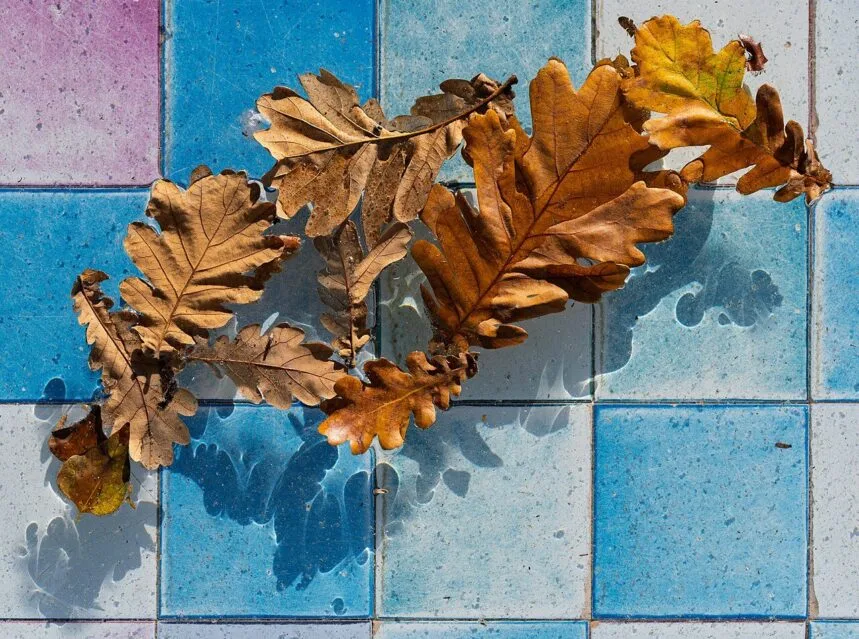 Photo: Jules Verne Times Two (CC BY-SA 4.0) via Wikimedia Commons
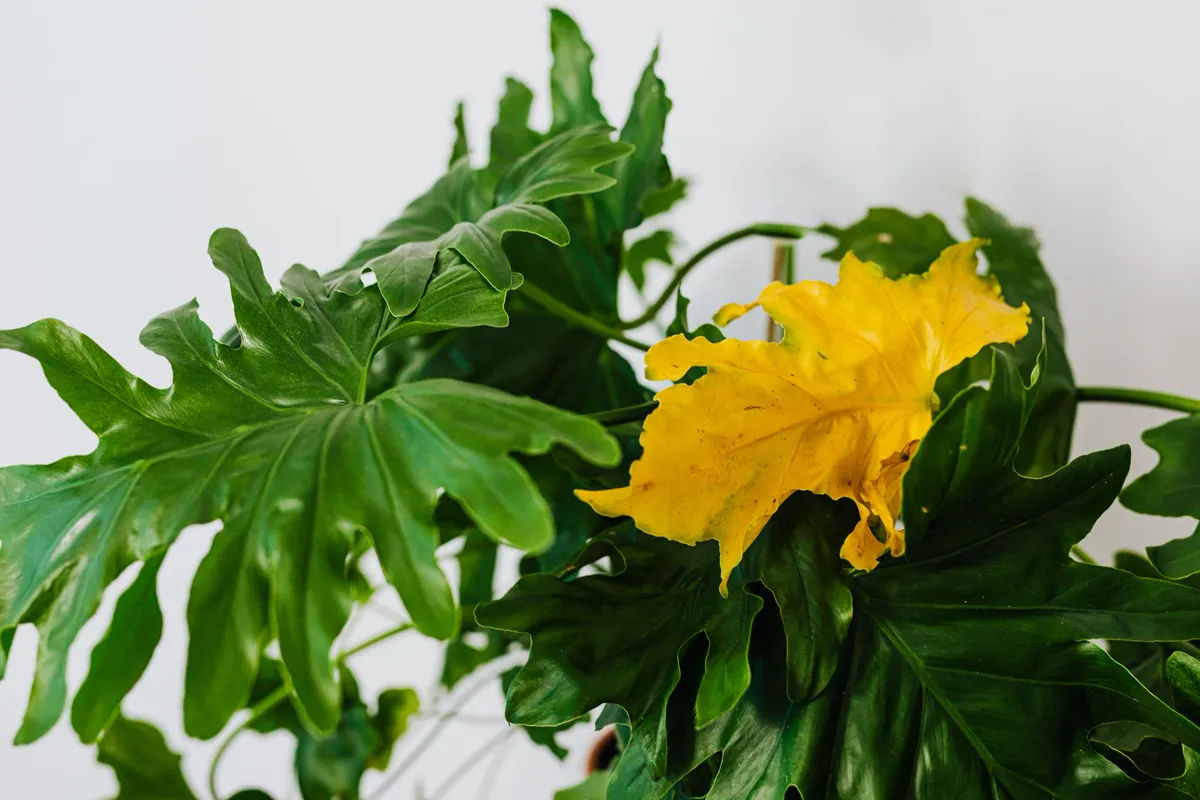
Why are my plant leaves turning yellow? The most common cause is overwatering, but it can also be underwatering, too little light, nutrient shortage, or simply old age. Yellow leaves (chlorosis) are a plant’s way of telling you something is off, and the pattern usually reveals the cause. This guide explains why plant leaves turn yellow and how to fix each cause.
Quick answer: First check the soil. Soggy soil with yellowing leaves means overwatering, the number-one cause, so let it dry and improve drainage. Dry soil means underwatering. Pale, yellowing new leaves suggest poor light or a nutrient shortage, while the odd old lower leaf turning yellow and dropping is normal. Match the fix to the pattern below.
🧰 In a hurry? Jump straight to our tested picks for this guide ↓
Yellow leaves: causes at a glance
| Cause | Clue |
|---|---|
| Overwatering | Soggy soil; lower leaves yellow and soft |
| Underwatering | Dry soil; yellow, crisp, wilting leaves |
| Too little light | Pale, yellowing, leaning, leggy growth |
| Nutrient shortage | Yellowing with green veins; pale new leaves |
| Natural ageing | Odd old lower leaf yellows and drops |
| Cold, draughts, or shock | Sudden yellowing after a change |
Start by checking the soil
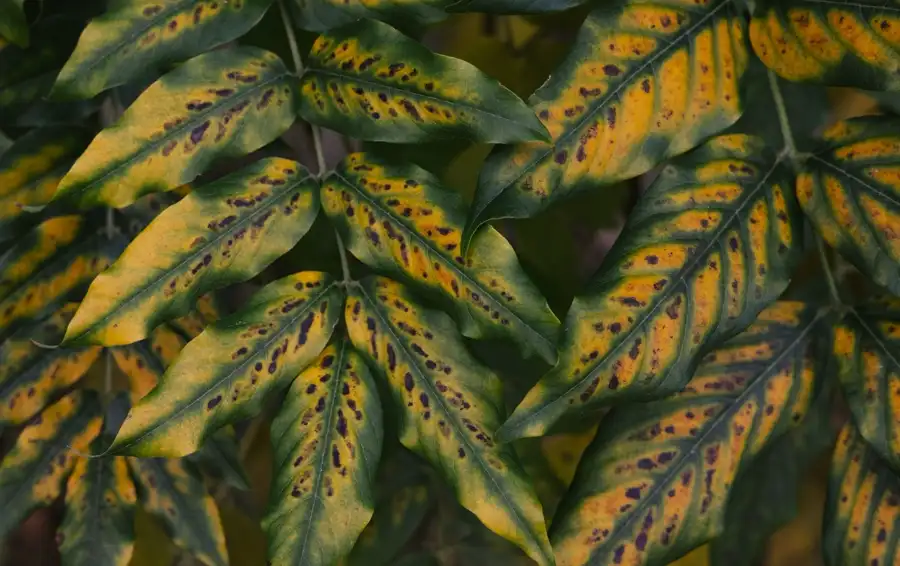
As with most plant problems, the first step is to feel the soil. This quickly points to the most likely cause, since watering issues top the list.
If the soil is wet and soggy, overwatering is the prime suspect. If it is bone dry, underwatering is likely. This simple check stops you from watering a plant that is already drowning, the classic mistake. From there, the look and location of the yellowing narrow it down further.
Overwatering: the top cause
Overwatering is the most common reason for yellow leaves, especially in houseplants. Waterlogged soil suffocates the roots so they cannot work.
Starved of air, the roots begin to rot and can no longer take up water and nutrients, and the lower leaves yellow, soften, and drop. The fix is to stop watering, let the soil dry out, and improve drainage (see how often to water plants). Empty any saucer, and in bad cases repot into fresh, free-draining soil, trimming away dark, mushy roots.
Underwatering and light problems
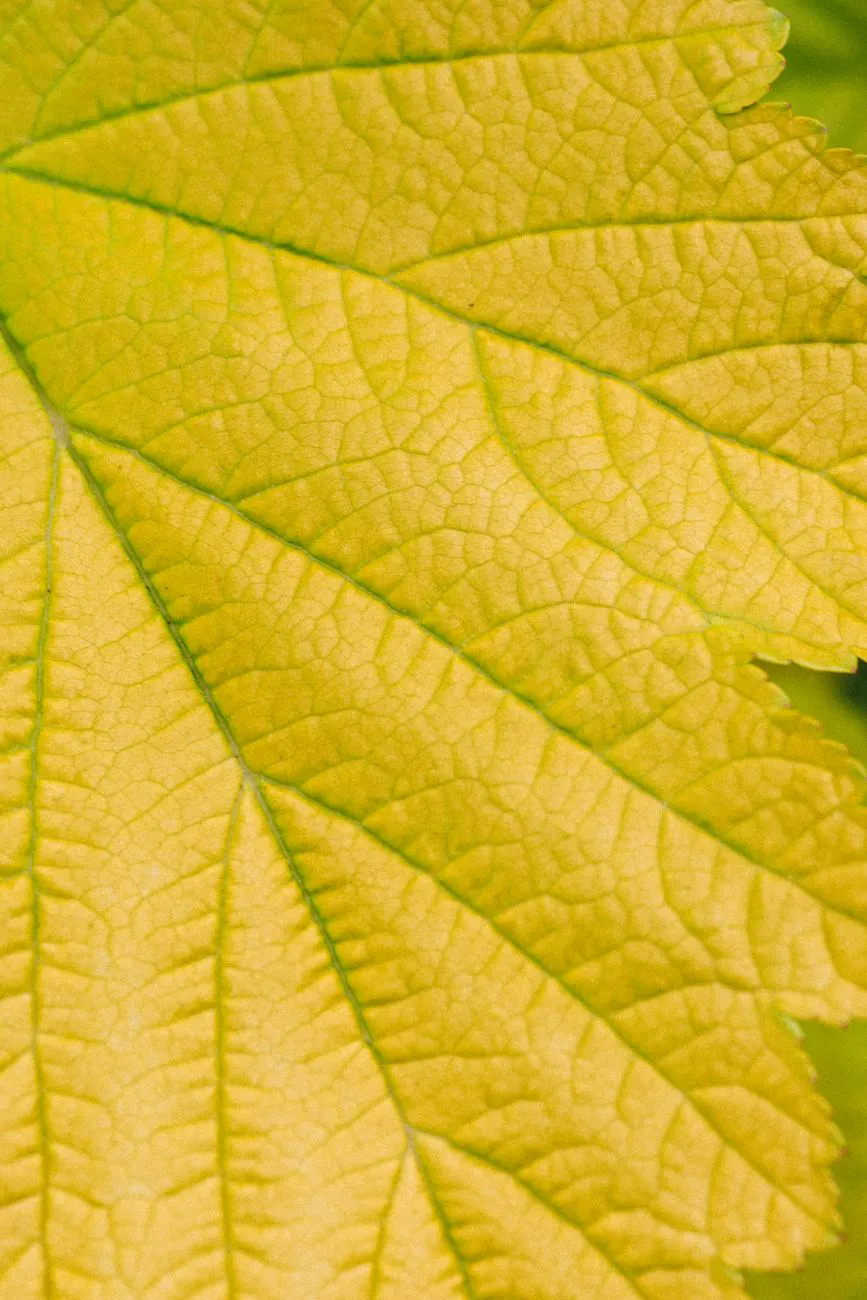
Too little water and too little light also turn leaves yellow, in different ways. Both are easy to spot.
Underwatering shows as dry soil with yellow, crisp, wilting leaves that perk up after a deep drink. Too little light gives pale, yellowing growth that leans toward the window and stretches (see light needs). Move an underwatered plant onto a steady watering routine, and a light-starved one to a brighter spot, and the new growth comes back green.
Nutrient shortages
Plants short of nutrients often yellow in tell-tale patterns. The most common is a lack of nitrogen or iron.
Nitrogen shortage yellows the oldest, lower leaves first and overall growth is pale and weak. Iron or magnesium shortage yellows the leaf between green veins (interveinal chlorosis), often on newer leaves. The fix is to feed appropriately, with a balanced fertilizer for general yellowing (see feeding plants), and to check the soil is not waterlogged, which blocks nutrient uptake.
When yellow leaves are normal
Not all yellowing is a problem, and it helps to know what is natural. Plants shed old leaves as part of healthy growth.
If the oldest, lowest leaves slowly turn yellow and drop while the rest of the plant grows well, that is simply ageing, nothing to worry about. Deciduous plants also yellow in autumn before dropping their leaves. It is only widespread or rapid yellowing, or yellowing of the newest leaves, that signals a real problem needing action.
Other causes: cold, pests, and water quality
A few less common causes can yellow leaves too. They are worth checking if the obvious ones do not fit.
Cold draughts or sudden temperature change can yellow and drop leaves, so keep plants away from cold windows and vents. Pests like spider mites and aphids sap the plant and cause speckled yellowing, so check the leaf undersides. In sensitive houseplants, hard tap water can also cause yellowing (see tap water for plants).
How to revive a yellowing plant
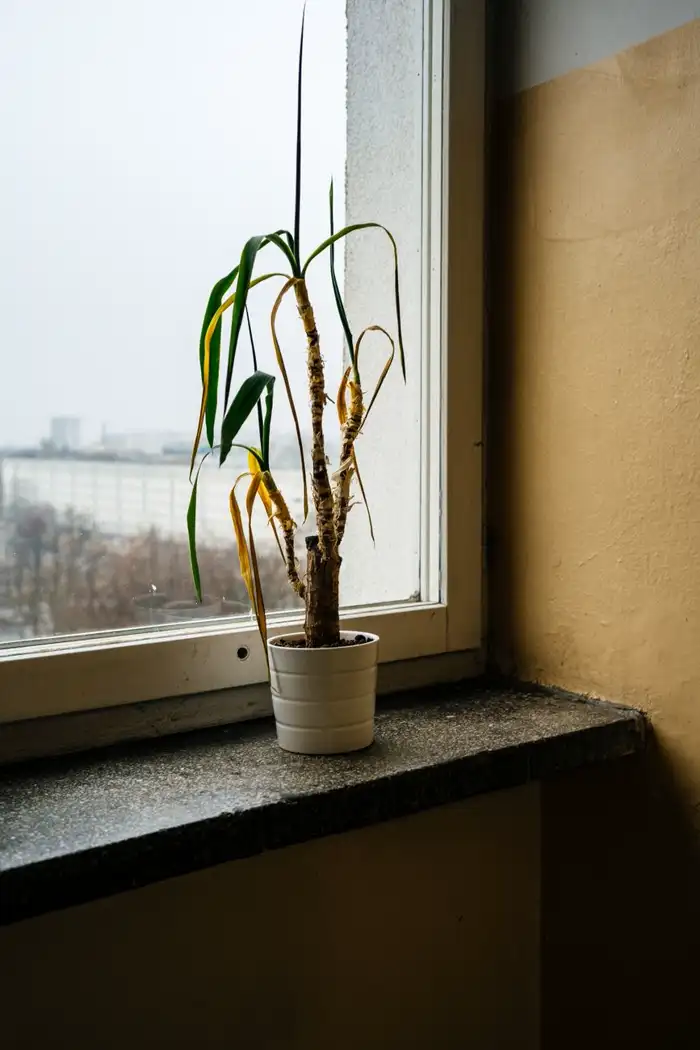
Once you know the cause, most yellowing plants recover with simple care. Work through these steps.
- Check the soil — wet means stop watering; dry means water deeply.
- Check the light — move pale, leggy plants somewhere brighter.
- Feed if needed — a balanced feed for pale, hungry plants.
- Check roots and pests if watering and light are fine.
- Remove the yellow leaves once the cause is fixed, so the plant focuses on healthy growth.
Yellow leaves in India & hot climates
In hot climates like much of India, two causes are especially common: overwatering and hard tap water. Both yellow leaves readily.
In the heat it is tempting to overwater, but soggy soil and pots without drainage quickly rot roots and yellow leaves, so always check the soil and use draining pots. Hard, heavily-treated tap water yellows sensitive houseplants, so use rainwater for fussy ones. In the monsoon, ensure pots drain freely, as waterlogging is a frequent cause of yellowing then.
The bottom line on yellow leaves
Yellow leaves are a message, and the message is usually about water. Overwatering tops the list, so the first move is always to check the soil and let a soggy plant dry out, rather than watering it more.
Beyond that, read the pattern: pale leggy growth means more light, vein-pattern yellowing means feeding, and the odd old leaf is just age. Match the fix to the cause, remove the spent leaves, and the plant rewards you with fresh green growth. Calm diagnosis, starting with the soil, solves the great majority of yellowing.
A quick yellow-leaf diagnosis routine
When leaves yellow, a calm routine pins down the cause fast. Run through these checks before reaching for water or feed.
First, feel the soil: soggy points to overwatering, dry to underwatering. Next, note which leaves are affected, old lower ones (often ageing or nitrogen) or new ones (light, iron, or shock). Then check the light and the plant’s position. Plant-care references like the Royal Horticultural Society use the same read-the-pattern approach. Within a minute this routine usually reveals whether to dry the plant out, move it, feed it, or simply remove an old leaf.
Preventing yellow leaves
Most yellowing is avoidable with steady, suitable care. A few habits keep foliage green and healthy.
Water by the soil rather than a schedule, and always use pots with drainage so roots never sit in water. Match each plant to the right light, feed lightly in the growing season, and use rainwater for sensitive houseplants. Keep plants out of cold draughts and check now and then for pests. Get these basics right and green, healthy leaves follow, with yellowing becoming the rare exception rather than a recurring worry.
Sources and further reading
Frequently asked questions
Why are my plant leaves turning yellow?
Most often overwatering. Check the soil first — soggy soil means stop watering; dry soil means underwatering. Light and nutrients are other causes.
Do yellow leaves turn green again?
Usually not — a fully yellowed leaf rarely recovers. Fix the cause so new growth comes back green, then remove the yellow leaves.
Should I remove yellow leaves?
Yes, once you have addressed the cause, so the plant puts its energy into healthy growth rather than a fading leaf.
Is yellowing always a problem?
No — the odd old lower leaf yellowing and dropping is normal ageing. Widespread or new-leaf yellowing signals a real issue.
Why do leaves yellow in India in summer?
Often overwatering in the heat, poor pot drainage, or hard tap water on sensitive plants. Check the soil and use rainwater for fussy plants.
Can a plant recover from yellow leaves?
Yes, if you fix the cause — usually overwatering. New growth comes back green, though the already-yellow leaves will not turn green again.
Is it normal for old leaves to yellow?
Yes — the oldest, lowest leaves naturally yellow and drop as the plant grows. Only widespread or new-leaf yellowing is a concern.
Does hard water cause yellow leaves?
It can on sensitive houseplants. Use rainwater or filtered water for fussy plants if tap water seems to be the cause.
What nutrient deficiency causes yellow leaves?
Often nitrogen (older leaves yellow first) or iron and magnesium (yellowing between green veins). A balanced feed and healthy, non-soggy soil usually fix it.
Can too little light turn plant leaves yellow?
Yes, and it is easy to miss because people usually overestimate how bright a room is. In a dim corner the plant cannot feed all its leaves, so the older and shaded ones fade to yellow and drop while new growth turns pale and leggy. Move the plant nearer a bright window with indirect light, or add a simple grow light in winter. Turn the pot every week so all sides get an even share.
Do yellow leaves mean root rot?
Not always, but they are a common early warning. Suspect rot when the yellow leaves feel limp, the soil stays wet for days, and the pot smells sour. Slide the plant out and check the roots. Firm and pale roots are fine, while brown, black or mushy roots confirm rot. Cut away the damaged roots, repot into fresh free-draining mix in a pot with holes, and water only when the surface dries.
Can pests cause yellow leaves?
Yes. Spider mites, aphids, thrips, mealybugs and scale all suck sap, which leaves fine yellow speckling that later spreads across the whole leaf. Check the undersides and the leaf joints for webbing, sticky honeydew or tiny crawling dots. Spider mites multiply fast in hot dry air, so inspect weekly through summer. Rinse the plant, then spray neem oil or insecticidal soap every seven days until no new damage appears.
See also: why your mint leaves are turning yellow.
See also: why your succulent is turning yellow.
See also: why your orchid leaves are turning yellow.
See also: why your peace lily leaves are turning yellow.
See also: why your pothos leaves are turning yellow.
See also: why your monstera leaves are turning yellow.
See also: why your pepper leaves are turning yellow.
See also: why your basil leaves are turning yellow.
See also: why your rose leaves are turning yellow.
Still stuck? Ask the Plant Doctor
Describe the problem — yellow leaves, holes, no flowers — and get a clear answer in seconds. FreeAI can make mistakes. Answers are guidance, not a guarantee — check anything important against the guide it links to, and always read the label on any product before you use it.