Why Is My Cast Iron Plant Turning Brown? Causes & Fixes
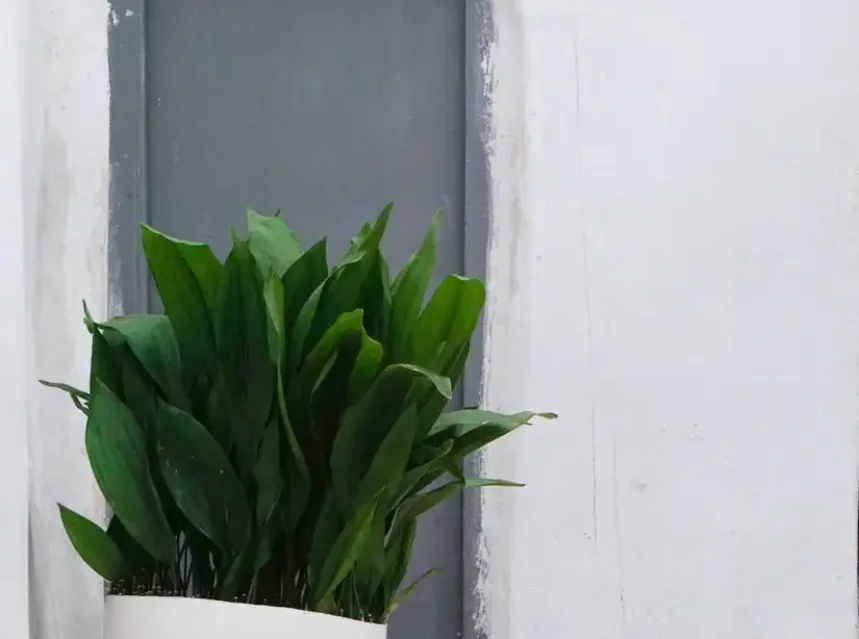
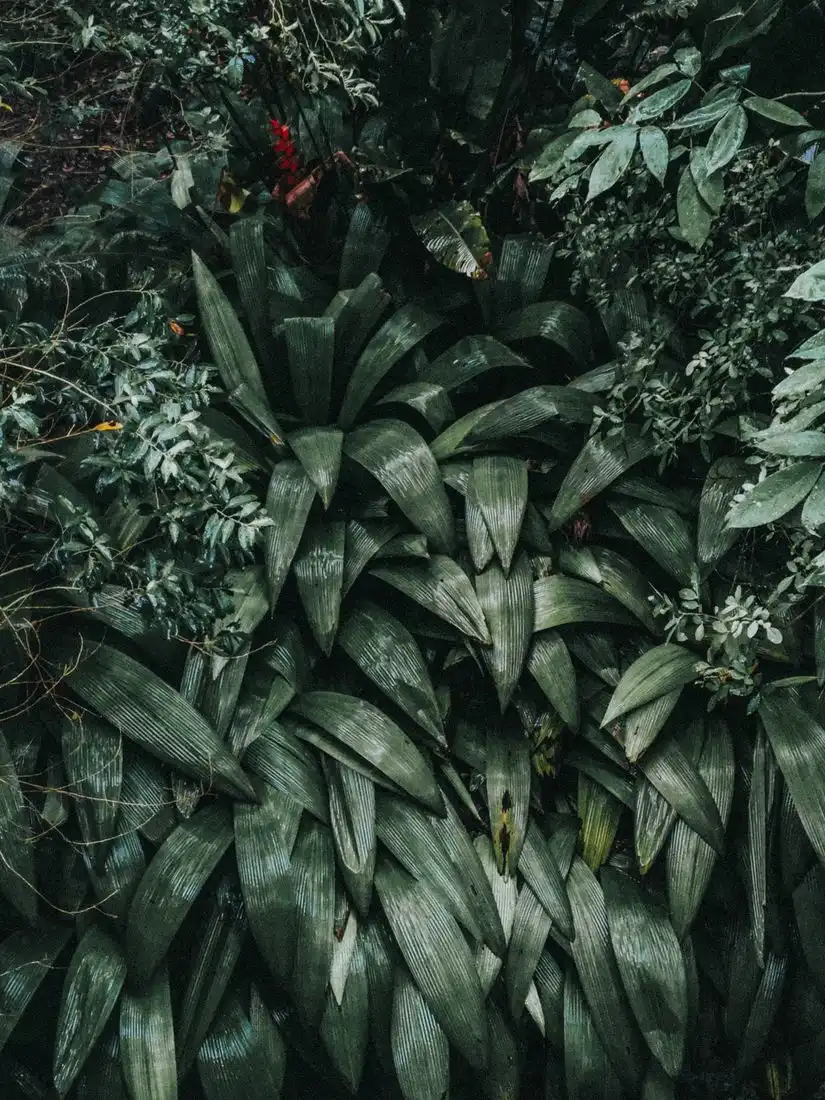
Why is my cast iron plant turning brown? Direct sun and watering extremes are the top causes — this tough, low-light plant scorches badly in bright sun, and it browns from both overwatering and underwatering. Dry air and fertiliser salts brown the tips too. It is hard to kill, so most browning is easy to fix.
Quick answer: Brown patches after a move into sun mean scorch. Crispy, drooping brown leaves with dry soil mean thirst. Dark, soft brown leaves with wet soil mean overwatering. Brown tips in dry air mean low humidity. Match the cause below.
🧰 In a hurry? Jump straight to our tested picks for this guide ↓
Why is my cast iron plant turning brown? Quick diagnosis
| What you see | Most likely cause |
|---|---|
| Brown patches or bleached leaves in bright light | Direct sun scorch |
| Crispy brown, drooping leaves, dry soil | Underwatering |
| Dark brown, soft leaves, soggy soil | Overwatering and root rot |
| Brown, dry leaf tips in a heated room | Low humidity |
| Brown edges with a white crust on the soil | Fertiliser salt build-up |
| An old outer leaf slowly browning | Natural ageing |
Direct sun: the number one cause
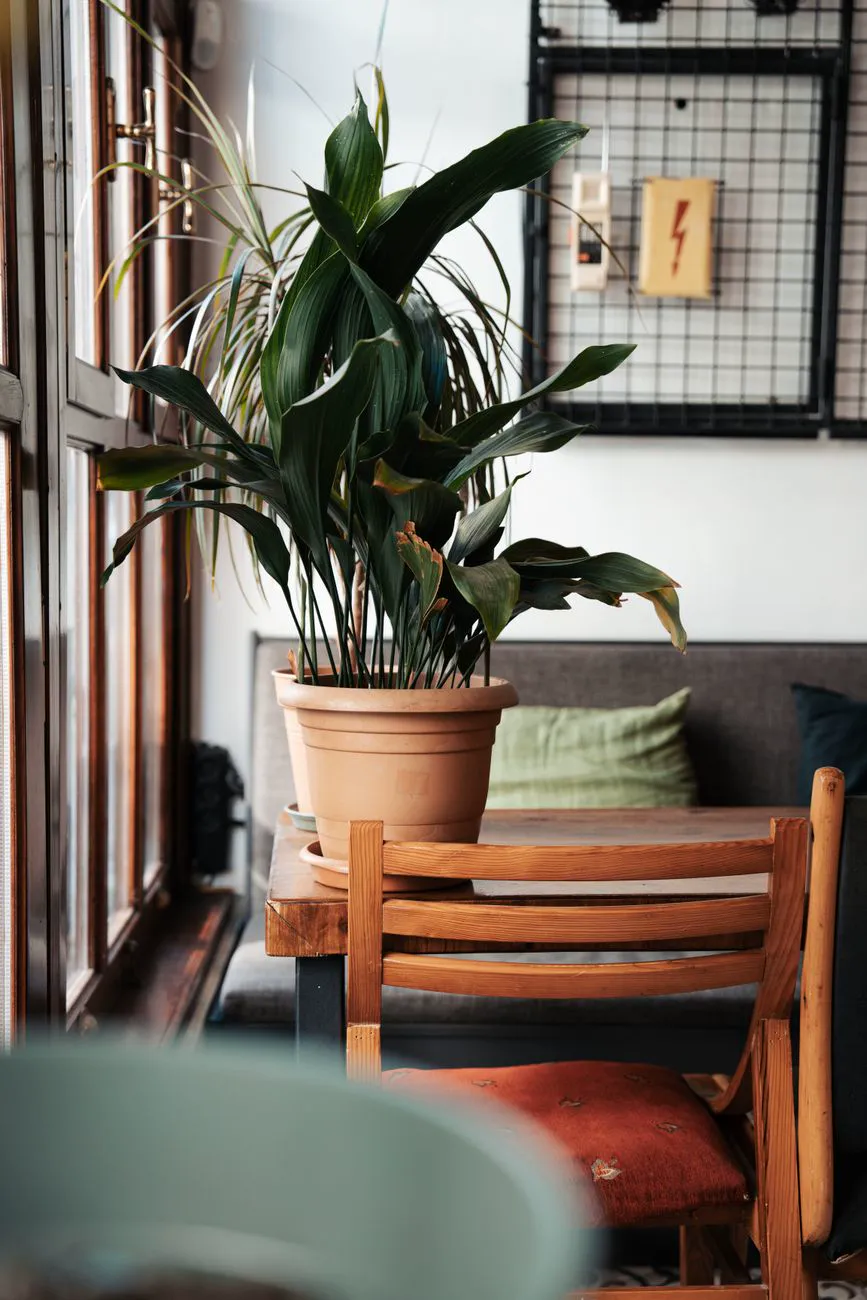
Sun scorch browns cast iron plants more than people expect. This is a low-light plant that grows on shady forest floors. So harsh, direct sun bleaches and scorches the leaves, leaving brown patches, brown tips, or whole brown leaves.
The fix is to move it out of direct sun. Cast iron plants do best in low to bright indirect light. So keep it away from a hot, sunny window, and give it a shady or filtered spot instead. This is one of the few things that really upsets an otherwise tough plant. The Royal Horticultural Society notes aspidistras tolerate shade well but scorch in direct sun. Our cast iron plant care guide has the full routine.
Watering: over and under
Watering extremes brown the leaves too, and the texture tells them apart. Underwatering turns the leaves crispy brown, and they droop, with dry soil. Overwatering turns them dark brown and soft, with soggy soil, as the roots rot.
So water only when the top half of the soil is dry, then let the excess drain. Cast iron plants are drought-tolerant and hate sitting wet. Judge by texture: crispy brown means underwatered, dark and soft means overwatered. Treat a mushy, smelly base as root rot and repot into fresh, well-draining mix. Our watering guide helps you find the balance.
Humidity and fertiliser salts
Dry air browns the tips. Cast iron plants cope with average home humidity, but very dry, heated or air-conditioned rooms can crisp the leaf tips brown. Regular misting or a pebble tray helps, as our humidity guide explains.
Fertiliser salts are another cause of brown edges. Too much feed builds up salts in the soil, sometimes as a white crust, and those salts burn the leaf edges. So feed only lightly, a couple of times in the growing season. Flush the pot with clean water to wash the salts out. Our fertiliser guide explains feeding rates.
Pests that brown the leaves
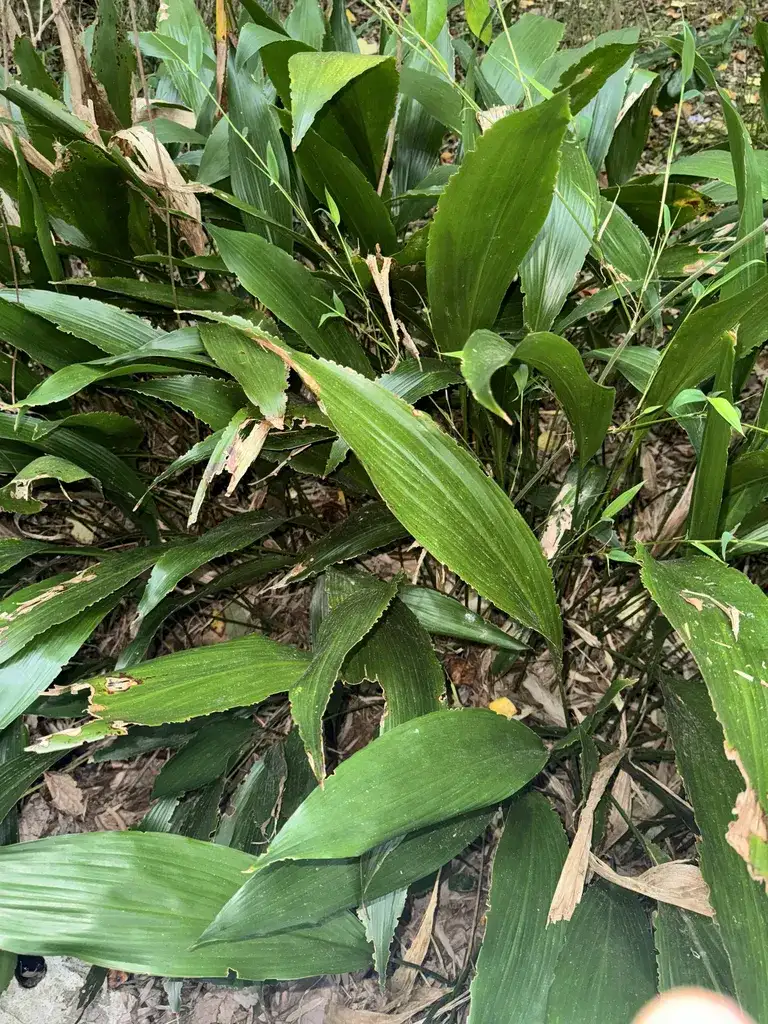
Sap-sucking pests can brown a cast iron plant too. This plant resists most bugs, so pests are a less common cause than sun or water. Still, it pays to check the leaves.
Spider mites are the main culprit. They love warm, dry rooms, and their feeding leaves pale stippling that turns leaves dull and brown. Look for fine webbing on the undersides. The University of Minnesota Extension suggests wiping the foliage or spraying it with lukewarm water, then treating with insecticidal soap if mites persist.
Scale insects and mealybugs matter too. Scale looks like small brown bumps along the leaves and midrib, while mealybugs show up as white, cottony spots. Both suck sap and leave yellow-brown patches. Clemson’s Home & Garden Information Center advises checking the leaves weekly for mites and scale. Wipe pests off with a cloth, or dab them with a cotton bud soaked in rubbing alcohol. Our mealybug guide and spider mite guide cover the full treatment.
Trimming and ageing
Some browning is just age. An old outer leaf slowly browning is normal, so simply remove it at the base. It is several browning leaves at once that point to a real problem to fix.
To tidy a plant with brown tips or edges, trim them with clean, sharp scissors. Cut diagonally to follow the natural leaf shape, and leave a thin sliver of brown rather than cutting into green tissue. This looks neater and stresses the plant less. Once the cause is fixed, fresh green leaves grow in over time, though slowly, as cast iron plants are steady growers.
Cast iron plant turning brown in India
Two settings brown cast iron plants fast in India: harsh direct sun and overwatering.
Cast iron plant is a tough, shade-loving houseplant that suits shady spots and verandahs across the country. But the strong Indian sun scorches its leaves brown, so keep it out of direct afternoon sun. It also rots if overwatered, especially in the humid monsoon when the soil stays damp longer, so water much less then. In dry AC rooms the tips can crisp, so mist it or use a pebble tray. Our cast iron plant guide has more.
How to prevent browning
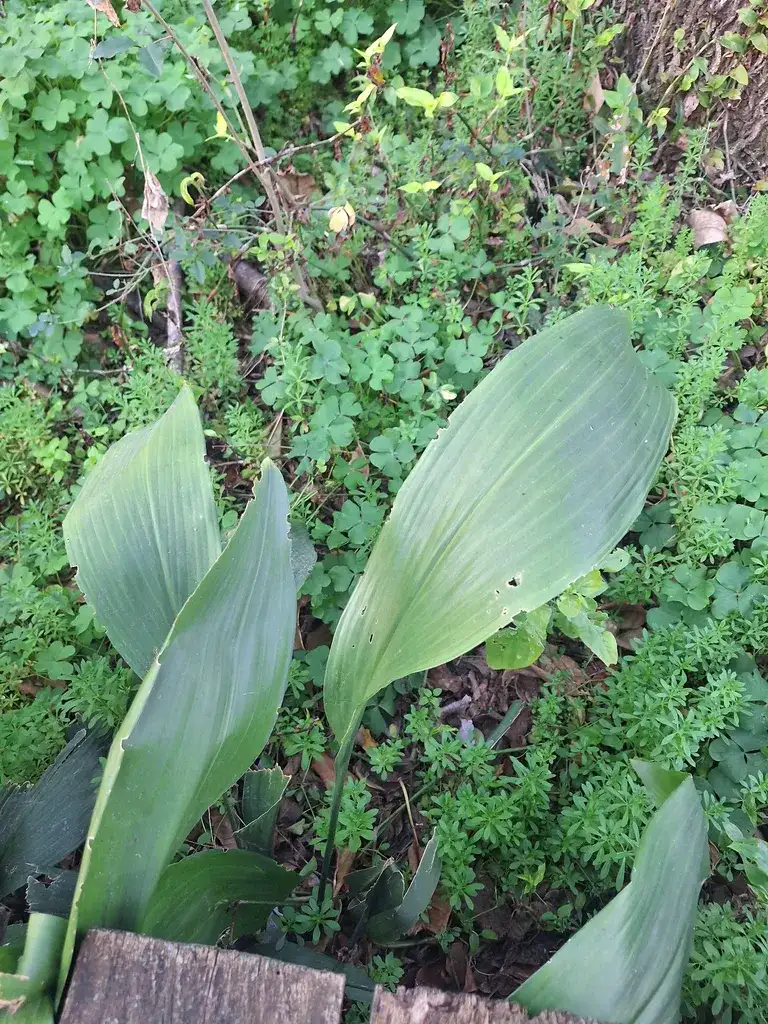
Prevention is easier than a cure with this plant. A few steady habits keep the leaves deep green and stop most browning before it starts.
- Give it a shady or bright-indirect spot, away from hot windows.
- Water only when the top half of the soil is dry.
- Use a pot with drainage holes so roots never sit wet.
- Feed lightly, just twice in spring and summer.
- Wipe the leaves now and then to clear dust and spot pests early.
- Raise humidity in dry, heated rooms with a pebble tray.
Because cast iron plants are so tough, these small steps go a long way. Get the light and water right, and browning rarely returns.
How to fix a browning cast iron plant
- Move it out of direct sun into low or bright indirect light.
- Water only when the top half of the soil is dry, then drain well.
- Check the roots and repot if the base is mushy and the soil soggy.
- Mist or use a pebble tray if the tips brown in dry air.
- Feed lightly and flush the soil to clear fertiliser salts.
- Trim brown tips diagonally to the leaf shape.
Firm, deep-green new leaves, even if slow to appear, are the sign your cast iron plant has recovered.
Frequently asked questions
Is my cast iron plant browning from too much or too little water?
Feel the leaves and soil. Crispy brown, drooping leaves with dry soil mean underwatering. Dark brown, soft leaves with soggy soil mean overwatering and root rot. Cast iron plants are drought-tolerant, so water only when the top half of the soil is dry.
Can too much sun turn a cast iron plant brown?
Yes, and it is a common cause. Cast iron plants are shade lovers, so harsh direct sun scorches and bleaches the leaves, leaving brown patches or tips. Move the plant out of direct sun into low or bright indirect light, and new growth comes in undamaged.
Should I cut the brown leaves off my cast iron plant?
Trim brown tips or badly browned leaves with clean, sharp scissors, cutting diagonally to follow the leaf shape. Remove whole brown or dying leaves at the base. Browned tissue will not turn green again, so tidying it up helps, but fix the cause first.
Why does my cast iron plant have brown tips?
Usually dry air or salt build-up. Very dry, heated rooms crisp the tips, and excess fertiliser or hard water leaves salts that burn the edges. Raise humidity with misting or a pebble tray, feed lightly, and flush the soil to wash the salts out.
Why does my cast iron plant have brown spots in the middle of the leaves?
Round or irregular brown spots on the leaf blade usually point to a fungal leaf spot rather than a watering mistake. The fungi spread when leaves stay wet and air sits still, so crowded corners and monsoon humidity in India make it worse. Remove the spotted leaves at the base and bin them. Then water the soil instead of the foliage, space plants out, and run a fan or open a window for a few hours a day. Persistent spotting responds to a copper-based or neem fungicide used as the label directs.
Can cold air or a draft turn cast iron plant leaves brown?
Yes. Aspidistra elatior handles neglect well, but chilled air damages the leaf tissue. Indoors, temperatures under about 7C (45F) and blasts from an air conditioner, heater vent or a gap under a door often leave brown streaks or whole browned leaves. Outdoors, the plant is reliably hardy in roughly USDA zones 7 to 11, and a hard freeze scorches the foliage even though the rhizome usually survives. Move indoor pots away from vents and doorways, and shelter outdoor clumps through frosty nights.
Does tap water cause brown edges on a cast iron plant?
It can. Hard water and softened water carry minerals, chlorine and sodium that collect in the pot over time, and the salts burn the leaf margins first. This is common in many Indian cities where borewell water is very hard. Flush the pot every couple of months by running plain water through until it drains freely for a minute, which washes the build-up out. Rainwater or filtered water works well for topping up, and a white crust on the soil surface is your warning sign.
Can pests make a cast iron plant turn brown?
They can, though this plant is rarely troubled. Scale insects look like hard brown bumps stuck to stems and leaf undersides, and their feeding leaves yellow then brown patches. Spider mites cause fine speckling that dulls into bronze-brown, and you may spot webbing where the leaf meets the stalk. Wipe scale off with a soft toothbrush, rinse the plant in the shower to dislodge mites, then treat both sides of every leaf with insecticidal soap, neem oil or horticultural oil. Repeat weekly until clear.
Is it normal for one old leaf to turn brown and die?
Yes, and it is not a sign of trouble. Cast iron plant leaves live for several years, then age out one at a time while fresh spears push up from the rhizome. A single leaf slowly yellowing and browning from the tip down, while the rest of the clump looks healthy, is simply the plant recycling. Cut that leaf off at soil level with clean scissors. Worry only when several leaves brown together over a few weeks, because that points to a care or root problem.
Will a browned cast iron plant recover?
The plant usually recovers, but the damaged leaves do not. Brown tissue is dead and stays brown, so recovery shows up as healthy new spears rather than repaired old foliage. Fix the cause first, whether that is soggy soil, direct sun, salt build-up or cold air. Then be patient, because Aspidistra grows slowly and may push only a handful of new leaves in a season. Keep it in steady shade with even moisture, and remove the worst leaves gradually so the plant keeps enough surface to feed itself.
Can too much fertiliser turn a cast iron plant brown?
Yes, and it is an easy mistake because this plant needs very little feeding. Excess fertiliser salts pull moisture out of the roots, which shows as scorched brown tips and edges even when the soil feels damp. Feed only during active growth in spring and summer, using a balanced liquid feed at half the recommended strength, roughly once every six to eight weeks. Skip feeding entirely in winter and for several months after repotting. If you suspect overfeeding, flush the pot with plenty of plain water.
Why did my cast iron plant brown after repotting?
That is usually transplant shock. Disturbed roots take time to settle, and the plant may sulk with browning tips or a limp leaf or two for a few weeks. Cast iron plants actually like being slightly pot-bound, so repot only every three to five years, ideally in spring. Use a well-drained mix and a pot just one size larger with drainage holes. Afterwards, keep it in shade, water lightly but regularly, and hold off on fertiliser until you see new growth.
Sources and further reading
Related guides
- Cast iron plant care guide
- Why does my dracaena have brown tips
- Why does my ZZ plant have brown tips
- Root rot
- Humidity for houseplants
- How often to water plants
Still stuck? Ask the Plant Doctor
Describe the problem — yellow leaves, holes, no flowers — and get a clear answer in seconds. FreeAI can make mistakes. Answers are guidance, not a guarantee — check anything important against the guide it links to, and always read the label on any product before you use it.