How to Get Rid of Spider Mites
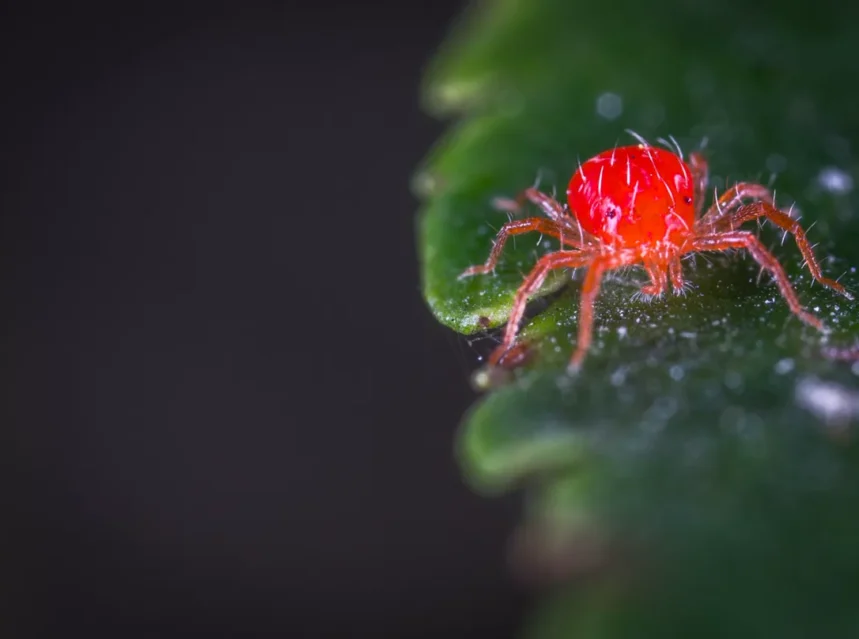
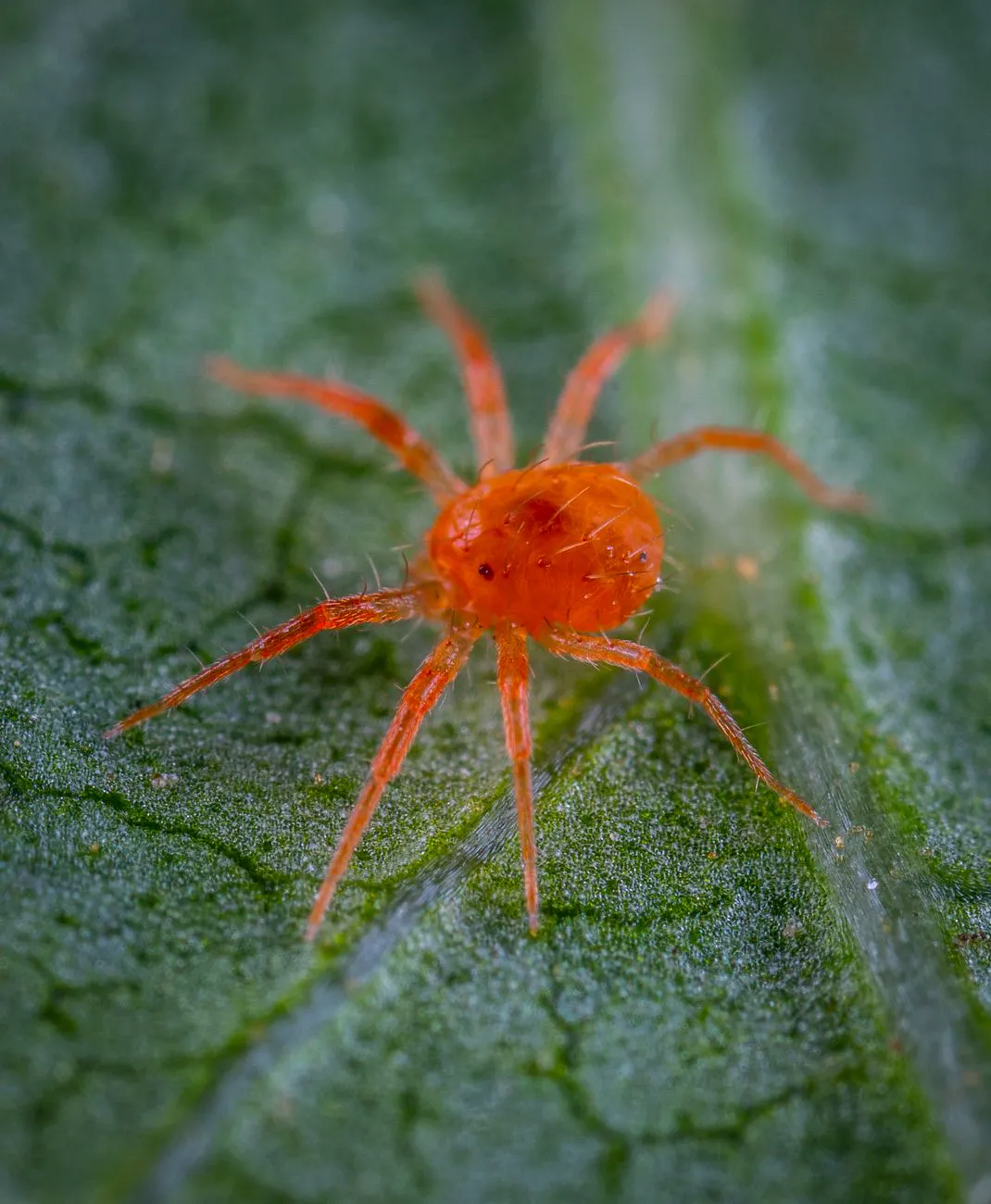
Spider mites are tiny sap-sucking arachnids — not true insects — that gather on the undersides of leaves in warm, dry air, leaving fine pale speckling and, in bad cases, silky webbing.
Spider mites are the pest that sneaks up on you. By the time you notice the fine webbing and the leaves looking dusty and faded, the colony is already large — because these specks are not insects but tiny relatives of spiders that breed explosively in warm, dry air.
Catch them early and they are easy to beat. Let them spread and they can jump across a whole shelf. This guide shows how to spot spider mites, get rid of them properly, and keep them away for good.
Quick fix: Isolate the plant, rinse it hard in the shower (especially leaf undersides), then spray thoroughly with neem oil or insecticidal soap. Repeat every 5–7 days for three weeks, and raise the humidity — mites hate moist air.
🧰 In a hurry? Jump straight to our tested picks for this guide ↓
Spider mites at a glance
| Question | Answer |
|---|---|
| What they are | Sap-sucking mites (arachnids), not insects |
| Size | Specks under 1 mm — barely visible |
| Where to look | Undersides of leaves, leaf joints |
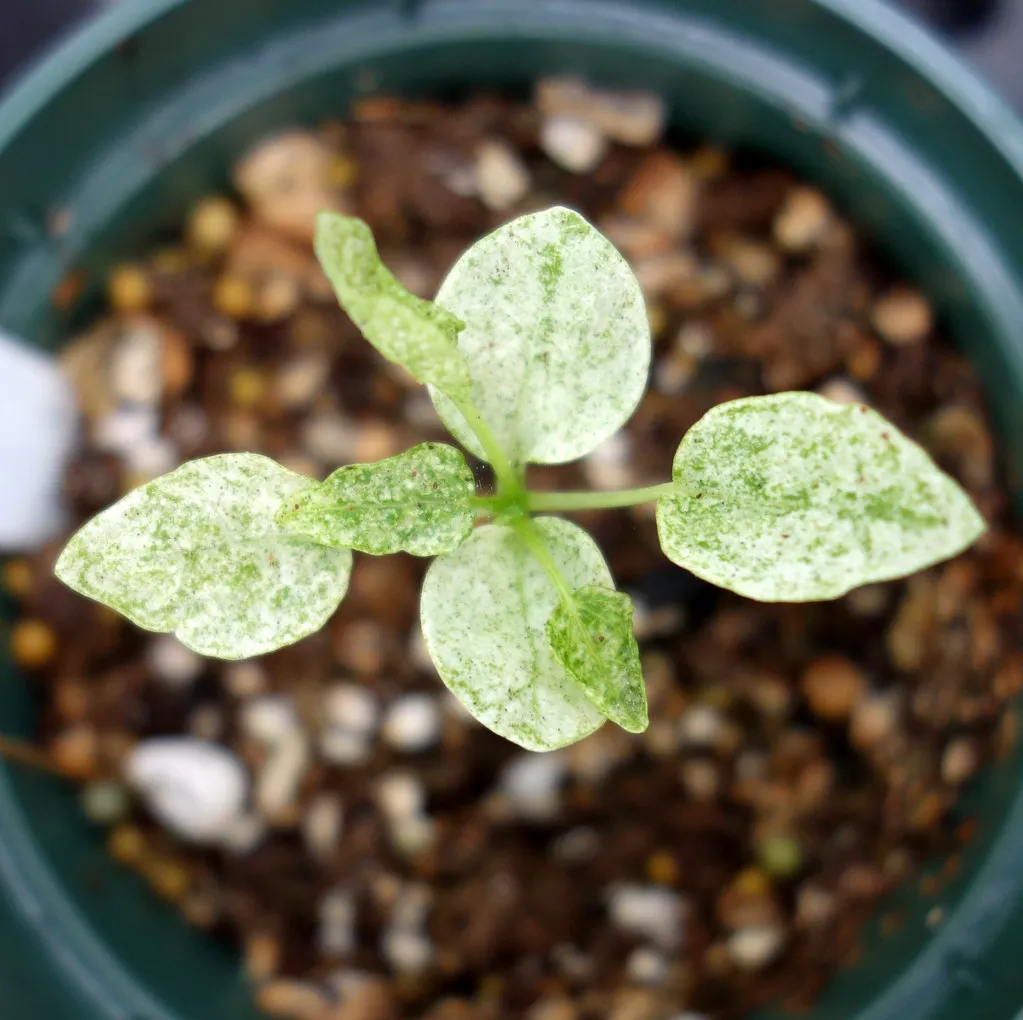
| Tell-tale sign | Pale stippling, then fine webbing |
| Worst conditions | Hot, dry air (summer, near AC/heaters) |
| Best organic fix | Rinse + neem oil or insecticidal soap |
| Re-treat | Every 5–7 days for 3 weeks |
What are spider mites?
Spider mites are arachnids, not insects — barely visible specks (red, brown, or pale) that cluster on the undersides of leaves and pierce the cells to suck out sap. As they feed, they leave a tell-tale pattern of tiny pale dots, and in larger numbers they spin fine silky webbing between leaves and stems.
The key thing to understand: spider mites thrive in warm, dry conditions and can go from egg to adult in under a week. That fast cycle is why a small problem becomes a big one so quickly — and why timing your treatment matters.
How to identify spider mites
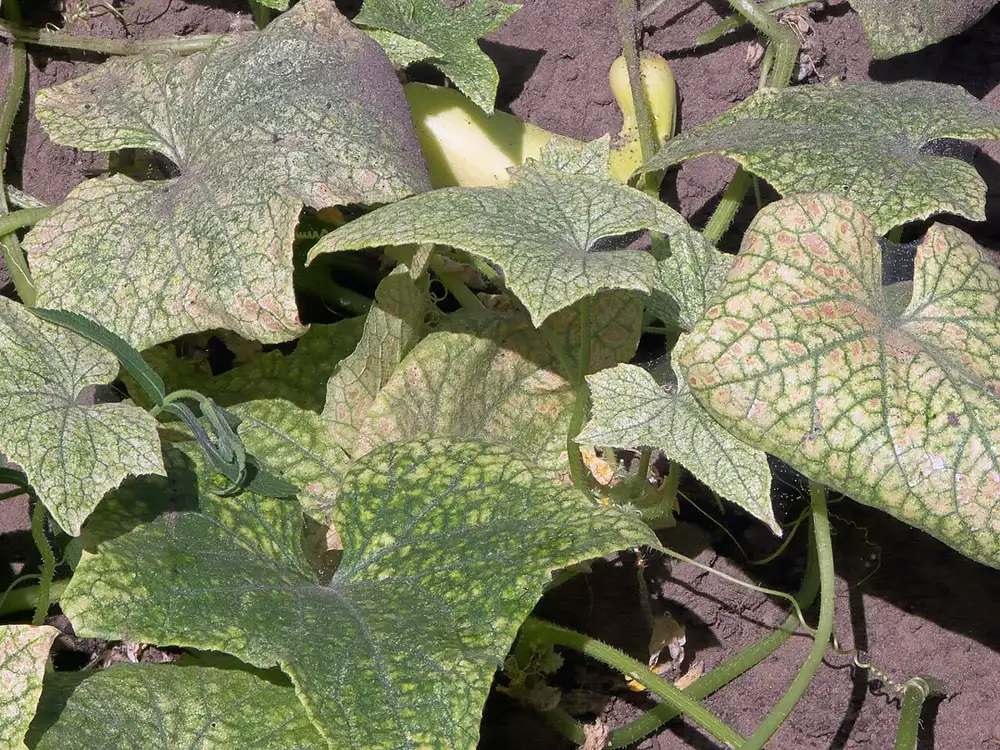
- Stippling — fine, pale or yellow speckles across the leaf, giving it a dusty, faded look.
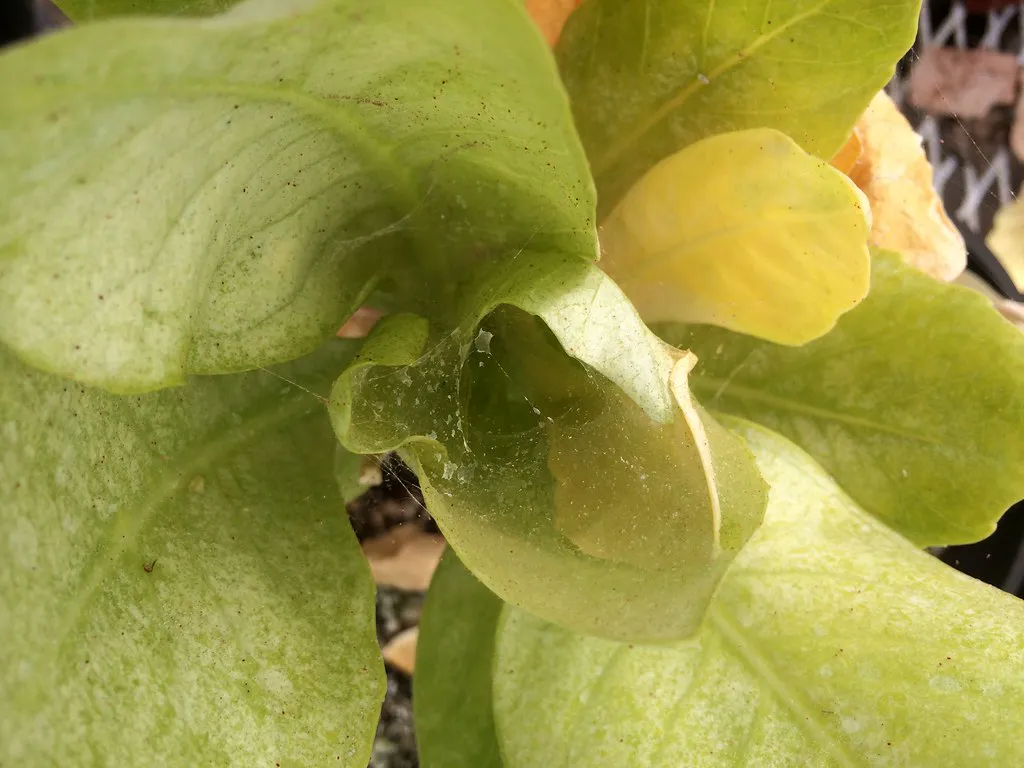
- Fine webbing at leaf joints, tips, and undersides (a sign the infestation is advanced).
- Leaves turning bronze, dry, and crispy, then dropping.
- The paper test: hold a sheet of white paper under a leaf and tap it. If tiny specks fall and slowly crawl, those are live mites.
What causes spider mites
The big driver is hot, dry air — exactly the conditions near a sunny window, a heater, or an air conditioner. Dusty, stressed, under-watered plants are the most vulnerable. They also hitch a ride in on new plants, so a new purchase can seed an outbreak.
In India they flare in the dry summer months and in AC-cooled rooms, where the air loses moisture. Crotons, ivy, palms, and calatheas are common targets.
How to get rid of spider mites (step by step)
Step 1 — Isolate
Move the affected plant well away from the others immediately. Mites spread by crawling and drifting, so isolation stops a one-plant problem becoming a shelf-wide one.
Step 2 — Rinse them off
Take the plant to the shower or sink and spray it down with a firm jet of water, paying special attention to the undersides of leaves where mites and eggs hide. This physically knocks down the population before you treat.
Step 3 — Treat thoroughly
Coat the whole plant — tops and undersides of leaves — with one of these:
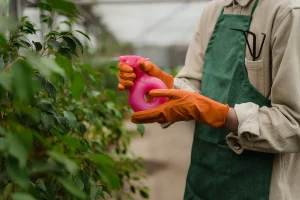
- Neem oil — a diluted neem oil spray smothers mites and disrupts their breeding. The go-to organic choice.
- Insecticidal soap — or a homemade mix of a few drops of mild liquid soap in water; it dissolves their soft bodies on contact.
Step 4 — Repeat (this is non-negotiable)
Spider-mite eggs survive most sprays. So you must re-treat every 5–7 days for about three weeks to catch each new generation as it hatches. Skipping this is why people think the mites “came back” — they never fully left.
👉 Mite control kit: a bottle of neem oil, insecticidal soap, and a small spray mister for raising humidity.
How to prevent spider mites
- Raise humidity. Mites hate moist air, so misting, a pebble tray, a humidifier, or grouping plants is genuine prevention — not just a comfort tip. Plants that love humidity, like a calathea or maidenhair fern, are especially worth protecting.
- Wipe and inspect leaves regularly, checking undersides — early detection is everything.
- Keep plants healthy and not drought-stressed; quarantine new arrivals for a couple of weeks.
- For a broader routine, see our organic pest control guide.
Which plants do spider mites attack most?
Spider mites are not fussy, but some plants are clear favourites. Indoors they love thin-leaved plants in dry, warm rooms. Ivy, crotons, palms, scheffleras and calatheas are common victims. Among edibles, beans, tomatoes, cucumbers and aubergines suffer outdoors in a hot, dry spell.
The common thread is stress. A plant that is dry at the roots, dusty, or sitting in stagnant warm air is far more attractive to mites. So a healthy, well-watered, occasionally rinsed plant is your first line of defence. Vigorous growth simply copes better with the odd mite.
Knowing your at-risk plants helps you catch trouble early. Check the undersides of their leaves once a week, especially in summer. Early stippling is much easier to beat than a webbed, crisping plant. A quick weekly glance is the cheapest pest control there is.
Why spider mites keep coming back
The single biggest reason people fail is the egg cycle. A spray of neem or soap kills the adults and young mites it touches. But it does not reliably kill the eggs, which hatch a few days later. Treat once and walk away, and a fresh generation simply rebuilds the colony.
This is why repetition matters so much. You must re-treat every five to seven days for about three weeks. Each spray catches the mites that have hatched since the last one. Keep this rhythm and you break the cycle for good; skip it and the mites appear to “return”.
Conditions matter just as much as sprays. Because mites thrive in dry air, raising humidity is genuine prevention, not a comfort tip. A pebble tray, a humidifier, or simply grouping plants together all help. The University of California’s IPM programme and the Royal Horticultural Society both stress that dry, dusty conditions are the real driver behind most outbreaks.
Spider mites in Indian homes
In India, spider mites flare during the hot, dry pre-monsoon months and in air-conditioned rooms. AC strips moisture from the air, creating exactly the dry warmth mites love. So balcony and terrace plants near a sunny wall, and indoor plants beside an AC unit, are the usual hotspots.
The monsoon often brings natural relief, as the damp air discourages them. Until then, rinse vulnerable plants weekly and mist humidity-lovers. If you grow on a balcony garden or a terrace garden, a quick leaf-underside check during your watering round keeps small problems from spreading across the whole collection.
For a calmer, chemical-free routine, fold mite checks into your wider organic pest control habits. Neem oil does double duty here, deterring several pests at once. Used regularly and gently, it keeps mites, thrips and other sap-suckers in check without harming the plant.
Frequently asked questions
How do I know if it's spider mites and not dust?
Do the paper test: tap a leaf over white paper. If the specks crawl, they’re live mites. Webbing on the leaf undersides also confirms it.
Why do my spider mites keep coming back?
Because the eggs survive a single spray. You have to re-treat every 5–7 days for about three weeks to kill each newly hatched generation.
Does raising humidity really help?
Yes. Spider mites thrive in dry air, so consistently higher humidity makes your plants a far less welcoming home for them.
Can I just wash them off without spraying?
Rinsing knocks the numbers down but rarely finishes the job alone. Follow it with neem or soap and repeat to break the egg cycle.
Why are spider mites worse in summer / near the AC?
Both create hot, dry air, which is ideal for them. Raise humidity around plants in those spots and check leaf undersides often.
See also: why your pepper leaves are turning yellow.
Where do spider mites come from?
Most infestations start with a hitchhiker. Mites arrive on a newly bought plant, on cut flowers, on garden tools, or even on clothing after you brush past infested foliage. Outdoors they drift between plants on the wind using fine silk threads. They also overwinter in leaf litter, weeds, and greenhouse corners, then move onto fresh growth when the weather warms. Quarantining every new plant for two weeks is the single best way to keep them out.
Can spider mites live on humans or bite people?
No. Spider mites feed only on plant cells and cannot survive on human skin, pets, bedding, or furniture. They do not bite people, and they are not the same creatures as the mites that cause skin irritation. At worst, a mite may briefly ride on your hands or sleeves from one plant to another — which is exactly how infestations spread indoors. Washing hands and wiping tools after handling an infested plant breaks that route.
Can a plant recover from spider mite damage?
Usually, yes — if you act before most leaves are lost. Stippled, bronzed leaves never turn green again, but the plant will push out clean new growth once the mites are gone. Trim away the worst-damaged foliage, keep treating weekly until no new stippling appears, and support recovery with steady watering and gentle feeding. A plant that has dropped nearly all its leaves can still rebound, though it may take a full season to look good again.
Does neem oil really kill spider mites?
Neem oil works, but only on contact and only with persistence. It smothers adults and young mites and disrupts feeding, yet it does not kill eggs, so a single spray always fails. Coat both sides of every leaf, repeat every five to seven days for at least three rounds, and spray in the evening to avoid leaf burn. In hot Indian summers, test one leaf first — neem plus strong sun can scorch stressed foliage.
How long does it take to get rid of spider mites?
Plan on two to four weeks of consistent treatment. In warm rooms a spider mite goes from egg to breeding adult in roughly one to two weeks, so you must outlast at least two full generations. Spray or wash plants every five to seven days, and keep going for one round after you stop seeing new damage. Stopping early is the most common mistake — a handful of surviving eggs restarts the whole outbreak.
Do spider mites live in the soil?
Not really. Spider mites live and feed on leaves, mostly on the undersides, and their eggs are laid on foliage rather than in potting mix. Females may shelter briefly in topsoil, mulch, or fallen leaves during cold spells or between hosts, but the soil is not a breeding site. So there is no need to replace all the potting mix — clearing fallen leaves, cleaning the pot rim, and treating the foliage are what matter.
Sources and further reading
Still stuck? Ask the Plant Doctor
Describe the problem — yellow leaves, holes, no flowers — and get a clear answer in seconds. FreeAI can make mistakes. Answers are guidance, not a guarantee — check anything important against the guide it links to, and always read the label on any product before you use it.