Maidenhair Fern Care Guide
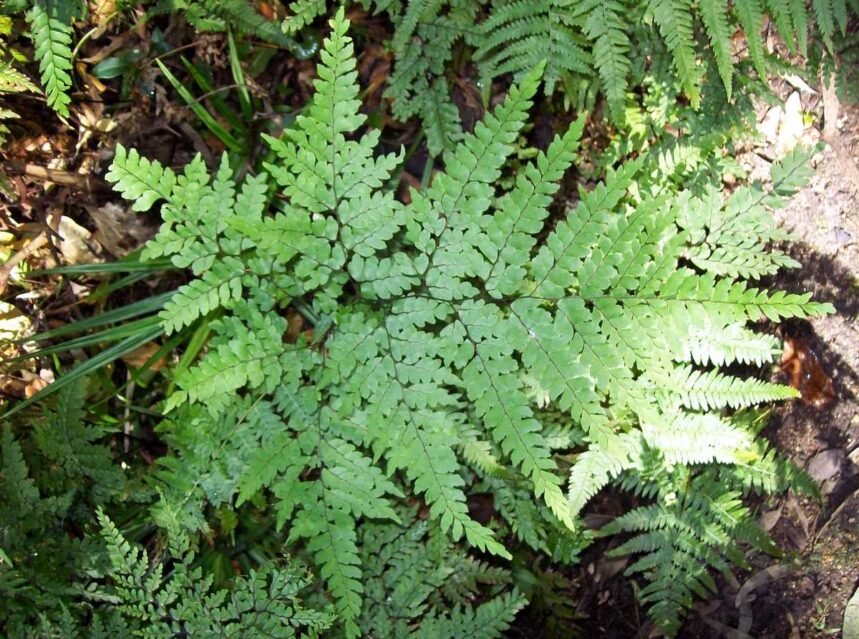
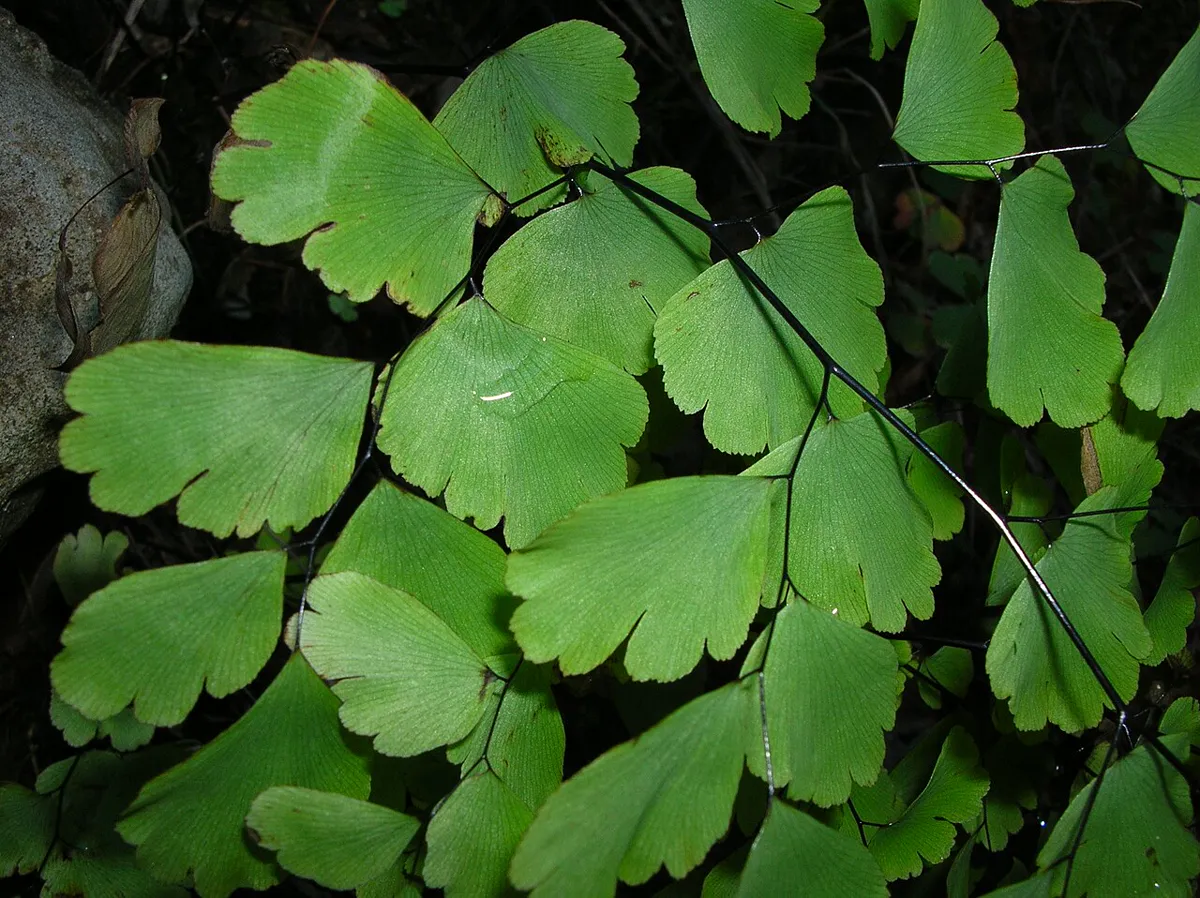
The maidenhair fern is a delicate houseplant grown for its airy fronds of small, fan-shaped leaflets on fine black stems.
The maidenhair fern is the diva of the fern world — and worth the effort. Its delicate, fan-shaped leaflets dance on fine black stems, giving it a soft, lacy look no other plant matches. It has a reputation for being fussy, but the truth is simpler: it refuses to dry out, even once.
Keep it constantly moist and humid, and this beautiful, pet-safe fern thrives. And if it ever crisps up completely, do not bin it — this guide shows how to bring it back from the roots. Here is complete maidenhair fern care.
Quick start: Give your maidenhair fern bright, indirect light. Never let the soil dry out — keep it consistently moist. Give it high humidity and warmth, and keep it away from direct sun and drafts.
The maidenhair fern is loved for its delicate fronds and feared for how fast it crisps if it dries out even once. Growers find the secret is constant, even moisture and high humidity, never letting the pot dry, which makes a bathroom or a grouped, humid spot ideal. It wants bright, indirect light and soft water, and a browned plant can often be cut back hard to reshoot.
🧰 In a hurry? Jump straight to our tested picks for this guide ↓
Maidenhair fern at a glance
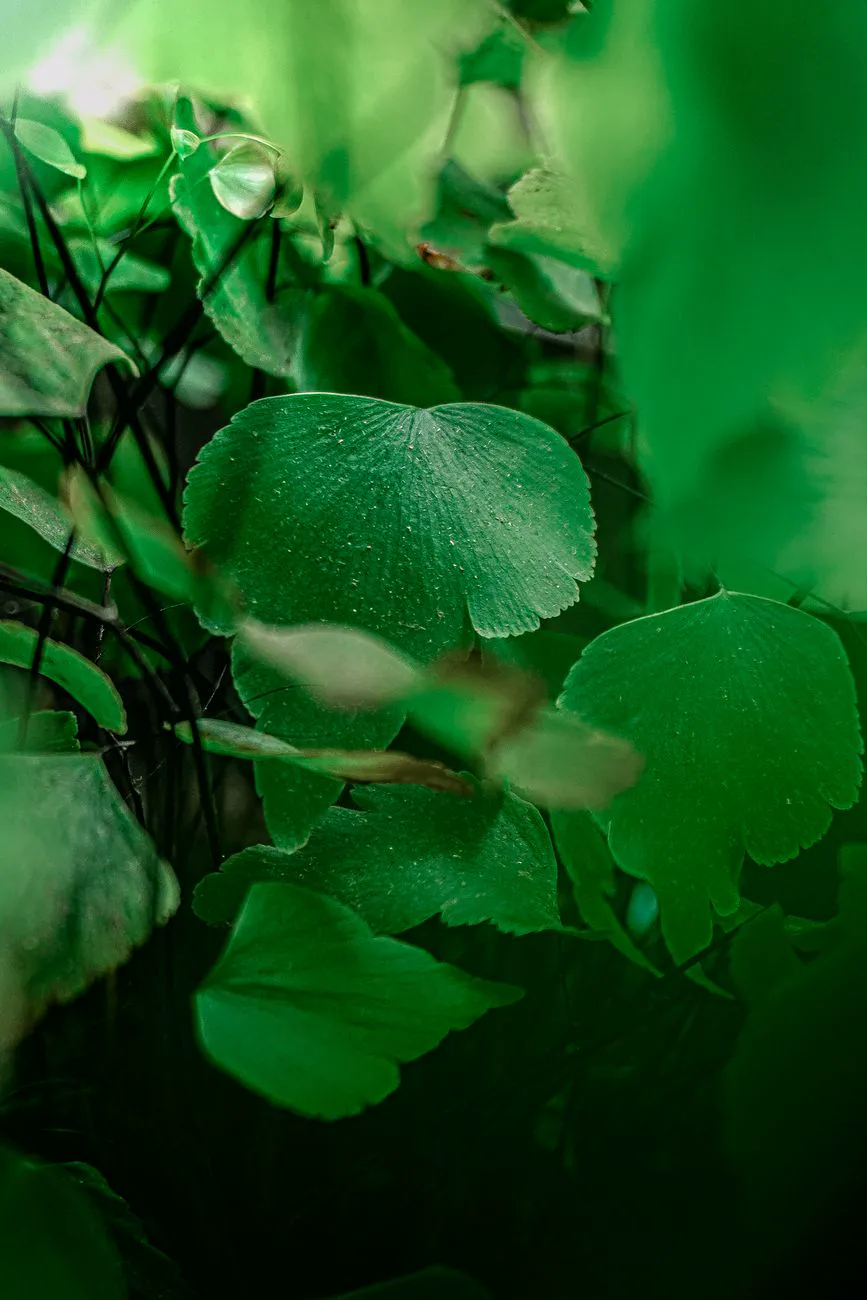
| Feature | Detail |
|---|---|
| Botanical name | Adiantum species (family Pteridaceae) |
| Plant type | Delicate evergreen fern |
| Light | Bright, indirect; no direct sun |
| Soil | Light, moisture-retentive |
| Water | Keep constantly moist; high humidity |
| Note | Pet-safe; hates drying out |
Why grow a maidenhair fern?
The maidenhair fern (Adiantum) is one of the most beautiful, delicate houseplants you can grow, with airy, lacy fronds that soften any space. It is pet-safe and non-toxic. While it demands steady moisture and humidity, the reward is a lush, graceful plant that looks like living lace — perfect for humid bathrooms and terrariums.
Where the maidenhair fern grows best (origin and climate)
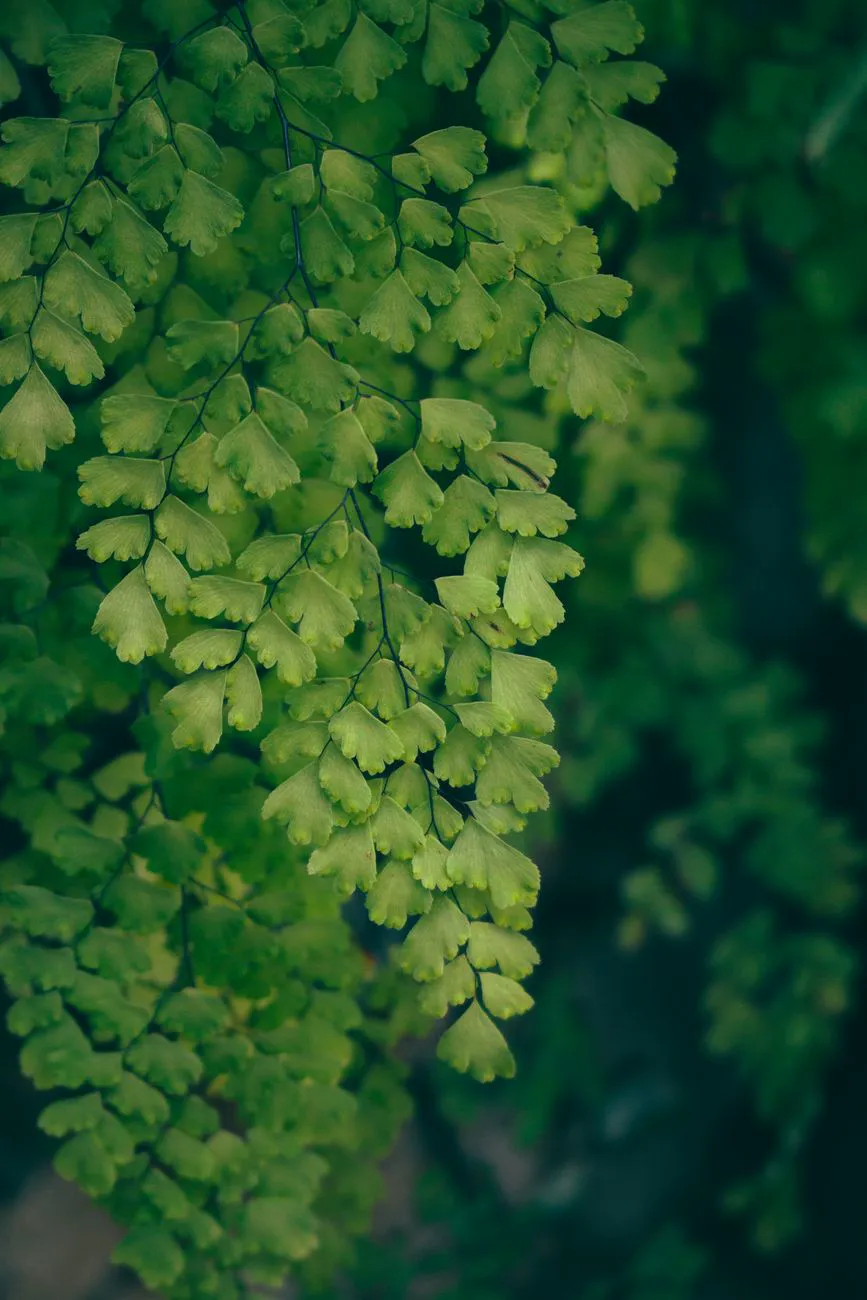
Maidenhair ferns grow worldwide in moist, shaded spots — often in the cracks of rocks near streams and waterfalls, in both tropical and temperate regions. That habitat is the whole key to its care: it is used to constant moisture, splashing humidity, and gentle, filtered light.
It never sees harsh sun or dry air. In India a humid bathroom or kitchen suits it well, and it loves the monsoon’s moist air; the dry heat of summer and winter heating is its main enemy.
Light
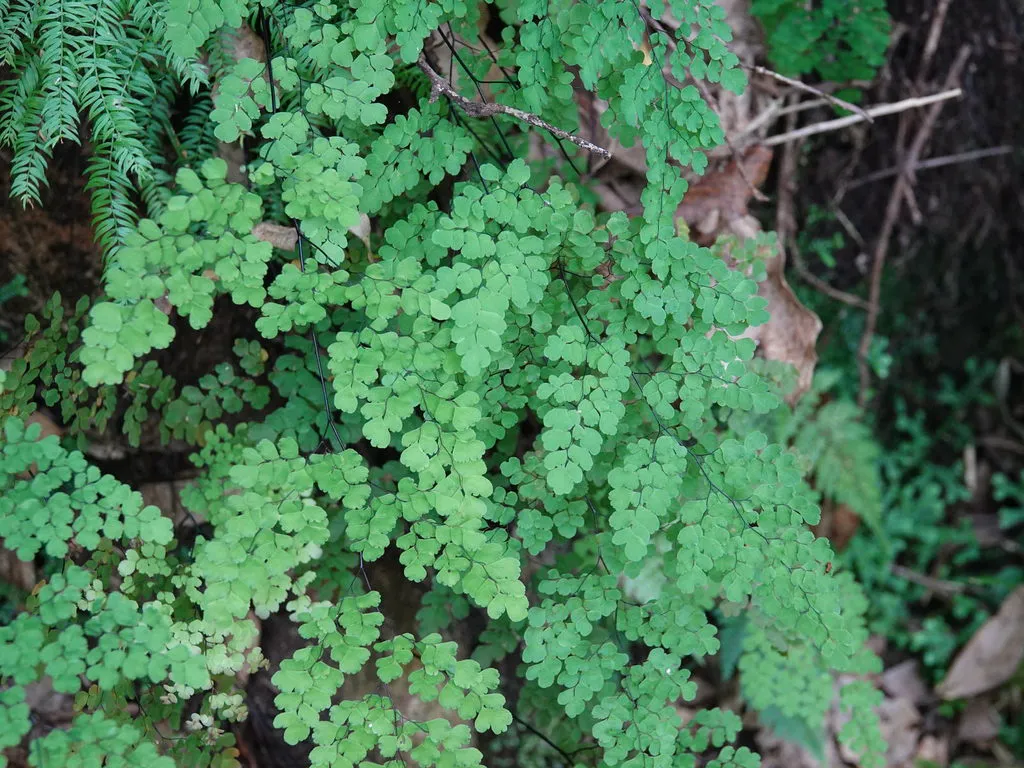
The maidenhair fern wants bright, indirect light or gentle dappled shade. It dislikes deep gloom, but direct sun is fatal — it scorches the thin fronds within hours. A north or east window, or a bright bathroom out of the sun’s path, is ideal. Steady, soft light keeps the delicate foliage healthy.
Watering (never let it dry out)
This is the make-or-break point. The maidenhair fern must stay consistently moist at all times — never bone dry, but never waterlogged either. Be vigilant: the moment the soil feels even a little lighter than fully moist, water it again. The warning is stark — if the soil goes beyond half-dry, every frond can turn brown and crispy within a day. Use room-temperature, chemical-free water (filtered or rainwater), and bottom-watering helps keep it evenly moist.
Soil, humidity & feeding
Use a rich, moisture-retentive but airy mix (see our best potting mix for houseplants). Humidity is the number-one failure point — aim for 50–80%, which is why it loves bathrooms, terrariums, and grouped plantings. A pebble tray, humidifier, or morning misting all help. Feed lightly with a diluted fertiliser every few weeks in spring and summer (see fertilizing houseplants); strong feed burns the fine roots.
👉 The one upgrade it needs: a small room humidifier (or a spot in a glass terrarium) solves the dry-air problem that crisps most maidenhair ferns.
How to revive a “dead” maidenhair fern
Here is the reassuring part competitors skip: even if every frond has turned brown and crispy, the rhizome below usually survives. So do not give up. Cut all the brown fronds right down to the base, soak the pot in room-temperature water for 10–15 minutes, and place it in bright, indirect light with consistently moist soil and good humidity. Fresh green fronds often push up within a few weeks. A crispy maidenhair is rarely truly dead.
Propagation
Propagate by division, ideally when repotting in spring. Gently remove the plant and carefully separate the rhizomes into smaller clumps, each with fronds and roots, then pot them in fresh, moisture-retentive mix and keep them warm and humid. Division is far easier than growing from spores. See our houseplant propagation guide.
Common problems & pests
Crispy, brown fronds
The classic complaint — the soil dried out, the air is too dry, or it caught direct sun. Cut back the brown, keep it moist and humid, and new growth follows from the rhizome.
Yellowing, mushy base
Waterlogging. Keep it moist, not soggy, and ensure the pot drains.
Faded, scorched fronds
Too much direct light. Move it to gentle, indirect light.
Pests
Watch for aphids and scale on the fine stems. Treat gently as in our organic pest control guide.
Stuck on one symptom? We go into it in detail in Why Is My Maidenhair Fern Not Growing? Causes and Fixes.
Benefits & pet safety
The maidenhair fern is a graceful, lacy plant that brings soft texture to humid spaces and looks stunning in a bathroom or terrarium. It is not known to be poisonous to cats or dogs, but neither the ASPCA plant list nor North Carolina State Extension carries a toxicity entry for Adiantum, so treat it as unconfirmed rather than checked.
For an easier, more forgiving pet-safe fern, try a Boston fern or a bird’s nest fern. It also pairs beautifully with a pet-safe fittonia in a humid grouping.
History, origin & where it grows
Maidenhair ferns grow in shaded, damp places across much of the world (see Encyclopaedia Britannica). Many cling to rocks near streams and waterfalls.
Their delicate fronds made them treasured houseplants (see the RHS). That damp, shaded origin is the whole key to growing them. They want constant moisture, humidity and gentle light.
The one rule: never let it dry out
This fern is famous for collapsing if it dries out even once. The fine fronds crisp up fast in dry soil or dry air (see how often to water plants). So keep the soil constantly, evenly moist.
Never let it sit bone dry, and never let it sit in water either. Even moisture is the goal. This single point is what most people get wrong.
Humidity is everything
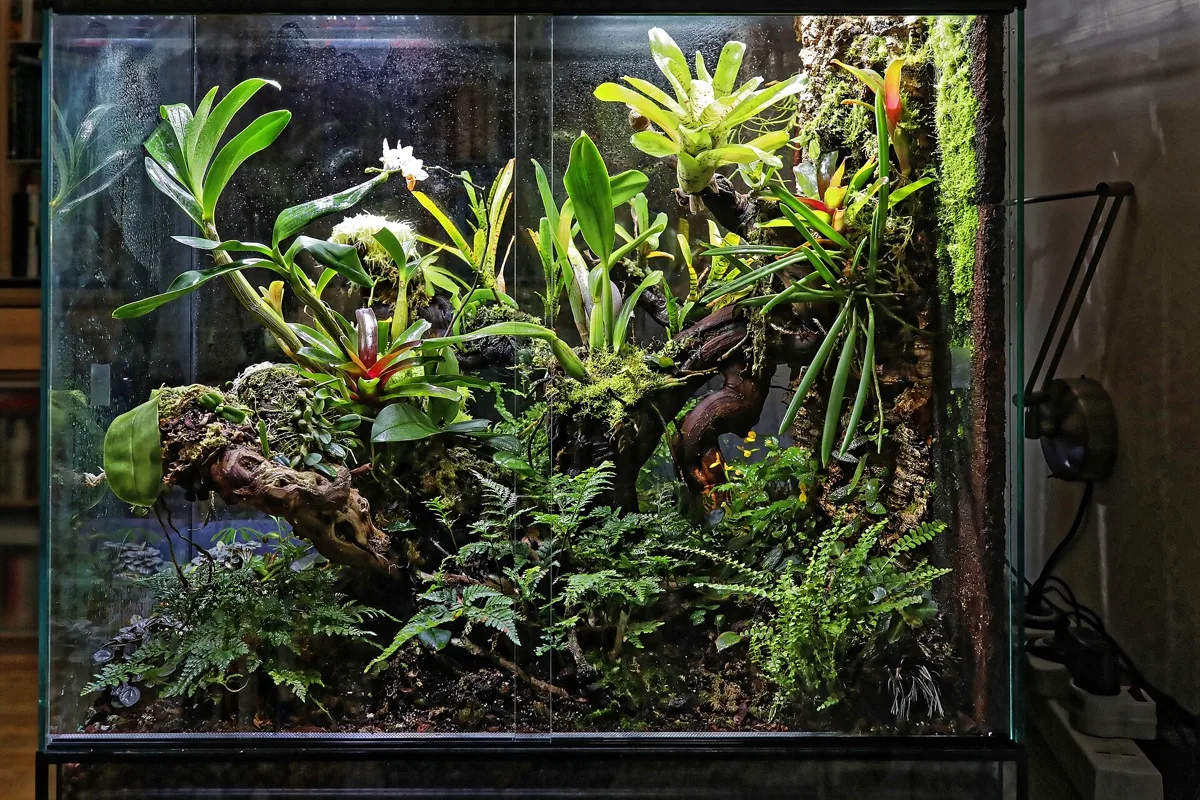
Maidenhair ferns crave high humidity above all. Dry indoor air browns and shrivels the fronds quickly. So a steamy bathroom or a terrarium suits them well.
Mist them often, or stand the pot on a pebble tray. Keep them away from radiators and draughts. The more humid the air, the happier they are.
Light, care & reviving it
Give it bright, indirect light, never direct sun, which scorches it (see propagating houseplants). If the fronds crisp up, do not give up. Cut them all back to the base.
Keep the soil moist and humid, and fresh fronds often appear. Feed lightly in the growing season. Divide a large plant in spring to make more.
Why grow a maidenhair fern
The maidenhair fern is one of the most graceful of all houseplants. Its airy, fan-shaped leaflets dance on wiry black stems. It brings a soft, woodland feel to a humid corner. It is a little demanding about moisture, but rewards care with delicate beauty. It is perfect for a bathroom or terrarium. For sheer elegance, few ferns can match it.
Related plant guides
- Boston Fern care
- Fittonia care
- Polka Dot Plant care
- How to grow Coffee
- Birds Nest Fern care
- Parlor Palm care
Frequently asked questions
Why does my maidenhair fern keep drying out and going crispy?
It needs constant moisture and high humidity. If the soil goes even half-dry, the fronds crisp within a day. Keep it evenly moist and at 50–80% humidity.
My maidenhair fern looks dead — can I save it?
Usually yes. Cut all brown fronds to the base, soak the pot, and keep it moist and humid in indirect light. The rhizome survives and pushes new fronds.
Can a maidenhair fern take direct sun?
No — direct sun scorches its delicate fronds within hours. Give it bright, indirect light or gentle dappled shade.
Is the maidenhair fern safe for pets?
Maidenhair fern is grown for its foliage, not for eating. We could not find it on the ASPCA toxic-plant list or in the NC State Extension records, so we will not label it either safe or toxic — keep fronds out of reach of a chewing pet, and call your vet if one eats a quantity.
How often should I water a maidenhair fern?
Whenever the soil starts to feel lighter than fully moist — keep it consistently moist at all times, using room-temperature, chemical-free water.
How do I propagate a maidenhair fern?
By division at repotting — gently separate the rhizomes into clumps, each with fronds and roots, and pot them up.
Why is it called a maidenhair fern?
The name comes from the fine, glossy black leaf stalks, which look like strands of dark hair. Each wiry stem carries small, fan-shaped green leaflets on delicate fronds. The contrast of black stems and soft green foliage is what gives the plant its old common name.
Can I grow a maidenhair fern indoors?
Yes, and indoors is often the easiest place to keep one alive. It does best in a warm, draught-free spot with bright, indirect light and steady humidity. A bathroom with a window, a kitchen, or a covered terrarium suits it well because the air stays moist. Keep it away from heaters and cold windowpanes, which dry the fronds out fast.
Can a maidenhair fern grow outside?
It can, in a shady, sheltered, frost-free spot with reliably damp soil, such as beside a shaded wall or water feature. It cannot take direct sun, drying wind, or cold below about 50F, so most gardeners in cooler climates grow it in a pot they can move under cover. In warm, humid regions it can live outdoors year round in deep shade.
When should I repot a maidenhair fern?
Repot in spring every one to two years, or when roots fill the pot and dry it out too quickly. Move it up just one pot size and use a light, peat-free, moisture-retentive mix. This is also the ideal moment to divide a crowded clump into smaller plants.
Does a maidenhair fern go dormant in winter?
Indoors it usually keeps its fronds but slows its growth in the low light and short days of winter. Water a little less, stop feeding, and keep it away from cold spots, and it will hold steady until spring. Outdoor plants in cooler areas may die back and reshoot from the rhizome when it warms up.
How big does a maidenhair fern get?
Most indoor maidenhair ferns reach about 12 to 24 inches tall and wide, forming a soft, arching mound. Growth is fairly slow, and the plant rarely outgrows a medium pot. Regular trimming of tired fronds keeps it dense and tidy.
Still stuck? Ask the Plant Doctor
Describe the problem — yellow leaves, holes, no flowers — and get a clear answer in seconds. FreeAI can make mistakes. Answers are guidance, not a guarantee — check anything important against the guide it links to, and always read the label on any product before you use it.