Polka Dot Plant Care Guide
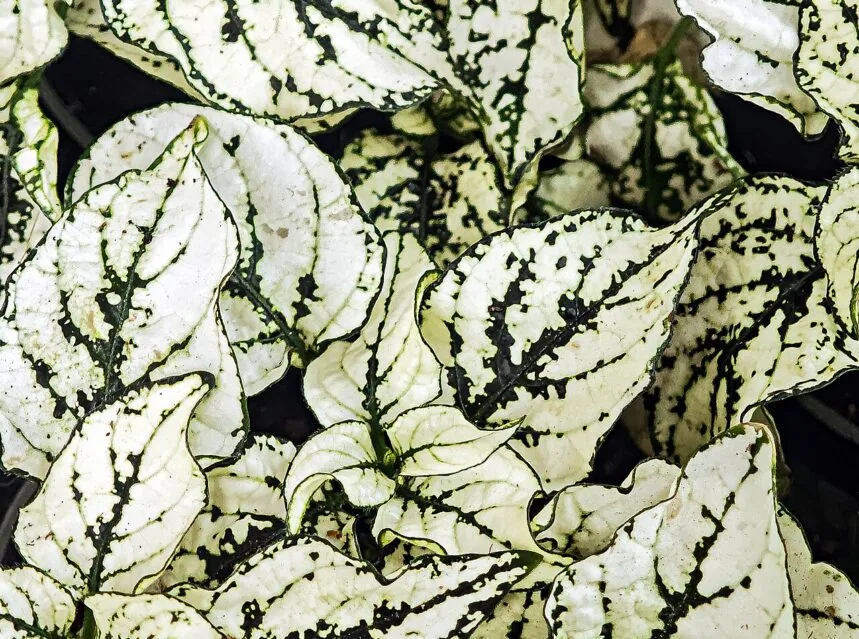 Image: Didier Descouens — CC BY-SA 4.0, via Wikimedia Commons
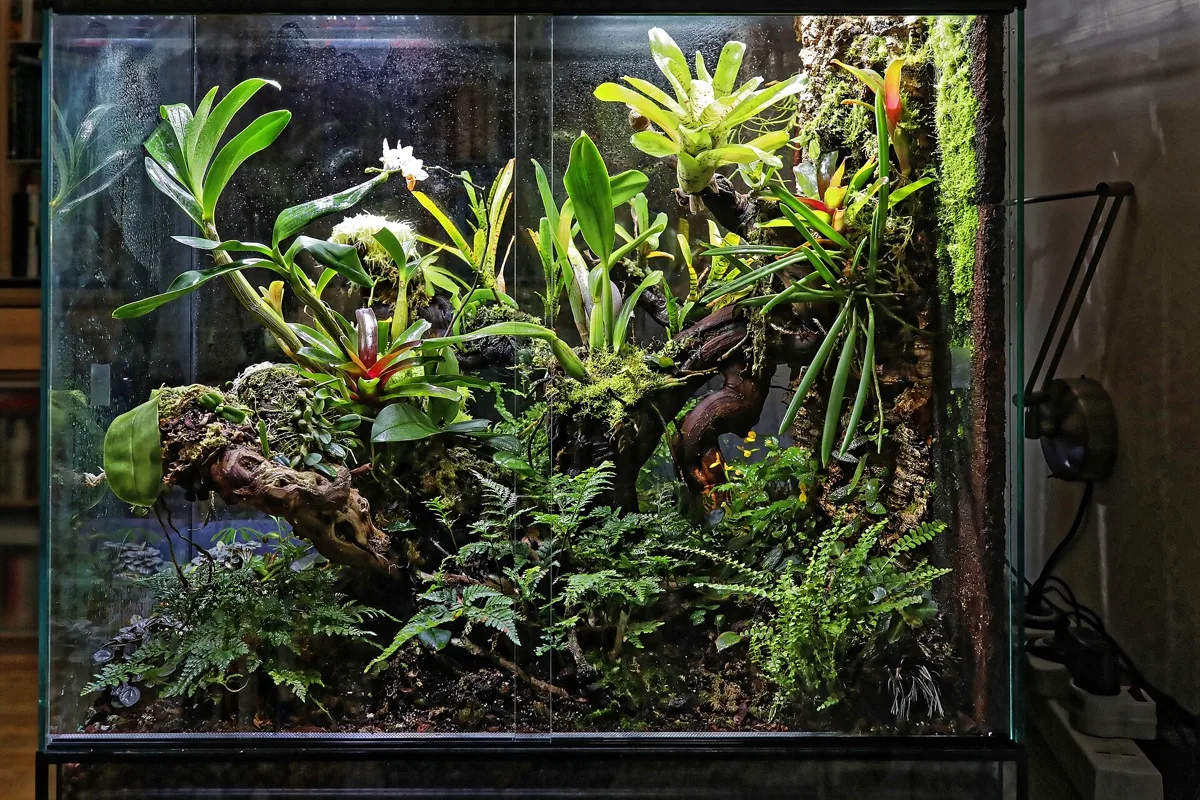
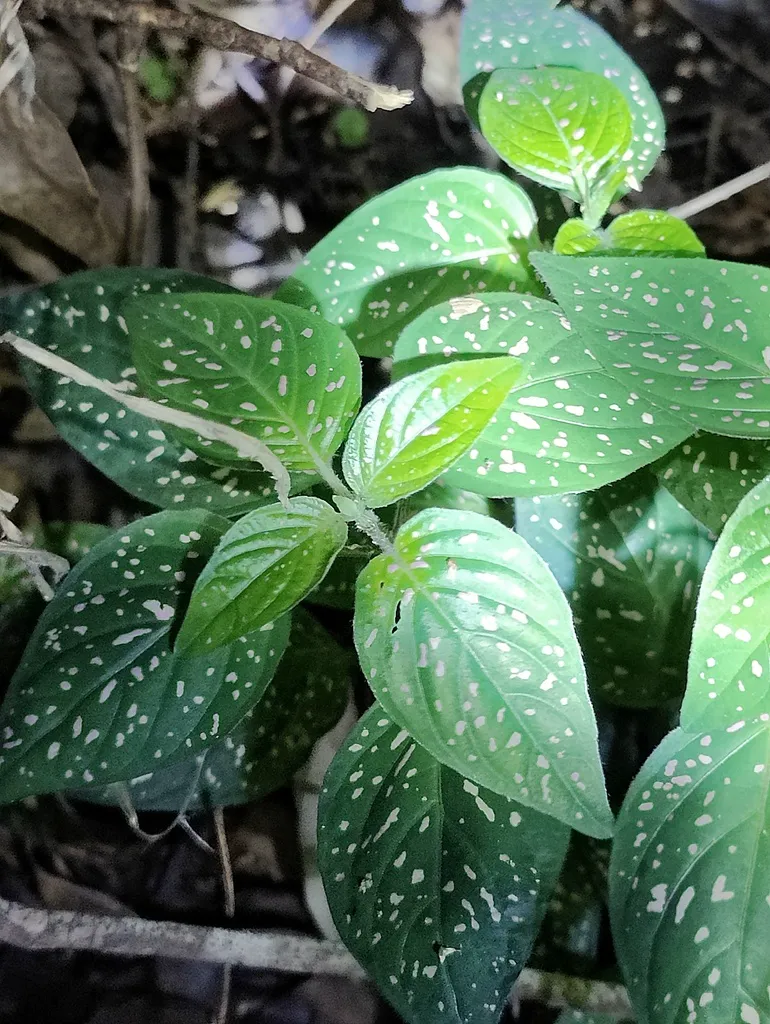
The polka dot plant is a compact houseplant grown for its leaves spotted and splashed with pink, red or white.
The polka dot plant looks like someone splattered paint across its leaves — bright pink, red, or white freckles scattered over green. It is a small, bushy plant that adds a pop of colour to shelves, desks, and terrariums, and it is pet-safe: the ASPCA lists the polka dot plant (Hypoestes phyllostachya) as non-toxic to dogs, cats and horses. It grows fast, propagates in days, and stays compact with a little pinching.
The trick to a good-looking polka dot plant is knowing it gets leggy fast without pruning, and that light controls the colour. This guide covers both. Here is complete polka dot plant care.
Quick start: Give your polka dot plant bright, indirect light for bold colour. Keep the soil lightly, evenly moist. Pinch the tips often to stay bushy, and enjoy it in a humid spot or terrarium.
The polka-dot plant is grown for its freckled pink-and-green leaves, which stay brightest in good indirect light and turn dull green in shade. Growers find it grows fast and gets leggy, so regular pinching keeps it bushy, and it is easily refreshed from cuttings. It likes steady moisture and humidity, wilting quickly if allowed to dry out.
🧰 In a hurry? Jump straight to our tested picks for this guide ↓
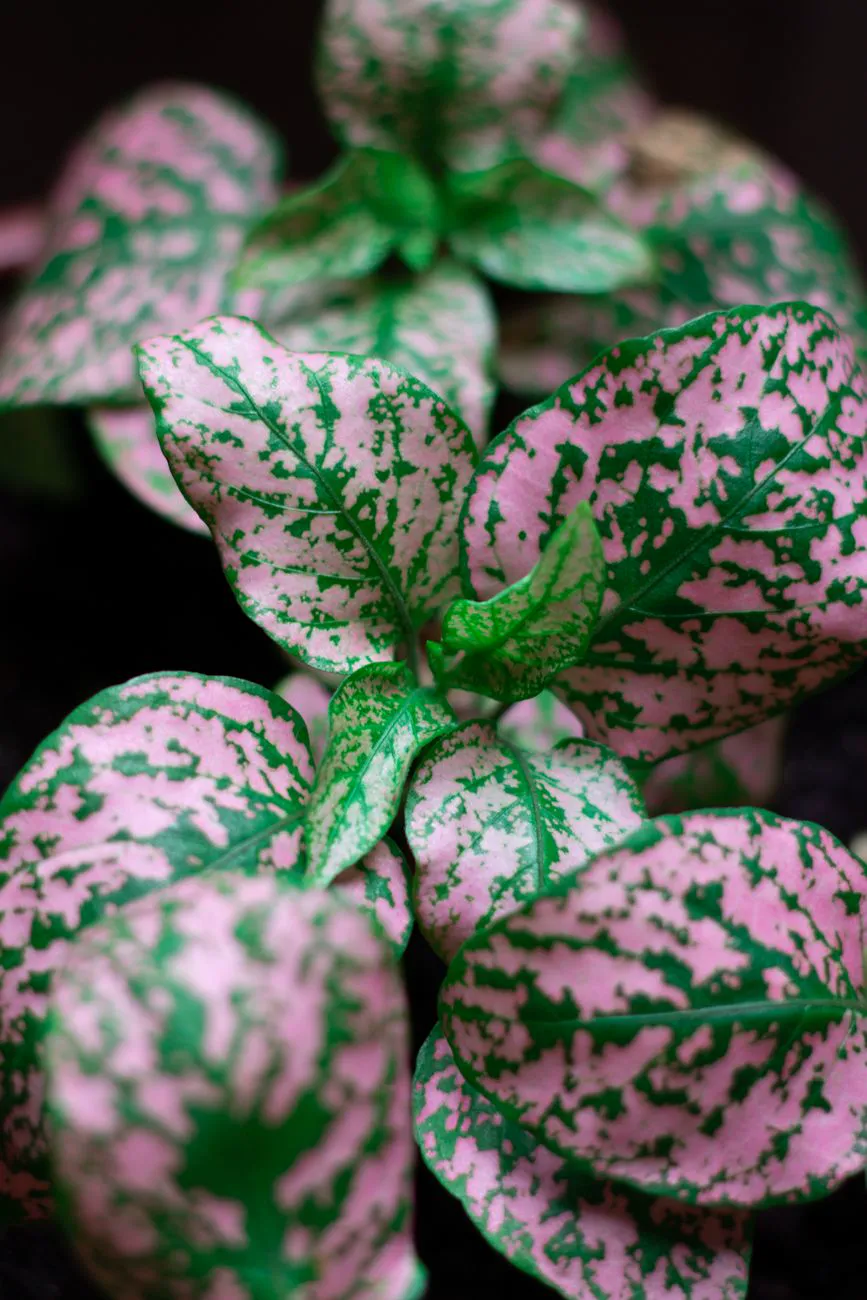
Polka dot plant at a glance
| Feature | Detail |
|---|---|
| Botanical name | Hypoestes phyllostachya (family Acanthaceae) |
| Plant type | Compact foliage houseplant |
| Light | Bright, indirect |
| Soil | Light, moisture-retentive |
| Water | Keep evenly moist; likes humidity |
| Note | Pet-safe; great for terrariums |
Why grow a polka dot plant?
The polka dot plant (Hypoestes phyllostachya) brings rare bright colour to a green collection, in pink, rose, red, and white speckled forms. It stays small and bushy, so it suits desks, windowsills, and terrariums. It is pet-safe, fast-growing, and very easy to propagate, making it a fun, low-cost plant for beginners and kids.
Where the polka dot plant grows best (origin and climate)
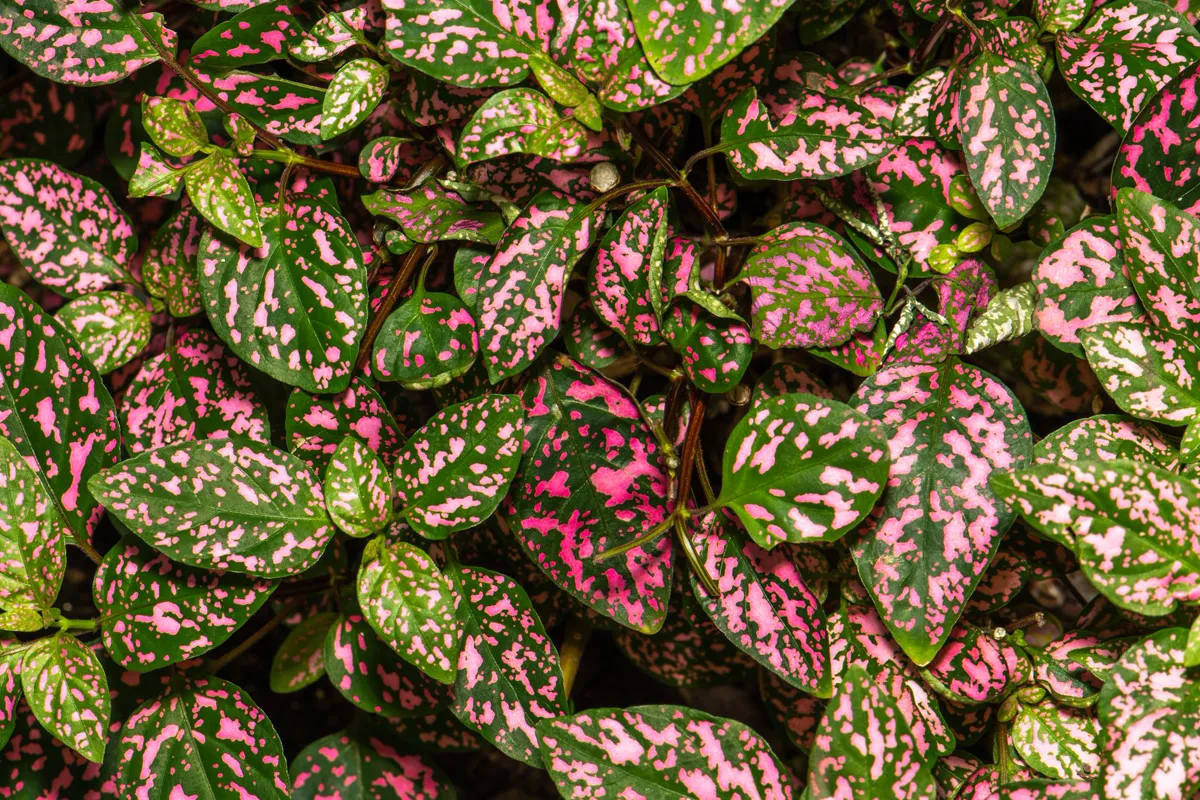
The polka dot plant is native to the warm, humid forests of Madagascar and parts of Southeast Asia, where it grows as low, leafy ground cover in dappled light and steady moisture. This origin explains its love of humidity and even watering, and its dislike of dry air and harsh sun, which fade and crisp the colourful leaves.
In India it does best out of direct sun in a warm, humid spot — a bright bathroom, kitchen, or terrarium is ideal, and it appreciates extra humidity during dry winters, much like a calathea.
Light
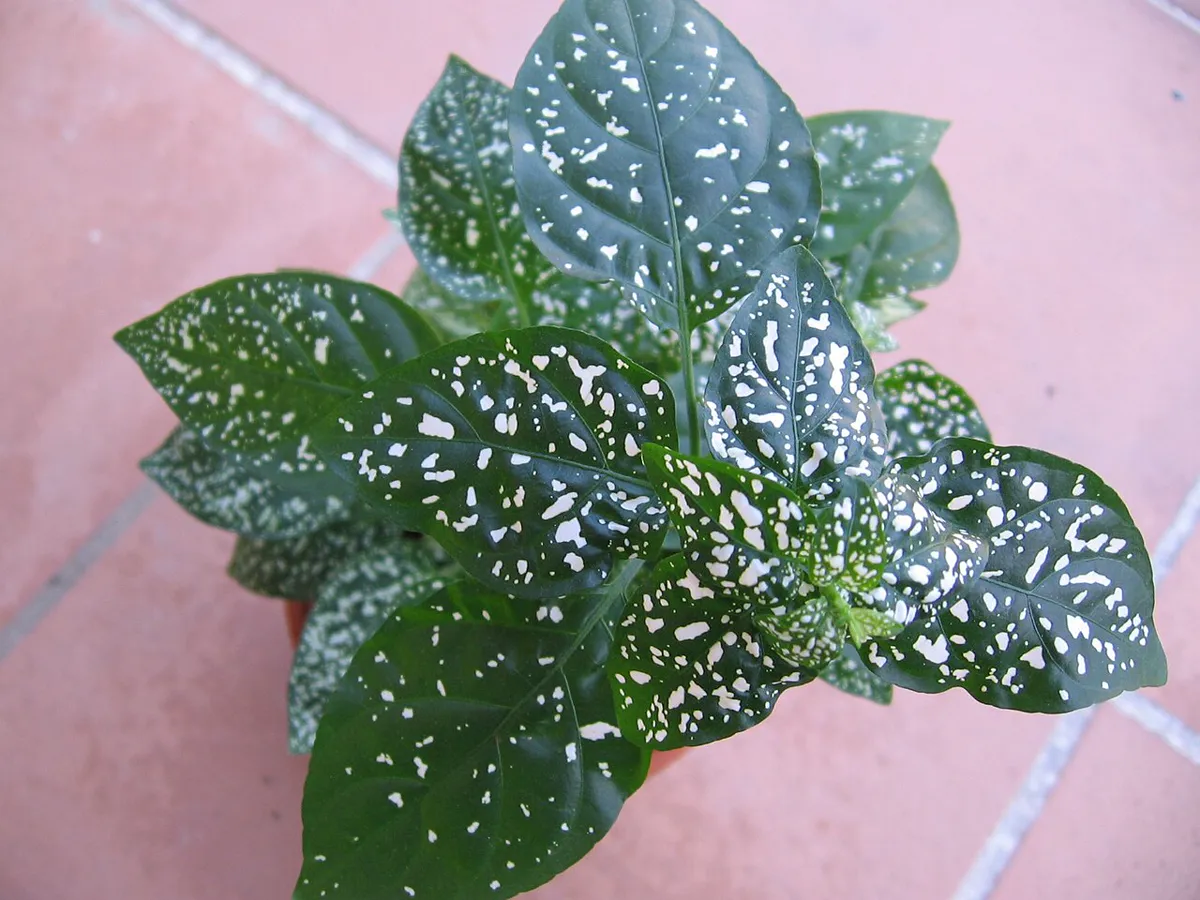
The polka dot plant needs bright, indirect light to keep its speckles vivid. In low light the colours fade toward plain green and the stems stretch and flop. However, harsh direct sun bleaches and scorches the markings. So aim for a bright spot out of the sun’s direct path — that balance keeps the dots bold and the plant compact.
Watering
The polka dot plant likes consistently moist soil — not soggy, but never fully dry. Water when the top inch starts to dry, and ensure the pot drains. If it dries out, it wilts dramatically and recovers slowly. In warm weather it may need water every few days; in winter, less. Use room-temperature water.
Soil, humidity & feeding
Use a light, moisture-retentive but well-draining mix (see our best potting mix for houseplants). It loves humidity above 50%, which is why it thrives in terrariums and bathrooms. Feed lightly every few weeks in spring and summer (see fertilizing houseplants). Pinch off any flower spikes that appear — once it flowers and sets seed, the plant tends to decline, so removing the spikes keeps it leafy and prolongs its life.
👉 For vivid, bushy plants: a glass terrarium or humidity tray keeps the colour bright, and small pinching snips help you keep it dense.
Keeping it bushy (aggressive pinching)
This is the single most important thing: the polka dot plant needs frequent, even aggressive pinching, or it quickly grows thin, tall, and leggy. So pinch the growing tips regularly — every pinch forces the stem to branch into two. When it does get straggly, cut it back hard; it bounces back, and you can root the trimmings. Because it is naturally short-lived, treat it as a fun, refreshable plant and keep a few cuttings going.
Propagation (very easy)
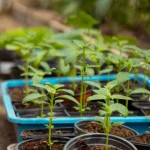
The polka dot plant roots quickly from stem cuttings. Take a 10 cm tip cutting with a couple of nodes, remove the lower leaves, and root it in water or moist soil; roots often appear within a week. Since the plant gets leggy and is short-lived, regular cuttings are the best way to keep a fresh, bushy supply going. See our houseplant propagation guide.
Common problems & pests
Faded, mostly-green leaves
Too little light (or too much harsh direct sun). Move it to a bright, indirect spot to restore the speckles.
Leggy, floppy growth
Low light or no pinching. Brighten its spot and pinch hard and often; take fresh cuttings if it gets straggly.
Wilting
The soil dried out. Water promptly and keep it more consistently moist.
Pests
Watch for whitefly, aphids, and mealybugs. Treat as in our organic pest control guide.
Benefits & pet safety
The polka dot plant is a colourful, compact, pet-safe plant — non-toxic to cats, dogs, and people, though a big nibble may cause mild tummy upset — that brightens shelves and terrariums and roots in minutes. Because it is naturally short-lived and leggy, treat it as a cheerful, refreshable plant.
For a similarly colourful, pet-safe companion, try a fittonia (nerve plant), which loves the same humid conditions and pairs perfectly with it in a terrarium.
The flower spike is the beginning of the end — and you can stop it
Here is the thing most owners discover only after their plant has gone: this is a naturally short-lived plant, and flowering is what triggers the decline. It is a small perennial from South Africa, Madagascar and south-east Asia that only behaves as a long-lived plant in the tropics — in a cooler climate it is usually treated as an annual, and that is the habit you are working against. Left alone it puts up small, insignificant lilac flower spikes, sets seed, and then loses vigour — going leggy, dropping leaves and often dying back within months.
The flowers are not worth having. They are tiny and dull compared with the foliage that you bought the plant for. So:
- Pinch out every flower spike as soon as you see it, right at the base. This alone can keep a plant going for years instead of months.
- If it has already flowered and gone leggy, cut the whole plant back hard — to a few centimetres above the compost. It usually reshoots from the base, bushier than before.
- Keep cuttings going regardless. Even a well-managed plant eventually tires, and a stem in a glass of water roots in days.
This is why the plant is often sold and treated as a temporary or seasonal buy. It does not have to be. Take the flowers off and it behaves like a proper long-term houseplant.
Losing its spots? That is a light problem, not a feeding one
The pink, red or white speckling is the whole point of this plant, and when it fades people usually reach for fertiliser. That is the wrong lever.
The coloured patches contain little or no chlorophyll. In dim conditions the plant does the sensible thing and favours plain green tissue that can actually photosynthesise — so the spots shrink and the leaves turn greener. Too much direct sun does the opposite, bleaching and scorching them.
| What you see | Cause | Fix |
|---|---|---|
| Spots fading, leaves going plain green, growth stretched | Too little light | Brighter spot out of direct sun. New leaves show the improvement |
| Colours washed out and papery, crisp patches | Direct sun | Filter it — a sheer curtain is enough |
| Long bare stems with a tuft on top | Light and no pinching | Cut back hard and pinch regularly from then on |
Existing faded leaves will not recolour, so judge any change by the leaves that come next.
Cuttings: the easiest insurance policy in houseplants
Because this plant is short-lived by nature, propagation is not an optional hobby here — it is how you keep it. Fortunately it is about as easy as propagation gets.
- Take a 8–10 cm tip cutting with three or four leaf pairs, cutting just below a node.
- Strip the lowest pair of leaves and stand the stem in a glass of water on a bright windowsill.
- Roots usually appear within about a week, sometimes days.
- Pot into damp compost once the roots are two or three centimetres long, and pinch the tip out to start it branching immediately.
Pot three or four cuttings together and you get a full, bushy plant straight away rather than a single thin stem. The tips you remove during routine pinching are exactly the right size, so the plant supplies its own replacements for free.
Related plant guides
- Tradescantia care
- Fittonia care
- Aluminum Plant care
- Peperomia care
- Schefflera care
- Maidenhair Fern care
Frequently asked questions
Why is my polka dot plant losing its colour?
Usually too little light, or sometimes too much harsh direct sun. Move it to a bright, indirect spot and the speckled colour returns on new growth.
Why does my polka dot plant keep getting leggy?
It needs frequent, aggressive pinching and good light. Pinch the tips often and cut it back hard when straggly; root the trimmings to refresh it.
Why does my polka dot plant keep wilting?
It dried out. Keep the soil lightly and evenly moist, and it stays perky.
Is the polka dot plant safe for pets?
Yes — it is non-toxic and pet-safe for cats and dogs, though eating a lot may cause mild stomach upset.
How do I propagate a polka dot plant?
Take a stem-tip cutting with a couple of nodes and root it in water or moist soil — it often roots within a week.
Why is my polka dot plant dropping leaves?
Leaf drop is usually caused by soil that has swung too far in one direction, either bone dry or constantly soggy. Cold draughts and dry indoor air add to the stress. Keep the soil evenly moist, water before it dries out completely, and move the plant away from heating vents and cold windows. Steady warmth and humidity soon stop the leaves from falling.
Why are my polka dot plant leaves curling?
Curling leaves often mean the plant is thirsty or sitting in light that is too harsh. Underwatering makes the thin leaves cup and curl to save moisture, while strong direct sun can do the same. Water when the surface begins to dry and move it to bright but indirect light. Check the undersides for pests too, as sap-suckers can distort new growth.
Why is my polka dot plant fuzzy?
The leaves carry a fine natural fuzz, so a soft texture is normal for this plant. White cottony tufts, however, are a warning sign of mealybugs, and a dusty grey coating suggests powdery mildew from stagnant, damp air. Inspect closely, wipe off any pests with diluted alcohol, and improve airflow around the plant. Catching either problem early keeps it under control.
How big does a polka dot plant get?
Grown indoors it usually stays small and bushy, reaching around 10 to 12 inches tall and wide with regular pinching. In warm outdoor gardens it can grow taller and more sprawling. Its compact size makes it a good choice for terrariums, dish gardens, and small pots. Frequent trimming keeps it dense rather than tall and leggy.
Is the polka dot plant a perennial?
It is a tender tropical perennial, but it is often treated as a short-lived plant or an annual in cooler climates. Indoors it can live for a few years, though it tends to decline after flowering and setting seed. Taking cuttings regularly keeps a fresh supply going, since they root quickly and easily. Pinching off flower spikes also helps it stay leafy and last longer.
How to grow polka dot plant so it lasts more than one season?
Pinch out the flower spikes. This species is naturally short-lived and flowering is what starts the decline, so removing every spike at the base as it appears is the single change that turns a few months into a few years. Pair that with regular pinching of the growing tips and a hard cut-back if it ever goes leggy, and the plant keeps renewing itself.
Is it difficult to keep indoors?
No, but it is unusually unforgiving about two things. It wants steady moisture, wilting dramatically if the compost dries out, and it wants bright indirect light to hold its markings. Get those two right and the rest is easy. What defeats people is not difficulty but the plant’s natural habit of flowering and then fading, which looks like a care failure and is not.
Where should I put it indoors?
A spot with plenty of bright light but no direct sun, such as near an east window or a metre back from a brighter one. Too dim and the spots fade to green; too much direct sun and they bleach. Warmth and humidity help, so a bathroom or kitchen windowsill often suits it better than a living room.
Why has my plant lost its pink spots?
Almost always too little light. The coloured patches carry little chlorophyll, so in dim conditions the plant favours plain green tissue that can actually photosynthesise. Move it somewhere brighter but still out of direct sun. Existing leaves will not recolour, so judge the change by the new growth rather than the old.
Should I let it flower?
No. The flower spikes are small and lilac, and dull compared with the foliage, and flowering pushes the plant into decline. Snap or snip each spike off at its base as soon as you notice it. This is the most useful five seconds of maintenance this plant asks for.
My plant has gone tall and bare at the bottom. Is it finished?
Rarely. Cut it back hard, to a few centimetres above the compost, and it usually reshoots from the base and comes back bushier. Do it in spring or summer while it is growing actively. Take a few tip cuttings from what you removed as insurance before you make the cut.
Is it safe around pets?
Yes, it is listed as non-toxic to cats and dogs, which makes it a comfortable choice for homes with animals. It is small and often sits at floor level where pets can reach it, so that matters more here than for a plant on a high shelf.
How fast do cuttings root?
Very fast, usually within about a week in a glass of water, sometimes in a few days. Take a tip cutting with three or four leaf pairs, remove the lowest pair, and pot it up once the roots are a couple of centimetres long. Because the tips you remove during routine pinching are exactly the right size, the plant supplies its own replacements for free.
Still stuck? Ask the Plant Doctor
Describe the problem — yellow leaves, holes, no flowers — and get a clear answer in seconds. FreeAI can make mistakes. Answers are guidance, not a guarantee — check anything important against the guide it links to, and always read the label on any product before you use it.