Peperomia Care
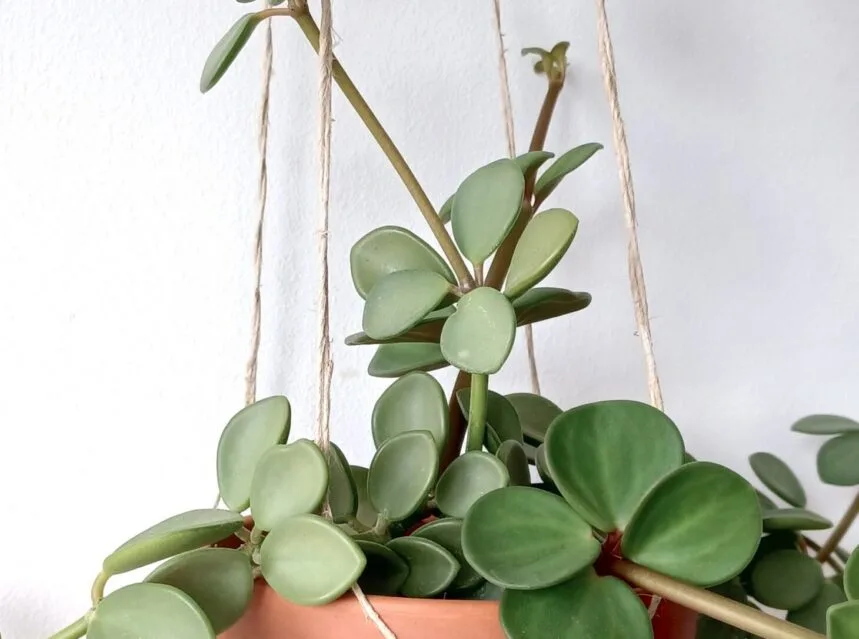
Peperomias are some of the friendliest houseplants for beginners. They’re compact, low-maintenance, and come in a huge range of leaf shapes and colours — from the famous watermelon peperomia to rippled, trailing, and silvery types. They’re also pet-safe and easy to propagate. If you want a tough, pretty plant that forgives a missed watering, this is it. Here is the complete guide to peperomia care.
Quick start: Give your peperomia medium to bright, indirect light. Water only when the top inch of soil dries — it stores water in its leaves. Use a well-draining mix, and propagate it easily from leaf or stem cuttings.
🧰 In a hurry? Jump straight to our tested picks for this guide ↓
Peperomia at a glance
| Feature | Detail |
|---|---|
| Botanical name | Peperomia species (family Piperaceae) |
| Plant type | Compact foliage houseplant |
| Light | Bright, indirect |
| Soil | Light, free-draining |
| Water | Let it dry between waterings |
| Note | Semi-succulent; pet-safe |
| Best for | Desks, shelves, small spaces |
Why grow a peperomia?
Peperomias are perfect for beginners and small spaces. They stay compact, so they suit shelves, desks, and windowsills. They’re also non-toxic and pet-safe, and they tolerate a missed watering or two. With over 1,000 species, there’s a peperomia for every taste — bushy, trailing, or boldly patterned.
Where peperomias come from
Most peperomias are native to the tropical rainforests of Central and South America, with some from Asia. Many grow as small epiphytes on logs and trees, in warm, humid, dappled light. Their thick, fleshy leaves store water, which is why they handle dry spells well. So treat them as semi-succulents.
Popular peperomia types
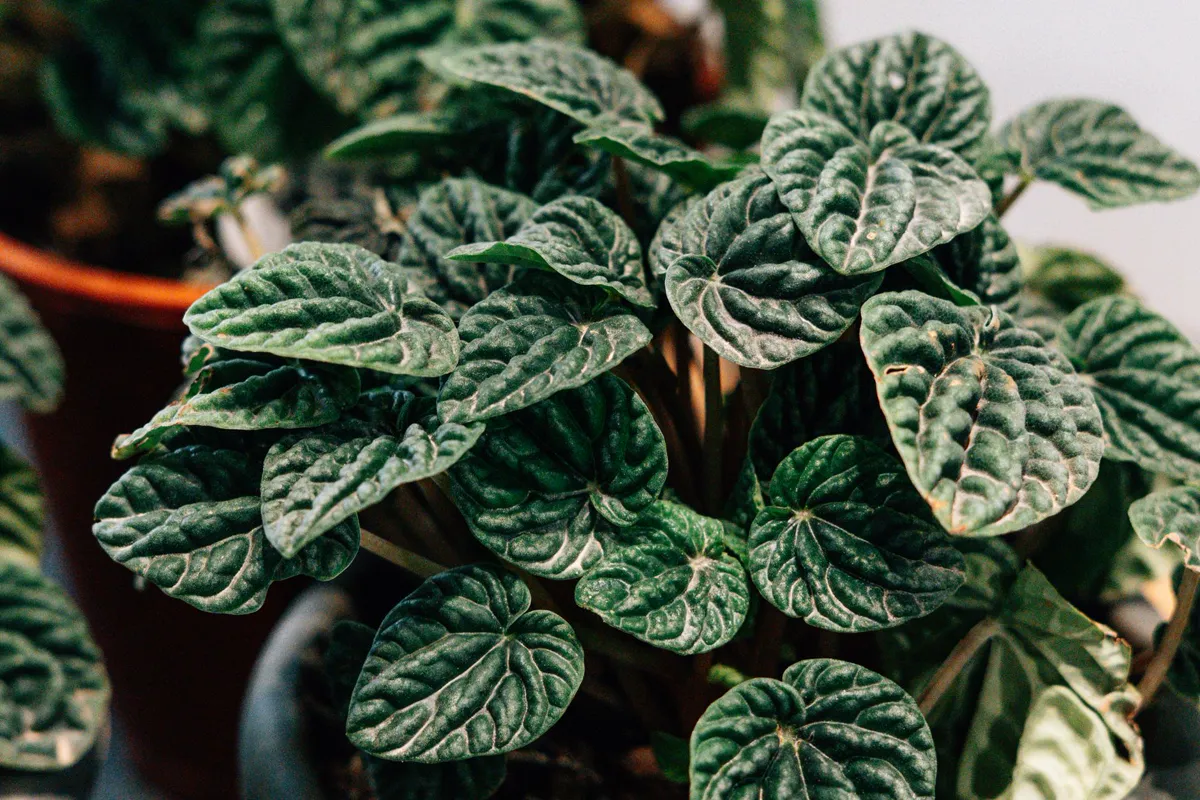
- Watermelon peperomia — round, teardrop leaves with silver “watermelon” stripes.
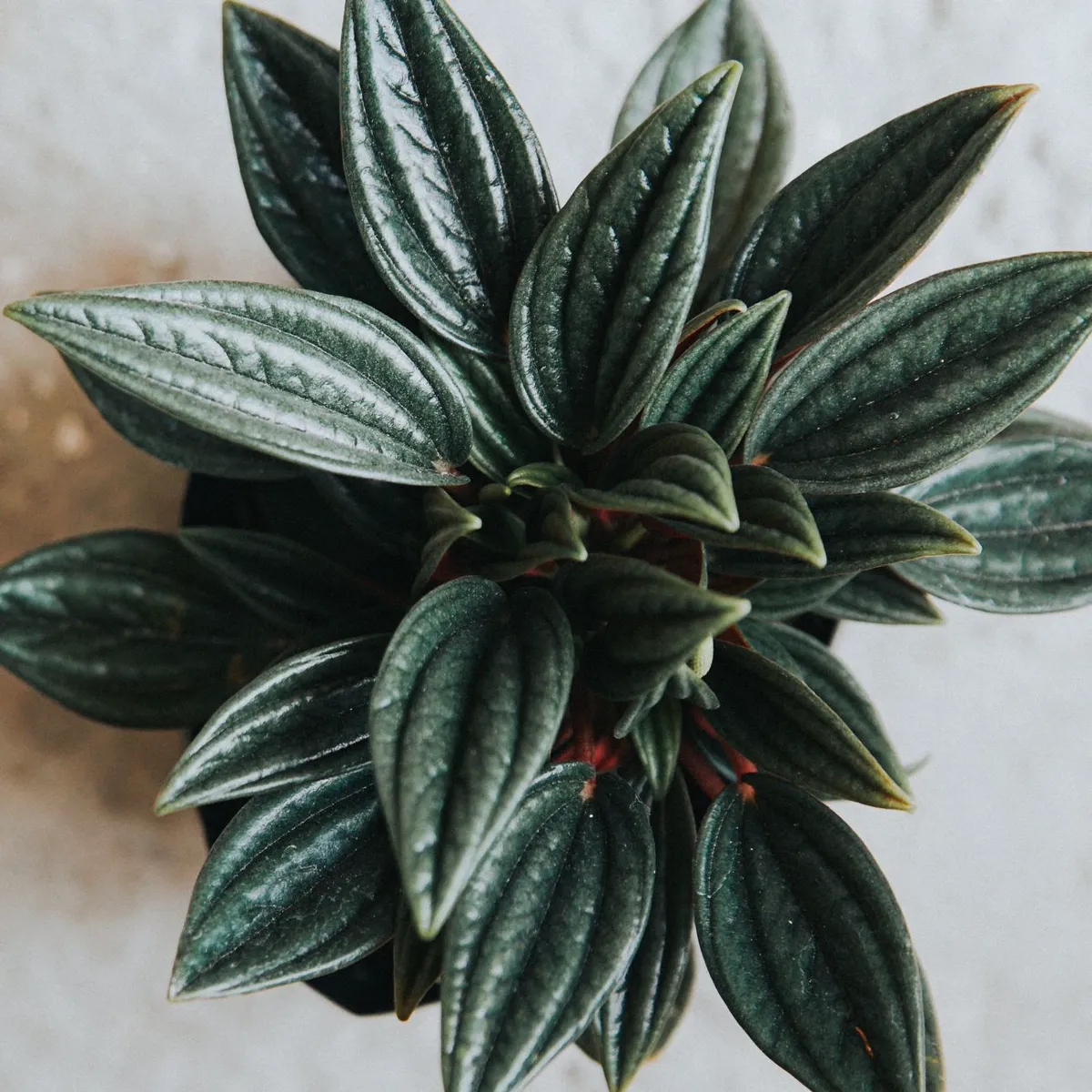
- Ripple peperomia — deeply textured, heart-shaped leaves in green, silver, or burgundy.
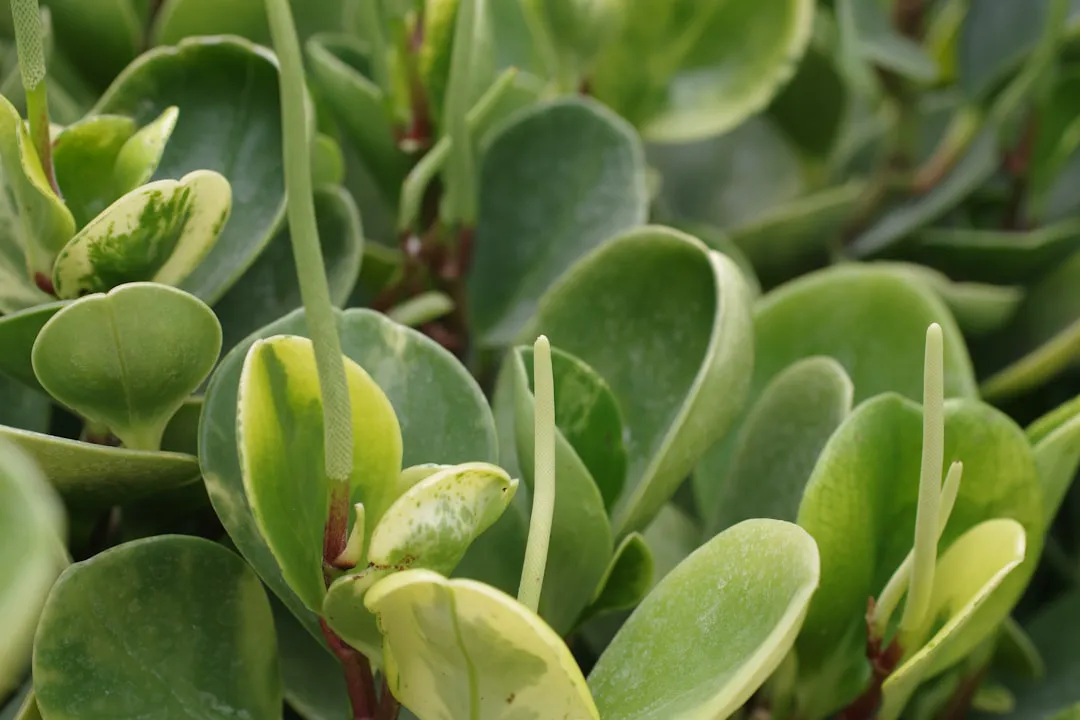
- Baby rubber plant (obtusifolia) — thick, glossy leaves, often variegated cream and green.
- Raindrop peperomia — large, shiny, raindrop-shaped leaves that look like a coin plant.
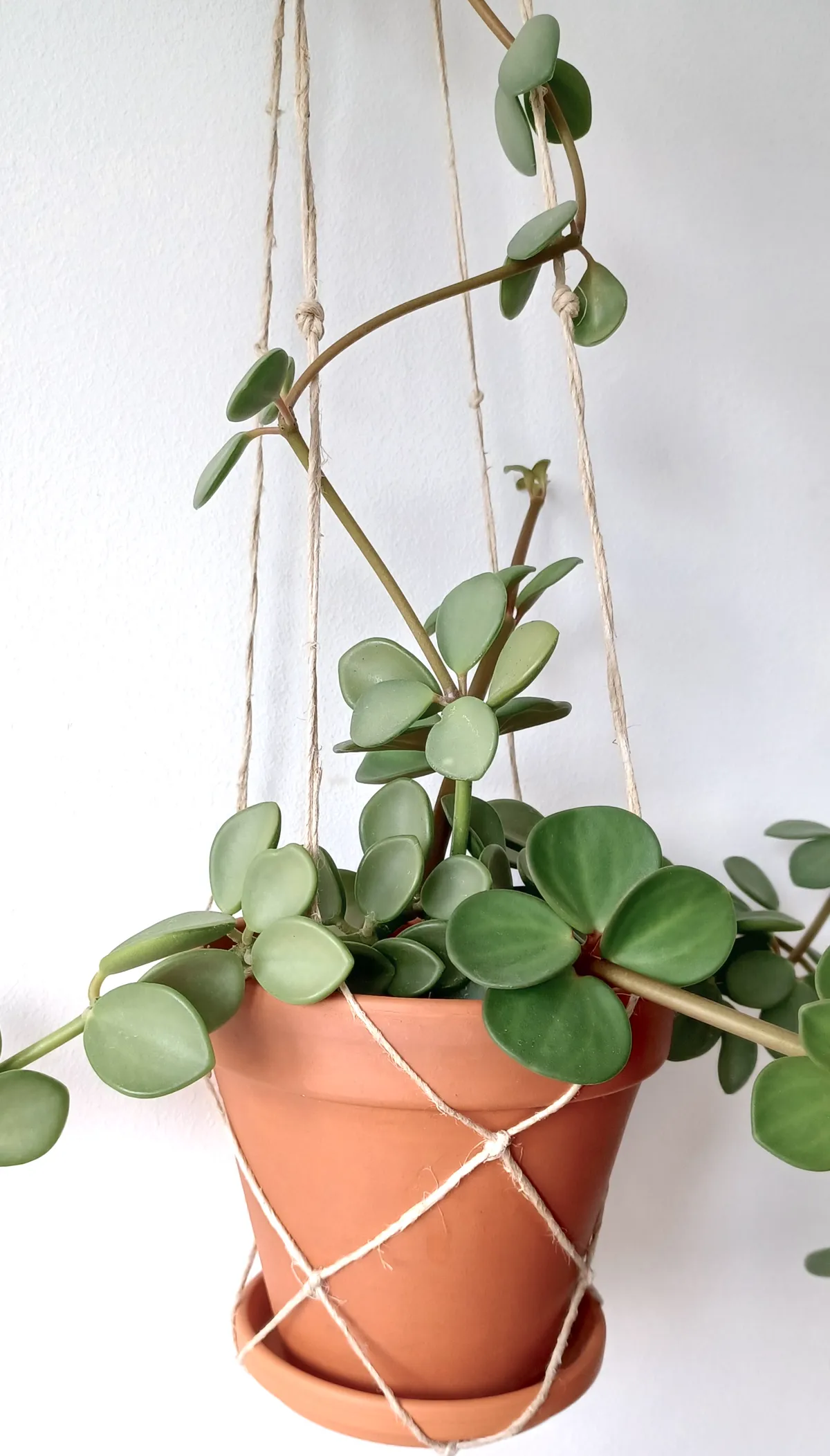
- String of turtles — a trailing type with tiny patterned leaves, lovely in a hanging pot.
Grower notes & expert tips
Experienced houseplant growers consistently describe peperomias as “succulent-like” plants that are killed far more often by kindness than by neglect. Growers on plant forums and in extension guides note that the thick, semi-succulent leaves store water, so the soil should dry out partway down before the next drink; soggy compost quickly rots the stems.
Many also stress that bright, indirect light keeps the variegated types colourful, while too little light makes them leggy and pale. A widely shared tip is to propagate them from a single leaf pushed into moist mix, which roots readily on a warm windowsill. In warm, humid regions like much of India, growers find peperomias thrive on a bright bathroom or kitchen shelf, away from harsh afternoon sun.
Their compact size is part of the appeal, too. Because most stay under about 30 cm, a small collection of different peperomias fits on a single windowsill or shelf, giving a lot of variety in very little space. They are also among the safest houseplants to keep around cats, dogs, and small children, since the foliage is non-toxic. For a renter or a first-time plant owner, that mix of good looks, tiny footprint, and easy care is hard to beat.
Light
Peperomias do best in medium to bright, indirect light — about 6–8 hours of bright, filtered light. They also tolerate lower light, which makes them flexible. However, keep them out of direct sun, which scorches the leaves. Variegated types need a bit more light to keep their patterns.
Watering (less is more)
With peperomias, the rule is simple: let the top inch of soil dry out before watering. Their semi-succulent leaves store moisture, so they handle short dry spells easily. Overwatering, on the other hand, is the most common killer — it causes root rot. So when in doubt, wait a day and check again.
Soil, humidity & feeding
Use a loose, well-draining mix that still holds a little moisture — add perlite or pumice for drainage (see best potting mix for houseplants). Peperomias like average room humidity but enjoy a little extra. Feed lightly during spring and summer (see fertilizing houseplants); they’re light feeders.
Propagation (super easy)
Peperomias are a joy to multiply. You can use a leaf or a stem cutting. Take a 4–6 inch cutting, remove the lower leaves, and cut just below a node. Then place it in water or light, moist soil in bright, indirect light. Roots and new leaves appear in a few weeks. See our propagation guide.
Common problems & pests
Drooping or rotting
Overwatering and root rot. Let the soil dry more between waterings and ensure good drainage.
Faded variegation
Too little light. Move variegated types to a brighter (still indirect) spot.
Pests
Watch for mealybugs and spider mites. Wipe them off and treat as in our pest control guide.
Shrivelled, limp leaves
The opposite problem to rot — this one is thirst. Peperomias store water in their thick leaves, so they cope with a missed watering, but a plant left bone dry for weeks goes soft and wrinkled. Water thoroughly, let the excess drain, and it usually recovers within a day.
Benefits
Peperomias are ideal low-care houseplants. They’re compact, non-toxic and pet-safe, and they come in beautiful, varied forms. They suit beginners, small spaces, and busy people, adding easy green (and silver, and burgundy) to shelves and desks.
It is not a succulent — it is a relative of black pepper
Peperomias are almost always shelved with the succulents, and that mislabel causes real trouble. They belong to Piperaceae, the pepper family, which makes them relatives of Piper nigrum — the vine that gives us black peppercorns. The genus is enormous: over a thousand species are recognised, most from tropical Central and South America, and many of them grow as epiphytes — perched on tree trunks and rocks rather than rooted in soil. Most stay under about 30 cm.
Two things follow from that, and between them they explain nearly all peperomia care:
- They are understorey plants, not desert plants. Bright indirect light suits them; direct sun scorches the leaves. Low light is tolerated far better than a sunny windowsill.
- They are only semi-succulent. The thick leaves store water, but the root system is small and needs air. That combination — water-storing leaves on a small root system — is exactly why overwatering kills more of them than anything else.
The old name “radiator plant” comes from the same place: they were the plants that survived on a warm, dry Victorian windowsill where fussier tropicals would not.
The watering advice depends on which peperomia you own
Almost every guide treats “peperomia” as one plant and tells you to let it dry out. That is right for some species and actively harmful for others, and it is the commonest way a healthy-looking plant is lost.
| Species | How it likes water | Watch for |
|---|---|---|
| P. obtusifolia (baby rubber plant) | The forgiving one. Tolerates drying out completely | Very little. This is the beginner’s peperomia |
| P. argyreia (watermelon) | Sensitive to drying. Wants steady, light moisture | Wilting and leaf loss if left bone dry; also the most rot-prone in propagation |
| P. caperata (ripple / emerald ripple) | Steady moisture | Collapses dramatically if allowed to dry right out |
| P. prostrata (string of turtles) | Steady moisture; the fussiest of the common ones | Thin trailing stems dry out fast — check more often, water less at a time |
| P. polybotrya (raindrop) | Let the top half of the pot dry | Do not copy Chinese money plant (Pilea) advice — they look similar and want opposite things |
As a working rule for most of them: water when the top 2–5 cm is dry, roughly every 7–14 days in the growing season and every 14–21 days in winter. Firm leaves mean it is fine; soft, floppy leaves mean it wants a drink. And keep the pot snug — a too-large pot holds wet soil around a small root system, which is the setup for rot.
Corky bumps on the leaves: edema, and why spraying will not help
Raised, water-soaked blisters that later turn tan and corky, usually on the undersides of the lower leaves, are edema — and it is one of the most misdiagnosed houseplant problems there is.
It is not a disease, a pest, or a fungus. It is physiological: the roots take up water faster than the leaves can release it, the leaf cells swell until they rupture, and the burst tissue heals over as cork. Fungicides and insecticides do nothing at all.
The trigger is usually inconsistent watering rather than simply too much — letting the pot dry out completely and then soaking it. Low light, cool air, poor airflow and high humidity all make it worse, because they slow down how fast the leaf can transpire.
| Edema | Fungal or bacterial leaf spot |
|---|---|
| Hard, corky bumps that cannot be rubbed off | Soft or greasy spots, often with a halo |
| Mostly on lower, older leaves, often undersides | Anywhere, often spreading outward |
| Does not spread from leaf to leaf | Spreads, especially in still, damp air |
What to do: even out the watering — water before the pot goes bone dry, not after — improve airflow, and give it a little more light. Existing bumps are permanent scars and will never smooth out, so judge success by whether new leaves come through clean, then trim the worst old ones as fresh growth replaces them.
Propagation: the right method depends on the plant
Peperomias root easily, but “take a cutting” means different things depending on which one you have — and there is one rule that costs people their best plant.
| Type | Method | Roughly how long |
|---|---|---|
| Upright, with visible stems — obtusifolia, raindrop | Stem cuttings, 7–12 cm with two or three leaves, lower leaves stripped | Roots in 2–6 weeks |
| Rosette types — watermelon, ripple, string of turtles | Leaf cuttings (there is no real stem to take), with the leaf stalk attached | Slower — several weeks to root, months to look like a plant |
| Mature clumps | Division — each piece needs roots and leaves | Immediate |
🔴 The rule almost no general guide gives you: never propagate a variegated peperomia from a leaf. Leaf-only propagation frequently loses the variegation, and you end up with a plain green plant. For anything variegated — ‘Ginny’, marble, variegated obtusifolia — take a stem cutting instead.
Root in water or straight into a light, gritty mix; water is faster to watch, soil gives sturdier roots and no transplant sulk. Spring and summer are far quicker than winter, and take no more than about a third of the parent plant at once. Watermelon peperomia is the one most likely to rot in soggy propagation mix, so keep it on the dry side.
Common problems at a glance
| What you see | Cause | What to do |
|---|---|---|
| Leaves dropping, lower ones yellowing | Overwatering — the leading cause of death | Check the roots. Let the mix dry further; repot into something grittier if it stays wet |
| Soft, floppy leaves, dry pot | Genuinely thirsty | Water thoroughly; leaves firm up within a day or so |
| Hard corky bumps | Edema — uneven watering | See above. Do not spray anything |
| Long, stretched growth with big gaps | Too little light | Move brighter, still out of direct sun. Variegated types need the most light |
| Brown, crispy leaf edges | Water quality, or long dry spells followed by heavy watering | Even out watering; try filtered or rainwater |
| Pale, bleached patches | Direct sun | Filter the light |
| White cottony specks in leaf joints | Mealybugs — the main pest | Dab with alcohol on a cotton bud; repeat. See our organic pest control guide |
Is peperomia safe for cats and dogs?
Yes. The ASPCA lists the baby rubber plant (Peperomia obtusifolia) as non-toxic to dogs and cats, and peperomias are generally treated as pet-safe houseplants.
That, plus their small size and tolerance of ordinary indoor light, is a large part of why they suit flats, desks and homes with animals. If you want other genuinely non-toxic options for the same shelf, the hoya and the prayer plant are also on the ASPCA’s safe list — unlike the jade plant and lucky bamboo, which are not.
Related plant guides
- Dracaena Care Guide
- Arrowhead Plant care
- Philodendron care
- Hoya Care Guide
- Jade Plant care
- Tradescantia care
Frequently asked questions
How often should I water a peperomia?
Only when the top inch of soil is dry. The semi-succulent leaves store water, so it dislikes overwatering.
Is the peperomia safe for pets?
Yes — peperomias are non-toxic and pet-safe.
Why is my peperomia drooping?
Usually overwatering (soggy soil) or, less often, very dry soil. Check the soil and adjust; ensure good drainage.
Are peperomias good for beginners?
Yes — they’re compact, forgiving, easy to propagate, and pet-safe, making them one of the best beginner houseplants.
Is peperomia safe for pets?
Yes — peperomias are listed as non-toxic to cats and dogs, making them a safe choice for homes with pets.
Why are my peperomia leaves dropping?
Usually overwatering or cold. Let the compost dry between waterings, keep it warm, and never leave it sitting in water.
How often should I repot a peperomia?
Rarely — they like being a little snug. Repot every two or three years, or when roots fill the pot, using fresh free-draining mix.
Why are my peperomia leaves curling?
Curling leaves usually point to a watering problem or too much direct sun. If the soil has stayed wet, the roots may be struggling and the foliage cups inward; if it has gone bone dry, the thick leaves crinkle to save moisture. Move the plant out of harsh midday rays into bright, filtered light, and water only once the top inch feels dry. New growth should emerge flat once the routine settles.
Can a peperomia grow in low light?
It will survive in lower light but it grows slowly, loses its compact shape, and the markings on variegated types fade. Bright, indirect light near an east or north window suits it best. A spot several feet back from a bright window, or under a simple grow light, keeps the plant full and colourful. Deep shade eventually leads to leggy, stretched stems.
Can I grow a peperomia outside?
Only in warm, frost-free conditions. Peperomias are tropical and are damaged below about 50F (10C), so most gardeners keep them as houseplants. In summer they can sit outdoors in a shaded, sheltered spot, but they must come back inside before the nights turn cold. Never place them in direct afternoon sun, which scorches the leaves.
How much light does a peperomia need?
Aim for medium to bright indirect light for most of the day. Good light keeps the leaves close together and the colours strong, while too little makes the plant thin and floppy. A little gentle morning sun is fine, but strong direct sun bleaches and burns the foliage. If your room is dim, a small LED grow light fills the gap nicely.
How do I propagate a peperomia?
Peperomias root easily from stem or leaf cuttings. Snip a healthy stem with a couple of leaves, or use a single leaf with its stalk, and stand it in water or push it into moist, free-draining mix. Keep it warm and out of direct sun, and small roots usually appear within two to four weeks. Once rooted, pot the cutting into its own small container.
Why are my peperomia leaves turning yellow?
Yellowing is most often a sign of overwatering and soggy roots. When the compost stays wet, the roots cannot breathe and older leaves fade and drop. Let the top inch dry between waterings, empty any water sitting in the saucer, and make sure the pot drains freely. Cold draughts and a lack of feeding in the growing season can add to the problem.
Can a peperomia live in water?
A cutting will happily root and grow in water for a long time, which makes it a fun way to display one. For a permanent setup, change the water every week or two to keep it fresh and add a very weak liquid feed occasionally. Even so, most plants are sturdier and longer-lived once moved into a light, well-draining potting mix. Water culture suits cuttings and short-term displays best.
How to grow peperomia if you tend to overwater things?
This plant suits you, provided you pick the right species and the right pot. Start with the baby rubber plant, which tolerates drying out completely, and keep it in a snug container with drainage holes and a gritty, free-draining mix. Water only when the top few centimetres are dry, and check by feel rather than by calendar. Firm leaves mean it is comfortable; soft, floppy leaves mean it is genuinely thirsty.
Is peperomia care indoors different from other houseplants?
In one important way, yes. Most tropical houseplants want steady moisture, but these have thick water-storing leaves on a small root system, so they need more air around the roots than most. That combination is why they are far more often killed by kindness than by neglect. Otherwise they are undemanding: ordinary room temperature, average humidity, and bright indirect light rather than a sunny windowsill.
Where is the best spot for growing peperomia indoors?
A few feet back from an east or west window is close to ideal, or a north window with clear sky. They handle lower light better than most tropicals, which is why they work on desks and shelves away from glass. Keep them out of direct sun, which bleaches and scorches the leaves. The more variegation a plant has, the more light it needs to keep those markings.
Why are there hard bumps on the underside of the leaves?
That is edema, and it is not a pest or a disease, so sprays will not help. It happens when the roots take up water faster than the leaves can release it, and the swollen cells burst and heal over as cork. The usual trigger is uneven watering, letting the pot go bone dry and then soaking it. Even out your watering, improve airflow and light, and accept that the existing bumps are permanent — judge recovery by whether new leaves come through clean.
Can I grow peperomia from a single leaf?
Often yes, but not always, and there is one important exception. Rosette types such as watermelon and ripple peperomia are normally grown from leaf cuttings because they have no real stem to take. Upright kinds root more reliably from stem cuttings. The exception matters: never take a leaf cutting from a variegated plant, because the new growth frequently comes back plain green and the variegation is lost. Use a stem cutting for anything variegated.
Is peperomia plant care the same for every variety?
Not for watering, which is where most advice goes wrong. Baby rubber plant is happy drying out completely, while watermelon, ripple and string of turtles all want steadier moisture and sulk badly if left bone dry. Light, soil and feeding are broadly the same across the genus. So identify which one you actually have before you settle into a watering routine.
Are peperomias safe around cats and dogs?
Yes. The ASPCA lists the baby rubber plant as non-toxic to dogs and cats, and peperomias are generally regarded as pet-safe. That makes them a sensible choice for a home with animals, especially since they stay small and sit happily on a shelf. If you want other safe options, hoyas and prayer plants are also on the ASPCA non-toxic list.
Still stuck? Ask the Plant Doctor
Describe the problem — yellow leaves, holes, no flowers — and get a clear answer in seconds. FreeAI can make mistakes. Answers are guidance, not a guarantee — check anything important against the guide it links to, and always read the label on any product before you use it.