Hydroponic Nutrients Explained
Hydroponic nutrients are a complete plant diet dissolved in water — every mineral a plant would normally mine from soil, delivered in soluble form, in ratios you control. Soil growers can lean on compost and luck. In water culture, the solution is the soil. So understanding three numbers — N-P-K ratio, EC strength and pH — is the entire skill. Here is hydroponic nutrients explained without the chemistry degree.
Quick answer: Use a complete hydroponic formula, never ordinary houseplant fertiliser. It comes in two parts because calcium and sulphates can’t share a concentrate bottle. Feed leafy greens at roughly 800–1,200 ppm (EC 1.2–1.8) and fruiting crops at 1,400–2,400 ppm (EC 2.0–3.5). Hold pH between 5.5 and 6.5, and replace the solution every two to three weeks.
🧰 In a hurry? Jump straight to our tested picks for this guide ↓
Hydroponic nutrients at a glance
| Question | Answer |
|---|---|
| Why special fertiliser? | Soil fertilisers omit calcium & micros that soil normally supplies |
| Why A + B bottles? | Concentrated calcium + sulphates/phosphates form scale together |
| Leafy greens target | ~800–1,200 ppm (EC 1.2–1.8) |
| Fruiting crops target | ~1,400–2,400 ppm (EC 2.0–3.5) |
| pH window | 5.5–6.5 (sweet spot 5.8–6.2) |
| Solution change | Every 2–3 weeks; top up with plain water between |
Hydroponic nutrients explained: the 13 minerals in the bottle
Plants build themselves from carbon, hydrogen and oxygen taken from air and water. Everything else comes dissolved through the roots, and a hydroponic formula must carry all of it.
The big six (macronutrients): nitrogen for leaves, phosphorus for roots and flowers, potassium for fruit quality. Then calcium for cell walls, magnesium as the heart of chlorophyll, and sulphur for proteins. The trace seven (micronutrients): iron, manganese, zinc, copper, boron, molybdenum and chlorine — needed in pinches, catastrophic when absent.
This is why ordinary houseplant feed fails in water culture. Soil fertilisers assume the ground supplies calcium, magnesium and the micros. In a reservoir, nothing is assumed. Penn State Extension’s plant nutrition primer lays out each element’s job. Buy a formula labelled hydroponic, and the full thirteen are guaranteed.
Why two bottles? The A/B secret
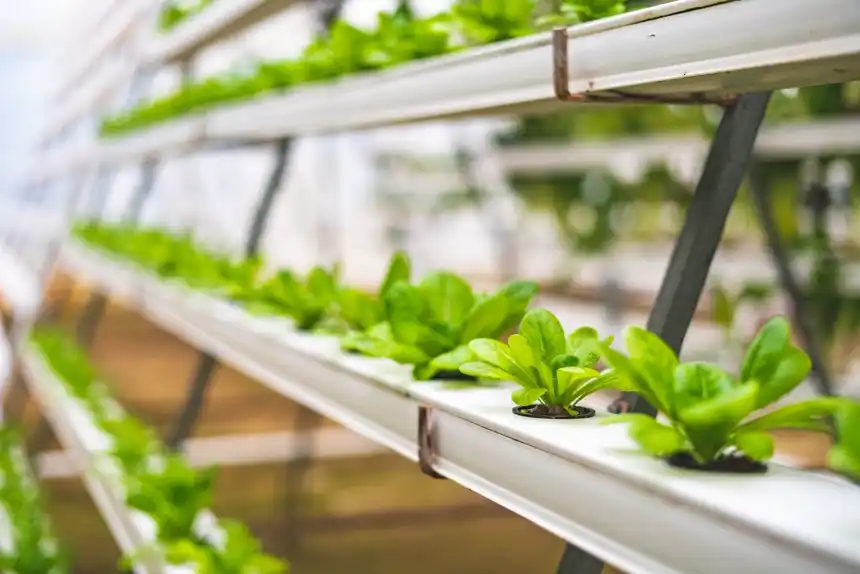
Nearly every hydroponic nutrient ships as Part A and Part B, and the reason is simple chemistry rather than marketing.
In concentrate strength, the calcium in one bottle and the sulphates and phosphates in the other would combine into insoluble scale — gypsum, effectively. The nutrients lock away as white sediment. Diluted into the reservoir one part at a time, they coexist happily.
So the mixing rule is mechanical: fill with water, stir in Part A fully, then add Part B. Never pour the concentrates together neat. The budget DIY route — Masterblend 4-18-38 plus calcium nitrate plus Epsom salt, the classic 2:2:1 recipe — is exactly the same idea with the parts sold separately.
EC and ppm: the strength dial
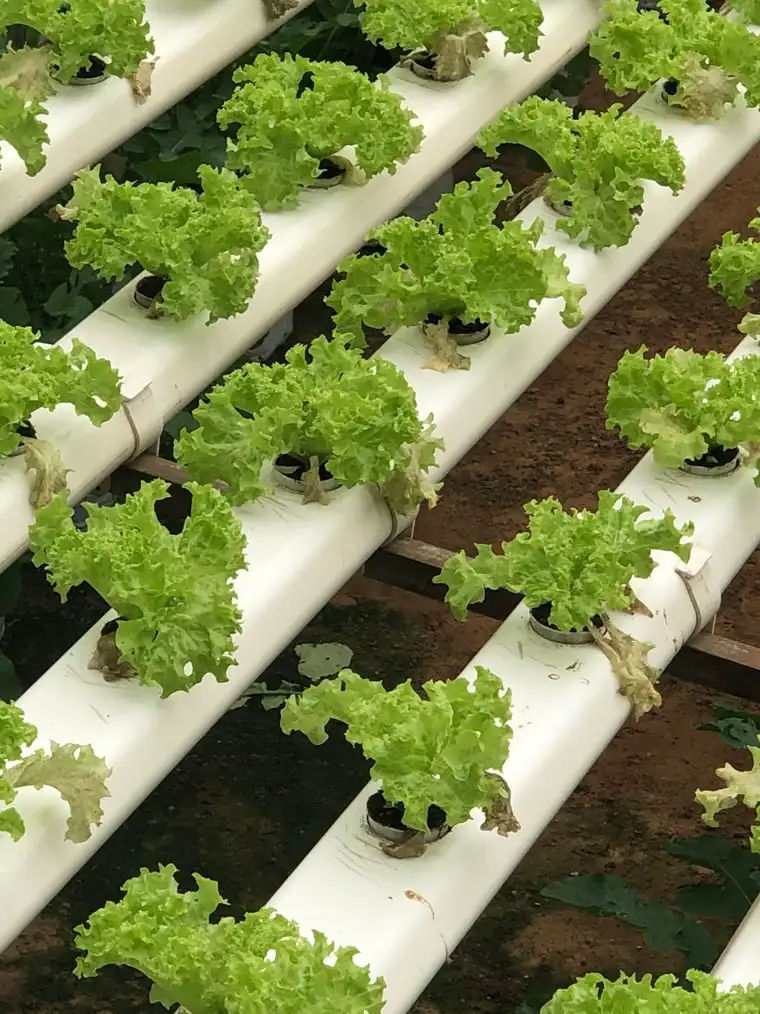
Dissolved minerals conduct electricity, so a cheap EC or TDS pen reads the solution’s total strength in seconds. This one number is the difference between guessing and growing.
Leafy greens and herbs run light: lettuce is happiest around 800–1,200 ppm (EC 1.2–1.8), with spinach and basil similar. Fruiting crops run rich: tomatoes (including greenhouse tomatoes) climb from about EC 2.0 at planting to 2.4–3.5 in full fruit, per Ohio State’s greenhouse tomato solution guide. Peppers and cucumbers sit slightly below. Too weak shows as pale, slow growth. Too strong burns leaf tips and turns greens bitter.
The classic mistake is topping up the reservoir with more nutrient solution. Plants drink water faster than minerals, so the brew concentrates as the level falls. Adding more feed stacks the EC ever higher. Top up with plain pH-adjusted water, and rebuild fresh solution every two to three weeks.
pH: the gate that decides what roots can grab
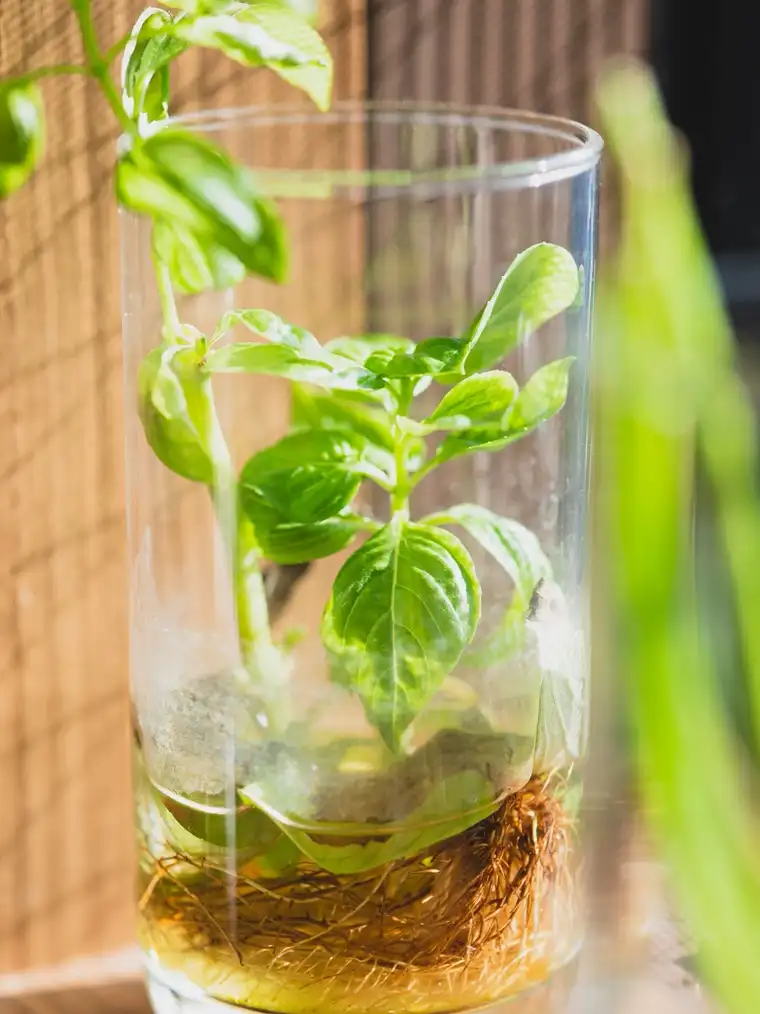
A perfectly mixed solution at the wrong pH still starves the plant, because solubility changes with acidity.
Hold the reservoir between pH 5.5 and 6.5 — the window where all thirteen minerals stay available at once. Above 6.5, iron and manganese lock out first (new leaves yellow between green veins). Below 5.0, calcium and magnesium follow. Check pH after the nutrients dissolve, since most concentrates pull the value down. Then adjust with pH-down (phosphoric acid) or pH-up as needed.
Expect drift: growing plants nudge pH upward over days. A quick weekly test and a few drops of adjuster is the entire maintenance routine for small systems like the Kratky jars in our lettuce guide.
Common problems: the deficiency cheat sheet
The solution writes its errors on the leaves, and location is the clue. Minerals that can move within the plant show trouble on old leaves first. The immobile ones show on new growth.
- Old leaves yellowing evenly — nitrogen shortage; the plant is recycling it upward.
- Old leaves yellow between veins — magnesium; classic on tomatoes mid-season.
- New leaves yellow, veins green — iron lockout; check pH before adding anything.
- Brown edges on new growth, blossom end rot on fruit — calcium delivery failing; often humidity or EC, not the bottle (the same disorder soil tomatoes get from uneven watering).
- Purple-tinged, stunted leaves — phosphorus, usually in cold solution.
- Scorched leaf margins everywhere — not a deficiency at all: EC too high. Dilute.
Rule one before correcting anything: test pH and EC first. In hydroponics, most “deficiencies” are lockouts wearing a costume.
How to mix the solution: five minutes that prevent every drama
The full discipline fits on an index card.
1. Fill the container with water; let chlorinated tap water stand a few hours, or use RO water where supplies run hard. 2. Add Part A, stir until clear. 3. Add Part B, stir again. 4. Read EC and adjust toward the crop’s target with more water or more feed. 5. Read pH last and nudge to 5.8–6.2. Label the date — and rebuild in two to three weeks.
Keep concentrates capped, cool and dark, where they hold for a couple of years. Powdered formulas store even longer and cost less per litre. The trade is thirty seconds of extra stirring.
India: water quality, season and what to buy
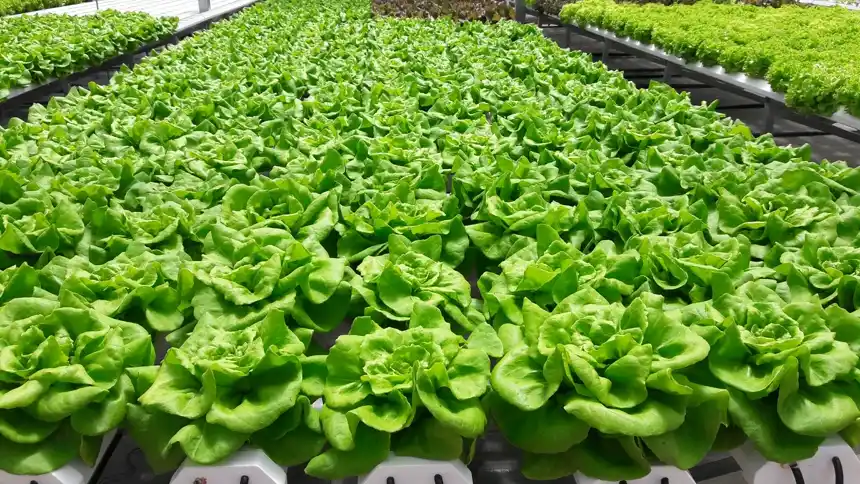
The Indian hydroponics market has matured fast, and the standard advice maps cleanly.
Two-part A/B liquids and Masterblend-style powder kits are widely sold online. Both work at the same EC targets listed above. Two local cautions earn attention. Borewell and municipal water can run very hard — high starting EC and alkaline pH. Test the raw water first, and lean on RO water where the tap reads above ~300 ppm before any feed is added. And solution temperature matters in the plains summer: warm reservoirs above ~28°C hold little oxygen and breed root disease. Shade reservoirs, and grow leafy crops through the October–February window, exactly as with the Kratky calendar.
Can hydroponic nutrients be organic?
Mostly no — and it helps to know why before paying extra for the label.
Organic fertilisers feed soil microbes, which then mineralise nutrients for roots. A sterile reservoir has no such workforce. So organic concentrates — fish, kelp, compost teas — tend to cloud, smell and starve plants unless a bio-filter ecosystem is deliberately built, a genuinely advanced project. Mineral salts, by contrast, are exactly what roots absorb in soil anyway. The plant cannot tell the difference, because chemically there is none.
The practical middle path most home growers settle on: clean mineral nutrition in the reservoir, organic practice everywhere else. That means biological pest control and no synthetic sprays on leaves like spinach and lettuce you eat within hours of harvest.
What experienced hydroponic growers report
Growers who have run reservoirs for years converge on advice that beginners rarely believe at first. Across hydroponics forums and university write-ups like Penn State’s solution programs, the consensus is that beginners overfeed. Experienced growers run leafy greens at the low end of every published range. They report sweeter, faster, less tip-burned crops for it.
The second pattern is instrument faith. Nearly every veteran tells the same conversion story — months of fighting mystery symptoms, then a ₹1,500 / $20 pair of pH and TDS pens that explained everything in a week. The most repeated line in grower threads is some version of: “I stopped chasing deficiencies and started checking pH first — and the deficiencies stopped happening.”
Related plant guides
- Kratky Method Lettuce
- Yellow Leaves On Plants
- How To Fertilize Houseplants
- Hydroponics For Beginners
- Soil Ph
- Growing Tomatoes in A Greenhouse
Frequently asked questions
What nutrients do hydroponic plants need?
All thirteen mineral elements: nitrogen, phosphorus, potassium, calcium, magnesium and sulphur in quantity, plus iron, manganese, zinc, copper, boron, molybdenum and chlorine in traces. A formula labelled “hydroponic” supplies the complete set. Ordinary soil fertilisers do not.
Can I use normal fertiliser for hydroponics?
No. Soil fertilisers assume the ground provides calcium, magnesium and micronutrients, so plants in water culture develop deficiencies within weeks. Use a complete hydroponic formula or the Masterblend + calcium nitrate + Epsom salt combination.
What should my EC be for hydroponics?
Leafy greens: EC 1.2–1.8 (roughly 800–1,200 ppm). Fruiting crops like tomatoes: EC 2.0–3.5 (1,400–2,400 ppm), rising with the fruit load. When in doubt, run slightly weak — overfeeding burns tips and embitters greens.
How often should I change hydroponic nutrient solution?
Rebuild fresh every two to three weeks, topping up only with plain pH-adjusted water in between. Longer cycles let the mineral balance drift as plants drink elements at different rates.
What are A and B hydroponic nutrients, and why are there two bottles?
The formula is split into Part A and Part B because some elements react if stored together in concentrated form. Calcium (in Part A) would bind with phosphates and sulphates (in Part B) and settle out as a solid, locking those nutrients away. Kept apart until you dilute them into a full tank of water, they stay separated enough to dissolve safely, which is why you always add A to the water first, stir, then add B.
Can I use tap water to mix hydroponic nutrients?
You can, but tap water is not neutral. Chlorine or chloramine used to disinfect it can stress roots, so letting the water stand overnight helps chlorine gas off. Hard tap water also already carries calcium and magnesium, which shows up as a background EC reading before you add anything — measure that starting EC and subtract it, or the solution ends up stronger than the label suggests. Very hard or heavily softened water is worth filtering.
What is ppm, and how is it different from EC?
EC measures the electrical conductivity of the solution, which rises as you dissolve more mineral salts, so it is a direct reading of nutrient strength. Ppm (parts per million) is just EC converted into an estimated weight of dissolved solids. The catch is that meters use different conversion scales — the common 500 scale and the 700 scale give different ppm numbers for the same solution. Because of that confusion, most growers now prefer to work in EC.
Why does pH affect nutrient uptake in hydroponics?
Even a perfectly mixed solution fails if the pH drifts, because each nutrient is only chemically available to roots within a certain pH window. Most crops absorb the full range best between about 5.5 and 6.5. Above that, iron, manganese, and phosphorus start to lock out and the plant shows deficiency even though the elements are present. Check pH whenever you top up, and adjust it with pH-up or pH-down solution.
Can I make my own hydroponic nutrients at home?
Yes — a widely used recipe combines a soluble base fertiliser such as Masterblend with calcium nitrate and Epsom salt (magnesium sulphate) in set ratios. This supplies the full range of major and trace elements far more cheaply than pre-bottled blends, which is popular for larger tomato or leafy-green setups. It does demand a kitchen scale and careful measuring, so beginners often start with a ready-made two-part formula before mixing their own.
How do I know if my nutrient solution is too strong?
The clearest signs are brown, scorched leaf tips and edges, wilting even when the tank is full, and a bitter taste in salad leaves. This nutrient burn happens when the EC is higher than the crop can handle. Dilute the tank with plain pH-adjusted water to bring the EC down, and next time mix slightly weaker than the maximum — underfeeding is far easier to correct than overfeeding.
Should I top up nutrients between full solution changes?
Between the full rebuilds, top up only with plain pH-adjusted water, not more nutrient. Plants drink water faster than they take up minerals, so the tank level drops while the salts concentrate, and adding more feed would push the EC too high. Check and correct the EC and pH after each top-up. Do a complete change every two to three weeks so the mineral balance does not drift too far.
Related guides
Still stuck? Ask the Plant Doctor
Describe the problem — yellow leaves, holes, no flowers — and get a clear answer in seconds. FreeAI can make mistakes. Answers are guidance, not a guarantee — check anything important against the guide it links to, and always read the label on any product before you use it.