How to Grow Herbs Indoors (Year-Round Fresh Herbs Made Easy)
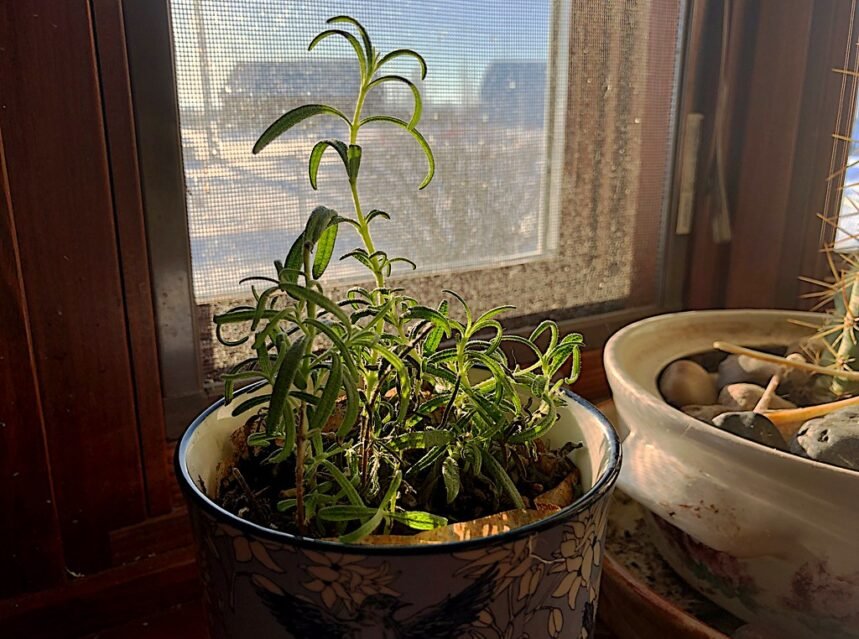
Growing herbs indoors is one of the easiest ways to have fresh flavour all year: give them the brightest window you have, pots with drainage, free-draining soil, and water only when the top inch dries. There is a real luxury in snipping fresh basil straight into a pan, or pinching mint for your tea, without rummaging through a drawer of slimy supermarket herbs. An indoor herb garden makes that an everyday thing, for a fraction of the cost. Here is how to grow herbs indoors, step by step.
Quick answer: Grow herbs indoors on the sunniest windowsill you have, ideally with six or more hours of light, or add an LED grow light. Use pots with drainage and a free-draining potting mix, and water only when the top inch of soil feels dry. Start with basil, mint, and chives, and harvest often to keep them bushy.
🧰 In a hurry? Jump straight to our tested picks for this guide ↓
Indoor herbs at a glance
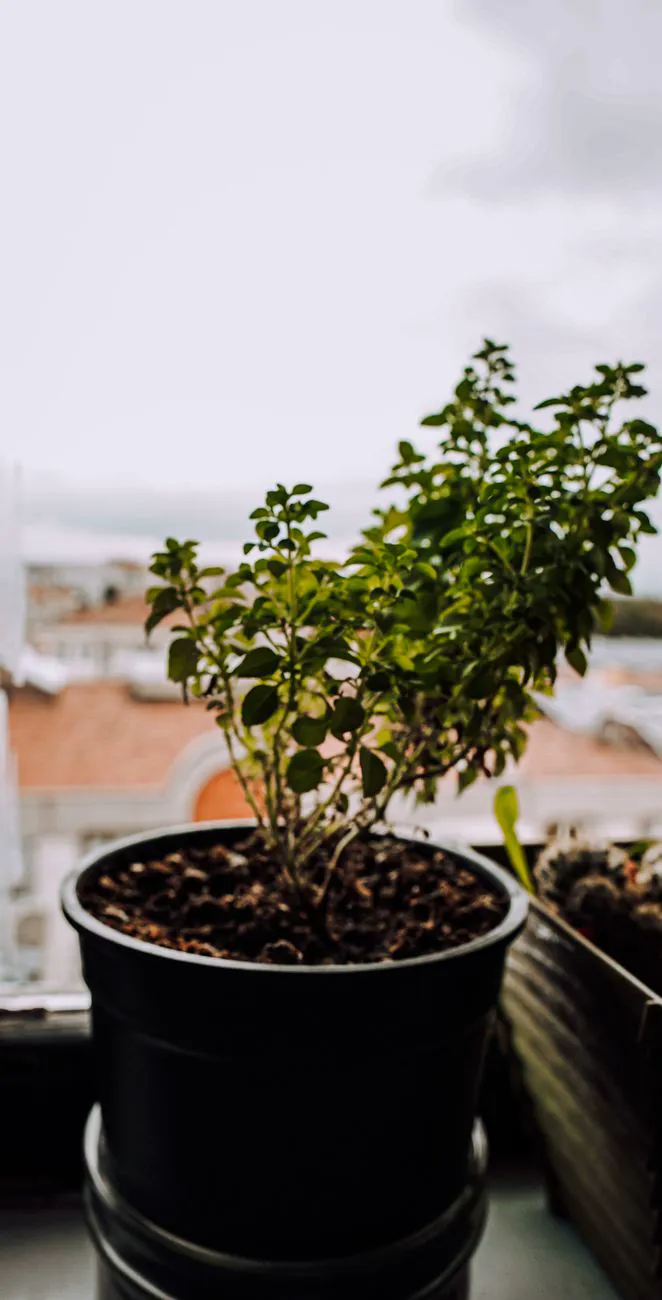
| Herb | Light | Watering |
|---|---|---|
| Basil | Bright, warm | Keep evenly moist |
| Mint | Bright, tolerates some shade | Keep evenly moist |
| Chives | Bright | Moderate |
| Parsley | Bright | Moderate |
| Thyme & oregano | Full sun | Let dry between |
| Cilantro | Bright, cool | Keep moist |
Why grow herbs indoors?
An indoor herb garden is one of the most rewarding projects a beginner can take on. It is cheap to start, quick to produce, and genuinely useful.
You get fresh flavour within arm’s reach every time you cook, you save money on those wilting supermarket packets, and you can grow year-round regardless of the weather outside. Herbs are also among the most forgiving edibles, so they are a confidence-building first step into growing your own food.
Best season to start indoor herbs
One quiet advantage of an indoor herb garden is that you can start almost any time of year. The window on your sill is your own little climate.
Spring is the easiest season to start, with strong natural light and fast growth, but with a grow light you can sow in autumn or winter too. Sow a fresh pot of short-lived herbs like coriander every few weeks for a steady supply. Indoor herbs need light and warmth rather than a particular outdoor season.
The best herbs to grow indoors
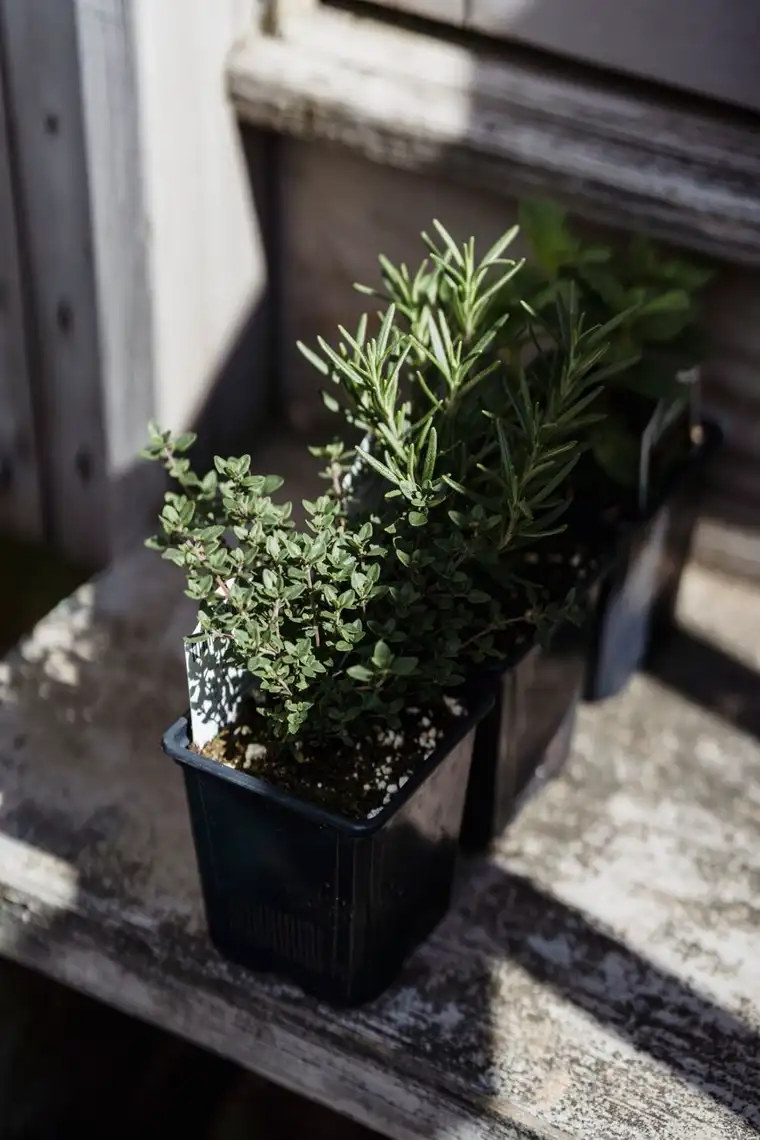
Some herbs adapt to indoor life far better than others. These are the most reliable:
- Basil loves warmth and light; pinch the tops often to keep it bushy.
- Mint is vigorous and shade-tolerant, and actually prefers a pot so it cannot take over.
- Chives are compact, hardy, and quick to regrow after cutting.
- Parsley is slow to start from seed but steady and productive once going.
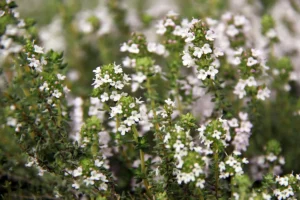
- Thyme and oregano are Mediterranean herbs that thrive on a sunny sill.
- Cilantro (coriander) grows fast but is short-lived, so sow a fresh pot every few weeks.
Rosemary is possible indoors but fussier, wanting lots of light and airflow, so leave it until you have the easy ones figured out.
Light: the make-or-break factor
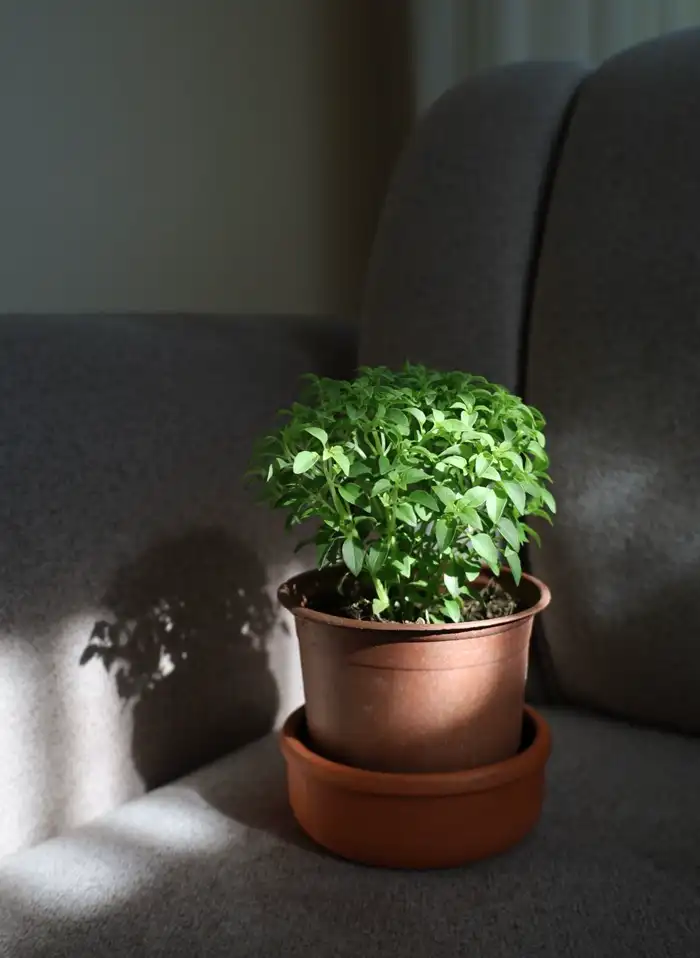
Light is where most indoor herb gardens succeed or fail. Herbs are sun-lovers and need at least six hours of direct sunlight a day.
A south- or west-facing window is ideal. Without enough light, herbs grow pale, leggy, and weak, stretching desperately toward the glass. If your home does not get strong sun, common in winter or north-facing rooms, a small LED grow light solves the problem completely. Run it for 10 to 12 hours a day (see our guide to grow lights) and even a dim kitchen becomes herb-friendly.
Pots and soil
Use pots with drainage holes, because herbs hate sitting in water. A 15 cm (6 inch) pot suits most single herbs, while mint and basil appreciate a bit more room.
Fill with a good-quality potting mix, not heavy garden soil, ideally one that drains freely. Group herbs with similar needs together: thirsty basil and mint in one pot, drought-tolerant thyme and oregano in another. Stand pots on a saucer to protect your windowsill, and empty any water that collects.
How to plant herbs in pots step by step
Planting up indoor herbs takes only a few minutes, whether you start from seed, a young plant, or a split supermarket pot.
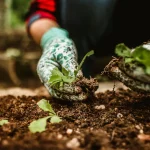
- Fill a clean pot with drainage holes about two-thirds full of free-draining potting mix.
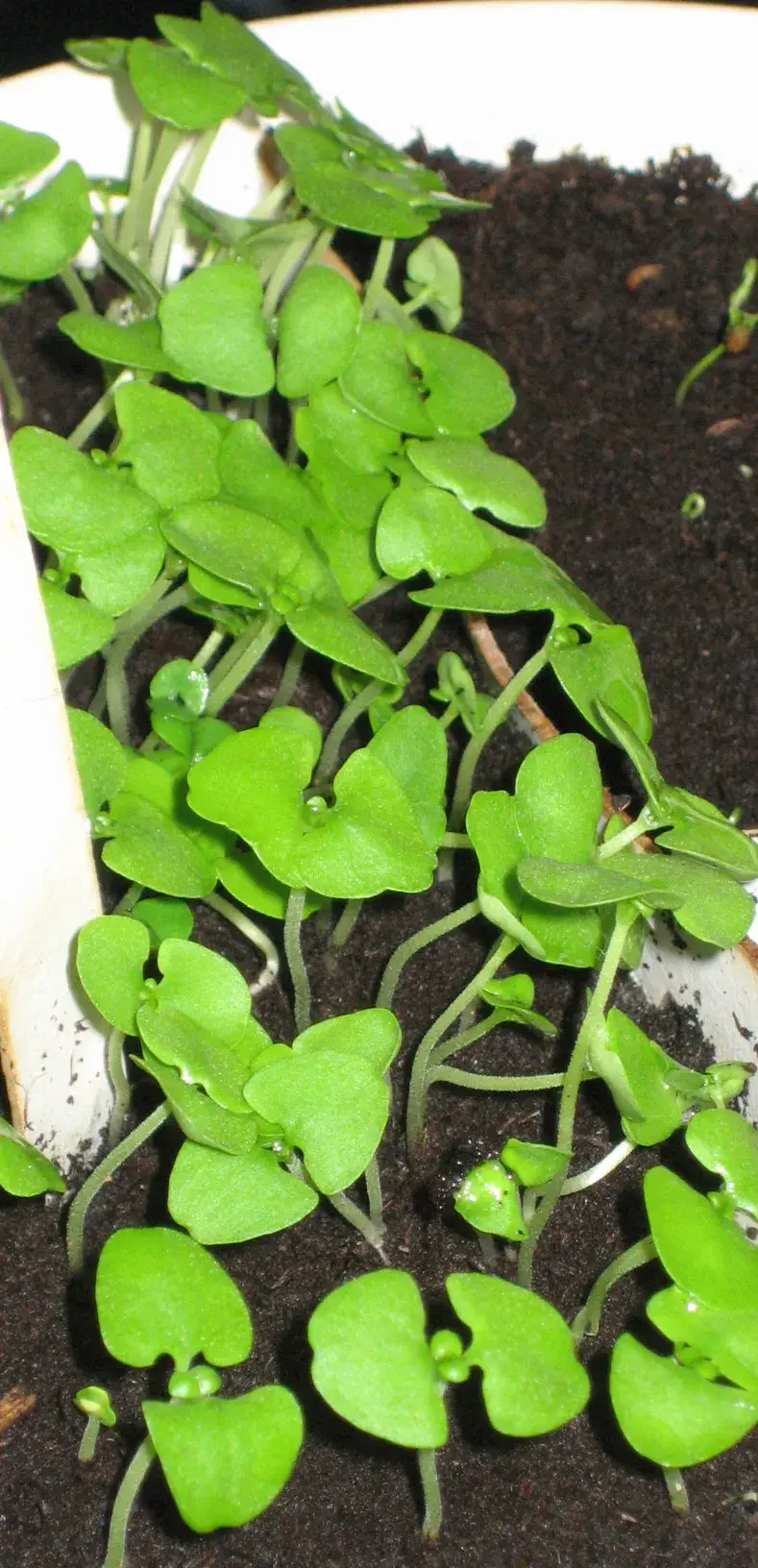
- Sow or set in: scatter seed thinly and barely cover, or settle a young plant at the same depth it grew before.
- Firm and water gently, then top up the mix so the surface sits just below the rim.
- Place on your brightest sill and label the pot if you are growing several herbs.
Watering indoor herbs
Overwatering is the top killer of indoor herbs, just as it is with most plants. The fix is to water by the soil, not the calendar.
Check the soil with your finger and water only when the top inch feels dry, then water thoroughly until it drains from the bottom. Basil and mint like consistently moist (not soggy) soil, while Mediterranean herbs like thyme and oregano prefer to dry out more between drinks. Indoor air can be dry, so you may need to water more often in heated winter rooms.
Harvesting (the more you cut, the more you get)
Do not be shy about harvesting, because regular cutting actually makes herbs grow fuller and bushier. A few simple rules help.
- Snip from the top, just above a pair of leaves, to encourage branching.
- Never take more than about a third of the plant at once.
- Pinch off any flower buds, especially on basil, since flowering turns leaves bitter.
- Harvest in the morning, when the oils and flavour are strongest.
Feeding indoor herbs
Herbs are not heavy feeders, and too much fertilizer actually reduces their flavour. A light touch is best.
A diluted liquid feed once a month during active growth, in spring and summer, is plenty. In winter, when growth slows right down, skip feeding entirely. A pot refreshed with a little new compost each year keeps most herbs happy without much extra feeding.
Common pests, diseases and problems
Most indoor-herb troubles come down to light or water, though a few pests and diseases appear too. They are easy to read once you know the signs.
Indoors, watch for aphids, whitefly, and spider mites on soft growth, especially in dry winter air; wipe them off or use insecticidal soap, and raise humidity for mites. Damping-off and root rot are fungal problems caused by soggy soil, so always use draining pots and avoid overwatering.
Leggy, pale stems mean too little light, so move the pot to a brighter window or add a grow light. Yellowing leaves usually mean overwatering, so let the soil dry and check drainage. Wilting, dry leaves mean underwatering or dry air, so water more deeply. A bitter taste means the plant has flowered, so pinch off flower buds promptly. The Royal Horticultural Society notes that good light and restraint with water solve the great majority of indoor herb problems.
Growing herbs indoors in India & warm climates
In India and other warm regions, indoor and balcony herb growing is easy and popular, and the strong light is a real advantage. A few tweaks suit the climate.
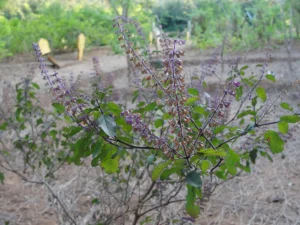
Familiar kitchen herbs like coriander, mint, curry leaf, and tulsi (holy basil) grow brilliantly on a bright sill or balcony. In the fierce summer, herbs in small pots dry out fast and can scorch in midday sun, so give bright but slightly filtered light and water in the morning and evening. A bright kitchen window gives you fresh herbs within reach all year, monsoon included, as long as pots drain freely.
Sources and further reading
Frequently asked questions
Which herbs are easiest to grow indoors?
Basil, mint, chives, parsley, thyme, and oregano are the most reliable indoors. Start with basil and mint, which are fast, forgiving, and useful in the kitchen.
How much light do indoor herbs need?
At least six hours of direct sunlight a day, ideally from a south- or west-facing window. If you cannot provide that, a small LED grow light run 10 to 12 hours daily works just as well.
Can I grow herbs indoors all year round?
Yes. With enough light, natural or from a grow light, and warmth, most herbs grow indoors through winter, giving you fresh flavour year-round.
Why are my indoor herbs dying?
The two usual causes are too little light (leggy, pale plants) and overwatering (yellow, wilting leaves with soggy soil). Fix the light first, and only water when the top inch of soil is dry.
Can I grow herbs from store-bought plants?
Yes. A supermarket basil plant can be split and potted up to last far longer than it would on the counter, and mint and green onions regrow easily from cuttings in water.
What herbs grow well indoors in India?
Coriander, mint, curry leaf, and tulsi all thrive on a bright sill or balcony. Give bright but slightly filtered light in peak summer and water morning and evening.
See also: why are my cilantro leaves turning yellow.
What soil and pot size do indoor herbs need?
Use a good general-purpose potting mix lightened with a handful of perlite or coarse sand, not garden soil, which compacts and drains badly in a pot. Every container must have a drainage hole, because more indoor herbs die from waterlogged roots than from anything else. Aim for at least a 15 cm pot for basil, parsley and chives, and 20 cm or more for mint and rosemary, which build big root systems. Growing each herb in its own pot beats a shared trough, since they rarely want the same amount of water.
How should I harvest indoor herbs so they keep growing?
Cut, do not pluck single leaves. For soft, bushy herbs such as basil and mint, snip the stem tip just above a pair of leaves and the plant will branch into two shoots from that point, doubling the harvest over time. Take chives and parsley from the outside of the clump at the base, leaving the centre to push new growth. Never remove more than about a third of the plant at once, and pinch off flower buds as they appear, since flowering shifts the plant’s energy away from leaf production and turns the flavour bitter.
Do indoor herbs need fertilizer?
Yes, because a pot holds only a small reserve of nutrients and regular cutting takes a lot out of the plant. Feed with a balanced liquid fertiliser diluted to about half the label strength, roughly every two to four weeks through the active growing season, and stop or reduce it in the dark winter months. Do not overdo it: heavily fed herbs put on soft, watery growth with weaker aroma, since the essential oils that carry flavour build up better in slightly lean conditions. Fresh compost each spring, or repotting into a slightly larger container, is often all a mature plant needs.
Can you grow herbs indoors in just water?
Several soft herbs will grow in water on a windowsill, mint and basil most reliably, with lemon balm and oregano also worth trying. Put a cutting about 10 to 15 cm long in a clear jar with the lower leaves stripped, change the water every two or three days so it stays clear, and keep it in bright light. Woody herbs such as rosemary, thyme and sage do not take to it and usually rot. Water-grown herbs stay smaller and milder than soil-grown ones, so treat the jar as a way to keep a supply going and pot the best rooted cuttings on for a proper plant.
How long do indoor herbs last before they need replacing?
It depends on the herb’s natural life cycle. Basil and coriander are annuals and go downhill after a few months, especially once they try to flower, so sow a fresh batch every six to eight weeks for a steady supply. Parsley is a biennial that gives good leaf for a year before bolting. Perennials such as mint, chives, thyme, oregano and rosemary carry on for several years indoors if they get enough light and are repotted or divided when they outgrow their container. If a perennial herb goes thin and woody, cut it hard in spring or start a new plant from a cutting rather than nursing the old one.
Still stuck? Ask the Plant Doctor
Describe the problem — yellow leaves, holes, no flowers — and get a clear answer in seconds. FreeAI can make mistakes. Answers are guidance, not a guarantee — check anything important against the guide it links to, and always read the label on any product before you use it.