Best Grow Tents
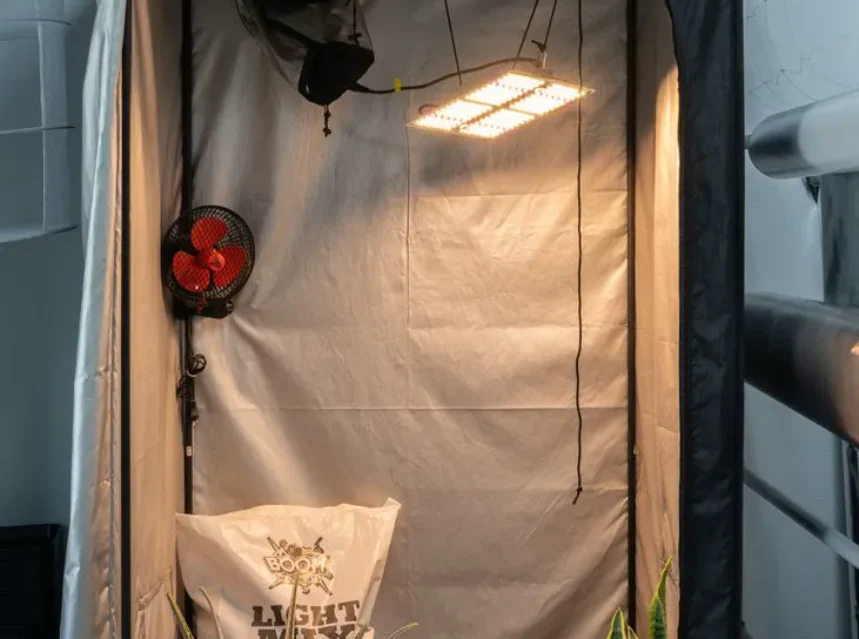
A grow tent is a portable, collapsible indoor growing enclosure. It is lined with reflective mylar on the inside and covered with a lightproof outer fabric. This creates a controlled space for plants that need artificial light, humidity management, or temperature control. The reflective mylar bounces light back onto the plants instead of losing it to the room. It also traps humidity and heat, and it seals the growing area from pests and dust. So the best grow tent for you depends on three things: your available space, what you plan to grow, and your budget for the lights and fans that go inside.
Good grow tent reviews check the frame (steel vs aluminium poles), the canvas thickness (600D vs 1680D), the zips, the mylar reflectivity, the port positions, and the light-tightness. We benchmarked the leading UK and US tents on exactly those points. The University of Minnesota Extension guide to indoor vegetable gardening covers the wider environment your plants need indoors.
🧰 In a hurry? Jump straight to our tested picks for this guide ↓
Best grow tents at a glance
| Pick | Best for | Size | Canvas |
|---|---|---|---|
| Mars Hydro 2×4 Grow Tent | US/UK all-round beginner tent, 4–8 plants | 2×4 ft (60×120 cm) | 600D lightproof |
| AC Infinity CLOUDLAB 642 | US/UK premium 2×4 tent, strong zips | 2×4 ft (60×120 cm) | 2000D double-stitched |
| Spider Farmer 4×4 Grow Tent | US/UK medium grow tent, 8–16 plants | 4×4 ft (120×120 cm) | 1680D reflective mylar |
| Secret Jardin Dark Room 80 | UK all-round 80×80 cm tent, quality zips | 80×80×160 cm | Diamond reflective mylar |
| Gorilla Grow Tent 2×2.5 | US/UK compact premium tent, height extendable | 2×2.5 ft extendable to 8.5 ft | 1680D + diamond stitch |
| Mars Hydro 2×2 Grow Tent | US/UK smallest practical tent, 1–4 plants | 2×2 ft (60×60 cm) | 600D lightproof |
Why use a grow tent?
A grow tent gives you full control over your plants’ environment. You decide the light, the airflow, the temperature, and the humidity. That control is hard to get on a windowsill or in an open room.
The reflective walls also make your grow light far more efficient. Light that would spill into the room bounces back onto the leaves instead. So you get more usable light for the same electricity. The sealed fabric keeps dust, pets, and many pests out too.
A tent contains the mess as well. Water, soil, and stray light stay inside the zipped enclosure. This makes indoor growing practical in a spare room, a garage, or a small flat. For year-round herbs, salad leaves, or early seedlings, a tent is often the simplest path.
Types of grow tent
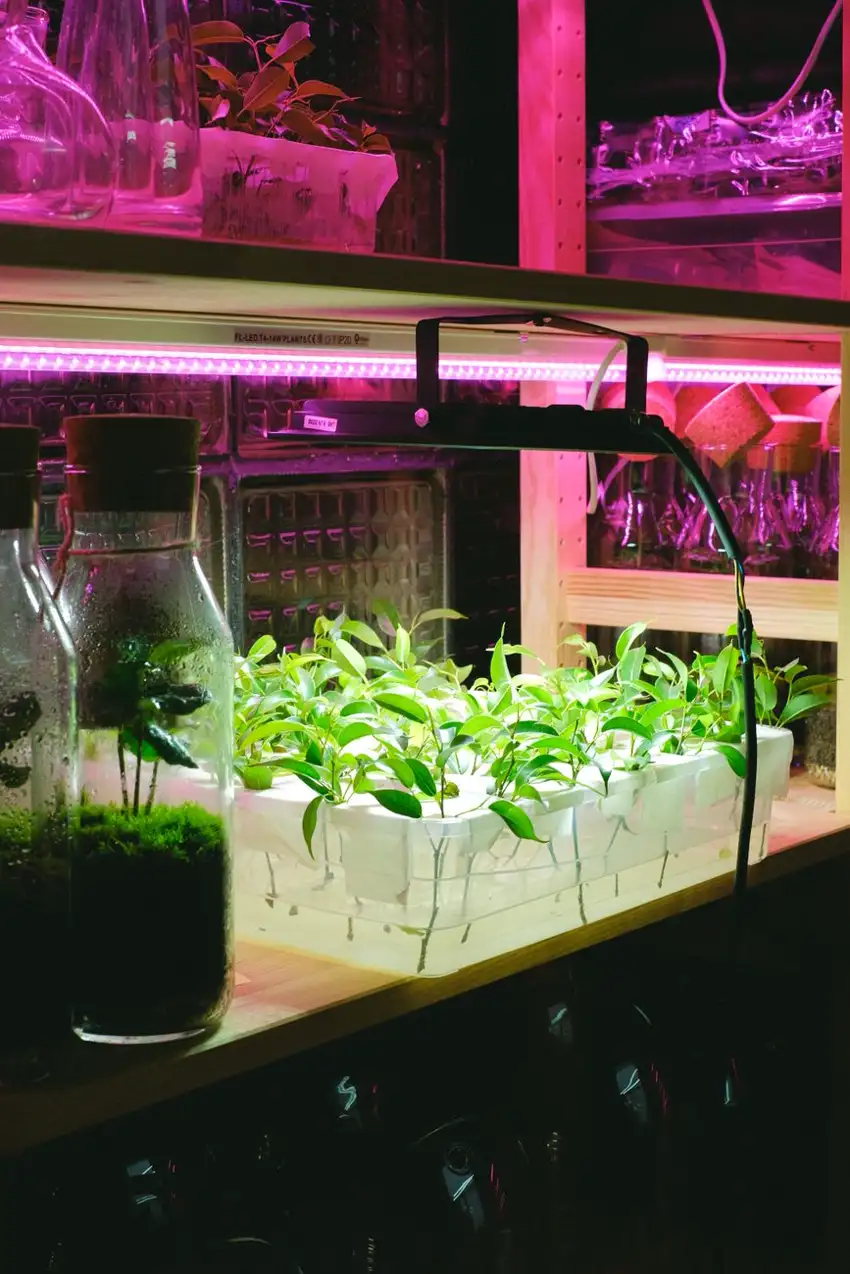
Small (2×2 ft / 60×60 cm) grow tent: This is the smallest practical tent. It suits a single plant, a small cluster of herbs, or a tray of seedlings. A 2×2 tent works well for 2–4 tomato or pepper plants. It also fits a propagation setup with a heat mat, or a four-tray microgreen operation.
The 2×2 tent fits in a spare-room corner, under a staircase, or in a utility room. Its limit is the small footprint. You can grow up to four medium plants, or more small ones like herbs and lettuce. Match the light to the tent, though. A light built for a 4×4 tent will overheat plants in a 2×2 space. Most 2×2 tents run on 100–200W of LED power, so they are very cheap to run.
Medium (2×4 ft / 60×120 cm or 3×3 ft / 90×90 cm) grow tent: This is the most popular size for UK and US home growers. A 2×4 tent holds 4–8 herb or vegetable plants per cycle. It takes a full-spectrum LED panel of 200–400W. A 3×3 tent is common in the US and fits slightly more plants per square foot, thanks to its square shape.
The 2×4 tent is the sweet spot for most beginners. It is big enough for a real harvest of herbs, lettuce, or tomatoes. Yet it still fits in a spare room without taking over. Because it is the most common retail size, you also get the widest choice of matching lights, fans, and filters.
Large (4×4 ft / 120×120 cm or 5×5 ft / 150×150 cm) grow tent: This large-format tent holds 8–16 plants. You can even split it into separate vegetative and flowering sections. A 4×4 tent needs a light of 400–600W, plus the electricity to match. At UK 2025 rates, a 600W light run 16 hours a day costs roughly £60–80 a month.
A 4×4 tent suits growers who want a big year-round harvest. However, it is too large for most UK spare bedrooms. A garage, outbuilding, or dedicated grow room works better. Many beginners overestimate the size they need. So start with a 2×4 tent until you have some experience, then scale up.
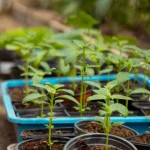
Propagation and seedling tent: This is a small, low-heat tent for seed starting and rooting cuttings. It does not need the same heavy build as a full-cycle tent, because it runs cool and uses gentler light. Growers often use small Vivosun or Mars Hydro tents this way, alongside a heated propagator or heat mat. This extends the season for UK and US gardeners who start tomatoes, peppers, and chillies in January or February.
Which grow tent to choose?
The right size comes down to your space, your plant count, and your electricity budget. Most first-time growers should pick a 2×2 ft or 2×4 ft tent.
Choose a 2×2 ft tent for: 1–4 plants, a propagation setup, or microgreens. It is the smallest practical tent for a full indoor grow. It uses the least electricity and fits the smallest spaces. So it is ideal for a first try before you commit to more.
Choose a 2×4 ft tent for: 4–8 herb or vegetable plants in a spare room. This is the most popular beginner size. It gives a real harvest of tomatoes, peppers, lettuce, or herbs. It still fits a bedroom or utility room. You also get the widest choice of matching lights and fans.
Choose a 4×4 ft tent for: 8–16 plants or year-round production. This size suits growers who already have indoor experience and want to scale up. It needs a garage, basement, or outbuilding in most UK homes. Factor in the higher electricity cost before you buy.
Choose a propagation tent for: extending your seed-starting season. A 2×2 tent with a low-power LED and a heat mat makes an ideal propagation space from January to March in the UK. So you can start pepper and tomato seeds far earlier than a windowsill allows.
What to look for when buying
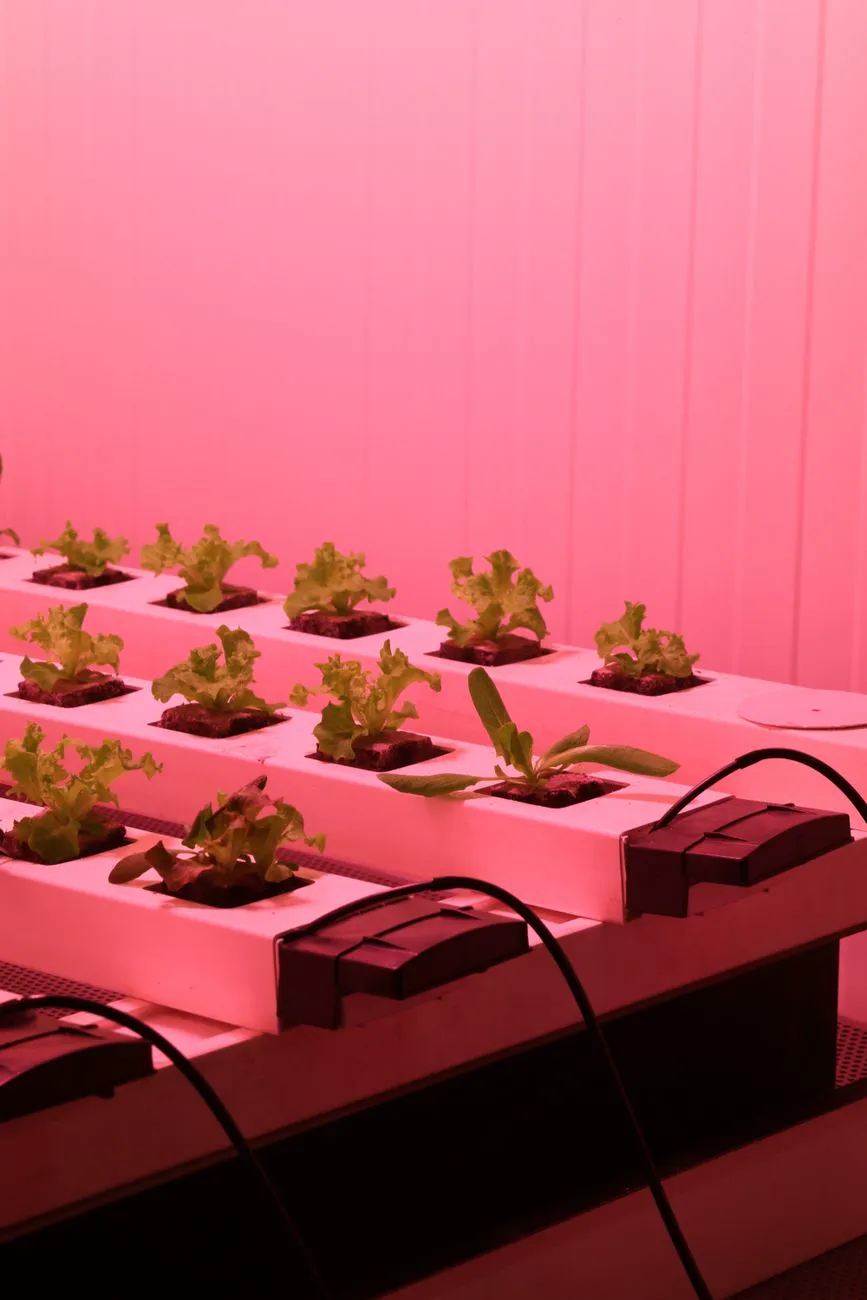
- Canvas thickness — 600D vs 1680D vs 2000D: Canvas thickness is measured in denier (D). Higher denier means thicker, tougher, and more lightproof fabric. 600D is standard in budget tents like entry-level Mars Hydro and Vivosun. 1680D is the premium standard, used by Spider Farmer and Gorilla. 2000D (AC Infinity CLOUDLAB) is the thickest on sale. For a long-term setup, 1680D or higher is worth the extra cost. Thicker canvas holds its shape and resists pinhole light leaks.
- Zip quality: A failed zip is the most common way a tent dies. It creates light leaks and breaks the sealed environment. Premium tents from AC Infinity, Gorilla, and Secret Jardin use heavy-duty coil zips. Budget tents use lighter zips that wear out faster. So if you plan to open the tent often, prioritise zip quality. Look for handles that allow easy one-hand operation.
- Frame and pole quality — steel vs aluminium: The frame must carry the grow light, inline fan, and carbon filter. Together these can weigh 5–13 kg. Steel-framed tents like Gorilla hold heavier loads than aluminium ones. Check the maker’s stated maximum overhead load before you hang anything. Most aluminium frames support 30–40 kg, which is fine for home grows. Steel frames support 60–100 kg.
- Mylar reflectivity: The mylar lining reflects light back onto your plants. Higher reflectivity means less electricity for the same light at the canopy. Standard mylar reflects about 90–95% of the light. Diamond-reflective mylar, used by Secret Jardin, reflects 95–98% and spreads it more evenly. For most home growers the difference is small. For serious growers chasing yield, diamond mylar wins.
The 6 best grow tents in 2026
1. Mars Hydro 2×4 Grow Tent — best US/UK beginner all-round tent
The Mars Hydro 2×4 is the best beginner grow tent for US and UK homes. It uses 600D dual-layer lightproof canvas, heavy zip handles, a strong metal frame, and a 98% reflective mylar interior. The 2×4 ft (60×120 cm) footprint is the most popular indoor size. It takes a 200–400W LED panel and 4–8 medium plants.
This tent is fully lightproof, with no leaks at the seams or zip. Tool-free assembly takes about 30–45 minutes. It has several sock-covered ports for ducting, cables, and fans. Cost: $50–80 USD / £50–75. For a first grow, this is the correct default. The quality is enough for reliable results at a price that is easy to commit to. Pair it with a Mars Hydro LED light for a matched setup.
2. AC Infinity CLOUDLAB 642 — best US/UK premium 2×4 grow tent
The AC Infinity CLOUDLAB 642 is the best premium 2×4 tent you can buy. It uses 2000D canvas, the thickest on the UK/US market. It also has double-stitched seams, heavy SBS zippers, and tool-free poles. AC Infinity rates it for 10-plus years of regular use without zip or seam failure.
This is the most durable tent here. It clearly beats budget tents on zip life and light-tightness over time. The 2000D canvas stops the pinhole leaks that appear in cheaper 600D tents. Cost: $100–130 USD / £90–120. That is roughly £40–50 more than a Mars Hydro. For a multi-year, year-round grow, the longer lifespan justifies it. For a first grow, the Mars Hydro is enough. The CLOUDLAB also links up with AC Infinity’s own fans and controllers for automated climate control.
3. Spider Farmer 4×4 Grow Tent — best US/UK medium grow tent
The Spider Farmer 4×4 is the best medium-format tent for growers scaling up from a 2×4. It uses 1680D canvas, strong metal corner connectors, a 98% diamond mylar interior, and mesh-vented viewing windows. The 4×4 ft (120×120 cm) footprint holds 8–16 plants. You can also split it into vegetative and flowering sections with a divider.
It is the best value in the 4×4 class. The canvas beats Mars Hydro at this size, yet it costs less than a Gorilla. Cost: $120–160 USD / £110–150. The overhead bars support up to 50 kg, enough for a large LED plus a fan and filter. The base tray is waterproof and lifts out for cleaning. This is the right tent for experienced growers moving to 8-plus plants. First, though, check your electricity plan can handle a 400–600W light.
4. Secret Jardin Dark Room 80 — best UK all-round 80 cm grow tent
The Secret Jardin Dark Room 80 is the mid-size tent that specialists reach for most. It uses proprietary diamond mylar rated at 96–98% reflectivity, heavy metallic zippers, and a powder-coated steel frame. The 80×80×160 cm format is the common UK metric size. It roughly matches the US 3×3 ft format.
UK growers on forums and in specialist shops rate Secret Jardin as the top European tent brand. The diamond mylar spreads light more evenly than standard mylar. In long-term grower reviews, the zippers have survived five-plus years of daily access. Cost: £110–160. It is a premium tent, well above a Mars Hydro of the same size. The quality gap is real and it extends the tent’s working life. For serious year-round UK growing, Secret Jardin is a sound long-term buy.
5. Gorilla Grow Tent 2×2.5 — best US/UK compact premium tent with extendable height
The Gorilla Grow Tent 2×2.5 is the best premium compact tent on the market. It uses 1680D canvas, a heavy steel frame, diamond-stitch mylar, and a unique height extension system. The standard tent is 5 ft 11 in tall. With extension kits, it reaches 8 ft 11 in, so tall plants like indeterminate tomatoes get full height.
Gorilla is the benchmark other tents are judged against. The steel frame supports 100 lb (45 kg) of overhead kit. That is enough for the heaviest LED panels and extraction gear. Cost: $150–200 USD / £130–180. It is the most expensive compact tent here. Still, it is justified for a permanent setup meant to last 10-plus years and grow tall plants without constraint.
6. Mars Hydro 2×2 Grow Tent — best US/UK smallest practical tent
The Mars Hydro 2×2 is the smallest practical grow tent for beginners. It also makes a great dedicated propagation tent. It shares the same 600D canvas, zips, and 98% mylar as the larger 2×4. The 2×2 ft (60×60 cm) footprint fits in almost any corner without taking over the room.
This is the cheapest way into indoor growing. It holds 1–4 small plants, such as herbs, lettuce, microgreens, or peppers in small pots. A propagation tray with a heat mat also fits. Cost: $35–55 USD / £35–55. Running costs are tiny. A 100W LED run 16 hours a day costs about £5–8 a month in the UK. If you are unsure indoor growing suits you, this is the low-risk starting point. Upgrade to a 2×4 or 4×4 once you have a season’s experience. Use it for microgreens or hydroponic lettuce for quick returns.
How to set up a grow tent
Setting up a grow tent is straightforward once the parts are ready. Work through it in order and you avoid the common mistakes. Here is a simple sequence for a first setup.
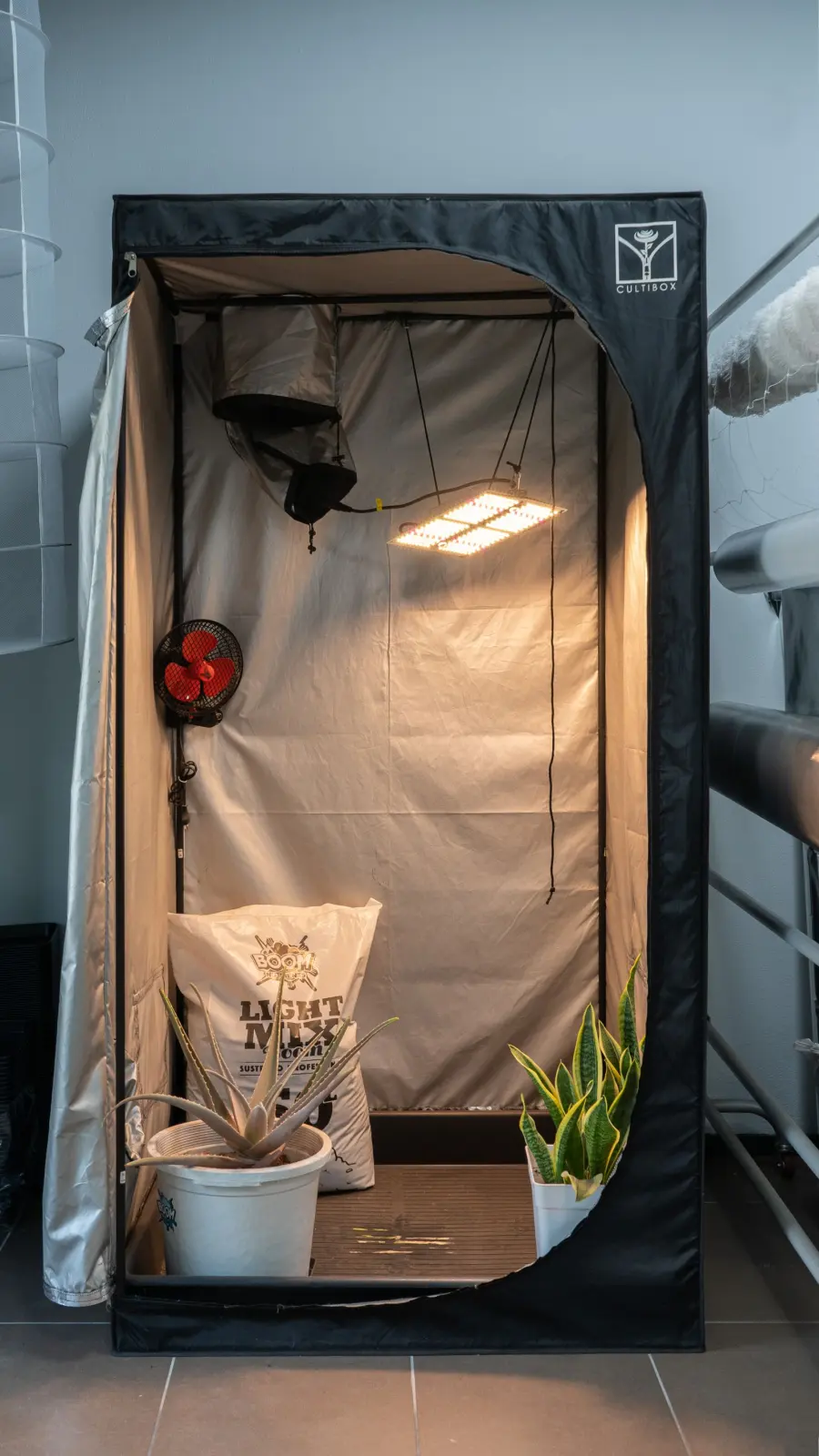
- Assemble the frame. Slot the poles and corner connectors together on a clear floor. Most frames are tool-free and take 20–40 minutes.
- Fit the canvas. Pull the lightproof cover over the frame and zip it shut. Check every seam and zip for light leaks with a torch.
- Hang the light. Use the overhead bars and adjustable ratchet hangers. Set the height to suit your plants, then raise it as they grow.
- Mount ventilation. Fix the inline fan and carbon filter near the top. Run the ducting out through a sock port. Cool air enters through the lower mesh vents.
- Add monitoring. Clip a thermometer-hygrometer at canopy height. Put the light on a timer so the cycle stays consistent.
- Test, then plant. Run the light and fan for a day. Confirm the temperature and humidity are stable before you add any plants.
Take your time on the ventilation step. Airflow is what keeps the tent from overheating. For the lighting side of the setup, see our full guide on using grow lights.
Grow tents in India
Grow tents are sold in India through Amazon India and specialist indoor suppliers in major cities. Urban apartment and terrace gardeners use them most. They want year-round vegetables and herbs in a climate-controlled space. This matters in cities like Mumbai, Bengaluru, Delhi, and Hyderabad, where outdoor room is limited.
Summer temperatures from April to June often top 40°C in these cities. At that heat, cool-season crops like lettuce, spinach, and herbs fail outdoors. So an indoor tent with an LED light and a small fan or AC provides a controlled space. These crops can then grow whatever the weather does outside.
The economics differ from the UK and US. Indian electricity costs ₹5–8 per kWh in most states, which is lower than UK rates but still real. A 200W LED run 16 hours a day costs roughly ₹900–1,400 a month. That works for high-value crops but less so for bulk staples. So Indian growers mainly use tents for microgreens, herbs like basil and coriander, and seedling propagation.
Sizes on Amazon India run from 60×60 cm to 120×120 cm. Brands include Mars Hydro, Spider Farmer, and locally assembled tents. Many growers value the tent as a pest barrier too. In humid, monsoon conditions it helps exclude fungus gnats, whiteflies, and mealybugs. Pair a tent with a grow light and a neem oil spray routine for pest-free indoor production.
Grow tent tips
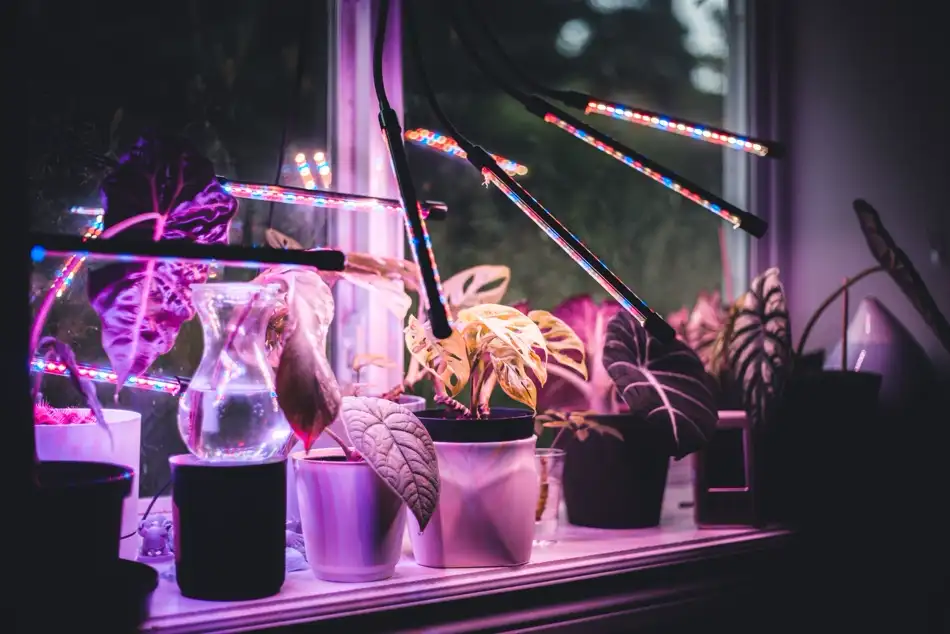
- Set up ventilation before you add plants. A tent with no airflow traps heat and stale air. Mount the inline fan and carbon filter first. The fan pulls hot air out through the top, while cooler air enters through the lower vents. This should keep the tent within 5–10°C of the room. Without it, a sealed tent can run 20°C hotter and harm your plants.
- Keep the tent light-tight between cycles. Any light during the dark period disrupts the plant’s photoperiod. This matters most for plants that flower by day length. To check, turn off the room lights and look inside with a torch. Leaks show as bright spots at seams or zips. Fix small ones with black gaffer tape. Bad zips need replacing.
- Train tall plants to fit the height. Most tents cap out at 5–7 feet (150–210 cm). Indeterminate tomatoes and tall peppers easily pass that. Use low-stress training instead. Tie branches sideways to the support rods to spread the canopy. This keeps the plant in height and boosts the area under the light. A plant stake gives the framework for it.
- Monitor temperature and humidity. Most indoor crops like 20–28°C in the light and 15–22°C in the dark. Humidity should sit at 50–70% while growing and 40–50% in flower. Place a digital thermometer-hygrometer at canopy level, not on the floor. Readings vary a lot with height. Adjust the fan speed to correct anything out of range. A digital thermometer is an essential accessory.
Frequently asked questions
What size grow tent do I need for 4 plants?
Four medium plants, such as tomatoes, peppers, or large herbs, need a 2×4 ft (60×120 cm) tent. That gives each plant about 30×30 cm of floor space. For four large indeterminate tomatoes, a 3×3 ft or 4×4 ft tent gives more room to train them. For four small plants like compact herbs or lettuce, a 2×2 ft tent is enough.
Plant count is only half the story. The other half is height. A 5 ft 11 in tent suits compact varieties, herbs, and microgreens. For tall tomatoes and peppers, choose a taller tent or one with a height-extension kit.
Are grow tents worth it?
For most indoor growers, yes. A tent gives you control over light, airflow, and humidity that an open room cannot match. The reflective walls also make your grow light far more efficient. So you often get better, more reliable harvests for the electricity you use.
They are less worthwhile if you only want one or two houseplants near a bright window. In that case, natural light and a simple grow lamp are enough. A tent pays off when you grow food or seedlings on purpose, year-round.
What is the best grow tent size for beginners?
A 2×4 ft (60×120 cm) tent is the best all-round beginner size. It holds 4–8 herb or vegetable plants and gives a real harvest. It still fits in a spare room without dominating it. You also get the widest choice of matching lights and fans at this size.
If space or budget is tight, start with a 2×2 ft tent instead. It is cheaper to buy and run, and it is a low-risk way to try indoor growing first.
Do grow tents need ventilation?
Yes. Ventilation is not optional. A sealed tent traps heat and can run 20°C hotter than the room. That stresses or kills plants quickly. An inline fan pulls hot air out while cooler air enters through the lower vents.
Set up the fan before you add any plants. Add a small oscillating fan inside too. It strengthens stems and stops stale, humid pockets that invite mould.
Can you put a grow tent in a bedroom?
Yes, a 2×2 or 2×4 tent fits a spare bedroom easily. The lightproof canvas keeps the grow light from disturbing sleep in the room. The fabric also contains most of the soil and water mess.
Run the fan exhaust to a window or another room if you grow aromatic plants. Also keep the light on a timer so the cycle stays consistent day to day.
How much does it cost to run a grow tent?
Running cost depends mainly on the LED wattage and your electricity rate. A small 100W light run 16 hours a day costs about £5–8 a month in the UK. A larger 600W setup can cost £60–80 a month at 2025 rates.
In India, a 200W LED costs roughly ₹900–1,400 a month. Add the inline fan, which draws far less than the light. Choosing an efficient LED is the biggest lever on the bill.
Do grow tents keep the smell in?
The tent fabric alone does not remove odour. To control smell, you need a carbon filter fitted to the inline fan. The filter scrubs the exhaust air as it leaves the tent.
For mild plants like tomatoes, peppers, and lettuce, the aroma is usually too weak to matter. Strongly scented herbs at scale are the case where a carbon filter earns its place.
Do I need a carbon filter in a grow tent?
A carbon filter removes volatile organic compounds from the exhaust air. It includes the strong aromas of certain herbs and flowering plants. For most vegetables and herbs, the natural scent is too weak to need one in a home.
A filter matters when the smell would bother household members or neighbours. Fit it between the inline fan and the exhaust duct. Replace it every 12–18 months of continuous use. An inline fan alone is fine for most UK and US herb and vegetable growing.
What equipment do I need inside a grow tent?
The minimum kit is simple. You need a grow light sized for the footprint, at about 40–50W of LED power per square foot. Add an inline fan, typically 4-inch for small tents and 6-inch for a 4×4. Then add ducting, a digital thermometer-hygrometer, and a timer for the light.
Optional extras help as you improve. A carbon filter controls odour, and a small internal fan strengthens stems. A pH and EC meter suits hydroponic grows. Start with the basics, then add control gear as you gain experience.
What can I grow in a grow tent?
Almost any compact food or ornamental plant grows well in a tent. Popular choices include lettuce, spinach, basil, coriander, mint, tomatoes, peppers, and chillies. Microgreens and seedlings do especially well because they need steady warmth and light.
Very tall or sprawling plants are the exception. They can outgrow the tent height unless you train them sideways. So choose compact varieties or use low-stress training for full-cycle growing.
How long does a grow tent last?
A budget 600D tent with standard zips lasts about 3–5 years of regular use. A premium 1680D or 2000D tent lasts 8–15 years. The zip usually fails first. Check that it runs smoothly when new, because a stiff zip fails faster.
The canvas rarely fails first. Pinhole light leaks can appear in 600D fabric after 2–3 years, but gaffer tape or patches fix them. Store the tent clean and dry. Mould on a damp stored tent ruins the canvas and mylar within weeks.
Can I use a grow tent without a fan?
You can for a very short time, but you should not as a routine. Without airflow the tent overheats fast and humidity climbs. That combination invites mould and stunts growth. Even a small clip-on fan is better than nothing.
For any real grow, fit a proper inline fan. It is the single most important accessory after the light itself. Skipping it is the most common beginner mistake.
Medical and safety note: this guide is for general growing information only. Always follow local laws on what you may grow indoors, and use electrical equipment according to the manufacturer’s instructions.
Sources and further reading
- University of Minnesota Extension — Indoor vegetable gardening
- Wikipedia — Grow light
- RHS plant finder
Still stuck? Ask the Plant Doctor
Describe the problem — yellow leaves, holes, no flowers — and get a clear answer in seconds. FreeAI can make mistakes. Answers are guidance, not a guarantee — check anything important against the guide it links to, and always read the label on any product before you use it.