How to Grow Almond
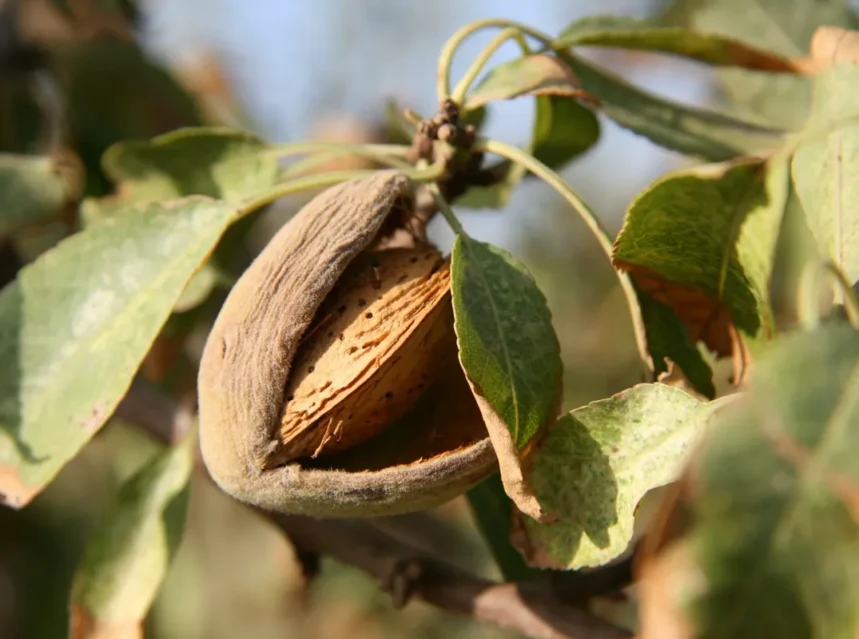
The almond (Prunus dulcis) is a small deciduous tree grown for its nutritious nuts, which form inside a leathery hull after a beautiful flush of early spring blossom — and with a warm, dry summer and a cold winter it can crop well in the right climate. Closely related to the peach, the almond rewards patience with both ornamental flowers and a valuable harvest. Here is the complete guide on how to grow almond trees.
Quick start: Give an almond tree full sun, deep free-draining soil, and shelter from late frost. Plant a bare-root tree in winter or a potted one in spring. Most types need a second variety nearby to pollinate. Water young trees well and harvest the nuts when the hulls split in late summer or autumn.
Experienced orchardists and university extension guides agree the make-or-break factors are climate and frost, not daily care. Growers in cooler regions report the same heartbreak: the tree flowers very early, then a late frost kills the blossom and there is no crop that year, so a sheltered, slightly raised site is vital. Many also note that almonds hate humid, wet summers, which bring fungal disease, and that most varieties simply will not set nuts alone. In short, match the climate and plant a pollination partner, and the rest is straightforward.
🧰 In a hurry? Jump straight to our tested picks for this guide ↓
Almond tree at a glance
| Feature | Detail |
|---|---|
| Botanical name | Prunus dulcis (family Rosaceae) |
| Common name | Almond, badam (India) |
| Plant type | Deciduous nut tree |
| Height/spread | About 4–8 m, depending on rootstock |
| Sun | Full sun |
| Soil | Deep, free-draining; dislikes waterlogging |
| Climate | Cold winter, warm dry summer; frost-sensitive bloom |
| Harvest | Late summer to autumn, when hulls split |
Why grow an almond tree?
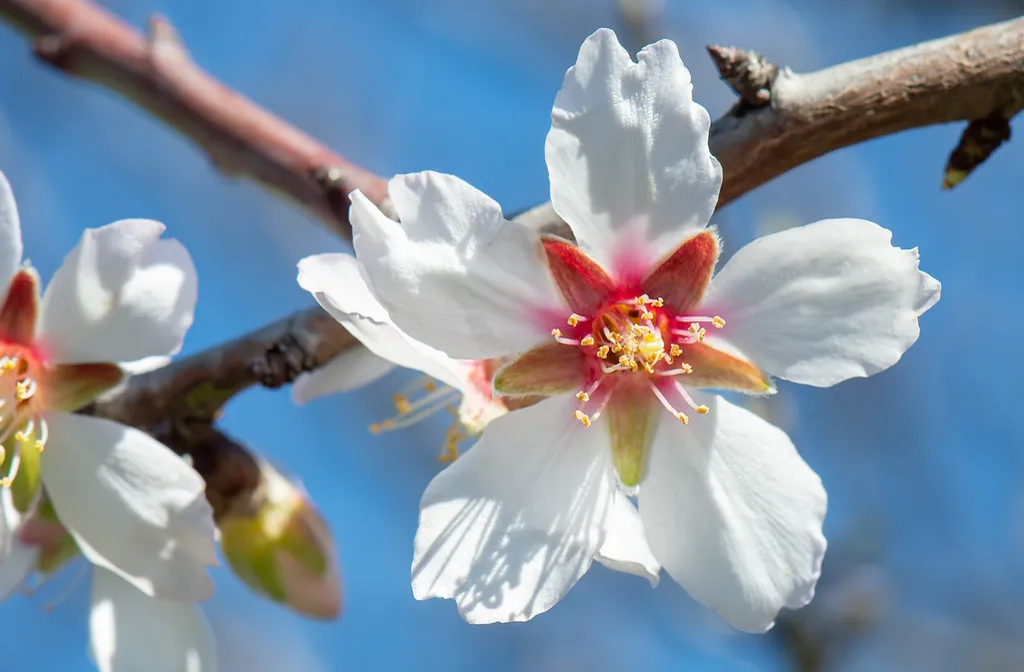
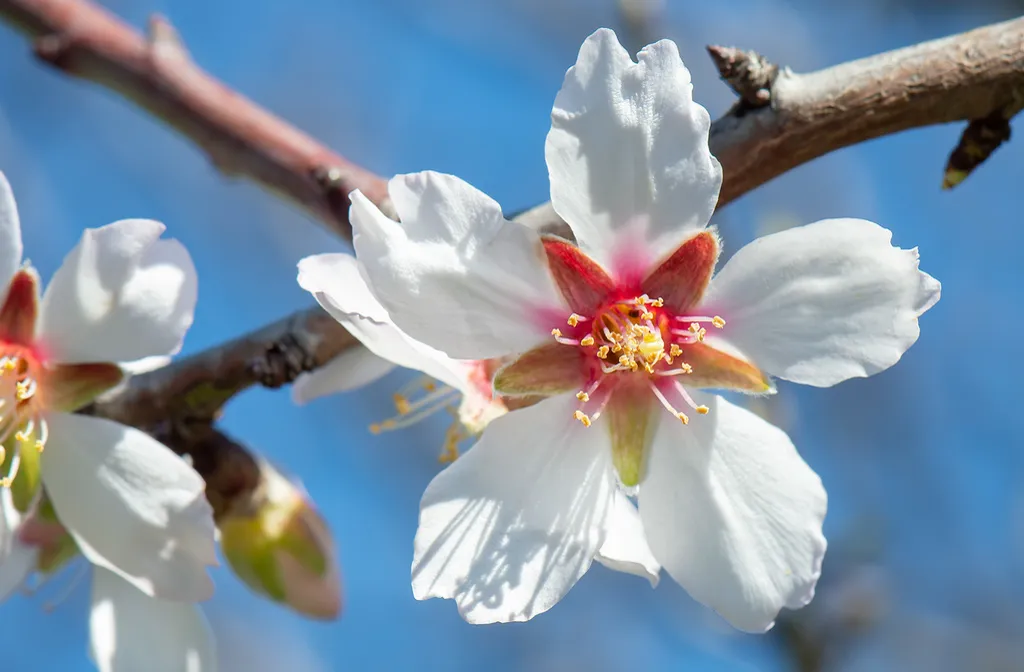
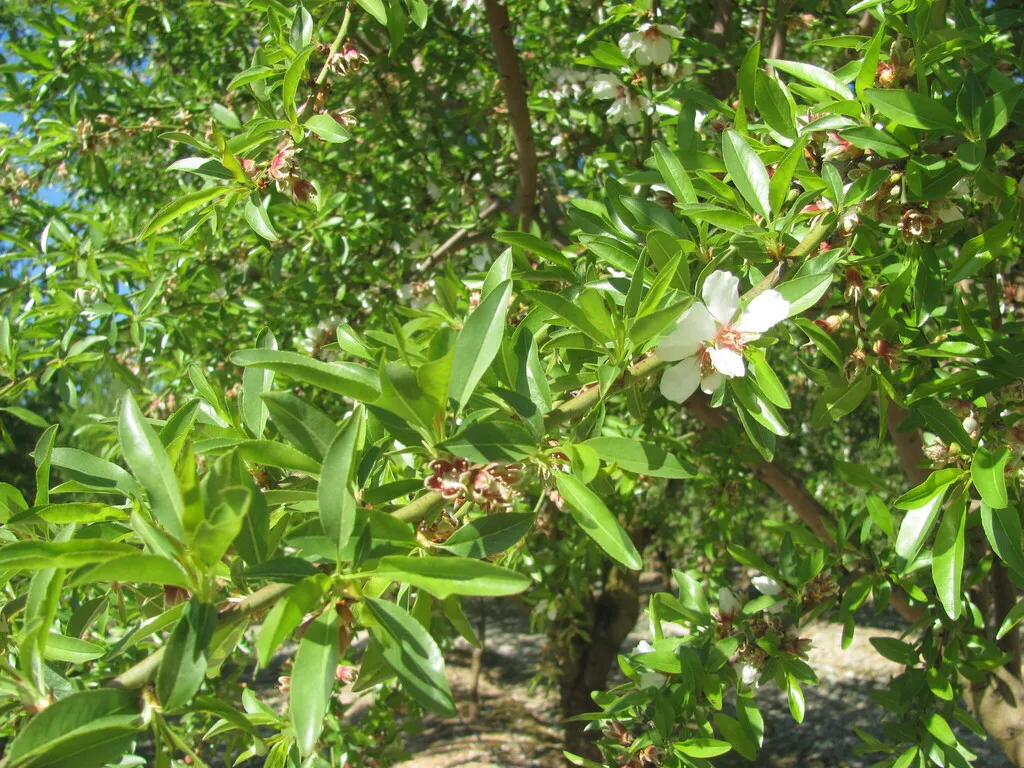
An almond tree is a double gift. In early spring it erupts into pink-white blossom before almost anything else, a true sign that winter is ending. Then, given the right summer, it follows up with a crop of your own home-grown nuts.
It is also a manageable size for many gardens, especially on a dwarfing rootstock. Where the climate suits it, an almond gives ornamental beauty, valuable food, and early forage for bees in one tree. For a warm, dry-summer plot, it is a rewarding long-term choice.
History, origin & how it reached India
The almond is one of the oldest cultivated nut trees, native to the dry hills of Central and Western Asia, across present-day Iran, Afghanistan, and the surrounding region. It was domesticated thousands of years ago, and almonds appear in ancient texts and were even found in Tutankhamun’s tomb.
From this homeland the almond spread west along trade routes into the Mediterranean, where Greeks and Romans grew it widely, and much later to California, now the source of around 80% of the world’s almonds (see the Encyclopaedia Britannica). California’s hot, dry summers and cool winters are almost perfect for it.
The almond reached India long ago via the ancient routes through the northwest, and it became deeply woven into cuisine and culture as badam. Today it is grown commercially in the cool Himalayan belt of Jammu & Kashmir, Himachal Pradesh, and parts of Uttarakhand, where the climate gives the needed winter chill. It is not suited to the hot, humid plains.
Best season & when to plant
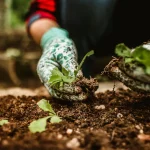
Plant a bare-root almond tree in winter while it is dormant, or a container-grown tree in spring or autumn. Dormant winter planting helps the roots establish before the demands of the growing season.
Almonds flower extremely early, often in late winter or very early spring, which is exactly why late frost is such a risk. In India’s hill regions, plant during the cool dormant season and choose a site that warms gently rather than a frost pocket.
How to plant an almond tree
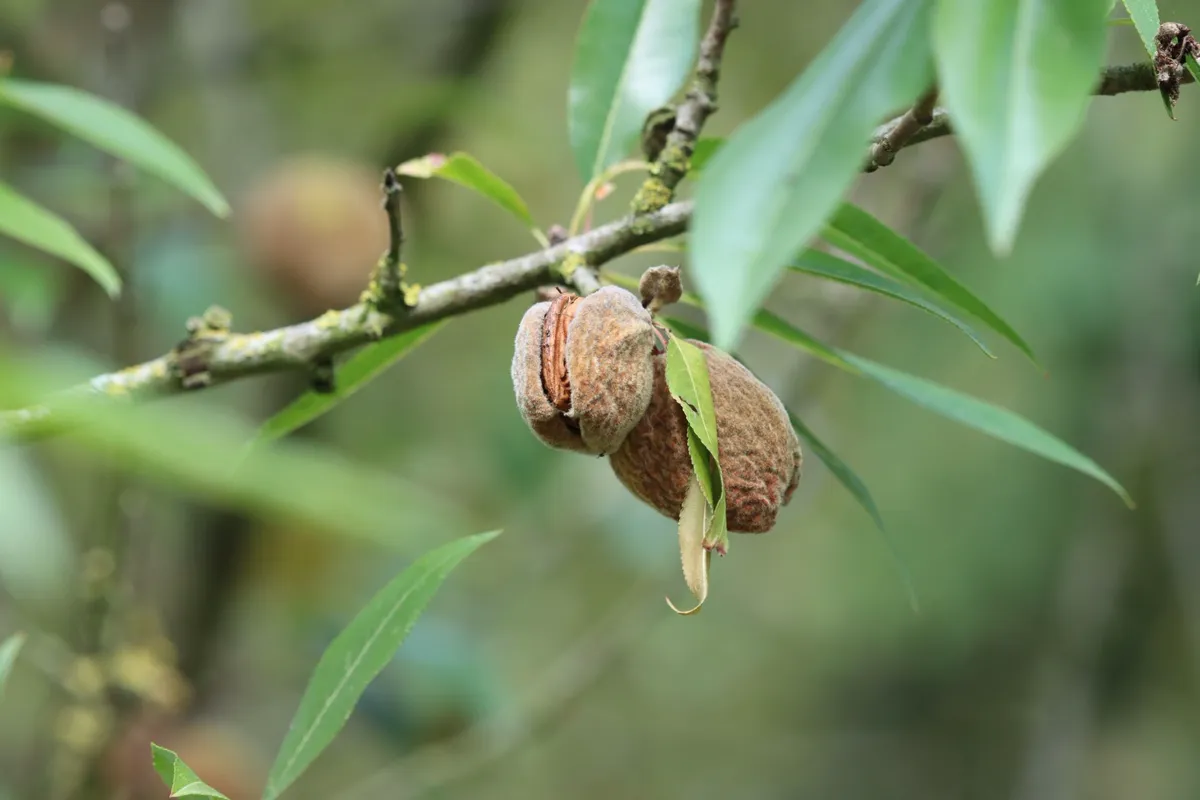
Almonds need a warm, sheltered, frost-free site to crop reliably. To give a young tree the best start:
- Pick a spot in full sun, sheltered from cold winds and out of low frost pockets.
- Use deep, free-draining soil, improving heavy ground first (see improving garden soil).
- Plant at the same depth the tree grew before, and stake it firmly against wind.
Water in well and mulch around the base, keeping it clear of the trunk. Against a warm, sunny wall, a fan-trained almond can crop even in cooler regions by gaining extra heat and shelter.
Pollination — why it matters
This is the step most new growers miss. Most almond varieties are not self-fertile, meaning a single tree will flower beautifully but set few or no nuts on its own. They need pollen from a different, compatible variety flowering at the same time.
So plant two or more different varieties together, or choose a self-fertile type such as ‘All-in-One’ if you only have room for one tree. Because almonds bloom so early, when few bees are active, encouraging pollinators is important too (see how to attract pollinators).
Sun, soil, watering & feeding
Almonds demand full sun and warmth to ripen their nuts, along with that all-important cold winter to break dormancy. They thrive in deep, free-draining soil and quickly suffer in heavy, wet ground, which brings root and fungal problems.
Water young trees regularly through their first few summers while they root in (see how often to water plants). Mature trees are fairly drought-tolerant but crop better with steady moisture as the nuts swell. Feed in early spring with a balanced fertiliser, and avoid overhead watering, since wet foliage encourages disease.
When and how to prune almonds
Prune almonds in summer rather than winter, as cutting in the dormant wet season raises the risk of silver leaf and canker diseases that affect the whole Prunus family. Summer pruning, in dry weather, lets wounds heal cleanly.
In the early years, shape the young tree to an open, goblet form with well-spaced branches that let light and air into the centre. On established trees, simply remove dead, diseased, or crossing wood and thin congestion. Almonds fruit on both older wood and previous-year shoots, so heavy cutting is rarely needed.
Harvesting almonds
Almonds are ready in late summer to autumn, when the green-grey hulls dry, split open, and reveal the familiar shell inside. This is the clear signal that the nuts have matured on the tree.
Shake the branches or gently knock them with a padded pole so the nuts drop onto a sheet below. Remove the hulls, then dry the in-shell nuts thoroughly in a warm, airy place for a week or two before storing. Properly dried and stored in a cool, dry spot, home-grown almonds keep for many months.
Common pests & diseases
As a member of the Prunus family, almonds share its troubles. In damp climates, peach leaf curl distorts and reddens spring leaves, while brown rot can spoil blossom and nuts. Good air flow, a dry summer, and prompt removal of affected parts all help.
Watch also for aphids on soft new growth and for borers in stressed trunks. Keeping trees healthy, well drained, and summer-pruned prevents most disease, and the methods in our organic pest control guide handle the pests.
Health benefits & uses
Almonds are a genuinely nutritious nut. Per 100 g they carry 21 g of protein, 12.5 g of fibre, 25.6 mg of vitamin E and 270 mg of magnesium, on 579 kcal and 49.9 g of fat that is mostly monounsaturated (USDA record 170567). They are eaten raw or roasted, ground into flour, blended into almond milk, and used across sweet and savoury cooking worldwide.
In many cultures, including India, soaked almonds are a traditional daily food valued for nourishment. One important caution: bitter almonds, from a separate strain, contain natural compounds that release cyanide and must not be eaten raw, so always grow and eat sweet-almond varieties.
This article is for general information only and is not medical advice. Consult a qualified professional for dietary guidance, and never eat raw bitter almonds.
Common almond tree problems
Blossom but no nuts
Usually no pollination partner, or frost killed the early flowers. Plant a second variety and choose a sheltered, frost-free site.
Distorted red spring leaves
This is peach leaf curl, common in wet springs. Improve shelter and air flow, and remove affected leaves.
Poor cropping overall
Often the climate is too mild, too wet, or lacks winter chill. Almonds need cold winters and warm, dry summers to fruit well.
Related plant guides
How to propagate almond
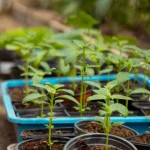
The honest answer for a garden is that you buy a grafted tree rather than raise your own, and the reasons are worth knowing. Almond seed needs two to three months of cold stratification, is best sown in a cold frame as soon as it is ripe, and can be slow to the point of exasperation — sometimes 18 months to germinate. Seedlings also do not come true, so the nut you plant will not give you the tree it came from (Plants For A Future).
Cuttings are no easier. Half-ripe wood with a heel in July or August in a frame is rated difficult; softwood cuttings from strongly growing plants in spring to early summer, hardwood cuttings in late autumn, and layering in spring are the alternatives. That is precisely why named almond varieties are sold grafted onto a rootstock — it is also how you get a tree on a dwarfing rootstock, which is the practical choice for most gardens.
Frequently asked questions
Do you need two almond trees to get nuts?
Usually yes. Most almonds are not self-fertile, so plant two different compatible varieties, or choose a self-fertile type such as ‘All-in-One’ for a single tree.
How long until an almond tree produces nuts?
An almond tree typically begins cropping in about three to five years, with fuller harvests once it matures, provided the climate and pollination are right.
Can almonds grow in India?
Yes, in the cool Himalayan belt of Kashmir, Himachal Pradesh, and Uttarakhand, where winters are cold enough. They are not suited to the hot, humid plains.
When are almonds ready to harvest?
In late summer to autumn, when the outer hulls dry and split open. Shake the nuts down, remove the hulls, and dry them well before storing.
How tall does an almond tree grow?
A standard almond tree grows 15 to 25 feet tall at maturity, though most home growers prune theirs to 10 or 15 feet for easier harvesting and netting. Trees on dwarfing rootstocks, or self-fertile compact varieties, can be kept to around 8 feet. Left completely unpruned, a vigorous tree will keep pushing upward, so an annual shaping cut is worthwhile. Size control also keeps more of the crop within picking reach.
Can you grow an almond tree from a store-bought almond?
Only sometimes. The seed must be raw and untreated — roasted, salted, or heat-pasteurised almonds will never sprout, and most supermarket almonds in the US are pasteurised. If you can find truly raw in-shell nuts, chill them in moist sand or a damp paper towel in the fridge for several weeks to mimic winter, then sow in spring. Remember a seedling takes around five years to fruit and will not be identical to its parent variety.
How much water does an almond tree need?
Young trees need consistent moisture while establishing, so water deeply and regularly through their first summers. Mature trees are fairly drought tolerant and will survive dry spells, but nut yields drop noticeably without water. For a good crop, give an established tree the equivalent of 2 to 3 inches of water a week during the growing season when rain falls short. Deep, infrequent soakings beat frequent light sprinkles.
When and how do you prune an almond tree?
Train a young tree to an open vase shape — at planting, head an unbranched whip at about 30 to 36 inches to force low scaffold branches. After that, prune in the dormant season, removing dead, crossing, and inward-growing wood so light and air reach the centre. Almonds fruit on short spurs that stay productive for roughly five years, so a little annual renewal pruning keeps fresh fruiting wood coming. Avoid heavy cuts in damp weather, which invites disease.
What climate do almond trees need?
Almonds are happiest in a Mediterranean-style climate: mild, wet winters followed by long, hot, dry summers with low humidity. That is why California’s Central Valley dominates world production. They still need a modest winter chill to flower properly, but prolonged deep freezes and humid summers both cause trouble. Gardeners in cooler regions should pick late-blooming, hardier varieties and the warmest microclimate available.
Do almond trees need full sun?
Yes, full sun is essential. An almond tree wants at least six hours of direct sunlight a day, and more is better for flower set, nut fill, and ripening. Shaded trees grow lanky, flower sparsely, and stay more prone to fungal disease because their canopy dries slowly. Choose an open, airy site away from buildings and larger trees, ideally with some frost drainage on a gentle slope.
Why is my almond tree not producing nuts?
The usual culprits are age, frost, and pollination. Young trees simply need three to five years before cropping, so patience may be all that is missing. Almonds bloom very early in spring, and a single frosty night can wipe out the season’s flowers. Finally, most varieties need a different compatible almond nearby, plus bee activity, to set nuts — a lone tree of a self-sterile variety will blossom beautifully and produce nothing.
Sources and further reading
Still stuck? Ask the Plant Doctor
Describe the problem — yellow leaves, holes, no flowers — and get a clear answer in seconds. FreeAI can make mistakes. Answers are guidance, not a guarantee — check anything important against the guide it links to, and always read the label on any product before you use it.