

How to Grow Cubeb Pepper
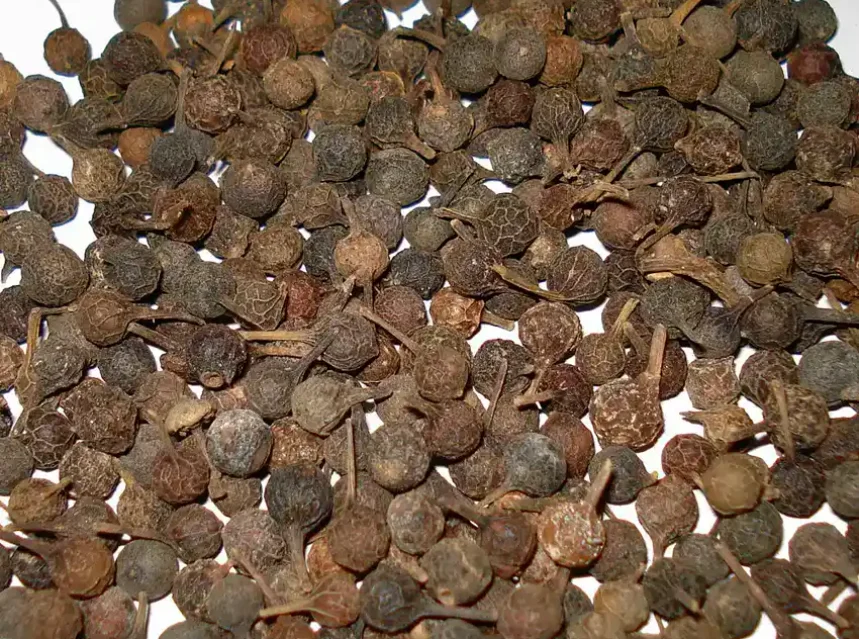
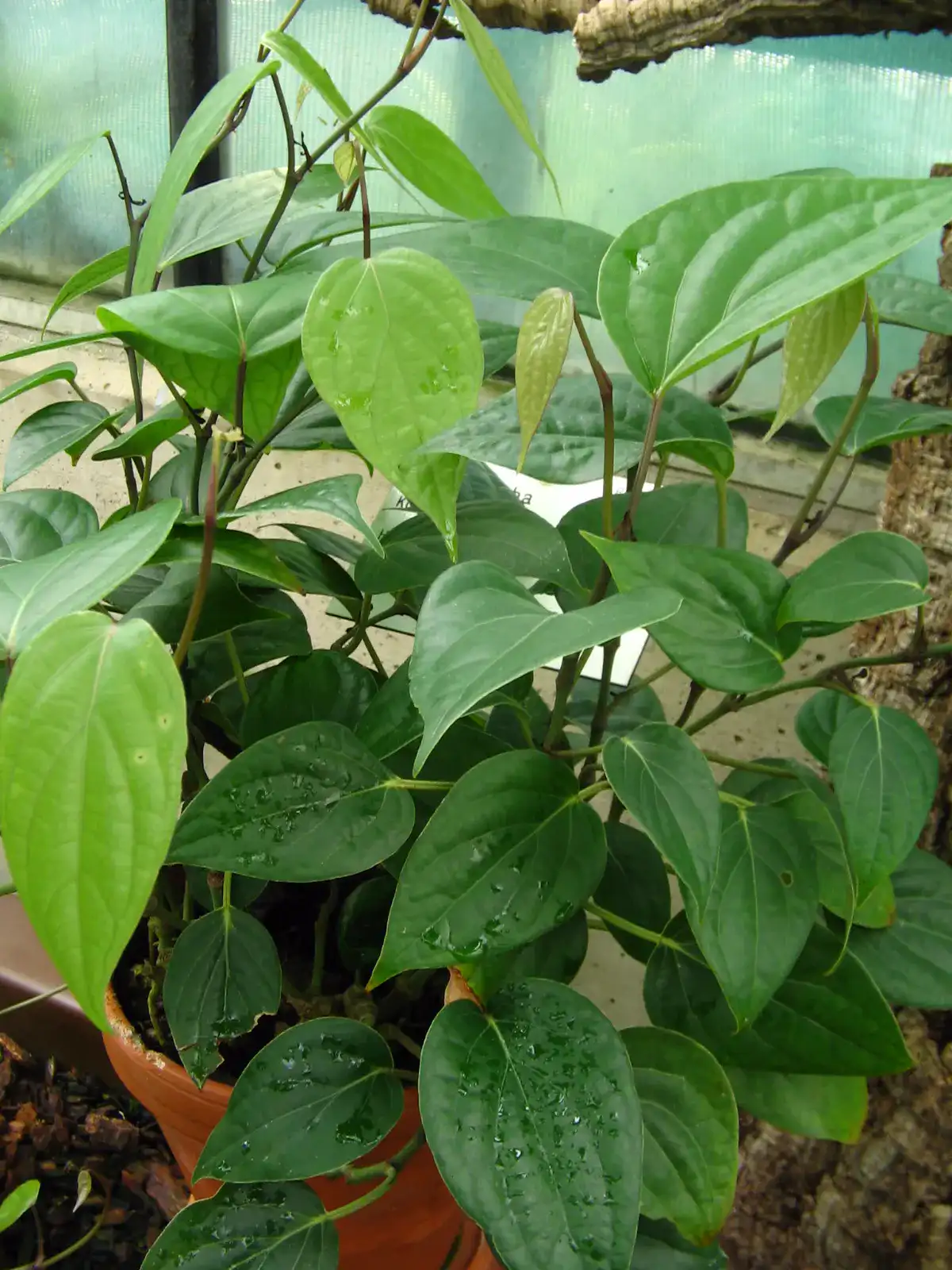
Cubeb pepper is the dried, tailed berry of Piper cubeba, a tropical climbing vine in the pepper family native to Java and Sumatra. Each little berry keeps its short stalk, giving it the name “tailed pepper”, and a warm, peppery, allspice-and-pine flavour that flavours Indonesian dishes, Moroccan spice blends, and many gins. As a close cousin of black pepper, it is a familiar vine to grow. Here is the complete guide on how to grow cubeb pepper.
Quick start: Grow cubeb pepper like black pepper — in warmth, humidity, partial shade, and rich, free-draining soil, trained up a support. It is a tropical vine for USDA zones 10–11 or a warm greenhouse. Plant stem cuttings at the start of the monsoon, give it a tree or trellis to climb, and harvest the tailed berries before they fully ripen, from about two to three years on.
Growers who keep cubeb pepper, mostly across Indonesia and South and Southeast Asia, treat it almost exactly like black pepper, which it closely resembles. The lessons that matter are the same. It is a climber that crops far better trained up a living tree or post than left to sprawl, and it wants warm, humid, dappled shade rather than harsh sun. Like all pepper vines it rots in waterlogged soil, so sharp drainage is essential. And it is grown from cuttings for a faster, truer crop. Recreate the humid forest-edge conditions of its Indonesian home, and a single vine yields its distinctive tailed berries for years.
🧰 In a hurry? Jump straight to our tested picks for this guide ↓
Cubeb pepper at a glance
| Feature | Detail |
|---|---|
| Botanical name | Piper cubeba (family Piperaceae) |
| Common names | Cubeb pepper, tailed pepper, Java pepper, kabab chini |
| Plant type | Perennial tropical climbing vine |
| Height | Climbs 4–6 m on a support |
| Light | Partial shade to dappled light |
| Soil | Rich, moist, free-draining |
| Climate | Warm, humid tropics, 20–35°C; no frost |
| First harvest | About 2–3 years from planting |
| Spice part | The dried, stalked (“tailed”) berry |
Why grow cubeb pepper?
Cubeb pepper is a fascinating, uncommon spice from a vine that behaves just like its famous cousin, black pepper. If you can grow one, you can grow the other, and cubeb makes a glossy, attractive climber for a warm, shaded corner or conservatory.
The spice itself is the draw. Each berry keeps its little tail and offers a complex, warm, peppery flavour with notes of allspice and pine, more aromatic and slightly bitter than ordinary pepper. It is hard to buy fresh, prized by gin distillers, and a real talking point in the kitchen. Growing your own gives a renewable supply of a genuinely rare spice.
Cubeb vs black pepper
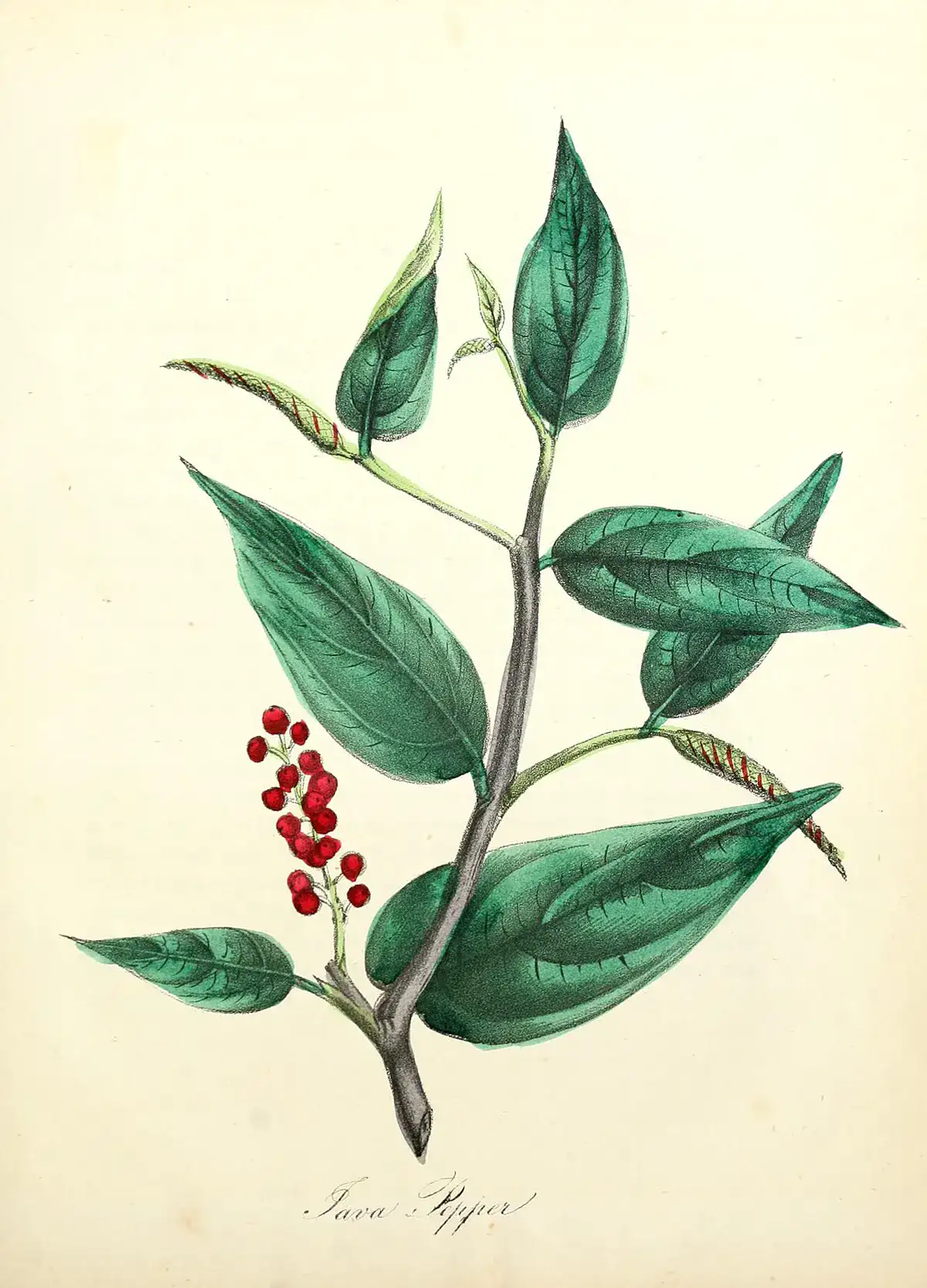
The two vines are close relatives but distinct. Knowing the difference helps you grow and use each one well.
| Trait | Cubeb pepper | Black pepper |
|---|---|---|
| Species | Piper cubeba | Piper nigrum |
| Berry | Keeps a short stalk (“tail”) | Round, tail-less |
| Flavour | Peppery with allspice and pine, slightly bitter | Sharp, clean heat |
| Main use | Indonesian and Moroccan blends, gin | Universal table pepper |
Both want the same warm, humid, shaded, well-drained conditions, so a gardener who succeeds with black pepper can grow cubeb too.
History, origin & the spice trade
Cubeb pepper is native to Java, Sumatra, and other islands of Indonesia, which is why it is also called Java pepper (see the Encyclopaedia Britannica). Arab traders carried it west, and it was well known in medieval Europe as both a spice and a medicine.
For centuries cubeb was an important article of the spice trade, used in cooking and folk remedies across the Arab world, Europe, and Asia. Its use later faded as black pepper and chilli became cheaper and more available, but it never disappeared from Indonesian cooking or from Moroccan spice blends like ras el hanout. Today it is enjoying a small revival as a gin botanical.
In India, cubeb is known as kabab chini or sheetal chini and is used in some traditional preparations and paan. It can be grown in the warm, humid tropical south — Kerala, Karnataka, and the north-east — alongside its cousins black pepper and long pepper. Indonesia remains the main producer.
Best season & when to plant
In the tropics, plant cubeb pepper at the start of the monsoon, giving the young vine months of warm, humid weather to root and climb. This is the same timing we recommend for related crops in our monsoon gardening guide.
In the US, UK, and other temperate regions, cubeb only grows outdoors in frost-free zones 10–11. Elsewhere, start cuttings in spring under warm cover and grow the vine as a humid greenhouse or conservatory plant, well away from frost.
How to plant cubeb pepper
Cubeb pepper is grown from stem cuttings, like black pepper. Take semi-hardwood cuttings from a healthy mother plant, which root readily in warm, humid conditions and crop sooner than seed, the approach standard cultivation guidance recommends.
To plant well:
- Provide a sturdy support from the start — a living tree, post, or trellis the vine can climb.
- Prepare generous planting pits with rich, free-draining soil and plenty of well-rotted manure or compost (see improving garden soil).
- Plant in partial shade, not harsh sun, and space vines 2–3 m apart for airflow.
- Water in well and keep the soil consistently moist as the cutting establishes.
Train the growing tip up its support, and the clinging vine will quickly take hold.
Support, light, soil, watering & feeding
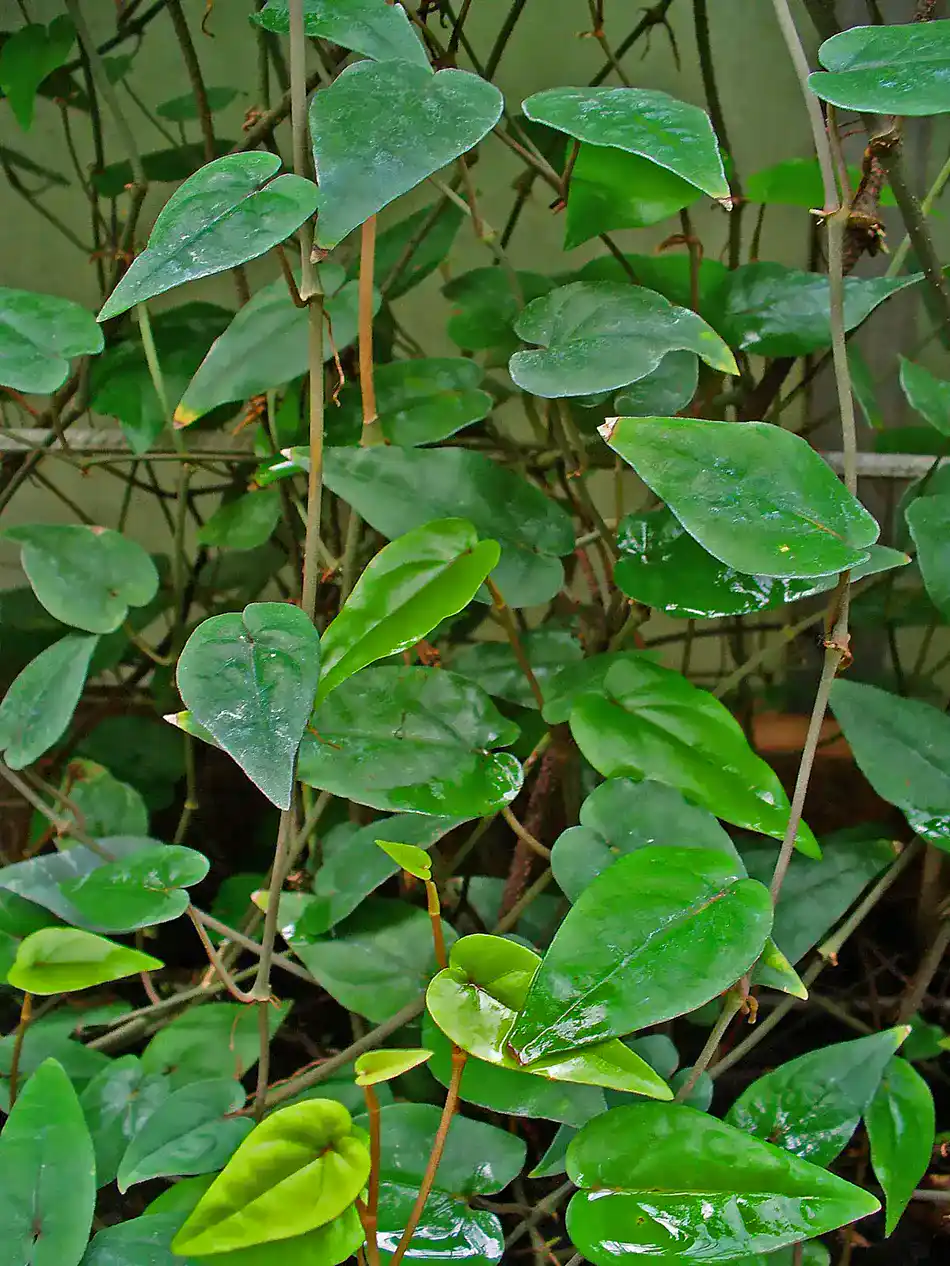
Cubeb is a forest-edge climber that wants warm, humid, dappled shade rather than blazing sun, and it crops best trained upward on a support. Indoors, give it bright, indirect light and high humidity (see humidity for houseplants).
Keep the soil rich and evenly moist but never waterlogged, as wet roots rot quickly (see how often to water plants). Feed through the growing season with compost or a balanced organic fertiliser to support its leafy growth and berry set. Ease off watering in cooler months when growth slows.
Growing cubeb pepper in pots
In cooler climates, a large container with a moss pole or trellis is the way to grow cubeb pepper, kept warm and humid under cover. It makes a glossy, tropical-looking climbing foliage plant even before it fruits.
Use a roomy pot with good drainage and a rich, free-draining mix. Give it a tall support, keep it above about 15°C, water when the surface dries, and mist in dry rooms. Feed through summer and keep it bright and frost-free in winter, watering more sparingly. A warm conservatory suits it far better than a dry living room.
Harvesting & drying cubeb berries
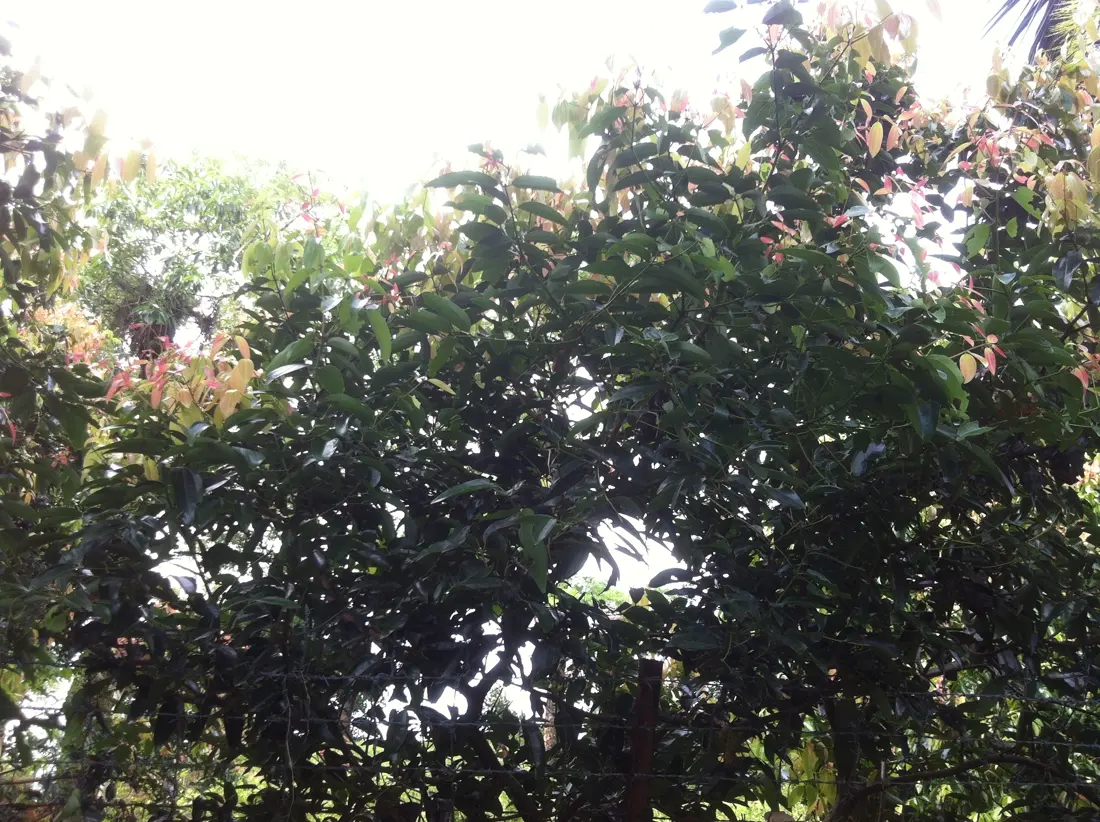
A cubeb vine usually begins cropping in two to three years. The berries grow in clusters, each keeping the short stalk that gives the spice its “tailed” name.
To harvest and dry your own:
- Pick the berries before they fully ripen, while still firm, handling them gently to avoid damage.
- Spread them to dry in the sun for several days until they shrivel and darken to greyish-brown.
- The dried berries keep their little tails, the hallmark of cubeb.
- Store them whole in an airtight jar, grinding fresh as needed for the best aroma.
Like black pepper, cubeb keeps its complex flavour far better whole than pre-ground.
Common pests & diseases
As a pepper vine, cubeb’s main risk is root rot in heavy, waterlogged soil, so sharp drainage and careful watering are the key defences. Yellowing, wilting leaves usually point to roots that are too wet.
Watch also for sap-suckers such as mealybugs, scale insects, and spider mites, especially on indoor plants in dry air. Good humidity, airflow, and the methods in our organic pest control guide keep most problems in check.
Health benefits & uses of cubeb pepper
Cubeb’s warm, aromatic bite comes from essential oils including cubebin and cineole. The rewards of growing your own are mostly culinary:
- In the kitchen: ground cubeb adds a warm, peppery, allspice-pine note to Indonesian dishes, Moroccan ras el hanout, stews, and spice rubs. Use it where you want a more complex, aromatic pepper.
- In drinks: cubeb is a classic gin botanical, part of its modern revival among distillers.
- A pepper alternative: use it in place of black pepper for a fruitier, more bitter, aromatic heat.
- Traditional uses: as kabab chini, cubeb has a long history in Arab, European, and Indian folk medicine and in paan. Modern clinical evidence in people remains limited, so enjoy it mainly for flavour.
This article is for general information only and is not medical advice. Consult a qualified professional before using any plant or spice medicinally.
Common cubeb pepper problems
Vine grows but produces few berries
Often too much shade, poor feeding, or no support to climb. Give dappled light, rich feeding, and a sturdy tree or trellis to train it up.
Yellowing, wilting leaves
Usually wet, poorly drained soil leading to root rot. Improve drainage, water less, and never let the pot stand in water.
Slow, weak growth
Typically too cool or too dry. Keep it warm above 15°C, humid, and in bright, dappled light, and feed through the growing season.
Related plant guides
- How to grow Black Cardamom
- How to grow Galangal
- How to grow Grains of Paradise
- How to grow Long Pepper
- How to grow Black Pepper
- How to grow Allspice
Frequently asked questions
What is cubeb pepper?
Cubeb is the dried, tailed berry of the vine Piper cubeba, a relative of black pepper from Indonesia. It has a warm, peppery, allspice-and-pine flavour and is used in cooking and gin.
How is cubeb different from black pepper?
Cubeb berries keep a short stalk or “tail” and taste more aromatic and slightly bitter, with allspice and pine notes, while black pepper is round and gives a sharper, cleaner heat.
Can I grow cubeb pepper indoors?
Yes, as a warm, humid container vine on a moss pole in cool climates. Keep it above about 15°C in bright, indirect light, and feed it well.
Where does cubeb pepper grow in India?
In the warm, humid south and north-east — Kerala, Karnataka, and nearby regions — where it is known as kabab chini and can be grown like black pepper.
Can I grow cubeb pepper from the dried berries sold as spice?
Almost never, and there is a fascinating historical reason. Javanese growers guarded their monopoly for centuries by scalding the berries before export, which killed the seed inside while leaving the spice perfectly usable. Modern spice-grade cubeb is also picked unripe and then dried hard, so viability is close to zero even without deliberate treatment. Cuttings from an established vine, or a nursery-raised plant, are the realistic routes — exactly as with its cousin black pepper.
How do you propagate a cubeb vine?
Use stem cuttings, taken from the lateral or runner shoots rather than the hanging fruiting branches, since runner wood roots far more willingly. Cut sections with three or four nodes, strip the lowest leaves, and set them in a gritty, moist mix inside a humid propagator or a clear bag. Bottom warmth of about 25-30°C and shade from direct sun speed things along, and roots generally form in four to eight weeks. Pot the rooted cuttings on carefully — the young roots are brittle and resent disturbance.
How long before a cubeb vine produces berries?
Expect a wait of roughly three to four years from planting a rooted cutting to a first worthwhile crop, which is the same timescale growers report for black pepper. A vine kept in a container in a cool climate will usually take longer still, because it grows for only part of the year. Once in production, a healthy tropical pepper vine can crop for decades if its support and soil are kept in good order. Patience is genuinely part of growing this spice.
Does cubeb pepper need sun or shade?
Dappled shade suits it best. In its native Java and Sumatra it climbs through forest edge and plantation trees, getting bright filtered light rather than fierce overhead sun. Gardeners get the best results by training it up a living support such as a silver oak, drumstick or mango tree, or a mossed pole in a pot, with roughly 50-60 percent shade at midday. Full, unbroken tropical sun scorches the large leaves, while deep shade gives a lush vine that never sets much fruit.
How do you harvest and dry cubeb berries?
Cubeb is picked while the berries are still unripe — fully grown but not yet turning colour — because that is the stage that gives the strongest aroma and the classic dark, wrinkled spice. Cut whole spikes rather than stripping individual fruits, and keep the short stalk attached, since that “tail” is the plant’s signature and the reason it is also called tailed pepper. Dry the spikes in the sun or in a dryer at low heat until the berries rattle and the skin is deeply wrinkled, usually several days. Store them whole in an airtight jar and grind only what you need, as the volatile oils fade fast once cracked.
What can I use instead of cubeb pepper?
No single spice matches it, because cubeb sits between peppery heat and a bitter, resinous, allspice-and-pine perfume. A workable stand-in is black pepper with a small pinch of allspice, and a few juniper berries if the recipe leans towards gin-like botanicals. For Moroccan blends such as ras el hanout, some cooks swap in a mix of black pepper and grains of paradise. Whatever you use, add less than the recipe states at first — cubeb’s aroma is assertive and easy to overdo.
How is cubeb pepper used in cooking?
It shines in spice blends rather than as a table pepper. Cubeb is a traditional component of Moroccan ras el hanout and of several Indonesian and Indian spice mixes, and it turns up in slow-cooked meat dishes, rich rice preparations and spiced desserts. It is also a classic gin botanical, which is why its flavour can feel familiar even to people who have never bought the spice. Toast the berries briefly in a dry pan to wake the oils, then grind fresh, and use roughly half the quantity you would use of black pepper.
Does cubeb pepper have health benefits?
It has a long record of traditional use rather than a body of proven benefits. Cubeb has traditionally been used in Unani, Ayurvedic and older European practice for digestive and respiratory complaints, and it appeared in the British Pharmacopoeia of the Victorian era. Some laboratory studies suggest the essential oil has antimicrobial and antioxidant activity, but that work is preliminary and does not show that eating the spice treats disease in people. Note too that cubebin, one of its main compounds, can irritate mucous membranes, so concentrated oils and extracts deserve caution. This is general information, not medical advice — consult a qualified professional before using any spice medicinally.
Sources and further reading
Still stuck? Ask the Plant Doctor
Describe the problem — yellow leaves, holes, no flowers — and get a clear answer in seconds. FreeAI can make mistakes. Answers are guidance, not a guarantee — check anything important against the guide it links to, and always read the label on any product before you use it.



_at_Citrus_Research_Institute.jpg)