How to Grow Epazote
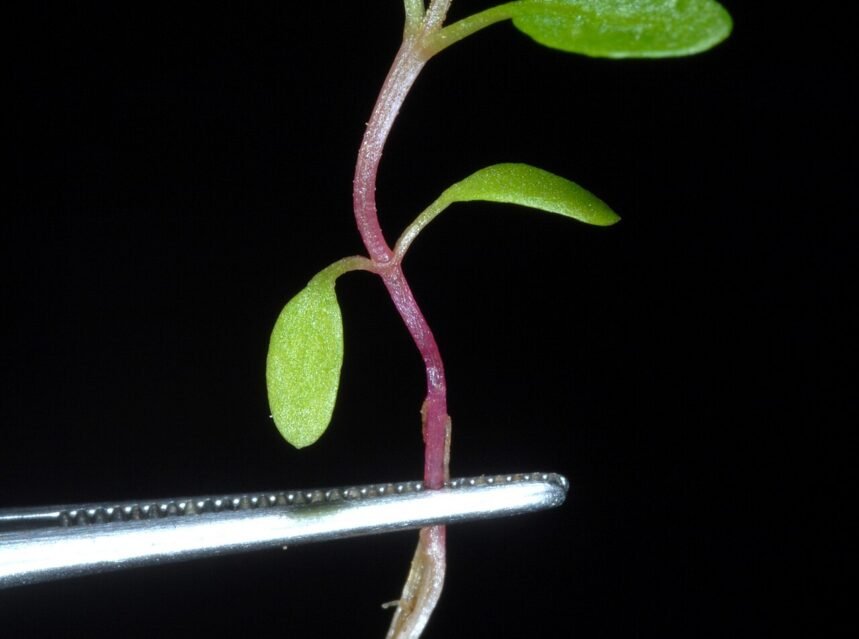 Image: Douglas Goldman — CC BY-SA 4.0, via Wikimedia Commons
Epazote (Dysphania ambrosioides) is a pungent warm-season herb grown for its strongly aromatic leaves — the signature herb of Mexican cooking, famous for making beans both tastier and easier to digest. This plant is wonderfully easy to grow, tolerating heat and poor soil with ease. A little goes a long way, so even one plant supplies plenty. Here is how to grow epazote at home.
Quick start: Grow epazote in full sun and well-drained soil — it is tough and drought-tolerant. Sow seed in warm weather, water young plants, then largely leave it be. Harvest the leaves young, and deadhead to control its eager self-seeding. Use it sparingly in cooking.
Epazote is a pungent Mexican herb, indispensable in bean dishes both for its flavour and its traditional reputation for making them easier to digest. Growers find it vigorous to the point of weediness, self-seeding freely and thriving in full sun and poor soil with almost no care. Its flavour is strong, so a little goes a long way in the kitchen. It is best used in modest amounts, as large quantities are not advisable, but as a seasoning herb it is easy and productive.
🧰 In a hurry? Jump straight to our tested picks for this guide ↓
Epazote at a glance
| Feature | Detail |
|---|---|
| Botanical name | Dysphania ambrosioides (family Amaranthaceae) |
| Plant type | Warm-season herb (tender perennial) |
| Sun | Full sun |
| Soil | Well-drained; tolerates poor ground |
| Water | Low; drought-tolerant once settled |
| Habit | Self-seeds freely; grow in a pot |
| Best use | Cooked with beans (flavour + digestion) |
| Note | Use small culinary amounts only |
Why grow epazote?
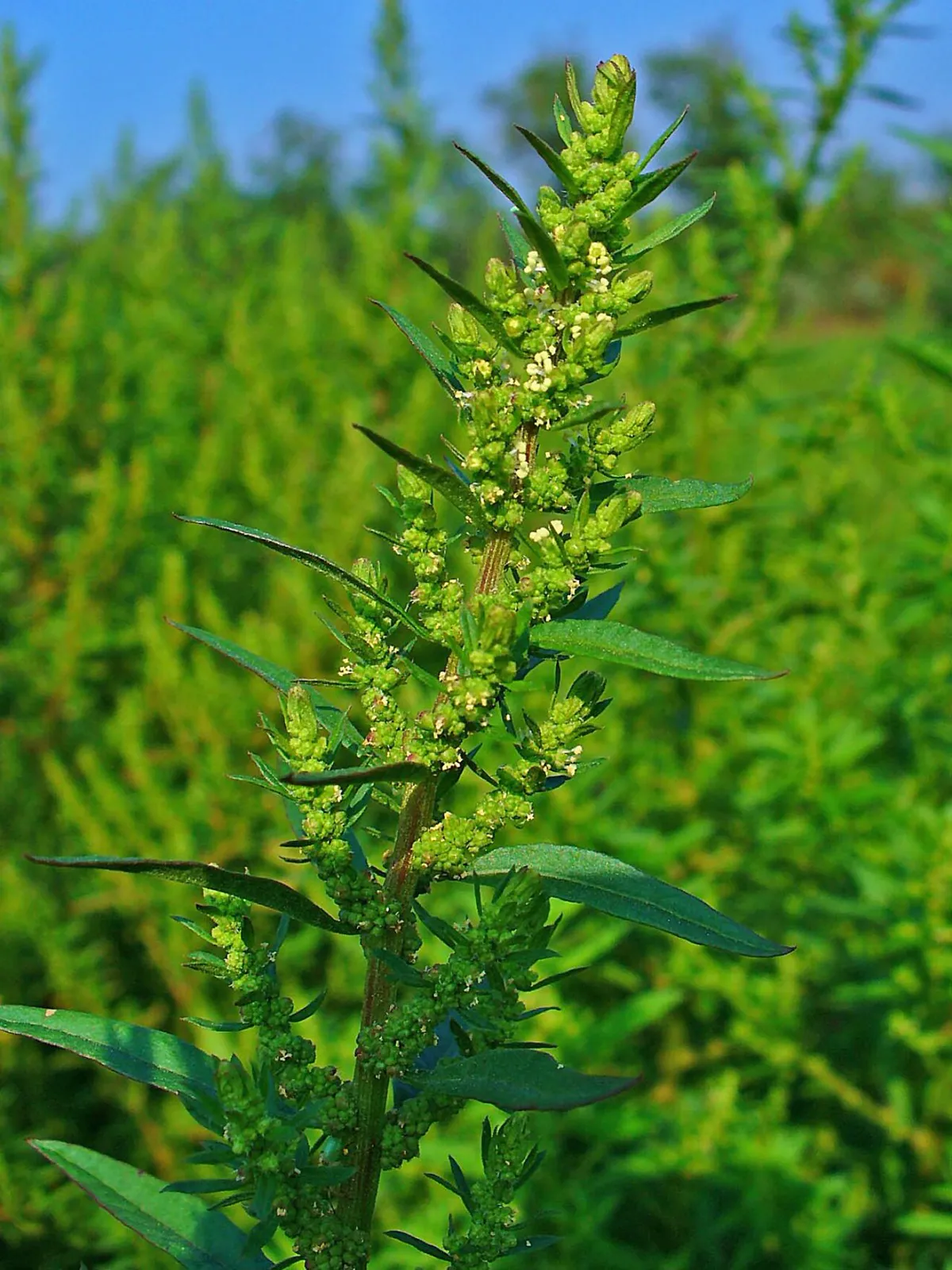
Epazote is fast, hardy and distinctive. A few reasons to grow it:
- Heat-proof. It thrives where other herbs wilt and tolerates poor soil.
- Easy from seed. It grows readily and quickly.
- Hard to buy. Fresh epazote is rarely sold, so growing your own is rewarding.
- Container-friendly. A pot conveniently helps contain its spread.
History, origin & how epazote spread
Epazote is native to Mexico and Central and South America, where it is an ancient kitchen and medicinal herb (see Encyclopaedia Britannica). The Aztecs used it in cooking and traditional remedies. Its very name comes from the Nahuatl language.
The herb is famously paired with beans in Mexican cooking. This is no accident, as it was long valued for easing the digestion of pulses. That practical role kept it central to the cuisine.
It has now naturalised across many warm regions worldwide, sometimes as a weed, which shows how easily it grows (see the Royal Horticultural Society). It loves warm, sunny conditions and well-drained soil. It copes happily with heat and drought.
Best season & when to plant
Sow epazote in spring, after the last frost, as it is a warm-season plant that thrives in heat. It is a tender perennial in frost-free regions but is usually grown as an annual where winters are cold. In hot climates like much of India, it grows vigorously through the warm months and self-seeds readily for repeat crops.
How to plant epazote
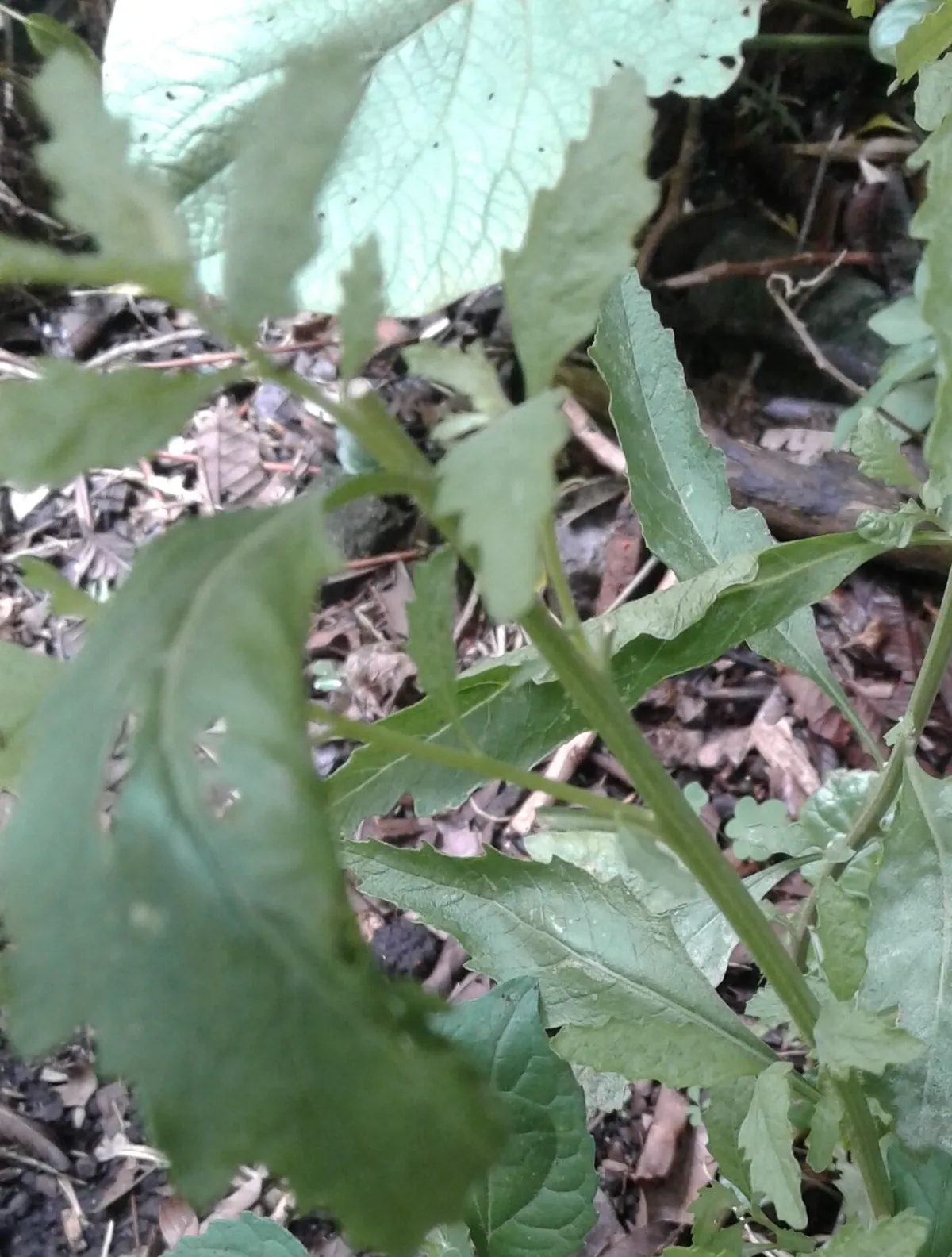
Epazote is easy from seed, which is tiny, so sow it shallowly.
- Scatter the fine seed on warm, moist soil and barely cover it (see seed-starting basics).
- Thin seedlings to about a foot apart, as plants grow tall and bushy.
- Choose full sun and well-drained soil; a pot helps limit its self-seeding.
Sun, soil, watering & feeding
Epazote likes full sun and well-drained soil and is strongly drought-tolerant once established. Water young plants to settle them, then only in dry spells (see how often to water plants). It needs no feeding — lean soil actually concentrates its flavour and keeps growth compact. This undemanding nature makes it one of the easiest warm-season herbs to grow.
Managing its self-seeding
Epazote’s one quirk is prolific self-seeding, which can make it weedy if left unchecked. To keep it in bounds, cut off the flower spikes before they set seed, leaving just one or two if you want it to return. Harvesting the leaves regularly also helps, and growing it in a pot is the simplest way to enjoy it without it spreading around the garden.
Cooking with epazote
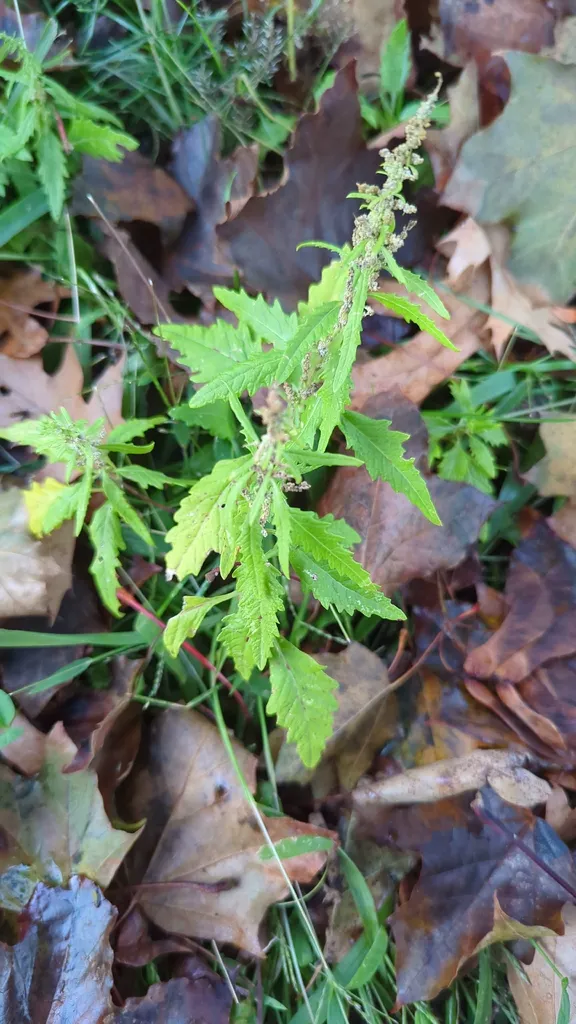
Epazote has a strong, hard-to-describe flavour, so a little goes a long way. It is the classic partner for beans. A sprig added to the pot deepens the taste and is traditionally said to reduce the gas.
It also features in quesadillas, soups and stews. Add it toward the end of cooking. The pungency mellows and infuses into the dish.
Always use it fresh, as the flavour fades badly when dried. And use it in small amounts only, because large quantities are not recommended, especially during pregnancy.
Epazote as a companion plant
Epazote earns a place beyond the kitchen too. Its strong scent deters many insects. So gardeners often grow it near vegetables as a natural repellent.
Tuck a plant or two near beans, squash or corn. The pungent leaves help mask the crops from pests. It works much like other aromatic companion plants.
Keep it in a pot near the patch, though. This stops its heavy self-seeding spreading into the bed. Like mint, it is best contained while still close at hand.
Common pests & diseases
Epazote is remarkably pest-free — its strong scent deters most insects, which is partly why it is valued as a companion plant. Occasionally you might see aphids or leaf miners on soft growth; see our aphid control and organic pest control guides. Good drainage prevents root rot, and otherwise it is a trouble-free, vigorous plant.
Growing epazote indoors
Epazote can be grown indoors in a cool climate. A bright, sunny windowsill suits it well. This keeps fresh leaves within reach for cooking.
Use a pot of free-draining compost in the sunniest window. Water it only when the soil dries out. Snip the young leaves often to keep the plant bushy.
Remember that even indoors it can flower and seed. Pinch off the flower spikes to keep it leafy. A single indoor plant supplies plenty for the occasional pot of beans.
Harvesting epazote
Harvest the leaves young, snipping sprigs from the top once the plant is established and bushy. Young leaves have the best flavour, and regular picking keeps the plant compact and delays flowering. Use epazote fresh, as its distinctive pungency fades when dried. Add a sprig toward the end of cooking — its strong taste mellows and infuses into the dish.
Health benefits & uses
Epazote is traditionally valued as a digestive herb, especially for reducing the gas associated with beans, which is exactly why it is cooked with them. It has its own USDA row, record 169398, which puts the raw herb at 275 mg of calcium and 215 µg of folate per 100 g — though nobody eats it by the handful. It has a pungent, hard-to-describe flavour that is essential in many bean dishes, quesadillas and soups. Note: use it in small culinary amounts only; large quantities are not recommended, particularly during pregnancy.
This article is for general information only and is not medical advice. Talk to a qualified professional before using any plant medicinally.
Common epazote problems
Seedlings everywhere
It self-seeds prolifically. Cut off flower spikes before they set seed, and grow it in a pot to contain it.
Weak or mild flavour
Usually too much rich soil or shade. Grow it lean in full sun for the strongest, most authentic taste.
Leggy, sparse growth
Too little light or no harvesting. Give it full sun and pick the tips regularly to keep it bushy.
Related plant guides
- How to grow Borage
- How to grow Feverfew
- How to grow Lovage
- How to grow Marjoram
- How to grow Mugwort
- How to grow St Johns Wort
Frequently asked questions
What is epazote used for?
It is a classic Mexican herb cooked with beans to add flavour and reduce gas, and used in quesadillas, soups and stews.
Can I dry epazote?
It is best used fresh, as much of its distinctive pungency is lost when dried. Pick the young leaves as you need them.
Is epazote invasive?
It can self-seed aggressively and grow weedy. Deadhead the flower spikes before they seed, or grow it in a pot.
Is epazote safe to eat?
In small culinary amounts, yes — that is how it is traditionally used. Large quantities are not recommended, especially during pregnancy.
Can I grow epazote in a pot?
Yes, and a pot is the ideal way to grow it. It contains the heavy self-seeding. Use full sun and well-drained soil.
How much epazote should I use in cooking?
Just a sprig or two per pot. The flavour is strong and distinctive. Add it near the end of cooking and taste as you go. It is easy to overdo, so start small.
Does epazote come back every year?
In frost-free climates it is a tender perennial. Elsewhere it dies in winter but self-seeds freely, so it usually returns on its own from dropped seed.
What does epazote taste like?
Strong and genuinely unusual — a pungent, resinous, slightly medicinal flavour that people compare to oregano crossed with citrus, petrol, or mint, depending on who you ask. It is very much an acquired taste, and it mellows considerably once cooked into a dish rather than eaten raw. Older leaves carry the most intense flavour, while young ones are noticeably milder.
Is there a substitute for epazote?
Nothing really replicates it, which is the honest answer most Mexican cooks give. If you cannot get it, a mixture of oregano with a little coriander leaf gets you closest in spirit, or a bay leaf plus a pinch of dried Mexican oregano for beans. Since it grows almost like a weed from seed, planting a pot of your own is far easier than hunting for a substitute.
When and how should I harvest epazote?
Pick individual leaves and young sprigs as you need them, ideally before the plant flowers, since flowering plants put their energy into seed and the foliage coarsens. Regular picking also delays the seed heads that cause the self-seeding problem. Use the leaves fresh — most of the aroma disappears on drying, so preserving it is not really worth the effort.
How do I stop epazote taking over the garden?
Cut the flower spikes off before the seed ripens, which is the single most effective step, and pull volunteer seedlings while they are small. Extension services in the United States routinely warn that it self-seeds prolifically enough to become weedy in an unmaintained bed. The simplest solution is to grow it in a container, or sink a pot into the ground so it looks planted but cannot spread.
How do I grow epazote from seed?
Sow in spring once the soil has warmed, scattering the tiny seed on the surface and pressing it in lightly rather than burying it. Germination is fast and reliable, and the plants need very little afterwards — full sun and free-draining soil are enough, and rich soil actually produces softer, less flavourful growth. One packet of seed is a lifetime supply, since the plant then reseeds itself.
Who should avoid epazote?
Traditional practice and most herb references advise against epazote during pregnancy and breastfeeding, and against giving concentrated preparations such as oils or strong teas to young children. In ordinary cooking, where a sprig or two flavours a whole pot, it has been eaten safely across Mexico for centuries. Anyone pregnant, nursing, or managing a health condition should check with a doctor before using it in anything stronger than culinary amounts — this is general information, not medical advice.
Does epazote grow well in India?
Yes, comfortably — it originates in warm subtropical Mexico and Central America, so Indian heat suits it far better than a cool temperate summer does. Grow it through the warm months in full sun with sharp drainage, and expect it to behave as a tender perennial in frost-free regions. Given how readily it self-seeds in warm conditions, a container is the sensible default here too.
Is epazote safe for pets, and how much is too much?
Epazote is used as a cooking herb in small amounts, but it is not safe for pets. The ASPCA lists it under the older name Chenopodium ambrosioides, which is the same plant now called Dysphania ambrosioides, as toxic to dogs, cats and horses. The essential oil, mainly ascaridole, causes vomiting and diarrhoea. Concentrated epazote oil is far stronger than a fresh leaf and should never be used at home. Keep the culinary quantity small, and keep the plant away from grazing animals. Contact a vet or a doctor if a large amount has been eaten. This is general information, not veterinary or medical advice.
Still stuck? Ask the Plant Doctor
Describe the problem — yellow leaves, holes, no flowers — and get a clear answer in seconds. FreeAI can make mistakes. Answers are guidance, not a guarantee — check anything important against the guide it links to, and always read the label on any product before you use it.