How to Grow Mugwort
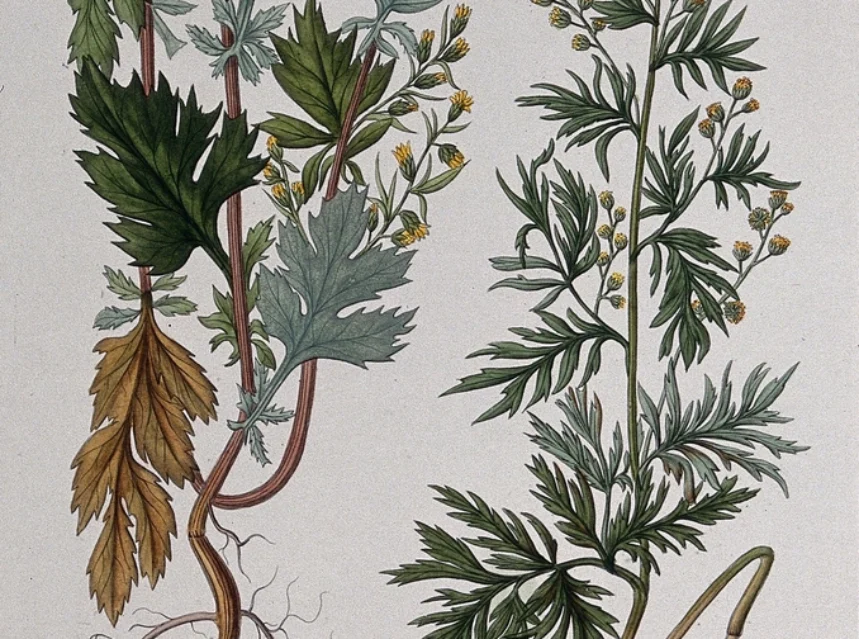
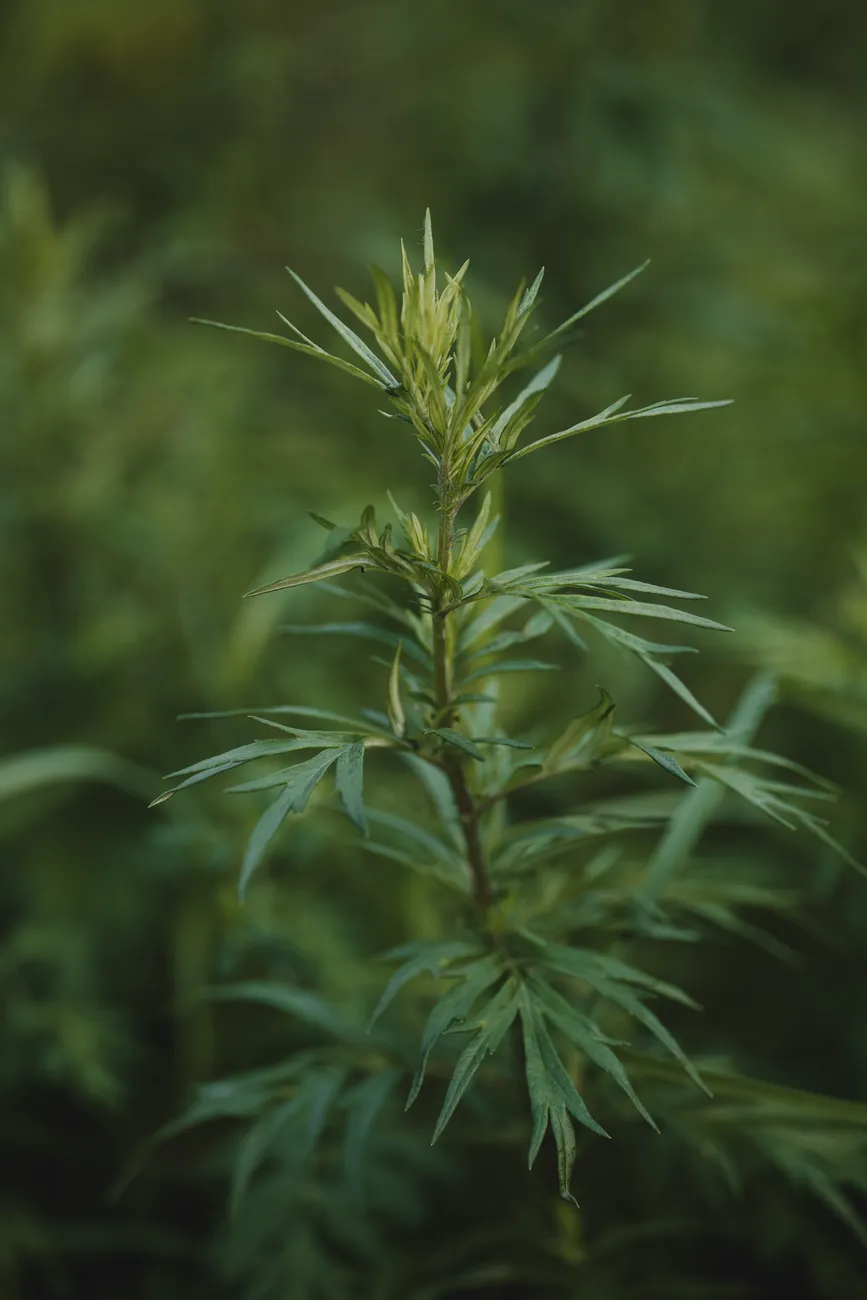
Mugwort (Artemisia vulgaris) is a tall, aromatic perennial herb grown for its silvery-backed leaves, steeped in folklore — long used in traditional medicine, cooking and even as a “dream herb.” With its vigorous growth, it is one of the easiest plants to grow, thriving on neglect in poor, dry soil. In fact, its main challenge is keeping it in check. Here is how to grow mugwort.
Quick start: Grow mugwort in full sun and ordinary, well-drained soil — it tolerates poor ground and drought with ease. Plant it where its spreading roots are welcome (or use a pot), cut it back to control it, and harvest the leaves in summer.
Mugwort is a tall, aromatic perennial steeped in folklore, its silvery-backed leaves long used in cooking and traditional remedies. Growers should know it is vigorous to the point of being weedy, spreading by roots and seeding freely, so it is best given a contained spot or grown in a pot. It is tough and drought-tolerant, thriving in full sun and poor soil. As with any potent traditional herb it is used with care, and it is best avoided during pregnancy; seek proper guidance for any medicinal use.
🧰 In a hurry? Jump straight to our tested picks for this guide ↓
Mugwort at a glance
| Feature | Detail |
|---|---|
| Botanical name | Artemisia vulgaris (family Asteraceae) |
| Plant type | Tall hardy aromatic perennial |
| Sun | Full sun |
| Soil | Ordinary, well-drained; tolerates poor |
| Water | Very low; drought-tolerant |
| Habit | Spreads by roots and seed — contain it |
| Harvest | Leaves and tops in summer |
| Note | Avoid in pregnancy; use cautiously |
Why grow mugwort?
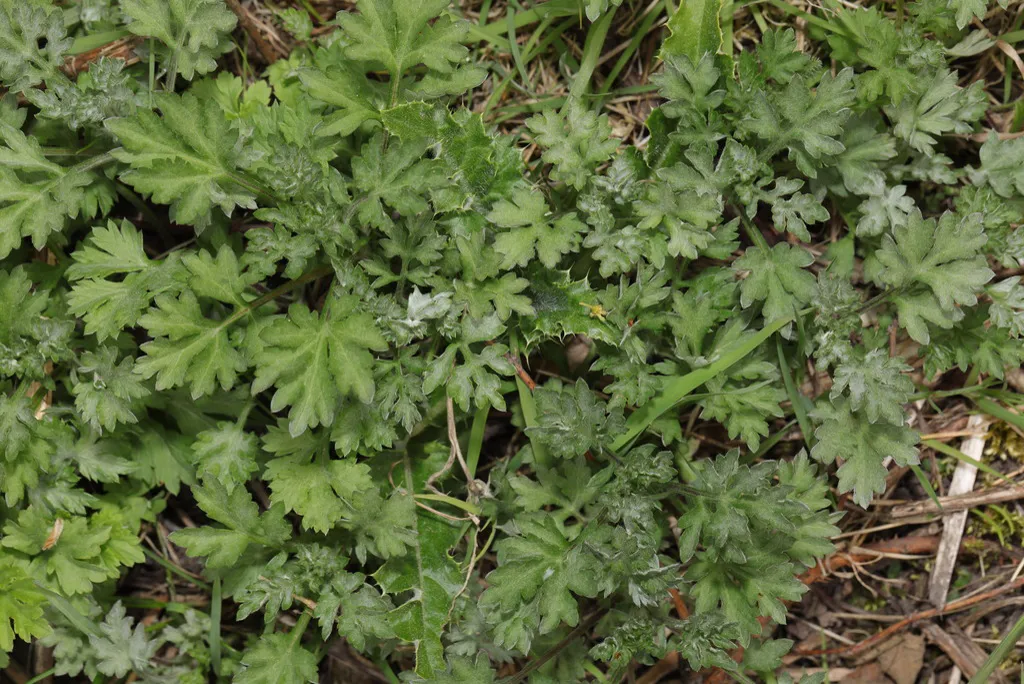
Mugwort is hardy, drought-tolerant and virtually foolproof. A few reasons to grow it:
- Thrives on neglect. It copes with poor, dry soil where little else bothers.
- Aromatic and historic. Its foliage has a long history in cooking and folk medicine.
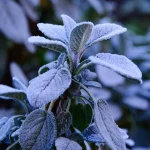
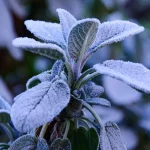
- Attractive. The silvery undersides of the leaves are appealing.
- A herb of folklore. It is a classic plant of ritual and the “dream herb” tradition.
History, origin & how mugwort spread
Mugwort is native to Europe, Asia and North Africa, where it has grown wild for millennia (see Encyclopaedia Britannica). It carries deep folklore, once worn for protection and used to flavour drinks before hops. It was called a herb of travellers and dreams.
The plant plays a central role in East Asian tradition too, especially in moxibustion. There, dried mugwort is burned near the skin in a healing practice. This long, varied heritage spans many cultures.
It has naturalised widely across North America and other temperate regions, often as a roadside weed, which shows how tough it is (see the Royal Horticultural Society). It thrives in full sun on poor, well-drained soil. It tolerates a very wide range of conditions, from dry banks to disturbed ground.
Mugwort vs wormwood
It is worth knowing the relatives. Mugwort (Artemisia vulgaris) is the herb covered here, used in cooking and folk medicine. Its close cousin wormwood (Artemisia absinthium) has silvery foliage and an intensely bitter taste, famous as the flavouring in absinthe and as a strong pest-repellent plant. Both are easy Artemisias, but mugwort is the milder, more culinary of the two.
Best season & when to plant
Plant mugwort in spring. It is a hardy perennial that dies back in winter and resprouts vigorously each spring, growing tall through summer. In hot regions like much of India, it adapts readily and tolerates heat and drought well. Given how easily it grows, the main planning decision is simply where to let it loose.
How to plant mugwort
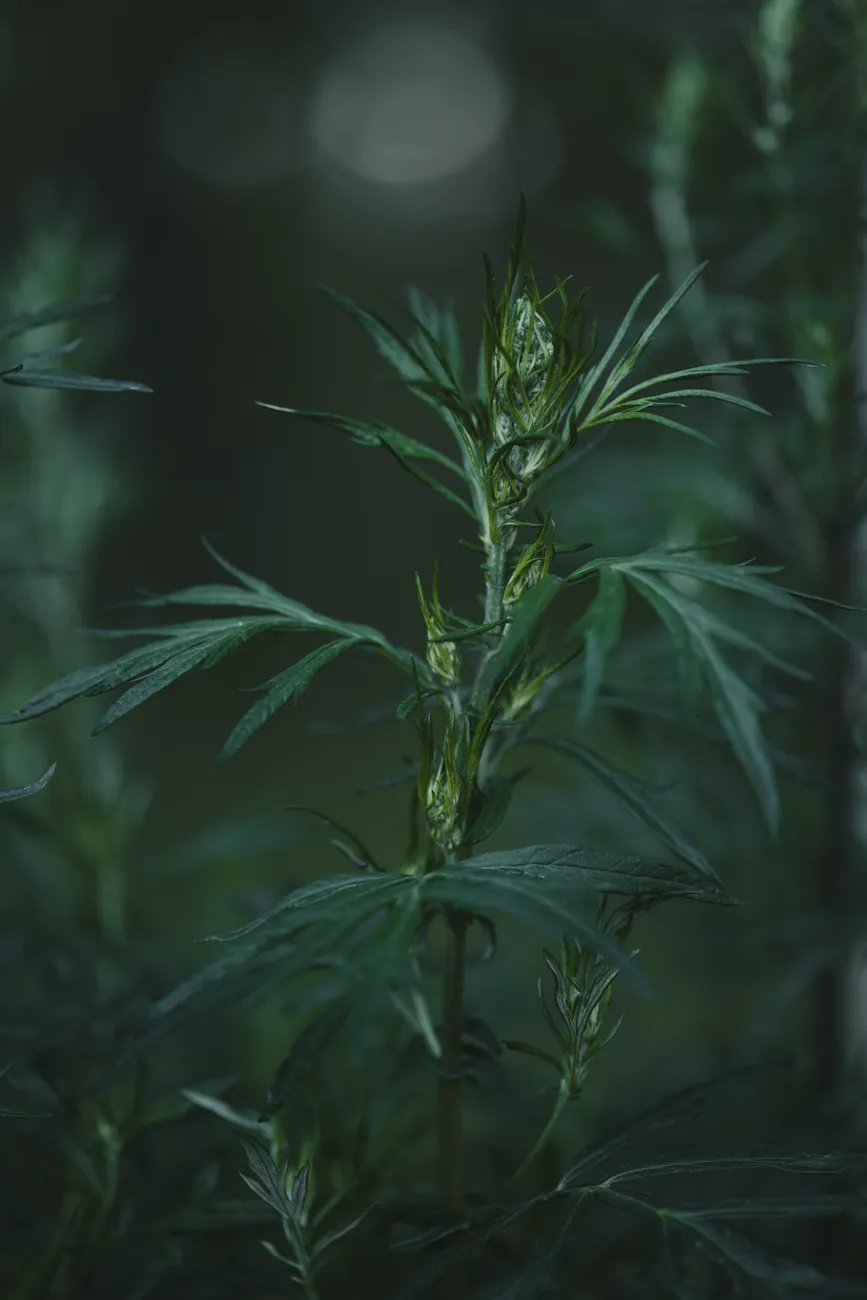
Mugwort grows from seed, division or cuttings, and it self-seeds and spreads by roots once settled.
- Sow seed on the surface (it needs light) or plant a division for a faster start (see seed-starting basics).
- Choose full sun and well-drained soil; it is not fussy about fertility.
- To contain it, grow it in a pot or a confined bed.
Sun, soil, watering & feeding
Mugwort likes full sun and ordinary, well-drained soil and is extremely drought-tolerant once established. Water young plants to settle them, then it largely fends for itself (see how often to water plants). It needs no feeding — rich soil only makes it grow even more rampantly. Lean, dry, sunny conditions keep it healthy and a little more restrained.
Keeping it under control
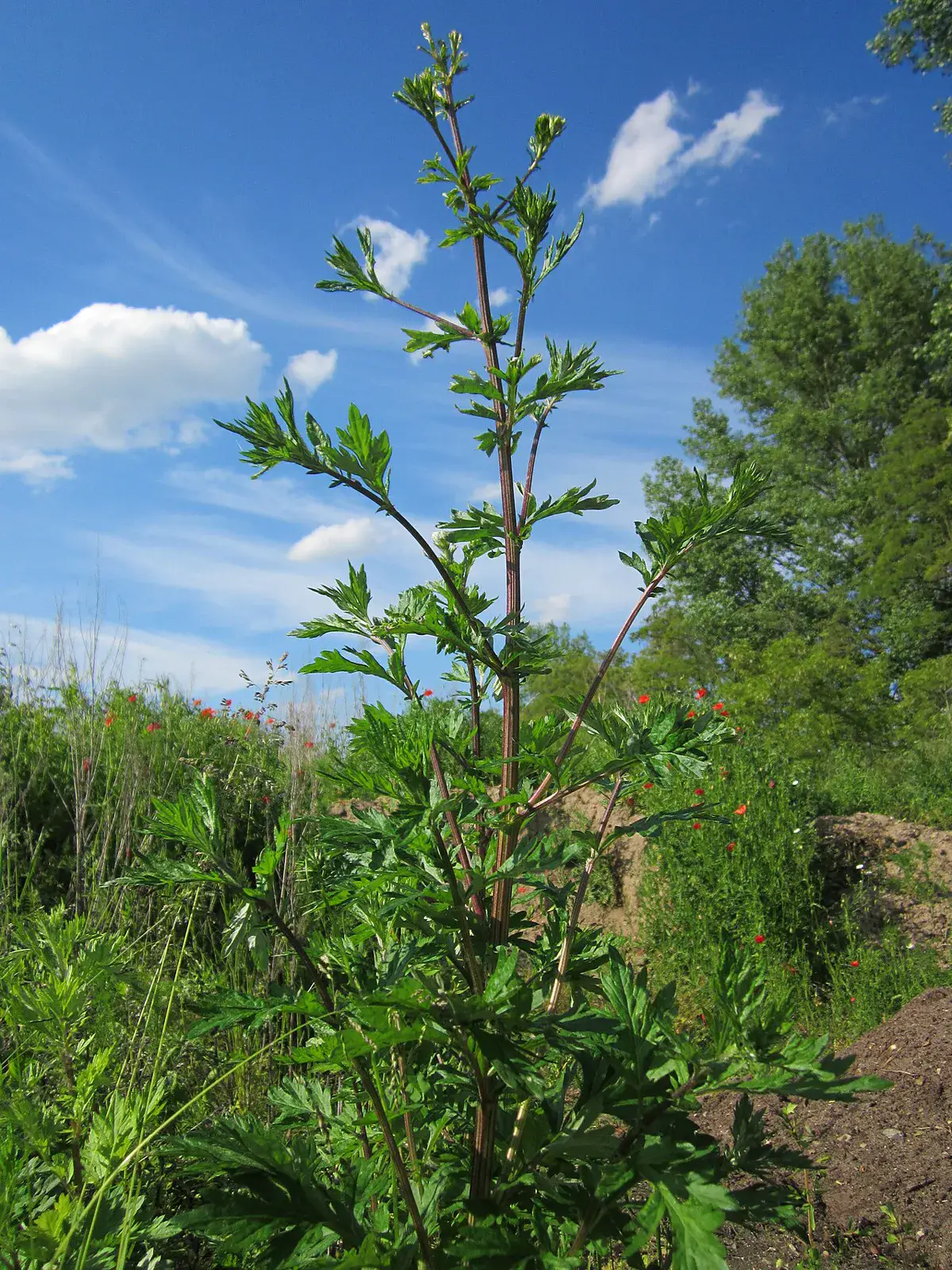
The real work with mugwort is containment. It spreads by both creeping roots and self-seeding, so it can become invasive. Cut it back before it flowers to prevent seeding, dig out wandering roots, and consider growing it in a pot or a root-restricted bed. In areas where it is a known invasive weed, check local guidance before planting it in open ground.
Growing mugwort in a pot
For most gardeners, a pot is the smartest way to grow mugwort. It contains the running roots and the self-seeding. So you enjoy the herb without it taking over.
Use a sturdy container with good drainage. Fill it with ordinary, free-draining soil, not a rich mix. Stand it in full sun.
Water it only while it settles in, then leave it be. Cut it back before it flowers to stop seed forming. Much like mint, this is a vigorous herb best kept in its own pot.
Common pests & diseases
Mugwort is exceptionally tough and rarely troubled by pests or disease — its bitter, aromatic foliage even helps deter some insects. Occasionally you may see aphids on soft new growth; see our aphid control and organic pest control guides. Its hardiness means problems are about excess vigour far more than any weakness.
Harvesting mugwort
Harvest the leaves and young flowering tops in summer, ideally just before or as the plant flowers, when the aroma is strongest. Snip the upper growth on a dry morning, then use it fresh or dry the stems in a warm, airy spot. Drying is the usual way to store mugwort for tea, cooking and traditional uses through the year.
Health benefits & uses
Mugwort has a long traditional use as a digestive bitter and “dream herb”, taken as a tea, and it plays a central role in moxibustion in traditional Asian medicine. In cooking, it is used in small amounts to flavour rich, fatty dishes and certain regional foods. Note: it is best avoided during pregnancy and used cautiously, as with any potent medicinal herb — seek guidance first.
This article is for general information only and is not medical advice. Talk to a qualified professional before using any plant medicinally.
Common mugwort problems
Spreads aggressively
It runs at the roots and self-seeds. Cut it back before flowering, dig out stray roots, or grow it in a pot.
Grows too tall and floppy
Usually rich soil. Grow it lean and dry in full sun, and cut it back to keep it manageable.
Hard to remove
Its creeping roots make it persistent. Plant it only where its spread is welcome, or contain the roots.
Related plant guides
- How to grow Catnip
- How to grow Epazote
- How to grow Feverfew
- How to grow St Johns Wort
- How to grow Hyssop
- How to grow Savory
Frequently asked questions
Is mugwort the same as wormwood?
No — they are close relatives. Mugwort (Artemisia vulgaris) is milder and more culinary; wormwood (A. absinthium) is intensely bitter and used in absinthe. Both are easy, tough Artemisias.
Is mugwort invasive?
It can be — it spreads by roots and seed and is a known weed in some regions. Contain it in a pot and check local guidance before planting.
What is mugwort used for?
Traditionally as a digestive tea and “dream herb,” in moxibustion, and as a flavouring for rich, fatty dishes. Avoid it in pregnancy and use it cautiously.
Does mugwort come back every year?
Yes — it is a very hardy perennial that dies back in winter and resprouts vigorously again each spring.
How do I contain mugwort in the garden?
Grow it in a pot or a root-restricted bed, and cut it back before it flowers. This stops both the creeping roots and the self-seeding.
How tall does mugwort grow?
It can reach four to six feet by late summer in good conditions. Lean, dry soil keeps it more compact. Cutting it back also controls the height.
Can I grow mugwort from seed?
Yes. Sow it on the surface, as it needs light to germinate. A division of an existing plant gives a faster start, though.
When do I harvest mugwort?
Pick the leaves and tops in summer, just before or as it flowers. That is when the aroma is at its strongest. Use it fresh, or dry it in a warm, airy spot for later.
Is mugwort safe to use?
In small amounts it has a long traditional use. It is best avoided in pregnancy, though. As with any potent herb, seek proper guidance before any regular use.
Does mugwort cause hay fever?
Yes, and this is the single biggest reason to think twice before planting a large patch. Mugwort is wind-pollinated and releases huge amounts of pollen from roughly late summer into autumn, making it one of the leading causes of late-season hay fever across Europe and parts of Asia. Its main allergen, Art v 1, also cross-reacts with celery, carrot, fennel, coriander and several other spices, a pattern allergy specialists call celery-mugwort-spice syndrome. If anyone in the household reacts to those foods, keep mugwort cut back before it flowers or grow something else. This is general information, not medical advice — speak to a doctor about any allergy.
How do I get rid of mugwort in my yard?
Patience beats brute force here. Mugwort regrows from rhizome fragments, so rotavating or shallow digging usually multiplies it rather than killing it, because every chopped piece can start a new plant. The reliable organic route is to cut it to the ground every few weeks through the growing season, which starves the roots, then smother the patch with thick cardboard and mulch for a full year. Dig out survivors by hand with as much root as you can lift, and never compost the rhizomes.
Is mugwort edible?
The young leaves and shoots are used as food in several cuisines. In Korea the spring shoots (ssuk) go into soups and rice cakes, and in Japan the same herb (yomogi) colours and flavours kusa mochi. The flavour is aromatic and bitter, so it is used as a seasoning in small quantities rather than eaten as a leafy green. Because mugwort is a potent herb that is traditionally avoided in pregnancy, treat it as a flavouring, not a vegetable, and get proper advice before using it regularly.
Is mugwort illegal to grow?
The plant itself is not banned in most places, but it is regulated in some. Several US states and counties list common mugwort as a noxious or invasive weed, which can restrict selling or deliberately planting it, so check your local weed list before you buy a plant. Separately, the thujone in Artemisia species is capped by food and drink regulations in the EU and US, which is where much of the confusion about it being “illegal” comes from. Growing a contained clump for your own kitchen or crafts is legal almost everywhere.
Does mugwort grow in India?
Yes. Artemisia vulgaris and its close relatives grow through the Himalayan belt and hill regions, from Himachal and Uttarakhand across to the Northeast, where it is a familiar roadside and field-margin plant with several regional names, commonly recorded as nagdona or dauna. It handles the cool hill climate easily and copes with the monsoon as long as it is not standing in water. In the hot plains it does better as a monsoon-to-winter plant in a pot with some afternoon shade, where you can also keep its running roots under control.
Still stuck? Ask the Plant Doctor
Describe the problem — yellow leaves, holes, no flowers — and get a clear answer in seconds. FreeAI can make mistakes. Answers are guidance, not a guarantee — check anything important against the guide it links to, and always read the label on any product before you use it.