How to Grow Shiso (Perilla): Aromatic Asian Herb Guide
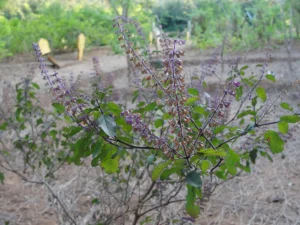
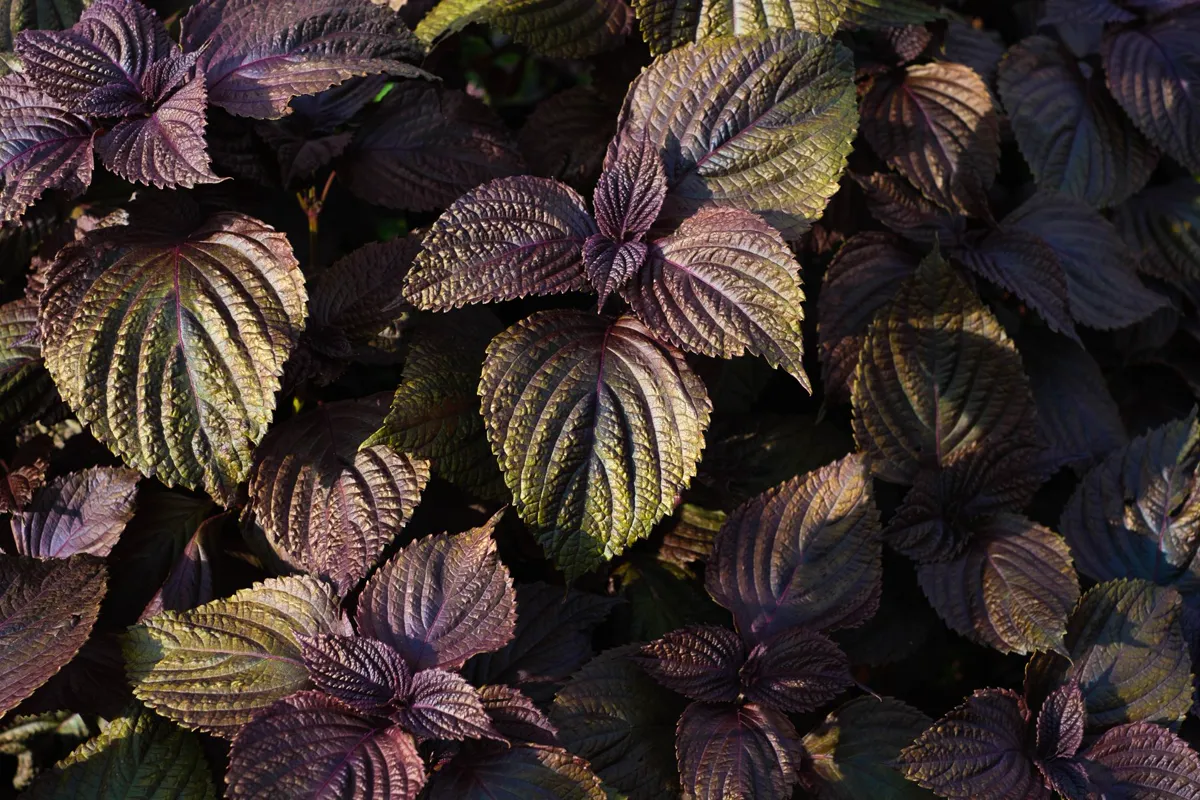
Shiso (Perilla frutescens) — also called perilla, beefsteak plant, and in India bhanjira — is a beautiful, aromatic herb in the mint family, grown for its frilly green or deep-purple leaves. Its complex flavour blends mint, basil, anise, and cumin, and it’s a star of Japanese, Korean, and Vietnamese cooking. Both ornamental and edible, it’s easy to grow, self-seeds happily, and adds a unique punch to the herb garden. Here is the complete guide on how to grow shiso (perilla).
Quick start: Grow shiso in full sun to part shade in fertile, well-draining soil. Sow seed on the surface (it needs light) after frost, keep the soil just moist, pinch the tips to keep it bushy, and harvest leaves from about two months. Pinch out flower spikes to prolong leaf production. An easy, aromatic, fast herb.
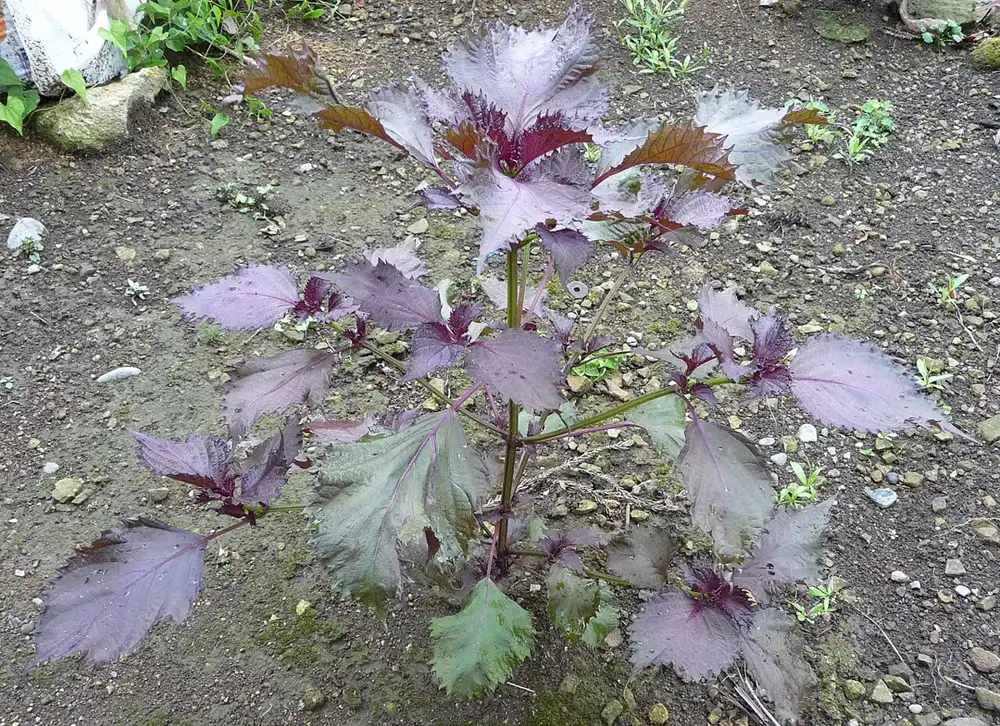
Shiso, also known as perilla, is an aromatic Asian herb whose red or green leaves bring a unique flavour to Japanese and Korean cooking. Growers find it wonderfully easy, thriving in warmth in sun or part shade, and self-seeding so freely that it often returns uninvited the following year. Pinching out the flower spikes keeps the leaves coming and stops it setting too much seed. It grows quickly from seed in warm weather and is as ornamental, with its ruffled purple foliage, as it is useful.
🧰 In a hurry? Jump straight to our tested picks for this guide ↓
Shiso at a glance
| Feature | Detail |
|---|---|
| Botanical name | Perilla frutescens (family Lamiaceae) |
| Common names | Shiso, perilla |
| Plant type | Warm-season annual herb |
| Sun | Full sun to part shade |
| Soil | Fertile, moist, well-drained |
| Height | 45–90 cm |
| Grown for | Aromatic red or green leaves |
Why grow shiso?
Shiso is aromatic, unusual, and dual-purpose — culinary and ornamental. Its one-of-a-kind flavour is hard to buy fresh, the purple forms are genuinely decorative, and it’s fast, easy, and self-seeding, returning year after year. It suits beds, pots, and part shade. For a distinctive Asian herb that brings something new to your cooking and beauty to the garden, shiso is a brilliant, low-effort addition worldwide.
Where shiso grows best
Shiso is native to East and Southeast Asia and central to the cuisines of Japan, Korea, China, and Vietnam, while increasingly grown across the US, UK, and Europe, and in parts of the Indian Himalayas (as bhanjira). It’s a warm-season annual herb that loves warmth and is frost-tender, so it thrives in warm summers everywhere and in India’s warm and monsoon months, grown in the frost-free season.
Best season & when to plant
Shiso is a warm-season herb. Sow after the last frost, once the soil is warm, or start indoors 4–6 weeks earlier; in India, sow in spring and through the monsoon. It germinates best with light and warmth. The leaves are ready to harvest about two months after planting, and the plant crops for several months, often self-seeding for next year.
How to plant and grow shiso
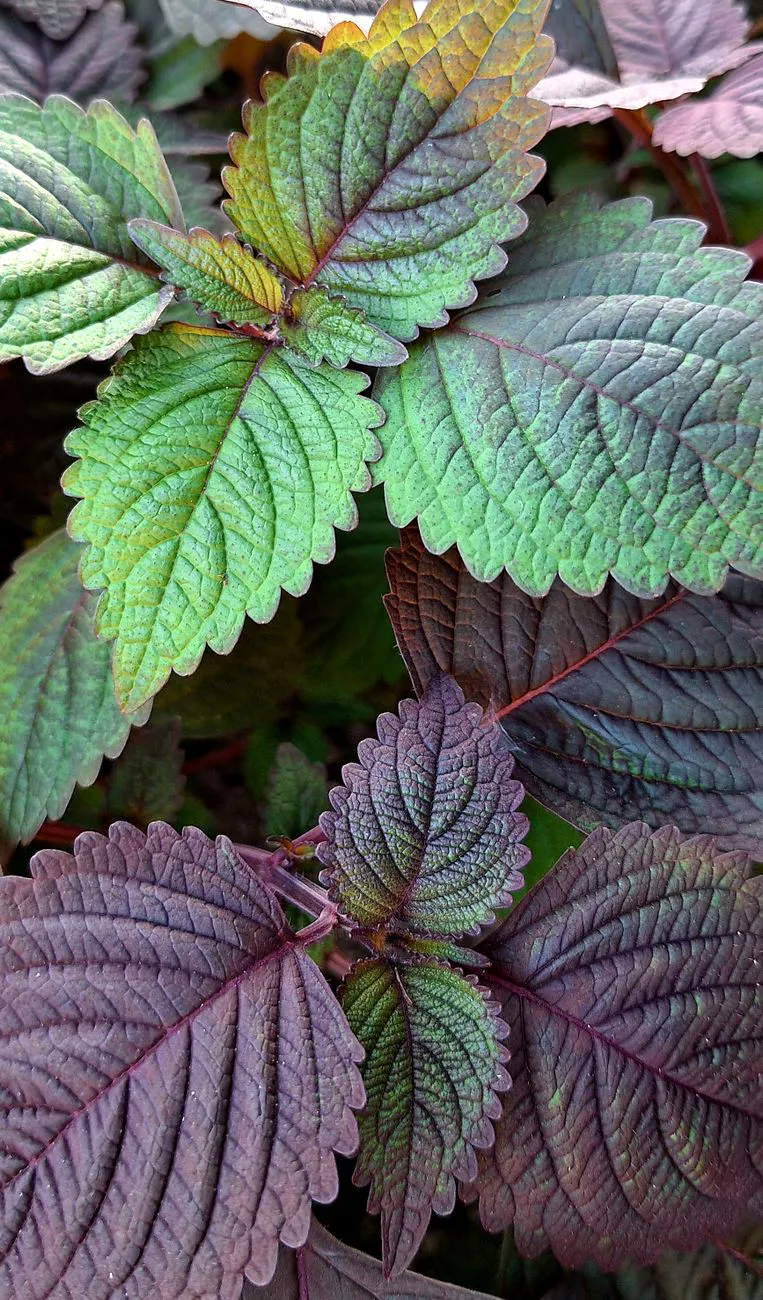
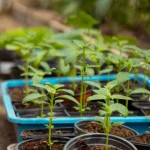
- Surface-sow the seed (light is needed for germination) — soaking it overnight speeds things up; seedlings appear in 1–3 weeks.
- Choose full sun to part shade (at least 2 hours of direct sun) in medium-to-rich, well-draining, sandy soil (see improving garden soil); it also grows well in pots and indoors (see herbs indoors).
- Pinch the growing tips regularly to keep the plant bushy and leafy.
Sun, soil, watering & feeding
Shiso likes warmth and soil kept just moist — established plants tolerate slight dryness but thrive with steady, even moisture (see how often to water). Side-dress with compost tea or a dilute liquid feed every 3–4 weeks in the growing season for lush leaves. The key task is to pinch out the tips and remove flower spikes as they form — this keeps it bushy and stops it bolting, prolonging the leaf harvest.
Common pests & diseases
Shiso is fairly robust and its aromatic, slightly bitter leaves deter many pests. Watch for aphids, slugs, and the occasional caterpillar (see aphid control), plus leaf spot or rust in damp, crowded conditions. Good spacing, airflow, and the methods in our organic pest control guide keep it healthy. As a mint relative, it’s generally an easy, trouble-free herb.
Harvesting
Begin harvesting about two months after planting, snipping individual leaves or cutting stems just above a pair of leaves with clean scissors — regular picking keeps the plant productive and bushy. Take the young, tender leaves for the best flavour. Keep removing flower spikes to extend the harvest, or let a few flower at the end of the season so it self-seeds. Use the leaves fresh, as they wilt within a couple of days.
Health benefits & uses
Shiso carries vitamins A, C and K, calcium, iron and antioxidants, with traditional anti-inflammatory uses. FoodData Central has no row for Perilla frutescens, and since shiso is eaten a leaf or two at a time, per-100 g figures would overstate what you actually get. The leaves are used fresh in Japanese sushi, sashimi, and tempura, as Korean wraps (kkaennip) and kimchi, in Vietnamese salads and herb plates, and chopped into rice, salads, and dressings. Green shiso is milder; purple shiso colours and flavours pickles (like umeboshi). The seeds and sprouts are eaten too. A versatile, healthful, flavour-packed herb celebrated across Asian cuisines.
This article is for general information only and is not medical advice. Talk to a qualified professional before using any plant medicinally.
Common shiso problems
Bolting (flowering early)
Heat or stress, or flower spikes left on. Pinch out flowers and keep it watered to prolong leaf production.
Leggy, sparse growth
Not pinched, or too little light. Pinch the tips regularly and give good light.
Poor germination
Seed buried or sown cold. Surface-sow (it needs light) once the soil is warm.
History, origin & how shiso spread
Shiso, also known as perilla, is native to the mountainous regions of East and South Asia, including China, Japan, Korea and parts of India (see Encyclopaedia Britannica). It has been grown and eaten across the region for centuries, with red and green forms used in different cuisines.
It spread through Asian cooking around the world and has naturalised in some warm regions (see the RHS). A member of the mint family, it is a warm-season annual that loves heat, growing quickly and self-seeding freely once established, which makes it easy and dependable in any sunny garden.
Sun, soil & growing
Shiso likes warmth and grows well in full sun or light shade in fertile, moisture-retentive but well-drained soil (see how often to water plants). It is easy from seed sown once the weather warms, and it grows fast into a bushy, leafy plant. Pinching out the growing tips keeps it compact and productive, while removing the flower spikes prolongs the supply of tender leaves and stops it seeding too freely.
Harvesting and using shiso
The aromatic leaves are picked as needed throughout the warm season, used fresh in Japanese and Korean dishes, with sushi and sashimi, in salads, pickles and wraps (see improving garden soil for lush leaves). The green type has a bright, minty-citrus flavour, while the red-purple form is earthier and also makes a striking garnish and a vivid natural colouring. Both are as ornamental as they are useful.
Why grow shiso
Shiso is a wonderful dual-purpose plant, offering a unique, aromatic flavour that is hard to buy fresh and a handsome, often deep-purple foliage plant that earns its place in an ornamental border as much as a herb bed. It is easy and fast from seed, thrives in summer heat, and self-seeds to return year after year with no effort. For cooks who love Japanese and Korean food, and gardeners who enjoy a striking, fragrant, low-care herb, shiso is a rewarding and characterful choice, giving both a unique culinary flavour and a handsome, often deep-purple foliage plant that earns its place on looks alone.
Related plant guides
- How to grow Salad Burnet
- How to grow Vietnamese Coriander
- How to grow Malabar Spinach
- How to grow Amaranth Greens
- How to grow Shungiku
- Moringa
Frequently asked questions
What does shiso taste like?
A complex blend of mint, basil, anise, and cumin — unlike any single herb, which is why it’s so prized in Asian cooking.
Is shiso the same as perilla?
Yes — shiso is the Japanese name for perilla (Perilla frutescens); green and purple types are both grown.
Does shiso come back every year?
It’s a frost-tender annual, but it self-seeds readily, so it often reappears year after year on its own.
Can I grow shiso in India?
Yes — as a warm-season herb in the frost-free months and monsoon; it’s grown in the Himalayas as bhanjira.
Does shiso spread like mint, and is it invasive?
It does spread, but by seed rather than by the running roots that make mint such a nuisance. A single plant left to flower can scatter hundreds of seeds, and the seedlings come up thickly the following spring wherever the soil is bare. In parts of the United States this habit has taken perilla well beyond gardens and it is treated as a pest weed of pastures and woodland edges. The fix is simple and it works: cut the flower spikes off before the seed sets, or grow shiso in a container.
Is shiso poisonous to animals?
Yes, to grazing livestock, and this is the part most cooking articles leave out. Perilla contains perilla ketone, which is toxic to cattle and horses and causes an acute lung condition stockmen call panting disease or perilla mint poisoning. Risk is highest in late summer when the plant is flowering and seeding, and dried plants in hay remain dangerous. For a kitchen garden this is not a reason to avoid shiso, but do not plant it where livestock graze and never throw the trimmings over a paddock fence.
Why won't my shiso seeds germinate?
Shiso is genuinely fussy at the seed stage and poor germination is normal, not a sign you did something wrong. The seed needs light, so it must be pressed onto the surface and only barely covered rather than buried. It also has a dormancy that a period of cold breaks, which is why self-sown seedlings appear so freely after a winter outdoors but a packet sown warm indoors sits and does nothing. Chilling the seed in damp kitchen paper in the fridge for a couple of weeks first, then soaking it overnight, lifts the strike rate considerably. Seed also loses viability fast, so use fresh packets.
Does shiso need full sun or shade?
Full sun gives the strongest flavour and the deepest colour in the red and purple forms, but shiso is one of the more shade-tolerant culinary herbs. Four to six hours of direct light is enough for a usable crop, and in hot climates some afternoon shade actually keeps the leaves broader, softer and less prone to scorching. Deep shade produces thin, pale, sprawling growth with little aroma. In Indian summers a bright spot with midday protection tends to beat an all-day exposed position.
Can you grow shiso indoors?
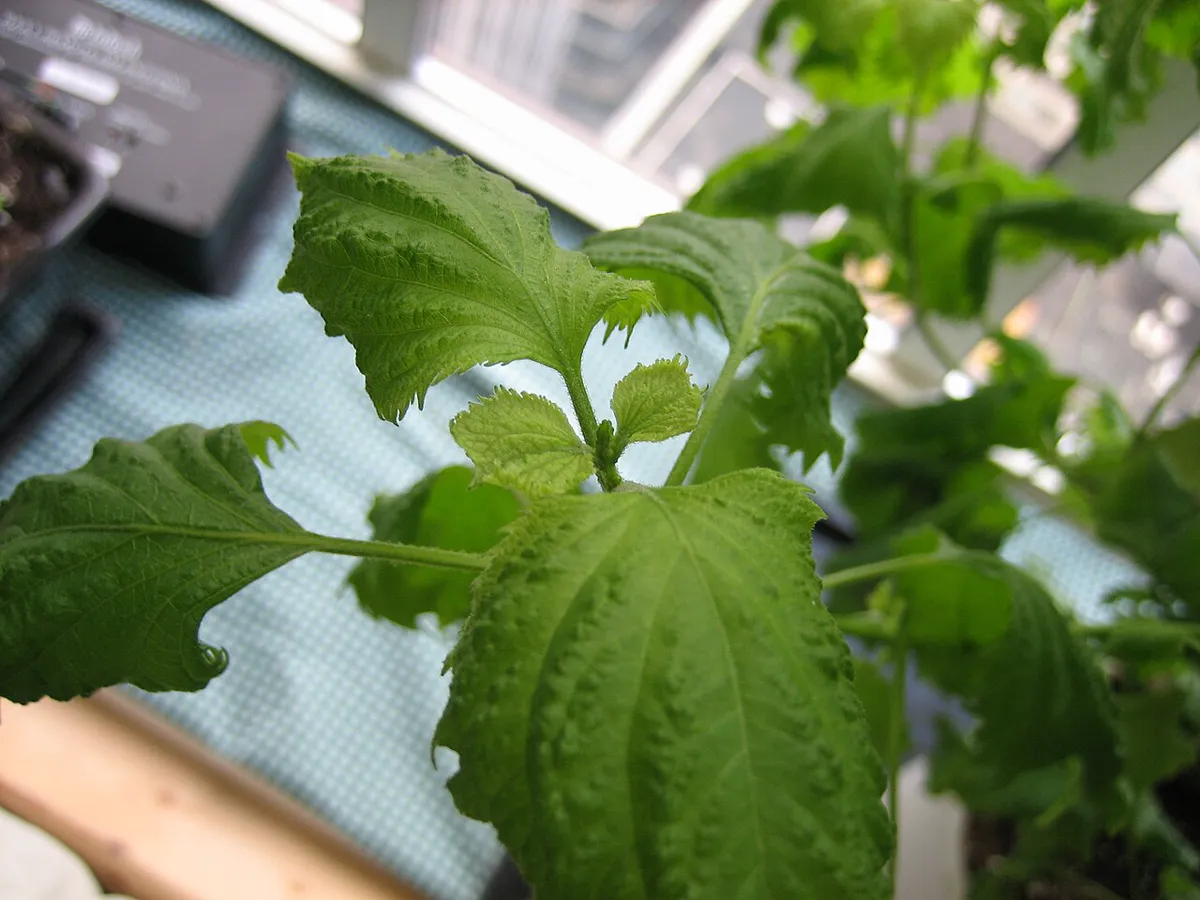
Yes, and it is one of the easier Asian herbs on a windowsill because it does not demand a huge root run. Give it the brightest window you have, ideally south-facing, or supplement with a grow light for twelve to fourteen hours, since weak light is the usual reason indoor shiso goes leggy. Use a pot around 20 to 25 cm across with free-draining compost, keep it evenly moist, and pinch the growing tips regularly to force branching. Indoor plants are also spared the flea beetles and slugs that shred outdoor leaves.
Should I let shiso flower?
Not if you are growing it for leaves. Once flower spikes form, the plant redirects its energy into seed, the leaves turn smaller and coarser, and the flavour drops away. Pinch out the spikes as soon as you see them and the plant carries on producing usable foliage for several more weeks. That said, the flower spikes themselves, called hojiso, are a real Japanese garnish, so it is worth letting one plant at the end of a row run to flower for the kitchen and for saving seed.
What is the difference between green and red shiso?
They are colour forms of the same species and are used quite differently in the kitchen. Green shiso, aojiso, has the milder, brighter, more herbal flavour and is the one served fresh with sashimi, tempura and rice dishes. Red or purple shiso, akajiso, is stronger and more astringent, and its anthocyanin pigment is what dyes umeboshi plums and shiso drinks their vivid colour. In the garden they grow identically, though red forms hold their colour best in full sun and drift towards muddy bronze in shade.
How do you harvest shiso so it keeps producing?
Pick from the top, not the bottom. Snip the growing tip above a pair of leaves once the plant is around 20 cm tall, and it responds by pushing two side shoots, so repeated tip-picking turns a single stem into a bushy plant. Take the larger lower leaves as you need them, but leave enough foliage to keep the plant fuelled. Harvest in the morning while the leaves are firm, and use them quickly, as shiso wilts far faster than basil once cut.
Still stuck? Ask the Plant Doctor
Describe the problem — yellow leaves, holes, no flowers — and get a clear answer in seconds. FreeAI can make mistakes. Answers are guidance, not a guarantee — check anything important against the guide it links to, and always read the label on any product before you use it.