How to Grow Amaranth Greens (Chaulai)
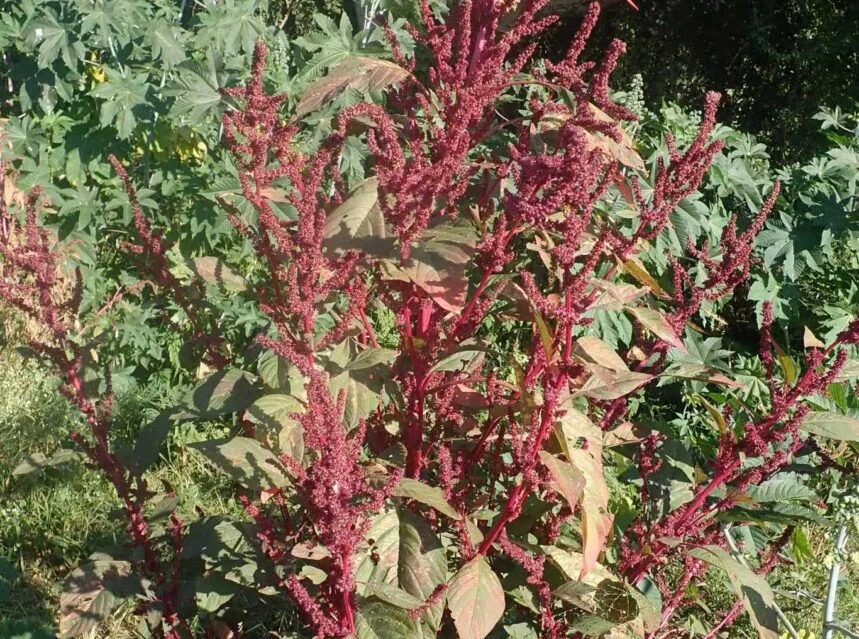
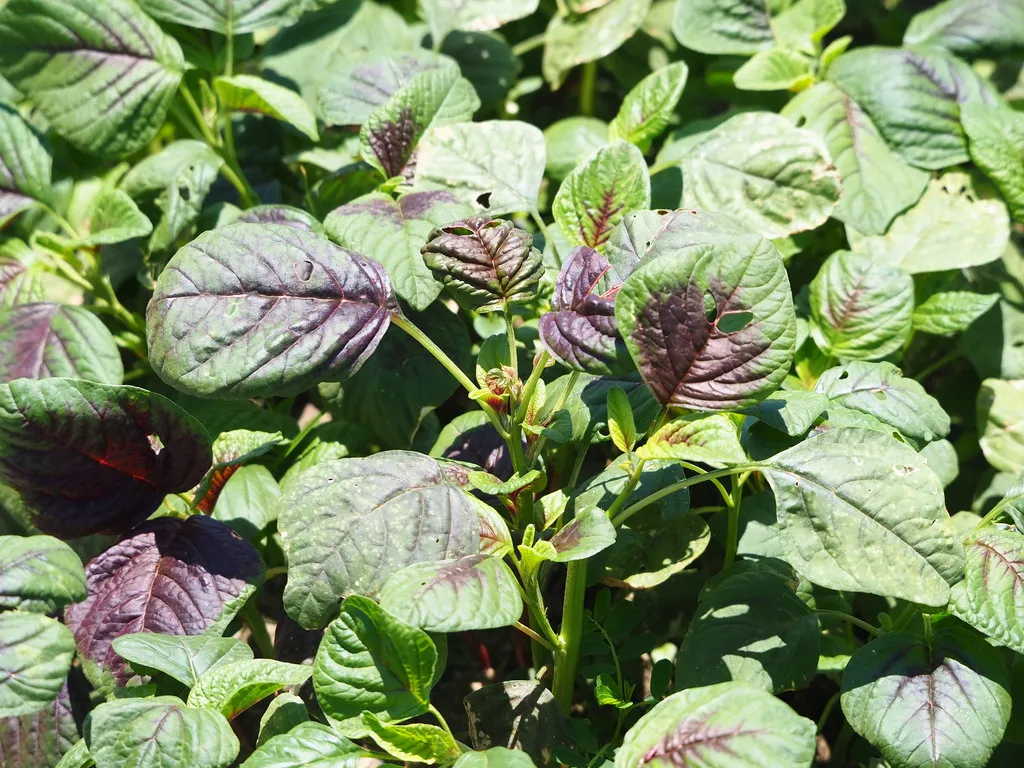
Amaranth greens (Amaranthus species), known in India as chaulai or laal saag and globally as callaloo, bayam or Chinese spinach, are a fast warm-season leafy vegetable grown for their tender, nutritious leaves — one of the easiest greens you can grow. In green or vibrant red-purple forms, the leaves cook down like spinach but stand up to heat far better, cropping all summer. Some types also yield amaranth grain. Here is the complete guide on how to grow amaranth greens.
Quick start: Grow amaranth in full sun (6–8 hours) in fertile, well-drained soil (pH 6.0–7.0). Sow the tiny seeds thinly on the surface after the soil warms, as it is frost-tender. Keep evenly moist, feed lightly with nitrogen, and harvest leaves from 5–6 weeks. Cut-and-come-again, or cut the whole plant for a second flush.
Amaranth is a hot-weather hero. Just as spinach gives up and bolts in the heat, this green thrives and keeps producing tender leaves all summer. It is astonishingly quick from seed, often giving greens in barely a month, and the red varieties are as ornamental as they are productive. Picking the outer leaves regularly keeps the plants coming back for more.
🧰 In a hurry? Jump straight to our tested picks for this guide ↓
Amaranth greens at a glance
| Feature | Detail |
|---|---|
| Botanical name | Amaranthus species (family Amaranthaceae) |
| Common names | Chaulai, laal saag, callaloo, bayam |
| Plant type | Fast warm-season leafy green |
| Sun | Full sun (6–8 hours) |
| Soil | Fertile, well-drained, pH 6.0–7.0 |
| Leaves ready | ~5–6 weeks |
| Habit | Cut-and-come-again; frost-tender |
| Bonus | Some types give amaranth grain |
Why grow amaranth greens?
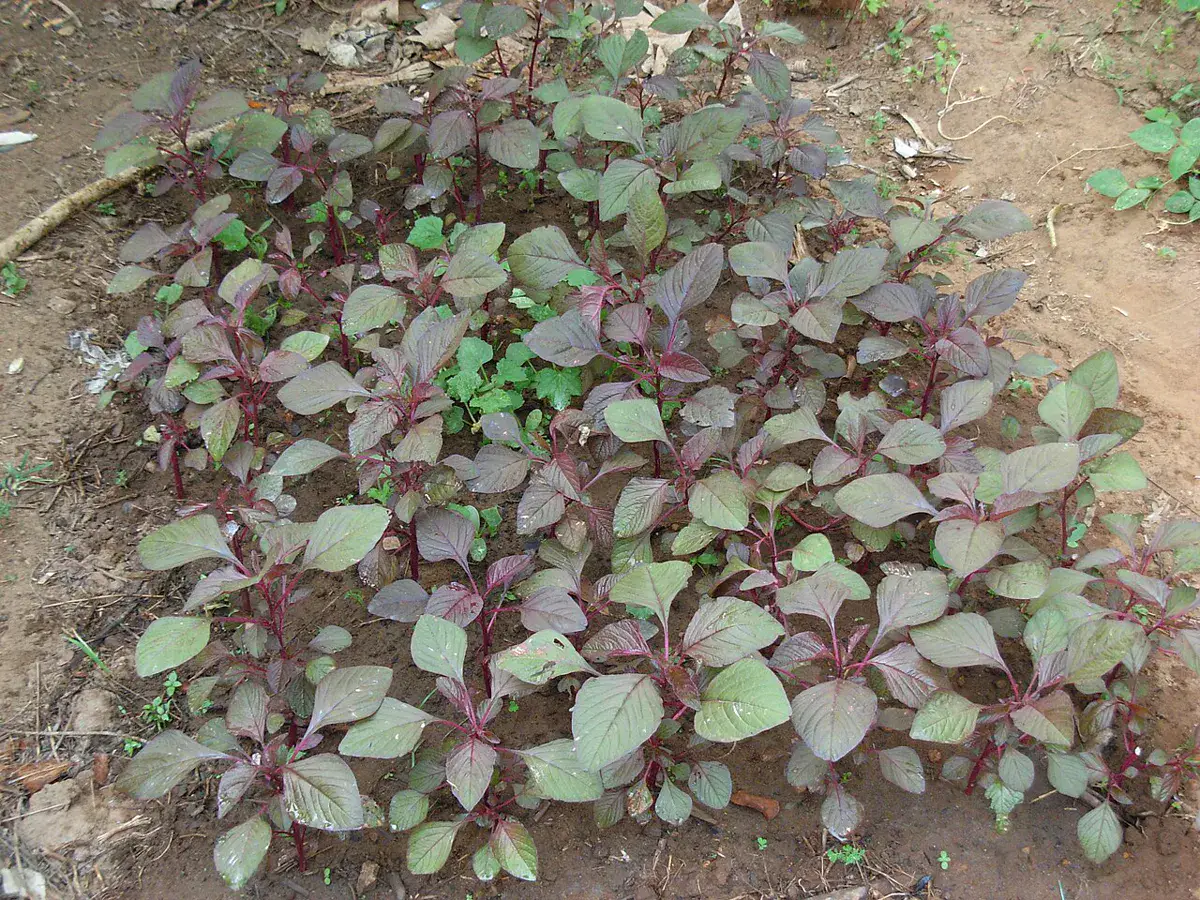
Amaranth is fast, easy, heat-loving and incredibly nutritious. A few reasons to learn how to grow amaranth greens:
- A summer star. It thrives in heat, exactly when spinach and other greens bolt.
- Cut-and-come-again. Snip the outer leaves for repeat harvests.
- Beautiful and versatile. Green and red forms both suit beds and containers.
- Two crops in one. Some types also give protein-rich amaranth grain.
History, origin & amaranth around the world
Amaranth is one of the oldest cultivated plants, with grain types domesticated in Central and South America thousands of years ago (see Encyclopaedia Britannica). It was a staple of the Aztecs, who used both the grain and the greens.
Leafy amaranth also has deep roots across Asia and Africa. It spread widely because it grows fast and copes with heat. Each region gave it its own name and dishes.
Today amaranth is grown across the world’s warm regions, including India, Africa, the Caribbean and Southeast Asia. Nobody can say how much of it there is: the FAO’s world crop statistics have no amaranth line, and leaf amaranth disappears into a general “other fresh vegetables” total, so no official tonnage exists for it. It is a warm-season crop that loves heat and full sun, and it is frost-tender. So it thrives in tropical and subtropical climates, and in warm summers everywhere, grown in the frost-free months.
Best season & when to plant
Amaranth is a warm-season green. Sow after the last frost, once the soil has warmed, as it germinates best around 18–27°C. In India, it grows through spring, summer and the monsoon. It is very quick. Leaves are ready to harvest in about 5–6 weeks, and successive sowings give greens all season.
How to grow amaranth greens step by step
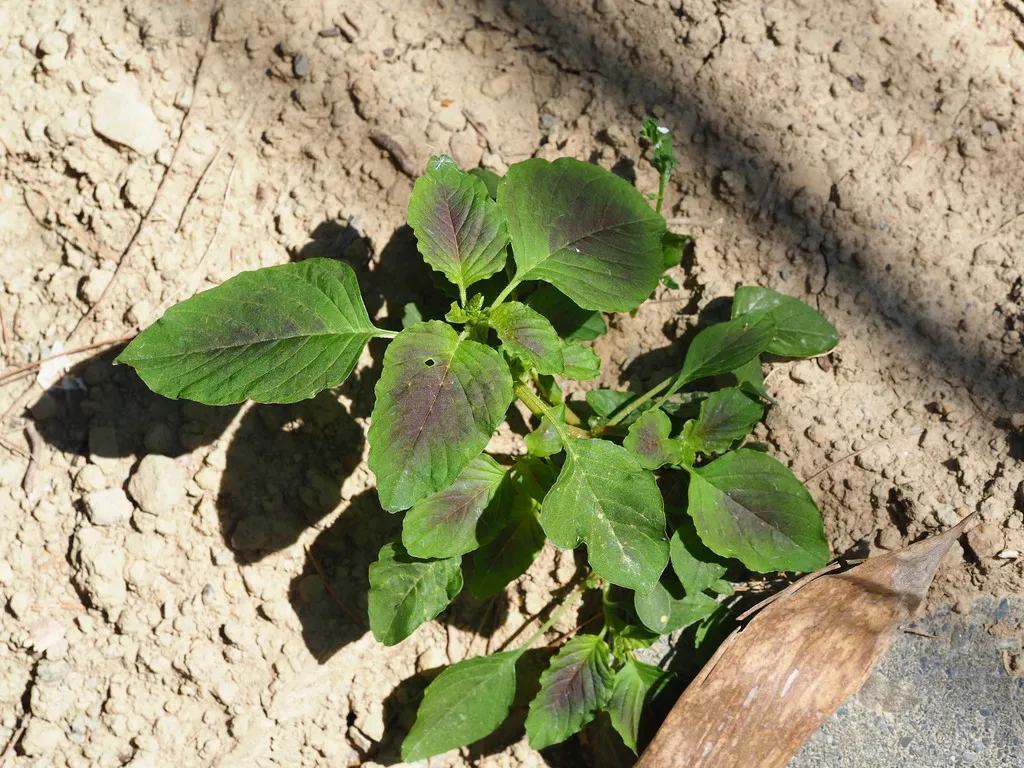
- The seeds are tiny, so surface-sow thinly (mixing with sand helps spread them) and rake in lightly, in a finely prepared bed.
- Choose full sun (6–8 hours) in fertile, well-drained, organic-rich soil (pH 6.0–7.0) (see improving garden soil); it is great in containers and grow bags too.
- Thin seedlings to about 8–10 inches apart for leaf production.
Two things separate a good stand from a bare bed. First, soil temperature: amaranth germinates when the soil is around 15°C and grows fast at 25–35°C, so an eager early sowing sits and sulks while a sowing two weeks later overtakes it. In a cool-summer climate that means waiting until midsummer, or starting under cover. Second, patience with the seedlings: they usually appear in 7–10 days, then barely move for their first month. That slow month is normal, not failure.
A trick borrowed from commercial growers: the seed is dust-fine, so mix it with about ten times its volume of dry sand before scattering. Tamil Nadu Agricultural University’s package of practices for amaranthus recommends exactly this for field sowing, and it works just as well across a raised bed — the sand spreads the seed evenly and shows you where you have already sown.
Sow in rows, even if you prefer a broadcast look. Redroot pigweed is a wild amaranth relative and its seedlings are near-identical to a crop amaranth seedling. In rows, anything growing between the rows is a weed and the decision is easy; broadcast, you end up weeding by guesswork.
Sun, soil, watering & feeding
Amaranth needs full sun and warmth. Keep the soil consistently moist, watering at the base to keep the leaves dry and avoid leaf disease (see how often to water plants). Feed with a nitrogen-rich liquid feed for lush leaves, but go easy, as too much nitrogen makes plants leggy. It is an easy, vigorous grower in the heat.
Green vs red amaranth
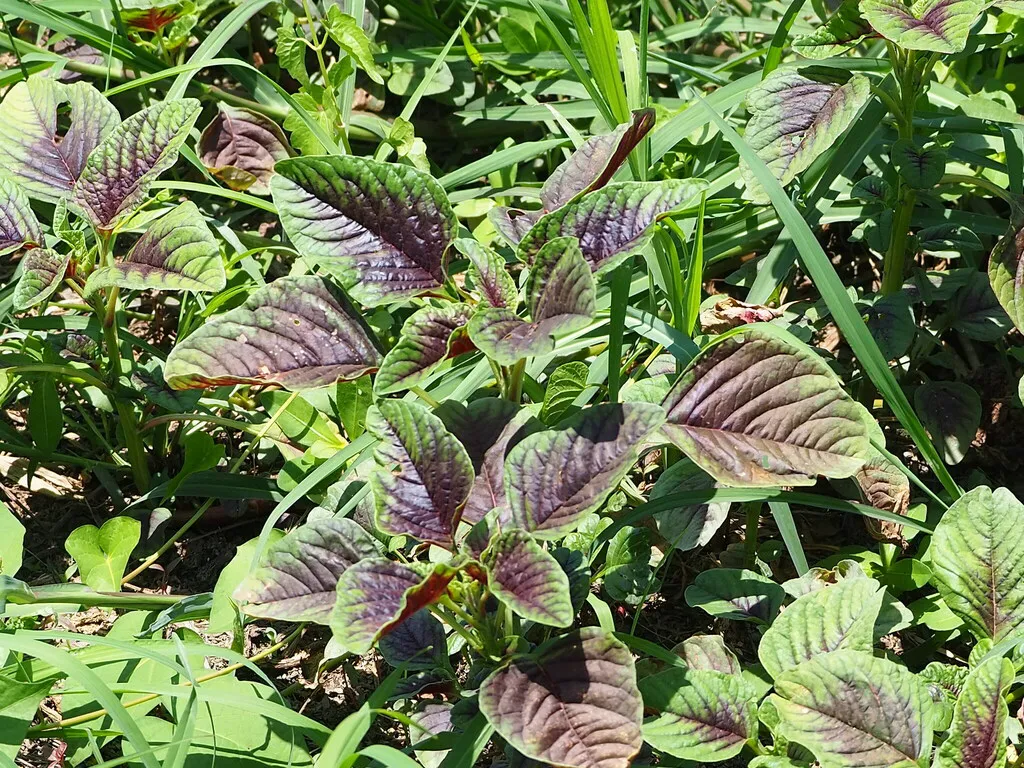
Amaranth greens come in two main colours. Both grow the same way and cook alike. The choice is about look and a touch of flavour.
Green amaranth is the everyday type. Its leaves are mild and tender. It is the classic choice for saag and stir-fries.
Red or purple amaranth (laal saag) is just as edible. Its colourful leaves bleed a lovely pink into the dish. It is as ornamental as it is productive, so it earns a place for looks alone.
Growing amaranth in containers
Amaranth is an excellent container crop. Its fast growth suits a pot or grow bag. A balcony in full sun can produce plenty of greens.
Use a wide container of fertile, free-draining compost. Surface-sow the tiny seed thinly and keep it moist. Thin the seedlings to give them a little room.
Keep the pot well watered in summer heat. Snip the outer leaves as they reach size. A couple of pots on rotation give a steady supply of fresh saag.
Cooking with amaranth greens
Amaranth greens are wonderfully versatile in the kitchen. They cook down just like spinach. The flavour is mild, earthy and slightly nutty.
In India they are the heart of chaulai saag and bhaji. The leaves are simply sauteed with garlic and spices. Red amaranth lends a lovely pink colour to the dish.
Around the world they star in many dishes. Think Caribbean callaloo and Asian stir-fries. They also enrich soups, dals and curries.
The youngest leaves are tender enough to eat raw. Toss a few into a mixed salad. Older leaves are best cooked, as they firm up with age.
Common pests & diseases
Amaranth is fairly robust. Watch for aphids, leaf miners, flea beetles and caterpillars (see aphid control), plus occasional leaf spot or damping-off in wet, crowded conditions. Good spacing, base watering, airflow, and the methods in our organic pest control guide keep it healthy. It is one of the easier greens to grow.
Harvesting amaranth greens
Start harvesting once the leaves are big enough, around 5–6 weeks after sowing. For repeat crops, cut the outer leaves and leave the inner ones to grow. Or cut the whole young plant a few inches above the ground, and it often re-sprouts for a second or third flush. Pick young, tender leaves for the best flavour and texture, as older leaves get tougher.
That regrowth is the whole point of learning how to grow amaranth greens rather than buying them: one sowing keeps cutting for weeks, and each cut comes back tenderer than a shop bunch that has already travelled.
How to keep the cutting going for months
Amaranth is one of the few greens that genuinely pays back repeat cutting, but only if you cut it the right way and stop it flowering.
- First cut at 15–20 cm (6–8 in) tall, usually 30–45 days after sowing. Cut the top 10–15 cm, or take the whole plant down to about 15 cm above the ground — it re-sprouts from the crown.
- Then cut little and often. Commercial clipping types in India are harvested at weekly intervals for up to ten cuts; a garden row will not match that, but it tells you the plant can take far more cutting than most gardeners give it.
- Pinch out flowerheads the moment they form. Once the plant switches to seed, leaf production stops and the leaves toughen. Removing the heads buys you weeks.
- Re-sow every 2–4 weeks through the warm season instead of relying on one row forever.
For scale: IARI’s ‘Pusa Kiran’ gives its first cutting 21–25 days after sowing and keeps producing for 70–75 days, and Indian leaf-amaranth varieties are rated in tonnes per hectare rather than handfuls. That is the plant you are working with — treat it as a machine for leaves, not as a one-harvest crop.
Storing what you cut. Amaranth leaves wilt within hours. Keep them in the fridge wrapped in a damp cloth and use them in two to three days, or blanch for a minute and freeze for up to six months.
Health benefits & uses
Amaranth greens earn their reputation, but not for the nutrient the internet keeps naming. Pulled straight from USDA’s raw amaranth-leaf record, per 100 g: vitamin K 1,140 µg — 950% DV, which dwarfs everything else in the row and is the real headline. Then vitamin C 43.3 mg (48% DV), manganese 0.89 mg (38% DV), folate 85 µg (21% DV), calcium 215 mg (17% DV), vitamin A 146 µg RAE (16% DV), potassium 611 mg (13% DV) and iron 2.3 mg (13% DV), all on just 23 kcal. Two practical readings follow. Iron is respectable but not remarkable, so treat these as a calcium-and-vitamin green rather than an iron supplement. And that vitamin K figure genuinely matters: anyone taking warfarin is asked to keep leafy-green intake steady rather than variable, so mention a new daily habit of saag to your doctor. These are raw-leaf figures; boiling and draining, as most recipes do, will cut the vitamin C and folate substantially while leaving the minerals largely in place.
In the kitchen they are cooked like spinach: Indian saag and bhaji, Caribbean callaloo, and African and Southeast Asian stir-fries and soups, as well as dals and curries. Young leaves can be eaten raw in salads, though most traditional recipes boil or wilt them first. The grain types also give nutritious, gluten-free amaranth seed.
Why traditional recipes boil the leaves and throw the water away. Amaranth belongs to the group of leafy greens that carry oxalates, the same compounds that make spinach taste chalky and that people prone to kidney stones are told to moderate. Cooking method changes how much stays on the plate. In a study of fat hen — a close relative eaten the same way — boiling cut total oxalate by about 39% and the soluble fraction by about 43%, because it leaches into the water, while frying removed only about 21% (study via the US National Library of Medicine).
So the traditional saag method — boil, drain, then temper — is not just habit; discarding that water is the step that does the work. Eating a few young leaves raw in a salad is a normal practice, but the bulk of a harvest is better cooked.
This article is for general information only and is not medical advice. Talk to a qualified professional before using any plant medicinally.
Common amaranth problems
Leggy plants
Too much nitrogen or shade. Feed lightly and grow in full sun.
Tough leaves
Harvested old. Pick young, tender leaves and harvest regularly.
Damping-off or leaf spot
Overcrowding or wet leaves. Thin seedlings, water at the base, and ensure airflow.
Related plant guides
- How to grow Purslane
- How to grow Shiso
- How to grow Swiss Chard
- How to grow Malabar Spinach
- How to grow Cowpea
- How to grow Bok Choy
Frequently asked questions
What is chaulai or laal saag in English?
It is amaranth greens, also called callaloo, bayam or Chinese spinach — a fast, heat-loving leafy green cooked like spinach.
Is amaranth grown for leaves or grain?
Both — leaf types are grown for greens, and grain types for nutritious amaranth seed; some do both.
Does amaranth handle heat better than spinach?
Yes — it thrives in summer heat when spinach bolts, making it a great warm-season green.
How soon can I harvest amaranth greens?
Very quickly — about 5–6 weeks from sowing, then cut-and-come-again for more.
Can I eat amaranth leaves raw?
Young, tender leaves can be eaten raw in salads. Older leaves are better cooked, as they toughen with age.
Is amaranth the same as the grain quinoa?
No, but they are similar in spirit. Amaranth grain is its own tiny, gluten-free seed. Quinoa is a related but different crop.
Can I grow amaranth in a container?
Yes, very easily. Use a wide pot of fertile compost in full sun. Surface-sow the tiny seed and keep it moist.
Does amaranth come back after cutting?
Yes. Cut the outer leaves and the plant keeps producing. Even cutting the whole young plant often brings a second flush. This makes it a generous cut-and-come-again crop.
Does amaranth seed need light to germinate?
Yes — the tiny seeds germinate best with light, so press them onto the soil surface rather than burying them. Sow once the soil has warmed to at least 65F (18C), because cold, wet ground slows the seed right down. Keep the surface evenly moist until seedlings appear, usually within a week in warm weather. A fine sprinkle of sieved compost is the most you should ever cover them with.
How far apart should I space amaranth plants?
It depends on your goal. For baby-leaf harvests, sow thickly in close rows and cut young. For full-sized plants that you pick from all season, thin seedlings to about 6 inches apart, or 10-18 inches for big, branching plants with better airflow. Wider spacing also reduces fungal problems in humid weather. The thinnings are edible, so nothing is wasted.
Will amaranth self-seed and take over the garden?
It can if you let it flower freely — a single mature plant may shed tens of thousands of tiny seeds. For a greens crop this rarely matters, because you harvest the plants young before seed forms. If you grow it to maturity, cut the flower heads before they dry and shatter. Any volunteer seedlings that pop up next season are shallow-rooted and easy to hoe out, or simply eat them as baby greens.
Still stuck? Ask the Plant Doctor
Describe the problem — yellow leaves, holes, no flowers — and get a clear answer in seconds. FreeAI can make mistakes. Answers are guidance, not a guarantee — check anything important against the guide it links to, and always read the label on any product before you use it.