How to Grow Hyacinth Bean (Sem / Lablab)
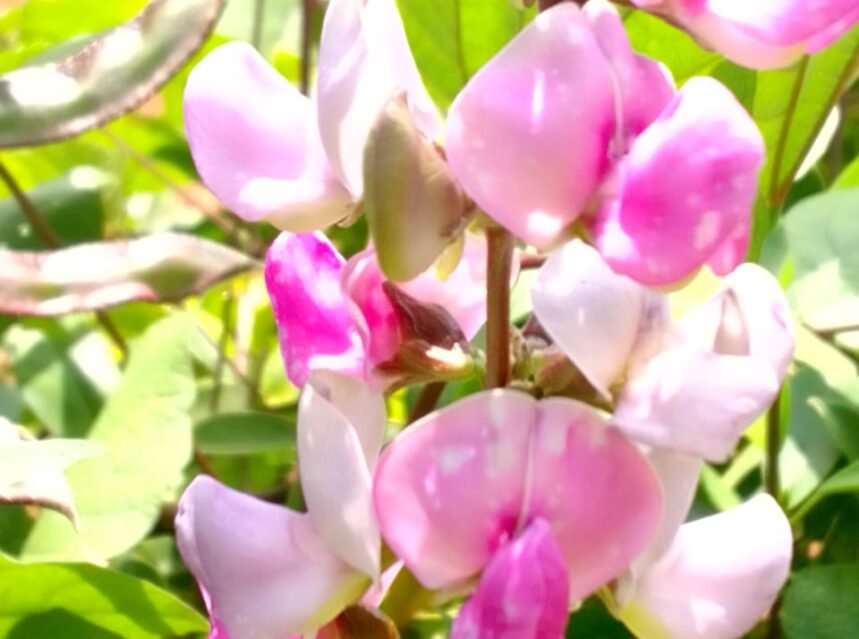
Hyacinth bean (Lablab purpureus) — known in India as sem or sem phali, and globally as lablab, Indian bean, or Egyptian bean — is a beautiful, vigorous climbing legume that’s both ornamental and edible. It clothes a trellis in lush foliage and spikes of purple or white pea-like flowers, followed by flat, often striking purple-tinged pods. The young pods and properly-cooked beans are a tasty, protein-rich vegetable. Here is the complete guide on how to grow hyacinth bean (sem/lablab).
Quick start: Grow hyacinth bean in full sun (6–8 hours) in well-drained, fertile soil (pH 6.0–7.5). Soak seeds 12 hours, then direct-sow after the last frost. Give a strong, tall (10–15 ft) trellis. Water regularly, feed for flowers and pods, and harvest pods young. Ready in 70–90 days. Important: mature raw beans are toxic — always cook them well.
The hyacinth bean, or sem, is a fast, vigorous climber that earns its place twice over, with showy purple flowers and pods as well as edible beans. Growers give it a strong support, as it quickly covers a fence or arch in a single warm season. It is heat-loving and a classic monsoon crop in India, romping away in the warmth. One important point: the beans must be cooked properly, with the water changed, as they are toxic if eaten raw.
🧰 In a hurry? Jump straight to our tested picks for this guide ↓
Hyacinth bean at a glance
| Feature | Detail |
|---|---|
| Botanical name | Lablab purpureus (family Fabaceae) |
| Common names | Hyacinth bean, sem, lablab |
| Plant type | Vigorous annual/short-lived perennial climber |
| Sun | Full sun |
| Soil | Well-drained, fertile |
| Support | Strong trellis or arch (essential) |
| Warning | Raw beans toxic; cook thoroughly |
Why grow hyacinth bean?
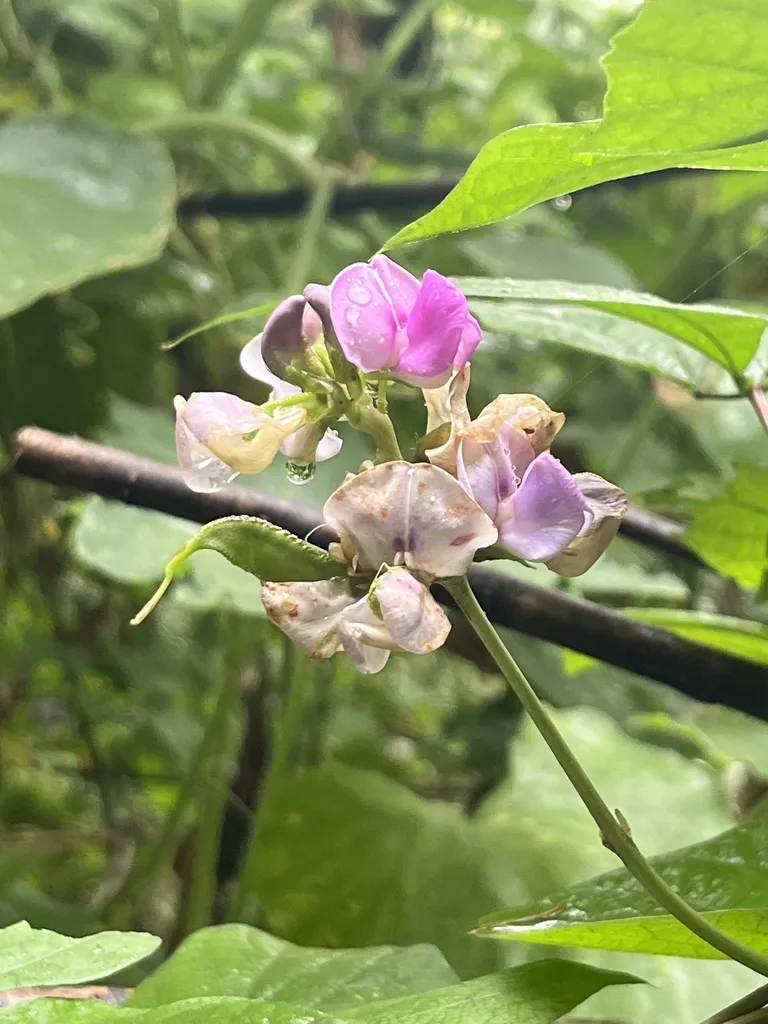
Hyacinth bean is wonderfully dual-purpose — ornamental and edible: striking purple flowers and pods that look superb on a trellis or arch, plus a productive, protein-rich vegetable. As a legume it fixes nitrogen, improving your soil, and it’s vigorous, heat-loving, and easy. The flowers are a magnet for bees. For a beautiful, productive, soil-friendly climber, it’s a brilliant warm-season crop worldwide.
Where hyacinth bean grows best
Hyacinth bean (Lablab purpureus) is thought to originate in Africa and is grown across India, Africa, and Southeast Asia as a food crop, and worldwide as an ornamental climber. It thrives in warm climates and full sun and is frost-tender — so it suits warm summers everywhere (US, UK gardens grow it as an annual climber for flowers and beans), and is perennial in frost-free tropics.
Best season & when to plant
Plant hyacinth bean in late spring, after the last frost, into warm soil; in India, sow in spring/summer and the monsoon. It flowers and crops through the warm season, with the first harvest about 70–90 days after sowing. In frost-free climates it can be a short-lived perennial; elsewhere it’s grown as a fast annual.
How to plant and grow hyacinth bean
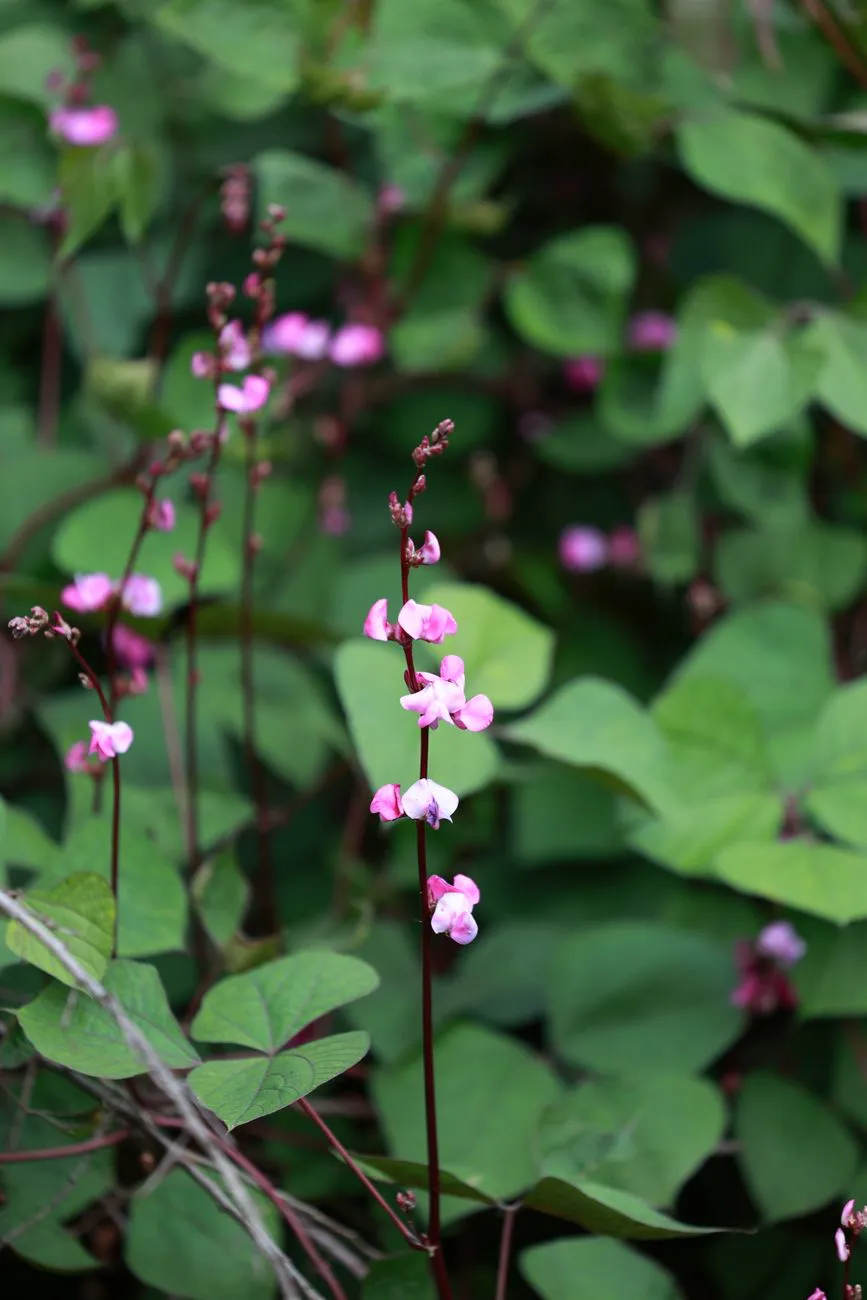
- Soak the seeds for 12 hours, then direct-sow after the last frost; they germinate in 10–20 days.
- Plant in full sun (6–8 hours) in well-drained, fertile soil (pH 6.0–7.5) — it tolerates many soils as long as they drain (see improving garden soil).
- Provide a sturdy, tall trellis, fence, or arbour (10–15 ft), as the vine is a vigorous climber.
Sun, soil, watering & feeding
Hyacinth bean needs full sun and warmth. Water regularly to keep the soil moist but not waterlogged; once established it’s fairly drought-tolerant, but steady moisture means better growth and flowering (see how often to water). Being a legume it needs little nitrogen; a phosphorus-rich feed encourages flowers and pods. It’s an easy, vigorous grower.
Common pests & diseases
Watch for aphids, pod borers, and bean beetles (see aphid control), plus powdery mildew and leaf spot in humid conditions. Good airflow on a trellis, full sun, and the methods in our organic pest control guide keep it healthy — it’s a robust, easy-going climber.
Harvesting
Harvest the pods young, flat, green, and tender, before the beans inside swell and the pods turn fibrous — pick regularly to keep the vine cropping. You can also leave some pods to mature for dried beans (which must be cooked thoroughly). The young flat pods are the prime eating stage and the most tender.
Health benefits & uses
The young pods carry 2.1 g of protein, 3.3 g of fibre, 12.9 mg of vitamin C and 62 µg of folate per 100 g on 46 kcal (USDA record 169234); the mature dry seed is a different food entirely, far denser in protein. The young pods are cooked into Indian sabzis and curries (sem ki sabzi), African and Southeast Asian dishes, and used like green beans globally; the mature beans are eaten cooked too. Important safety note: the mature raw beans (and pods) contain compounds that are toxic raw and must be thoroughly cooked (boiled, changing the water for mature beans) before eating.
This article is for general information only and is not medical advice. Talk to a qualified professional before using any plant medicinally.
Common hyacinth bean problems
Tough, fibrous pods
Harvested too late. Pick young, flat, and tender, before the beans swell.
Lots of leaves, few flowers
Too much nitrogen. Ease off nitrogen and use a phosphorus-rich feed for flowers and pods.
Mildew
Humidity and crowding. Grow on an airy trellis in full sun.
History, origin & how the hyacinth bean spread
The hyacinth bean is one of the oldest cultivated legumes, with its origins traced to Africa and a very long history of cultivation in India, where it is known as sem or lablab (see Encyclopaedia Britannica). It spread throughout the warm regions of Asia and beyond, valued as both food and ornament.
In many gardens it is grown as much for its showy purple flowers and glossy purple pods as for eating, while across India and Asia it remains an important vegetable and pulse. How much is grown is not officially recorded: FAO’s crop statistics have no hyacinth bean item, so the crop is absorbed into general bean and pulse totals. Being heat-loving and fast, it is a classic monsoon crop, romping up supports in the warm, wet season.
Support, growing and pollinators
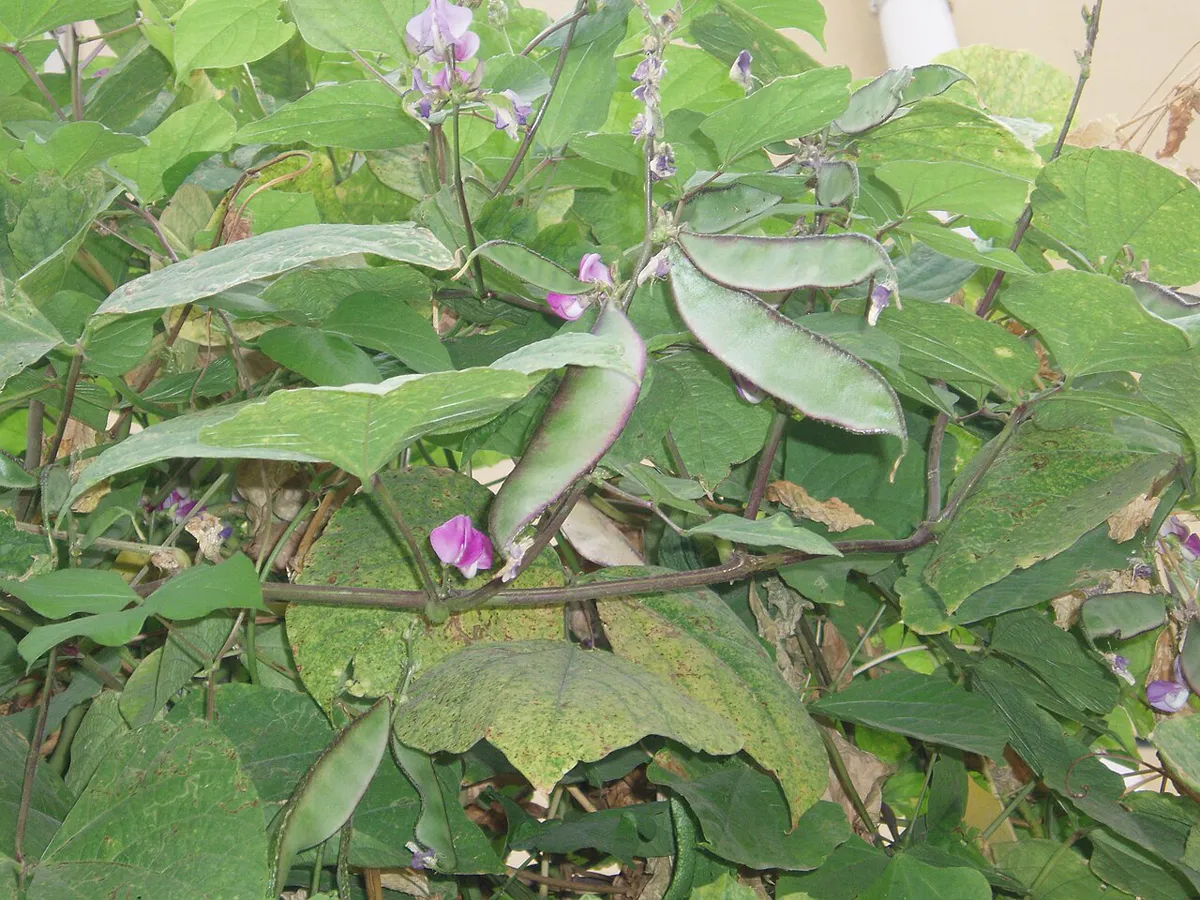
Hyacinth bean is a vigorous climber that quickly covers a fence, arch or trellis, so a strong, tall support is essential from the start (see improving garden soil). Give it full sun, fertile, free-draining soil and warmth, and it grows away rapidly, fixing its own nitrogen as a legume. The flowers are a genuine draw for bees and butterflies, making it a doubly useful plant that feeds both the gardener and the pollinators (see attracting pollinators).
Harvesting and an important safety note
The young, tender pods are picked for cooking as a vegetable, while mature seeds can be dried for use as a pulse. There is one vital caution: the raw beans, especially the mature seeds, contain natural compounds that are toxic if eaten raw, so they must be cooked thoroughly, ideally with the cooking water changed, before eating (see watering guidance for the cropping stage).
Properly prepared, they are a nutritious and productive crop that has fed people for thousands of years.
Common problems and growing as an ornamental
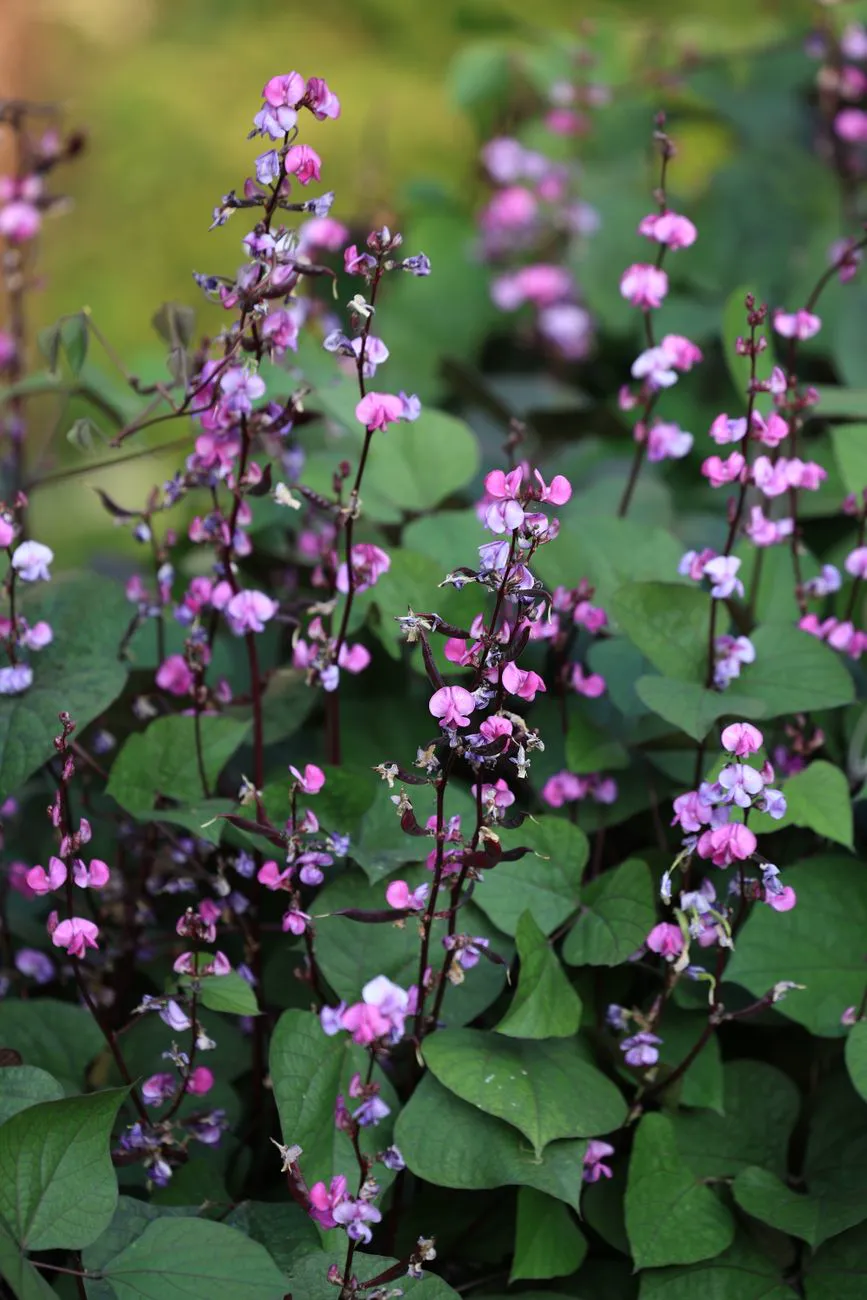
The hyacinth bean is grown as much for beauty as for food, and its purple flowers, glossy purple pods and bronze-tinted foliage make it a striking plant to clothe an arch, fence or pergola in a single season. Even where the beans are not eaten, it earns its place as a fast, dramatic ornamental climber that draws bees and butterflies all summer (see attracting pollinators).
It is a robust, trouble-free plant in the heat it loves, though a few issues can arise. Aphids may gather on soft new shoots, easily washed off or managed with our aphid control guide, and in cool, wet conditions it sulks and grows slowly, as it really wants warmth. Poor flowering usually means too little sun, so a hot, open position is best. Given that warmth, a strong support and free-draining soil, the hyacinth bean romps away with very little help, giving a long season of flowers and pods, and as a legume it quietly enriches the soil for whatever follows it.
Related plant guides
- How to grow Winged Bean
- How to grow Cowpea
- Pointed Gourd
- Ivy Gourd
- How to grow Snake Gourd
- How to grow Malabar Spinach
Frequently asked questions
What is sem/lablab in English?
It’s hyacinth bean (also called Indian or Egyptian bean) — an ornamental-and-edible climbing legume with purple flowers and pods.
Are hyacinth beans safe to eat?
Young pods are fine cooked, but the mature raw beans are toxic — they must be thoroughly cooked (boiled, changing the water) before eating.
Is hyacinth bean ornamental or edible?
Both — it’s grown for its beautiful purple flowers and pods and as a food crop (young pods and cooked beans).
Can I grow hyacinth bean in the US or UK?
Yes, as a fast annual climber in summer for flowers and young pods; it’s frost-tender, so grow it in the warm months.
How do you cook hyacinth beans safely?
Mature and dried hyacinth beans contain cyanogenic glycosides that release hydrogen cyanide when eaten raw, and the level varies widely between varieties, so this is a genuine food-safety point rather than caution for its own sake. The traditional preparation is to soak the beans, boil them in plenty of water, drain that water away completely, and boil again in fresh water — several changes of water, thoroughly cooked, never a quick stir-fry of raw seeds.
Young immature pods eaten as a vegetable are much lower risk but should still be cooked through. Reported poisoning symptoms include weakness, vomiting, breathlessness and convulsions. This is general information and not medical advice — seek medical help immediately if anyone shows symptoms after eating raw beans.
Is hyacinth bean vine poisonous to dogs?
Treat it as unsafe around pets. The same cyanogenic compounds that make raw mature beans dangerous for people apply to dogs, and dogs are often drawn to the dangling pods and rattling dry seeds. The leaves and flowers are a far lower concern than the pods and seeds themselves. Grow it up a support where fallen pods can be swept up easily, and contact your vet promptly if a dog chews the seeds. This is general information, not veterinary advice.
Is hyacinth bean a perennial or an annual?
Botanically it is a short-lived perennial, and its wild relatives are true perennial vines, but almost everyone grows it as an annual. In frost-free tropical and subtropical gardens, including much of India, a plant can carry on for two or three years and go woody at the base. Anywhere that gets a freeze, it dies at the first frost and is resown each spring. Cutting a perennial plant back hard after fruiting keeps it productive rather than letting it get straggly.
How fast does hyacinth bean vine grow?
Very fast once it gets going — given real warmth it climbs 3-6 m in a single season, which is why it is such a popular choice for quick summer screening on a fence, arch or balcony rail. Growth is slow until night temperatures stay reliably warm, then it accelerates sharply. Put up the full height of support at planting time rather than trying to extend it once the vine is running. In cooler summers expect nearer 3 m than 6 m.
How long does it take hyacinth bean to bloom?
Usually around 90-120 days from sowing, so seed started indoors in spring flowers from midsummer onwards. Many strains also respond to shortening days, which means the best flowering in some regions comes late in the season and then carries on until frost. Do not panic at a wall of leaves and no flowers in July, because the purple spikes typically follow. Avoid heavy nitrogen feeding, which delays flowering even further.
Are hyacinth bean flowers edible?
Yes, the flowers are eaten in several Asian cuisines and are used lightly cooked in stir-fries and fritters. They are far less of a concern than the mature seeds, which are the genuinely risky part of the plant. As with the pods, cook them rather than eating them raw, and keep the quantity modest. Treat this as general information rather than dietary advice.
How do you save hyacinth bean seeds?
Leave a few pods on the vine until they turn papery brown and rattle when shaken, which is usually late in the season. Split them open, spread the seeds somewhere dry and airy for a week or two, then store them in a labelled paper envelope somewhere cool and dry. They stay viable for several years. Keep the stored seed well out of reach of children, since the raw seeds are the toxic part of the plant.
Is hyacinth bean invasive?
In cold-winter regions it cannot be, because frost kills the vine every year and the seed rarely overwinters. In warm subtropical areas it self-seeds vigorously and has naturalised in places including parts of the southern United States and Australia, so collect the pods rather than letting them drop if you garden in a frost-free climate. It does not run at the root, so any spread comes from seed and is easy to control by deadheading. Check your local invasive plant list before planting in a tropical region.
Still stuck? Ask the Plant Doctor
Describe the problem — yellow leaves, holes, no flowers — and get a clear answer in seconds. FreeAI can make mistakes. Answers are guidance, not a guarantee — check anything important against the guide it links to, and always read the label on any product before you use it.