Permaculture Gardening Basics (A Beginner’s Introduction)
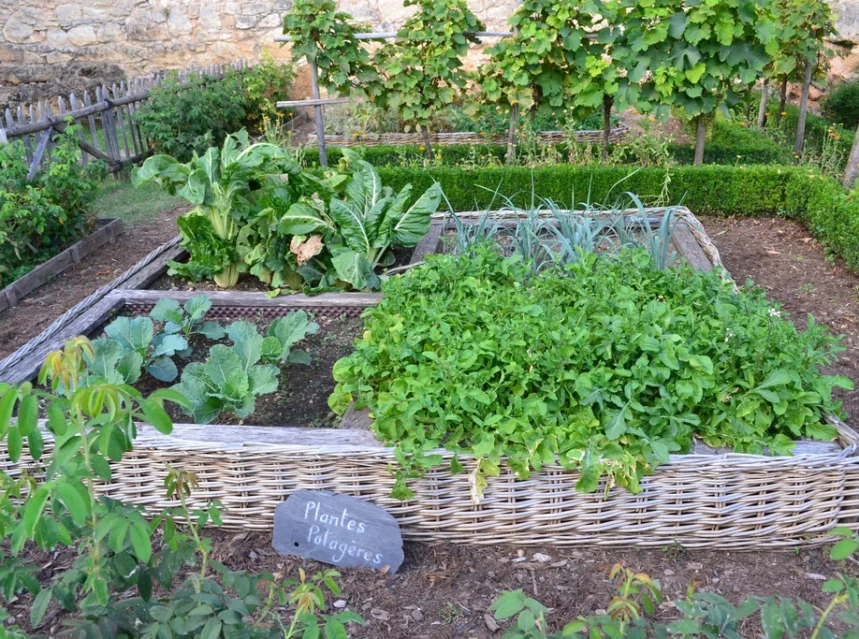
Permaculture gardening is a way of designing a garden to work like a natural ecosystem, so it produces food with less effort, waste, and outside input. Instead of fighting nature, you copy it: building healthy soil, recycling everything, capturing water, and letting plants and creatures support each other. This guide covers permaculture gardening basics and how to start, step by step.
Quick answer: Permaculture gardening basics come down to one idea. Permaculture means “permanent agriculture”. You design the garden once so it largely sustains itself: feed the soil with compost and mulch, capture rainwater, grow a diverse mix of useful plants, recycle waste, and place things by how often you use them (zones). Start small, observe your space for a season, and build from there.
🧰 In a hurry? Jump straight to our tested picks for this guide ↓
Permaculture gardening basics at a glance
| Principle | What it means in the garden |
|---|---|
| Observe & interact | Watch sun, water, and wind before planting |
| Catch & store energy | Harvest rainwater; build rich soil |
| Produce no waste | Compost everything; reuse materials |
| Use & value diversity | Mix many crops, flowers, and wildlife |
| Use edges & small slow solutions | Start small; use every space |
| Integrate, don’t segregate | Let plants and animals help each other |
What is permaculture gardening?
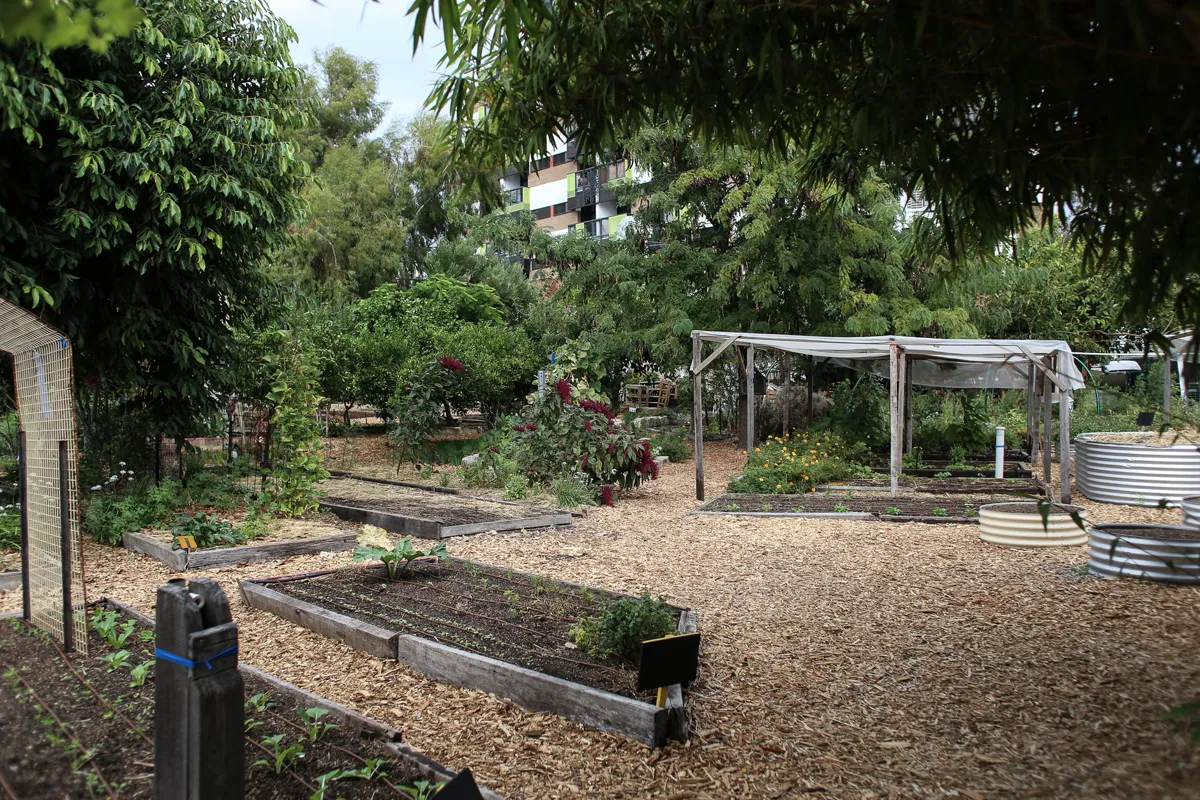
Permaculture is a design system, not a single technique. The word blends “permanent” and “agriculture”, and the goal is a garden that keeps producing year after year with little outside help.
It looks at the whole garden as a connected system. Soil, water, plants, insects, and waste are all linked, and a good design makes them work together. The result is a productive, low-maintenance garden that builds fertility instead of using it up.
The core permaculture principles
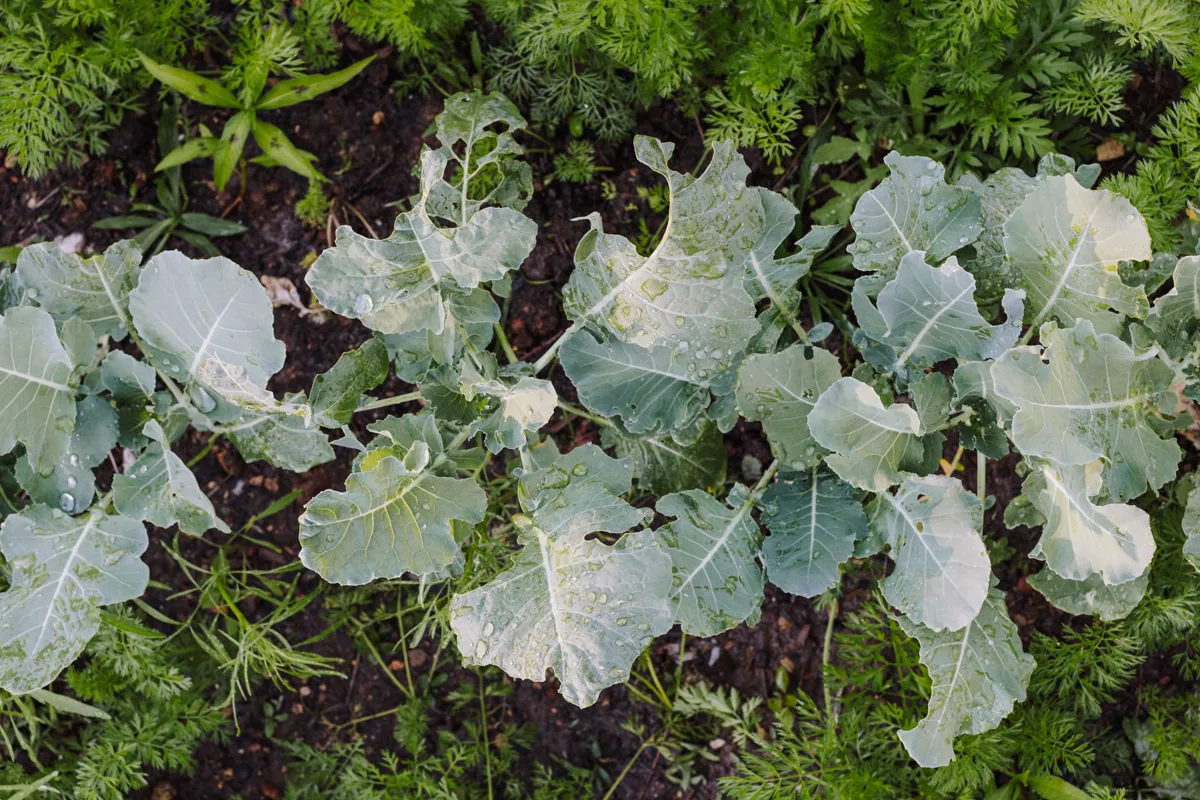
Permaculture is guided by a set of principles drawn from nature. You do not need to follow them rigidly; they are a way of thinking about your garden.
- Observe first — watch how sun, shade, water, and wind move across your space.
- Catch and store energy — harvest rainwater and sunlight, and build soil that holds them.
- Produce no waste — compost kitchen and garden scraps; reuse and repair.
- Value diversity — many kinds of plant and creature make a resilient garden.
- Integrate elements — site things so they help each other, like a pond near thirsty plants.
- Small and slow — start with a small area you can manage well.
Permaculture zones explained
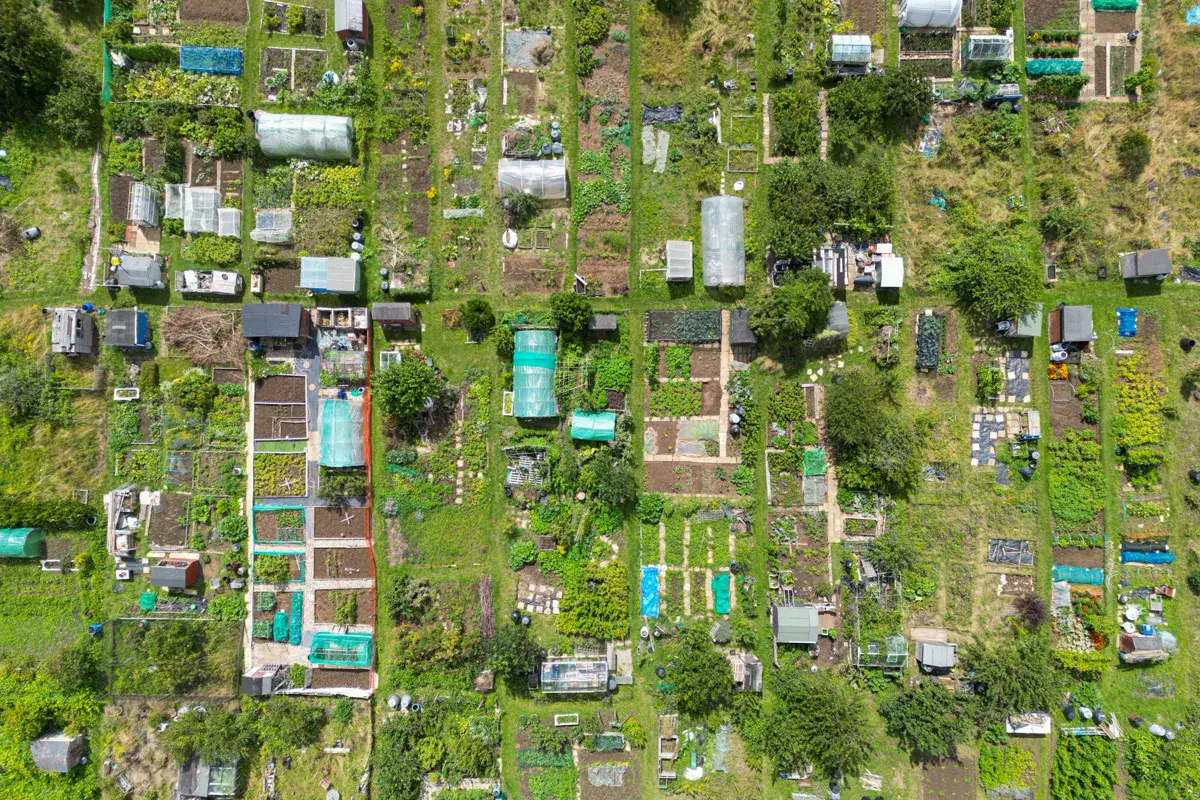
One of permaculture’s most useful ideas is “zones”. You arrange the garden by how often you visit each part, putting the things you use most close to the house.
Herbs and salad leaves you pick daily go right by the door (zone 1). Vegetables you tend a few times a week sit a little further out. Fruit trees, which need less attention, go further still, and a wild area for nature sits at the edge. This simple layout saves countless steps and makes a garden far easier to look after.
Building healthy soil
Soil is the heart of any permaculture garden. Healthy, living soil grows strong plants, holds water, and needs no chemical feeding.
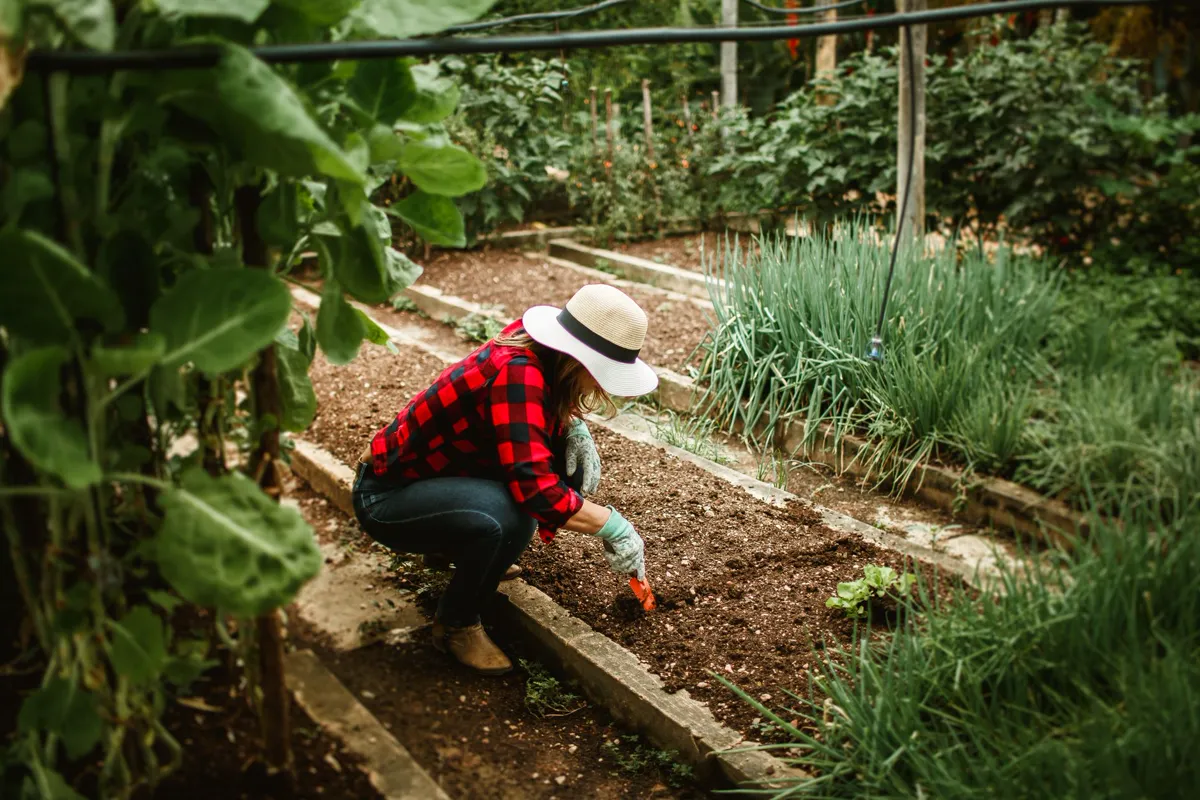
The key is to keep adding organic matter and to disturb the soil as little as possible (see improving garden soil). Compost everything you can (see making compost), mulch the surface to feed the soil life and lock in moisture, and avoid digging where you can, so the underground web of roots and fungi stays intact.
Catching and saving water
Water is precious, and permaculture gardens are designed to catch and keep it. The aim is to slow water down so it soaks into the soil instead of running away.
Harvest rainwater from roofs into barrels or tanks (see rainwater harvesting). Mulch heavily to cut evaporation, and shape beds and small ditches to hold rain where it falls. Choosing drought-tolerant plants for dry spots (see drought-tolerant ideas) reduces watering further.
Diversity, companions & wildlife
A permaculture garden is busy and mixed, not a tidy monoculture. Diversity makes it resilient, as pests and diseases struggle to take hold among many different plants.
Grow a wide range of vegetables, herbs, flowers, and fruit together, using companion planting (see companion planting) and welcoming wildlife with flowers for pollinators (see attracting pollinators). Ladybirds, birds, and frogs then help control pests for you, replacing the need for sprays.
How to start a permaculture garden
You do not need to redesign everything at once. Permaculture works best when you start small and grow it gradually.
- Observe your space for a season, noting sun, shade, and wet and dry spots.
- Start a compost heap and begin mulching your beds.
- Plant one small, diverse bed near the house with crops you use often.
- Add water-catching like a rain barrel, then expand year by year.
Permaculture in India & hot climates
Permaculture suits hot climates like much of India very well, where saving water and building soil matter most. Traditional Indian farming already shares many of its ideas.
In hot regions, heavy mulching, shade from taller plants, and rainwater harvesting are especially valuable through the dry season, while raised beds and good drainage help in the monsoon. Growing hardy local crops and trees, and recycling all organic waste, makes a resilient, productive garden even in challenging conditions. The RHS and many global groups now promote these low-input, sustainable methods.
Why permaculture gardening basics are worth learning
Permaculture gardening rewards a little thoughtful design with a garden that largely looks after itself. By copying nature, you build soil instead of depleting it, save water, cut waste to almost nothing, and grow more food with less work over time.
It is also deeply satisfying and kind to the planet, supporting wildlife and using few or no chemicals. You do not need acres or expertise; a single mulched, diverse bed and a compost heap are a real start. Observe, start small, and let the garden grow into a thriving, self-sustaining system year after year.
Stacking and using every space
Permaculture makes the most of every bit of space, in three dimensions. Rather than a flat bed of one crop, it layers plants of different heights so they share the same ground, much as a natural woodland does.
Tall fruit trees or climbers form a canopy, shrubs and tall vegetables fill the middle, and low herbs and ground cover carpet the soil below. Vertical space is used too, with beans and squash climbing supports and walls. This “stacking” grows far more food in a small area, shades the soil to keep it moist, and leaves little bare ground for weeds to colonise.
Common permaculture mistakes
Beginners often stumble in a few predictable ways, and knowing them saves frustration. The biggest is trying to do everything at once, which quickly becomes overwhelming.
Start with one small area and grow it as you learn. Another mistake is skipping the observation stage and planting before you understand your site, so things end up in the wrong place. Forgetting to build soil first leaves plants struggling, and ignoring water means the garden dries out. Permaculture rewards patience: a season spent watching and improving the soil pays back for years afterwards.
Permaculture for small spaces and balconies
You do not need land to garden by permaculture principles. The same ideas scale right down to a balcony or a few pots.
Compost kitchen scraps in a small bin or worm farm, catch water in a container, and grow a diverse mix of herbs, salads, and flowers together in pots. Place the herbs you use daily nearest the door, and let pollinator flowers share the space. Even a tiny container garden can recycle its own waste, support insects, and produce food, proving permaculture is a way of thinking, not a question of size.
Sources and further reading
Frequently asked questions
What is permaculture gardening in simple terms?
It is designing a garden to work like a natural ecosystem, so it produces food sustainably with less effort, water, and waste.
How do I start permaculture in a small garden?
Observe your space, start composting and mulching, plant one diverse bed near the house, and add rainwater catching, then expand slowly.
What are permaculture zones?
A way of arranging the garden by how often you visit each part, putting daily-use plants like herbs closest to the house.
Does permaculture work in hot climates like India?
Yes — its focus on saving water, building soil, and using shade and mulch suits hot, dry climates especially well.
Is permaculture organic?
Essentially yes — it builds fertility naturally and avoids chemical fertilisers and pesticides, relying on healthy soil and biodiversity.
What are the ethics of permaculture?
Permaculture rests on three core ethics that guide every design decision: earth care, people care, and fair share. Earth care means looking after soil, water, and living systems so the land stays healthy for the long term. People care means meeting human needs — food, shelter, community — in ways that do not exhaust those systems. Fair share, sometimes called “return of surplus,” means limiting consumption and redistributing any surplus of food, energy, or knowledge back into the system rather than hoarding it.
What are the 12 principles of permaculture?
The twelve design principles, set out by co-originator David Holmgren, are practical rules of thumb for working with nature rather than against it. They include “observe and interact,” “catch and store energy,” “obtain a yield,” “use and value renewable resources,” “produce no waste,” and “design from patterns to details,” among others. Each principle is a lens for making a garden more resilient, productive, and self-supporting. You do not need to apply all twelve at once — most gardeners adopt them gradually as their understanding grows.
What is a food forest in permaculture?
A food forest, or forest garden, is a planting designed to mimic the layers of a natural woodland while producing food. It typically stacks several vertical layers: tall fruit and nut trees, a lower layer of smaller trees and large shrubs, then berry bushes, herbs, ground-cover plants, root crops, and climbers. Once established, this diverse, self-mulching system needs far less digging, watering, and feeding than an annual vegetable plot. It is one of the most recognisable and rewarding expressions of permaculture design.
Who invented permaculture?
The concept was developed in Australia in the 1970s by Bill Mollison and his then-student David Holmgren, who coined the word from “permanent agriculture” (and later “permanent culture”). Their aim was to design food systems as stable and self-renewing as natural ecosystems, in response to the damage caused by industrial farming. Their ideas spread worldwide through books, courses, and a grassroots network of practitioners. The movement has since grown well beyond food growing into water, energy, buildings, and community design.
What is the difference between permaculture and a regular garden?
A conventional garden is usually arranged for tidiness or single-crop convenience and often relies on regular digging, watering, and bought-in fertiliser. A permaculture garden is instead designed as a connected system, where each element supports others — for example, a pond that waters plants and attracts pest-eating frogs, or nitrogen-fixing plants that feed their neighbours. The emphasis is on building healthy soil, closing loops so waste becomes a resource, and reducing ongoing effort over time. In short, it works with natural processes rather than constantly fighting them.
Is permaculture expensive to start?
Not necessarily — permaculture is deliberately low-cost, since a founding principle is to use on-site resources and produce no waste. Composting kitchen and garden scraps, saving seed, mulching with fallen leaves, and catching rainwater all cost little or nothing. The main early investment is time spent observing your site and planting perennials, which then pay back for years. Larger features such as ponds or swales can be added gradually as budget allows, so you can begin with almost nothing.
Still stuck? Ask the Plant Doctor
Describe the problem — yellow leaves, holes, no flowers — and get a clear answer in seconds. FreeAI can make mistakes. Answers are guidance, not a guarantee — check anything important against the guide it links to, and always read the label on any product before you use it.