Lawn Grubs
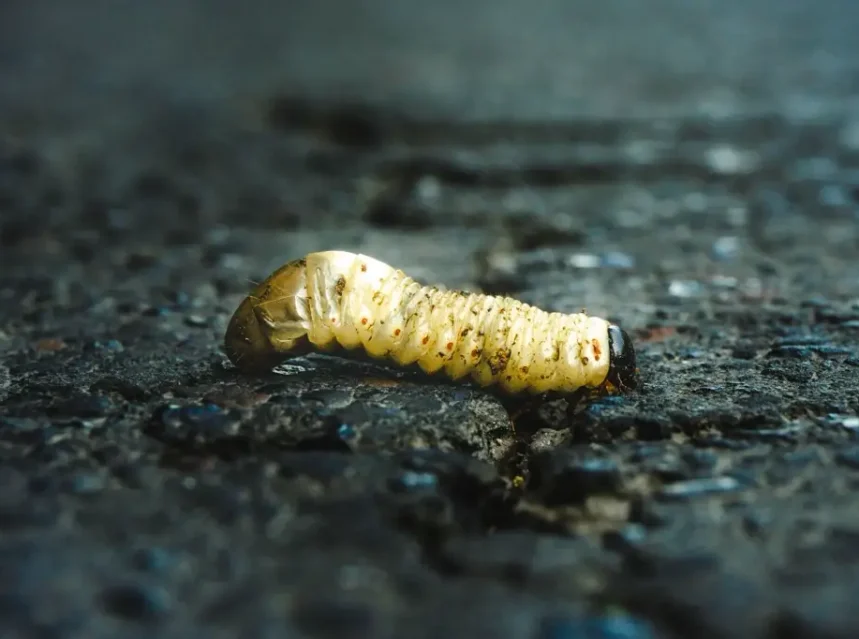
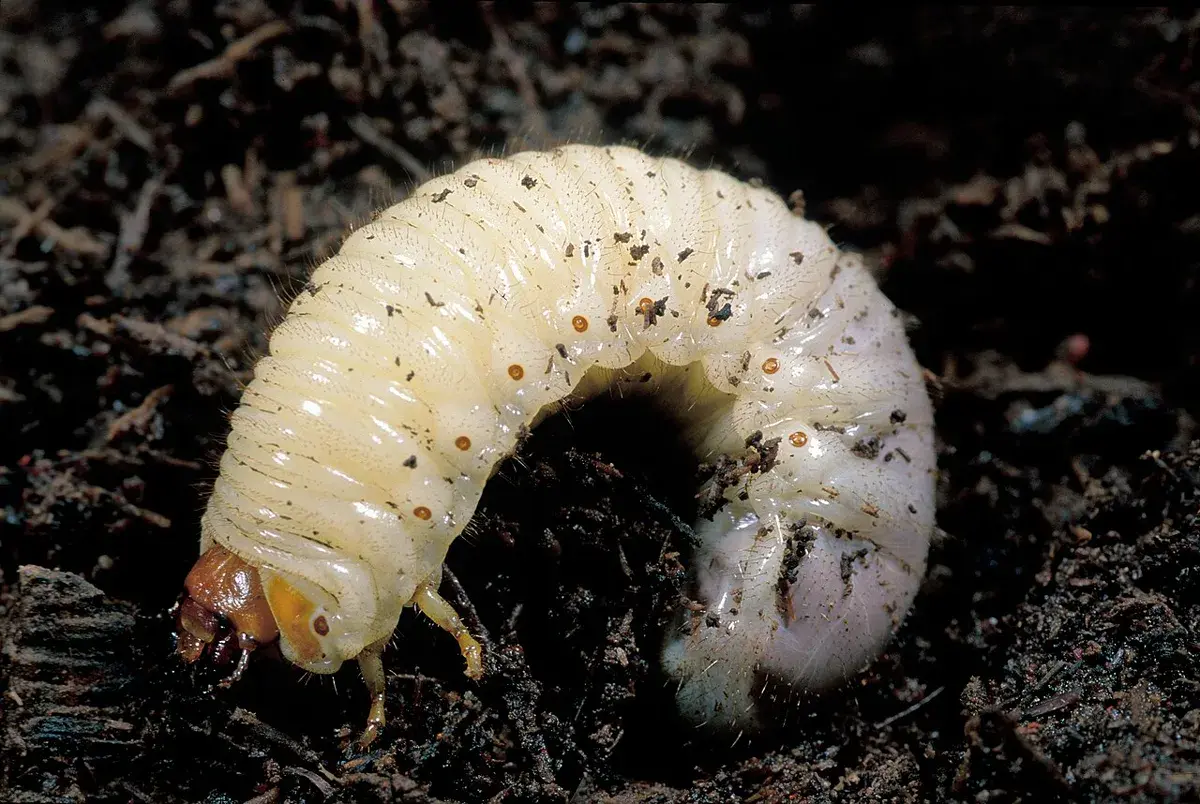
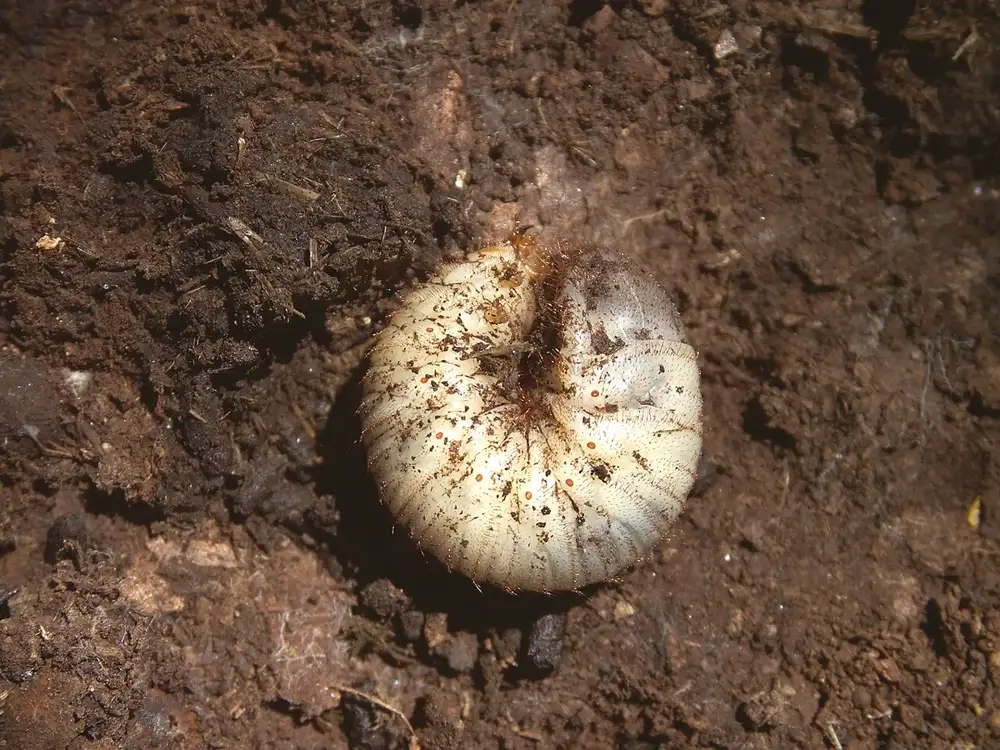
Lawn grubs are the white, C-shaped larvae of scarab beetles — Japanese beetles, chafers and June beetles — that live in the soil and eat grass roots. A few are harmless. A heavy infestation cuts the lawn loose from its roots, leaving brown patches that peel back like carpet. Here is how to confirm grubs, when to act, and what actually works.
Quick answer: Peel back a suspect patch of turf. If it lifts easily and you count more than five grubs per square foot (about ten per 30×30 cm), treat. The organic fix is beneficial nematodes applied to moist soil in late summer, when grubs are small and near the surface. Then repair thin areas by overseeding in autumn.
🧰 In a hurry? Jump straight to our tested picks for this guide ↓
Lawn grubs at a glance
| Question | Answer |
|---|---|
| What they are | Larvae of scarab beetles (Japanese, June, chafer; Holotrichia in India) |
| Damage season | Late summer–autumn (worst), again briefly in spring |
| Action threshold | 5+ grubs per square foot AND visible damage |
| Best organic fix | Beneficial nematodes (H. bacteriophora), late summer |
| Best timing | When grubs are small — July to September in most regions |
| Repair | Overseed thinned patches in autumn |
What are lawn grubs?
Grubs are baby beetles. Adults lay eggs in turf during summer; the larvae hatch and feed on roots until cold sends them deeper.
Several beetles share the same larval look: plump, white to cream, curled into a C, with a brown head. In North America the usual suspects are Japanese beetles, June beetles and European chafers. In India, white grubs (Holotrichia species) attack lawns and crops alike, with adults emerging at the first monsoon rains.
The damage is identical either way. Roots get eaten, the grass can’t drink, and patches die in a pattern that looks like drought — except watering doesn’t fix it.
The grub life cycle: why timing is everything
Every treatment decision hangs on one calendar. Beetles fly and mate in early summer, then lay eggs in sunny, irrigated turf.
Eggs hatch within weeks. The young grubs feed hard through late summer — small, shallow and vulnerable. As soil cools they dig deep and sit out winter, far below any treatment.
In spring they rise briefly, feed a little, then pupate into the next wave of beetles. That is why late summer is the kill window and spring treatments disappoint: you are either hitting small grubs near the surface, or large tough ones about to stop feeding anyway.
5 signs your lawn has grubs
- Brown patches that ignore watering. Drought-like damage on an irrigated lawn is the classic first clue.
- Turf that lifts like carpet. Root-eaten grass peels back with one hand. Healthy turf fights you.
- Spongy ground underfoot. The lawn feels loose and soft before it browns.
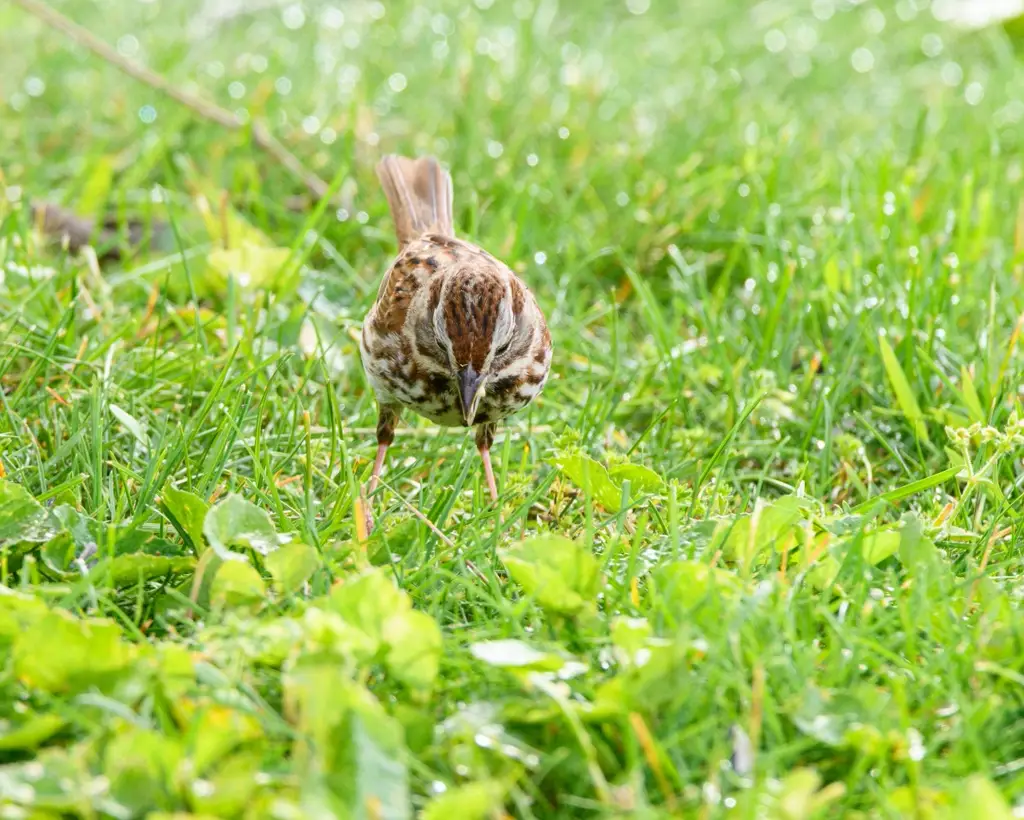
- Animals digging at night. Skunks, raccoons and birds tearing into the lawn are hunting grubs. In India, watch for mynas and crows working one patch obsessively.
- Beetles swarming in early summer. Heavy adult activity now usually means grubs later.
The carpet-lift test: confirm before you treat
Don’t treat on suspicion. The test takes five minutes and saves wasted money.
Cut three sides of a 30×30 cm square of turf in the damaged area. Peel it back and count the grubs you see. University turf programs such as the University of Maryland Extension put the action threshold around five or more grubs per square foot — fewer than that, a healthy lawn simply outgrows the nibbling.
Check two or three spots. Grub populations are patchy, and one bad corner doesn’t condemn the whole lawn.
How to get rid of lawn grubs organically
The organic toolkit is genuinely effective — if you respect the timing. Grubs are easiest to kill when they are small.
Beneficial nematodes are the headline treatment. These microscopic worms (Heterorhabditis bacteriophora) hunt grubs underground and kill them within days. Water the lawn before and after applying, use them at dusk on moist soil, and aim for late summer, per Michigan State University turf research.
Milky spore is a bacterial disease specific to Japanese beetle grubs. It builds over several seasons and does nothing against chafers — match it to your beetle.
A strong lawn is the quiet defence. Deep roots from high mowing and sensible feeding tolerate grubs that would devastate a scalped, shallow-rooted lawn — the routines in our mowing height guide and lawn feeding schedule are grub management too.
Chemical control: when and what
If counts are high and damage is real, targeted chemistry has its place. Timing matters more than brand.
Preventive products (chlorantraniliprole) go down in late spring to kill the new generation as it hatches; they are gentle on bees compared with older options. Curative products work on active grubs in late summer. Anything applied to big, deep autumn grubs is mostly wasted — by then, wait for spring or repair instead.
Always water products in, follow the label exactly, and never blanket-treat a lawn that hasn’t met the threshold. Killing soil life for five grubs is a bad trade.
Repairing grub damage
Dead patches don’t regrow from nothing. Once grubs are handled, repair is a seeding job.
Rake out the dead, loose turf — it lifts easily, which makes this oddly satisfying. Loosen the exposed soil, then reseed in early autumn using the full method in our overseeding guide. Water lightly and often for three weeks.
For small patches, keep the soil firm-raked and seed slightly heavier than the packet rate. The surrounding lawn will knit in from the edges too — the recovery programme in our green lawn guide finishes the job.
Lawn grubs in India
India’s white grub (Holotrichia consanguinea and relatives) follows the monsoon. Adults emerge with the first rains, feed on tree leaves at night, and lay eggs in lawns and fields.
Damage shows from August onward as doob lawns thin and lift. The traditional defence is neem cake worked into the topsoil pre-monsoon — it deters egg-laying and feeds the lawn. Entomopathogenic nematodes are increasingly available from Indian agri-suppliers and work the same way as in the West: apply to moist soil, evening, when grubs are young.
Light traps near the lawn during the first monsoon week catch egg-laying adults — a trick borrowed from Indian sugarcane farmers who fight the same beetle.
Preventing next year’s grubs
Prevention is mostly about making your lawn a worse nursery. Beetles choose where to lay with surprising care.
They prefer short, sunlit, well-watered turf in mid-summer — so mow high through beetle season and let the surface dry between deep waterings. A taller, drier-topped lawn receives measurably fewer eggs.
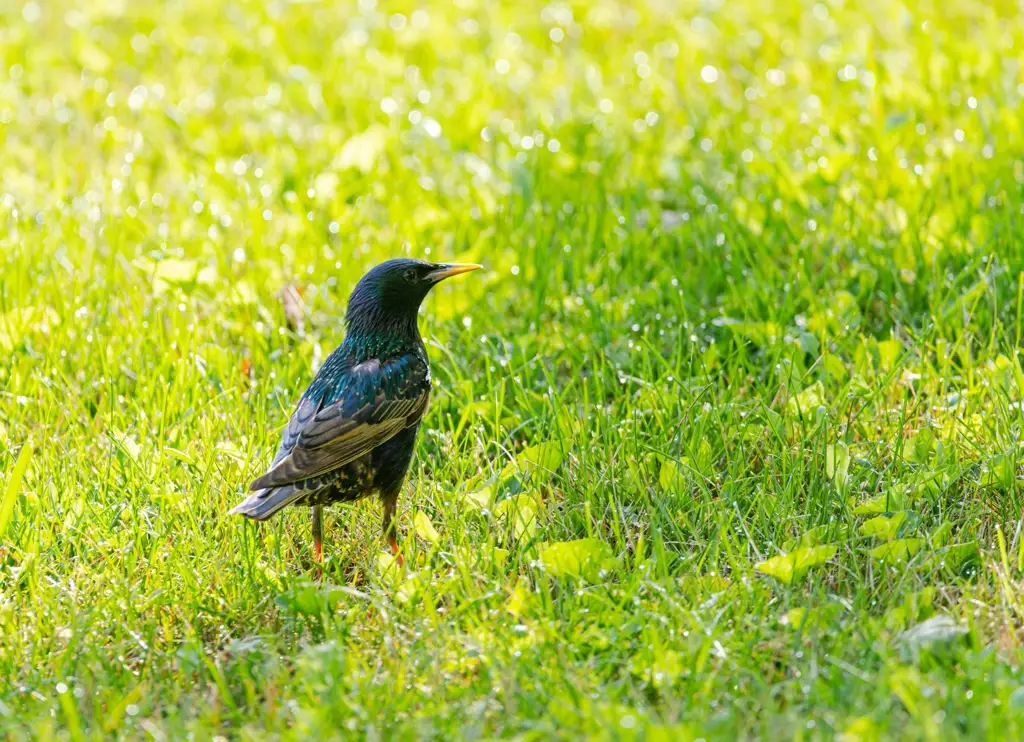
Skip the blanket “preventive” insecticide unless last year brought real damage. And keep birds welcome: starlings and mynas eat enormous numbers of grubs without peeling up a single piece of turf.
Grubs or something else?
Not every brown patch is grubs. Two minutes of checking prevents the wrong treatment.
If turf does NOT lift like carpet, think drought stress, dog urine spots, fungal patch diseases or compaction instead. Sticky leaves and tiny flying insects point to sap pests like whiteflies on nearby beds, not soil grubs. And knotted, galled roots on garden plants are root-knot nematodes — a different organism entirely from the helpful grub-hunting kind.
What experienced lawn keepers report
Turf communities are blunt about grubs: most “grub problems” posted on lawn-care forums turn out to be under-threshold counts on stressed lawns. The members who report real success share a pattern — they confirmed counts with the carpet test, treated with nematodes in late summer rather than spring, and watered the nematodes in properly.
The most repeated lesson is about expectations. Nematodes arrive alive and die in sunlight or dry soil; growers who applied them at midday to a dry lawn report failure, while evening-application-plus-irrigation users report grub counts collapsing within two weeks. Biology works, but only on its own terms.
Related plant guides
- How to grow Japanese Beetles
- Lawn Feeding Schedule
- How to grow Leatherjacket
- How To Overseed A Lawn
- Vine Weevil care
- Lawn Mowing Height Guide
Frequently asked questions
How do I know if my lawn has grubs?
Brown patches that don’t respond to watering, spongy turf, and animals digging at night. Confirm with the carpet-lift test: peel back a square of turf and count — five or more grubs per square foot with visible damage means treat.
What kills lawn grubs naturally?
Beneficial nematodes (Heterorhabditis bacteriophora) applied to moist soil in late summer are the most effective natural control. Milky spore works on Japanese beetle grubs specifically, building protection over several years.
When should I treat for grubs?
Late summer, when new grubs are small and feeding near the surface. Spring treatment of big overwintered grubs is largely wasted — repair the lawn instead and plan a late-summer application.
Do lawn grubs come back every year?
Beetles return wherever there is turf to lay in, but damage only follows when counts climb. A high-mown, well-fed lawn with deep roots tolerates normal grub pressure year after year without visible harm.
What do lawn grubs turn into?
Grubs are the larval stage of beetles — most often Japanese beetles, chafers, or June beetles depending on your region. They hatch from eggs laid in the turf in summer, feed on grass roots, overwinter deep in the soil, then pupate and emerge as adult beetles the following early summer to mate and lay the next batch. That is why the same lawns can see damage year after year.
Does dish soap kill lawn grubs?
Not reliably. A dish-soap drench is often shared online, but the grubs feed several centimetres down and the soapy water rarely reaches or kills them — at best it irritates a few near the surface and can foam up the lawn. It is not a control extension services recommend. Correctly timed beneficial nematodes or a targeted treatment do the actual job.
Does milky spore really work on grubs?
The evidence is mixed and often oversold. Milky spore is a bacterium specific to Japanese beetle grubs only, so it does nothing for chafers or other species, and independent trials have found it slow and inconsistent to establish. It can help in some regions but should not be treated as a cure-all. For dependable results, apply beneficial nematodes in late summer when grubs are young.
Do grubs attract moles to a lawn?
Grubs are one food source for moles, but moles feed mainly on earthworms, so clearing grubs rarely removes moles on its own. Skunks, raccoons, and birds tearing up turf at night are the more telling grub sign. If digging animals are your real problem, tackle the grub population as one part of the fix rather than expecting it to solve everything.
Is grub treatment safe for dogs?
Beneficial nematodes are living organisms harmless to pets, people, and wildlife, which makes them the safest choice for a family lawn. Chemical grub insecticides vary, so always read the label and keep pets off until the product is watered in and the lawn is dry. When in doubt, the nematode route lets dogs back on the grass with no waiting.
What is the life cycle of a lawn grub?
Adult beetles lay eggs in the turf in mid to late summer; the eggs hatch into small grubs that feed hungrily on roots near the surface into autumn. As soil cools they burrow down to overwinter, then rise again to feed briefly in spring before pupating. Understanding this is the key to timing — treat the small autumn grubs, not the large spring ones.
Will lawn grubs go away on their own?
Light infestations often cause no visible harm and need no action — a healthy, deep-rooted lawn shrugs them off. The population only becomes a problem when counts climb past roughly five grubs per square foot alongside real dieback. So confirm the numbers first with the carpet-lift test, and treat only if damage and a high count go together.
Related guides
- How to overseed a lawn (repair patches)
- Lawn mowing height guide
- Lawn feeding schedule
- Root-knot nematodes in the garden
- Capsid Bugs: How to Identify and Get Rid of Them
- Best Slug Killers
Still stuck? Ask the Plant Doctor
Describe the problem — yellow leaves, holes, no flowers — and get a clear answer in seconds. FreeAI can make mistakes. Answers are guidance, not a guarantee — check anything important against the guide it links to, and always read the label on any product before you use it.