Leatherjackets
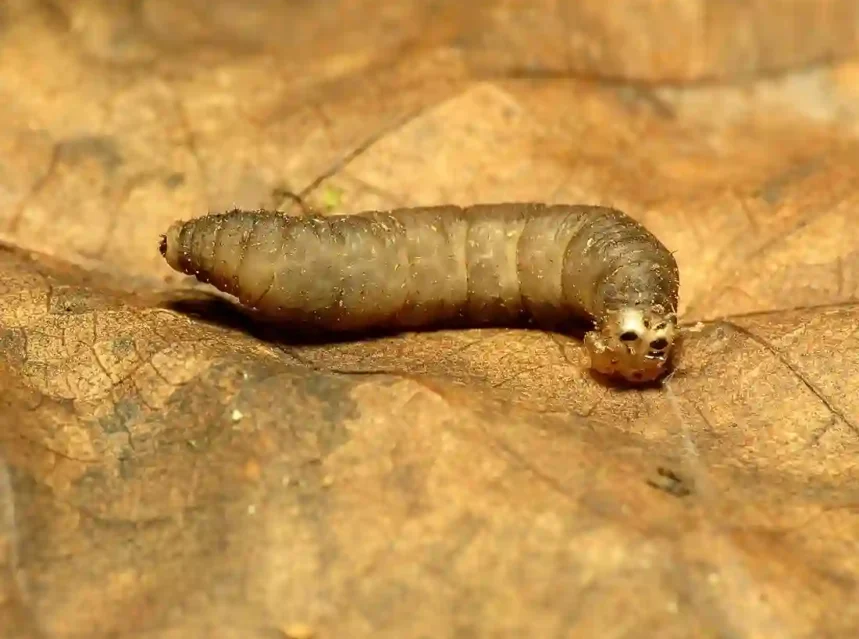
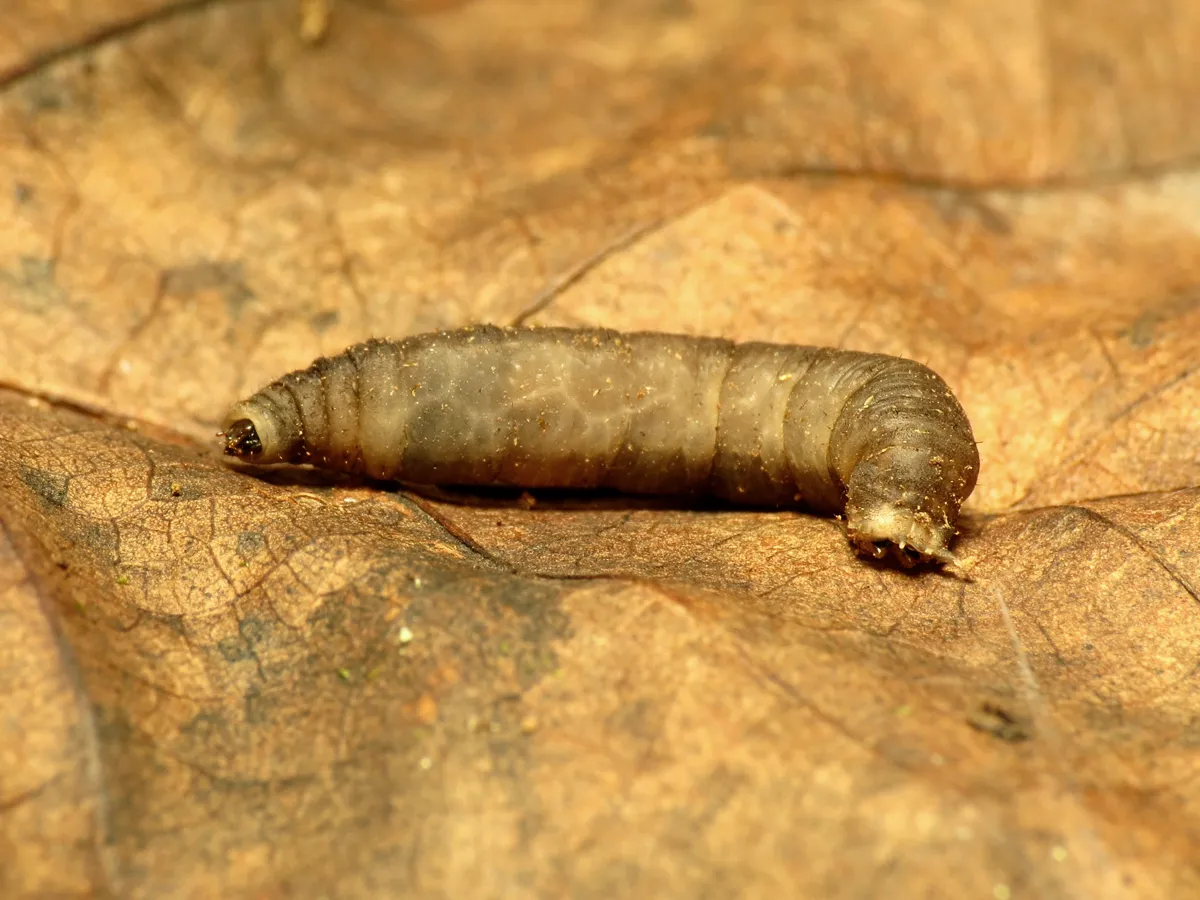
Leatherjackets are the grey-brown, legless grubs of crane flies, or daddy-long-legs, that live in the soil and eat the roots of grass and garden plants, leaving brown patches in lawns and weakened seedlings. They often give themselves away when birds and animals tear up the turf to feed on them. Here is how to identify leatherjackets, get rid of them, and prevent them damaging your lawn.
Quick start: Look for grey-brown, legless, tough-skinned grubs in the top few centimetres of soil, yellow-brown patches of dying grass, and birds or foxes ripping up the turf. They feed from autumn through spring. The best control is to apply biological nematodes in early autumn, when the grubs are young and the soil is warm and moist. Encouraging birds and a simple overnight cover trick help too. Acting in autumn is far more effective than waiting for spring damage.
Lawn owners often notice the birds before the grubs, as flocks of starlings or a fox dig up the turf overnight to feast on leatherjackets. Experienced gardeners report that the damage looks worst in late winter and spring, by which point the grubs are large and hard to control. The advice they share is to act in early autumn instead, applying nematodes while the grubs are small and the soil still warm. Many also use the old trick of watering the lawn and covering it overnight, then lifting the cover at dawn to find the grubs at the surface for the birds.
🧰 In a hurry? Jump straight to our tested picks for this guide ↓
What are leatherjackets?
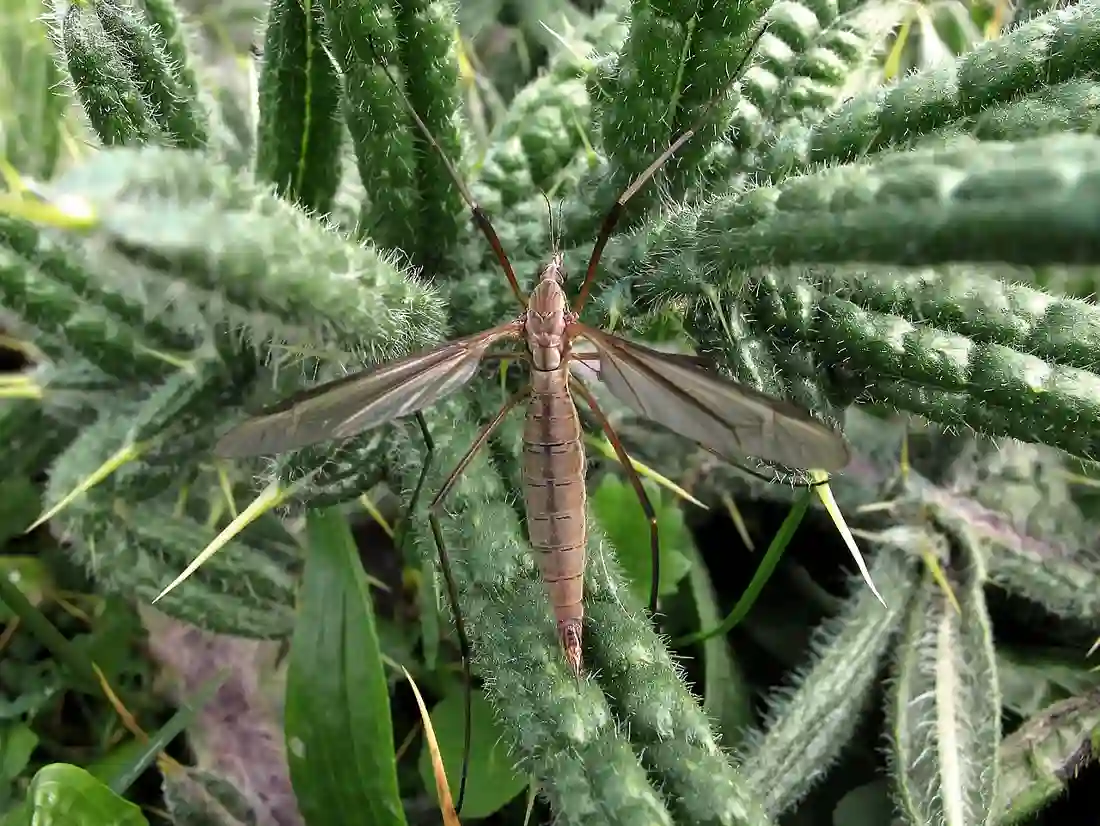
Leatherjackets are the larvae of crane flies (Tipula and related species), the long-legged insects often called daddy-long-legs. The grubs get their name from their tough, leathery grey-brown skin.
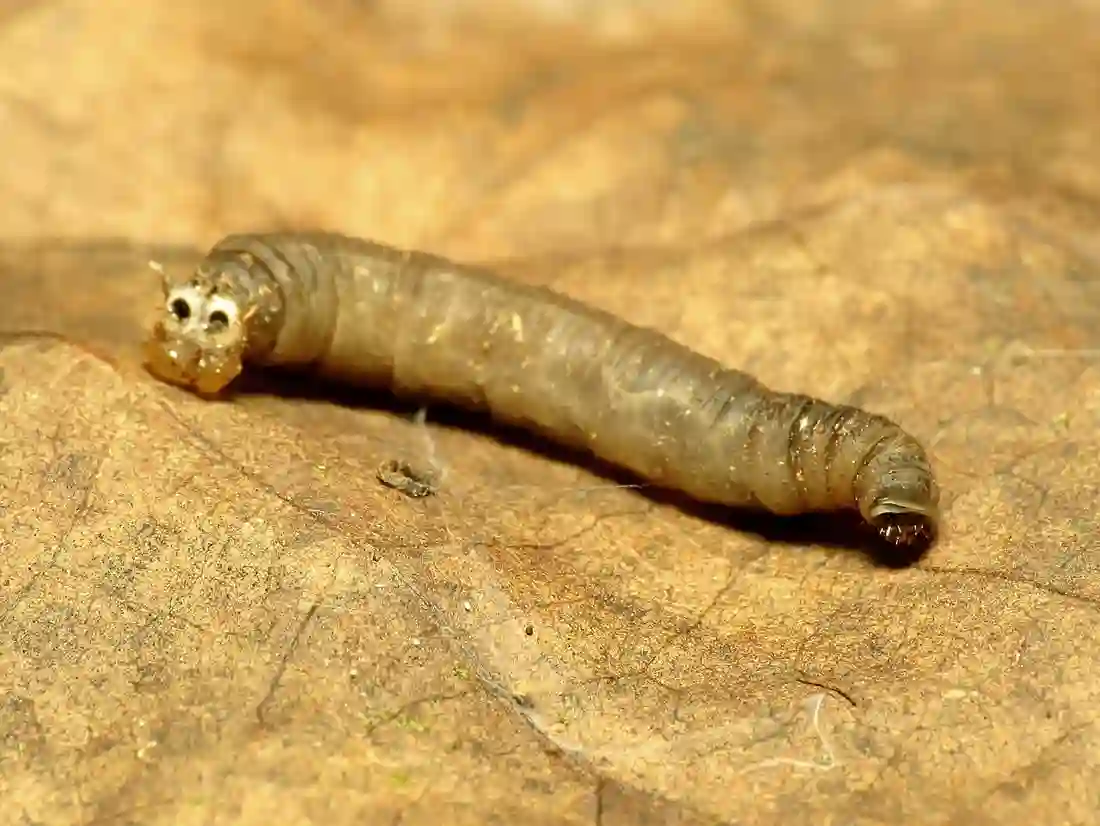
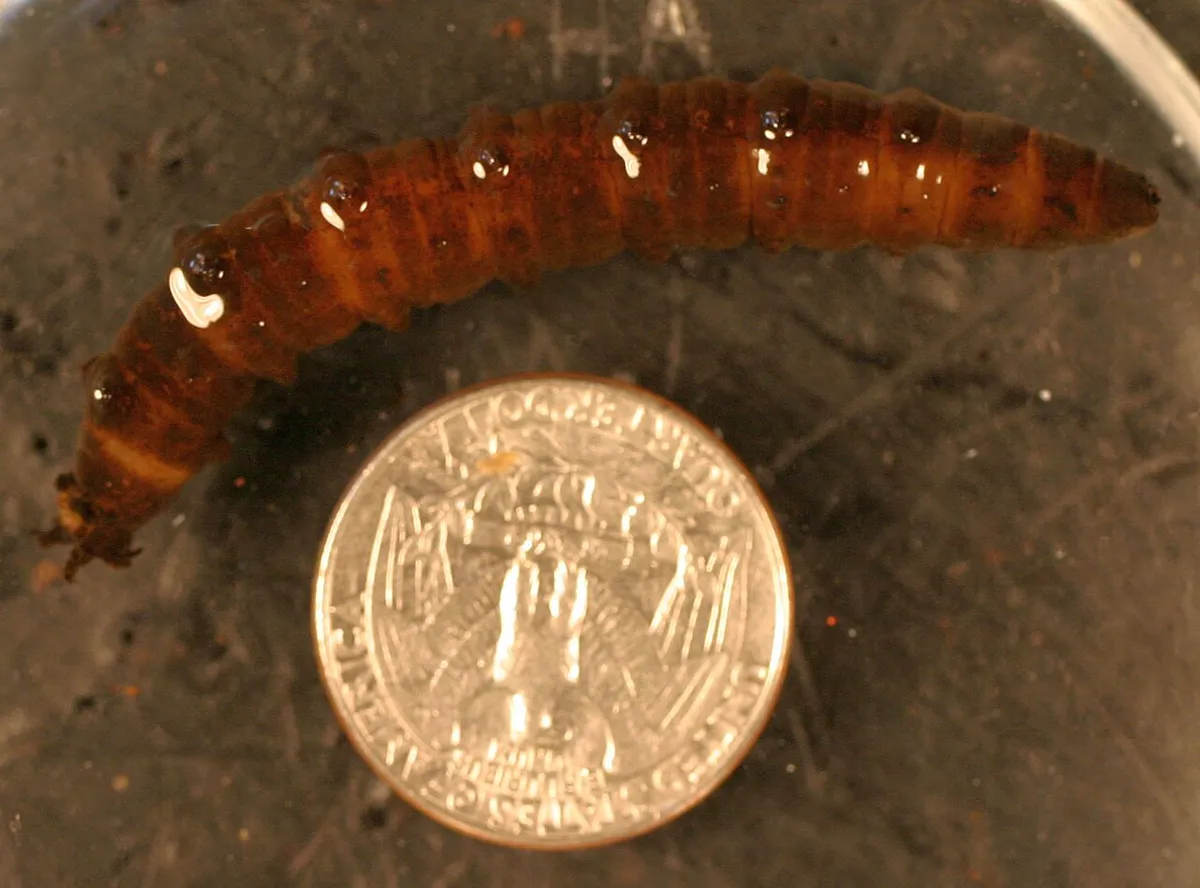
They live in the soil, especially under lawns, and feed on roots and the bases of stems. Each grub grows up to about 3cm long, is legless, and has no obvious head. You can read more in this overview of crane flies and their larvae. Because they feed unseen underground, the first sign is usually the damage above ground rather than the grubs themselves.
How to identify them
The grubs and the signs of their feeding are fairly distinctive:
- Grey-brown grubs: legless, tough-skinned larvae up to 3cm long, with no obvious head, in the top few centimetres of soil.
- Brown lawn patches: yellow-brown patches of thin, dying grass that lift easily as the roots are eaten.
- Birds digging: starlings, crows, and magpies, or foxes and badgers, tearing up the turf to feed on the grubs.
- Weak seedlings: seedlings and young plants collapsing as their roots and stem bases are eaten.
- Crane flies in autumn: lots of daddy-long-legs over the lawn in late summer signals egg-laying.
Unlike chafer grubs, which are white, C-shaped, and have legs and a brown head, leatherjackets are grey-brown, straight, legless, and headless. Birds digging up the turf are often the clearest clue.
Life cycle
The adult crane flies emerge in late summer and autumn, swarm over lawns, and lay their eggs in the turf. The eggs hatch into small leatherjackets that begin feeding on roots straight away.
The grubs feed through autumn, winter, and into spring, growing larger and doing the most visible damage in late winter and spring. They pupate in the soil in early summer, and new adults emerge to start the cycle again. There is usually one generation a year. Wet autumns favour the eggs and young grubs, so damage is often worst after a damp end to the year. This timing is why early autumn, when the grubs are small, is the best moment to act.
Damage to lawns & plants
Leatherjackets are mainly a pest of lawns and turf, but they also attack vegetable seedlings, brassicas, and other young plants in beds near grass.
In lawns, the grubs eat the grass roots, causing patches of yellow-brown, thin, and dying turf that can be pulled up easily. The damage shows worst in late winter and spring, when the grubs are large and the grass is trying to grow. Often the most striking sign is secondary: birds and animals ripping up the turf to eat the grubs, which can wreck a lawn overnight. In beds, the grubs sever seedlings and young plants at the roots, as our guide to raising seedlings notes is a risk near grassy areas. A healthy, vigorous lawn copes with light numbers, but heavy infestations leave bare, damaged patches.
How to get rid of leatherjackets
Control works best when aimed at the young grubs in autumn, with a mix of methods:
- Apply nematodes in autumn: water in biological nematodes in early autumn, when the grubs are small and the soil is warm and moist.
- Use the cover trick: water the lawn in the evening and cover it overnight, then lift the cover at dawn and collect the grubs at the surface.
- Encourage birds: let birds work the lawn, as they take many grubs, though their digging can mark the turf.
- Lift and remove from beds: when digging beds, pick out and remove any grubs you find.
- Keep the lawn healthy: feed, aerate, and reduce thatch so the grass can outgrow light damage.
There is no quick chemical fix for leatherjackets in most gardens now, so the nematode treatment in autumn is the main effective control. The earlier you act, the less spring damage you see.
Nematodes and the lawn trick
The most reliable control is the biological one. Nematodes (Steinernema feltiae) are microscopic worms that you water onto the lawn; they enter and kill the grubs. They work best applied in early autumn, while the grubs are young and the soil is still warm and damp, so water before and after to keep the lawn moist.
Alongside this, the simple cover trick reduces numbers and feeds the birds. Water the lawn well in the evening, lay a sheet of black polythene or old carpet over the worst area overnight, then lift it at first light. The grubs come to the surface in the damp and are exposed for you to collect, or for the birds to take. The Royal Horticultural Society sets out this nematode and trapping approach as the core of control.
How to prevent leatherjackets
A few habits make a lawn less prone to serious leatherjacket damage:
- Treat in autumn: apply nematodes in early autumn as a routine where leatherjackets are a known problem.
- Improve drainage: reduce waterlogging, since wet turf favours the eggs and young grubs.
- Aerate and reduce thatch: keep the lawn healthy and open so grass roots stay strong.
- Encourage birds: support garden birds, which keep grub numbers down naturally.
- Watch after wet autumns: check for grubs and damage especially following a damp end to the year.
You cannot stop crane flies laying eggs in the lawn, but a healthy, well-drained turf and an autumn nematode treatment keep the grubs from building up. A vigorous lawn also recovers far faster from any damage.
Common mistakes
Waiting until spring to act
By spring the grubs are large, harder to kill, and the damage is already done. Treat with nematodes in early autumn, when the grubs are small and the soil is still warm.
Confusing them with chafer grubs
Chafer grubs are white, C-shaped, and have legs and a brown head, needing a different nematode. Leatherjackets are grey-brown, legless, and headless, so identify the grub before treating.
Applying nematodes to dry or cold soil
Nematodes need warm, moist soil to work. Water the lawn before and after applying, and treat in early autumn rather than in cold or dry conditions.
Blaming the birds
Birds digging up the lawn are a symptom, not the cause, and they are eating the grubs for you. Deal with the leatherjackets themselves rather than trying to scare off the birds.
Related guides
- Organic pest control for the garden
- Vine weevil
- How to start seeds indoors
- Fall gardening checklist
- How to improve garden soil
- Low-maintenance landscaping ideas
Frequently asked questions
What are leatherjackets in my lawn?
They are the grubs of crane flies, or daddy-long-legs, that live in the soil and eat grass roots. They are grey-brown, legless, tough-skinned larvae up to about 3cm long, with no obvious head. They cause brown patches in lawns and attract birds and animals that dig up the turf to eat them.
How do I get rid of leatherjackets?
The most effective control is to water biological nematodes onto the lawn in early autumn, when the grubs are young and the soil is warm and moist. You can also water and cover the lawn overnight, then collect the grubs that surface at dawn. Encouraging birds and keeping the lawn healthy help too.
When should I treat for leatherjackets?
Treat in early autumn, soon after the crane flies have laid their eggs and the small grubs have hatched. At this stage the grubs are young and easiest to control, and the soil is still warm and moist enough for nematodes to work. Waiting until spring, when the grubs are large, is far less effective.
Are leatherjackets the same as chafer grubs?
No, they are different lawn pests. Leatherjackets are grey-brown, legless, and headless crane fly grubs, while chafer grubs are white, C-shaped, and have legs and a brown head. They need different nematode species, so it is worth identifying which grub you have before treating.
How deep do leatherjackets go in the soil?
They usually feed in the top few centimetres of soil, chewing grass roots just beneath the surface. In dry spells or cold weather they can burrow deeper to stay moist and sheltered. This shallow habit is why they surface after heavy rain and why nematode treatments, which need moist soil to reach them, work best. Watering the lawn before treating helps drive the grubs up within range.
Do birds help control leatherjackets?
Yes, and they are one of the best natural signs you have them. Starlings, crows, magpies, and rooks probe the turf for the fat grubs, and you will often see flocks working a lawn in autumn or spring. Badgers and foxes may also tear up patches to reach them. While this feeding damages the grass surface, it also removes large numbers of the pest for free.
Do leatherjackets bite people or pets?
No. Leatherjackets are soft-bodied grubs with no biting jaws that can harm skin, and the adult crane flies (daddy-long-legs) do not bite or sting either. They are entirely harmless to humans and pets. Their damage is confined to lawns and, occasionally, seedling roots. There is no health reason to worry about them.
Do leatherjackets eat plant roots or just grass?
Grass roots are their main food, which is why lawns show the worst damage, but in heavy numbers they also chew the roots and stem bases of nearby seedlings and vegetables. Newly sown or young plants in beds next to an infested lawn are most at risk. Established plants with strong root systems usually cope. Protecting vulnerable seedlings and treating the lawn together gives the best result.
How long do leatherjackets live before becoming crane flies?
Eggs laid in late summer hatch within a couple of weeks, and the grubs feed through autumn, winter, and into spring, so they live as leatherjackets for most of the year. They pupate in early summer and emerge as crane flies after a short pupal stage. The adult crane fly then lives only a few days, just long enough to mate and lay the next generation. Their long larval stage is exactly why lawn damage builds through the cooler months.
Do nematodes work on leatherjackets?
Yes, the beneficial nematode Steinernema feltiae is the main biological control and works well when applied correctly. The soil must be moist and warm (roughly above 10C), which usually means an autumn application while the grubs are young and near the surface. Water before and after applying so the microscopic nematodes can travel through the soil to their target. Timing is everything — treat too late or into cold, dry soil and results are poor.
What are the brown patches leatherjackets cause?
As the grubs chew through grass roots, the turf loses its anchorage and its ability to draw water, so patches yellow, thin, and die back into bare brown areas. A telltale sign is that dead turf lifts easily like a loose carpet because the roots have been severed. Bird and animal digging often makes the bare patches worse. Confirm the cause by peeling back the turf and looking for the greyish-brown legless grubs underneath.
Do leatherjackets come out at night?
Yes, they tend to move up to the surface at night and after rain to feed, then retreat down during dry daylight hours. A classic detection trick uses this habit: water a suspect patch in the evening and cover it with black plastic overnight, then lift it in the morning to find grubs drawn to the surface. This also tells you whether numbers are high enough to justify treatment. Fewer than a handful per square area usually needs no action.
Still stuck? Ask the Plant Doctor
Describe the problem — yellow leaves, holes, no flowers — and get a clear answer in seconds. FreeAI can make mistakes. Answers are guidance, not a guarantee — check anything important against the guide it links to, and always read the label on any product before you use it.