9 Low-Maintenance Landscaping Ideas for a Beautiful, Easy Yard
 Photo: YVSREDDY (CC BY-SA 3.0) via Wikimedia Commons
Low-maintenance landscaping ideas are design choices that cut ongoing garden work, like shrinking the lawn, planting natives, mulching, and adding hardscaping, so your yard mostly cares for itself. Not everyone wants to spend weekends mowing, watering, and weeding. The good news is that a low-maintenance landscape is not a compromise; designed well, it can look more polished than a high-effort one, because it relies on smart structure rather than constant fussing. Here are practical low-maintenance landscaping ideas that look great.
Quick answer: The best low-maintenance landscaping ideas reduce the things that demand work and invest in those that do not. Shrink the lawn, plant native and drought-tolerant perennials, mulch every bed, add hardscaping like gravel and patios, and use ground covers for tricky spots. Group plants by their needs and add simple drip irrigation. Less to maintain, more to enjoy.
🧰 In a hurry? Jump straight to our tested picks for this guide ↓
Low-maintenance landscaping ideas at a glance
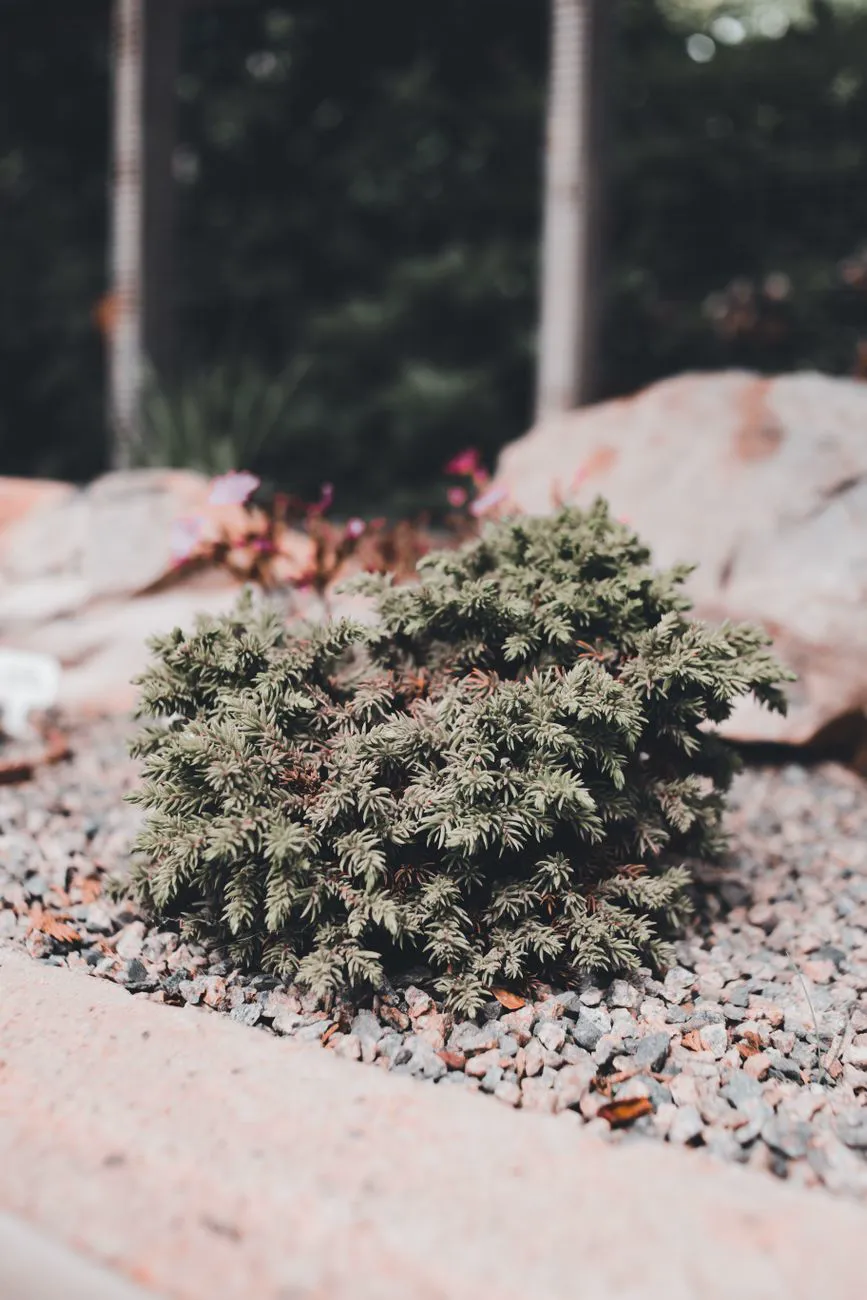
| Idea | What it saves |
|---|---|
| Shrink the lawn | Mowing, watering, feeding |
| Native & drought-tolerant plants | Watering, pest care |
| Perennials over annuals | Yearly replanting |
| Mulch everything | Weeding & watering |
| Hardscaping | All upkeep on that area |
| Ground covers | Mowing tricky spots |
The core principle
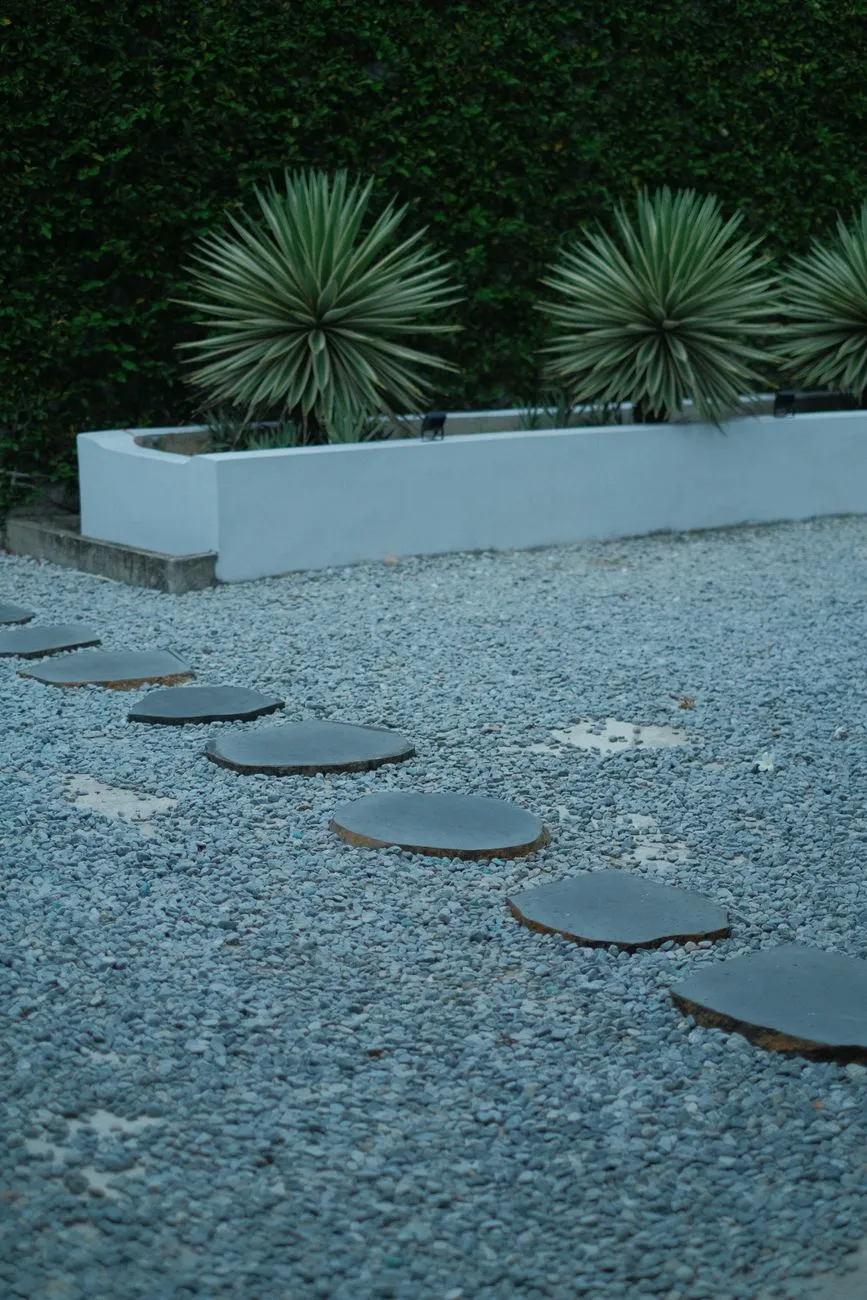
A truly easy garden comes from one simple idea: reduce what demands ongoing work and invest in what does not. Every choice below follows that rule.
Lawns, thirsty plants, and fiddly beds need constant attention, while native plants, mulch, hardscaping, and good design largely look after themselves. Get the structure right once, and you trade hours of chores for time actually spent enjoying the space.
1. Shrink the lawn
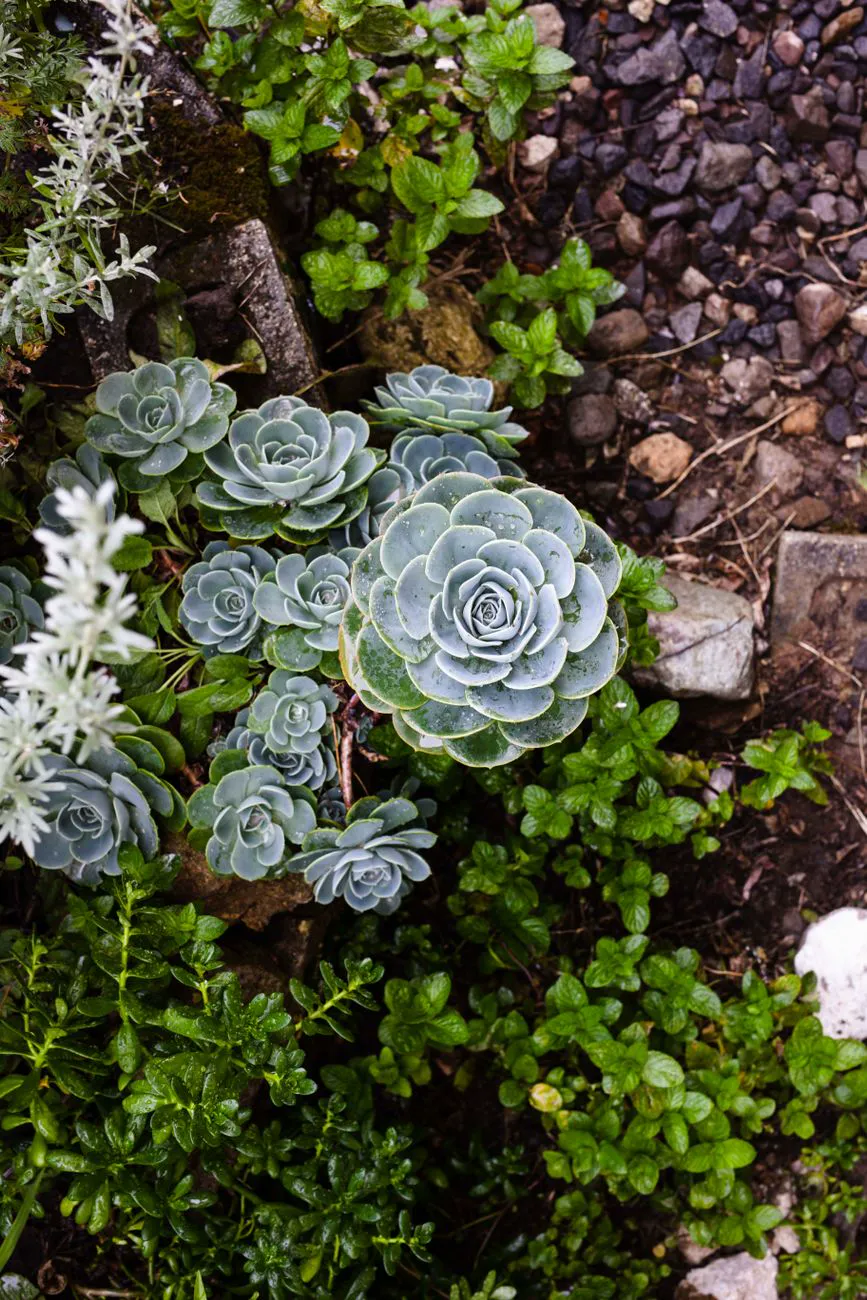
The lawn is the single most time-consuming feature in most yards: mowing, watering, feeding, and edging, on repeat. Reducing it pays huge dividends.
You do not have to rip it all out. Replace sections with planting beds, ground covers, gravel areas, or a patio, and keep whatever lawn remains a clean, simple shape that is quick to mow. Smaller lawn, less work.
2. Choose native and drought-tolerant plants
Plants native to your region evolved to thrive in your climate, soil, and rainfall. Once established, they need little watering and few pest treatments.
Pair them with drought-tolerant choices and you eliminate most of the watering and replacement that high-maintenance gardens demand. As a bonus, native plants support local bees, butterflies, and birds. The Royal Horticultural Society highlights right-plant-right-place as the foundation of an easy-care garden.
3. Plant perennials, not annuals
Annual flowers look great but must be replanted every single year. Perennials come back on their own, season after season.
Build your beds around reliable, low-care perennials and flowering shrubs, and use a few annuals only as occasional accents. You plant once and enjoy for years; many picks in our best flowers for beginners guide are perfect for this.
4. Mulch everything
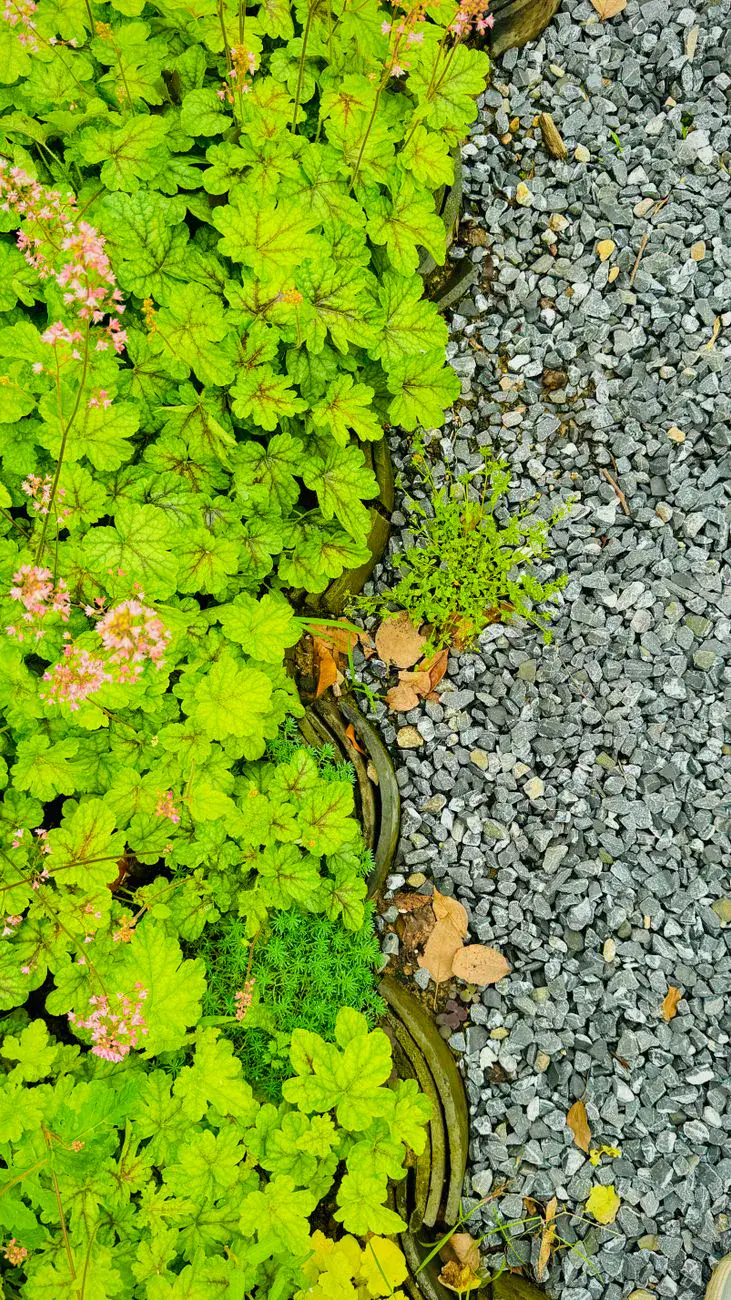
Mulch is the lazy gardener’s best friend, and it does several jobs at once. A 5 to 8 cm layer over your beds transforms upkeep.
It suppresses weeds (the biggest ongoing chore), locks in moisture so you water less, and gives everything a tidy, finished look. Refresh it once a year and it does the work of hours of weeding and watering (see our mulching guide). Laying cardboard or landscape fabric under gravel beds blocks weeds for years.
5. Add hardscaping
Patios, gravel paths, decks, and stone areas are the ultimate low-maintenance features. They never need watering, mowing, or weeding.
They also add structure and value. Replacing a chunk of high-effort lawn or beds with an attractive seating area or gravel garden instantly reduces upkeep while creating space to actually enjoy the yard.
6. Use ground covers instead of grass
For slopes, shady corners, and the strips between pavers where grass struggles, ground covers solve your hardest-to-maintain areas. They need almost no effort.
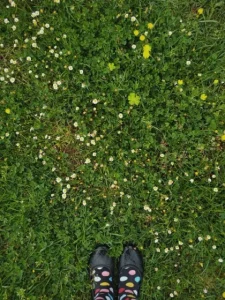
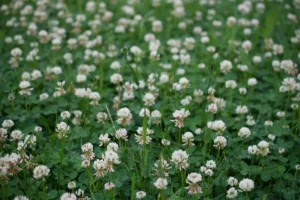
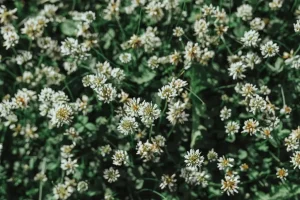
Low-growing plants like creeping thyme, sedum, or clover form a dense, walkable carpet that smothers weeds and rarely needs mowing or watering. They turn problem spots into easy ones.
7. Group plants by their needs
A simple design trick called “hydrozoning” makes care effortless: group plants with similar water and light needs together. It saves time and keeps plants healthier.
That way you water the whole thirsty bed at once and leave the drought-tolerant area alone, instead of treating every plant differently. It also prevents over- or under-watering, the cause of many plant losses.
8. Install simple irrigation
If you do have plants that need watering, a basic drip system or soaker hose on a timer removes the chore entirely. It is an afternoon’s setup for a season of freedom.
Water is delivered slowly right to the roots, with no waste and no standing there with a hose. Combined with mulch, it cuts watering to almost nothing (see how often to water plants).
9. Choose evergreen structure
Evergreen shrubs and ornamental grasses keep the garden looking good all year with almost no care. There is no deadheading and no bare winter beds.
A backbone of well-placed evergreens means your landscape always looks intentional, even in the months when flowers are gone. They give year-round shape for next to no work.
Where to spend and where to save
A low-maintenance yard is also a budget choice if you spend in the right places. A little investment up front saves years of work.
Put your money into good hardscaping, quality mulch, and a simple irrigation timer, since these slash ongoing effort. Save by choosing young native plants, which establish fast and cost less than large specimens, and by dividing perennials for free new plants. Design guidance from the Britannica entry on landscape design stresses that good structure, not constant planting, is what makes a space both beautiful and easy to keep.
Low-maintenance landscaping in India & warm climates
In hot climates like much of India, low-maintenance design leans heavily on heat- and drought-tolerant plants and hardscaping. The principles are the same, adapted to the heat.
Tough, water-wise choices like bougainvillea, lantana, oleander, ixora, and ornamental grasses thrive with little care, while gravel, paving, and mulch cut watering and weeding. Group thirsty plants together, mulch heavily against the summer heat, and ensure good drainage for the monsoon. A drip system on a timer is especially valuable in the long dry season.
Frequently asked questions
What is the lowest-maintenance landscaping?
A combination of reduced lawn, native and drought-tolerant perennials, generous mulch, hardscaping like gravel and patios, and ground covers for tricky spots. The less lawn and the more established, climate-suited plants, the less work.
What can I plant instead of grass?
Ground covers like creeping thyme, clover, or sedum, gravel and mulched beds, native perennial borders, or hardscaped seating areas all replace thirsty, high-maintenance lawn beautifully.
How do I stop weeds without constant weeding?
Mulch thickly (5 to 8 cm), use landscape fabric or cardboard under gravel and beds, and plant densely so there is no bare soil for weeds to colonise. These three steps eliminate most weeding.
Are native plants really lower maintenance?
Yes. Once established, native plants are adapted to your local climate and rainfall, so they need far less watering, feeding, and pest control than exotic or thirsty ornamentals.
What is hydrozoning?
Hydrozoning means grouping plants with similar water needs together, so you can water each zone efficiently instead of treating every plant separately. It saves water and keeps plants healthier.
What are low-maintenance plants for hot climates like India?
Bougainvillea, lantana, oleander, ixora, and ornamental grasses are tough and water-wise. Combine them with gravel, paving, mulch, and drip irrigation for an easy-care warm-climate garden.
Is a gravel garden low maintenance?
Yes, very. A gravel garden over a weed barrier needs no mowing or watering once drought-tolerant plants are established, just an occasional weed and a top-up of gravel. It is one of the easiest styles to keep.
What is the easiest lawn alternative?
Ground covers like clover or creeping thyme, or a simple gravel and mulched-bed scheme, are the easiest lawn alternatives. They smother weeds and need far less water and mowing than grass.
Do low-maintenance gardens still look good?
Yes, often better than high-effort ones. Strong structure from hardscaping, evergreens, and repeated planting looks intentional and polished all year, with far less work than fussy seasonal bedding.
What is the best low-maintenance landscaping around trees?
A ring of mulch or a bed of shade-tolerant ground covers is the easiest treatment under a tree, since grass struggles in the shade and dry soil there anyway. Keep the mulch a couple of inches deep and pull it back from the trunk so the bark can breathe. Shade lovers like hostas, ferns, or ajuga fill the space and smother weeds, giving you a tidy skirt that needs almost no attention.
Are rocks or mulch better for low-maintenance landscaping?
Both cut down on weeding, but they suit different spots. Gravel and stone last for years without topping up and work well in hot, dry areas and around paths, though they store heat and do not feed the soil. Organic mulch such as bark keeps roots cooler and improves the soil as it breaks down, but it needs refreshing every year or two. A common approach is stone for hard-working zones and mulch in planting beds.
Still stuck? Ask the Plant Doctor
Describe the problem — yellow leaves, holes, no flowers — and get a clear answer in seconds. FreeAI can make mistakes. Answers are guidance, not a guarantee — check anything important against the guide it links to, and always read the label on any product before you use it.