How to Grow Armenian Cucumber
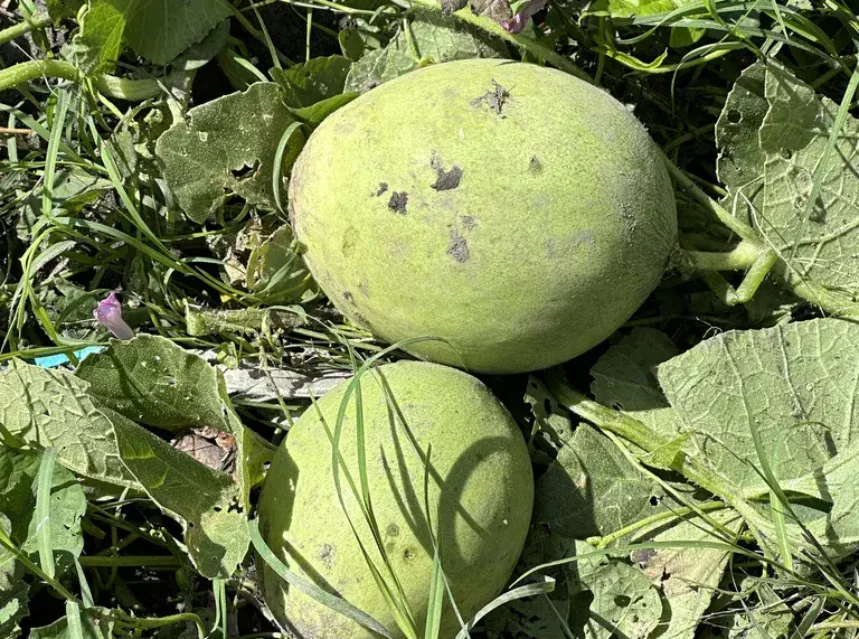
The Armenian cucumber (Cucumis melo var. flexuosus), also called snake melon or yard-long cucumber, is a long, slender, ribbed fruit that looks and tastes like a cucumber but is botanically a melon — and it is one of the easiest, most heat-loving “cucumbers” you can grow, with the bonus of never turning bitter. Picked young, the pale, thin-skinned fruits are crisp, mild, and burpless. Here is the complete guide on how to grow armenian cucumber.
Quick start: Sow Armenian cucumber in warmth in spring, then plant out in full sun and rich, free-draining soil after frost. Give the long vines a sturdy trellis so the fruits hang straight. Water well and pick young, around 30 cm long, for the best flavour. They love heat and crop heavily through summer.
Experienced growers prize Armenian cucumbers for thriving in summer heat that stresses true cucumbers, and for never tasting bitter. Two lessons stand out. First, grow them up a strong trellis, because the long fruits curl and twist on the ground but hang beautifully straight when trained upward. Second, pick them young and keep picking, as the fruits grow fast and a missed one quickly becomes huge, soft, and seedy. Many also note the thin skin needs no peeling. In short, give them heat, height, and frequent harvesting.
🧰 In a hurry? Jump straight to our tested picks for this guide ↓
Armenian cucumber at a glance
| Feature | Detail |
|---|---|
| Botanical name | Cucumis melo var. flexuosus |
| Common names | Armenian cucumber, snake melon, yard-long cucumber, kakri |
| Plant type | Tender annual climbing vine |
| Flavour | Mild, crisp, never bitter; burpless |
| Sun | Full sun; loves heat |
| Soil | Rich, fertile, free-draining |
| Support | Strong trellis for straight fruit |
| Harvest | Young, around 30 cm long |
Why grow Armenian cucumber?
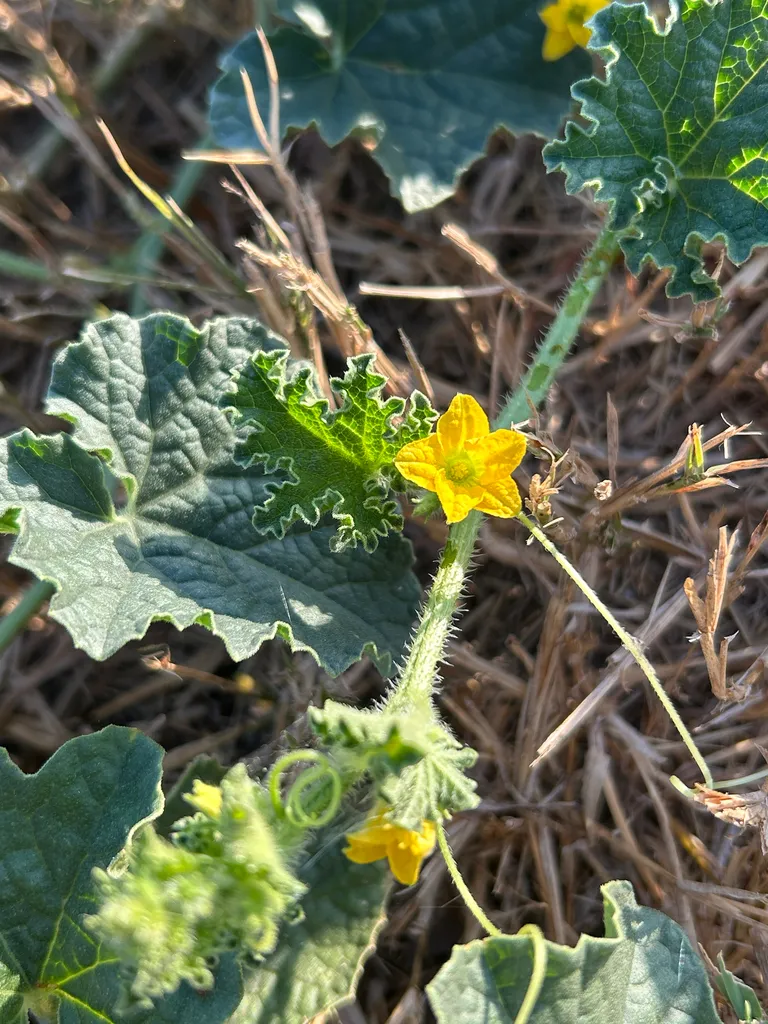
Armenian cucumbers solve two common cucumber problems at once: heat and bitterness. They positively love hot weather that makes ordinary cucumbers struggle, and the mild, crisp flesh never turns bitter, so every fruit is sweet and refreshing.
They are also fun and productive. The long, pale, ribbed fruits look striking, the thin skin needs no peeling, and a healthy vine crops heavily all summer. For hot-climate gardens, beginners, and anyone who finds cucumbers bitter or hard to digest, they are an excellent choice.
History, origin & where it grows
Despite the name, the Armenian cucumber is an old Middle Eastern and Mediterranean vegetable, grown for centuries across the region and into South Asia, where its mild, melon-family fruit was valued in the heat (see the Encyclopaedia Britannica on the melon family). It is a true melon used as a cucumber.
Long popular in Armenian, Turkish, and Persian cooking, it spread to gardens worldwide as a reliable, heat-proof alternative to the common cucumber.
Armenian cucumbers grow superbly in warm regions, including the hotter parts of the US. In India they are well suited to the warm season across much of the country, where similar long melon-cucumbers like kakri and tar are traditionally grown and loved in summer salads. They simply need warmth, sun, and good drainage.
Best season & when to plant
Start Armenian cucumber indoors in spring, a few weeks before the last frost, as the seeds need warmth to germinate. Plant out only once all frost has passed and the soil is warm.
They crop through the hot part of summer into autumn, and the hotter it is, the happier they are. In India, sow at the start of the warm season so the heat-loving vines have a long, hot period to produce.
How to plant Armenian cucumber

Armenian cucumbers are grown from seed, like ordinary cucumbers but even more heat-loving. To grow them well:
- Sow seed on its side about 2 cm deep in warmth, then plant out in full sun.
- Use rich, fertile, free-draining soil improved with compost (see improving garden soil).
- Set up a strong trellis at planting time and space plants about 45 cm apart.
Water in well and guide the young vines onto the support. They climb readily by tendrils and grow fast in the heat.
Sun, soil, watering & support
Armenian cucumbers want full sun and plenty of heat, along with rich, free-draining soil kept consistently moist. Steady watering is important for crisp, well-shaped fruit, especially in the hottest weather (see how often to water plants).
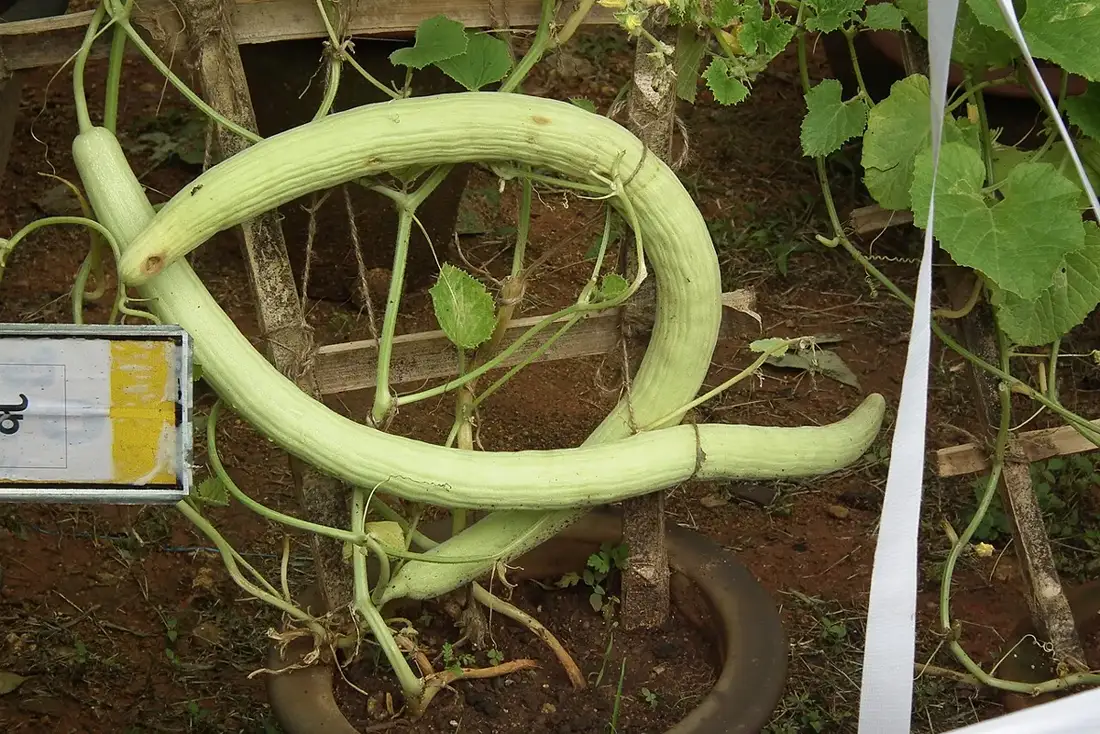
A sturdy trellis is the single best thing you can do for them. Grown upward, the long fruits hang down straight and clean, are easy to find and pick, and the vine gets better airflow. Left to sprawl, the fruits curl and twist into snake-like shapes, which is harmless but awkward. Feed every couple of weeks once fruiting.
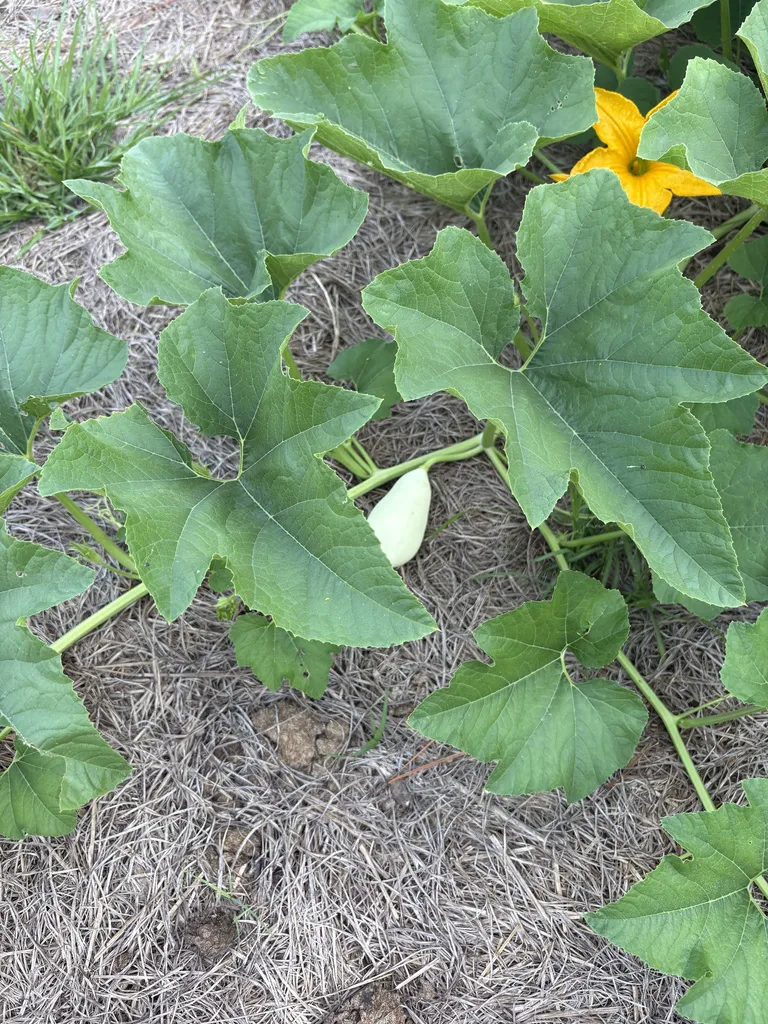
Harvesting Armenian cucumber
Pick the fruits young, at around 30 cm long and while the skin is still pale, thin, and tender. At this stage they are at their crisp, mild best, and you can eat them skin and all.
Harvest often, every couple of days, as the fruits grow very fast and frequent picking keeps the plant cropping. Left on the vine, they swell into huge, soft, seedy fruits and the plant slows down. A quick daily check at the height of summer is well worth it.
Growing Armenian cucumber in containers
Armenian cucumbers grow well in large containers, making them a great choice for a hot, sunny patio or balcony. Because they climb, they take little floor space for a heavy crop of long fruit.
Choose a big pot of at least 20 litres with good drainage, fill it with rich, free-draining compost, and add a tall trellis or obelisk right away. Stand it in the sunniest, warmest spot you have and water often, as pots dry out fast for such a vigorous, thirsty vine. Feed every couple of weeks once the fruits begin to set, and pick young and often for the best results.
Common pests & diseases
Armenian cucumbers are fairly robust and, being melons, can be a little tougher than true cucumbers. The main risks are powdery mildew in late summer and sap-sucking pests like aphids or whitefly.
Good spacing, a trellis for airflow, and watering at the base rather than over the leaves prevent most mildew. Watch for cucumber beetles in some regions, and lean on our organic pest control guide for any pests that appear.
Uses in the kitchen
Armenian cucumber is used just like a regular cucumber, only milder and never bitter. The crisp, thin-skinned slices are perfect raw in salads, sandwiches, and dips, and they are a refreshing summer staple in salads across the Middle East and South Asia.
They also make excellent quick pickles, holding a good crunch. Because the skin is so tender, there is no need to peel them, and the mild flavour suits anyone who finds ordinary cucumbers strong or hard to digest. They are best eaten fresh and soon after picking, as the thin-skinned fruits do not keep as long as tougher shop cucumbers, which is simply another reason to grow your own and enjoy them at their crisp, just-picked best.
Common Armenian cucumber problems
Huge, soft, seedy fruit
The fruit grew too long. Pick young at around 30 cm and harvest every couple of days for crisp, mild cucumbers.
Curled, twisted fruit
Harmless, caused by growing on the ground. Train the vine up a trellis and the fruits hang straight.
White powder on leaves
Powdery mildew, common late in summer. Improve airflow, water at the base, and remove badly affected leaves.
Related plant guides
- How to grow Cucamelon
- How to grow Patty Pan Squash
- How to grow Cucumbers
- How to grow Spaghetti Squash
- Pointed Gourd
- Ivy Gourd
Frequently asked questions
Is the Armenian cucumber a cucumber or a melon?
Botanically it is a melon (Cucumis melo), but it looks and tastes like a mild cucumber and is grown and eaten exactly like one.
Why is my Armenian cucumber curled?
It grew on the ground. The long fruits twist into snake shapes when sprawling but hang perfectly straight when the vine is trained up a trellis.
When do you pick Armenian cucumbers?
Young, at around 30 cm long, while the skin is pale and tender. Pick every couple of days, as they grow fast and turn soft and seedy if left.
Can you grow Armenian cucumber in India?
Yes, very well in the warm season. It loves the heat, much like the traditional kakri and tar melon-cucumbers long grown for refreshing summer salads across the country.
How long do Armenian cucumbers take to grow?
Most varieties begin cropping about 60 to 75 days after sowing, with seed germinating in roughly 5 to 10 days in warm soil. Because they need consistent heat, sow only once night temperatures stay comfortably above 15C. Once the first fruits set, the vine produces continuously for weeks, so long as you keep picking. In hot regions two sowings a few weeks apart give a longer, steadier supply.
How far apart should you plant Armenian cucumbers?
Sow seed about 15 centimetres apart, then thin to roughly 35 to 40 centimetres between the plants you keep along a trellis. On mounds or hills, three plants per mound is a sensible limit. The vines run 2 to 2.5 metres or more, so crowding them means poor airflow, mildew and a lot of hunting for hidden fruit. Generous spacing plus vertical training gives cleaner, straighter cucumbers and much easier picking.
Do Armenian cucumbers need a trellis?
They do not strictly need one, but the difference in results is dramatic. On the ground the long fruits coil into snake shapes and often develop pale, marked patches where they rest on soil. Trained upward, they hang straight, stay clean, dry off faster after rain and are far easier to spot at picking size. Use a sturdy trellis, netting or A-frame at least 1.8 metres tall, since a mature vine carries real weight.
Are Armenian cucumbers ever bitter?
Rarely, and that is one of their main attractions. As a melon rather than a true cucumber, this crop lacks the cucurbitacin compounds that make stressed cucumbers taste bitter, so the flesh stays mild even in a hot summer. Any harshness usually comes from leaving fruit far too long on the vine, when the flesh turns spongy and seedy. Pick young, around 30 to 45 centimetres, for the sweetest, crispest texture.
Can you grow Armenian cucumbers in containers?
Yes, provided the container is big enough. Choose a pot of at least 40 to 60 litres with strong drainage and set a trellis in place before the vine starts running. Pots dry out quickly in summer heat, so mulch the surface, mix compost into the growing medium and water consistently to avoid the stop-start growth that stunts fruit. Feed every two weeks with a balanced liquid feed once flowering begins.
Do you need to peel Armenian cucumbers?
Not when they are picked young, since the ribbed skin is thin, tender and pleasantly crisp. Many cooks simply wash the fruit and slice it whole, and the fluted edges look attractive in salads. Older, larger fruits develop a tougher, duller skin that is better peeled or partly stripped in stripes. If the fruit has grown very large, scoop out the softening seed core as well.
Can you save seed from Armenian cucumbers?
Yes, because it is an open-pollinated crop, so saved seed comes true as long as it has not crossed with another Cucumis melo nearby. Leave one good fruit on the vine well past eating size until it turns yellowish and the skin hardens. Scoop out the seeds, rinse off the pulp, dry them thoroughly on a plate for a week or two, then store somewhere cool and dark. Kept dry, the seed stays viable for several years.
Sources and further reading
Still stuck? Ask the Plant Doctor
Describe the problem — yellow leaves, holes, no flowers — and get a clear answer in seconds. FreeAI can make mistakes. Answers are guidance, not a guarantee — check anything important against the guide it links to, and always read the label on any product before you use it.