How to Grow Cucamelon
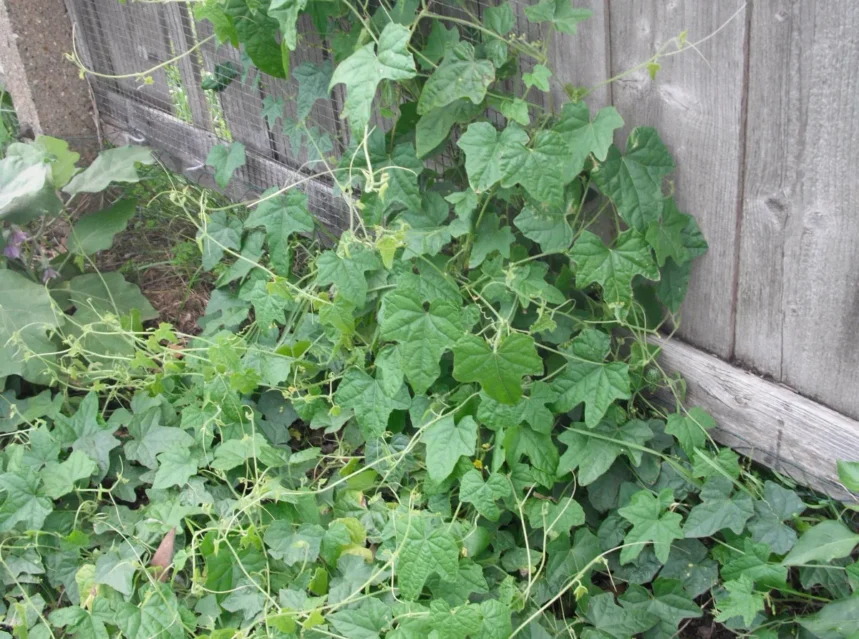
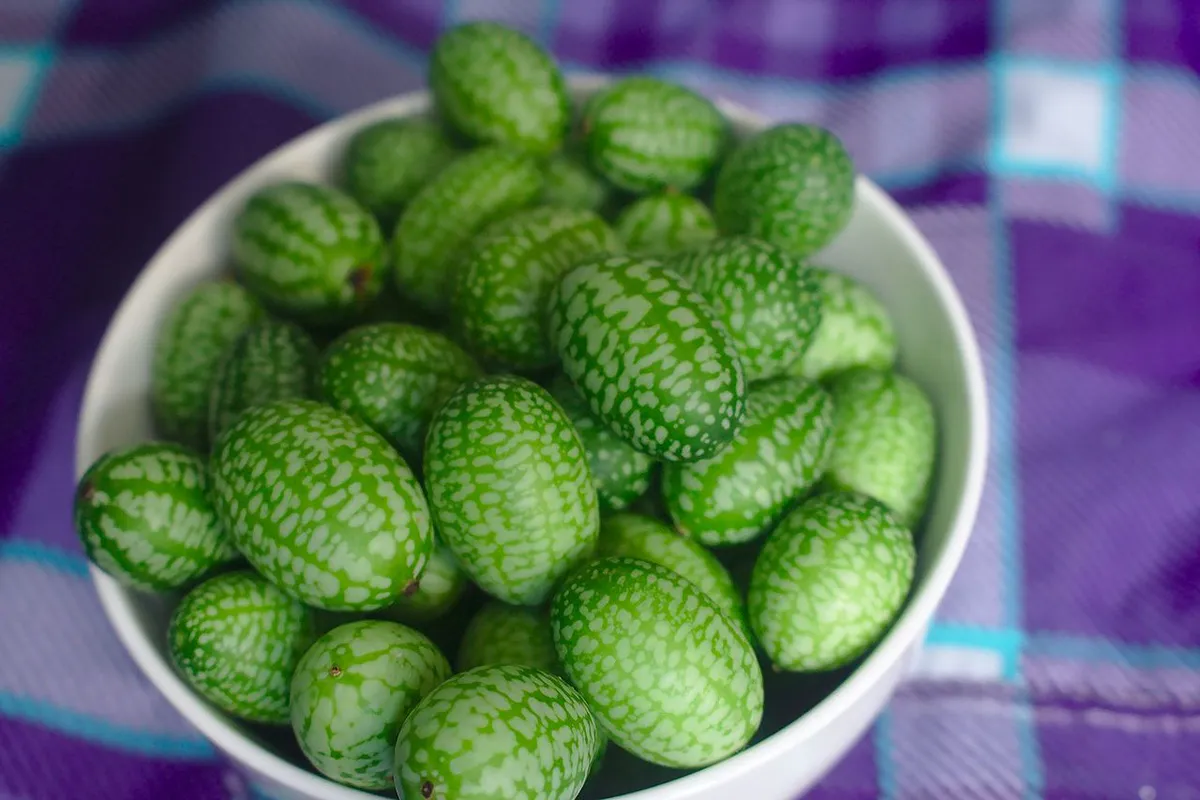
Cucamelons (Melothria scabra), also called mouse melons or Mexican sour gherkins, are grape-sized fruits that look like tiny watermelons and taste like a cucumber with a hint of lime — and they are a fun, easy, and productive climbing crop. Despite their exotic looks, they grow much like a small cucumber. Here is the complete guide on how to grow cucamelons.
Quick start: Sow cucamelons indoors in spring, then plant out after frost in full sun with a trellis to climb. Water regularly and let the slender vines scramble upward. Harvest the little fruits when they are grape-sized and firm. In warm climates they can crop for months from a single planting.
Experienced growers agree cucamelons are easier and tougher than cucumbers, shrugging off the heat, drought, and pests that trouble their bigger cousins. Home growers share two tips: the vines are slim but long, so give them a good trellis or netting from the start; and the fruits are best picked small and often, as grape-sized ones are crisp while larger ones turn sour and seedy. Many also note the plants grow from a small tuber that can be saved and replanted next year. In short, give them sun, support, and regular picking.
🧰 In a hurry? Jump straight to our tested picks for this guide ↓
Cucamelon at a glance
| Feature | Detail |
|---|---|
| Botanical name | Melothria scabra (family Cucurbitaceae) |
| Common names | Cucamelon, mouse melon, Mexican sour gherkin |
| Plant type | Tender annual climbing vine |
| Fruit | Grape-sized; cucumber-lime flavour |
| Sun | Full sun |
| Soil | Free-draining, fertile |
| Support | Trellis or netting needed |
| Harvest | Summer to autumn, when grape-sized |
Why grow cucamelons?
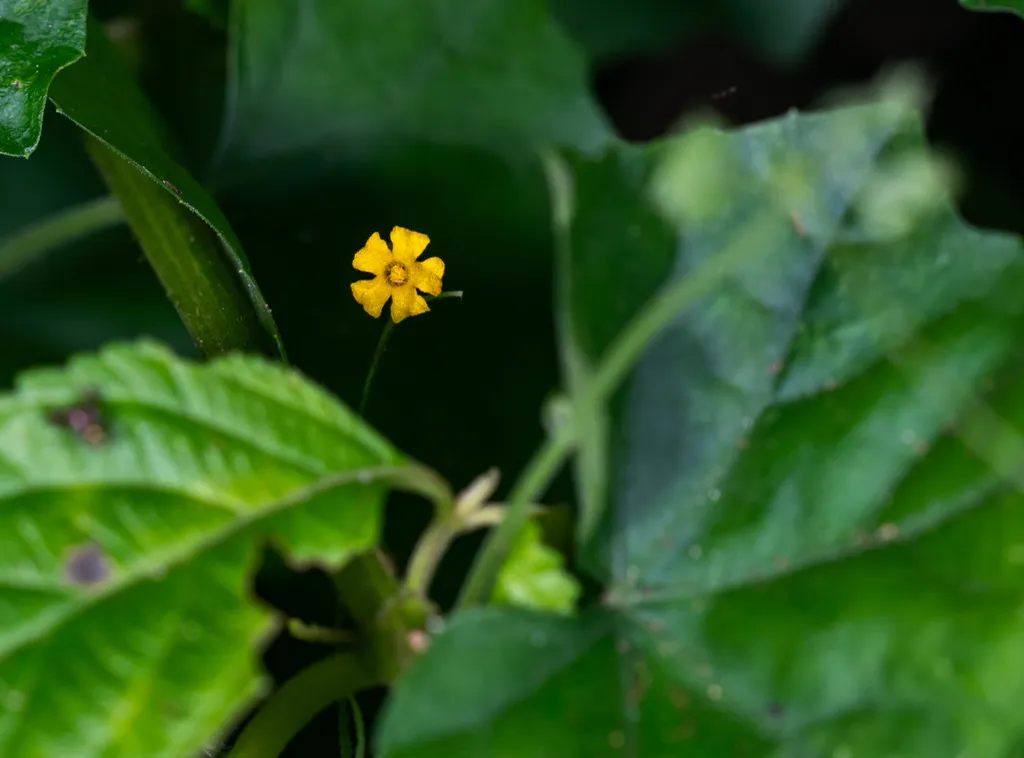
Cucamelons are a delight for any gardener who likes something different. The tiny fruits look exactly like miniature watermelons but taste fresh and tangy, making them a brilliant talking point and a favourite with children.
They are also tougher and more productive than cucumbers. The vines resist heat, drought, and many common pests, and a healthy plant produces dozens of little fruits over a long season. Easy, prolific, and fun, they earn their place in any sunny plot or pot.
For small-space and family gardens, they are ideal. The plants take little ground because they climb, the fruits are clean and easy to pick straight into the mouth, and children love hunting for the tiny “melons”. Add their resistance to the usual cucumber troubles, and cucamelons are one of the most beginner-friendly novelty crops you can grow.
History, origin & where it grows
Cucamelons are native to Mexico and Central America, where they have been eaten since before European contact, long predating the modern fashion for them as a novelty crop (see the Encyclopaedia Britannica on the cucumber family).
For centuries they were a regional food, only recently spreading to gardens worldwide as an easy, eye-catching vegetable. They remain far less common than cucumbers, which is part of their charm.
Cucamelons grow well in the warm summers of the US and UK as a frost-tender annual. In India, they suit the warm growing season in most regions, cropping happily in heat that would stress ordinary cucumbers, though they still need protection from the heaviest monsoon downpours and sharp drainage.
Best season & when to plant
Start cucamelons indoors in spring, a few weeks before the last frost, as they need warmth to germinate and a long season to crop well. Plant them out only once all frost has passed and the weather is warm.
They fruit through summer and into autumn. In India, sow at the start of the warm season so the vines have months to produce. The plants are killed by frost but grow fast from a spring start.
How to plant cucamelons
Cucamelons are grown from seed, much like cucumbers but a little slower to start. To grow them:
- Sow seed indoors in warmth, then harden off and plant out in full sun after frost.
- Use fertile, free-draining soil or a large pot with rich compost.
- Set a trellis, netting, or cane support in place at planting time.
Water in well and guide the young vines onto their support. They climb readily by tendrils once they get going.
Sun, soil, watering & feeding
Cucamelons love full sun and warmth. They grow in fertile, free-draining soil and crop well in large containers too, making them ideal for a sunny balcony or patio.
Water regularly, especially pots and plants in fruit, but avoid waterlogging (see how often to water plants). A balanced feed every few weeks once fruiting begins keeps the crop coming, much as you would feed a tomato or cucumber.
Support, training & the tuber
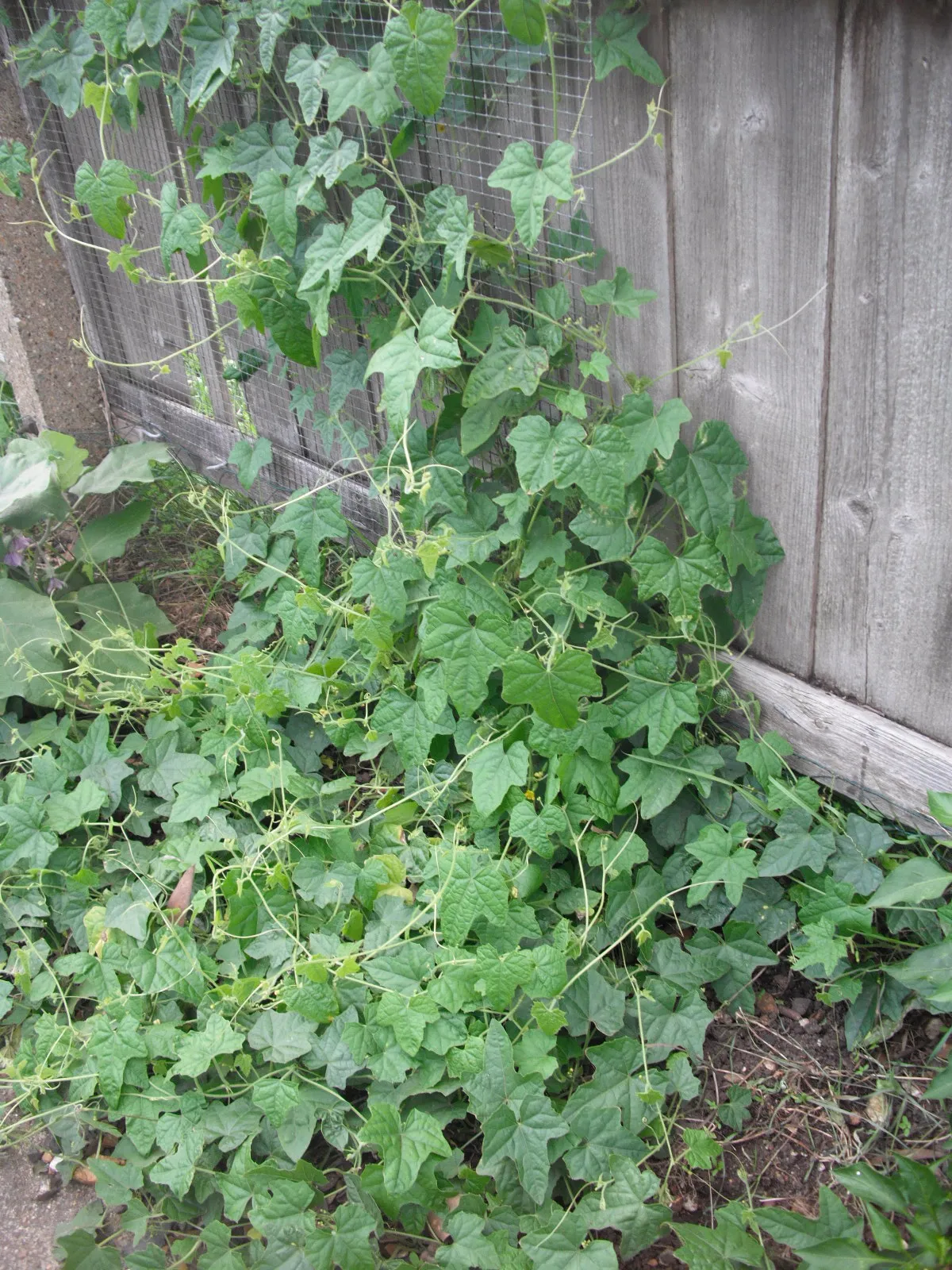
Although the vines are slim, they grow long and crop best when trained upward. Tie them in or weave them through netting, which also keeps the little fruits clean and easy to find.
A useful bonus is that cucamelons grow from a small tuber. In mild areas, or by lifting and storing the tuber over winter, you can replant it the next spring for an earlier, stronger crop. This makes them a near-perennial treat where winters are not too harsh.
Growing cucamelons in containers
Cucamelons are superb container plants, which makes them perfect for a sunny balcony, patio, or small yard. Their slim vines climb neatly upward, so they take very little floor space for the crop they give.
Choose a pot of at least ten litres with good drainage, fill it with rich, free-draining compost, and add a tall support such as an obelisk or trellis right away. Stand it in full sun and water regularly, as pots dry out faster than open ground, especially once the plant is in full fruit. Feed every couple of weeks through the cropping season. Grown this way, a single potted plant can supply handfuls of tiny fruits over many weeks.
Harvesting cucamelons
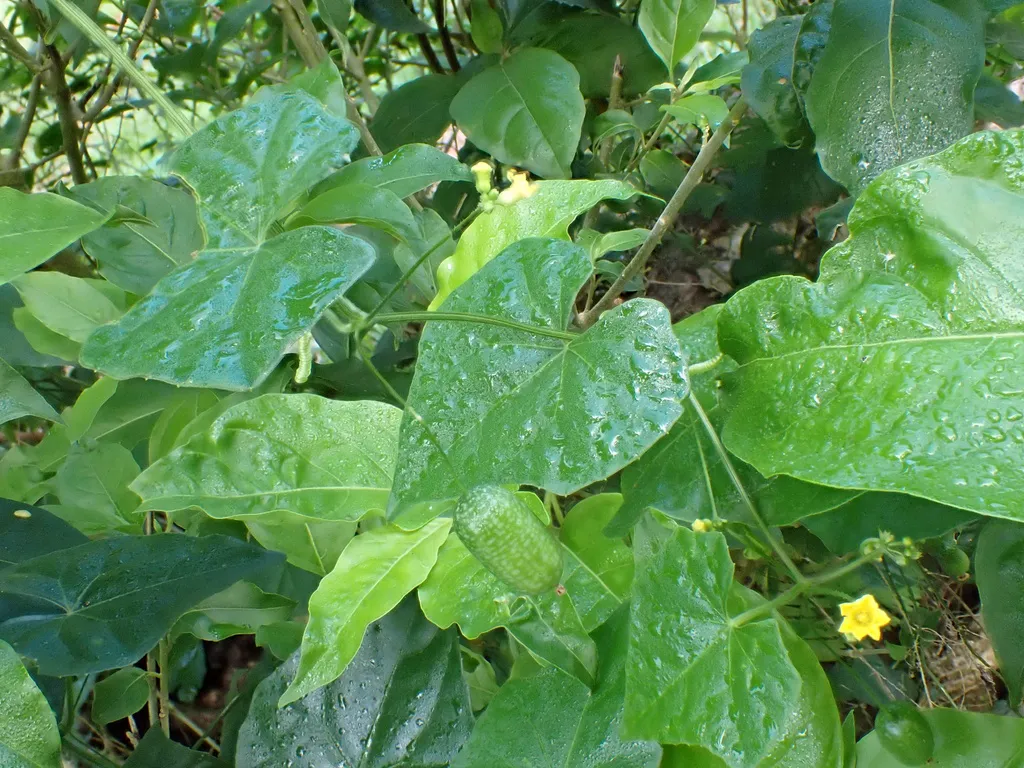
Pick cucamelons when they are about grape-sized and firm, usually from mid summer onwards. At this stage they are crisp, juicy, and tangy. Harvest little and often, as regular picking keeps the plant producing.
Left too long, the fruits grow larger, softer, and more sour, with tougher seeds. They keep for a few days in the fridge and are best eaten fresh, whole and raw, straight from the vine.
Common pests & diseases
Cucamelons are notably tougher than cucumbers and rarely troubled by pests. They largely shrug off the cucumber beetles, mildew, and wilt that plague their relatives, which is one of their best features.
Occasionally aphids or slugs bother young plants, and very wet soil can cause root rot. Good drainage, airflow, and the methods in our organic pest control guide keep them healthy.
Uses in the kitchen
Cucamelons are grown as a fresh snacking and salad vegetable, eaten whole and raw for their crisp, cucumber-lime crunch. They add a pretty, tangy touch to salads, salsas, and garnishes.
They also pickle beautifully, keeping their crunch like a tiny gherkin, and can be added whole to drinks. Low in calories and high in novelty, they are as much fun on the plate as on the vine.
Common cucamelon problems
Sour, seedy fruit
The fruits were left too long. Pick them grape-sized and firm, little and often.
Few fruits
Usually too little sun, warmth, or support. Give full sun, a trellis, and steady feeding once fruiting starts.
Slow start
Cucamelons germinate and establish slowly in cool conditions. Start them indoors in warmth and plant out only when warm.
Vines sprawling on the ground
Left without support, the long vines trail and the fruits get hidden and dirty. Give a trellis or netting early and tie the stems in as they grow upward.
Related plant guides
- How to grow Armenian Cucumber
- How to grow Patty Pan Squash
- How to grow Cucumbers
- Ivy Gourd
- How to grow Spanish Flag
- How to grow Tomatillo
Frequently asked questions
What does a cucamelon taste like?
Like a crisp cucumber with a tangy hint of lime. The grape-sized fruits are crunchy and refreshing, eaten whole and raw straight from the vine.
Are cucamelons easy to grow?
Yes, and easier than cucumbers. They tolerate heat and drought, resist most cucumber pests, and crop heavily, needing only sun and a support to climb.
When do you pick cucamelons?
Pick them when grape-sized and firm. Harvest little and often, as leaving them too long makes them soft, sour, and seedy.
Can you grow cucamelons in India?
Yes, in the warm growing season. They handle heat well, but give them sharp drainage and some shelter from the heaviest monsoon rain.
Is a cucamelon a hybrid or a GMO?
Neither. Cucamelon is Melothria scabra, a species in its own right that is native to Mexico and Central America, where it has been eaten for centuries under names such as sandiita, little watermelon. It is not a cross between a cucumber and a watermelon, and it is not genetically modified — the resemblance to a miniature melon is pure coincidence of appearance. Because it is a true species, seed saved from your own fruit comes true and can be sown again next year.
How long do cucamelon seeds take to germinate?
Give them one to two weeks at a steady 21-27°C, and do not panic if they lag behind your cucumbers. Cucamelon seed is small and notoriously slow and uneven, so it pays to sow more than you need and to use a heat mat or the warmest windowsill in the house. Sow about 1 cm deep in modules of moist, free-draining compost, and keep the surface damp but never soggy. Cool compost below about 18°C is the single most common reason a tray stays empty.
Do cucamelons need a trellis?
Yes, and they earn one. The thread-like vines climb by tendrils to roughly 2-3 m and produce far more fruit when trained up netting, wires, a wigwam or an obelisk than when left to sprawl. Vertical growing also keeps the tiny fruits visible, which matters more than you might think, because grape-sized cucamelons vanish among the leaves and are easy to miss. Tie the vines in loosely at first and they take over the support themselves within a few weeks.
Do cucamelons need full sun, or will they grow in shade?
Full sun gives the heaviest crop — aim for at least six hours a day. They will grow in light or dappled shade and still look healthy, but you generally get more leaf than fruit, and ripening slows noticeably. In very hot climates the opposite applies and a little afternoon shade helps, since scorching afternoon sun on a container-grown vine dries the roots faster than you can water. Shelter from strong wind also helps, because the fine stems tear easily.
Do cucamelons self-pollinate?
They are monoecious, meaning each vine carries separate male and female flowers, so a single plant can set fruit on its own with the help of insects or a gentle shake. As with cucumbers and squash, the first flush of flowers is usually all male, which is why nothing sets for the first week or two — this is normal, not a fault. Female flowers are easy to spot because each one has a miniature fruit already formed behind the petals. If tiny fruits keep shrivelling and dropping, hand-pollinate by dabbing pollen from a male flower onto the female with a small brush.
Do cucamelon plants come back every year?
They can, because each vine forms a fleshy underground tuber like a small dahlia root. Left in the ground the tuber survives outdoors in mild areas — roughly USDA zone 7 and warmer — and resprouts the following spring. In colder gardens, lift the tuber after the top growth is frosted, brush off the soil, and store it barely moist in sand or compost somewhere cool, dark and frost-free. Growers consistently report that a second-year plant from an overwintered tuber starts faster and crops more heavily than a fresh seedling, which makes the small effort worthwhile.
Are cucamelon tubers edible?
Treat them as planting stock rather than food. Unlike the fruits, the tubers have no established culinary tradition, and reliable information on eating them is scarce, so the sensible approach is to replant them for next season instead of putting them on the plate. The same caution applies to the leaves and stems, which are not a recognised vegetable. The fruits are the crop — eaten whole, raw, pickled or tossed into salads and drinks.
Can cucamelons become invasive?
They can certainly make a nuisance of themselves in a warm garden. Overlooked fruits drop, self-seed freely, and any tuber left behind resprouts, so odd plants keep appearing in the same bed for years. That is a weeding job rather than a serious ecological problem in most temperate regions, but in frost-free tropical and subtropical gardens the vines can scramble widely and are worth keeping in a container or a contained bed. Picking every fruit before it over-ripens, and lifting tubers at the end of the season, keeps things easily under control.
Sources and further reading
Still stuck? Ask the Plant Doctor
Describe the problem — yellow leaves, holes, no flowers — and get a clear answer in seconds. FreeAI can make mistakes. Answers are guidance, not a guarantee — check anything important against the guide it links to, and always read the label on any product before you use it.