How to Deadhead Flowers (For Months of Extra Blooms)
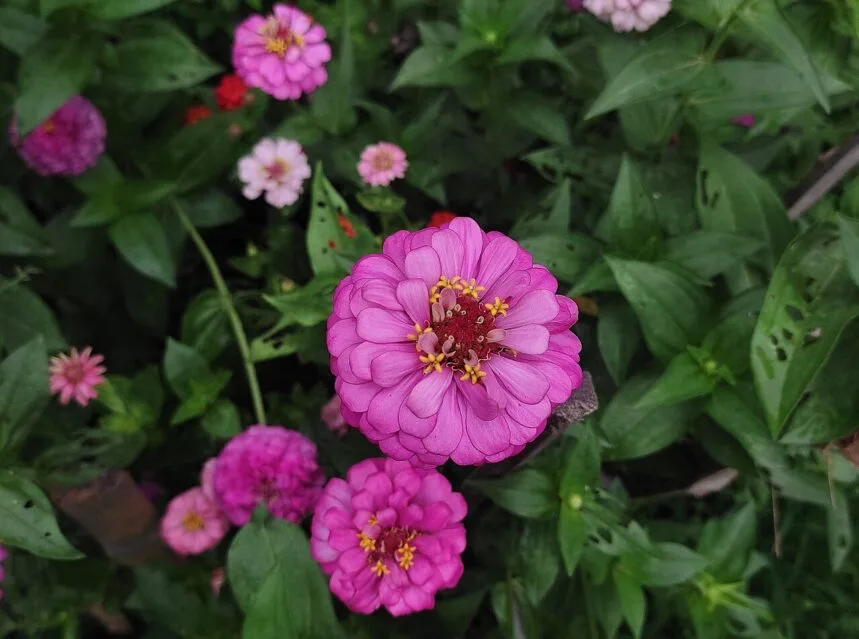 Photo: Tanvir Rahat (CC BY-SA 4.0) via Wikimedia Commons
Deadheading is the simple job of removing faded, spent flowers from a plant, which tricks it into producing more blooms instead of setting seed. It is one of the easiest and most rewarding garden tasks, keeping plants tidy and flowering for far longer. A few minutes with snips or fingers can transform a display. Here is how to deadhead flowers, when to do it, and which plants to leave alone.
Quick answer: Pinch or snip off each faded flower just above the next leaf, bud, or side-shoot, before it forms seed. Do it regularly through the flowering season, every few days for fast bloomers. Most annuals and many perennials flower longer when deadheaded; leave plants you want to self-seed or that give winter seedheads and berries.
🧰 In a hurry? Jump straight to our tested picks for this guide ↓
Deadheading at a glance
| Question | Answer |
|---|---|
| What is it? | Removing faded flowers before they set seed |
| Why? | More blooms, longer season, tidier plants |
| How? | Pinch or snip above the next leaf/bud |
| When? | Regularly through the flowering season |
| Tools? | Fingers, snips, or secateurs |
| Skip for? | Self-seeders, winter seedheads, berries |
Why deadhead flowers?
Plants flower in order to set seed and reproduce. Once they succeed, many slow or stop flowering, their job done.
Deadheading removes the spent blooms before seed forms, so the plant keeps trying, producing more flowers in the attempt. The result is a longer, fuller flowering season. It also keeps plants neat, stops them wasting energy on seed, and removes faded blooms that can rot or look untidy. For more flowers from the same plants, it is the simplest trick there is.
How to deadhead, step by step
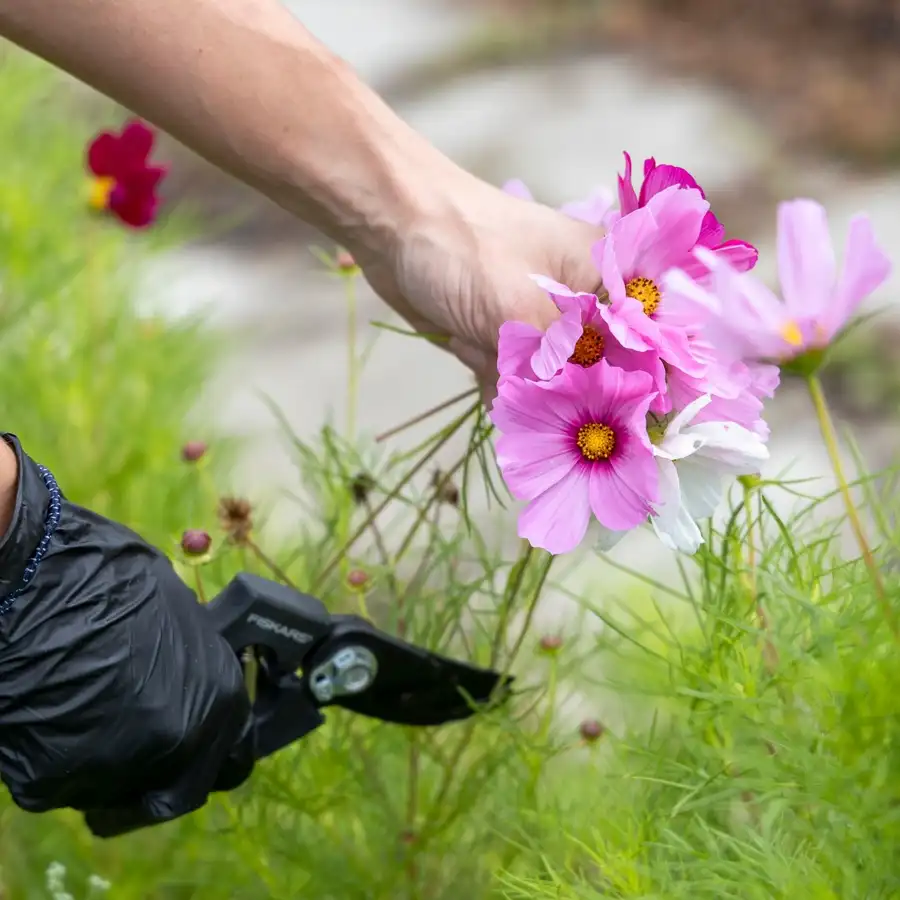
Deadheading is easy once you know where to cut. The aim is to remove the old flower and encourage new growth below.
Follow the faded flower down its stem to the first healthy leaf, bud, or side-shoot, and pinch or snip just above it. Removing only the flower head leaves a bare stalk, so cutting back to a leaf or bud looks tidier and prompts fresh growth. For soft-stemmed plants, finger-and-thumb pinching is enough; for tougher stems, use snips or secateurs.
Which plants love deadheading
Many of the most popular garden flowers bloom far longer when deadheaded. These are the ones to keep on top of.
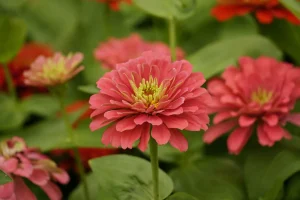
- Annuals like cosmos, marigolds, zinnias, and petunias (see marigolds).
- Roses (repeat-flowering types) — deadhead to a strong outward bud.
- Dahlias — keep picking and deadheading for months of bloom (see dahlias).
- Perennials like salvia, geraniums, and rudbeckia.
- Sweet peas and cut flowers — picking is deadheading; the more you cut, the more you get.
When and how often to deadhead
Deadhead through the whole flowering season, from the first blooms to the last. Little and often is the rule.
For fast, free-flowering annuals, a quick pass every few days keeps them covered in flower. For perennials and roses, deadhead as the blooms fade. A relaxed wander round the garden with snips, removing what is spent, is all it takes. Stop in late summer or autumn for plants whose seedheads you want to keep for winter or wildlife.
Which plants NOT to deadhead
Deadheading is not always wanted. Some plants are better left to follow their natural course.
Leave plants you want to self-seed, like poppies, foxgloves, and aquilegia, so they scatter seed for next year. Leave those grown for seedheads or berries, such as ornamental grasses, sedums, alliums, and teasels, which give winter structure and feed birds. And single-flush plants that bloom only once, like many spring bulbs, do not rebloom from deadheading, though removing the dead flower still tidies them and stops wasted seed.
Deadheading vs cutting back
Deadheading removes individual spent flowers, but sometimes a bigger trim works better. Knowing the difference helps.
When a plant like hardy geranium or catmint finishes its main flush and looks tired, you can cut the whole plant back hard instead of deadheading flower by flower. It quickly throws up fresh foliage and often a second flush of bloom. For plants with many tiny flowers, this “chop” is far quicker than picking off each head and gives a neat, renewed plant.
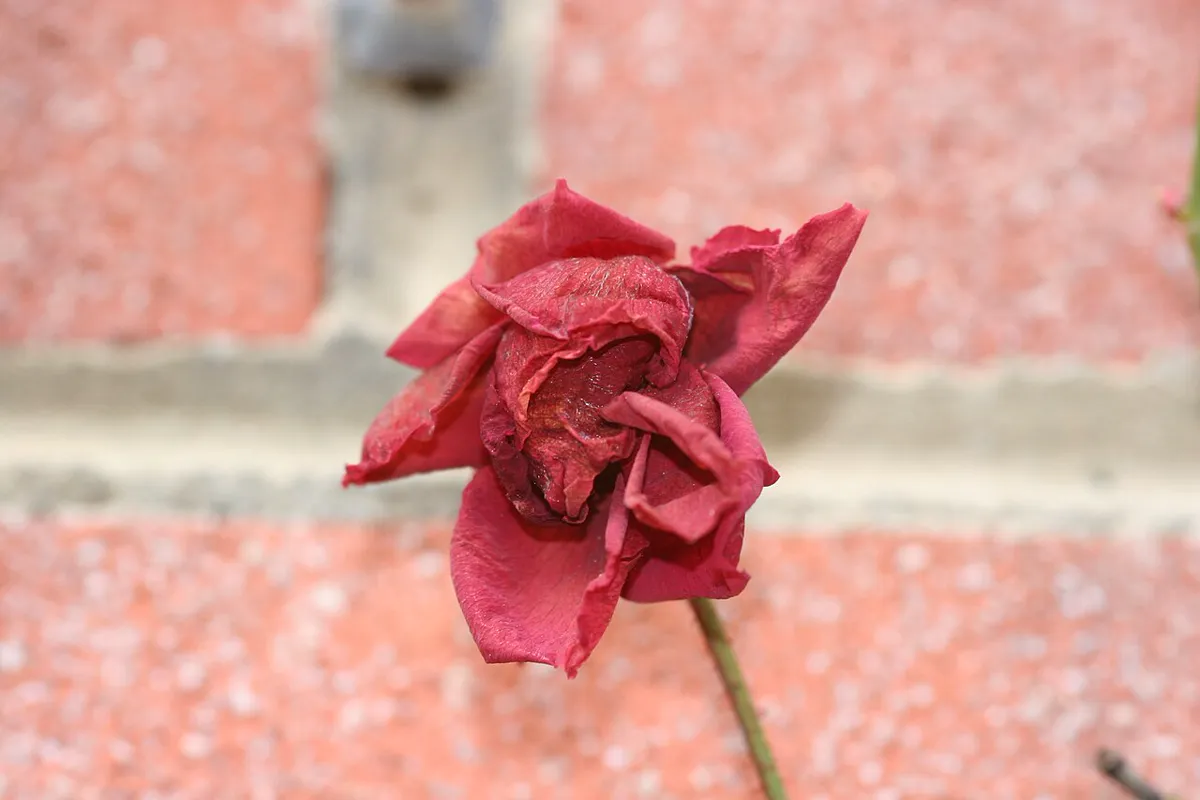
Deadheading in India & warm climates
In warm climates like much of India, many flowers bloom for long stretches, so regular deadheading really pays off. It keeps cool-season annuals like petunias and marigolds flowering for months.
Deadhead in the cool of the morning or evening, not the harsh midday heat, both for the plants and for comfort. Marigolds (genda) in particular reward frequent deadheading with a long, generous show, useful where the flowers are picked for garlands and festivals. The same simple cut-above-a-leaf method applies everywhere.
Why deadheading is worth the few minutes
Deadheading is the closest thing gardening has to a free lunch. A few relaxed minutes removing spent flowers rewards you with weeks of extra bloom, tidier plants, and a garden that looks cared-for.
It needs no special skill or tools, just the habit of nipping off what is fading as you pass. Learn which plants to deadhead and which to leave for seed and wildlife, and you get the best of both. For more flowers, longer, from the plants you already have, deadheading is one of the most rewarding habits a gardener can build.
Tools for deadheading
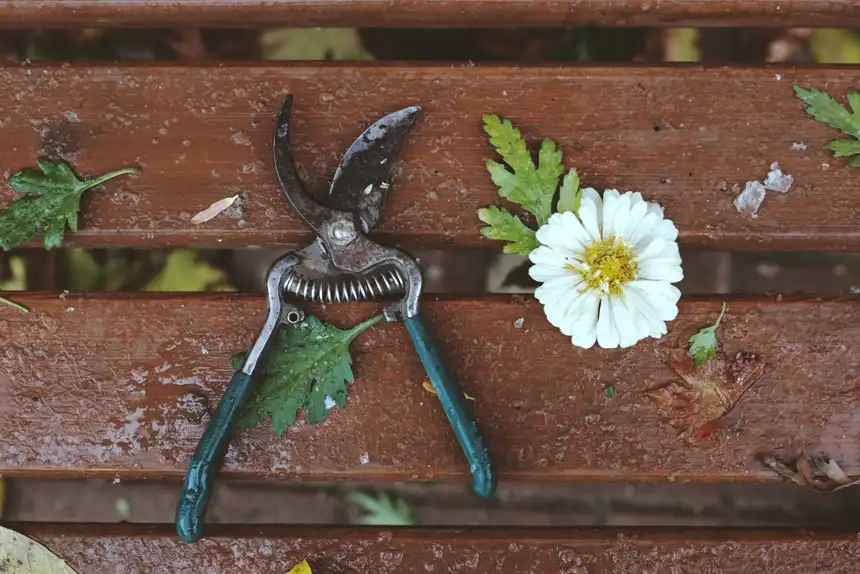
Deadheading needs very little kit, which is part of its appeal. For most plants, your fingers are the only tool required.
Soft-stemmed annuals like petunias and marigolds are easily pinched off with finger and thumb. For tougher or woodier stems, such as roses and dahlias, a pair of snips or secateurs gives a clean cut without tearing. Keep the blades clean and sharp to avoid bruising stems or spreading disease. A small trug or bucket to collect the spent flowers keeps the job tidy, and the dead heads can go on the compost heap afterwards.
Deadheading containers and baskets
Pots, hanging baskets, and window boxes especially benefit from regular deadheading. Their flowers are at eye level, and the plants are bred to bloom hard all season.
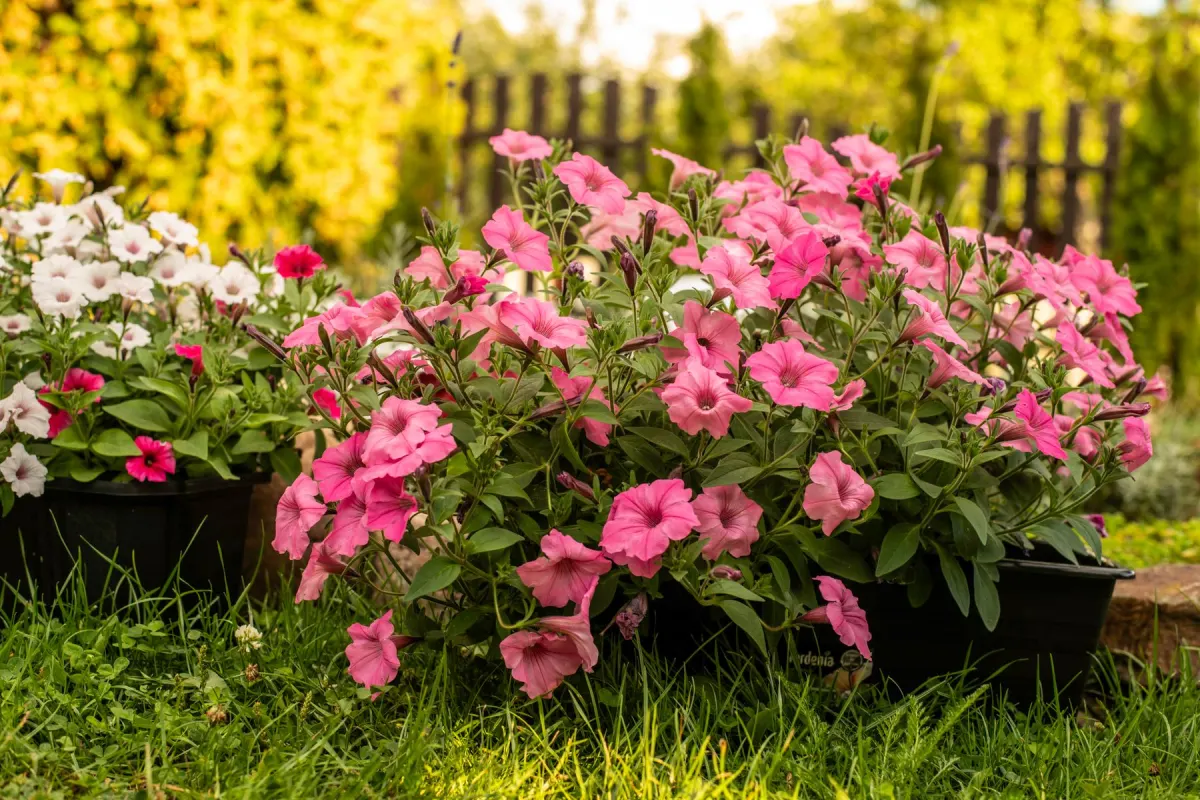
Because container plants are packed in and on show, a quick daily pinch keeps them looking their best and flowering non-stop (see hanging baskets). Petunias, calibrachoa, and verbena in baskets reward frequent deadheading with months of colour. Combine it with regular watering and feeding, and a basket or pot stays full of flower from late spring right through to autumn, far longer than a neglected one.
Deadheading bulbs and spring flowers
Spring bulbs need a slightly different approach. You deadhead the flower but treat the leaves with care.
After daffodils, tulips, and other bulbs finish, snip off the faded flower and any developing seed pod, so the bulb does not waste energy making seed. Crucially, leave the foliage to die down naturally for at least six weeks, as the leaves feed the bulb for next year. Resist the urge to tidy or tie up the leaves too soon. This simple combination, removing the spent flower but keeping the leaves, gives a better display the following spring.
Sources and further reading
Frequently asked questions
What does deadheading flowers mean?
It means removing faded, spent flowers before they set seed, which encourages the plant to produce more blooms.
How do you deadhead flowers correctly?
Pinch or snip the faded flower just above the next healthy leaf, bud, or side-shoot, rather than leaving a bare stalk.
Which flowers should you not deadhead?
Leave self-seeders (poppies, foxgloves), plants grown for seedheads or berries, and those giving winter structure or bird food.
How often should I deadhead?
Through the whole flowering season — every few days for fast annuals, and as blooms fade for perennials and roses.
Does deadheading really give more flowers?
Yes — by stopping the plant setting seed, it keeps trying to flower, extending the display for weeks on many plants.
Can I deadhead with my fingers?
Yes, for soft-stemmed plants like petunias and marigolds. Use snips or secateurs for tougher stems such as roses and dahlias.
Do roses need deadheading?
Repeat-flowering roses bloom more if deadheaded to a strong outward-facing bud. Once-flowering and hip-bearing roses are best left.
What do I do with the deadheaded flowers?
Add them to the compost heap, unless they are diseased, in which case bin them to avoid spreading problems.
See also: why your hydrangea is not blooming.
See also: why are my marigold leaves turning yellow.
See also: why are my geranium leaves turning yellow.
Is deadheading the same as pruning?
No, though the two overlap. Deadheading simply removes the faded flower and as little stem as possible, so the plant stops putting energy into seed. Pruning is a bigger job that shapes the plant by cutting back woody stems and branches, usually at a set point in the year. You can deadhead all season, but most shrubs only want pruning at their proper time.
When should I stop deadheading?
Ease off as the season cools, roughly six to eight weeks before your first hard frost. Late deadheading pushes out soft new growth that gets damaged by cold, and it removes seedheads that feed birds and add winter structure. Stopping also lets self-seeders drop seed for next year and gives you seed to collect. In frost-free and tropical climates you can carry on much longer, guided by the plant’s own flowering cycle.
Should you deadhead hydrangeas?
Deadheading rarely brings more flowers on hydrangeas, but tidying spent heads lets the plant put energy into roots and leaves. The bigger risk is timing: on mophead and lacecap types that flower on old wood, cutting late in the season can remove next year’s buds. Take off faded heads only down to the first strong pair of buds, and stop by around late summer. Many gardeners leave the dried heads on over winter, since they protect the buds beneath and look good in frost.
How do you deadhead petunias properly?
Pinch out the whole faded flower plus the short stem behind it, not just the limp petals. That little swollen section behind the bloom is the developing seed pod, and leaving it in place tells the plant its job is done. Go over the plants every few days through summer, since petunias fade fast in heat. Many modern trailing varieties are bred to self-clean, but even those flower better with a tidy-up and a liquid feed.
Still stuck? Ask the Plant Doctor
Describe the problem — yellow leaves, holes, no flowers — and get a clear answer in seconds. FreeAI can make mistakes. Answers are guidance, not a guarantee — check anything important against the guide it links to, and always read the label on any product before you use it.