Bachelor Button Seeds
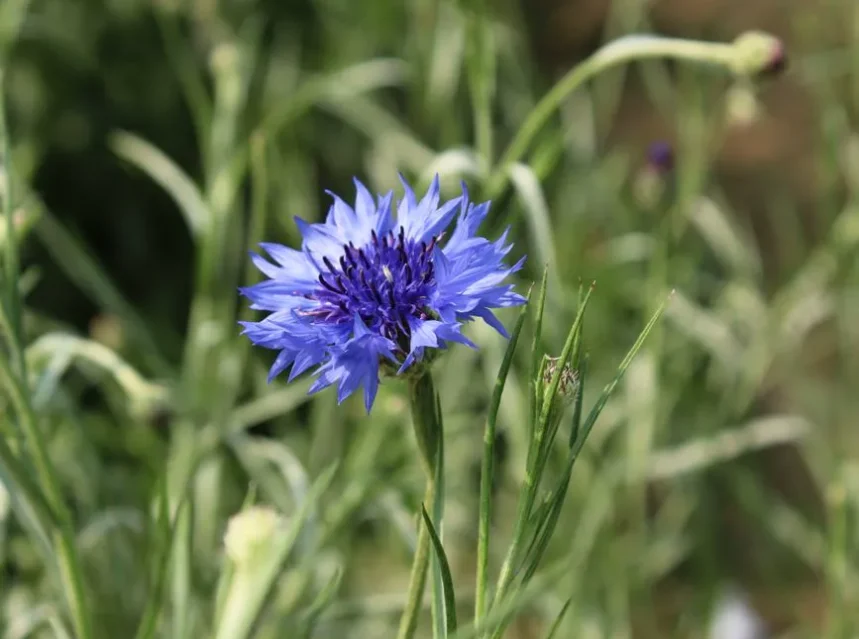
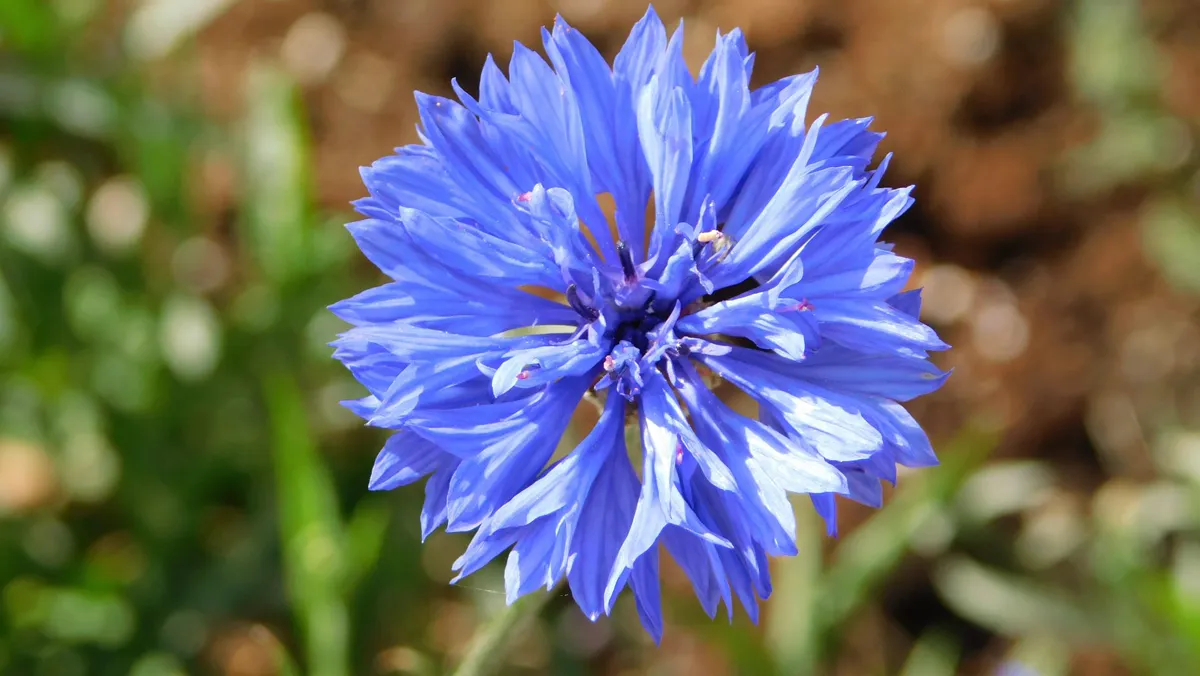
Bachelor button seeds grow into the cornflower (Centaurea cyanus) — a classic cottage-garden annual famous for its intense, true-blue, fringed button blooms, also found in pink, white, and near-black. It is one of the easiest cool-season flowers, beloved for cutting, drying, and feeding bees. The petals are even edible. Sowing seed lets you raise tall cutting types and tidy dwarf bedding kinds. This guide covers the best bachelor button seeds worldwide, exactly how to grow cornflower from seed, when to sow, and where to buy quality seed.
Classic, true-blue, and easy. The cornflower botany page and the RHS guide to growing cornflowers cover sowing, timing, and care.
🧰 In a hurry? Jump straight to our tested picks for this guide ↓
Bachelor button seeds at a glance
| Feature | Detail |
|---|---|
| Botanical name | Centaurea cyanus (family Asteraceae) |
| Sowing depth | 1 cm (½ inch); cover, germinates in darkness |
| Germination temperature | 15–20°C (59–68°F) |
| Days to germinate | 7–14 days |
| Season | Cool-season hardy annual; self-seeds |
| Days to bloom | 65–90 days |
| Best for | Cut and dried flowers, edible petals, pollinators |
Why grow cornflower from seed?
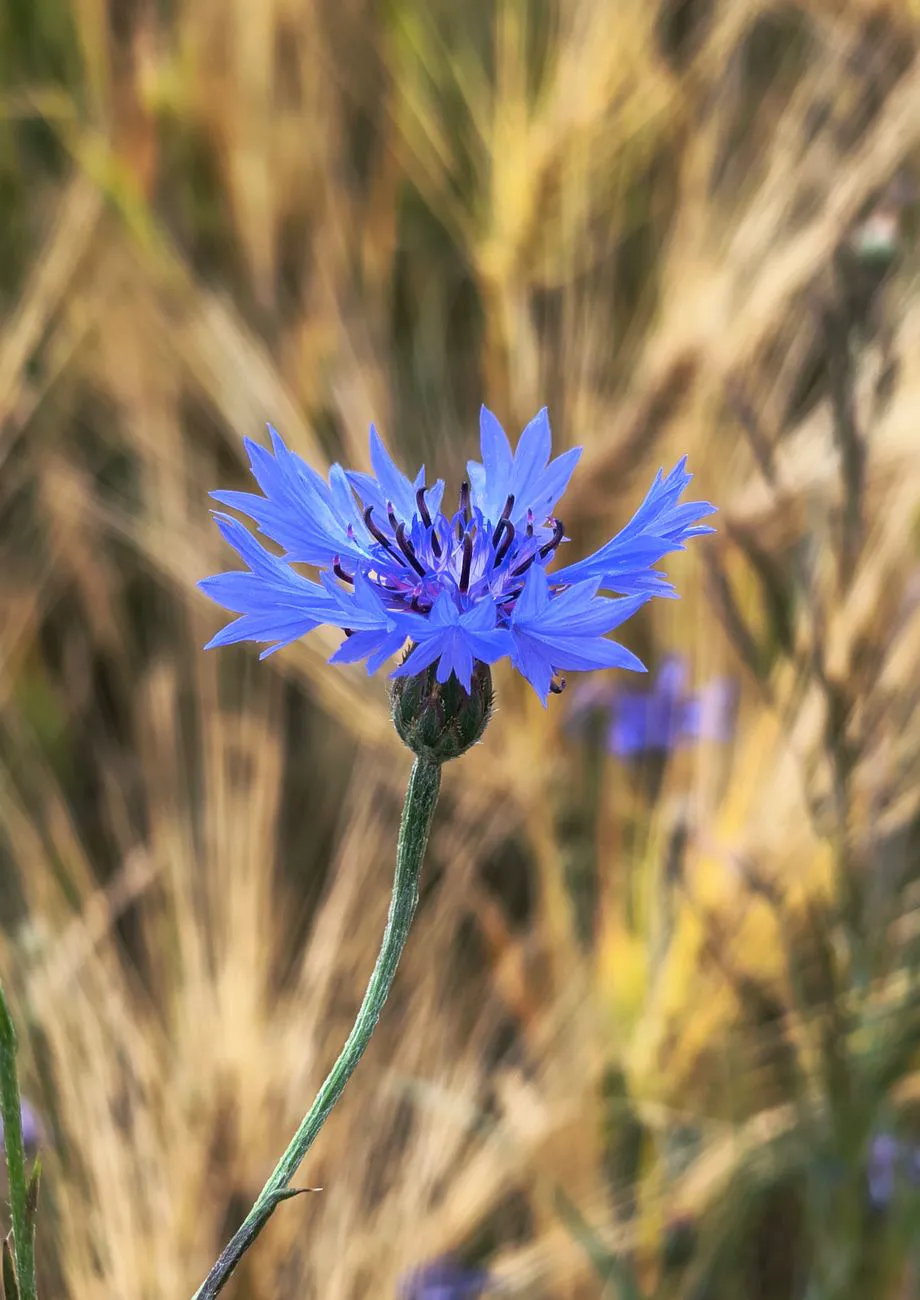
Cornflower is a beloved cottage flower with real charm and use. First, its true-blue blooms are rare and beautiful, with few flowers matching the colour. Second, it is easy, hardy, and self-seeds, returning year after year. Third, it is a superb cut and dried flower, the petals are edible, and bees adore it.
It is one of the simplest hardy annuals for beginners. For the full growing routine, see our guide on how to grow cornflowers. It is a classic partner for larkspur and poppies, and grows alongside cosmos in a relaxed cutting patch. Sow it direct, as the taproot dislikes being moved.
The classic cottage cool-season trio
Cornflower forms a famous trio with larkspur and poppy. All three are hardy, cool-season annuals, all are sown direct in autumn or early spring, and all self-seed to return each year. Together they create the quintessential cottage and meadow look in blue, pink, and red. If you love this relaxed style, sow larkspur for spires, poppies for papery cups, and cornflower for true-blue buttons, all at the same cool time of year.
History & origin of the cornflower
Cornflower is native to temperate Europe, where it once grew wild as a weed in grain fields, which is how it earned the name “corn” flower. Its brilliant blue made it a treasured garden and symbolic flower for centuries, and it has naturalised across the world. The name “bachelor’s button” comes from its old use as a buttonhole flower.
From Europe it spread worldwide as an easy hardy annual. You can read more on the cornflower’s botany and history at Wikipedia. As a cool-season flower, it thrives in mild weather, and in India cornflower is grown as a cool-season annual for its bright, true-blue cottage blooms.
Best bachelor button seed varieties to grow
Cornflower comes in tall cutting types and dwarf bedding types, in classic blue plus pink, white, maroon, and mixes. Choose by height and colour.
| Variety | Type | Best for | Region |
|---|---|---|---|
| Blue Boy | Tall (true blue) | Classic sky-blue cut flowers | global |
| Blue Diadem | Tall (large blue) | Big double blue blooms, cutting | global |
| Black Ball | Tall (maroon-black) | Velvety dark blooms, drama | global |
| Classic Romantic / Mix | Tall (mixed) | Pink, white, blue blend | global |
| Polka Dot | Dwarf mix | Compact bedding and pots | global |
| Florence | Dwarf | Short tidy plants, edging | global |
| Snow Man | Tall (white) | Pure white cottage blooms | global |
For the classic true-blue cut flower, Blue Boy and Blue Diadem are the favourites. Black Ball adds dramatic dark maroon, and mixes give a soft cottage blend. For beds and pots, dwarf Polka Dot and Florence stay neat. Tall types are best for cutting and drying, while dwarfs suit edging.
How to grow cornflower from seed
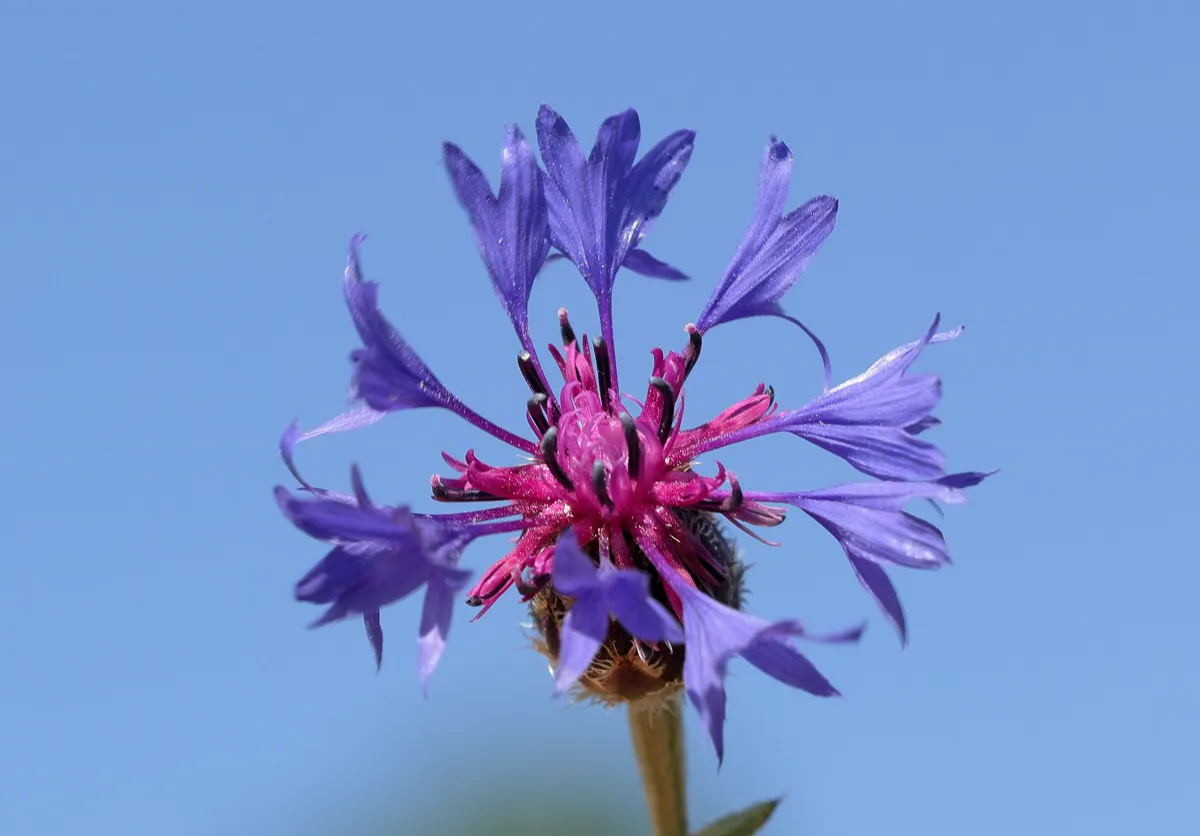
Cornflower is one of the easiest hardy annuals, ideal for direct sowing.
- Sow direct and cover. Sow the seeds about 1 cm deep where they will grow and cover them, as they germinate best in darkness.
- Sow cool. Sow in autumn or early spring into cool soil, as cornflower is hardy and loves the cool season.
- Avoid transplanting. Sow in place, as the taproot dislikes disturbance, so direct sowing gives the strongest plants.
- Thin and support. Thin to about 20–30 cm apart in full sun, and give tall types light support, as they can flop.
- Deadhead for more. Remove faded flowers regularly to keep the plant blooming over a long season.
Cornflower is frost-tolerant, and autumn-sown plants overwinter for strong early bloom. It self-seeds freely, returning each year. In India, sow it in the cool season for true-blue cottage colour in winter and spring.
Best season & when to sow
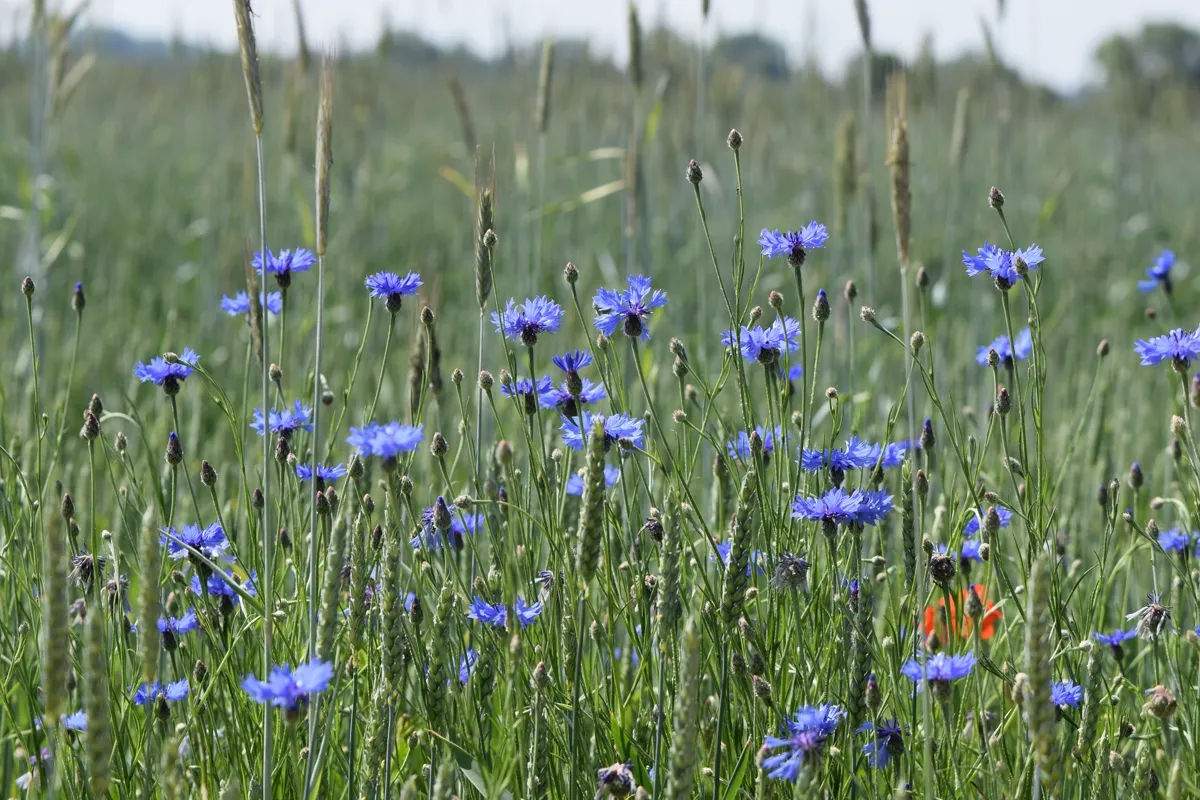
Cornflower is a hardy, cool-season annual, so it is best sown in the cooler parts of the year. In cool and temperate areas, sow direct in autumn for the strongest plants and earliest, biggest bloom, or in early spring as soon as the soil can be worked. Autumn-sown seedlings are hardy and overwinter well. In mild-winter regions and across much of India, sow in autumn so the plants flower through the cool months. Cornflower tolerates frost but fades in summer heat, so avoid timing the main display for the hottest weather. Direct sowing at the right cool time gives the best results.
Soil, watering & feeding
Cornflower likes full sun and lean, well-drained, neutral to slightly alkaline soil. It is drought-tolerant once established and dislikes rich, wet ground, which gives floppy growth and fewer flowers. Water young plants while they settle, then water sparingly and feed little.
Good drainage and full sun give the best, sturdiest blooms. Tall cutting types may need light support or netting. Cornflower is perfect for a relaxed cutting patch or meadow planting with larkspur and poppies, all sharing the same easy, cool-season habit.
Common pests & diseases
Cornflower is tough and largely trouble-free. The main pests are aphids on buds and soft growth, which you can rinse off, and occasional slugs on seedlings. The main disease is powdery mildew, especially in crowded plantings or late in the season, so space plants for airflow and grow them in full sun. Good spacing and lean, well-drained soil keep plants healthy and blooming.
Blooming, cutting & edible petals
Cornflower blooms 65–90 days from sowing and flowers for many weeks if deadheaded. For cut flowers, pick the buttons just as they open, in the morning, and they last well in water and dry beautifully, keeping their blue. The petals are edible, with a mild, slightly sweet, clove-like note, and are lovely scattered on salads, cakes, and into herbal teas for colour. Use blooms from healthy, unsprayed plants. Regular cutting and deadheading extend the cool-season display.
This article is for general information only and is not medical advice. Talk to a qualified professional before using any plant medicinally.
Saving your own cornflower seeds
Saving cornflower seed is easy, as each plant makes plenty of seed. Let some flowers fade and dry on the plant until the seed heads turn papery, then pull out the small, brush-tipped seeds. Dry them fully and store in a labelled envelope somewhere cool and dark. Open-pollinated types come fairly true, and cornflower self-seeds so freely that volunteers usually appear the next season. Our full guide to saving seeds covers the method.
Common problems from seed
The most common issue is poor germination from seed left in the light, so cover cornflower seed, as it germinates best in darkness. Floppy plants with few flowers mean the soil is too rich or wet, so grow lean and support tall types. Plants that fade fast were caught by summer heat, as cornflower is a cool-season flower. Powdery mildew follows crowding, so space plants. Use fresh seed, sow direct, and sow cool for the best results.
Where to buy bachelor button seeds
Choose Blue Boy or Blue Diadem for classic true-blue cut flowers, Black Ball for dramatic dark blooms, or a dwarf like Polka Dot for beds and pots. Buy fresh seed for good germination. Seed houses everywhere carry cornflower in blue, mixed, and dark shades, and in India bachelor button seed is sold for cool-season cottage gardens. Use the links below to compare trusted sources.
Frequently asked questions
How long do bachelor button seeds take to germinate?
Cornflower seeds germinate in 7–14 days in cool soil at 15–20°C. Cover the seeds when sowing, as they germinate best in darkness, and sow them direct, since the taproot dislikes transplanting.
When should I sow cornflower seeds?
Sow in autumn for the strongest plants and earliest bloom, or in early spring. Cornflower is a hardy, cool-season annual that tolerates frost but fades in summer heat, so sow it for the cool months.
Are cornflower petals edible?
Yes, the petals are edible, with a mild, slightly clove-like flavour. They are used to add colour to salads, cakes, and herbal teas. Use blooms from healthy, unsprayed plants only.
Can you grow cornflower in India?
Yes, as a cool-season flower. Sow bachelor button in autumn so the true-blue blooms appear through the cool winter and spring months, in full sun and lean, well-drained soil.
How deep should cornflower seeds be planted?
Cover them with about 6 mm (1/4 inch) of soil. They germinate better in darkness, so unlike many wildflower seeds these should not be left sitting on the surface.
How far apart should bachelor buttons be spaced?
Thin seedlings to roughly 15 to 23 cm (6 to 9 inches) apart once they have their first true leaves. Crowded plants stay thin and produce fewer stems.
How do I keep cornflowers blooming all summer?
Deadhead spent blooms regularly, and sow a fresh short row every two weeks or so. A single sowing tends to flower for around ten weeks and then fade.
When should I cut cornflowers for a vase?
Cut when the flower is a quarter to half open, early in the morning, and put the stems straight into water. Picked at that stage they can last up to two weeks indoors.
Do bachelor buttons need staking?
Tall varieties often flop in wind or on rich soil. Grow-through netting or a few twiggy supports set early keeps the stems straight and easier to cut.
Do cornflowers come back the following year?
They are annuals, but they drop seed freely and volunteer seedlings usually turn up next season. Leave a few flowers to ripen if you want that to happen.
Are cornflowers good for pollinators?
Yes. The open flowers are easy for bees and other insects to feed at, which is one reason cornflowers are a standard part of wildflower seed mixes.
Still stuck? Ask the Plant Doctor
Describe the problem — yellow leaves, holes, no flowers — and get a clear answer in seconds. FreeAI can make mistakes. Answers are guidance, not a guarantee — check anything important against the guide it links to, and always read the label on any product before you use it.