Chocolate Daisy Seeds
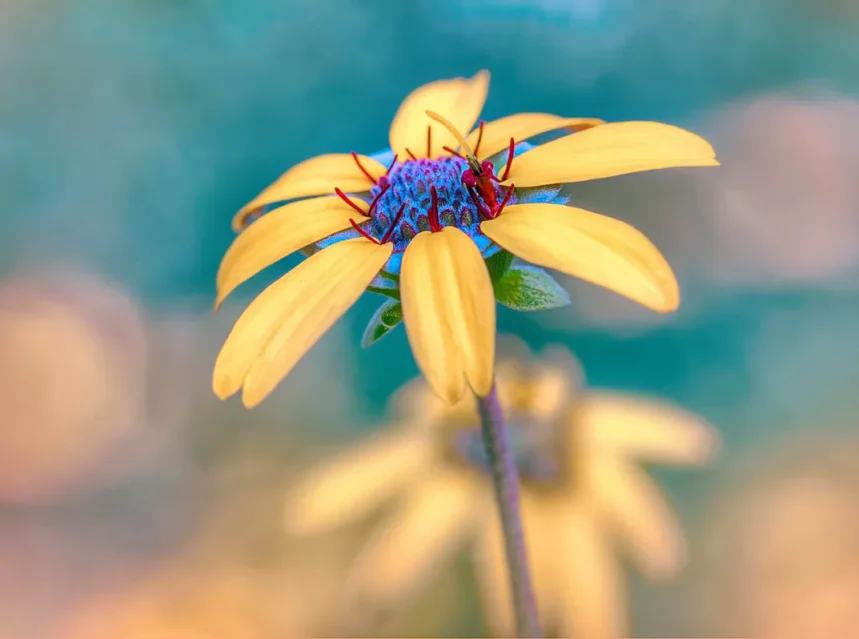
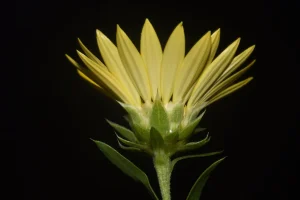
Chocolate daisy seeds grow into Berlandiera lyrata, a tough, sun-loving wildflower whose bright yellow daisies release a real cocoa-like fragrance in the cool of early morning. Native to the American Southwest, this short-lived perennial is prized for that famous chocolate scent, its long bloom season, and its ability to thrive in poor, dry, rocky soil where fussier flowers fail. If you want a low-water, pollinator-friendly plant with a fun surprise for the nose, chocolate daisy seeds are an easy and rewarding choice.
This is an ornamental gardening guide only. It makes no medicinal or edible claims. The “chocolate” here is a fragrance — the flowers smell like cocoa; they are not a food.
Quick start: chocolate daisy at a glance
- Botanical name: Berlandiera lyrata (family Asteraceae)
- Common names: chocolate daisy, chocolate flower, lyreleaf greeneyes
- Type: short-lived perennial (often grown as an annual/biennial); self-sows
- Height: 30–60 cm (1–2 ft)
- Light: full sun (6+ hours)
- Soil: lean, sandy, rocky, well-drained; alkaline tolerant
- Sow: surface-press (needs light); autumn or early spring
- Germination: 30–60 days at 16–21°C (60–70°F); cold spell helps
- Bloom: spring through autumn; scent strongest at dawn
- Hardiness: USDA zones 4–9 (some sources to 10b)
Authority sources: Wikipedia — Berlandiera lyrata, NC State Extension Plant Toolbox, Missouri Botanical Garden Plant Finder.
🧰 In a hurry? Jump straight to our tested picks for this guide ↓
Why grow chocolate daisy from seed?
Few flowers offer a sensory hook this strong. On a cool morning, lean over a clump of chocolate daisies and you get a genuine whiff of cocoa — the single biggest reason gardeners hunt down the seed. Beyond the novelty, Berlandiera lyrata is a genuinely useful garden plant.
It blooms for months, shrugs off heat and drought, and feeds bees and butterflies. Because it is a true Southwestern native, it asks for very little: poor soil, sharp drainage, and full sun. Growing it from seed is cheap and reliable, and a single early sowing can flower the same year.
Chocolate daisy at a glance
| Feature | Detail |
|---|---|
| Botanical name | Berlandiera lyrata (syn. B. incisa) |
| Family | Asteraceae (daisy family) |
| Native range | SW USA (TX, NM, AZ, OK, KS, CO) + N Mexico |
| Life cycle | Short-lived perennial; self-sows readily |
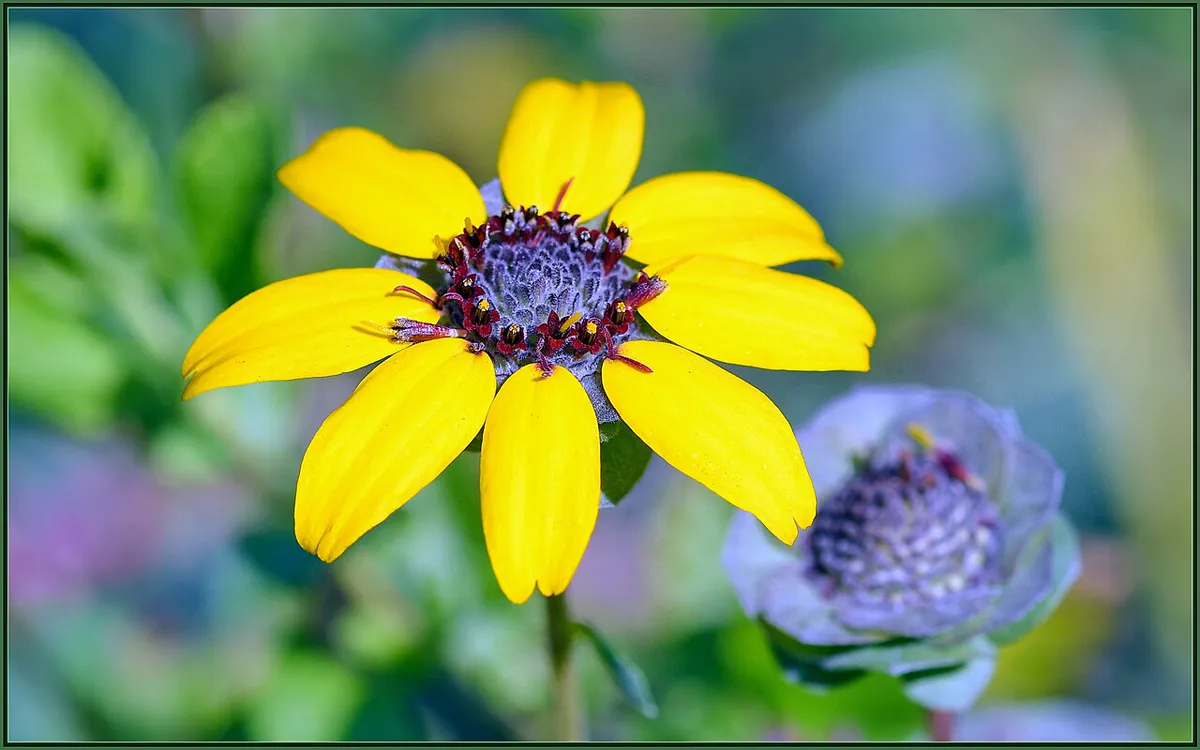
| Flower | Yellow rays, maroon/brown central disc, ~4 cm |
| Signature trait | Cocoa fragrance, strongest at dawn |
| Height × spread | 30–60 cm × 30–60 cm |
| Soil | Lean, sandy/rocky, well-drained, alkaline OK |
| Water | Low once established; rots in wet |
| Bloom season | Spring to autumn (frost-free: longer) |
Best season & when to sow
You have two good windows. Autumn sowing mimics nature: seeds settle in, take a cold winter spell, and sprout in spring. Spring sowing works too, either direct or started indoors 6–8 weeks before your last frost.
In cold-winter regions, autumn or late-winter sowing tends to give the best germination, because the chill breaks seed dormancy. In mild or frost-free areas, sow in autumn or early spring and water steadily until the seedlings appear.
Growing chocolate daisy seeds: how to plant step by step
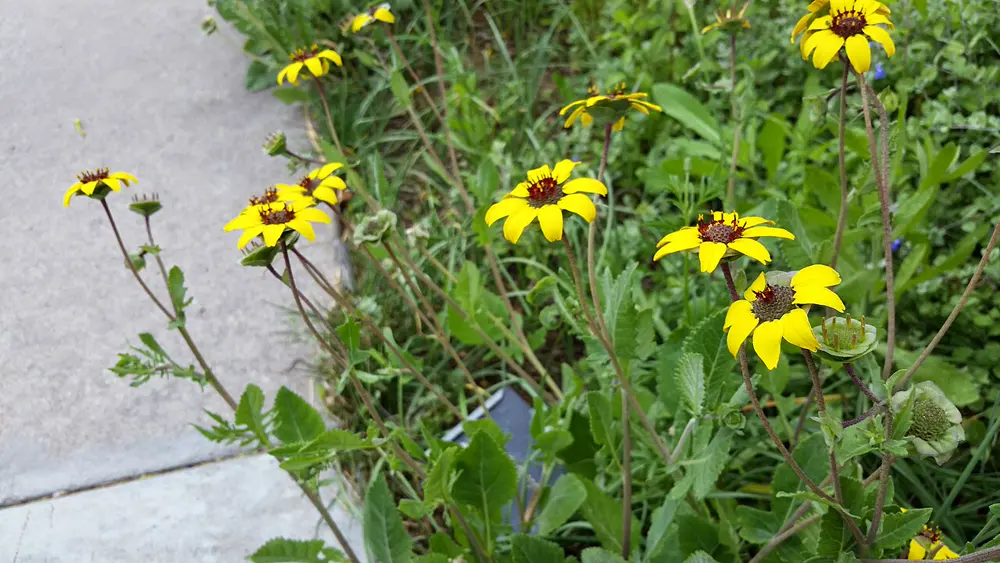
Here is the simple, reliable method for how to plant chocolate flower seeds and get them up and growing.
- Choose a sunny, well-drained spot. A lean, sandy, or rocky bed in full sun is ideal — skip rich, soggy ground.
- Surface-sow. Press the seeds onto the soil and barely cover them (about 6 mm / ¼ inch). They need light to germinate, so do not bury them deep.
- Keep moist until sprouting. Although the mature plant is drought-tough, the seedbed must stay evenly moist (never soggy) while you wait.
- Be patient. Germination takes roughly 30–60 days at 16–21°C (60–70°F). A cold-moist spell beforehand speeds and evens it out.
- Thin and space. Space or thin plants 30–38 cm (12–15 inches) apart so air moves freely.
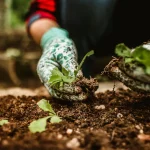
- Transplant carefully. Chocolate daisy forms a long taproot; disturb it as little as possible, as root damage stalls growth.
Germination: the seed-starting secret
The one trick that separates a patchy tray from a full one is cold stratification. As a native of cold-winter mesas, Berlandiera lyrata germinates far more evenly after a chilly, moist period. That is exactly why an autumn or late-winter outdoor sowing works so well — winter does the job for you.
Starting indoors out of season? Mimic that chill. Mix the seeds with barely damp sand or vermiculite, seal them in a bag, and refrigerate for two to four weeks before sowing. After that, surface-sow on warm, moist mix and keep the light on them. Remember the headline rule: these seeds need light, so never bury them.
The chocolate scent (when it’s strongest)
This is the plant’s claim to fame. The yellow flowers open overnight and into the early morning, and that dawn window is when the cocoa fragrance is most intense. As the day heats up, the petals droop, the flowers fade toward pale, and the scent quietly fades with them.
So plant chocolate daisy where you will actually meet it early: beside a path to the front door, near a patio you use at breakfast, or under a kitchen window. To be clear, this is a smell, not a flavour — enjoy the fragrance, but the plant is purely ornamental.
Green eyes: the seed-head feature
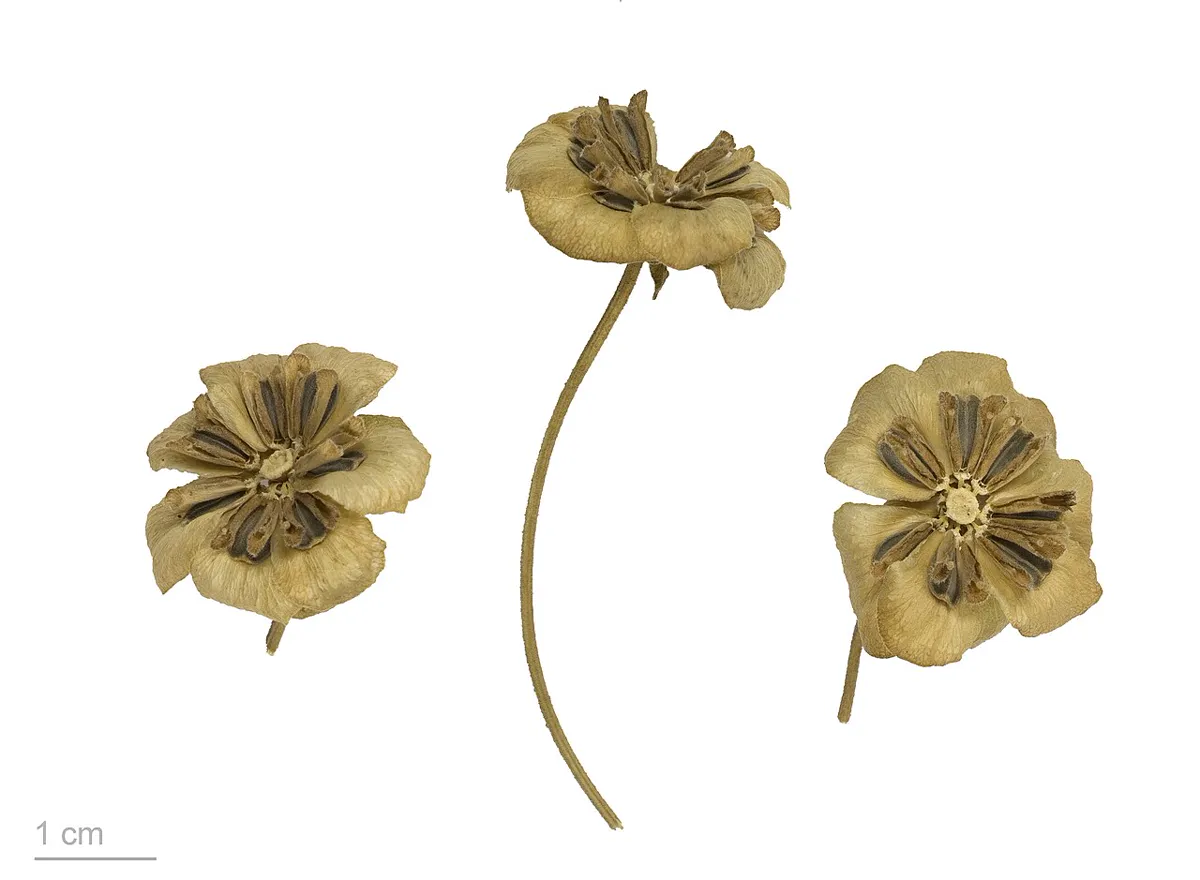
Watch a spent flower and you will see why one common name is “lyreleaf greeneyes.” After the yellow rays drop, a neat, flat green disc of bracts stays behind — it really does look like a little green eye dotted across the plant. Gardeners often leave these on for textural interest, and they are how the plant sets the seed that lets it self-sow. They also make collecting your own seed easy: let the green eyes dry, then tip the ripe seed into an envelope.
A short-lived perennial that self-sows
Set expectations honestly: individual chocolate daisy plants are not long-lived. The good news is that a happy clump reseeds itself, so the colony persists and even drifts gently through a bed year after year. Treat it as a self-renewing patch rather than a single permanent specimen.
If you want it to spread, leave a few green-eye seed-heads to ripen and scatter. If you prefer to keep it tidy, simply deadhead before the seed drops. Either way, saving a pinch of seed each autumn is cheap insurance.
Sun, soil, watering & feeding
Sun: give it full sun — six or more hours a day. It tolerates a little afternoon shade in very hot climates, but flowering and scent are best in bright light.
Soil: lean is the secret. Sandy, gravelly, rocky, or limestone soils suit it perfectly, and it handles alkaline ground (pH up to around 7.8 or higher). Rich, fertilised soil makes it floppy and leggy.
Watering: water new seedlings to establish them, then back off. Mature plants are very drought tolerant; once or twice a month is plenty in cooler spots, weekly only in the hottest full sun. Overwatering and heavy, wet soil cause root rot — the number-one killer.
Feeding: essentially none. Skip the fertiliser; this is a tough-love plant that performs best when slightly starved.
Tough in dry, rocky soil
If you garden on poor or stony ground, chocolate daisy is a gift. Its long taproot reaches deep for moisture, which is why it laughs off drought and heat and why dividing it is not recommended. This makes it a natural for xeriscapes, rock gardens, gravel beds, hot south-facing borders, and dry slopes.
The flip side is simple: it hates “kindness.” Clay, constant moisture, and rich feeding all shorten its life. Give it grit and neglect, and it thrives.
Pollinators & long bloom
From spring well into autumn, those yellow daisies keep coming, and they are busy with life. Berlandiera lyrata draws native bees and butterflies, and the ripe seed-heads even feed small songbirds. Pair it with other long-blooming natives and you build a low-water pollinator buffet that works for months. For more native daisies, see our guides to tahoka daisy seeds and desert marigold seeds.
Chocolate daisy varieties (what’s sold)
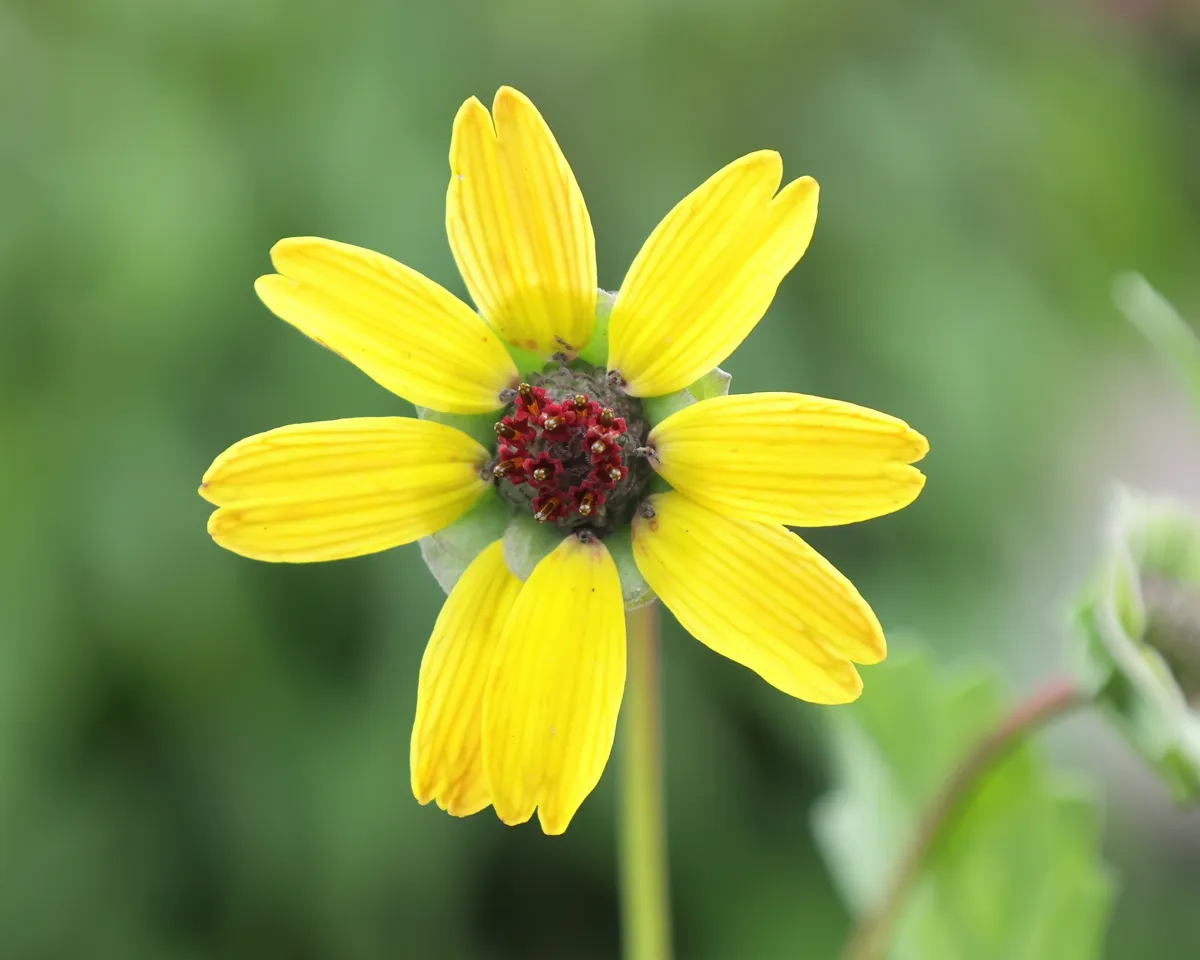
Most seed you will find is the straight species, Berlandiera lyrata — and honestly, that is what you want, because the species is the fragrant, reliable performer. Named cultivars are few; the main thing to know is the related species below.
| Type | Notes |
|---|---|
| Berlandiera lyrata (chocolate daisy) | The classic: strong cocoa scent, 30–60 cm, yellow rays + maroon disc |
| Berlandiera texana (Texas greeneyes) | Taller, coarser; scent far less famous than lyrata |
| Cold-hardy seed strains (e.g. high-elevation collections) | Sold for extra winter hardiness in cold zones; still the species |
When buying, the key checks are simple: confirm the Latin name Berlandiera lyrata on the packet and buy fresh seed for best germination.
Common pests & problems
Chocolate daisy is refreshingly trouble-free. The issues that do appear are almost always about water and soil, not bugs.
- Root rot: the big one. Caused by heavy, wet soil or overwatering. Fix drainage; never let it sit in water.
- Leggy, floppy growth: from rich soil or too much feeding. Grow it hard and lean.
- Damping-off: seedlings can rot in a soggy tray; keep the seedbed moist, not waterlogged, with airflow.
- Occasional aphids: rinse off with water if they appear; rarely serious.
- Short lifespan: not a disease — it is normal. Let it self-sow or save seed.
Growing chocolate daisy in India
Let’s be honest: chocolate daisy is a niche US-native wildflower and is not commonly stocked in India. You are most likely to get seed from a specialist or imported source rather than a mainstream Indian nursery, so treat it as a fun, cool-season experiment.
The good news is that its love of lean, dry, well-drained soil and full sun suits many Indian conditions. The real challenge is the monsoon: this plant cannot tolerate prolonged wet feet. Grow it in raised beds, gritty containers, or sharply drained spots, sow for the cooler/drier months, and protect it from heavy rain. Manage the moisture and you can absolutely enjoy that dawn cocoa scent.
Companion planting & design ideas
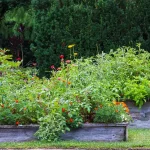
Chocolate daisy shines in naturalistic, low-water schemes. Weave it through a rock garden, gravel path edge, or sunny border, and let it self-sow into informal drifts. It pairs beautifully with other tough, sun-loving natives that share its lean-soil tastes.
Good partners include rudbeckia, coneflower, coreopsis, gaillardia, liatris, penstemon, and the architectural sea holly. For more sun-baked daisies, try sleepy daisy and easy-from-seed cosmos.
Frequently asked questions
Do chocolate daisy flowers really smell like chocolate?
Yes. The yellow flowers of Berlandiera lyrata give off a genuine cocoa-like fragrance, strongest in the cool of early morning. It is a scent only — the plant is ornamental, not edible.
How long do chocolate daisy seeds take to germinate?
Usually 30–60 days at soil temperatures of 16–21°C (60–70°F). Surface-sow because the seeds need light, keep the bed evenly moist, and give them a cold-moist spell (or autumn sowing) for the most even germination.
Is chocolate daisy a perennial or an annual?
It is a short-lived perennial, hardy in roughly USDA zones 4–9. Individual plants do not live long, but a happy clump self-sows and keeps the colony going. Many gardeners simply let it reseed.
Where should I plant chocolate daisy?
In full sun with lean, well-drained, sandy or rocky soil — rock gardens, gravel beds, and dry borders are ideal. Place it near a path or seating area where you will catch the morning scent, and avoid heavy, wet ground.
Do chocolate daisy seeds need cold stratification?
They germinate more readily after a cold period, so a few weeks of chilling in a bag of damp sand in the fridge helps. Seed sown outdoors over winter gets the same treatment naturally.
How deep should I sow chocolate daisy seeds?
Barely cover them. Press the seed onto the surface of the mix and firm it in, because the seed needs light to sprout and will sulk if buried deeply.
What soil does chocolate daisy need?
Fast-draining, gritty or sandy soil on the alkaline side. Heavy clay that stays wet around the crown is the fastest way to lose the plant.
How much sun and water does it need?
Give it full sun and go easy on water. Once established it is very drought-tolerant, and regular soaking usually does more harm than a dry spell.
How cold-hardy is chocolate daisy?
It is generally reliable in USDA zones 5 to 10. The top growth dies back in winter and the plant regrows from its woody crown in spring.
When does chocolate daisy flower, and at what time of day does it smell strongest?
It flowers over a long stretch from late spring into autumn. The scent is strongest in the early morning, and the flowers often close by afternoon heat.
Can I grow chocolate daisy in a pot?
You can, but choose a deep container. The plant forms a long taproot quickly, so a shallow pot will limit it and it dislikes being moved once settled.
Still stuck? Ask the Plant Doctor
Describe the problem — yellow leaves, holes, no flowers — and get a clear answer in seconds. FreeAI can make mistakes. Answers are guidance, not a guarantee — check anything important against the guide it links to, and always read the label on any product before you use it.