Rudbeckia Seeds
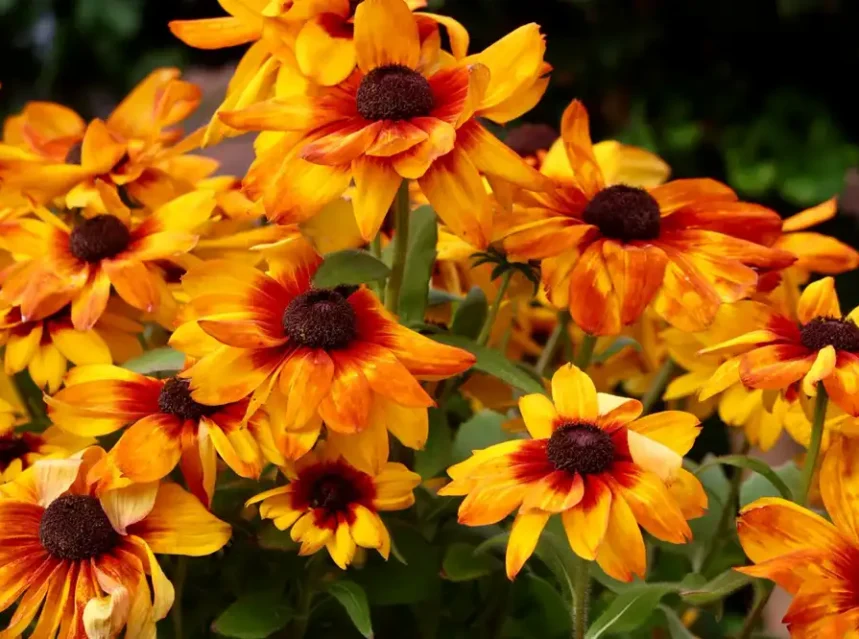
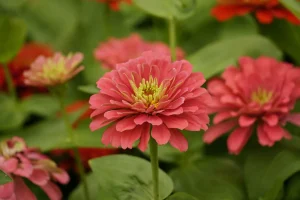
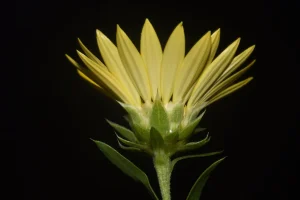
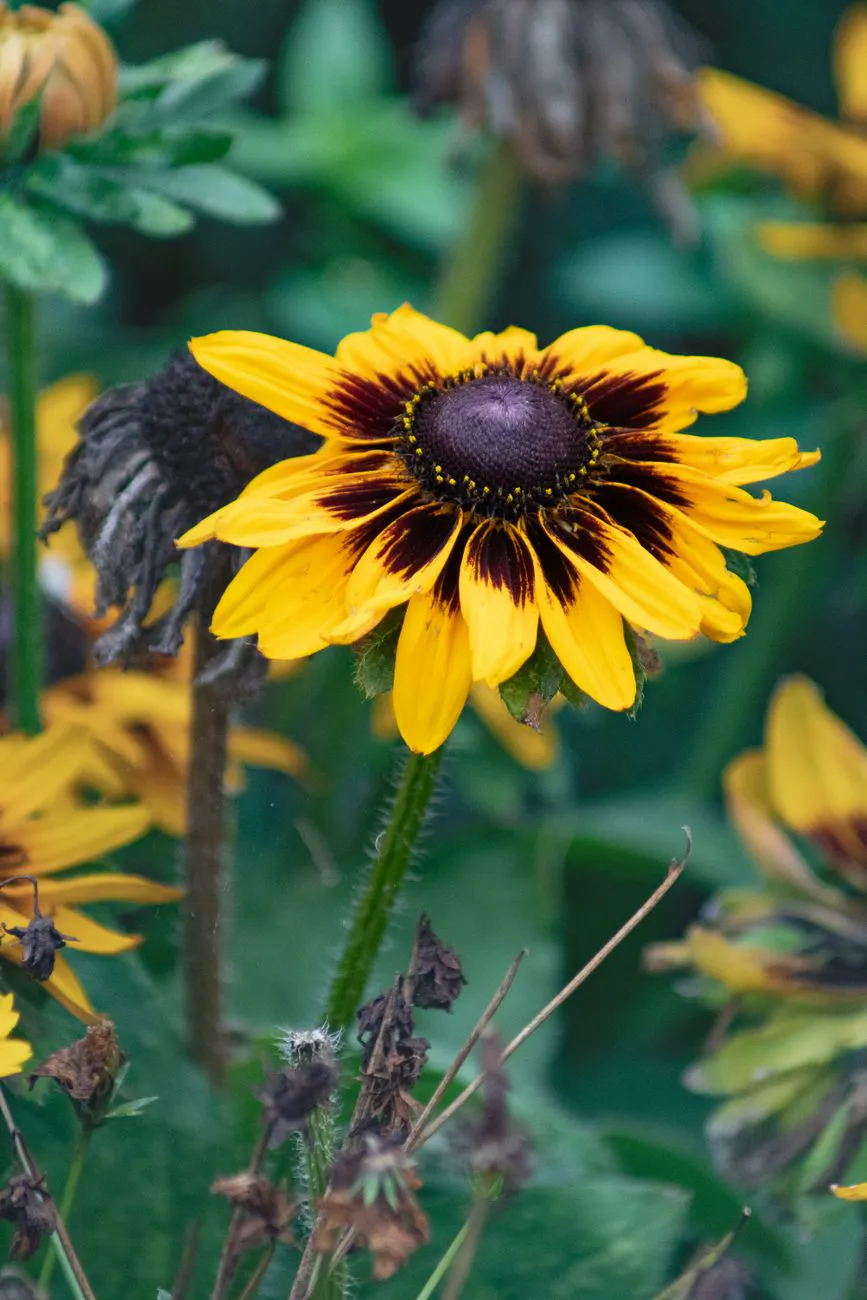
Rudbeckia seeds grow into Rudbeckia hirta — the black-eyed Susan, a tough, golden daisy with warm yellow, orange, and mahogany petals around a dark, domed cone. A prairie native, it is one of the easiest, most rewarding flowers from seed, blooming in its first summer and feeding bees, butterflies, and seed-eating birds. It is also a superb, long-lasting cut flower. Sowing seed fills borders with months of glowing colour. This guide covers the best rudbeckia seeds worldwide, exactly how to grow rudbeckia from seed, when to sow, and where to buy quality seed.
Golden, tough, and bird-friendly. The black-eyed Susan botany page and the RHS guide to growing rudbeckia cover sowing, types, and care.
🧰 In a hurry? Jump straight to our tested picks for this guide ↓
Rudbeckia seeds at a glance
| Feature | Detail |
|---|---|
| Botanical name | Rudbeckia hirta (family Asteraceae) |
| Sowing depth | Surface; barely cover (light helps) |
| Germination temperature | 21–24°C (70–75°F) |
| Days to germinate | 7–21 days |
| Season | Annual to short-lived perennial; blooms year one |
| Days to bloom | 90–120 days from sowing |
| Best for | Borders, prairies, cutting, bees & birds |
Why grow rudbeckia from seed?
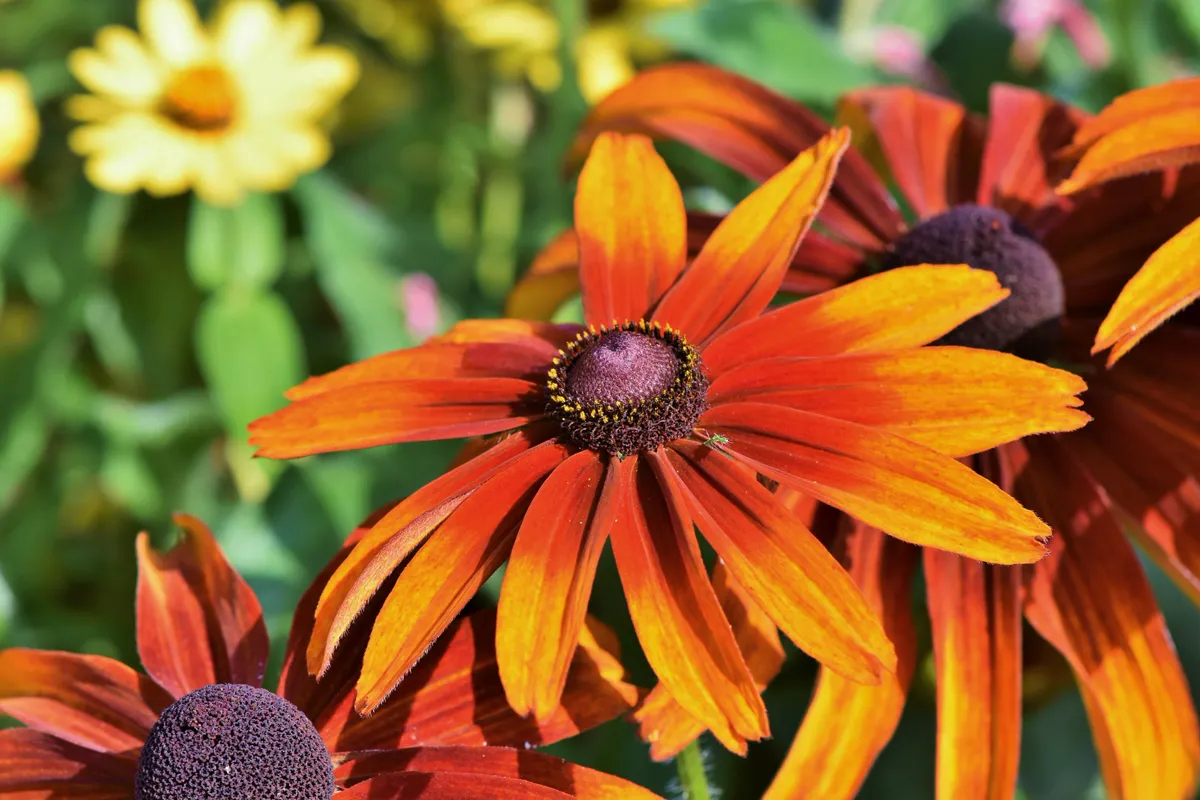
Rudbeckia is a tough, generous flower for any sunny garden. First, it blooms for months from mid-summer to autumn with very little care. Second, it shrugs off heat, drought, and poor soil once established.
Third, it is cheap from seed and a magnet for bees, butterflies, and birds. Its golden daisies suit borders, prairies, and the vase. It loves the same sunny beds as sunflowers, cosmos, and asters. For the full growing routine, see our guide on how to grow black-eyed Susans.
First-year bloom from seed
One of the joys of rudbeckia is that garden strains flower in their first year. Sow the cultivated Rudbeckia hirta types early indoors, and they bloom that very summer. This makes them effectively an easy annual.
Wild and native rudbeckia seed often germinates better after a cold spell, called stratification. For the popular garden strains, a normal warm sowing is usually enough. So start named types like Indian Summer early, and enjoy flowers the same season.
History & origin of black-eyed Susan
Black-eyed Susan is native to North America, where it grows wild across prairies and open ground. Its toughness and long bloom made it a beloved garden flower worldwide. It is a true daisy-family plant.
It became the state flower of Maryland in 1918 and has long symbolised cheerful, easy gardening. You can read more on the flower’s botany and history at Wikipedia. Rudbeckia is grown around the world, and in India it makes a fine cool-season flower, sown in the plains in the cooler months for golden colour.
Best rudbeckia seed varieties to grow
Rudbeckia seed comes in tall classic golds, rich bicolours, and tidy dwarfs. Choose by colour and height for your beds and pots.
| Variety | Type | Best for | Region |
|---|---|---|---|
| Indian Summer | Tall (60–90 cm), large gold | Big golden daisies, cutting | global |
| Cherry Brandy | Mid (60 cm), red | The first red black-eyed Susan | global |
| Cherokee Sunset | Double, warm tones | Full double bronze and gold | global |
| Prairie Sun | Green-eyed gold | Soft green centre, unique look | global |
| Toto / Becky | Dwarf (25–30 cm) | Pots, edging, small spaces | global |
| Rustic Dwarfs | Compact mix | Warm autumn-toned bedding | global |
| Gloriosa Daisy (India) | Cool-season annual | Indian winter borders | India |
Indian Summer is a top award-winning gold for cutting and borders. Cherry Brandy brings rich red tones, while Cherokee Sunset adds full doubles. Prairie Sun has an unusual green eye, and dwarf Toto suits pots. In India, classic gloriosa daisy or black-eyed Susan mixes are an easy winter choice.
How to grow rudbeckia from seed
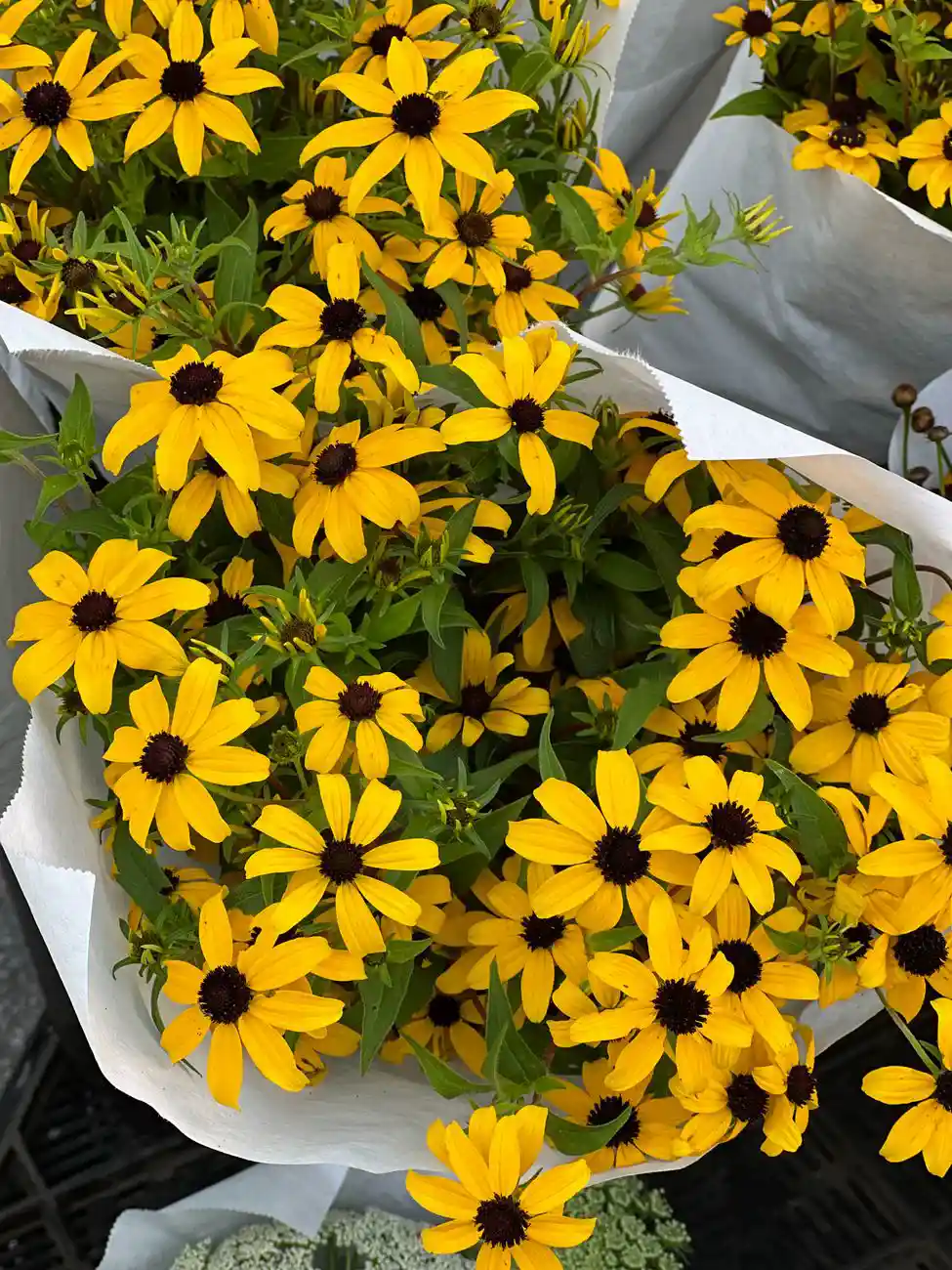
Rudbeckia is one of the easiest daisies from seed.
- Surface-sow for light. Press the small seeds onto moist compost and barely cover them, as light helps germination.
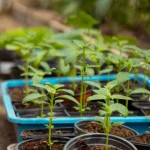
- Start early indoors. Sow 6–8 weeks before the last frost for flowers the same summer.
- Keep warm. Germinate at 21–24°C in a bright spot, and be patient, as it can take up to three weeks.
- Plant in sun. Set plants 30 cm (12 inches) apart in full sun to part shade.
- Deadhead through summer. Remove faded blooms to keep new ones coming for months.
Rudbeckia grows steadily and flowers from mid-summer into autumn. It needs little care once established and tolerates heat and drought. In India, sow in the plains from September to November for cool-season golden colour.
Best season & when to sow
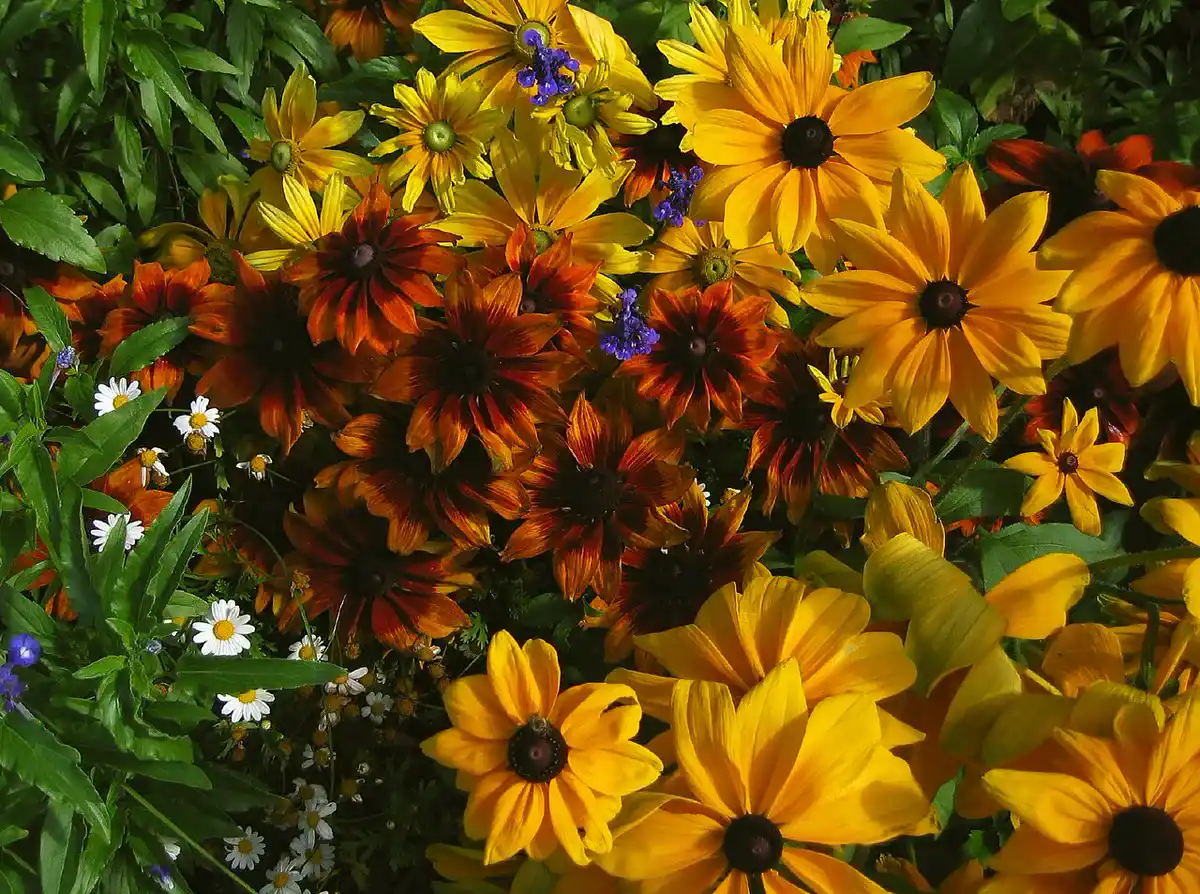
Rudbeckia suits both spring and autumn sowing. In cool and temperate areas, sow indoors in late winter or early spring, 6–8 weeks before the last frost. Then plant out after frost for first-year flowers.
You can also sow in autumn, letting the seed overwinter for strong spring plants. In mild-winter and warm climates, and across much of India, sow in autumn and winter. September to November suits the Indian plains, with golden blooms in the cool season. Give full sun for the best, most generous flowering.
Soil, watering & feeding
Rudbeckia grows best in average, moist, well-drained soil and full sun to part shade. It is adaptable and copes with clay, loam, or sandy ground. Water young plants to settle them, then water only in dry spells, as it is drought-tolerant once established.
Avoid very rich, over-fertilised soil, which gives leaves over flowers and floppy growth. Moderate fertility gives the best show. This makes it a reliable, low-care border flower beside asters and cosmos. For an early start, see starting seeds indoors.
Common pests & diseases
Rudbeckia is tough and rarely badly troubled. The main pests are aphids and slugs on young growth, easily managed by hosing off or hand-picking. Healthy, well-spaced plants shrug off most problems.
The chief diseases are powdery mildew and leaf spot in damp, crowded conditions, eased by sun and airflow. Avoid wetting the foliage late in the day. In a sunny, open site, rudbeckia stays largely healthy and dependable.
Seed heads for birds & winter interest
Here is a lovely reason not to tidy up too soon. While deadheading keeps the plant blooming, leaving some flowers to set seed feeds the birds. American goldfinches in particular love the ripe dark cones.
The dried seed heads also add structure and winter interest to the garden. So a good balance is to deadhead some blooms for a longer show, and leave others standing into autumn and winter. Cut the old stems back in spring, when the birds have finished.
Saving your own rudbeckia seeds
Saving rudbeckia seed is simple and free. Let some flowers fade and the dark central cones dry fully on the plant. The cones fill with small, slim seeds when ripe.
Then snip the dry heads, crumble them over a bowl, and separate the seeds from the chaff. Store them somewhere cool, dry, and dark in a labelled envelope. Rudbeckia self-seeds gently too, so volunteers often appear. Our full guide to saving seeds covers the method.
Common problems from seed
The most common issue is slow germination, so be patient and keep the seed warm and lit. Buried seed sprouts poorly, so surface-sow. Native or wild seed may need a cold spell, so chill it if it fails to sprout.
Floppy, leafy plants point to soil that is too rich, so grow lean. Few flowers usually means too much shade, so give full sun. Use fresh seed, light, and warmth for the best, earliest display.
Where to buy rudbeckia seeds
Choose Indian Summer for big golden daisies, Cherry Brandy for red tones, or dwarf Toto for pots. Buy fresh seed for good germination. Seed houses everywhere carry black-eyed Susan in golds, bicolours, and dwarfs, and in India gloriosa daisy and rudbeckia seed is sold for the cool-season garden. Use the links below to compare trusted sources.
Frequently asked questions
How long do rudbeckia seeds take to germinate?
Rudbeckia seeds germinate in 7–21 days at 21–24°C. Light helps, so surface-sow and barely cover them. Garden strains sprout from a warm sowing, while wild seed may need a cold spell first.
Will rudbeckia flower the first year from seed?
Yes. Cultivated Rudbeckia hirta strains like Indian Summer bloom in their first summer if sown early indoors. Start them 6–8 weeks before the last frost, then plant out for flowers the same season.
Should I deadhead black-eyed Susan?
Deadheading keeps the plant blooming longer through summer and autumn. For wildlife, leave some flowers to form seed heads. Goldfinches love the ripe cones, and the dried heads add winter interest.
Do rudbeckia seeds need cold stratification before sowing?
Wild, straight-species rudbeckia often germinates more evenly after a cold spell of a few weeks in damp sand in the fridge. Named garden hybrids like Indian Summer are bred to skip this step and sprout well from a plain warm sowing, which is why packet instructions differ from what foragers report for wild seed.
Does rudbeckia self-seed in the garden?
Yes. Left to ripen, the dark cone-shaped seed heads drop plenty of seed, and straight-species black-eyed Susan often naturalises into drifts within a couple of seasons. Named hybrids self-seed too, but the seedlings usually revert toward the plainer wild gold-and-brown colouring rather than repeating the parent’s exact look.
Is rudbeckia the same plant as a coneflower?
No, though the two are easily confused at a glance. Purple coneflower is Echinacea, a different genus with pink-purple, drooping petals and a spinier cone. Rudbeckia is the true black-eyed Susan, with flatter golden petals and a darker, smoother cone; both are prairie natives in the daisy family and often grown together.
Can I save seed from Indian Summer or other named rudbeckia varieties?
You can collect it, but expect variation. Indian Summer, Cherry Brandy and similar named types are bred selections, and their open-pollinated seed does not always come true to the parent’s exact colour or form. For a guaranteed repeat of a specific variety, buy fresh seed each year instead.
Do deer and rabbits eat rudbeckia?
Rudbeckia is usually left alone by deer and rabbits, thanks to its coarse, bristly leaves and stems, which most browsers find unpalatable. It is not completely deer-proof in a hungry season, but gardeners in deer country commonly plant it alongside other bristly natives for a border that mostly gets ignored.
How long do stored rudbeckia seeds stay viable?
Kept cool, dry and dark in a sealed envelope, rudbeckia seed typically stays viable for two to three years, with the best germination in the first year. Older seed still sprouts but at a lower rate, so sow a little more thickly if you are using a packet from a previous season.
Why are my rudbeckia seedlings tall, thin and floppy?
Leggy seedlings almost always mean too little light. Rudbeckia needs bright conditions from the moment it germinates, so a dim windowsill produces pale, stretched stems that flop over. Move seedlings to the brightest spot available, or add a grow light, and pot up leggy ones deeper to steady them.
Can rudbeckia grow in India?
Yes, as a cool-season flower. Sow in the plains from September to November for golden blooms through the cool months. Give it full sun and well-drained soil, where it is easy, tough, and long-flowering.
Still stuck? Ask the Plant Doctor
Describe the problem — yellow leaves, holes, no flowers — and get a clear answer in seconds. FreeAI can make mistakes. Answers are guidance, not a guarantee — check anything important against the guide it links to, and always read the label on any product before you use it.