Best Rosemary Seeds: Top Varieties and Growing Guide
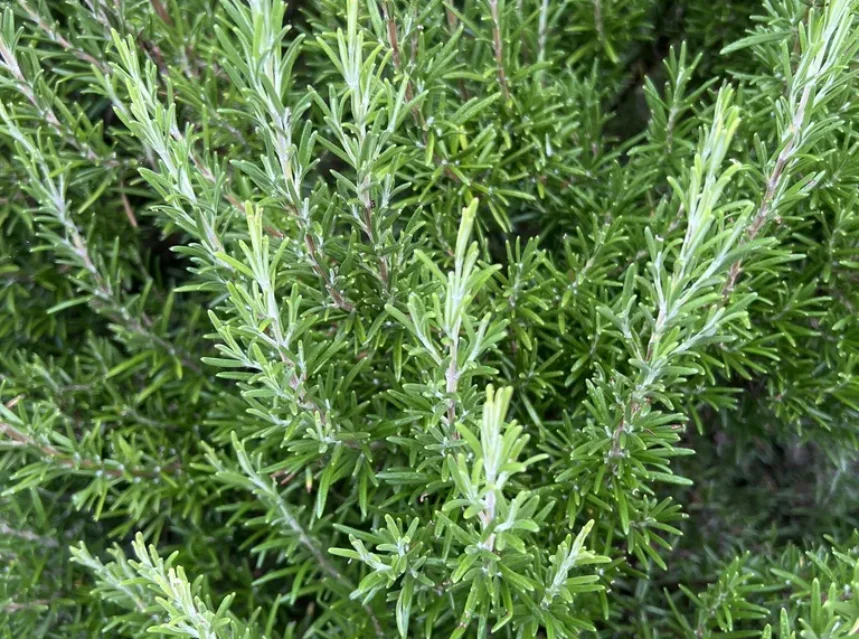
Rosemary seeds are the small seeds of Salvia rosmarinus — a woody, evergreen Mediterranean shrub grown for its piney, aromatic needles. Rosemary is a kitchen and garden favourite, but it has one honest catch from seed: germination is slow and patchy, so many gardeners use cuttings instead. Still, seed works with patience, and seed-grown plants are often hardy and full of aromatic oil. This guide covers the best rosemary seeds, exactly how to grow rosemary from seed, when cuttings are smarter, and where to buy quality seed.
Slow from seed but tough and long-lived. The rosemary botany page and the RHS guide to growing rosemary cover sowing, cuttings, and care.
Rosemary from seed is slow and patchy — expect 30 percent germination, keep the strongest three, and this bush is year three’s payoff.
🧰 In a hurry? Jump straight to our tested picks for this guide ↓
Best rosemary seeds at a glance
| Feature | Detail |
|---|---|
| Botanical name | Salvia rosmarinus (family Lamiaceae) |
| Sowing depth | Surface-sow; needs light, barely cover |
| Germination temperature | 18–21°C (65–70°F) |
| Days to germinate | 14–30 days (low rate, 15–30%) |
| Season | Woody evergreen perennial; sun-loving |
| Days to harvest | 1+ year from seed to a real plant |
| Best for | Patient growers, pots, hot dry spots |
Why grow rosemary from seed?
Rosemary is a wonderful, long-lived herb that can live for decades. First, a single mature plant gives years of fragrant needles for the kitchen. Second, seed lets you raise several plants cheaply, and seed-grown rosemary is often hardy and rich in aromatic oil. Third, it thrives on neglect in hot, dry, poor soil, so it is low-maintenance once established.
Its blue spring flowers are also loved by bees. For the full growing routine, see our guide on how to grow rosemary. It is in the mint family, like thyme and oregano, and shares a sunny bed with sage. Before you sow, read the honest note below on seed versus cuttings.
Rosemary seed vs cuttings: be honest
This is the most important thing to know. Rosemary is genuinely difficult from seed, with a germination rate of only 15–30% and slow, fussy seedlings. If you sow ten seeds, you may get just a few plants. Cuttings, on the other hand, root easily and grow far faster, cloning a known good plant in weeks. If you already have a plant or a friend who does, take cuttings. Choose seed if you want to raise many plants cheaply, enjoy a challenge, or cannot find a plant to copy.
History & origin of rosemary
Rosemary comes from the Mediterranean, native to its sunny, rocky coasts. It was sacred to the ancient Egyptians, Greeks, and Romans, who used it in cooking, medicine, and ritual, and it became a symbol of remembrance. It spread across Europe and reached Britain by the Middle Ages.
Botanists recently reclassified it from Rosmarinus officinalis into the sage genus, Salvia. You can read more on the shrub’s botany and history at Wikipedia. In India, rosemary is not a traditional crop, but it grows well in pots in mild, dry, sunny conditions and is used by home cooks for roasts and breads.
Best rosemary types to grow
Rosemary comes in upright bushes and low, trailing forms. Upright types are best for cooking and hedging; prostrate types spill over walls and pots; and some named kinds are bred for cold-hardiness. Note that most named cultivars are sold as plants or cuttings, while common rosemary is what you usually find as seed.
| Variety | Type | Best for | Region |
|---|---|---|---|
| Common Rosemary (officinalis) | Upright | Seed-grown, all-purpose cooking | global |
| Tuscan Blue | Upright (vigorous) | Tall, culinary, cuttings | global |
| Arp | Upright (cold-hardy) | Colder gardens, cuttings | US/global |
| Miss Jessopp’s Upright | Upright (narrow) | Hedging, screens, cuttings | UK/global |
| Prostratus (creeping) | Trailing | Walls, pots, ground-cover, cuttings | global |
| Blue Spires | Upright (flowers) | Bee flowers, ornamental | global |
| Salem | Upright (hardy) | Reliable culinary, cuttings | US/global |
For seed, common rosemary is the type you will usually find and grow. For a specific named variety, such as cold-hardy Arp or trailing Prostratus, buy a plant or take a cutting, as these do not come true from seed. Upright types are best for cooking, while creeping forms are lovely spilling over a pot or wall.
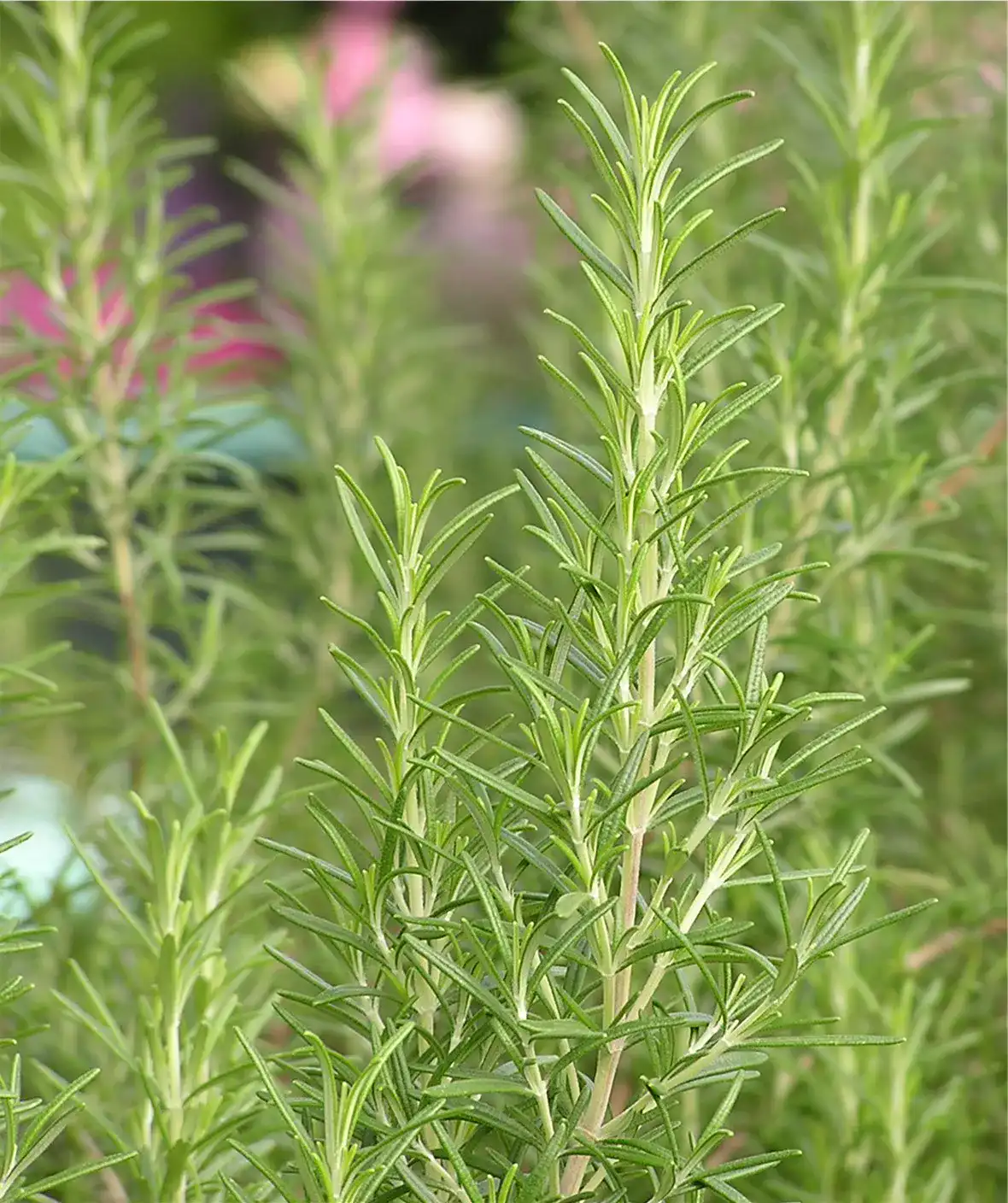
How to grow rosemary from seed
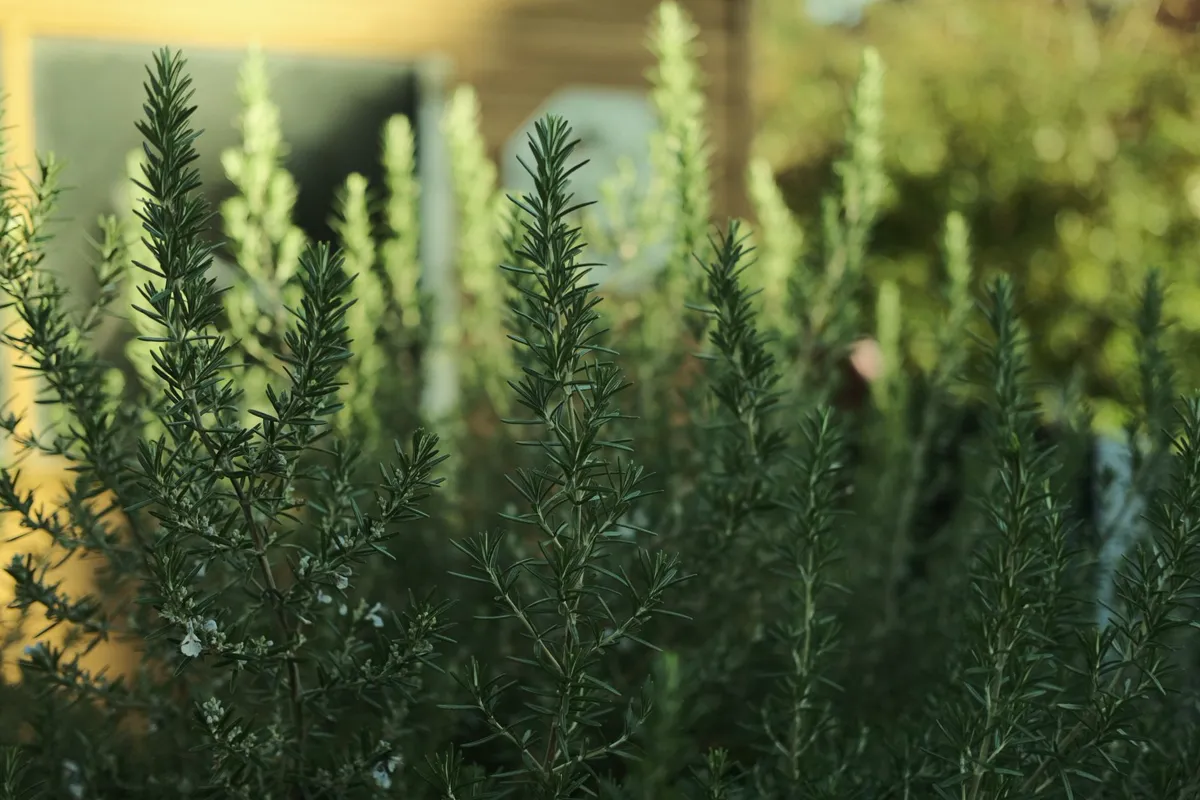
Rosemary from seed rewards patience and a few tricks. Stack the odds in your favour and sow plenty.
- Cold-chill first. Place the seed packet in the freezer for 2–4 weeks before sowing to boost the germination rate.
- Sow plenty, surface-sow. Because germination is low, sow extra. Scatter seeds on moist compost and barely cover, as they need light.
- Keep warm and patient. Hold at 18–21°C and keep lightly moist. Germination takes two to four weeks and is uneven.
- Grow on slowly. Seedlings are slow, so pot them on gently and give bright light. A real plant takes a year or more.
- Plant out lean and sunny. Move hardened plants to full sun and gritty, sharply drained soil.
If this sounds like hard work, it is, which is why cuttings are so popular. Once established, though, rosemary is tough, drought-proof, and almost immortal. In India and other warm areas, grow it in a sunny pot of free-draining mix and avoid wet roots.

Soil, watering & feeding
Rosemary needs full sun and lean, gritty, very well-drained soil. Like other Mediterranean herbs, it hates wet roots, and cold, wet winter soil is the main killer of established plants. Water only when the soil is dry, and feed little, as poor conditions give the best aroma.
In pots, use a free-draining, gritty mix and never let it sit in water. In cold, wet climates, grow it in a pot you can shelter over winter. It shares a hot, dry bed perfectly with thyme and oregano, which enjoy the same lean, sunny conditions.
Common pests & diseases

Rosemary is tough and pest-resistant, thanks to its aromatic oils. The biggest risk is root rot in wet, heavy soil, so sharp drainage is the key defence. In some regions the rosemary beetle, a small striped beetle, chews the leaves, so pick them off by hand. Powdery mildew can appear on stressed indoor plants in poor airflow. Healthy plants in sun and dry soil rarely have problems.
Harvesting & days to maturity
From seed, rosemary takes a year or more to grow into a plant big enough to harvest from. Once it is well established and bushy, snip soft sprigs as needed all year round, as it is evergreen. Take the tender new growth rather than the hard, woody base, and never remove more than about a fifth of the plant at once. Light, regular trimming keeps it neat and encourages fresh growth. The flavour is excellent both fresh and dried.
Saving your own rosemary seeds
Saving rosemary seed is rarely worthwhile, as plants set little viable seed and named types do not come true. If you wish to try, let the flowers fade and collect the tiny seeds from the dried blooms, then store them somewhere cool and dark and expect low germination. For reliable new plants, taking cuttings is far easier and gives an exact copy of the parent. Simply root soft tip cuttings in moist, gritty compost. Our full guide to saving seeds covers seed collection in general.
Common problems from seed
The biggest problem is simply poor germination, which is normal for rosemary, so cold-chill the seed, sow plenty, and be patient. Seedlings that rot or damp off mean the compost is too wet, so keep it just moist and airy. Slow, tiny growth is expected for the first months, so do not give up. Established plants that suddenly die usually drowned in cold, wet soil, so improve drainage. For quick results, switch to cuttings.
Where to buy rosemary seeds
Choose common rosemary seed if you want to grow from seed and enjoy the challenge. For a guaranteed named variety or a fast result, buy a small plant or take a cutting instead. Seed houses sell common rosemary seed cheaply, so sow generously to allow for low germination. Use the links below to compare trusted sources.
Frequently asked questions
Why are rosemary seeds so hard to germinate?
Rosemary naturally has a low germination rate of 15–30% and slow, fussy seedlings. Cold-chilling the seed for a few weeks, surface-sowing for light, and sowing plenty all improve your chances.
Is it better to grow rosemary from seed or cuttings?
Cuttings are far easier and faster, rooting readily and cloning a known plant in weeks. Seed is cheaper for raising many plants but slow and unreliable. Most home gardeners prefer cuttings.
How long does rosemary take to grow from seed?
A long time. Seeds take two to four weeks to germinate, and seedlings grow slowly, taking a year or more to become a usable plant. Patience is essential when growing rosemary from seed.
Is rosemary toxic to dogs or cats?
No. The ASPCA lists rosemary as non-toxic to dogs, cats and horses, so an accidental nibble on a seedling or a sprig is not a poisoning concern. As with any strongly aromatic herb, large amounts can still upset a pet’s stomach, so keep pots out of easy reach as a general precaution rather than a toxicity one.
How long do rosemary seeds stay viable in storage?
Rosemary seed is already short-lived and low-germinating even when fresh, and it fades fast in storage — usable germination often drops within a year or two even in a cool, dry, sealed container. Buy a new packet each season rather than relying on leftover seed, since old rosemary seed compounds an already low success rate.
Why did rosemary's scientific name change from Rosmarinus to Salvia?
Botanists reclassified rosemary after DNA studies showed it belongs firmly within the sage genus, so its accepted name is now Salvia rosmarinus rather than the older Rosmarinus officinalis. Seed packets and nurseries still use both names, and either one refers to the same familiar Mediterranean herb.
Does rosemary self-seed if left to flower?
Rarely in a meaningful way. Rosemary sets little viable seed even on a mature, flowering plant, and what does form germinates poorly, so volunteer seedlings are uncommon. Gardeners who want more plants generally take cuttings instead of waiting on self-sown seedlings, which is the same reason seed propagation is a slow route.
Can rosemary seeds be started indoors in winter under grow lights?
Yes, and winter sowing under lights can work well since rosemary needs steady warmth (18–21°C) and bright light rather than a particular season. Starting indoors under lights also protects the slow-growing seedlings from cold drafts during their long first year, when they are most vulnerable to damping off and root disturbance.
How can I tell if old rosemary seed is still worth sowing?
A rough water test helps: seed that sinks after a few minutes is more likely viable than seed that floats, though this is only a guide. Because rosemary’s germination rate is naturally low even with fresh seed, the more reliable approach is simply to sow it generously and accept some loss.
Why do most commercial herb growers skip rosemary seed altogether?
Growers value predictable, fast results, and rosemary seed delivers neither — a 15–30% germination rate and a year or more to a saleable plant is too slow for production timelines. Cuttings root in weeks and guarantee an exact clone of a known good plant, which is why nurseries almost always propagate rosemary vegetatively.
Can you grow rosemary in India?
Yes, in pots in mild, dry, sunny conditions. It is not a traditional Indian crop, but it grows well with full sun and free-draining soil, kept on the dry side and sheltered from heavy monsoon rain.
Still stuck? Ask the Plant Doctor
Describe the problem — yellow leaves, holes, no flowers — and get a clear answer in seconds. FreeAI can make mistakes. Answers are guidance, not a guarantee — check anything important against the guide it links to, and always read the label on any product before you use it.