Callianthemum Anemonoides Seeds
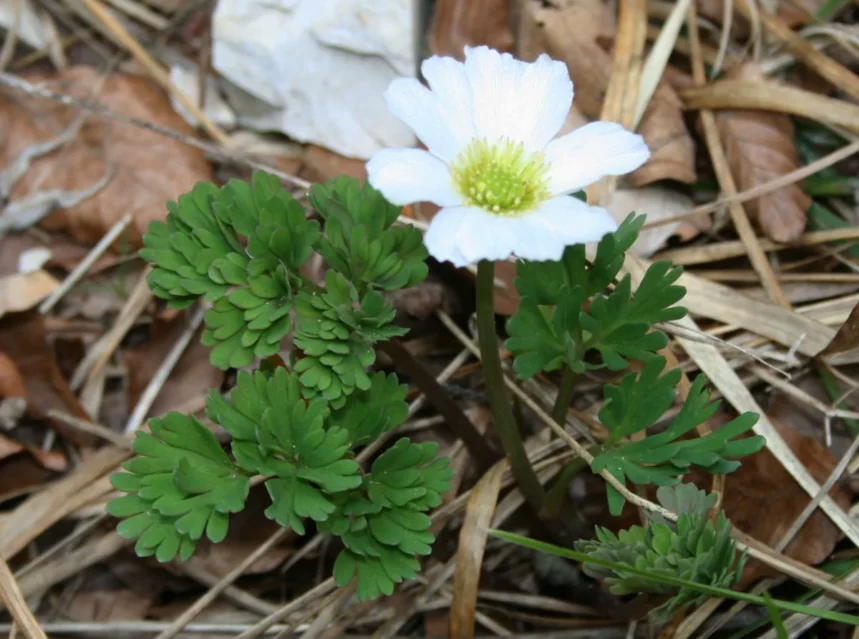
Callianthemum anemonoides seeds grow into one of the earliest and prettiest jewels of the spring rock garden. Callianthemum anemonoides seeds produce a low, deciduous alpine that opens white to soft peachy, anemone-like flowers with a gold centre, set over ferny blue-green leaves. This rare plant is native to the limestone Alps of north-eastern Austria. Gardeners prize it for its very early bloom, its neat size, and its tidy summer-dormant habit.
This guide is for ornamental gardening only. Callianthemum anemonoides is grown purely for its flowers and foliage. It makes no medicinal, herbal, or edible claims of any kind. Members of the buttercup family can irritate skin or be toxic if eaten, so keep it away from children and pets who may nibble.
🧰 In a hurry? Jump straight to our tested picks for this guide ↓
Quick start
- Plant type: hardy deciduous alpine perennial (Ranunculaceae).
- Height: 10–25 cm tall, slowly clumping.
- Flowers: white to peachy, 3–4 cm, with a gold centre, in early spring.
- Bloom time: March to May, among the first alpines to flower.
- Light: sun in cool climates; dappled shade where summers are warm.
- Soil: gritty, humus-rich, moist but very free-draining, lime-tolerant.
- Seed rule: use FRESH seed — dried packet seed germinates poorly.
- Stratification: a cold, moist spell greatly improves germination.
- Hardiness: extremely cold-hardy (about USDA zone 2).
- Best for: troughs, crevices, alpine houses, shady rock pockets.
Authority sources: Plants of the World Online (Kew), North American Rock Garden Society, and the Alpine Garden Society.
Callianthemum anemonoides at a glance
| Feature | Detail |
|---|---|
| Botanical name | Callianthemum anemonoides |
| Family | Ranunculaceae (buttercup family) |
| Common names | Rue anemone, windflower buttercup, Austrian alpine |
| Native range | Limestone Alps of north-eastern Austria |
| Flower | White to peachy, gold centre, 3–4 cm across |
| Bloom season | Early spring (March–May) |
| Height | 10–25 cm |
| Light | Sun (cool areas) to dappled shade (warm areas) |
| Soil | Gritty, humus-rich, sharply drained, lime-tolerant |
| Hardiness | Very hardy, roughly USDA zone 2 |
Why grow Callianthemum anemonoides?
This little alpine flowers when most of the garden is still waking up. Its blooms appear in early spring, often beside the first crocuses. So it brings colour to the rock garden at a quiet time of year.
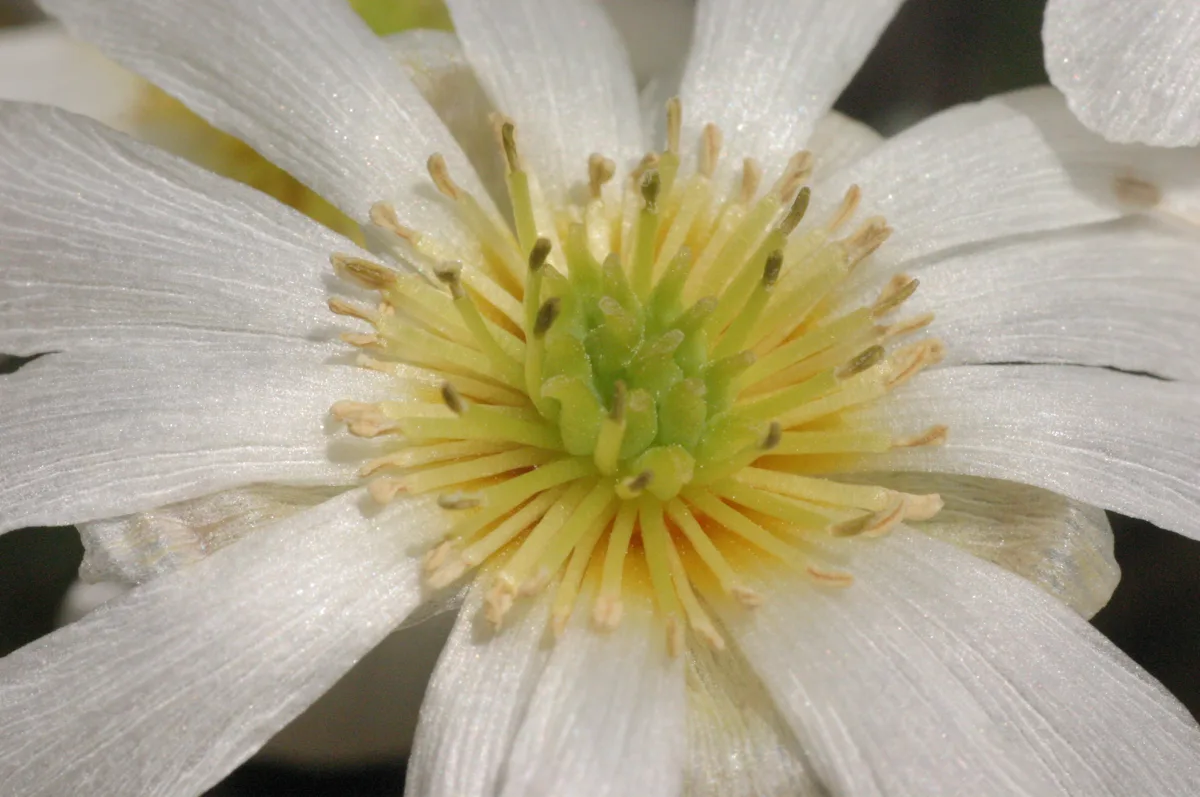
The flowers are charming. Each one looks like a wild anemone, with clean white petals brushed peach and a bright gold boss of stamens. The blue-green, ferny foliage is pretty in its own right. Because the plant stays small, it fits troughs, crevices, and pots with ease.
It is also tough. This species shrugs off hard frost and deep cold. For collectors of rare alpines, growing callianthemum from seed is a real badge of honour.
How to plant Callianthemum anemonoides seeds
Fresh seed is the secret. Stored, dried seed from a packet often germinates poorly or not at all. So sow seed as soon as it ripens, or buy from a specialist who ships fresh seed.
- Fill a pot with a gritty, humus-rich, free-draining mix. Add extra grit on top.
- Surface-sow the seed thinly. Press it down gently. Do not bury it deeply, as light helps.
- Top-dress with a thin layer of fine grit to hold the seed and shed excess water.
- Water from below by standing the pot in a tray until the surface turns damp.
- Give it cold — leave the pot outside over winter, or chill it moist at about 4°C for several weeks.
- Move to cool, bright shade in spring and keep the mix lightly moist. Be patient.
You can also grow this plant from careful division of established clumps. Many growers find that the easiest route is a young plant from a specialist nursery, then seed-saving later.
Germination: what to expect
Germination is slow and uneven. Fresh seed given a cold, moist spell usually sprouts in spring, but it can drift over weeks. Old seed may sit for a year or more, or fail.
If you only have stored seed, try a cycle of cold then warmth. Many growers chill the moist pot at about 4°C for three months, then move it to around 20°C. A treatment with the plant hormone GA3 sometimes wakes stubborn old seed. Keep the surface from drying out at every stage.
Seedlings are tiny and grow slowly. Prick them out with great care once they have a couple of true leaves. Grow them on in shade. Most plants flower in their second or third year.
Best season and when to sow
The ideal time to sow is late summer or autumn, as soon as fresh seed is available. This lets the natural cold of winter break the seed’s dormancy. Spring flowering then follows in later years.
In cold-winter regions, sow outdoors and let nature do the chilling. In mild areas, sow into pots and give an artificial cold-moist spell in the fridge. Avoid sowing in the heat of high summer, as warm, dry conditions stall this seed.
Sun, soil, watering and feeding
Light needs change with your climate. In cool, northern gardens this alpine enjoys an open, sunny spot. Where summers are hot, give it dappled or afternoon shade to stop the leaves from scorching.
Soil must drain fast. Use a gritty, humus-rich mix that holds some moisture yet never stays soggy. The plant tolerates lime, which suits its limestone homeland. Raised beds, troughs, and crevices all work well.
Keep the soil lightly moist through spring growth. Ease off in summer, when the plant dies back and rests underground. Feed sparingly, if at all, with a weak, balanced feed in spring. Too much rich food spoils its compact shape.
Common pests and diseases
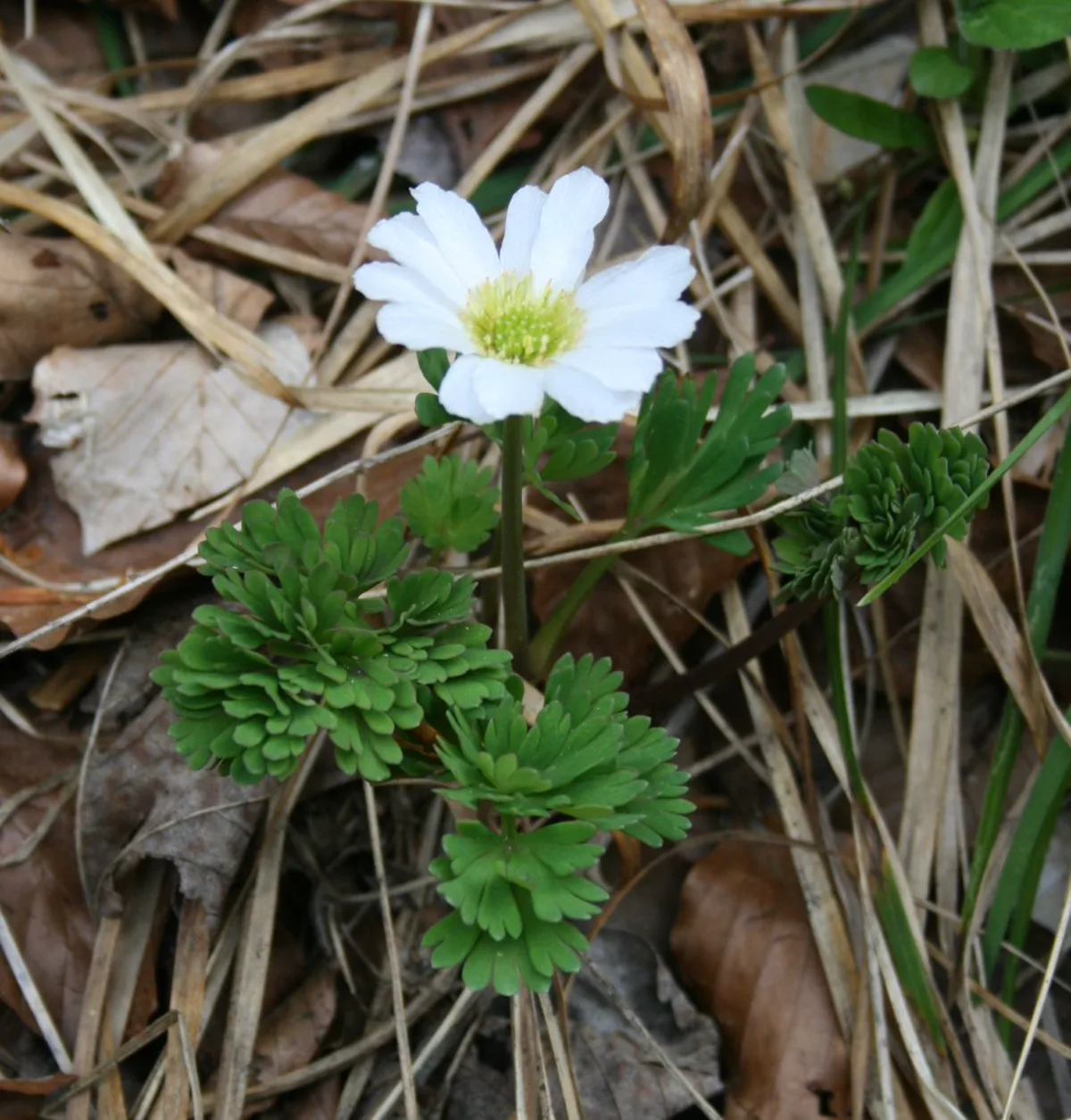
This is a fairly trouble-free plant when its drainage is right. Slugs and snails are the main worry, as they graze fresh spring shoots and flower buds. Use barriers, traps, or wildlife-safe pellets to fix the problem early.
In pots, vine weevil grubs can chew the roots. Check the rootball when repotting. The biggest danger, though, is rot. Crown and root rot strike when the soil stays wet, so sharp drainage is your best defence.
Common problems and quick fixes
No germination? The seed was probably too old, or it never got a proper cold spell. Use fresh seed and chill it moist. Yellow, mushy crown? That is rot from wet soil — add grit and improve drainage.
Leaves scorched and crisp? The plant had too much hot sun; move it to dappled shade. Plant vanished in summer? Do not panic. This species is deciduous and simply rests underground until spring. Mark its spot so you do not dig it up.
The fresh-seed rule no one tells beginners
Most failures with this plant trace back to one thing: stale seed. Unlike many alpines, callianthemum seed loses life fast as it dries. A packet bought months after harvest may never sprout, no matter how well you sow it.
So treat freshness as priority one. Source seed from a specialist alpine society or nursery that harvests and ships quickly. Sow it the moment it arrives. If you grow your own plant, collect and sow seed straight away. This single habit lifts your success rate more than any clever trick.
An anemone look-alike that is really a buttercup
The name “anemonoides” means anemone-like, and the flowers do fool the eye. But this plant is not an anemone at all. It is a Callianthemum, a small genus in the buttercup family, Ranunculaceae.
That family link explains a few habits. Like other buttercups, it loves cool springs and rich, gritty soil. It also shares the family’s mild toxicity, so it is for looking at, not tasting. Knowing the true family helps you place it with the right companions and care.
A living relic of the Austrian Alps
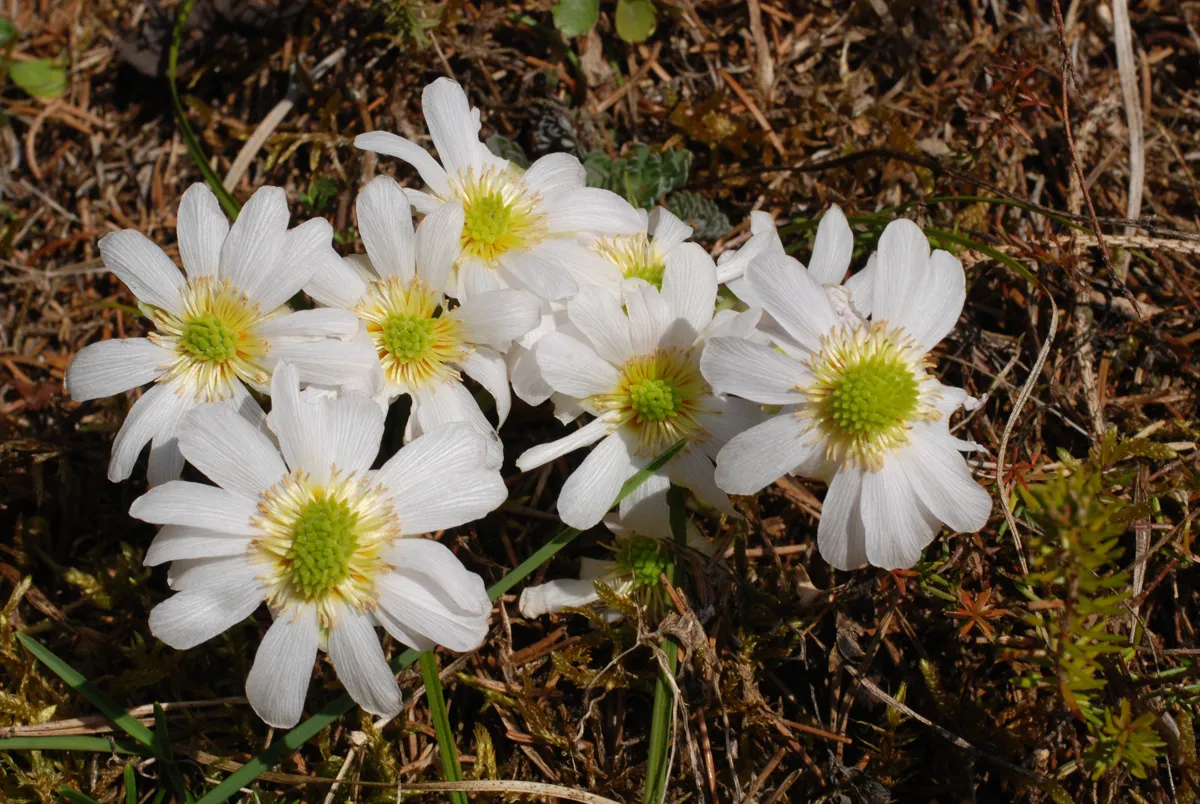
Callianthemum anemonoides has a tiny wild home. It clings to limestone slopes and rocky woodland edges in north-eastern Austria, and almost nowhere else. Botanists treat it as a special, narrowly endemic alpine.
That rarity is part of its charm in cultivation. By growing it well from seed, gardeners help keep a beautiful, restricted species in safe hands. It is a quiet way to honour a plant that nature placed in just one corner of the mountains.
How to tell the callianthemums apart
A few alpines share the “rue anemone” look. The table below sorts the common confusions, so you buy and grow the right plant.
| Plant | How to tell it apart |
|---|---|
| Callianthemum anemonoides | White-to-peach flowers, gold centre, ferny blue-green leaves, Austrian limestone endemic |
| Callianthemum coriandrifolium | Similar but with more finely cut, coriander-like foliage; wider Alpine range |
| Anemonoides (true wood anemones) | True anemones; spreading rhizomes, no gold buttercup boss, woodland carpets |
| Pulsatilla (pasque flower) | Silky hairy buds and bells, feathery seedheads — see our pulsatilla seeds guide |
Design ideas for the rock garden
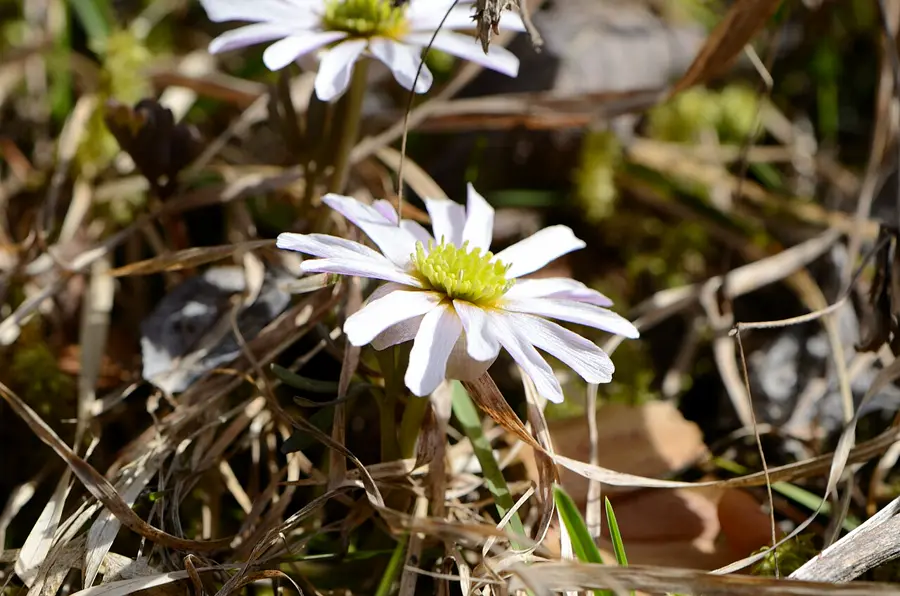
Use this alpine where you can see it up close in spring. A raised trough at waist height shows off the early flowers beautifully. Crevice gardens and tufa pockets suit it too, as they mimic its rocky home.
Pair it with other compact, early alpines for a layered spring picture. Good partners include saxifraga, aubrieta, trumpet gentian, and mountain avens. Plant it so the summer gap, when it rests, is filled by a neighbour.
Growing Callianthemum anemonoides in India
Let us be honest about the climate. This is a cold-loving Austrian alpine, not a plains plant. It needs cool springs, sharp drainage, and a rest in summer, so the hot plains of India will defeat it.
Your best chance is in cool hill stations or a shaded alpine house. Grow it in troughs or pans of gritty, lime-rich mix. Keep it in cool months, give it dappled shade, and never let the soil bake or stay wet. Treat it as a specialist’s challenge, grown only for its flowers, and pollinated by bees and other garden insects rather than the hummingbirds of the Americas.
Good companions for callianthemum
This alpine loves the company of other small, well-drained rock plants. Build a community that shares its love of grit and cool roots. Try these reliable partners from our seed guides:
- Armeria (sea thrift)
- Dianthus (alpine pinks)
- Helianthemum (rock rose)
- Sempervivum (hens and chicks)
- Sedum (stonecrop)
- Lewisia (bitterroot)
- Campanula carpatica (bellflower)
- Leontopodium (edelweiss)
- Soldanella (alpine snowbell)
- Androsace (rock jasmine)
Frequently asked questions
Are Callianthemum anemonoides seeds hard to grow?
They are a moderate challenge. The main trick is using fresh seed and giving it a cold, moist spell. With those two steps, germination is far more reliable.
How long do the seeds take to germinate?
Fresh seed usually sprouts in spring after winter chilling, though it can spread over several weeks. Old, stored seed may take a year or more, or fail entirely.
Where did my plant go in summer?
It has not died. This species is deciduous and rests underground through summer. It returns with fresh foliage the next spring, so mark its spot.
Can I grow it in a pot or trough?
Yes, and that is often the best way. A trough or pan of gritty, lime-rich mix gives the sharp drainage it craves and lets you control its light and moisture.
Does the seed have to be fresh?
Freshness makes the biggest difference. Seed sown as soon as it ripens gives the best results, while dried packeted seed germinates poorly or not at all and may sit for a year or more.
Can I propagate it without seed?
Yes, established clumps can be divided in spring. Division is the quicker and more reliable route if you can get hold of a plant.
What soil does Callianthemum anemonoides need?
A moist but sharply drained mix with plenty of grit and leafy humus. Stagnant wet compost in winter is the usual killer.
Does it want sun or shade?
Bright light, with shelter from hot afternoon sun. It comes from open alpine ground, so poor light produces weak growth and few flowers — but a cool, airy position, such as an east-facing spot or an alpine house with good ventilation, suits it far better than a baked south wall.
When does it flower?
Flowering runs from around March to May, early in the alpine season. The blooms are white with a pink or peach tint, roughly 3-4 cm (1.2-1.6 inches) across.
How big does the plant get?
It stays small, about 10-25 cm (4-10 inches) tall, with finely divided greyish foliage. That compact size is why it suits troughs and raised beds.
Where does this plant come from in the wild?
It is endemic to the limestone Alps of north-eastern Austria. That limestone origin is worth remembering when you mix its compost, as it is at home in gritty, lime-rich ground.
Is fresh seed better than stored seed?
Yes. Viability drops off fairly quickly, so freshly harvested seed germinates far more reliably. Older packets can still work, but expect lower numbers and a longer wait.
What temperature routine works best for the seed?
A common protocol is roughly three months at about 4 °C (39 °F), then three months at about 20 °C (68 °F). Sow in a pot, keep it lightly moist throughout, and do not let the compost dry out during the cold phase.
When does Callianthemum anemonoides flower?
It is one of the earliest alpines to open, flowering in early spring as the ground warms. The white, anemone-like blooms often appear before the foliage has fully expanded.
What compost should I use?
A gritty, free-draining alpine mix works best, roughly half loam-based compost and half sharp grit or perlite. A grit topdressing keeps the collar dry and stops moss taking over the surface.
Can I propagate it by division or cuttings?
Seed is the practical route. Established plants resent root disturbance and often fail to recover from being split, so leave a good clump alone once it settles.
How should I water it during summer dormancy?
Keep the compost barely damp rather than bone dry or soggy. The plant dies back and rests, but the roots are still alive, so a light watering now and then is safer than a total drought.
Sources and further reading
Still stuck? Ask the Plant Doctor
Describe the problem — yellow leaves, holes, no flowers — and get a clear answer in seconds. FreeAI can make mistakes. Answers are guidance, not a guarantee — check anything important against the guide it links to, and always read the label on any product before you use it.