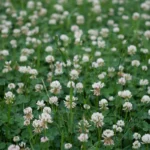
Saxifraga Rockfoil Seeds
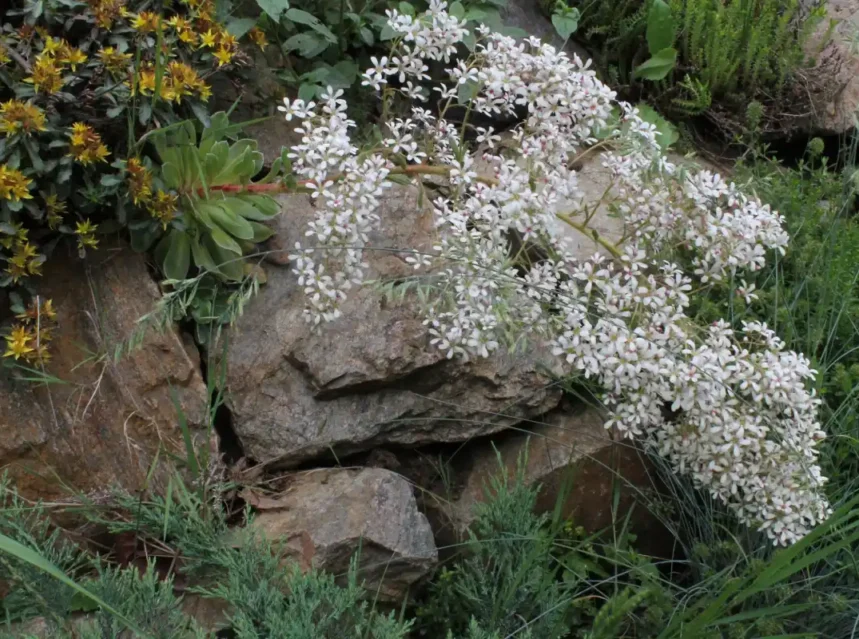
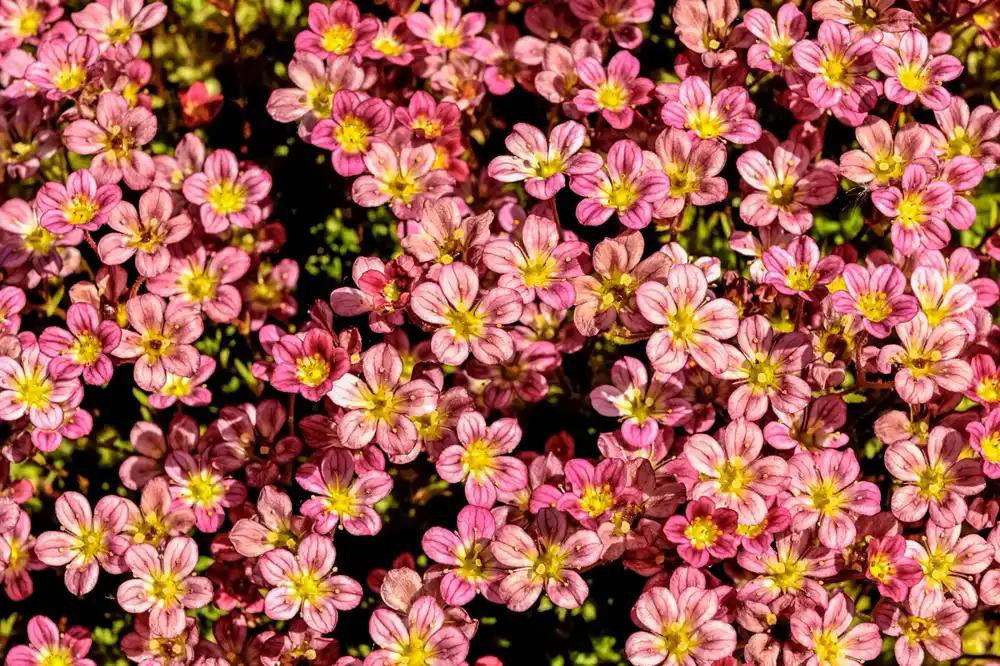
Saxifraga rockfoil seeds grow into small alpine perennials that form neat evergreen cushions or soft mossy mats, topped by dainty starry spring flowers. The name “rockfoil” covers many Saxifraga species, the classic plants of rock gardens, troughs and stone walls. From saxifraga rockfoil seeds you can raise white, pink, red or yellow stars on slender stems above tidy green hummocks. This guide is strictly ornamental and covers sowing, care and buying worldwide.
This article is for ornamental gardening only. It makes no medicinal, herbal, or edible claims of any kind.
🧰 In a hurry? Jump straight to our tested picks for this guide ↓
Quick start
- Plant type: Small hardy alpine/rock-garden perennial (Saxifraga spp.), 5–15 cm tall.
- Look: Evergreen cushions or mossy mats with starry 5-petalled spring flowers.
- Groups: Encrusted/silver, mossy (arendsii), cushion/Kabschia, plus London pride.
- Light: Cool conditions; part shade to sun depending on type.
- Soil: Gritty, very sharp-draining, on the alkaline (limy) side.
- Sow: Late winter to spring, or autumn outdoors.
- Seed depth: Surface-sow, press in — do not bury (light helps).
- Germination: Slow and erratic, about 2–6+ weeks; a cold spell helps.
- Water: Steady light moisture; never waterlogged, never baked dry.
- Best uses: Troughs, crevices, north-facing rockeries, walls.
Authority sources: Wikipedia: Saxifraga · Missouri Botanical Garden: Saxifraga × arendsii
Saxifraga rockfoil at a glance

| Feature | Detail |
|---|---|
| Botanical name | Saxifraga spp. (large genus, ~470 species) |
| Common names | Saxifrage, rockfoil, mossy saxifrage, stone-breaker |
| Family | Saxifragaceae |
| Origin | Northern Hemisphere mountains, Arctic, Alps, Himalaya |
| Habit | Cushion or mossy mat, 5–15 cm tall |
| Flowers | Starry, 5-petalled; white, pink, red, yellow |
| Bloom time | Spring to early summer |
| Light | Cool; part shade to full sun by type |
| Soil | Gritty, sharp-draining, alkaline (limy) |
| Hardiness | About USDA zones 5–7 (varies by species) |
| Best use | Rockeries, troughs, crevices, walls |
Why grow saxifraga rockfoil?
Rockfoil is the backbone of any alpine collection. The plants stay small and neat, so they fit troughs, sinks and tight crevices with ease. Few plants pack so much spring charm into so little space.
The cushions look good all year, even out of flower. Then in spring they erupt with starry blooms on slender stems. For rock gardeners, this evergreen-plus-flowers combination is hard to beat.
Saxifraga rockfoil seeds also let you raise a whole carpet cheaply. A single packet of mossy “arendsii” mix can fill a trough or a shady wall pocket. That is real value for a collector on a budget.
Name and heritage
The botanical name comes from Latin “saxum” (rock) and “frangere” (to break), giving “stone-breaker.” Many species root deep in rock crevices, which suits that vivid name. The common name “rockfoil” is simply an old English version of the same idea.
Two species serve as floral emblems in northern regions, including Nunavut in Canada. This heritage note is cultural and historical only. It carries no medicinal or edible meaning here.
The classic cushion and mossy alpine
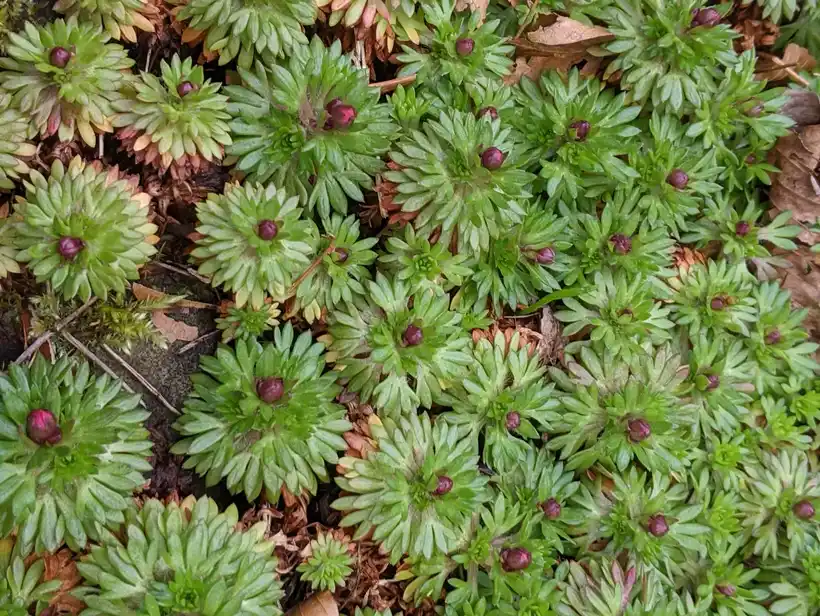
Rockfoil is the quintessential rock-garden plant. Gardeners group the many species into a few practical types. Knowing them helps you choose the right seed.
- Encrusted (silver) saxifrages: Tight rosettes with lime-crusted edges, often in full sun.
- Mossy saxifrages (Saxifraga × arendsii): Soft green hummocks like moss, with pink, red or white stars.
- Cushion / Kabschia saxifrages: Dense alpine buns that flower very early.
- London pride (Saxifraga × urbium): Easy rosette mats with airy pink sprays, great for shade edging.
Mossy types are the most common from seed. They are cheap, fast and forgiving. They make a gentle green carpet studded with colour each spring.
The part-shade, sharp-drainage gem
Unlike many sun-baked alpines, rockfoil often prefers cooler spots. Many mossy and shade types thrive in part shade and even north-facing crevices. This makes them rare and useful problem-solvers.
Yet all of them share one firm rule: drainage must be sharp. Gritty, fast-draining, limy soil keeps the crown healthy. They hate both soggy wet and baking dry.
So the ideal site is cool, bright and never waterlogged. A north-facing rockery or a gritty trough fits perfectly. Get the drainage right and the rest is easy.
Grow-from-seed alpine
Saxifraga rockfoil seeds are tiny, so handle them with care. They need light to sprout, so you surface-sow them. A cold spell before or during sowing improves results.
Germination is slow and a little erratic, often 2–6 weeks or more. Patience is part of the craft. Once up, the seedlings grow on steadily into cushions.
If you want a shortcut, division and rosette cuttings are very easy. Many gardeners mix both methods. Seed gives quantity; division gives speed.
Best season and when to sow
Sow in late winter or early spring under cover. You can also sow in autumn outdoors, which gives a natural cold spell. Both timings work well for rockfoil.
For spring indoor sowing, a cold-moist period helps a lot. Chill the seed in damp sand in the fridge for about 4–6 weeks first. This mimics a real alpine winter.
How to plant saxifraga rockfoil seeds
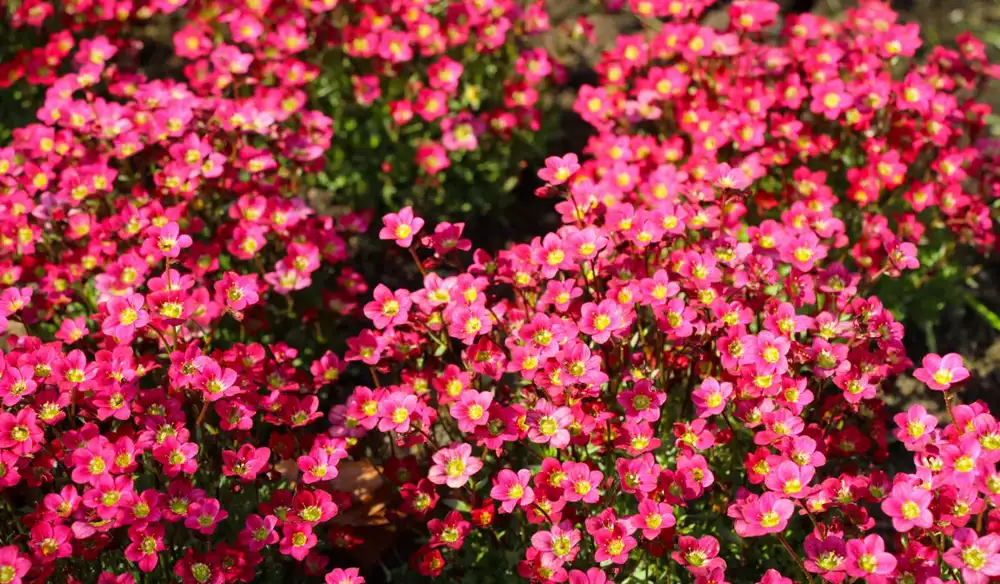
The method is simple once you know the steps. Follow this order for the best strike rate.
- Fill trays or pots with gritty, free-draining seed compost.
- Firm the surface gently and water it before sowing.
- Scatter the tiny seeds thinly over the top.
- Press them in lightly; do not cover them, as light helps.
- Mist to settle, then keep cool and just moist.
- Use a clear cover, but air it daily to stop mould.
- Prick out seedlings once they have 2–3 true leaves.
- Grow on cool and lightly shaded, then plant into the trough or crevice.
Germination
Aim for cool germination temperatures, around 15–18°C (60–65°F). Keep the surface moist with gentle misting, never soaking. Bright light, not deep shade, speeds things up.
Expect uneven sprouting over several weeks. Do not throw out a tray too early. Late stragglers are normal with alpine seed.
Sun, soil, watering and feeding
Give cool conditions and match light to the type. Silver and encrusted forms take more sun, while mossy and shade types want part shade. Many enjoy some afternoon or north-facing shade.
Soil must be gritty and very sharp-draining, ideally limy. Add grit and a little limestone chipping to open it up. Steady, light moisture in growth is ideal.
Never let the crown sit wet, as that brings rot. Equally, do not let plants bake bone-dry. Feed only lightly, since rich soil makes soft, weak growth.
Common pests and diseases
The biggest enemy is crown or root rot from wet and humidity. Sharp drainage and cool part shade are the best defence. Grit around the neck of the plant helps too.
Mossy types can scorch and brown out in too much heat or sun. Move them to a cooler, shadier pocket if they suffer. Vine weevil grubs sometimes attack roots in pots.
Aphids are a minor problem and easy to wipe off. Slugs may graze soft mossy growth. The all-round fix is sharp drainage, grit and a cool spot.
Common problems
- Brown, dead patches in the cushion: Usually rot from wet or heat; improve drainage and shade.
- No flowers: Too much rich feeding or deep shade; ease off feed and add light.
- Slow or patchy germination: Normal; give a cold spell and more time.
- Soft, floppy growth: Soil too rich or wet; switch to a leaner gritty mix.
- Scorched edges: Too much hot sun; move mossy types to part shade.
Rockfoil vs its relatives: clearing the confusion
The Saxifragaceae family has a few look-alikes that buyers mix up. This table sorts them out. It helps you pick the right seed for the job.
| Plant | What it is | Look and use |
|---|---|---|
| Saxifraga alpine rockfoils | Small cushion/mossy/encrusted rock-garden perennials | Starry spring flowers; sharp drainage; cool part shade |
| Bergenia (elephant’s ears) | A robust Saxifragaceae relative | Big leathery evergreen leaves; bold border plant, not a cushion |
| London pride (Saxifraga × urbium) | An easy member of the genus | Rosette mats with airy pink sprays; good shade edging |
| Strawberry begonia (Saxifraga stolonifera) | A trailing runner saxifrage | Houseplant on runners; not an alpine cushion |
So a “saxifrage” can be a tiny alpine bun or a bold-leaved bergenia relative. For rock gardens and troughs, you want the alpine rockfoils. If you want to read more, see our edelweiss seeds guide for another classic alpine.
Design ideas with saxifraga rockfoil
Rockfoil shines in small, detailed settings. Its size lets you build whole little landscapes. Here are the best ways to use it.
- Rock gardens and rockeries: The classic home, tucked between stones.
- Alpine troughs, sinks and pans: Perfect for close-up viewing.
- Crevice gardens and dry-stone walls: Plants thread into tight gaps.
- North-facing and shady pockets: A rare flowering option for cool corners.
- Path edges and between paving: Mossy carpets soften hard lines.
- The alpine collection: Pair with sempervivum, sedum, dianthus and gentiana.
Growing saxifraga rockfoil in India
Let us be honest about the Indian climate. Rockfoil is a cool-temperate, alpine plant. It is realistic mainly in cool Indian hill and Himalayan gardens.
Gardeners in Himachal, Uttarakhand, Kashmir and Sikkim have the best chance. Indeed, several Saxifraga species are native to the Himalaya. There they suit rock gardens, troughs, crevices and alpine houses.
In the hot plains, rockfoil is essentially impossible. It hates heat, humidity and monsoon wet. Without cool air and sharp drainage, the crowns simply rot.
If you are in a cool hill station, give gritty sharp alkaline drainage and part shade. Raised gritty beds and troughs help shed monsoon rain. For pollinators, expect bees and butterflies at the spring flowers. There are no hummingbirds in India, as they live only in the Americas.
Companion plants and related guides
Rockfoil loves company in a rockery or trough. These alpine and rock-garden partners share its love of grit and sharp drainage. Each link below is one of our seed guides.
- Edelweiss seeds — the iconic woolly white alpine star.
- Aethionema stonecress seeds — neat pink cushions for crevices.
- Aubrieta rock cress seeds — sheets of purple over walls.
- Aurinia basket of gold seeds — golden spring mats.
- Alyssum seeds — fragrant low carpets.
- Armeria sea thrift seeds — pink drumstick alpines.
- Dianthus seeds — fragrant pinks for the rockery.
- Cerastium snow-in-summer seeds — silver-leaved white carpets.
- Lewisia bitterroot seeds — jewel-bright crevice rosettes.
- Townsendia Easter daisy seeds — dwarf alpine daisies.
- Erodium heron’s bill seeds — long-flowering alpine mats.
- Delosperma hardy ice plant seeds — sun-loving succulent carpet.
Frequently asked questions
What is saxifrage or rockfoil?
Saxifrage, or rockfoil, is a large genus of small alpine perennials in the family Saxifragaceae. They form evergreen cushions or mossy mats topped by starry spring flowers. The name means “stone-breaker,” from their love of rock crevices.
Are saxifraga rockfoil seeds hard to grow?
They are not hard, but they ask for patience. The seeds are tiny and germinate slowly and unevenly. Give them light, a cold spell and very sharp drainage, and they reward you.
How long do saxifraga rockfoil seeds take to germinate?
Most sprout in about 2–6 weeks, though some take longer. A cold-moist period before sowing improves the strike rate. Keep the tray cool, bright and just moist throughout.
Can I grow saxifraga rockfoil in India?
Yes, but mainly in cool hill and Himalayan gardens such as Himachal or Sikkim. Several saxifrages are even native to the Himalaya. In the hot plains it is essentially impossible, as heat, humidity and monsoon wet rot the crowns.
Is saxifraga rockfoil deer resistant?
Yes, saxifraga is generally deer resistant, thanks to its tough, low-growing cushion habit and lack of showy edible foliage. This makes it a reliable choice for rock gardens and troughs in areas with regular deer pressure, though gritty, well-drained sites protect it from more common threats like winter wet than deer ever do.
Is saxifraga evergreen through winter?
Yes, most rockfoil saxifrages keep their cushion or rosette foliage year-round, which is part of their appeal in a winter rock garden. In very harsh, exposed sites, a light covering of snow or a few fir branches over the crown protects it from frost damage and drying winter wind better than bare exposure does.
Can I propagate saxifraga rockfoil by division instead of seed?
Yes, and it’s often easier than seed. In spring, lift a mature cushion, gently pull or cut it into rooted sections, and replant each piece into gritty, sharp-draining compost. Division gives you flowering-size plants immediately, while seed gives you larger numbers cheaply but takes patience through slow, erratic germination.
Why is my saxifraga rockfoil dying in patches?
Brown, dead patches in a cushion almost always mean crown or root rot from wet soil or high summer heat, since these alpines demand sharp drainage and cool conditions. Improve drainage with extra grit, move mossy types to part shade, and pack grit right around the neck of the plant to keep water away from the crown.
Does saxifraga rockfoil need lime or acidic soil?
Most rockfoil saxifrages, including the encrusted and mossy types, prefer alkaline, limy soil and benefit from added limestone chippings or grit worked into the planting mix. A few species tolerate more neutral conditions, but as a rule, avoid strongly acidic soil, which does not suit the majority of garden saxifrages.
How do you germinate saxifraga rockfoil seed faster?
Chilling the seed in damp sand in the fridge for four to six weeks before sowing mimics a natural alpine winter and noticeably improves and speeds up germination. Surface-sow afterward, since the tiny seed needs light, and keep the tray cool and bright rather than warm, which slows this species down rather than helping it.
What is the difference between saxifraga and bergenia?
Saxifraga rockfoils are small alpine cushion or mat plants suited to troughs and rockeries. Bergenia, sometimes called elephant’s ears, is a much larger, bold-leaved relative in the same family, grown as a robust border plant rather than a rock-garden alpine. The two look and behave very differently despite the family connection.
Sources and further reading
Still stuck? Ask the Plant Doctor
Describe the problem — yellow leaves, holes, no flowers — and get a clear answer in seconds. FreeAI can make mistakes. Answers are guidance, not a guarantee — check anything important against the guide it links to, and always read the label on any product before you use it.