Cerastium Snow in Summer Seeds
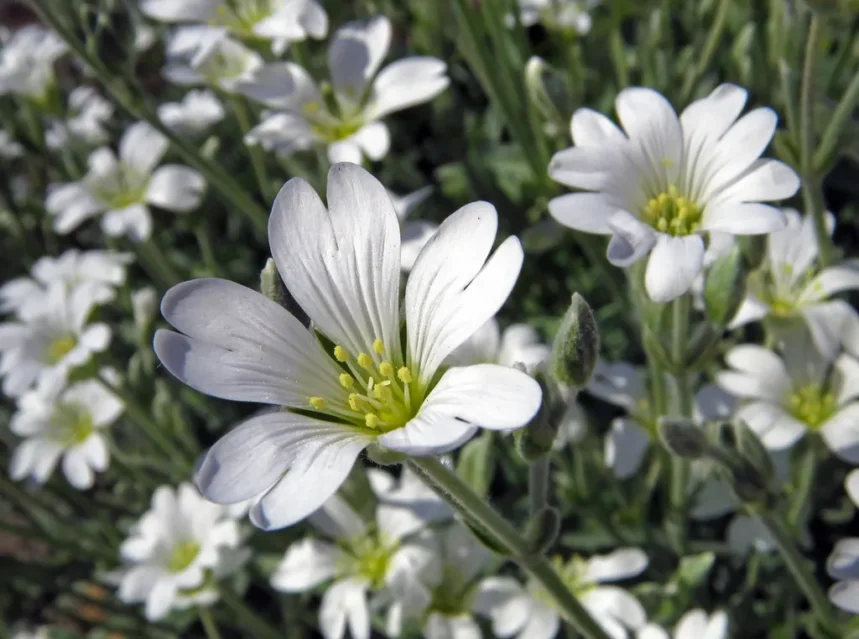
Cerastium snow in summer seeds grow into one of the easiest silver-leaved carpets you can sow. Cerastium snow in summer (Cerastium tomentosum) is a low, fast-spreading, mat-forming perennial. In late spring and early summer it covers itself in masses of pure-white star-shaped flowers above felty silver foliage. It is the classic white plant that cascades over walls and tumbles down sunny banks.
This guide is strictly about growing snow in summer as an ornamental garden plant. It makes no medicinal, herbal, or edible claims of any kind.
🧰 In a hurry? Jump straight to our tested picks for this guide ↓
Quick start
- Plant type: hardy evergreen-to-semi-evergreen mat-forming perennial.
- Family: Caryophyllaceae (the pink and carnation family).
- Size: about 10–20 cm tall and 30–60 cm or more wide.
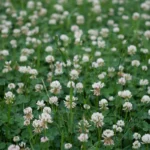
- Flowers: masses of pure-white five-petalled star flowers, late spring to early summer.
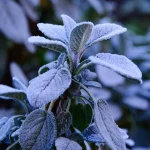
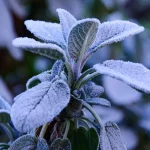
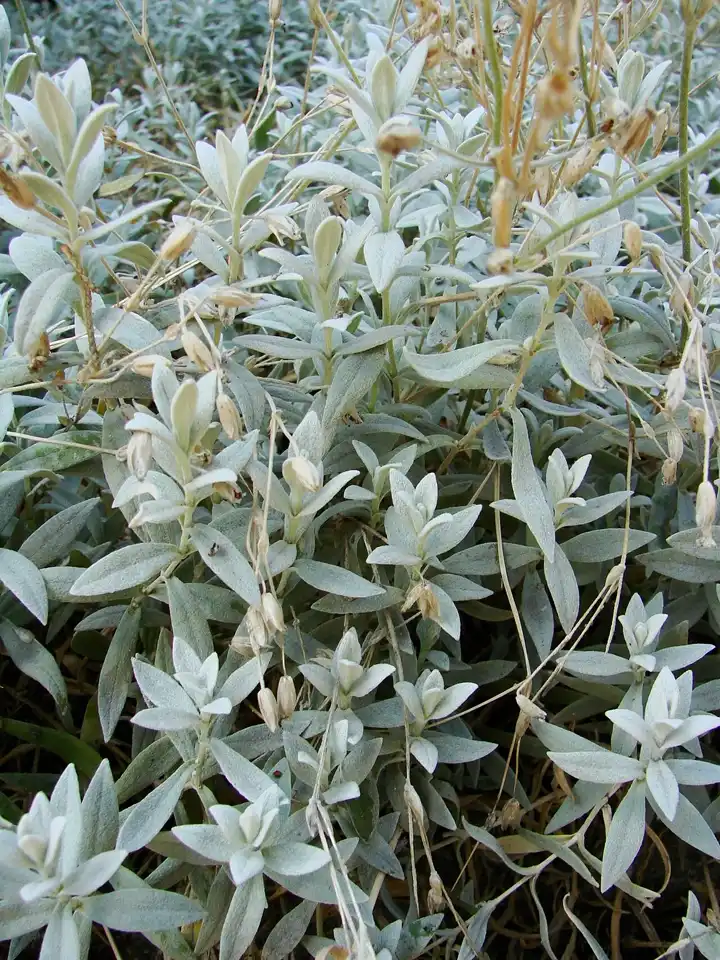
- Foliage: intensely silver-grey, woolly and felted; good all season.
- Light: full sun for the best silver colour and most flowers.
- Soil: any well-drained, poor, sandy or gritty soil; drainage is vital.
- Sow: surface-sow (light helps); germinates in about 2–3 weeks.
- Water: very drought-tolerant once established; hates wet, humid soil.
- Key job: shear hard after flowering to keep it tidy and stop spread.
Authority sources: Wikipedia: Cerastium tomentosum, NC State Extension.
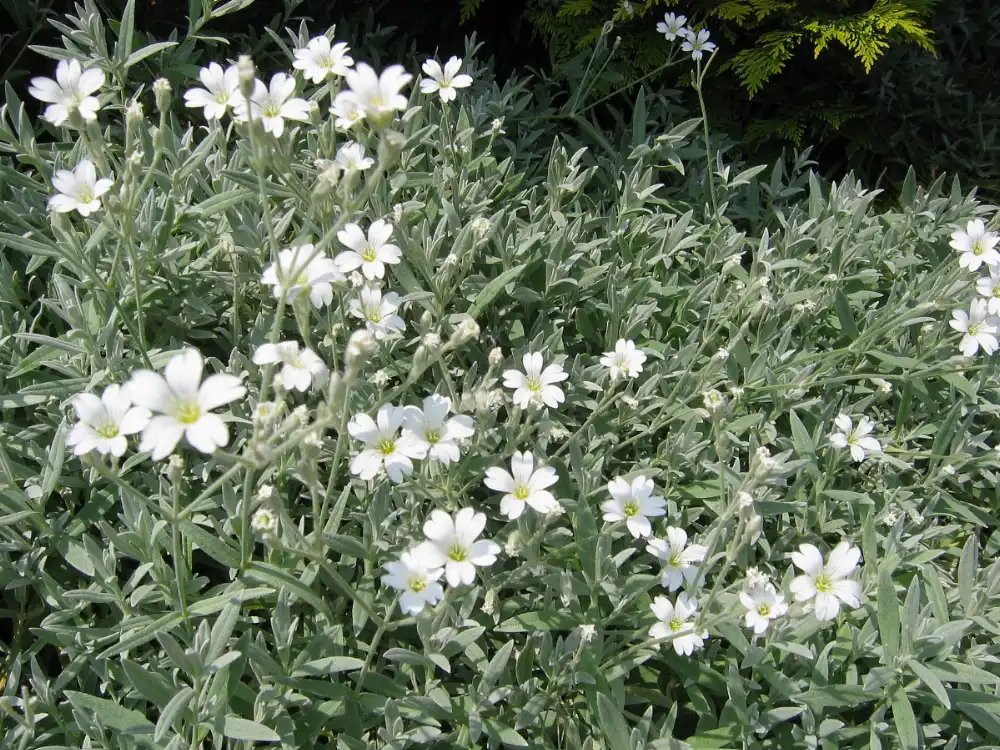
Cerastium snow in summer seeds at a glance
| Feature | Detail |
|---|---|
| Botanical name | Cerastium tomentosum |
| Common names | Snow-in-summer, silver carpet, snow plant |
| Family | Caryophyllaceae (pink/carnation family) |
| Native range | Mountains of central and southern Italy and Sicily |
| Habit | Low, fast-spreading, mat-forming perennial |
| Height × spread | About 10–20 cm × 30–60 cm or more |
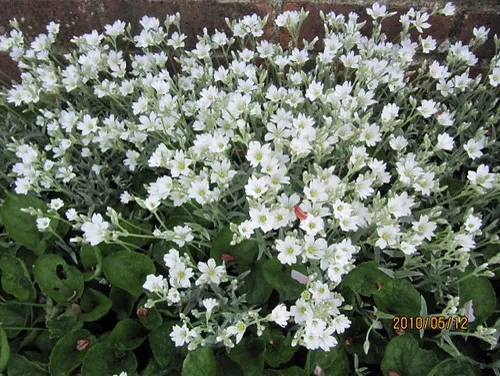
| Flower colour | Pure white, star-shaped, about 15 mm across |
| Bloom time | Late spring to early summer |
| Foliage | Silver-grey, woolly, felted; evergreen-ish |
| Light | Full sun |
| Soil | Well-drained, poor, sandy, gritty or alkaline |
Why grow snow-in-summer?
Few plants cover bare ground so fast for so little effort. Snow in summer turns dry, rocky patches into a sheet of silver and white. It thrives where many plants fail.
The silver foliage looks good all season, not just in bloom. Then early summer brings a flood of white stars. Bees love the simple, open flowers too.
- Fast, tough ground cover for hot, dry, sunny spots.
- Silvery foliage that stays handsome year-round.
- A sheet of pure-white flowers in early summer.
- Holds soil on slopes and banks where little else grips.
- Very cheap and easy to raise from seed in bulk.
The name and heritage of snow-in-summer
The species name tomentosum means “covered in fine hairs”. That describes the felty, silvery leaves perfectly. The hairs reflect light and reduce water loss.
The common name paints the picture well. In early summer the white flowers look like a fall of snow. It belongs to the Caryophyllaceae, the same family as pinks and carnations. This guide keeps it purely ornamental.
Information gain 1: the silver-white carpet
The real magic is two seasons of beauty in one plant. The silver foliage glows from spring to autumn. Then white stars smother it in early summer.
This makes it a star of white and moonlight gardens. The pale leaves seem to shine at dusk. Plant it at the top of a wall and let it cascade down in a silver-white curtain.
Information gain 2: a tough, fast ground cover
Snow in summer is built for hard places. It shrugs off drought, poor soil and baking sun. It even grips dry banks and slopes where soil tends to wash away.
Be warned, though: it spreads fast by surface runners. In cool climates it can become a gentle thug. Site it where it can roam, or shear, edge and divide it to keep it in bounds. Compact cultivars like ‘Silberteppich’, ‘Columnae’ and ‘Yoyo’ behave better.
Information gain 3: easy early nectar for pollinators
The flowers are simple, open and shallow. That makes the nectar easy for insects to reach. Bees and butterflies work the white stars on warm early-summer days.
The plant asks almost nothing in return. It needs no feeding and little water once settled. That mix of low care and high wildlife value is hard to beat.
Best season and when to sow
You have several good windows. Sow indoors in late winter to spring, about 6–8 weeks before your last frost. You can also direct-sow outdoors in spring after frost, or in early summer.
Autumn sowing works in mild areas too. In most cases the plant makes its silver mat the first year. It usually flowers from the second year onward.
How to plant snow-in-summer from seed
The seed is tiny and needs light, so never bury it. Keep the steps simple and results are reliable.
- Fill trays or pots with a free-draining mix. Add grit or sharp sand.
- Scatter seed on the surface and press gently. Do not cover it.
- Water from below to avoid washing seed away. Keep it lightly moist.
- Keep at about 15–21°C in good light.
- Prick out seedlings once they can be handled.
- Harden off, then plant out about 30–45 cm apart in full sun.
Germination tips
Light is the key trigger, so always surface-sow. At warm temperatures, seed usually sprouts in about 14–21 days. Keep the surface lightly moist until then.
Germination can be a little uneven, so be patient. Space plants generously, because they spread quickly. Crowded seedlings simply merge into one mat.
Sun, soil, watering and feeding
Give snow in summer full sun. More sun means brighter silver leaves, a tighter mat and more flowers. It struggles in shade and in humid heat.
Drainage matters more than anything else. It loves poor, sandy, gritty or alkaline soil. Wet, heavy soil rots the silvery foliage and the roots.
Water young plants until they settle in. After that it is very drought-tolerant. Do not feed it. Rich soil makes it floppy, leggy and over-vigorous.
One care job stands out. Shear the whole plant back hard right after flowering. This keeps the mat tight, refreshes the foliage and curbs self-seeding and spread.
Common pests and diseases
Snow in summer is very trouble-free. Most problems trace back to wet soil, not insects.
- Root and crown rot: the biggest risk, caused by wet soil or humid heat. Fix it with sharp drainage and good airflow.
- Foliage rot: the silver mat can collapse in soggy spots. Improve drainage and shear out tired growth.
- Slugs: may nibble soft new growth in spring. Usually a minor issue.
- Few real diseases: in dry, sunny, airy sites it stays clean and healthy.
Common problems
The most common complaint is a mat that goes leggy and bare in the centre. This happens when it is never sheared. Cut it back hard after flowering each year to keep it dense.
Spreading too far is the other big issue. In cool climates it can swamp small neighbours. Edge it, shear it and divide it to keep it in its place.
Short life is normal. Snow in summer is a short-lived perennial that develops dead patches. Simply lift and divide it, or renew it from seed or cuttings. Collapse and yellowing almost always mean the soil is too wet.
Snow-in-summer vs similar silver and white plants
Several silver or white plants share its names and looks. The table below sorts out the common mix-ups.
| Plant | How it differs |
|---|---|
| Snow-in-summer (Cerastium tomentosum) | Low silver mat, masses of small white star flowers, fast spreader |
| Snow-on-the-mountain (Euphorbia) | Different genus; grown for white-margined leaves, not a silver mat |
| Dusty miller (Senecio/Jacobaea) | Upright silver bedding plant grown for foliage, not white flowers |
| Rose campion (Lychnis) | Silver leaves but tall magenta or white flowers, not a mat |
| Basket of gold (Aurinia) | The golden spring partner; yellow flowers, not white |
| Aubrieta (rock cress) | The purple spring partner; green leaves, purple flowers |
| Candytuft (Iberis) | White but flat-topped heads on green leaves, not a silver mat |
Design ideas for snow-in-summer
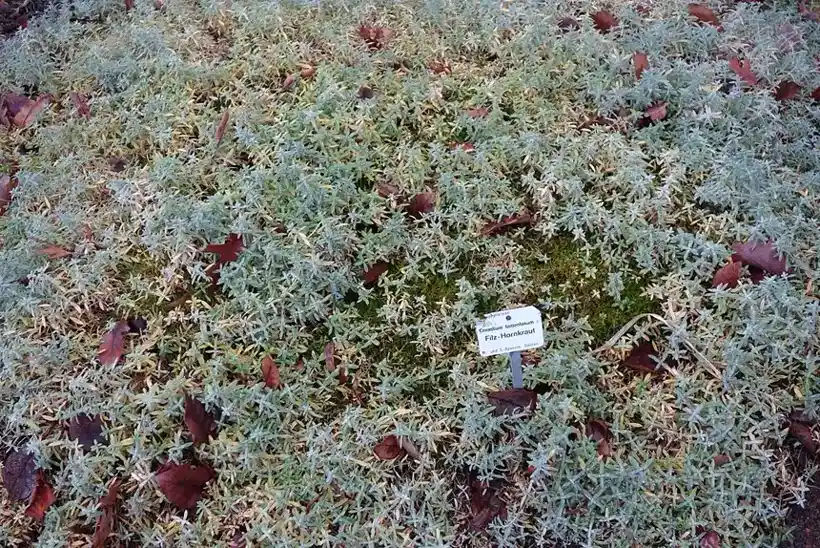
This plant was made for sunny, dry, structural spots. Its silver mat and trailing habit are the star features.
- Dry-stone walls and crevices: spills over the face in cascading white.
- Sunny banks and slopes: its signature use, holding soil and stopping erosion.
- Rock gardens and gravel beds: a classic carpet between stones.
- Edging and paving gaps: softens hard edges and steps.
- White and moonlight gardens: the silver foliage glows at dusk.
- Alpine troughs and containers: contained displays that show off the silver.
- The spring rockery trio: white Cerastium with golden Aurinia and purple Aubrieta.
For more dry-spot partners, see Mexican fleabane, catmint and gazania.
Growing snow-in-summer in India
Be honest about climate here. Snow in summer is a cool-temperate alpine plant. It dislikes hot, humid monsoon weather, which rots the silver foliage.
It does best in cool Indian hill gardens. In places like Himachal, Uttarakhand, Kashmir, the Nilgiris and Darjeeling, grow it as a silver groundcover, rockery or wall carpet. In the plains, treat it as a cool-season pot plant. Sow in autumn for late-winter and spring growth, then let it fade as the heat builds.
Sharp drainage and airflow are essential in our climate. Use gritty mix and raised pots so water never sits around the crown. Bees and butterflies will visit the flowers. Remember there are no hummingbirds in India; they live only in the Americas.
Plant these with snow-in-summer
These companions share its love of sun and sharp drainage. Each link below is a full growing-and-buying guide on our site.
- Aurinia basket of gold seeds — the golden third of the spring rockery trio.
- Aubrieta (rock cress) seeds — the purple spring-rockery partner.
- Candytuft seeds — more clean white for the rockery.
- Armeria sea thrift seeds — pink cushions for the same dry spots.
- Dusty miller seeds — another silver-leaved companion.
- Lamb’s ear seeds — soft silver foliage for edging.
- Rose campion seeds — silver leaves with bold magenta flowers.
- Dianthus (pinks) seeds — a Caryophyllaceae cousin with grey-blue leaves.
- Phlox seeds — creeping carpets of spring colour.
- Sweet alyssum seeds — a low fragrant carpet for edges.
- Eryngium (sea holly) seeds — spiky structure for dry borders.
Frequently asked questions
How long do cerastium snow in summer seeds take to germinate?
Surface-sown seed usually sprouts in about 14–21 days at warm temperatures. Light is the key trigger, so never bury the seed. Keep the surface lightly moist until seedlings appear.
Is snow-in-summer invasive or hard to control?
It spreads fast by surface runners and can be a gentle thug in cool climates. Shear it hard after flowering, edge it and divide it to keep it in bounds. Compact cultivars like ‘Silberteppich’ and ‘Yoyo’ are easier to manage.
Why is my snow-in-summer bare in the middle?
It was probably not sheared, or the soil is too wet or rich. Cut it back hard each year after the main flush. Grow it lean, dry and in full sun for a dense mat.
Can I grow snow-in-summer in India?
Yes, but mainly in cool hill gardens as a silver groundcover or wall plant. In the plains, grow it as an autumn-sown, cool-season pot plant. It dislikes hot, humid monsoon conditions and needs very sharp drainage and airflow.
Is snow-in-summer deer resistant?
Yes. Its hairy, felted leaves and strong scent put deer off, and several nurseries and extension sources list it as both deer and rabbit resistant. It is a reliable ground cover choice for gardens where deer regularly browse softer perennials.
Is snow-in-summer toxic to pets?
It is not commonly listed as toxic to dogs or cats. As with most plants outside the well-documented toxic lists, treat this as general reassurance rather than a guarantee, and discourage pets from grazing on any garden plant as a matter of course.
Does snow-in-summer need full sun?
Yes, ideally. Full sun gives the brightest silver foliage, the tightest mat and the most flowers. In shade or humid heat it thins out, grows leggy and is more prone to rot, so a hot, open, well-drained spot suits it best.
How tall and wide does snow-in-summer grow?
The mat itself stays low, about 10 to 20 cm (4 to 8 in) tall, but it spreads generously to 30 to 60 cm or more across as it roots along trailing stems. That spreading habit is exactly what makes it useful as fast ground cover.
Can snow-in-summer be propagated by division or cuttings instead of seed?
Yes, and both are quicker than raising it from seed. Established mats can be lifted and divided in spring or autumn, and short stem cuttings root easily in a gritty mix over a few weeks. Division also helps renew an older clump that has gone bare in the centre.
Is snow-in-summer evergreen or does it die back in winter?
It is evergreen to semi-evergreen in mild climates, keeping some silver foliage through winter, but in colder zones the top growth can die back and regrow from the base in spring. Either way, a hard shear after flowering keeps the mat renewing itself.
Is snow-in-summer good for holding soil on a slope?
Yes, it is a classic choice for banks and slopes. Its fast-rooting, mat-forming stems knit together to hold loose or sandy soil in place, and its drought tolerance means it needs little irrigation once established on a difficult, fast-draining bank.
Still stuck? Ask the Plant Doctor
Describe the problem — yellow leaves, holes, no flowers — and get a clear answer in seconds. FreeAI can make mistakes. Answers are guidance, not a guarantee — check anything important against the guide it links to, and always read the label on any product before you use it.