Cephalaria Seeds
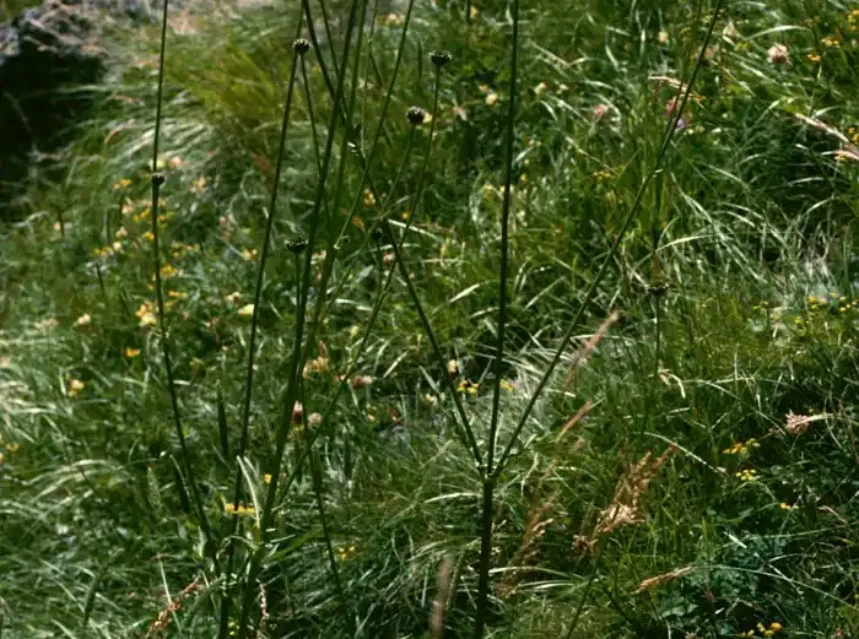
Cephalaria seeds grow into giant scabious — a towering perennial that floats dozens of soft primrose-yellow pincushions on wiry two-metre stems. The plant is Cephalaria gigantea, a hardy perennial in the teasel and scabious family (Caprifoliaceae). It is airy, see-through and alive with bees. This guide covers the best cephalaria seeds worldwide, how to sow giant scabious, when to plant, spacing, care, and where to buy fresh seed.
🧰 In a hurry? Jump straight to our tested picks for this guide ↓
Quick start: cephalaria seeds at a glance
- Type: Tall hardy perennial, family Caprifoliaceae; usually flowers in its second year.
- Sow: Sow in pots or direct in spring (or autumn); cover the seed lightly. Cold helps.
- Germination: 14–30 days at 13–21°C; a winter chill can boost it.
- Light & soil: Full sun; fertile, moist but well-drained soil; tolerant and robust.
- Bloom: Early to midsummer; pale-yellow pincushions; loved by bees and butterflies.
- India note: Best in cool hill stations as a perennial; cool-season only in hot plains.
Authority sources: Wikipedia — Cephalaria gigantea, Select Seeds — Giant Yellow scabious, and GardenersHQ — Cephalaria care.
What is cephalaria (giant scabious)?
Cephalaria is a genus of scabious relatives in the teasel family. The garden star is Cephalaria gigantea, known as giant scabious.
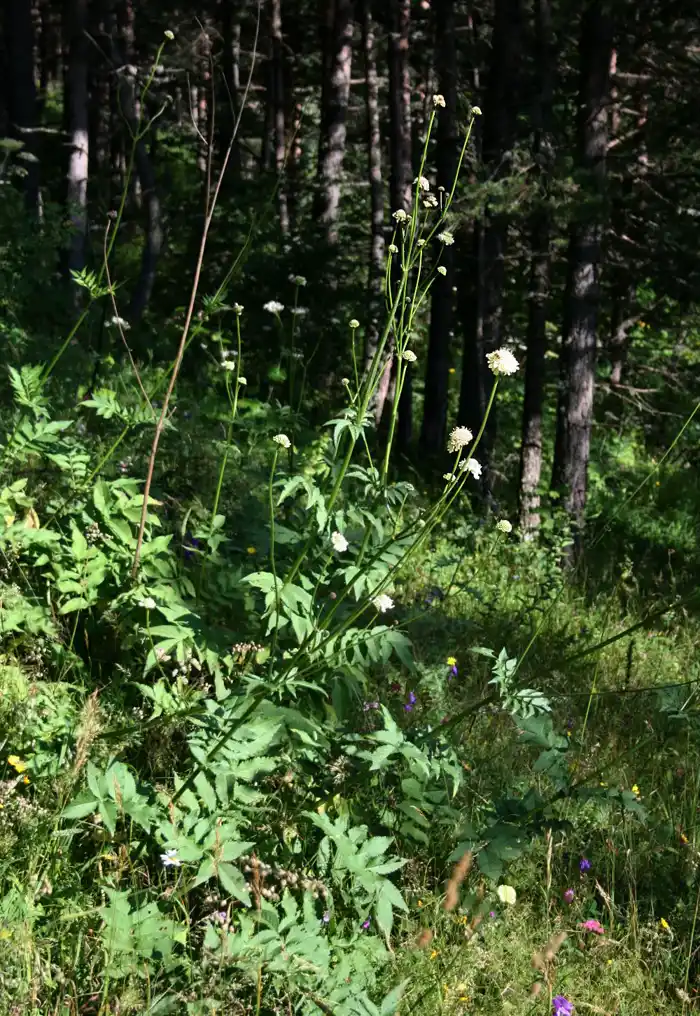
It is a big, airy perennial. Wiry branching stems rise to about 150–250 cm tall.
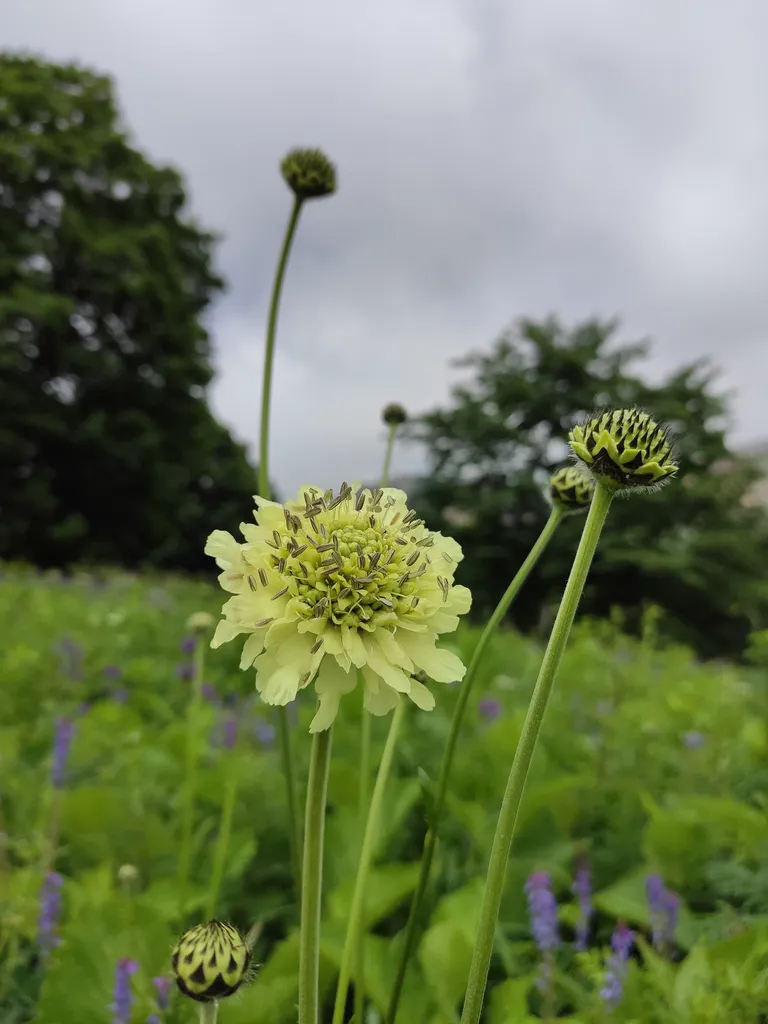
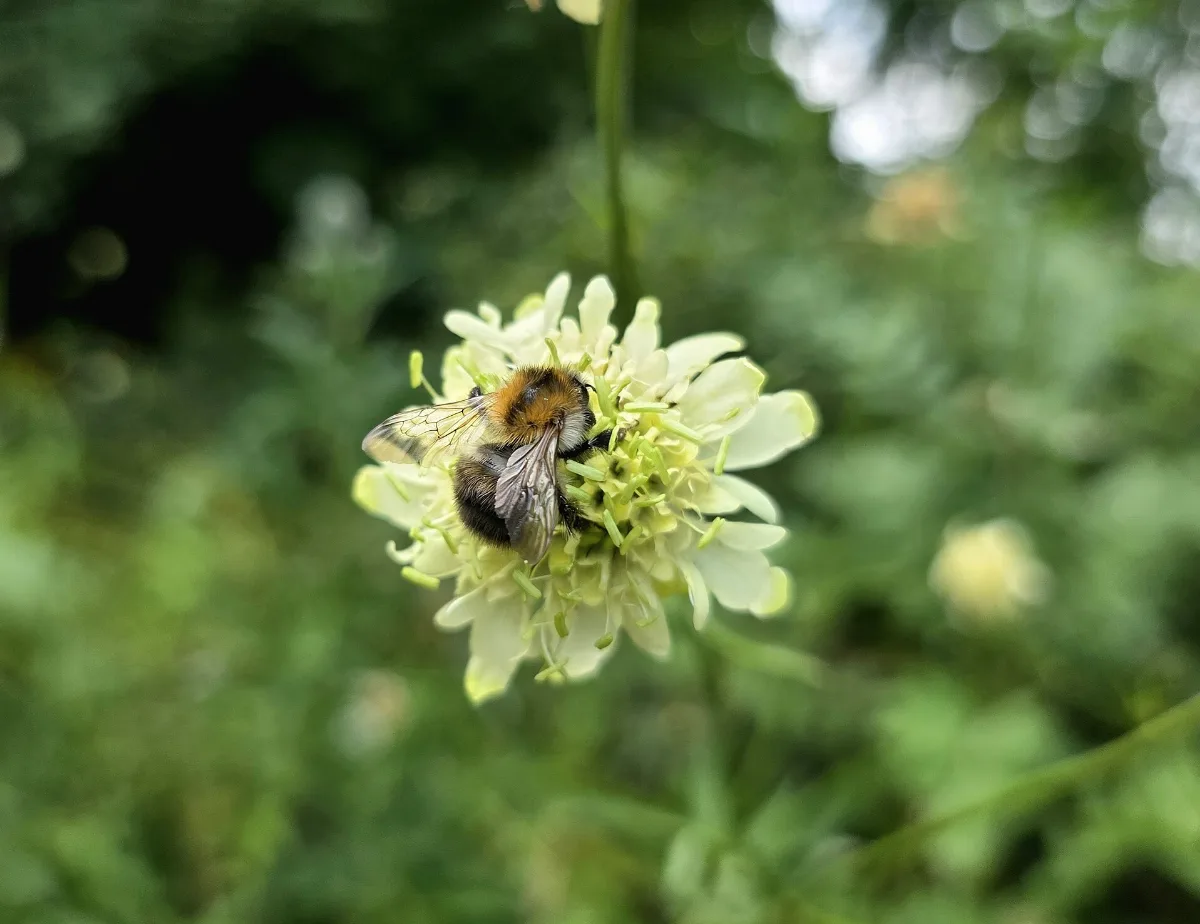
The flowers are soft primrose to pale lemon-yellow. Each is a rounded pincushion head about 4–6 cm across.
They hover high above the leaves on long, thin stalks. This gives the plant a see-through, floating look.
At the base sits a clump of large, divided, pinnate leaves. The foliage is coarse but handsome.
It is also called yellow scabious or giant pincushion flower. The old botanical name is Scabiosa gigantea.
Cephalaria at a glance
| Botanical name | Cephalaria gigantea (syn. Scabiosa gigantea), Caprifoliaceae |
|---|---|
| Native range | Caucasus (Armenia, Georgia, Azerbaijan) and Turkey |
| Height | About 150–250 cm, on wiry branching stems |
| Flower | Pale-yellow pincushion heads ~4–6 cm, on long stalks |
| Light & soil | Full sun; fertile, moist but well-drained; very tolerant |
| Germination | 14–30 days at 13–21°C; a cold spell can help |
| Bloom time | Early to midsummer (June–August) |
| Habit | Hardy perennial (zones 3–7); long-lived, self-sows |
Why grow giant scabious from seed?
Cephalaria gives huge impact for very little money. A small packet of seed can raise a whole back-of-border drift.
It is wonderfully airy, too. The tall stems let you see straight through to the plants behind.
The plants are tough and long-lived. They return reliably each year and shrug off ordinary soil.
Best of all, the pincushions feed wildlife. Bees, butterflies and moths work the pale flowers all summer.
It also makes a lovely, long cut flower. The soft-yellow heads suit relaxed, meadowy arrangements.
Giant scabious vs scabiosa, knautia and teasel
Several plants share the “scabious” name, so it pays to sort them out. They look related but grow very differently.
This guide is Cephalaria gigantea — the tall, pale-yellow perennial. Nothing else in the group reaches two metres in soft lemon.
True scabiosa (pincushion flower) is much shorter. It blooms in mauve, blue, pink or wine-red, not yellow.
Knautia is another cousin, with smaller crimson or lilac buttons. Teasel is the spiny, brown seedhead relative grown for winter structure.
So pick cephalaria for height and a cool primrose colour. Choose scabiosa stellata instead if you want papery seed pods. The two play beautifully together in a border.
Best season & when to sow
In the US and UK, sow cephalaria in spring or autumn. Late winter to spring is the most common choice.
Autumn sowing also works well. Seed sown then sits through winter cold and germinates the next spring.
A cold spell really helps germination. Many gardeners chill the seed, or simply sow outdoors and let winter do the work.
This is a perennial, so be patient. Plants often make leaves the first year and flower in their second.
In India, grow it in the cool hill stations and temperate north as a perennial. In the hot plains, sow in the cool season and accept it may struggle through summer heat and humidity.
Growing cephalaria from seed: how to plant
Cephalaria seed is fairly large and easy to handle. Here is how to plant it for strong, tall clumps.
- Choose a sunny, roomy spot. Pick full sun and fertile, well-drained soil. Leave space for a big plant.
- Sow in pots or direct. Use deep cells or sow where plants are to grow. Deep roots dislike disturbance.
- Cover the seed lightly. Sow about 3–6 mm deep, then firm gently. It is larger than fine annual seed.
- Add a cold spell. Chill seed for 2–4 weeks, or sow outdoors over winter, to lift germination.
- Keep moist and cool. Aim for 13–21°C. Seedlings appear in about 14–30 days.
- Space generously. Set plants 60–90 cm apart. This giant needs real elbow room.
Grow young plants on until sturdy before planting out. Water well in their first season to settle them in.
Sun, soil, watering & feeding
Full sun gives the strongest stems and best flowering. A little light shade is tolerated.
Soil is rarely a problem. Cephalaria grows in most fertile soils, as long as they drain reasonably.
Keep the soil moist in dry spells. The big leaves can wilt if the ground bakes hard.
Feeding is rarely needed in decent ground. In a sheltered spot the plant supports itself, but stake it in windy gardens.
Common pests & problems
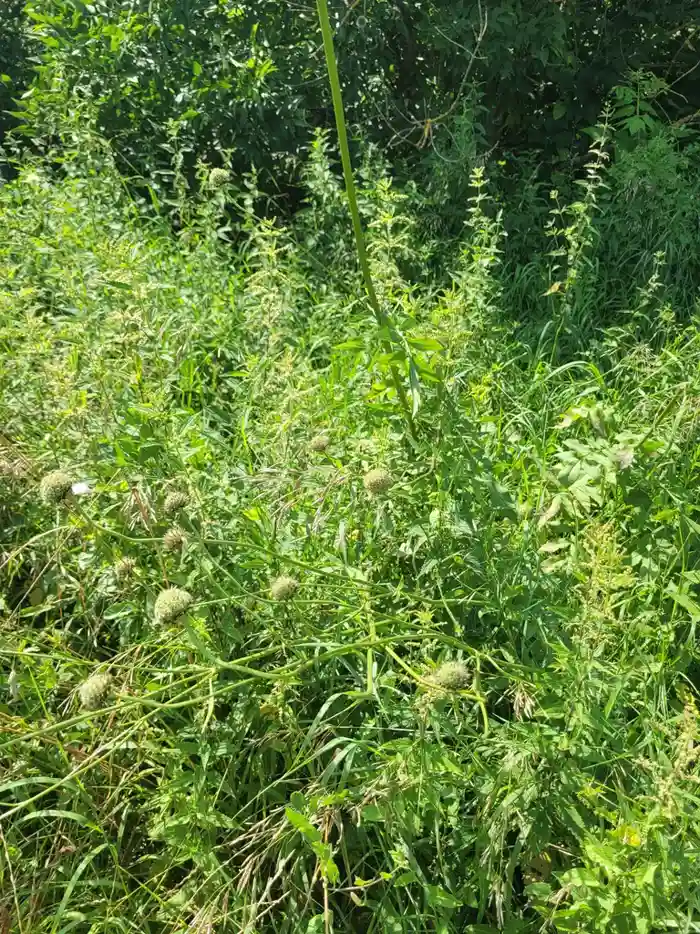
Giant scabious is generally problem-free. Most clumps grow for years without trouble.
The main job is support. Tall stems can flop in wind, so add a discreet stake or grow it through sturdy neighbours.
Slugs may nibble young plants. Protect new seedlings in damp weather until they toughen up.
Powdery mildew can appear in a dry, crowded season. Good spacing and airflow keep the foliage healthy.
Deadheading & saving seed
Deadheading keeps the display going. Snip spent pincushions to encourage more buds.
A full cutback after flowering tidies the clump. It can also prompt a lighter second flush in a good year.
To save seed, leave a few late heads to ripen on the plant. They turn brown and dry as the seed matures.
Then collect the seed and store it cool and dry. Cephalaria self-sows gently, so volunteers often appear nearby.
Giant scabious for bees, borders & cutting
Cephalaria is built for the back of a sunny border. Its height and airy stems add instant structure.
It shines in prairie and naturalistic schemes. Float it above grasses and other tall perennials for a meadow feel.
Pollinators adore the pale pincushions. Bees, butterflies and moths visit from early summer onward.
For a full cottage look, pair it with easy companions. Try ammi, nigella and cerinthe for a relaxed, bee-friendly border.
Best cephalaria species & companions
Cephalaria gigantea is the main one grown from seed. The table below compares it with two relatives and a partner plant.
| Plant | Colour & look | Good for (worldwide) |
|---|---|---|
| Cephalaria gigantea (giant scabious) | Pale-yellow pincushions, ~150–250 cm, airy | Back of border & prairie; US zones 3–7; India cool hills |
| Cephalaria alpina (alpine scabious) | Lower, ~120 cm, also soft yellow heads | Mid-border; cool US summers; India hill gardens |
| Cephalaria leucantha (white) | Creamy-white pincushions, drought-tough | Dry, sunny banks; both markets, cool season |
| Compare: scabiosa / silene | Shorter mauve/blue or pink flowers | Front of border below cephalaria; both markets |
For cut-flower and filler mixes, add some lighter texture. Try airy gypsophila and papery statice with the yellow pincushions.
Where to buy cephalaria seeds
Giant scabious seed is widely sold by perennial specialists. Use the boxes below to compare trusted suppliers around the world.
Look for the Latin name Cephalaria gigantea on the packet. Some sellers list it as “Scabiosa Giant Yellow”, which is the same plant.
Check the packet date for freshness, and store spare seed cool and dry. Cephalaria pairs nicely with other easy flowers like rudbeckia and verbena.
Frequently asked questions
Are cephalaria seeds easy to grow?
Yes, giant scabious is straightforward from seed. It germinates in about 14–30 days, helped by a cold spell. Just give it full sun, fertile well-drained soil, and patience, as it usually flowers in its second year.
How tall does giant scabious get?
Cephalaria gigantea is a true giant. It typically reaches 150–250 cm on wiry, branching stems. Despite the height, it stays airy and see-through, so plant it at the back of a border.
Is cephalaria the same as scabiosa?
They are close relatives but different plants. Cephalaria gigantea is a tall, pale-yellow perennial. True scabiosa (pincushion flower) is shorter and blooms in mauve, blue, pink or wine-red.
Does giant scabious come back every year?
Yes, it is a hardy, long-lived perennial. Established clumps return for many years and often self-sow. In cold zones it is fully hardy, dying back in winter and re-sprouting in spring.
Do cephalaria seeds need cold stratification to germinate?
Many growers get the best results by chilling the seed first. Mix seed with moist vermiculite and refrigerate for two to four weeks, or simply sow outdoors in autumn so winter cold does the work naturally. Seed sown without any chilling can still sprout, but usually more slowly and unevenly.
Is giant scabious deer resistant?
Yes, deer generally leave it alone. Growers list Cephalaria gigantea among reliable deer-resistant perennials, along with rabbits. That makes it a good choice for rural gardens where browsing animals strip softer plants.
Will giant scabious grow in heavy clay soil?
Yes, it copes surprisingly well. Cephalaria gigantea tolerates heavy clay as long as drainage isn’t waterlogged, though it still performs best in fertile, well-drained ground. Full sun matters more than perfect soil texture.
Are giant scabious plants prone to pests or diseases?
Not really. It is considered relatively pest and disease free once established, which is a big part of its appeal for a low-maintenance border. Most problems trace back to poor drainage rather than pests.
Do bees and pollinators visit giant scabious flowers?
Yes, the pale-yellow pincushion blooms are a strong pollinator draw. Bees and other beneficial insects visit heavily through summer, and the airy, see-through habit lets the flowers attract insects without shading nearby plants.
When is the best time to sow giant scabious seeds outdoors?
Autumn is ideal. Sowing in fall lets the seed experience natural winter cold, which triggers the stratification it needs, and seedlings emerge on their own the following spring.
What is the vase life of cut giant scabious flowers?
About 7 to 10 days in a vase. Cut the stems while the flower heads are still in bud rather than fully open, and giant scabious holds up well as a cut flower for arrangements.
How far apart should giant scabious plants be spaced?
Space plants about 38–46 cm (15–18 in) apart. That spacing suits its wide, airy habit and lets air move through the tall stems, which helps keep foliage healthy in humid weather.
Sources and further reading
Still stuck? Ask the Plant Doctor
Describe the problem — yellow leaves, holes, no flowers — and get a clear answer in seconds. FreeAI can make mistakes. Answers are guidance, not a guarantee — check anything important against the guide it links to, and always read the label on any product before you use it.