Scabiosa Stellata Seeds
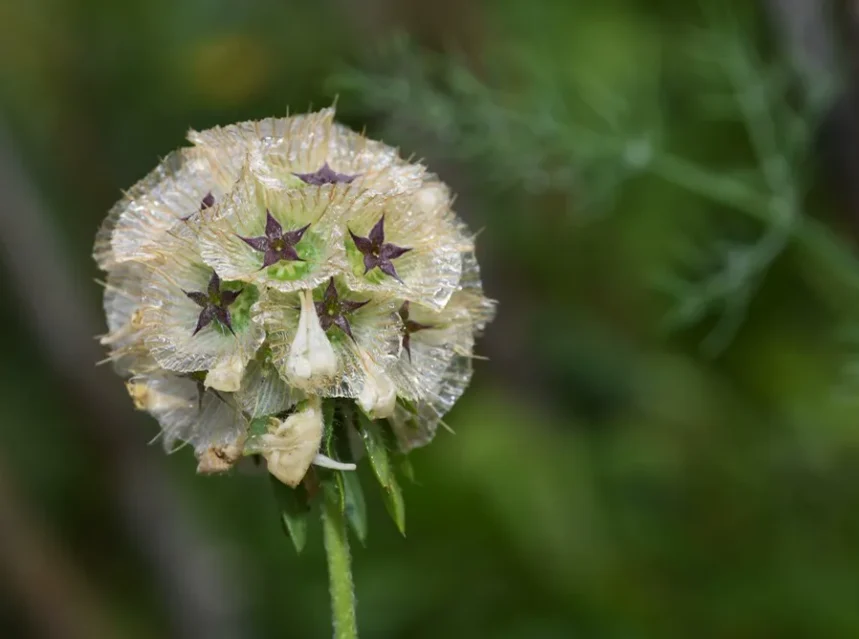
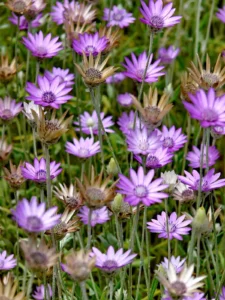
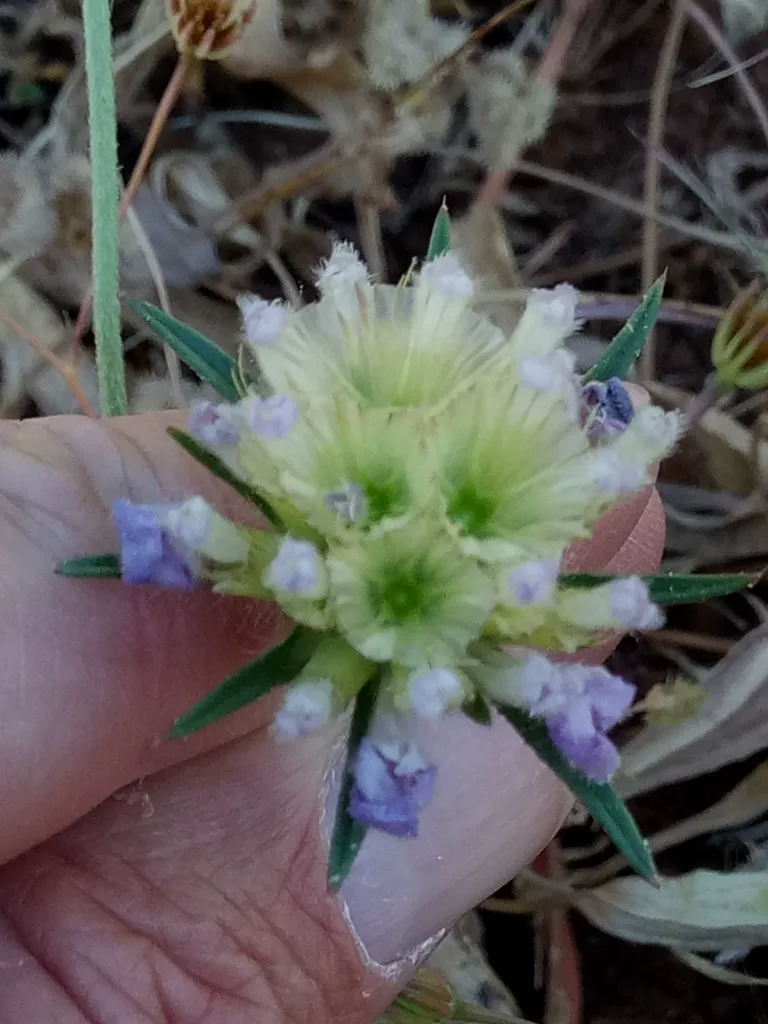
Scabiosa stellata seeds grow into a fast annual prized for its seed heads, not its flowers. Pale blue blooms open first on wiry stems. Then each one swells into a papery, globe-shaped seed head. Every sphere is packed with cup-shaped bracts, each marked by a tiny five-pointed star.
🧰 In a hurry? Jump straight to our tested picks for this guide ↓
Quick start: scabiosa stellata starflower at a glance
- What it is: a half-hardy annual (Scabiosa stellata) grown for papery globe seed heads.
- Best for: dried bouquets, wreaths, modern floristry, cut-flower beds, cottage gardens.
- Sow: indoors 4-6 weeks before last frost, or direct sow after frost; barely cover the seed.
- Light & soil: full sun; average, well-drained soil — avoid waterlogging.
- Size: 45-90 cm (1.5-3 ft) tall on slender, branching stems.
- India note: grow as a cool-season annual (sow Oct-Nov in the plains).
Authority references: the Wikipedia entry on Scabiosa stellata, the Johnny’s Selected Seeds growing guide, and the RHS plant finder.
| Family | Caprifoliaceae (honeysuckle family; formerly teasel family) |
|---|---|
| Native range | Mediterranean — SW Europe & North Africa |
| Height | 45-90 cm (1.5-3 ft) |
| Showy part | Papery globe seed heads (pale blue flowers first) |
| Germination | ~10-12 days at 18-21°C (barely cover; needs light) |
| Bloom time | Early to mid summer, then seed-head globes |
| Habit | Half-hardy annual |
| Synonym | Lomelosia stellata |
Buy scabiosa stellata seeds
Ready to grow your own papery globes? Scabiosa stellata seeds are sold by cut-flower and everlasting-seed specialists. Compare a few sellers below for the best value.
Why grow scabiosa stellata?
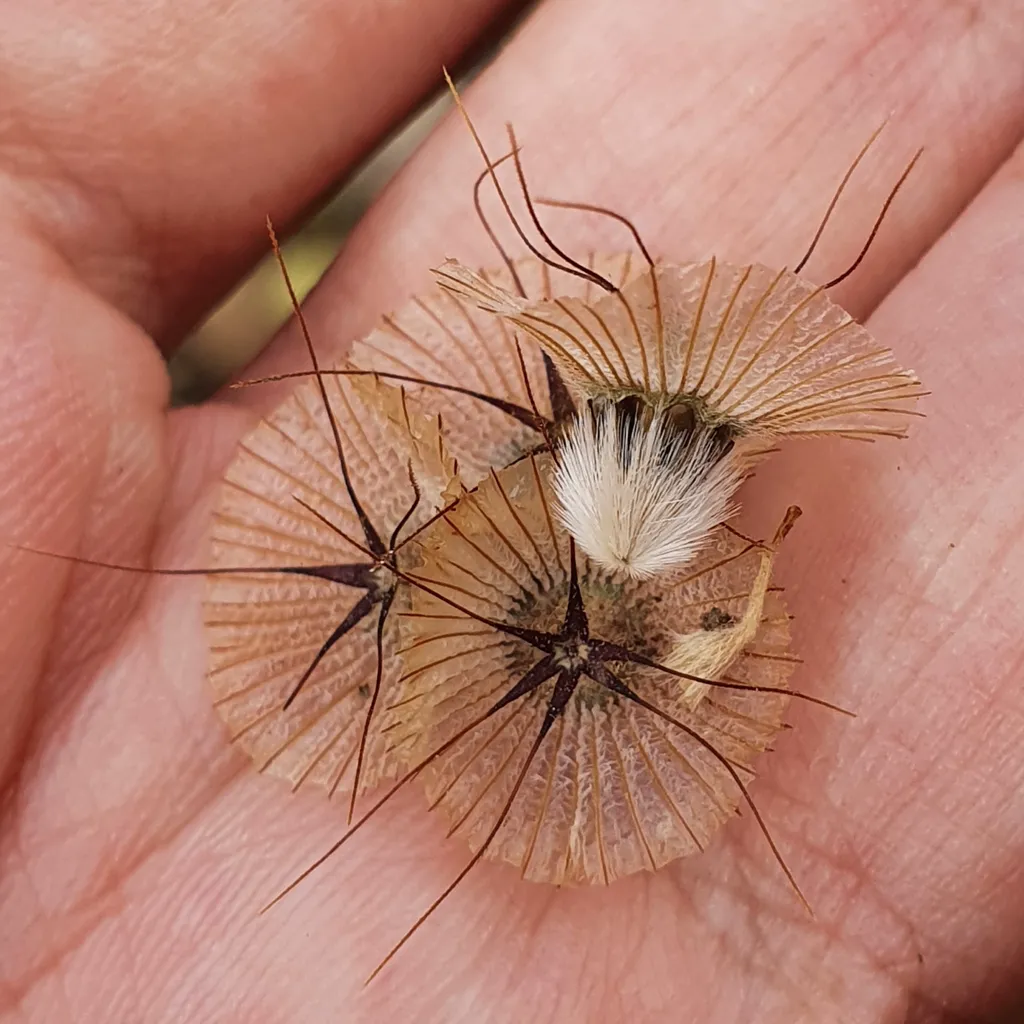
Starflower is a florist’s secret weapon. Few annuals offer such unusual texture. The papery globes look like tiny moons on wiry stems.
It is also remarkably easy and fast. Seeds sprout quickly and plants race to bloom. You get a long picking season from one sowing.
The seed heads dry on the plant with no fuss. That means cheap, lasting decor for wreaths and bouquets. They hold their shape for months indoors.
The blue flowers still feed pollinators first. Bees visit the soft blue pincushions through summer. For more cottage cut-flowers, see our cosmos growing guide and zinnia guide.
Grown for the seed head, not the flower
This is what makes starflower special. Most flowers are grown for their petals. Scabiosa stellata is grown for what comes after.
The pale blue blooms are pretty but modest. The real show starts when they fade. Each spent flower swells into a perfect papery sphere.
Look closely at one globe and it amazes. It is built from cup-shaped, honeycomb-like bracts. Every cup hides a tiny, dark five-pointed star.
So the plant gives you two stages of beauty. First soft blue flowers, then see-through starry globes. Pair it with papery rhodanthe and ammobium for a full dried-flower bed.
Starflower vs other everlastings
Each everlasting brings a different shape and feel. Starflower is the airy, see-through globe of the group. Here is how it compares.
| Everlasting | Signature | Colour | Good for (worldwide) |
|---|---|---|---|
| Starflower (Scabiosa stellata) | Papery honeycomb globe seed head | Bronze-buff, blue flowers | Most US; cool-season India |
| Craspedia (billy buttons) | Solid round drumstick ball | Golden yellow | Mild US; cool India |
| Cupid’s dart (Catananche) | Papery daisy + silver pods | True blue | US zones 3-8; hill India |
| Rhodanthe | Papery strawflower daisy | Pink & white | Warm US; cool-season India |
| Quaking grass (Briza) | Trembling locket heads | Green to straw | Cool US; hill India |
So pick starflower when you want bold, sculptural texture. Its globes read differently from solid balls or flat daisies. For more airy filler, browse our love grass guide.
History, origin & the names
Scabiosa stellata is native to the Mediterranean. It grows wild across south-western Europe and North Africa. Spain, Portugal, France and Morocco all hold native stands.
Botanists now place it in the honeysuckle family. It once sat in the old teasel family instead. Its current accepted name is Lomelosia stellata.
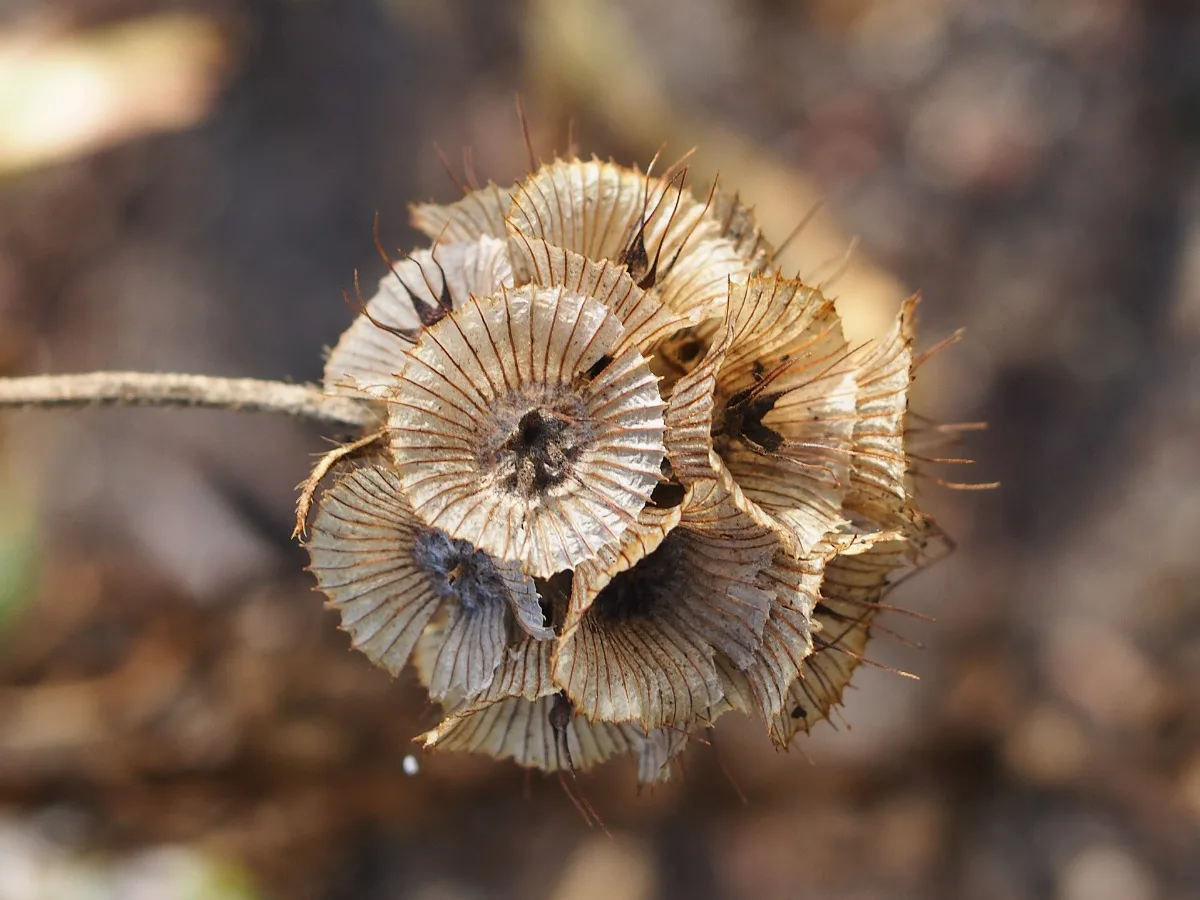
The common names all describe the seed head. “Starflower” and “paper moon” point to the papery globe. “Drumstick scabious” and “ping pong” describe its round shape.
European growers use the German name too. “Sternkugel” means “star ball”, a fitting label. Today gardeners worldwide grow it for that one striking feature.
Best season & when to sow
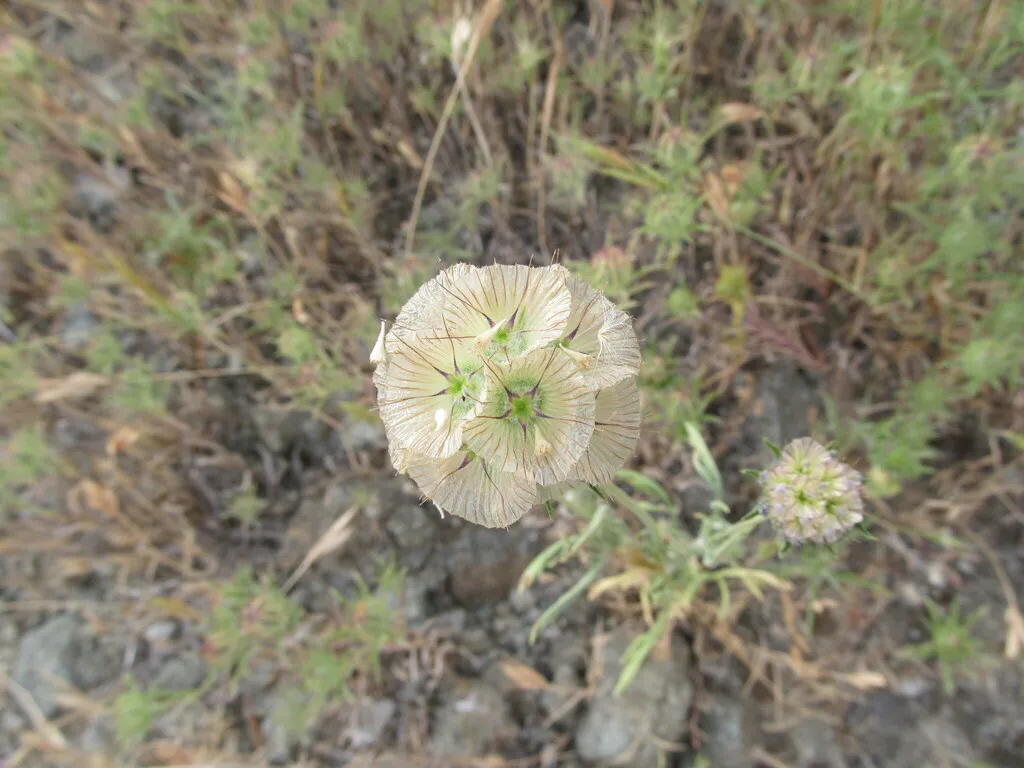
Starflower is quick from seed to globe. So timing the start gives you a longer harvest. It needs warmth and light to germinate well.
In the US, sow indoors 4-6 weeks before your last frost. You can also direct sow once all frost has passed. Successive sowings every few weeks stretch the season.
In India, treat it as a cool-season annual in the plains. Sow from October to November for cool-month blooms and globes. Cooler hill stations can sow in their own mild season.
Avoid sowing into cold, soggy ground. The seed needs around 18-21°C and good light. Press it onto the surface rather than burying it.
Growing scabiosa stellata from seed: how to plant
Starflower is one of the easier annuals to raise. Here is how to plant it step by step.
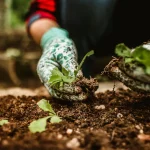
- Surface sow. Press seeds onto fine, moist mix and barely cover them. They need light to germinate.
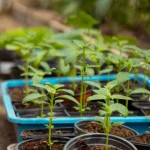
- Keep warm. Hold trays at about 18-21°C in bright light. Seedlings appear in 10-12 days.
- Pot on. Move seedlings to small pots once easy to handle. Grow them on until sturdy.
- Harden off. Acclimatise plants to full sun before planting out. They love bright, open spots.
- Space well. Set plants about 25-30 cm apart in free-draining soil. Tall stems may need light support.
Direct sowing works just as well in mild areas. Rake a fine bed, sow shallowly and thin later. For more seed-starting basics, see our ammi majus guide.
Sun, soil, watering & feeding
Give starflower full sun for the strongest stems. Shade makes plants floppy and shy to flower. An open, breezy spot suits it best.
Drainage matters most of all. It likes average, well-drained soil. Heavy, wet ground rots the roots, especially in cool weather.
Once growing, it is fairly drought-tolerant. Water deeply but let the soil dry between drinks. Avoid constant soggy conditions.
Go easy on feeding. Too much rich fertiliser suppresses flowering. A lean soil actually gives more blooms and better globes.
Harvesting & drying the starry seed heads
Timing is everything with starflower globes. Cut too early and they are soft and green. Cut too late and the heads shatter apart.
Harvest when the globes turn light green with bronze edges. The little stars should be just darkening at their centres. That window gives the firmest, longest-lasting spheres.
Cut whole stems and strip the lower leaves. Bundle a few together with a soft tie. Hang them upside down in a dark, airy room.
They dry quickly and need no special treatment. After a week or two they are ready to use. Display them with grasses like bunny tails for soft, modern texture.
Common pests & problems
Scabiosa stellata is largely trouble-free. Most problems trace back to soil and climate, not bugs. Good drainage solves the biggest risks.
Aphids may gather on soft new shoots. A strong jet of water usually clears them. Encourage ladybirds and lacewings as natural control.
Powdery mildew can appear in humid, crowded beds. It shows as a white dusty film on leaves. Space plants well and water at the base to prevent it.
Soggy soil is the real killer. Wet roots cause rot and sudden collapse. Raised beds or gritty soil fix this, and a few stray globes will often self-seed for next year.
Frequently asked questions
Are scabiosa stellata seeds easy to grow?
Yes, they are very beginner-friendly. Surface sow them in warm, bright conditions and they sprout in about 10-12 days. The plants then race to flower and form globes.
Why is starflower grown for its seed heads?
The pale blue flowers are modest, but the papery globe seed heads that follow are spectacular. Each sphere is built from honeycomb-like bracts marked with tiny stars. They make superb dried-flower material.
Can I grow scabiosa stellata in India?
Yes, treat it as a cool-season annual in the plains. Sow from October to November in full sun and free-draining soil. Avoid monsoon waterlogging by using raised beds or pots.
Does scabiosa stellata attract pollinators?
Yes, the pale blue flowers that appear before the seed heads form are rich in nectar and draw bees throughout early summer. Once the blooms fade and the papery globes develop, the plant stops feeding pollinators, so growers who want season-long bee activity should combine it with longer-blooming nectar plants nearby.
Is scabiosa stellata deer resistant?
Scabiosa stellata is generally left alone by deer, thanks to its wiry, hairy stems and modest flowers, though no annual is fully deer-proof. Its close cousin, common scabiosa, is well documented as deer resistant, and starflower shares the same tough, unpalatable texture that discourages browsing.
Does scabiosa stellata self-seed?
Yes, if you leave a few globes on the plant instead of cutting them all for drying, they will shatter and drop seed, and volunteer seedlings often appear the following spring in well-drained soil. This makes it an easy annual to naturalize in a sunny gravel bed or cutting garden.
How tall does scabiosa stellata grow?
Plants typically reach 45 to 90 cm (1.5 to 3 feet) on slender, branching, wiry stems. Taller stands grown in rich soil or crowded beds may need light staking or netting, since the papery seed heads, though light, can catch wind and cause floppy stems to lean.
Can I dye or spray-paint the dried starflower seed heads?
Yes, once fully dried the papery globes take spray paint, metallic finishes, and craft dyes well, which is why florists use them in modern wreaths and centerpieces. Let the heads dry completely first, work in a ventilated space, and apply light coats so the delicate honeycomb bracts keep their texture.
Why are my scabiosa stellata seed heads falling apart?
This usually means they were left on the plant too long. The globes need cutting while still light green with bronze edges; once fully dry and brown on the stem, the papery bracts loosen and shatter easily in wind or handling. Cut a little earlier next time and finish drying indoors.
What's the difference between scabiosa stellata and regular scabiosa?
Regular scabiosa (Scabiosa atropurpurea) is grown for its long-blooming, colorful pincushion flowers and cut-flower value. Scabiosa stellata is grown mainly for what comes after the modest blue flowers fade, its papery, star-marked globe seed heads, prized for dried arrangements rather than fresh bouquets.
When do I harvest the drumstick scabious globes for drying?
Cut them when the globes are light green with bronze edges and the stars are just darkening. Hang the stems upside down in a dark, airy spot. They dry in a week or two and last for months.
Still stuck? Ask the Plant Doctor
Describe the problem — yellow leaves, holes, no flowers — and get a clear answer in seconds. FreeAI can make mistakes. Answers are guidance, not a guarantee — check anything important against the guide it links to, and always read the label on any product before you use it.