Dusty Miller Seeds
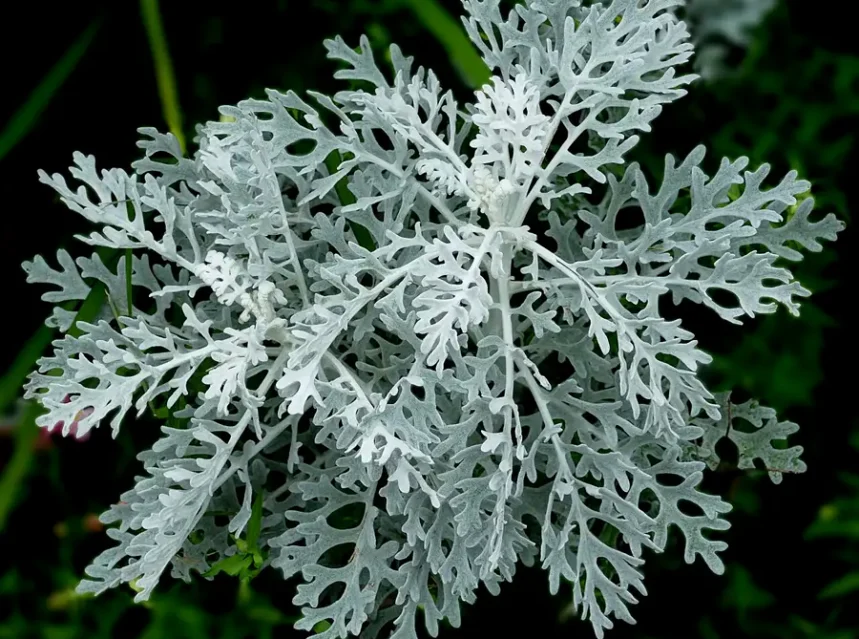
Dusty miller seeds grow into one of the easiest silver-foliage plants you can sow. Dusty miller seeds give you felted, lacy, silver-white leaves that make every bright flower beside them glow. Botanists call this plant Senecio cineraria, now often listed as Jacobaea maritima. Gardeners just call it dusty miller or silver ragwort.
This is an ornamental gardening guide only. It makes no medicinal or edible claims. Dusty miller (a ragwort) is grown for looks, not eating — keep it away from people, pets and grazing animals.
Quick start: dusty miller at a glance
- Botanical name: Senecio cineraria (syn. Jacobaea maritima)
- Family: Asteraceae (daisy family)
- Grown for: silver-white felted foliage, not flowers
- Type: tender perennial, usually grown as an annual
- Height: about 30–45 cm (1–1.5 ft) mound
- Light: full sun for the brightest silver
- Soil: light, sharply drained; drought + salt tolerant
- Sow: indoors 10–12 weeks before last frost; surface-sow
- Germination: about 10–15 days at 18–24°C, needs light
- Best for: edging, containers, contrast and moonlight gardens
Authority sources: Wikipedia — Jacobaea maritima, NC State Extension, University of Wisconsin Horticulture.
🧰 In a hurry? Jump straight to our tested picks for this guide ↓
Why grow dusty miller (silver ragwort)?
Dusty miller earns its place as a foliage workhorse. Its silver leaves are a neutral that flatters almost any colour scheme. Plant it beside hot red salvia or cool blue lobelia, and both look richer. The silver does the same job a frame does for a painting.
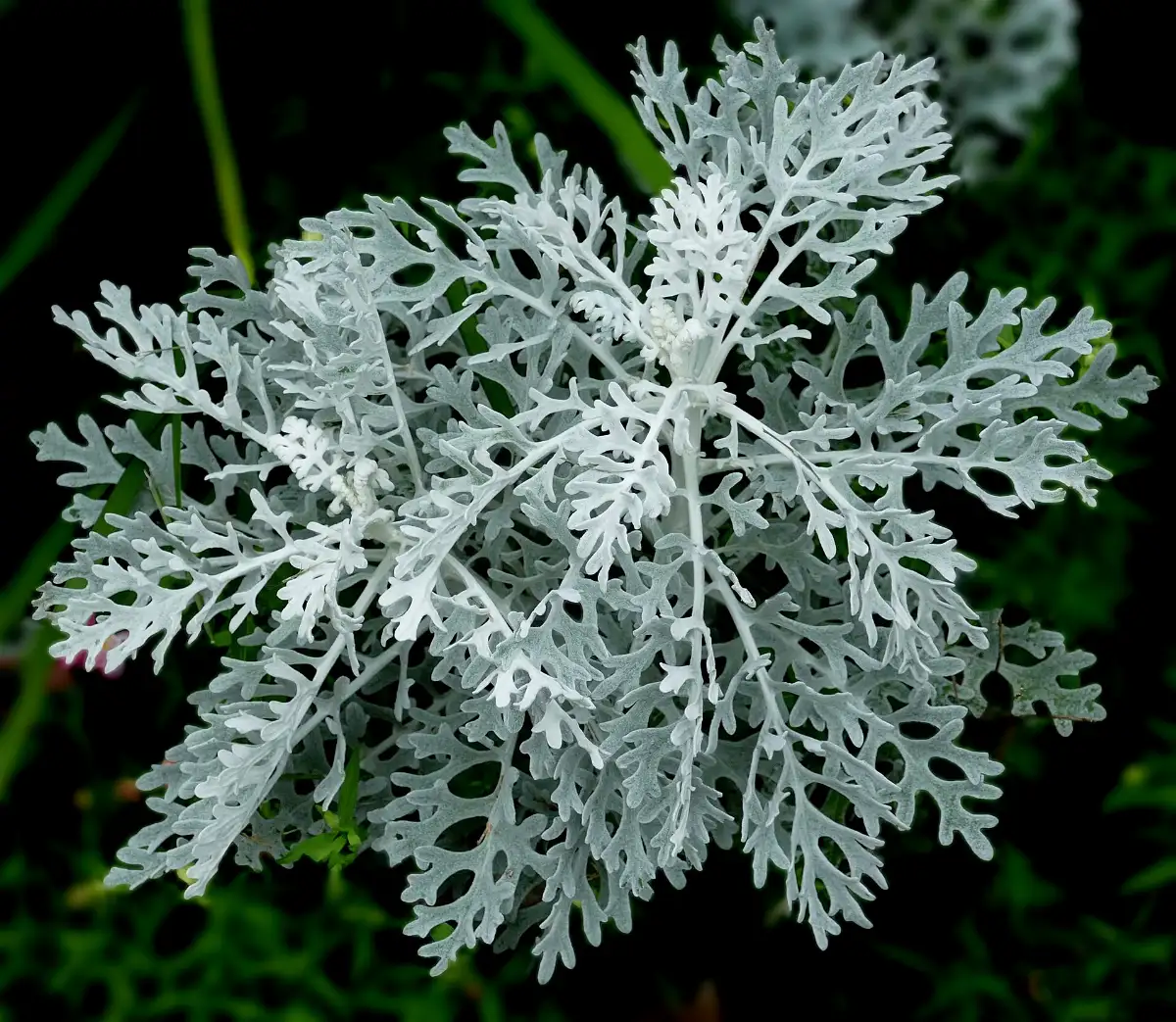
It is also tough. The plant shrugs off heat, drought, poor soil and salt spray. So coastal gardeners love it. Deer and rabbits usually leave it alone too. Few bedding plants ask for so little and give so much structure.
| Feature | What you get |
|---|---|
| Main appeal | Felted silver-white, lacy foliage |
| Effect in beds | Makes bright flowers “pop”; glows at dusk |
| Toughness | Drought, heat, salt and coastal tolerant |
| Wildlife | Deer and rabbit resistant |
| Effort | Low; thrives on neglect once established |
| Best season (US) | Spring to autumn bedding |
| Best season (India) | Cool season (Oct–Feb) in the plains |
| Lifespan | Tender perennial, grown as an annual |
A foliage plant, not a flower
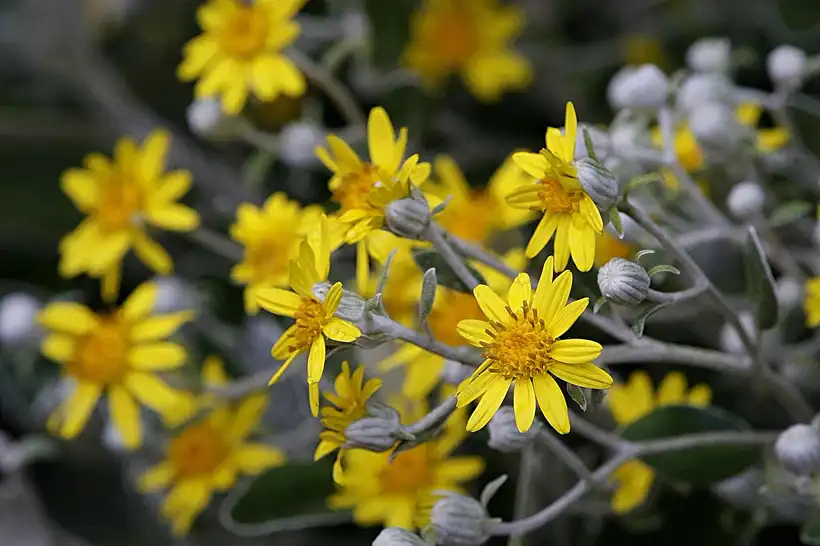
Here is the thing most short guides skip. Dusty miller is grown for its leaves, not its blooms. In its first year it stays a tidy silver mound. In its second year it sends up small, button-like yellow daisy flowers.
Many gardeners shear those flowers off. The yellow clashes with the cool silver, and flowering makes the plant leggy and woody. So pinch or shear the buds to keep the mound dense and silver. Think of it as a haircut, not a loss.
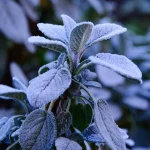
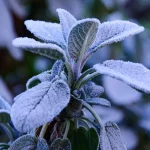
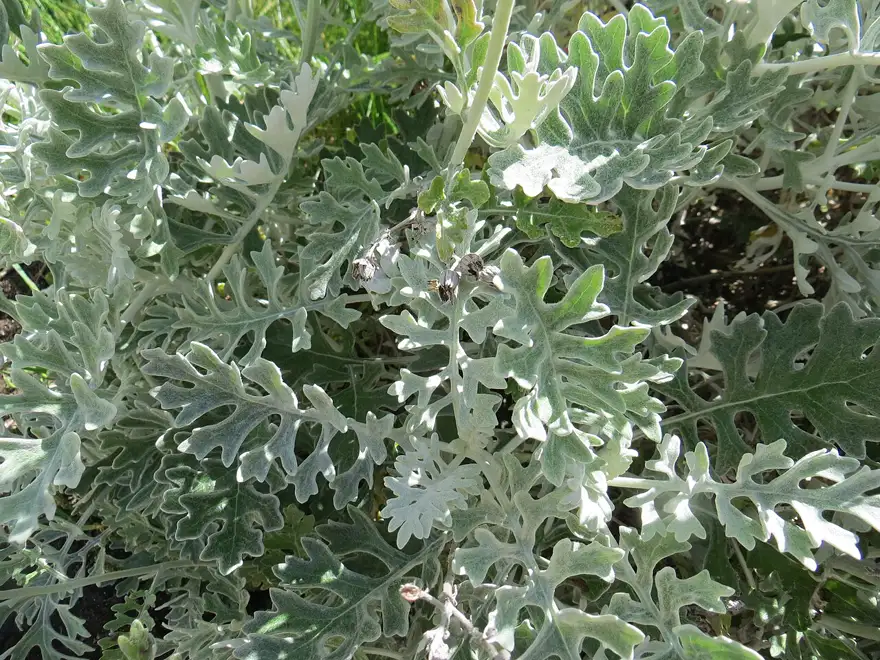
The silver itself comes from tiny white hairs. As Wikipedia notes, the leaves are “thickly matted with grey-white to white hairs.” Those hairs reflect light, cut water loss and give the felted look you buy the plant for.
Which “dusty miller” is this? Name confusion cleared up
Few plant names cause as much mix-up. Several different plants share these common names. The table below sorts them out so you sow the right seeds.
| Plant | Botanical name | What it really is |
|---|---|---|
| Silver dusty miller (this guide) | Senecio cineraria / Jacobaea maritima | Silver foliage bedding plant |
| Florist cineraria | Pericallis ×hybrida | Flowering pot plant, bright daisy blooms |
| Rose campion (“dusty miller”) | Silene / Lychnis coronaria | Magenta-flowered, soft grey leaves |
| Velvet centaurea | Centaurea cineraria | Another silver look-alike |
So “cineraria” alone is risky. The florist cineraria (Pericallis) is a completely different, flowering houseplant. When you buy dusty miller seeds for silver foliage, look for Senecio cineraria or Jacobaea maritima on the packet.
The Senecio-to-Jacobaea name change
You will see two Latin names on seed packets, and both are correct. The plant was long called Senecio cineraria. Botanists then moved many ragworts out of the huge Senecio genus into Jacobaea. So the current accepted name is often Jacobaea maritima.
The plant did not change — only the label did. Seed sellers still use both names freely. Do not worry if your packet says “Senecio” while a reference says “Jacobaea.” They are the same silver ragwort.
Best season & when to sow
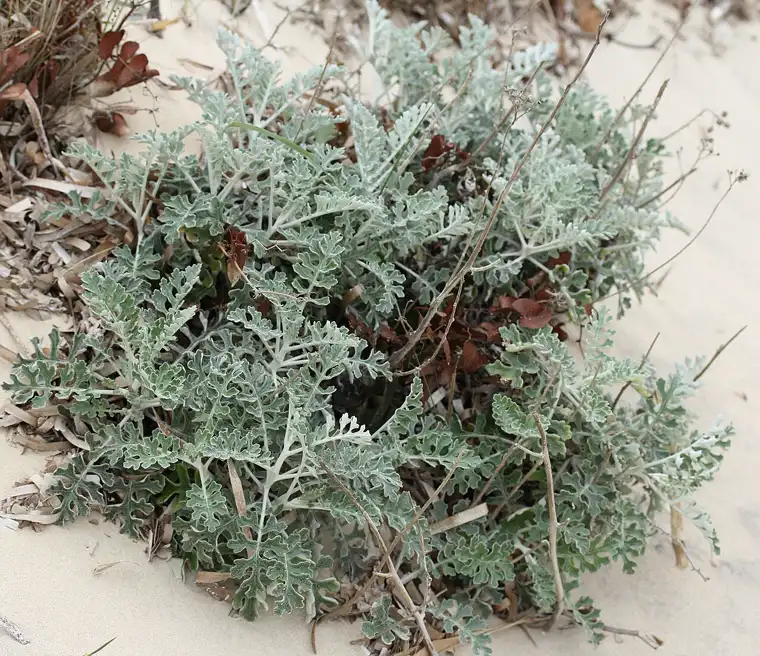
Dusty miller is a half-hardy annual in most gardens. So timing follows your last frost date. Start seeds indoors, then move plants out once frosts have passed.
- US / temperate: sow indoors 10–12 weeks before the last spring frost. Plant out from late spring.
- India plains: sow in autumn for a cool-season display. Grow it as a winter bedding plant from October to February.
- India hills: grow through the warmer months, as you would in a temperate garden.
- Warm zones 8–10: it can survive winter outdoors and behave as a short-lived perennial.
How to plant dusty miller seeds step by step
The seed is small and needs light to sprout. So sow on the surface and barely cover it. Follow these steps for a strong, even tray.
- Fill trays with a fine, moist seed-starting mix.
- Surface-sow the seed. Press it in gently but do not bury it — it needs light.
- Keep warm, around 18–24°C, in a bright spot.
- Wait for germination, usually 10–15 days. Keep the mix lightly moist, never soggy.
- Prick out seedlings into cells once they have a few true leaves.
- Harden off for a week before planting outside.
- Space plants about 20–25 cm apart for a solid silver edge.
- Pinch tips early to push bushy, dense growth.
One honest note. As Wisconsin Horticulture points out, seed-grown plants are “not true to seed,” so a few may vary. Named strains like ‘Silver Dust’ stay the most uniform.
Germination: the seed-starting secret
The single biggest mistake is burying the seed. Dusty miller needs light to germinate, so deep sowing leaves seeds in the dark and they sulk. Surface-sow and only press them into contact with the mix.
Keep warmth steady and the surface just damp. A clear lid or light cover holds humidity until sprouts appear. Once seedlings show, remove the cover and give them bright light, or they stretch and turn green instead of silver.
Sun, soil, watering & feeding
Get the light right and the rest is easy. Full sun is the key to that bright silver. In shade the plant turns greener and grows leggy. So choose your sunniest bed or pot.
- Sun: full sun for the whitest, densest foliage.
- Soil: light and sharply drained. It hates wet feet.
- Water: drought tolerant once established. Water young plants weekly, then ease off.
- Feed: very light. Rich soil and heavy feeding make soft, floppy growth.
- Drainage: the most important factor — soggy roots cause rot.
This plant tolerates heat, poor soil, low humidity and salt air. So it is a star for coastal and low-water gardens. NC State Extension confirms it is “seldom damaged by deer” too.
Dusty miller varieties to know
Not all dusty miller looks the same. Some have fine, lacy leaves; others are broad and bold. Pick a variety to match the look you want.
| Variety | Leaf style | Best for |
|---|---|---|
| ‘Silver Dust’ | Fine, deeply cut, lacy | Classic delicate silver; RHS Award of Garden Merit |
| ‘New Look’ | Broad, less divided | Bold, oak-leaf silver; fast and sturdy |
| ‘Cirrus’ | Broad, rounded mounds | Soft, felted, full effect |
| ‘Silver Lace’ | Very fine, feathery | Frosty, delicate texture |
For a snowflake-fine look, choose ‘Silver Dust’ or ‘Silver Lace’. For broad, dramatic silver leaves, pick ‘New Look’ or ‘Cirrus’. Mixing both gives lovely texture contrast in one bed.
Design ideas: where dusty miller shines
Silver is the great peacemaker of the border. It cools clashing colours and links mismatched flowers. Try these proven combinations.
- Moonlight garden: pair with white flowers. The silver glows at dusk.
- Hot borders: set against red, orange or magenta blooms for contrast.
- Container edging: a classic “thriller-filler-spiller” filler.
- Coastal beds: its salt tolerance suits seaside gardens.
- Cut foliage: the silver sprigs last well in posies and arrangements.
It pairs beautifully with bold textures too. Try it beside the feathery plumes of celosia or the airy cloud of gypsophila.
Common problems & easy fixes
Dusty miller is rarely fussy. Most trouble comes from too much water or too little sun. Use this quick troubleshooter.
- Leggy, green growth: not enough sun. Move to a brighter spot.
- Rotting stems: soil too wet. Improve drainage and water less.
- Yellow flowers spoiling the look: shear them off to keep it silver.
- Sparse seedlings: seed was buried. Surface-sow next time.
- Floppy plants: soil too rich. Cut back on feeding.
Common pests & diseases
Dusty miller is one of the most trouble-free bedding plants. Its felted leaves and tough nature deter most problems. Still, watch for a few issues.
- Root and stem rot: the main threat. It comes from wet, heavy soil. Improve drainage and water sparingly.
- Aphids: may cluster on soft new growth. Hose them off or use insecticidal soap.
- Rust: rare, but possible in damp, crowded plantings. Space plants for airflow.
- Slugs: seldom a problem; the woolly leaves are unappealing to them.
Good drainage and full sun prevent nearly every issue. This is a plant that genuinely thrives on a little neglect.
Growing dusty miller in India
In India, treat dusty miller as a cool-season ornamental. In the plains, sow in autumn and grow it as a winter bedding plant. It thrives from October to February, then fades as the heat builds.
In the hills, it can grow for much of the year. Seed is sold online by Ugaoo, AllThatGrows and Nurserylive, so it is easy to source. Use it for winter borders, edging and pots beside marigolds or pansies.
One region-correct note. Since the flowers are usually sheared off, this is not a pollinator plant. When it does bloom, bees and butterflies may visit. (Hummingbirds do not occur in India, so ignore guides that mention them.)
Good companions for dusty miller
Its silver neutral plays well with almost everything. For contrast and a tough, low-water bed, pair it with these seed-grown companions:
- Gomphrena — heat-loving globe flowers in bright jewel tones.
- Statice and Russian statice — coastal, dried-flower partners.
- Portulaca and rock purslane — drought-proof, sun-loving mats.
- Amaranthus and bassia burning bush — bold foliage contrast.
- Jewels of Opar and nigella — airy fillers for texture.
Frequently asked questions
Is dusty miller an annual or a perennial?
It is a tender perennial, but most gardeners grow it as an annual. In USDA zones 8–10 it can survive winter and live for a few years. In colder zones, frost kills it, so you resow each spring.
Why is my dusty miller turning green instead of silver?
Too little light is almost always the cause. The silver hairs develop best in full sun. Move the plant to a brighter spot, and new growth should return to silver.
Can I grow dusty miller seeds in India?
Yes. Grow it as a cool-season plant. Sow in autumn for a winter display in the plains (October to February), or through much of the year in the hills. Seed is sold by several Indian online nurseries.
Should I let dusty miller flower?
Usually no. The yellow second-year flowers clash with the silver and make the plant leggy. Shear them off to keep a dense, compact silver mound. This is a foliage plant first.
When should I sow dusty miller seeds?
Start them indoors about 8 to 10 weeks before your last spring frost. That gives the slow young plants time to size up before they go outside.
Do dusty miller seeds need to be covered with soil?
No. The seed needs light to sprout, so scatter it on the surface of moist compost and press it down gently instead of burying it.
How long do dusty miller seeds take to germinate?
Usually 10 to 15 days, though some batches take up to a month. Keep the surface at about 18 to 24 °C (65 to 75 °F) and never let it dry out.
How far apart should I space the plants?
Set them 15 to 30 cm (6 to 12 inches) apart once frost has passed. Closer spacing gives a solid silver ribbon along a border edge; wider spacing suits bigger, bushier plants.
How much water does dusty miller need?
Keep seedlings evenly moist, then ease off once plants are established. Mature dusty miller handles dry spells well and rots in soggy ground, so let the top few centimetres dry between waterings.
Can I grow dusty miller in pots and window boxes?
Yes, and it is one of the best fillers for containers because the silver leaves sit well against almost any flower colour. Use a free-draining mix and a pot with drainage holes.
Is dusty miller safe around pets and children?
Treat it as a plant to look at, not to nibble. Senecio species contain pyrrolizidine alkaloids and are not edible, so keep pets and small children from chewing the leaves.
Still stuck? Ask the Plant Doctor
Describe the problem — yellow leaves, holes, no flowers — and get a clear answer in seconds. FreeAI can make mistakes. Answers are guidance, not a guarantee — check anything important against the guide it links to, and always read the label on any product before you use it.