Russian Statice Seeds
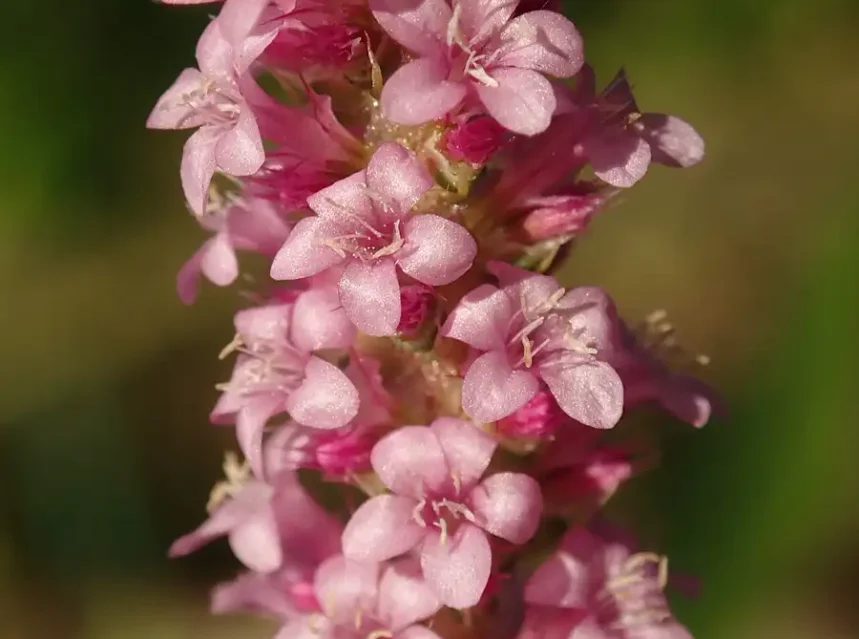
Russian statice seeds grow Limonium suworowii, a graceful annual with slender, rose-pink rat-tail spikes. The wavy cylindrical plumes look unlike any other statice. Florists prize them as a top fresh and dried cut flower.
This is a full worldwide growing guide. You will learn when to sow, how to grow, and where to buy good seed.
Type: Tender annual for cut & dried flowers (Plumbaginaceae)
Height: 30–50 cm (12–20 in), upright spikes
Flower: Slender rose-pink cylindrical “rat-tail” spikes
Foliage: Light-green, slightly crinkled basal leaves
Bloom: Summer to early autumn
Sow: Surface-sow; needs light; start indoors 8–10 weeks before last frost
Germination: 10–21 days at 18–24°C
Sun & soil: Full sun; fertile, well-drained soil
Best for: Bouquets, borders, everlasting arrangements
India: Good cool-to-warm-season cut-flower annual; sow in milder months
Authority sources: Wikipedia — Limonium suworowii, RHS — Psylliostachys suworowii.
🧰 In a hurry? Jump straight to our tested picks for this guide ↓
What is Russian statice?
Russian statice is an annual flower grown for cutting. Its botanical name is Limonium suworowii, also listed as Psylliostachys suworowii. You may see it sold as rat-tail statice or pink pokers.
The plant sends up tall, slender flower spikes from a low rosette. Each spike is narrow, cylindrical and often gently curved. The colour is a warm rose-pink.
These wavy “rat-tail” plumes are its signature. They look quite different from ordinary statice. That novelty makes them a florist favourite.
Limonium suworowii at a glance
| Common names | Russian statice, rat-tail statice, pink pokers, lamb’s tail |
|---|---|
| Botanical name | Limonium suworowii (syn. Psylliostachys suworowii) |
| Family | Plumbaginaceae (leadwort family) |
| Native range | Central Asia (Syria to Iran and beyond) |
| Height & spread | 30–50 cm tall × 20–30 cm wide |
| Showy part | Slender rose-pink cylindrical flower spikes |
| Bloom time | Summer to early autumn |
| Life cycle | Tender annual (frost-sensitive) |
Why grow Russian statice?
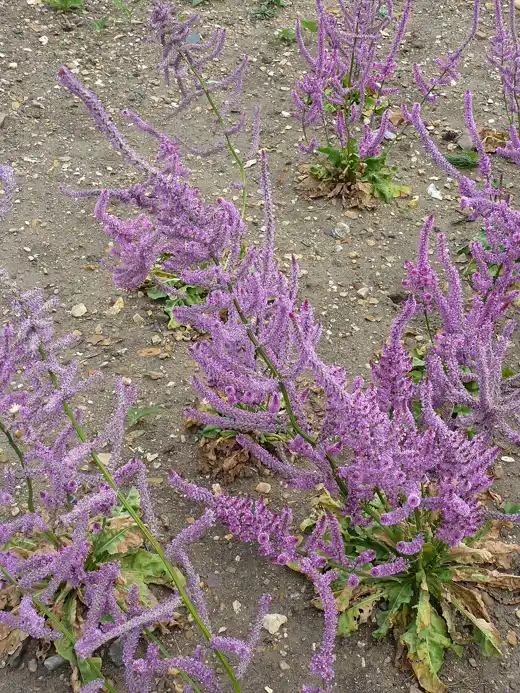
Grow it for an unusual, elegant cut flower. The rose-pink spikes add airy texture to any bouquet. Few annuals offer this soft, feathery look.
It is also a brilliant everlasting. The spikes dry beautifully and hold their colour for months. That makes them perfect for winter arrangements.
The plant is easy and rewarding to raise from seed. One sowing gives armfuls of long-stemmed flowers. Picking simply encourages more to come.
It earns a place in any cottage or cutting garden. Bees visit the tiny blooms along each spike. The slender form mixes well with bolder flowers.
Origin: a Central Asian native
Russian statice comes from Central Asia. It grows wild on sandy plains and foothills. Its range stretches from Syria across to Iran.
That dry, open heritage shaped its habits. It loves sun and copes with lean, sandy soil. Sharp drainage suits it far better than rich, wet ground.
Today it is grown worldwide as a cut-flower annual. Seed strains offer rose, carmine and lilac shades. The classic rose-pink remains the most popular.
Best season & when to sow
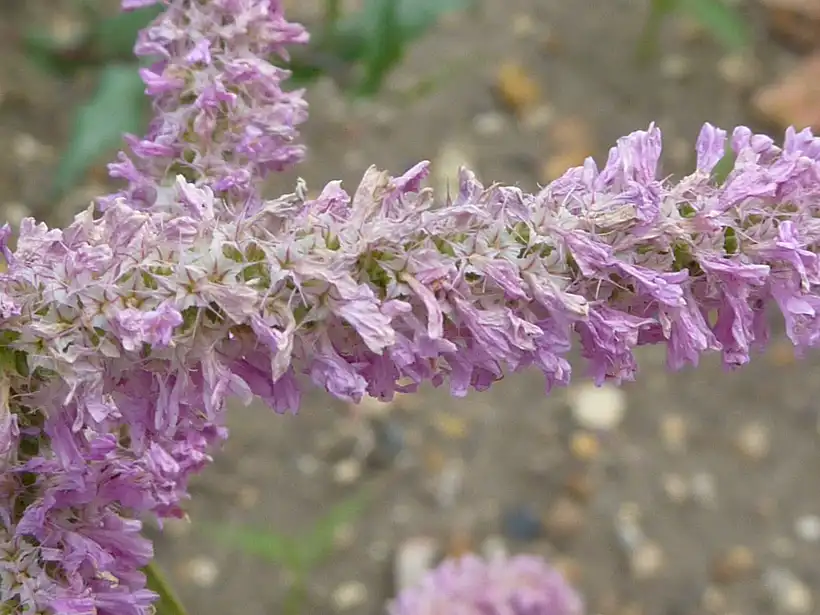
Russian statice is a frost-tender annual. It needs a warm, frost-free growing season. Plan your sowing around your last spring frost.
In cooler temperate regions, start seed indoors 8–10 weeks before the last frost. Plant out only once frost danger has passed. Plants then flower through summer into early autumn.
Note that seed will not germinate in hot summer heat. Sow during cooler spring conditions for best results. This is a common reason for failed early sowings.
In India, grow it as a cool-to-warm-season cut flower. Sow in the milder months, not the peak of summer. Full sun and well-drained beds or pots suit it well.
Growing Russian statice seeds: how to plant
The seed needs light and steady warmth to sprout. Sow on the surface of a moist, well-drained mix. Do not bury it deeply.
Here is how to plant Russian statice seeds step by step:
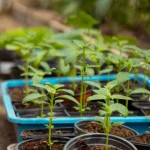
- Surface-sow. Press seed onto moist compost and dust lightly with vermiculite; light aids germination.
- Keep warm. Hold at 18–24°C; sprouts appear in about 10–21 days.
- Stay moist. Keep the surface evenly moist but never waterlogged.
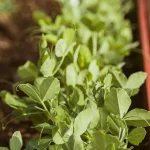
- Grow on. Pot up seedlings once they are sturdy enough to handle.
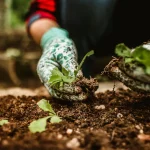
- Plant out. Harden off, then move outside after frost, spacing 20–30 cm apart.
Plants reach cutting size in around 90 days from sowing. Give them full sun for the strongest spikes. For more easy cut-flower annuals, see our larkspur and nigella guides.
Sun, soil, watering & feeding
Full sun is essential for good flowering. Give six or more hours of direct light. Shade gives weak, floppy spikes.
Soil should be fertile yet well drained. Sandy, chalky or loamy ground all work. Neutral to slightly alkaline soil is ideal.
Water moderately and let the soil dry between drinks. Established plants take some drought in their stride. Soggy soil invites disease, so avoid overwatering.
Feed lightly; this is not a hungry plant. Pick or deadhead spikes regularly to prolong bloom. Frequent cutting keeps fresh spikes coming all season.
Russian statice vs common statice
Several plants share the “statice” name but look different. Knowing them apart helps you sow the right seed. The clue is the shape of the flower head.
Russian statice (Limonium suworowii) has slender, rose-pink rat-tail spikes. The plumes are narrow, soft and gently curved. This species comes in pink tones only.
Common annual statice (Limonium sinuatum) is quite different. It bears flat, branched clusters of papery, winged flowers in many colours. Compare it in our statice seeds guide.
Sea lavender (Limonium latifolium and relatives) forms airy, perennial sprays. It is a looser, cloud-like cousin. All three are loved as everlasting flowers.
The rat-tail spike & cut-flower value
The rat-tail spike is this plant’s whole appeal. Each one is a narrow, soft column of tiny rose-pink blooms. The wavy, tapering shape is unmistakable.
That form gives florists something unusual to work with. The spikes add line and movement to a bouquet. They soften bolder, rounder flowers beautifully.
As a commercial cut flower, it is genuinely prized. Fresh stems last about two to three weeks in water. Cutting in the morning, once fully coloured, gives the best vase life.
The same spikes also dry to a lasting everlasting. The colour holds well for months indoors. Few annuals serve both fresh and dried use so well.
Cut & dried flower use
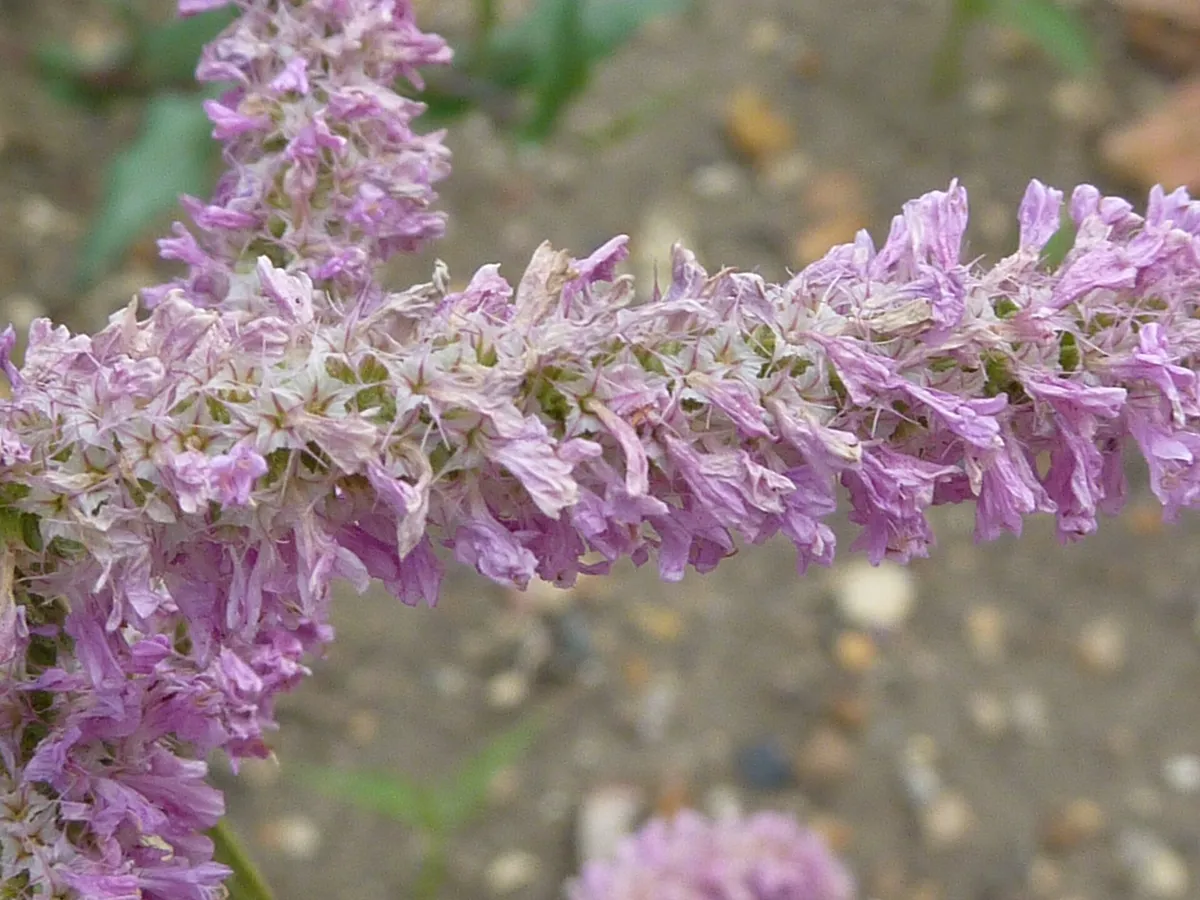
For fresh use, cut when most florets on a spike have opened. Strip the lower leaves and stand stems in clean water. Expect roughly two to three weeks of vase life.
For drying, gather small bunches of fresh, fully coloured spikes. Hang them upside down out of direct sun. After about three weeks they are crisp and ready.
Dried Russian statice keeps its rose-pink tone for months. Use it in wreaths, posies and everlasting arrangements. It pairs well with other dried grasses and pods.
Common pests & problems
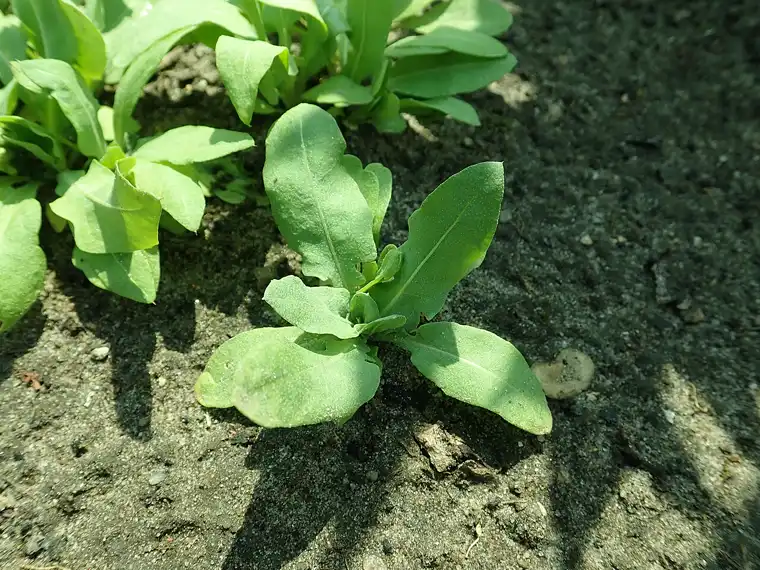
Russian statice is fairly trouble-free in the right spot. Most problems come from damp, crowded conditions. Good airflow and sun prevent the worst.
Keep an eye on these few issues:
- Grey mould. Damp, still air causes fuzzy rot; space plants and improve airflow.
- Powdery mildew. A white coating in humid spells; avoid wetting the leaves.
- Damping off. Seedlings collapse in soggy mix; sow thinly and keep it just moist.
- Poor germination. Heat or buried seed stalls it; sow cool and surface-sow with light.
For more cut-flower annuals and their care, see our gypsophila and cosmos guides.
Saving & storing seed
Saving your own Russian statice seed is simple. Let a few spikes mature and dry fully on the plant. The tiny seeds ripen within the faded blooms.
Snip the dry spikes into a paper bag. Rub them gently to release the seed. Let everything dry a few more days indoors.
Store the cleaned seed cool, dark and dry. A labelled paper envelope works well. Always note the year, as fresh seed germinates best.
Sow saved seed next spring for another crop. One packet can keep your cutting patch going for years. It is a thrifty way to grow bouquets.
Varieties & cut-flower companions
Seed is sold mostly in rose-pink, with some carmine and lilac strains. All grow the same slender rat-tail spikes. Below are the main options plus cutting-garden partners.
| Plant / variety | Look | Good for |
|---|---|---|
| Limonium suworowii (rose-pink) | Slender rose-pink rat-tail spikes | Bouquets; India cool-season cutting |
| ‘Pink Pokers’ / carmine & lilac strains | Deeper pink to soft lilac spikes | Mixed bunches; dried work |
| Common statice | Flat winged clusters, many colours | Classic everlasting; full sun |
| Strawflower | Crisp papery everlasting daisies | Dried bouquets; hot dry spots |
| Globe amaranth | Round papery everlasting buttons | Dried flowers; hot beds |
| Mulla mulla | Fuzzy silver-pink foxtail spikes | Cut & dried; hot dry beds |
| Nigella | Blue flowers, ornamental seed pods | Cottage cutting; dried pods |
Where to buy Russian statice seeds
Russian statice seed is sold by many cut-flower seed shops. In the US, look for “Russian statice” or Limonium suworowii. Specialist florists’ seed ranges usually stock it.
In India it is a niche but findable cut-flower seed. Amazon.in and online seed shops list it from time to time. Always buy fresh, dated packets for reliable germination.
Because the seed is fine, sow a little extra for safety. Save your own seed each year as a free backup. For another airy everlasting, browse our gypsophila guide.
Safety note: Russian statice is grown as an ornamental cut flower only. This guide does not recommend eating it or using it medicinally. Always identify any plant with certainty before handling.
Want a full cutting-and-drying patch? Pair Russian statice with common statice, strawflowers and globe amaranth for a season of fresh and everlasting bouquets.
Frequently asked questions
How long do Russian statice seeds take to grow?
Seeds germinate in about 10 to 21 days in warmth. Plants then reach cutting size around 90 days from sowing. They flower through summer into early autumn.
Why won't my Russian statice seeds germinate?
Usually the seed was buried or the weather was too hot. It needs light to sprout and will not germinate in summer heat. Surface-sow in cool spring conditions at 18–24°C.
Is Russian statice good for drying?
Yes, it is an excellent everlasting. Hang fresh, fully coloured spikes upside down out of sun for about three weeks. The rose-pink colour then holds for months.
Do Russian statice seeds need light to germinate?
Yes — surface-sow and do not cover them. Growing guides for rat-tail statice are explicit that the seed needs light, so burying it is the usual reason a tray never comes up. Press the seed onto moist compost so it makes contact, then keep the surface from drying while it germinates.
How long do statice seeds take to germinate?
Roughly 5 to 14 days at around 21°C. If nothing has appeared after a fortnight, the two likeliest causes are seed that was covered or compost that dried at the surface — both fixable on the next sowing rather than signs of dead seed.
Why won't my statice germinate in summer?
Because it wants a cool spell to get going and simply will not germinate reliably when direct-sown into late-spring or summer heat. This is the trap for gardeners who sow it like an ordinary annual — start it in the cool, in trays, and put the plants out once it warms.
When should I start Russian statice indoors?
About five to six weeks before your last frost, in cell trays, then transplant once frost danger is past. Transplanting is the recommended route rather than direct sowing, unless you garden somewhere with a genuinely long summer.
Should I separate statice seedlings or plant them in clumps?
Separate them into singles at transplanting. Growers do ask about planting in clumps of three, but individual plants get the airflow and root room they need for straight, strong stems, and crowded clumps tend to produce thinner spikes.
When should I cut Russian statice for drying?
Cut before the flowers are fully open. Fully open spikes shatter and fade once dried, whereas stems taken slightly early hold both colour and shape — the same rule florists use for ordinary statice.
How do I dry Russian statice properly?
Hang it upside down in small bundles somewhere warm, dry and out of direct sun for about two weeks. Small bundles matter — packed tightly the middle stems hold moisture and go mouldy, and direct sun bleaches out the pink that made you grow it.
Can I grow Russian statice in India?
Yes, as a cool-to-warm-season cut flower. Sow in the milder months, not peak summer, in full sun and well-drained soil. It makes a lovely fresh and dried bouquet flower.
Still stuck? Ask the Plant Doctor
Describe the problem — yellow leaves, holes, no flowers — and get a clear answer in seconds. FreeAI can make mistakes. Answers are guidance, not a guarantee — check anything important against the guide it links to, and always read the label on any product before you use it.