Mulla Mulla Seeds
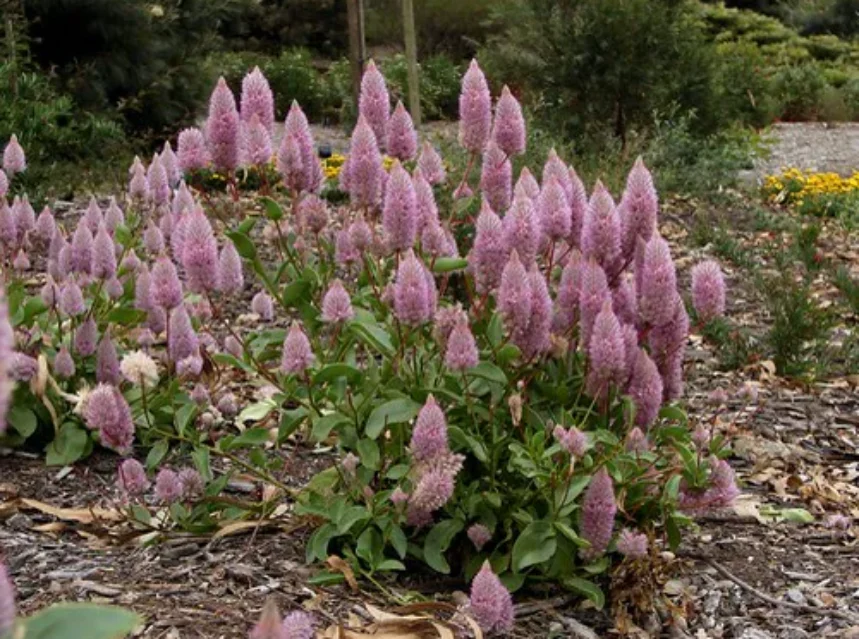
Mulla mulla seeds grow Ptilotus exaltatus, a striking Australian native with fuzzy, cone-shaped flower spikes. The blooms open silver and flush to neon pink at the tips. Best of all, this plant thrives on heat and drought that wilt most annuals.
This is a full dual-market guide worldwide. You will learn when to sow, how to grow, and where to buy good seed.
Type: Short-lived perennial grown as a warm-season annual (Amaranthaceae)
Height: 30–45 cm (12–18 in), upright and bushy
Flower: Fuzzy 7–10 cm silver spikes, neon-pink tips
Foliage: Grey-green, slightly succulent leaves
Bloom: Late spring to frost
Sow: Surface-sow; needs light and warmth (24–27°C)
Germination: 1–3 weeks; can be slow and uneven
Sun & soil: Full sun; gritty, sharply drained soil
Best for: Pots, gravel beds, cut & dried flowers
India: Great for hot, dry regions; dislikes humid monsoon wet
Authority sources: Wikipedia — Ptilotus exaltatus.
🧰 In a hurry? Jump straight to our tested picks for this guide ↓
What is mulla mulla (Ptilotus)?
Mulla mulla is an Australian wildflower in the amaranth family. Its botanical name is Ptilotus exaltatus. You may also see it sold as pink mulla mulla or lamb’s tails.
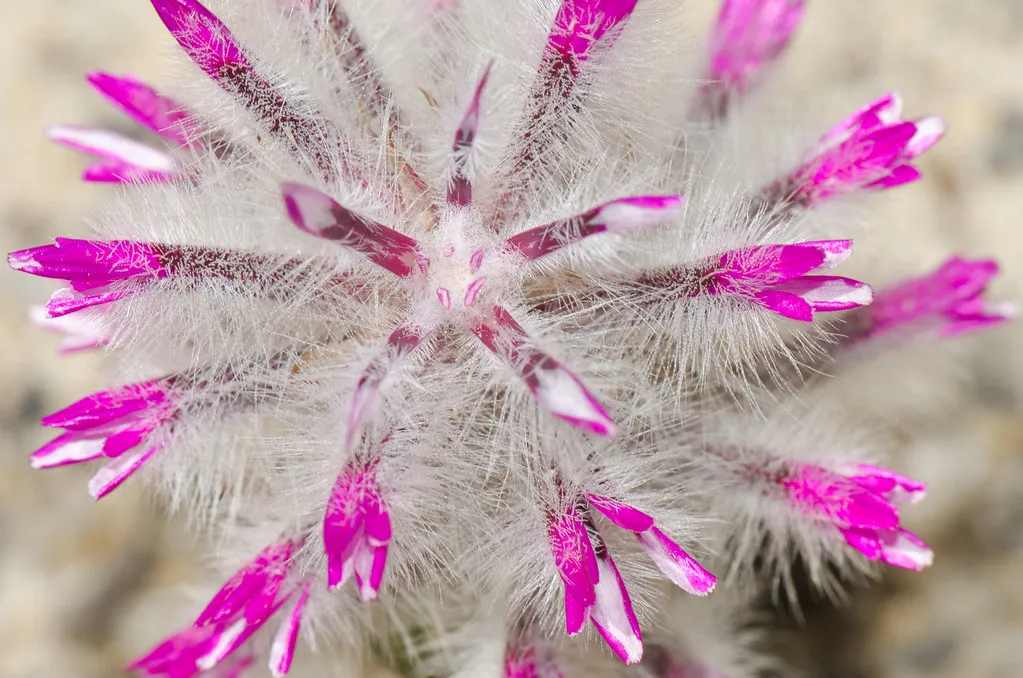
The plant forms an upright, bushy clump of grey-green leaves. Above it rise cone-shaped, feathery flower spikes. They look like soft, fuzzy bottlebrushes.
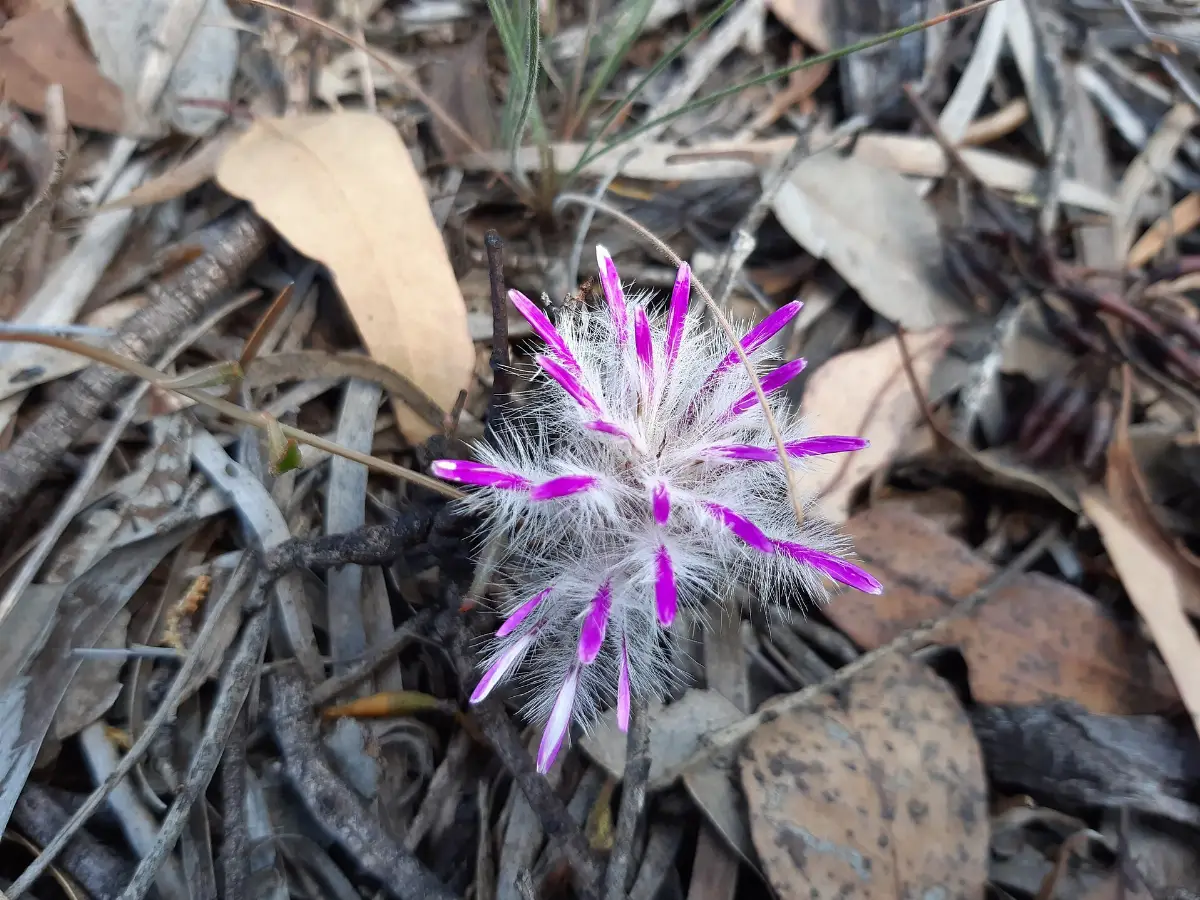
Each spike starts silvery and flushes neon pink toward the tip. The effect is glowing and unusual. Few annuals offer that two-tone, woolly texture.
Ptilotus exaltatus at a glance
| Common names | Mulla mulla, pink mulla mulla, lamb’s tails, pink pussytails |
|---|---|
| Botanical name | Ptilotus exaltatus (syn. P. nobilis) |
| Family | Amaranthaceae (amaranth family) |
| Native range | Australia (arid & semi-arid inland) |
| Height & spread | 30–45 cm tall × 25–30 cm wide |
| Showy part | Fuzzy silver spikes tipped neon pink |
| Bloom time | Late spring to frost |
| Life cycle | Short-lived perennial; grown as an annual |
Why grow mulla mulla?
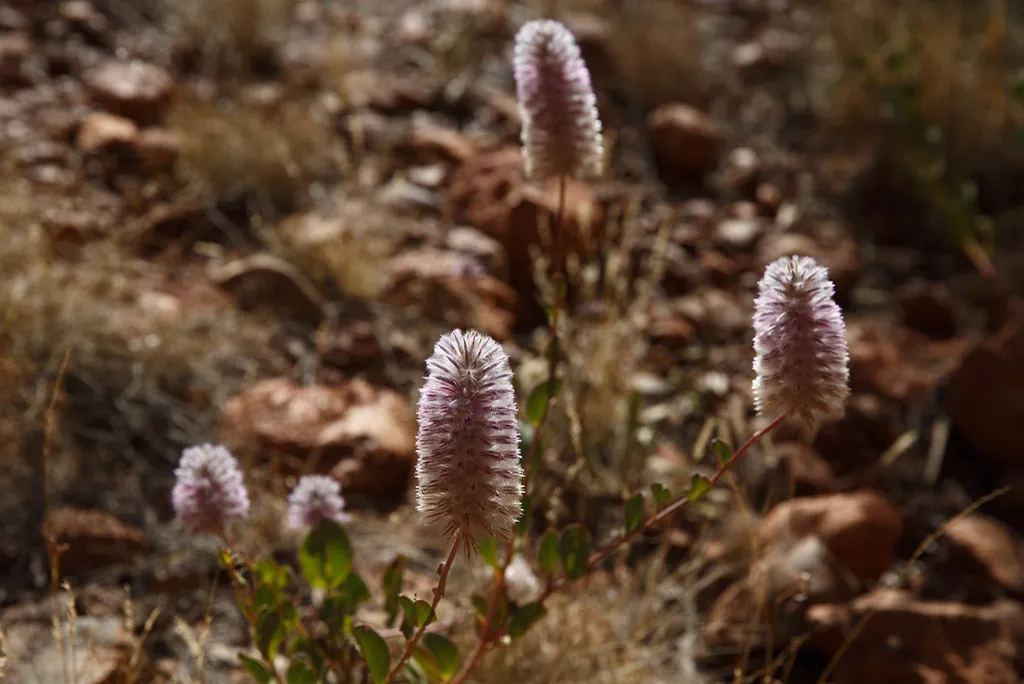
Grow it for glowing colour in the toughest spots. The silver-pink spikes shine in hot, dry borders. They last for weeks on the plant.
It is one of the most heat- and drought-proof annuals around. Once established, it rarely needs watering. That makes it gold for baking summers.
The fuzzy spikes also make superb cut and dried flowers. They hold their colour and shape when dried. Florists prize them as an “everlasting”.
It is tidy, pot-friendly and pollinator-friendly too. Bees visit the spikes through the season. Deer and rabbits usually leave it alone.
Origin: an Australian native
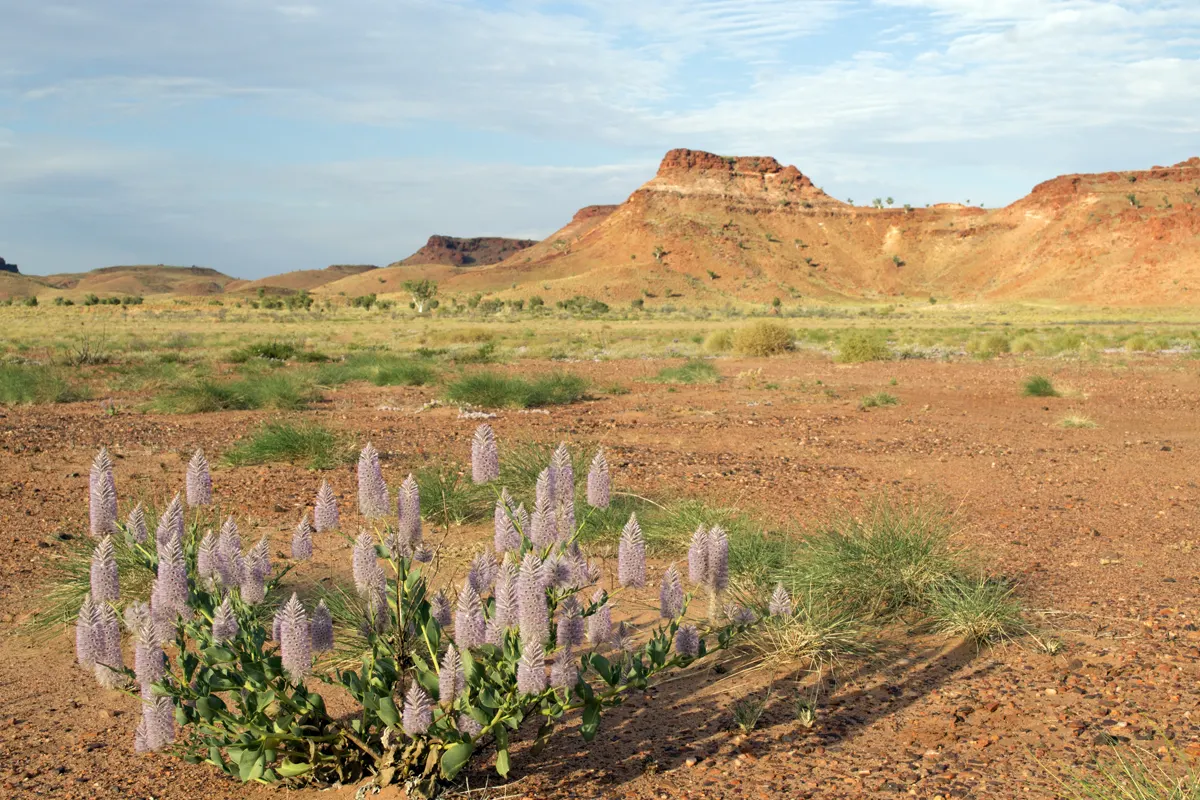
Mulla mulla hails from inland Australia. It grows across arid and semi-arid country there. After rain, it can carpet the outback in pink.
That desert heritage explains its toughness. It evolved to flower fast in heat with little water. Gardeners simply borrow that built-in resilience.
Today it is grown worldwide as a warm-season annual. Breeders have selected compact, free-flowering strains like ‘Joey’. The wild plant remains a cherished Australian icon.
Best season & when to sow
Mulla mulla is strictly a warm-season plant. It needs heat, sun and frost-free weather. Time your sowing so blooms land in summer.
In the US and UK, start seed indoors in early spring. Plant out only once all frost has passed. Plants then flower from late spring into autumn.
In India, treat it as a dry-season and summer annual. Sow in spring or in a dry spell, not during heavy monsoon. It loves the heat but dislikes constant wet and humidity.
In cooler hill regions, wait until nights turn reliably warm. Cold, damp soil quickly rots the seedlings. Containers let you give it the warmest, brightest spot.
Growing mulla mulla seeds: how to plant
The fine seed needs warmth and light to sprout. Sow on the surface of a gritty, free-draining mix. Do not bury it deeply.
Here is how to plant mulla mulla seeds step by step:
- Surface-sow. Press seed onto moist mix and barely cover it; light aids germination.
- Keep warm. Hold at 24–27°C; sprouts appear in one to three weeks, sometimes unevenly.
- Mist gently. Keep the surface just moist with a fine spray, never soggy.
- Grow on. Pot up seedlings once they are sturdy and handle them carefully.
- Plant out. Move outside after frost into full sun, spacing 20–30 cm apart.
Germination can be slow and patchy, so be patient. Sow a few extra seeds to be safe. For other heat-loving sun plants, see our portulaca and gazania guides.
Sun, soil, watering & feeding
Full sun is essential for strong spikes. Give six or more hours of direct light. Shade makes plants weak and shy to flower.
Soil must be sharply drained above all else. Light, sandy or gritty ground is ideal. Heavy, wet clay quickly causes root rot.
Water sparingly once plants are established. Let the top of the soil dry between drinks. Drought rarely troubles a settled plant.
Feed lightly with a low-phosphorus fertiliser, if at all. This native dislikes rich, heavy feeding. Deadhead faded spikes to keep new ones coming.
Mulla mulla vs celosia & amaranth
Several fuzzy, feathery flowers share the amaranth family. Knowing them apart helps you sow the right seed. The clues are shape and growing conditions.
Mulla mulla (Ptilotus) has soft, conical silver-pink spikes. It demands sharp drainage and hates humidity. Its toughness in dry heat is unmatched.
Celosia plume (Celosia plumosa) makes bold, upright feathery plumes. It tolerates heat and humidity far better. Compare it in our celosia guide.
Love-lies-bleeding (Amaranthus) trails long, drooping tassels instead. The form is dramatic and very different. See it in our amaranthus guide.
Heat, drought & sharp drainage
Heat and drought tolerance is this plant’s superpower. It flowers happily through scorching, dry weather. That makes it priceless in hot, arid gardens.
Sharp drainage is the one non-negotiable rule. Roots rot fast in soggy or heavy soil. Grit, sand or a raised pot solves this easily.
Container culture suits it perfectly for this reason. A free-draining potting mix mimics its desert home. Pots also let you control water and warmth.
The silver-pink spikes feed bees through the season. The plant is also deer and rabbit resistant. Few tough natives offer this much colour and value.
Cut & dried flower use
Mulla mulla is a star cut flower. The fuzzy spikes are long-lasting in the vase. Florists love their unusual silver-pink glow.
For cutting, harvest when the spike is half to three-quarters open. A single plant gives several stems. Vase life runs about one to two weeks.
The spikes dry beautifully as everlastings too. Hang small bunches upside down in a dry, airy spot. They keep their colour for months in arrangements.
Common pests & problems
Mulla mulla is refreshingly trouble-free. Most failures come from wet soil, not pests. Sharp drainage solves nearly everything.
Keep an eye on these few issues:
- Root rot. The top risk; caused by soggy soil — improve drainage and water less.
- Poor germination. Seed can be slow and uneven; sow extra and keep it warm.
- Frost damage. Plants are frost-tender; grow only in warm, frost-free weather.
- Humidity stress. Long muggy spells weaken it; choose airy, sunny, dry sites.
For more easy, drought-hardy annuals and their quirks, see our vinca and Brazilian button flower guides.
Self-seeding & saving seed
In warm, dry climates mulla mulla may self-seed lightly. Elsewhere, frost ends the cycle each year. Saving your own seed is the reliable route.
Let some spikes fade and dry on the plant. The fluffy heads hold tiny seeds inside. Rub the dry spikes to release them.
Cleaning away the fluffy coat improves germination. Store the cleaned seed cool, dark and dry. A labelled paper envelope works well.
Always note the year, as fresh seed sprouts best. Sow saved seed next spring for another show. One packet can keep your hot beds glowing for years.
Varieties & heat-loving companions
Most seed is sold as ‘Joey’ or the wild species. ‘Matilda’ is another popular, taller selection. Below are the main options plus drought-loving partners.
| Plant / variety | Look | Good for (worldwide) |
|---|---|---|
| Ptilotus exaltatus ‘Joey’ | Compact silver spikes, neon-pink tips | Pots, gravel beds; India dry-region color |
| ‘Matilda’ / wild species | Taller, looser silver-pink spikes | Borders; cut & dried flowers |
| Celosia plume | Bold upright feathery plumes | Hot, humid beds; long color |
| Globe amaranth | Round papery everlasting buttons | Dried flowers; hot beds |
| Statice | Papery clustered everlasting heads | Cut & dried partner; full sun |
| Strawflower | Crisp papery everlasting daisies | Dried bouquets; hot dry spots |
| Gazania | Bold daisy flowers, heat-proof | Hot dry beds; India summer color |
Where to buy mulla mulla seeds
Mulla mulla seed is sold by specialist and native-plant seed shops. In the US, look for ‘Joey’ or Ptilotus exaltatus. Australian and exotic seed sellers stock it widely.
In India it is a niche but findable plant. Amazon.in and online seed shops list it from time to time. Always buy fresh, dated packets for the best germination.
Because germination is uneven, buy a little extra seed. Save your own seed each summer as a free backup. For more everlasting colour, browse our Dahlberg daisy guide.
Safety note: Mulla mulla is grown as an ornamental garden plant only. This guide does not recommend eating it or using it medicinally. Always identify any plant with certainty before handling.
Want a long, hot-season display? Pair mulla mulla with statice, strawflowers and globe amaranth for a heat-proof, cut-and-dried flower garden.
Frequently asked questions
How long do mulla mulla seeds take to grow?
Seeds germinate in about one to three weeks in warmth. They can be slow and uneven, so be patient. Plants then flower from late spring through to frost.
Why won't my mulla mulla seeds germinate?
Usually cold soil or a buried, fluffy seed coat. Keep the mix at 24–27°C and surface-sow with light. Cleaning the fluff off the seed also boosts germination.
Does mulla mulla handle heat and drought?
Yes, exceptionally well. This Australian native thrives in hot, dry conditions and rarely needs watering once settled. Its one rule is very sharp drainage.
Can I grow mulla mulla in India?
Yes, best in hot, dry regions and well-drained pots. Sow in spring or a dry spell, not heavy monsoon, in full sun. It loves the heat but dislikes constant humidity and wet.
Does mulla mulla seed need smoke treatment to germinate?
Not usually. Unlike many fire-adapted Australian natives, Ptilotus germinates well from warmth and light alone, without smoke water or a smoke disc treatment. Consistent heat around 24–27°C and a surface sowing position matter far more than any smoke pretreatment.
Is mulla mulla an annual or a perennial?
It is a short-lived perennial in frost-free, well-drained gardens, though many gardeners treat it as an annual. In cooler or wetter climates it often behaves as a one-season plant, so many growers simply re-sow fresh seed each spring.
What is the difference between Ptilotus exaltatus and Ptilotus obovatus?
Ptilotus exaltatus, tall mulla mulla, grows to about a metre with showy pink or purple flower spikes. Ptilotus obovatus, cotton bush, is a smaller, silvery-leaved shrub with softer, paler flower heads, grown more for foliage than for bold colour.
Should I remove the fluff from mulla mulla seed before sowing?
It helps. The seed sits inside a fluffy, feathery covering that can trap moisture against the seed coat and encourage damping off. Rubbing the seed between your fingers to loosen most of the fluff improves soil contact and germination.
Does mulla mulla attract pollinators?
Yes, its dense, fluffy flower spikes draw native bees and other small pollinating insects through a long flowering season. The same soft, felted texture that makes the blooms popular in dried arrangements also makes them a reliable nectar source in a dry garden.
Can mulla mulla be grown in pots?
Yes, provided the pot has excellent drainage. Use a gritty, low-fertility mix similar to a native or cactus blend, since rich, moisture-retentive potting soil is the most common reason container-grown mulla mulla rots at the base.
Can mulla mulla be propagated without seed?
Yes, semi-hardwood cuttings taken in late summer root reasonably well in a sharp, sandy mix. This is a useful way to reproduce a particular flower colour exactly, since seed-grown plants can vary more in shade and spike size.
Is mulla mulla frost tolerant?
Only lightly. Established plants can shrug off a brief, mild frost, but hard or prolonged freezes usually kill it outright. In frost-prone areas, grow it as a warm-season annual or protect it under cover through winter.
Sources and further reading
Still stuck? Ask the Plant Doctor
Describe the problem — yellow leaves, holes, no flowers — and get a clear answer in seconds. FreeAI can make mistakes. Answers are guidance, not a guarantee — check anything important against the guide it links to, and always read the label on any product before you use it.