Best Job’s Tears Seeds: Grow Your Own Bead Grass
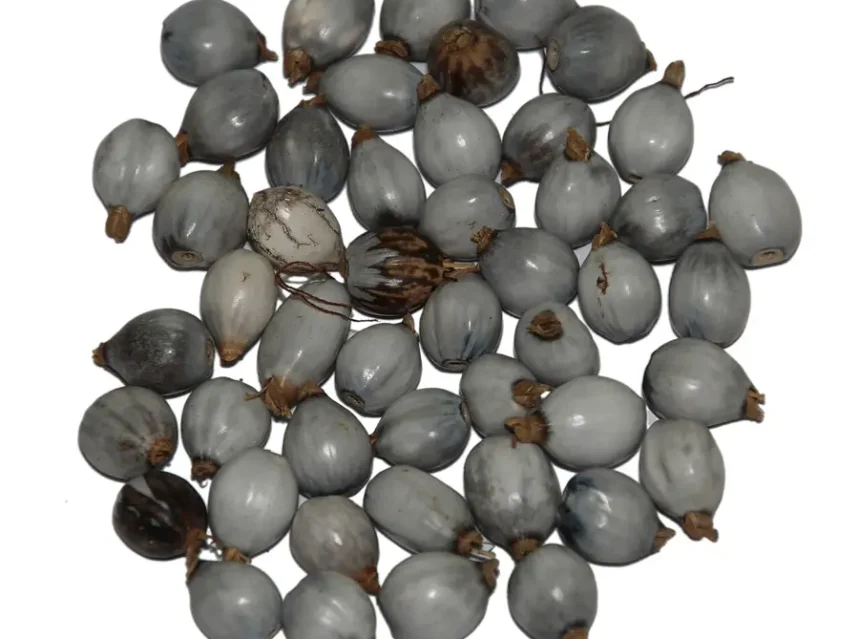
Job’s tears seeds grow into a tall tropical grass that makes hard, glossy, tear-shaped beads. Each bead is naturally hollow with a hole through it. People have strung these beads into jewellery, rosaries and mala for thousands of years. The soft-shelled form, called adlay, is also eaten as a grain.
🧰 In a hurry? Jump straight to our tested picks for this guide ↓
Quick start: Job’s tears seeds at a glance
- What it is: a tall, corn-like warm-season cereal grass (Coix lacryma-jobi) grown for natural beads and grain.
- Best for: craft beads, dried decor, a bold border accent and edible adlay grain.
- Sow: after the last frost when soil is warm (20-25°C); soak seeds 24 hours first.
- Light & soil: full sun; moist, fertile soil that it never lets dry out.
- Size: roughly 1-1.5 m tall (up to 2 m), broad-leaved and upright.
- India note: native to North-East India; a warm-season monsoon crop, sow March-June.
Authority references: the Wikipedia entry on Job’s tears and the NC State Extension plant profile.
| Family | Poaceae (grass family) |
|---|---|
| Native range | Tropical & subtropical South and East Asia (incl. North-East India) |
| Height | 1-1.5 m, up to 2 m |
| Showy part | Hard, glossy tear-shaped beads (grey, white, black or mottled) |
| Germination | 2-4 weeks (soak seeds 24 hours first) |
| Bloom / bead time | Late summer to autumn; ~110 days to harvest |
| Habit | Warm-season annual; tender perennial in frost-free tropics |
| Hardiness | Perennial in USDA zones 9-11; annual elsewhere |
Buy Job’s tears seeds
Ready to grow your own bead grass? Job’s tears seeds are sold by craft-seed and heirloom-grain specialists. Compare a few sellers below for the best value.
Why grow Job’s tears?
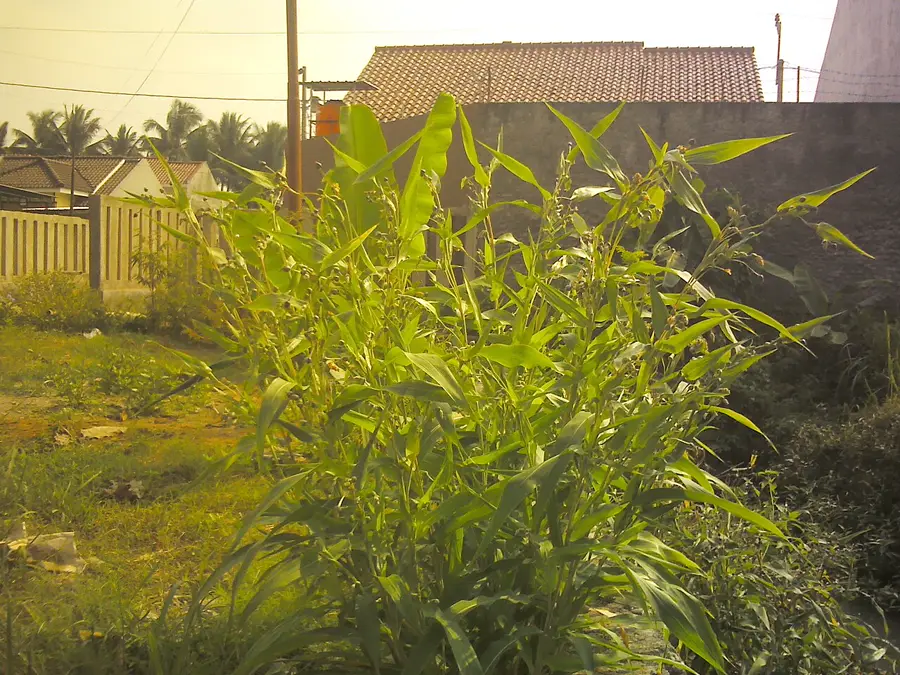
Job’s tears is one of the most useful grasses you can grow. It earns its place three ways at once. Few plants give you craft material, food and beauty together.
First, the beads. They form on the plant ready to string, with a natural hole through the centre. You simply harvest, dry and thread them.
Second, the grain. The soft-shelled form is adlay, sometimes called Chinese pearl barley. It is cooked as a cereal in porridge and soups across Asia.
Third, the look. This is a bold, leafy grass with arching foliage and dangling bead clusters. It makes a fast summer screen or a striking border accent. For other tall accent grasses, see our pennisetum seeds guide and panicum seeds guide.
Nature’s beads: jewellery, rosaries & mala
This is what makes Job’s tears special. The “beads” are hard seed cases called involucres. They start green, then harden and turn pearly grey, white, black or mottled.
Each bead has a natural channel running through it. A gentle poke with a needle clears it, so no drilling is needed. That makes them perfect for beginners and children’s craft projects.
People have used these beads for thousands of years. They appear in necklaces, prayer beads, rosaries and mala. They have also been strung into curtains, charms and basket trim.
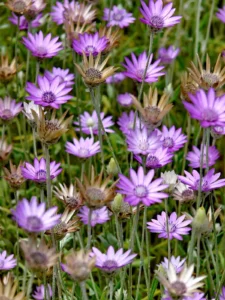
For the best beads, harvest them green to grey while still glossy. Beads left to fully ripen for grain look duller. So grow a few extra plants if you want both craft beads and grain. Pair the dried stems with everlasting flowers like craspedia (billy buttons) and rhodanthe for natural decor.
Coix vs other ornamental grasses
Most ornamental grasses are grown for airy plumes or soft texture. Job’s tears is different. It is a tall, broad-leaved cereal grass grown for hard beads and grain.
| Grass | Signature | Best use | Where it grows best |
|---|---|---|---|
| Job’s tears (Coix) | Hard tear-shaped beads + grain | Craft beads, food, screen | Warm US zones 9-11; NE & warm India |
| Foxtail millet (Setaria) | Bushy seed spikes | Cut/dried, bird seed, grain | Most US; warm-season India |
| Quaking grass (Briza) | Trembling locket heads | Delicate dried bouquets | Cool US; hill/cool India |
| Bunny tails (Lagurus) | Fluffy white puffs | Small dried crafts | Mild US; cool India |
| Love grass (Eragrostis) | Misty flower clouds | Airy borders | Warm US; warm India |
So pick Job’s tears when you want a project, not just a plume. It is the bead and grain grass of the group. For more airy options, browse our hair grass guide.
History, origin & native range
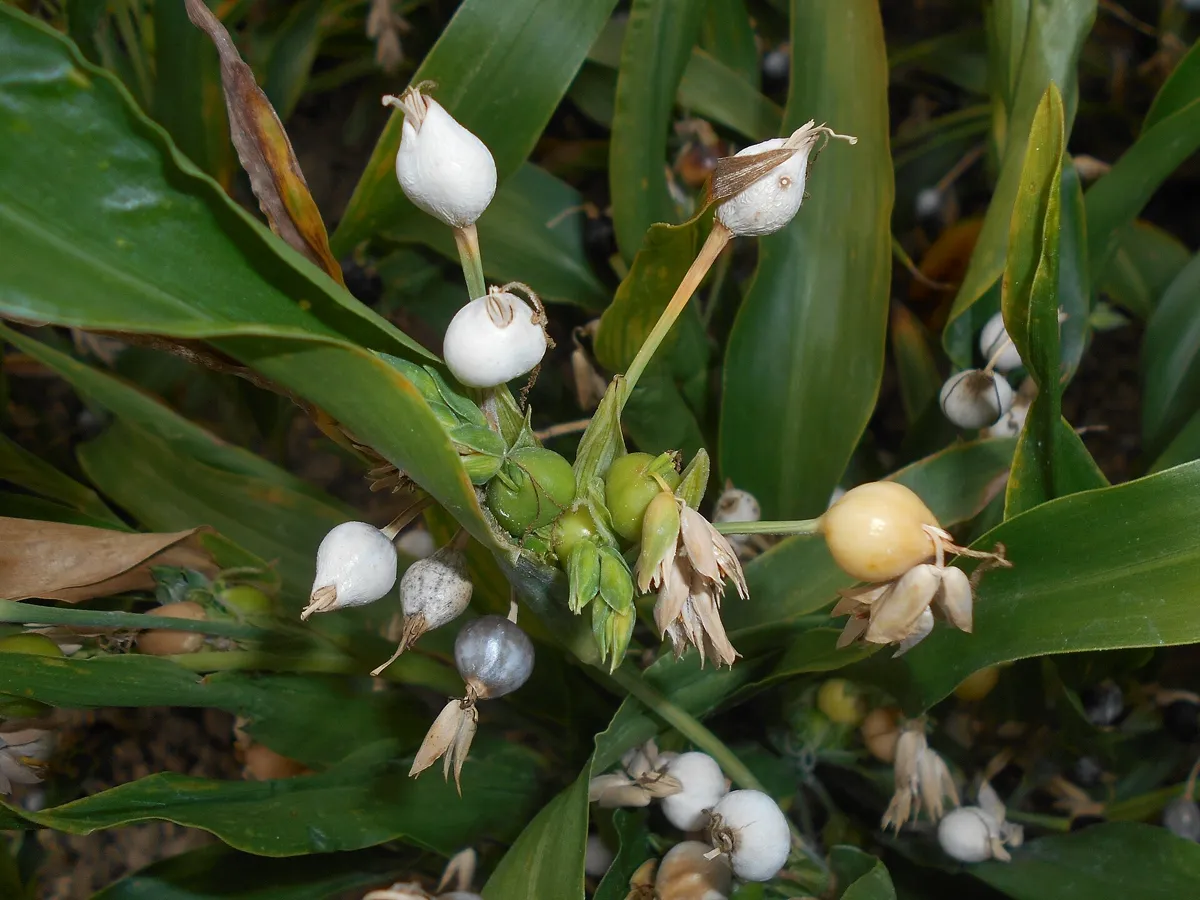
Job’s tears is native to tropical and subtropical Asia. Its range runs from the Indian subcontinent through Southeast Asia to Taiwan and Malaysia. It reached northern China and India in remote antiquity.
The plant has long been part of life in North-East India. It carries local names like Thangnang in Manipur and Tungrel in Nagaland. Hill communities in the Karbi region of Assam still grow it for grain and beads.
The beads spread the plant worldwide. Traders and travellers carried the strung seeds far beyond Asia. Today Job’s tears has naturalised across the southern United States, South America and Africa.
The name comes from the tear shape of the seed cases. Different cultures linked the beads to prayer and protection. That history is why it remains a craft favourite today.
Best season & when to sow
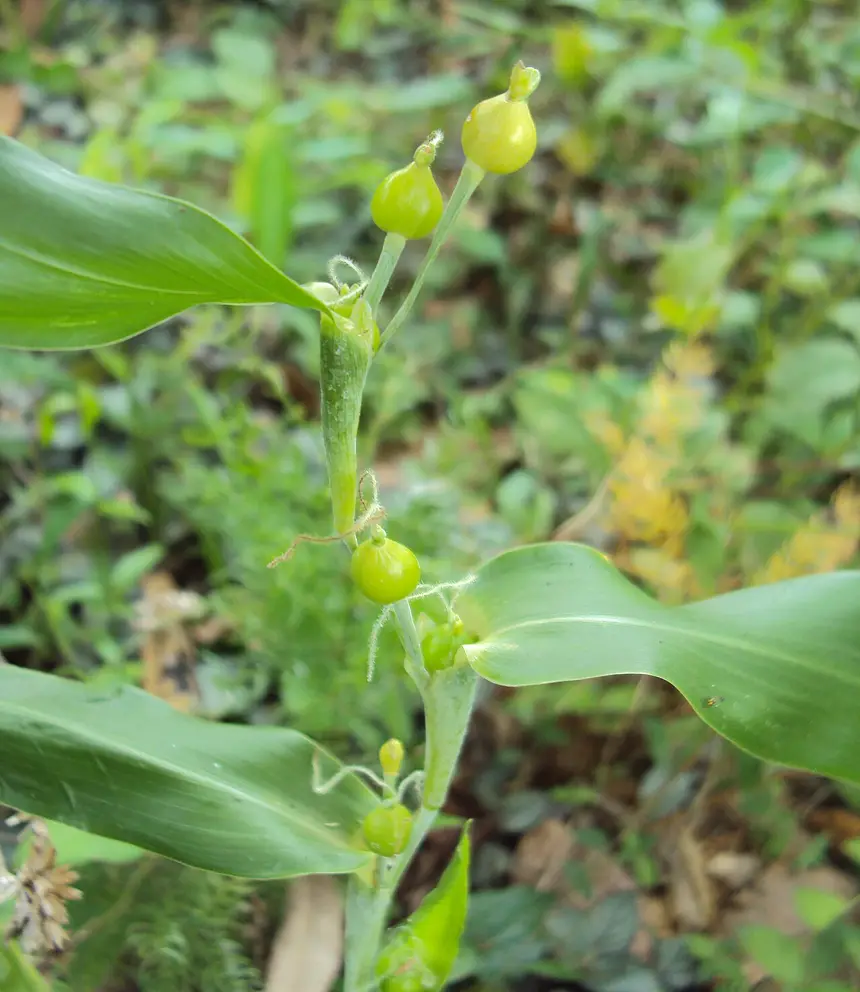
Job’s tears needs a long, warm growing season. It takes roughly four to six months to ripen its beads. So timing matters in cooler regions.
In the US, sow outdoors after the last frost when the soil warms. In short-summer zones, start seeds indoors four to six weeks earlier. Then transplant once nights stay mild.
In India, this is a warm-season monsoon crop. Sow with the onset of warm weather, around March to June. The summer rains suit it well, especially in the plains and warm hills.
Aim to sow when soil reaches about 20-25°C. Cold soil rots the seed and slows germination badly.
How to grow Job’s tears from seed
Job’s tears is easy to grow from seed if you start it right. Here is how to plant it step by step.
- Soak first. Soak the seeds in warm water for 24 hours. This softens the hard case and speeds germination.
- Sow shallow. Plant seeds about 1.5 cm (a quarter inch) deep in warm, moist soil.
- Space well. Thin or space plants 30-45 cm apart. They grow tall and need room.
- Keep moist. Water regularly. Germination takes two to four weeks.
- Weed early. Hoe around young seedlings while they are small. This helps them tiller and bulk up.
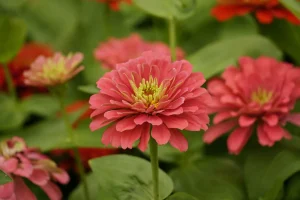
You can also start seeds in pots indoors. Harden off the seedlings before moving them outside. For more seed-starting basics, see our cosmos growing guide and zinnia guide.
Sun, soil, watering & feeding
Give Job’s tears full sun for the best growth and beads. It will take a little light shade. But sun gives sturdier stems.
It likes moist, fertile soil and dislikes drying out. Unlike many ornamental grasses, it enjoys plenty of water. It even tolerates damp ground near ponds or ditches.
A slightly acidic, loamy soil with compost is ideal. Mulch helps hold moisture in hot weather. Heavy feeding is not needed, though compost helps it grow tall.
Ease off watering a little as the bead heads form and ripen. A drier finish helps the beads harden well. Then you can harvest clean, glossy beads.
Harvesting the beads (and grain)
Harvest timing for Job’s tears beads depends on what you want. Beads for craft and grain for food come off at different stages.
For jewellery, pick the beads while green to grey and glossy. They are at their prettiest before they fully ripen. Dry them for about two weeks before stringing.
For grain, wait until the beads turn brown and the plant dries down. The darkest, hardest beads have the best viability for saving and the fullest kernels. This is the soft-shelled adlay used as a cereal.
Harvest usually comes around 110 days after sowing. Strip the beads by hand and spread them to dry fully. Store dry beads in a cool, airtight jar.
Common pests & problems
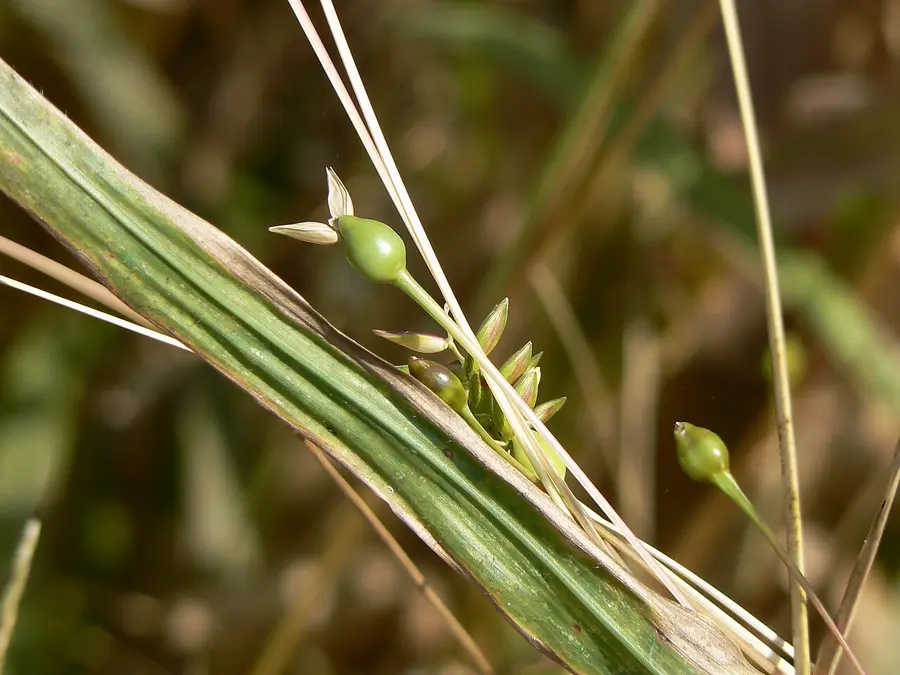
Job’s tears is tough and rarely troubled. A few issues can show up in some seasons. Watch for them and act early.
Grasshoppers, flea beetles and rice bugs may chew the leaves. Healthy, well-watered plants shrug off light damage. Hand-pick or hose off small infestations.
In wet seasons, fungal leaf blight or smut can appear. Space plants for airflow and avoid wetting the foliage late in the day. Remove badly affected leaves.
The main thing to manage is self-seeding. In frost-free tropical areas it can self-sow freely and turn weedy. So harvest the beads before they drop, or grow it in a contained bed. In cold-winter regions, frost kills it, so it never spreads.
Frequently asked questions
How long do Job's tears seeds take to grow beads?
Plan on about 110 days from sowing to harvest. It needs a long, warm season of four to six months. Soaking the seeds 24 hours before sowing speeds up germination.
Are Job's tears seeds the same as the beads you string?
Yes. The hard, tear-shaped seed cases are the beads. Each one has a natural hole, so you just poke it clear with a needle and thread it.
Can I grow Job's tears in India?
Absolutely. It is native to North-East India and grows as a warm-season monsoon crop. Sow from March to June and let the summer rains do the work.
Is Job's tears grass invasive?
It can self-seed freely in frost-free tropical areas and turn weedy. Harvest the beads before they drop, or grow it in a contained bed. In cold-winter regions, frost stops it spreading.
Should I soak Job's tears seeds before sowing?
Yes. Soak them overnight in warm water, and nicking the hard shell with a file first helps water get in. Germination can still take 14 to 28 days.
How deep and how far apart should I plant Job's tears?
Sow about 6 mm (1/4 inch) deep and space plants 25-30 cm (10-12 inches) apart. Give them room, since each clump throws up several stems.
How much sun and water does Job's tears need?
Full sun to light shade, with soil kept consistently moist. It comes from damp ground and sulks in dry, thin soil.
How tall does the plant get?
Expect roughly 90-120 cm (36-48 inches) tall and about 60 cm (24 inches) wide, so treat it like a large ornamental grass at the back of a bed.
When do I harvest the beads?
Leave them on the plant to dry as long as weather allows, then pick the darkest ones as they ripen. Dark, hard beads are the mature ones.
Why did my Job's tears seeds fail to sprout?
The usual causes are no soak, sowing into cold soil, or letting the seedbed dry out. It needs warmth of around 21°C (70°F) and steady moisture.
Can Job's tears be grown in a large container?
Yes, if the pot is big and never dries out. A deep container of at least 30-40 cm (12-16 inches) across suits one clump, and it will still need full sun.
Still stuck? Ask the Plant Doctor
Describe the problem — yellow leaves, holes, no flowers — and get a clear answer in seconds. FreeAI can make mistakes. Answers are guidance, not a guarantee — check anything important against the guide it links to, and always read the label on any product before you use it.