Diascia Seeds
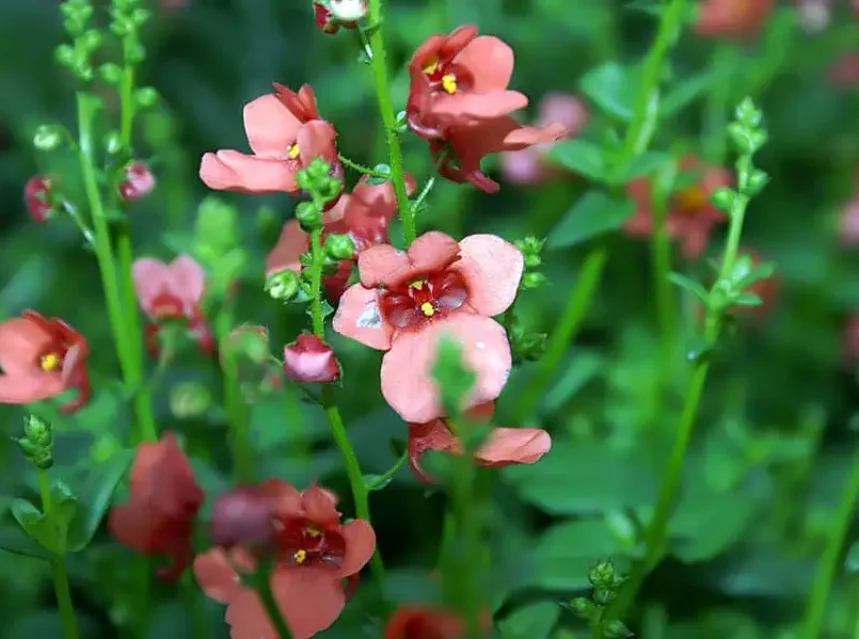
Diascia seeds grow into twinspur (Diascia barberae) — a dainty cool-season annual that smothers itself in small spurred flowers. The blooms come in salmon-pink, coral, apricot, and rose on slender trailing stems. Each flower carries two backward-pointing spurs, which give the plant its common name. This guide covers the best diascia seeds for gardens worldwide, how to sow them, and where to buy.
Gardeners love twinspur for baskets, edging, and containers. It flowers best in the cool of spring and autumn. Few annuals give such a soft, generous show from seed.
Botanical name: Diascia barberae (twinspur)
Type: Cool-season annual, mounding-to-trailing, 15–30 cm (6–12 in)
Sow: Indoors 8–10 weeks before last frost; SURFACE-sow — needs light, do not cover
Germination: 14–21 days at a cool 15–18°C (60–65°F)
Light & soil: Full sun to part shade; moist, well-drained soil
Bloom: Spring and autumn; pauses in peak summer heat, reblooms when cool
Best for: Hanging baskets, edging, containers, cottage borders
India: Cool-season / winter / hill-station annual; sow in cool months
Authority sources: Wikipedia — Diascia, GardenersHQ.
🧰 In a hurry? Jump straight to our tested picks for this guide ↓
What are diascia seeds?
Diascia seeds are the tiny seeds of twinspur, Diascia barberae. This dainty annual comes from southern Africa. It is one of the best cool-season flowers for baskets and pots.
The seeds are very fine and need light to sprout. So you sow them on the surface and never bury them. One packet raises plenty of plants.
Each plant produces sprays of small two-lipped flowers. They look like miniature snapdragons. The pair of spurs on the back makes them easy to recognise.
Diascia at a glance
| Common names | Twinspur, diascia |
|---|---|
| Botanical name | Diascia barberae |
| Family | Scrophulariaceae (now placed in Plantaginaceae) |
| Native range | Southern Africa (Drakensberg, South Africa) |
| Height & spread | 15–30 cm (6–12 in) tall; spreads to about 30 cm |
| Showy part | Small spurred flowers in pink, coral, apricot, rose, white |
| Bloom time | Spring and autumn; pauses in peak summer heat |
| Life cycle | Half-hardy / cool-season annual (short-lived perennial in mild zones) |
Why grow twinspur from seed?
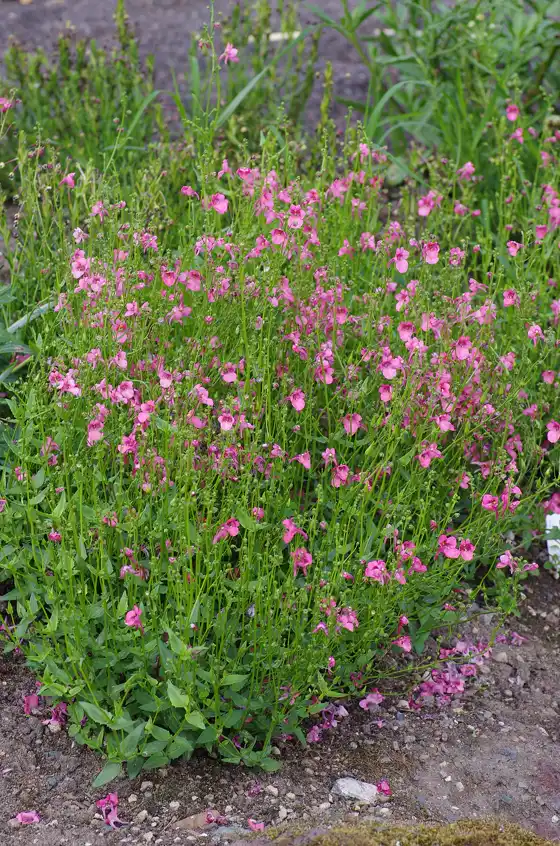
Twinspur flowers when the weather is cool and many plants pause. That makes it perfect for spring and autumn colour. It fills a real gap in the season.
Growing diascia seeds is cheap and easy. A packet costs far less than nursery plants. One sowing fills several baskets or a border edge.
The soft, trailing habit spills beautifully over pot rims. It looks lovely in hanging baskets and window boxes. The plants stay neat and low.
It also pairs well with other cool-season flowers. For more options, see our guides to nemesia seeds and nemophila seeds.
The best cool-season basket annual
Most basket annuals love summer heat, but twinspur is different. It comes from a winter-rainfall part of South Africa. So it grows and flowers best in cool weather.
Peak bloom comes in the cool of spring and autumn. The display slows in the hottest part of summer. Cooler nights then trigger a fresh flush of flowers.
This makes diascia ideal for early and late-season pots. It gives colour before summer annuals get going. It also revives the garden as autumn arrives.
In mild, frost-free areas it can flower lightly through winter. A summer shearing keeps it tidy for the autumn show. For more spring colour, see our pansy seeds guide.
The twin spurs: how twinspur got its name
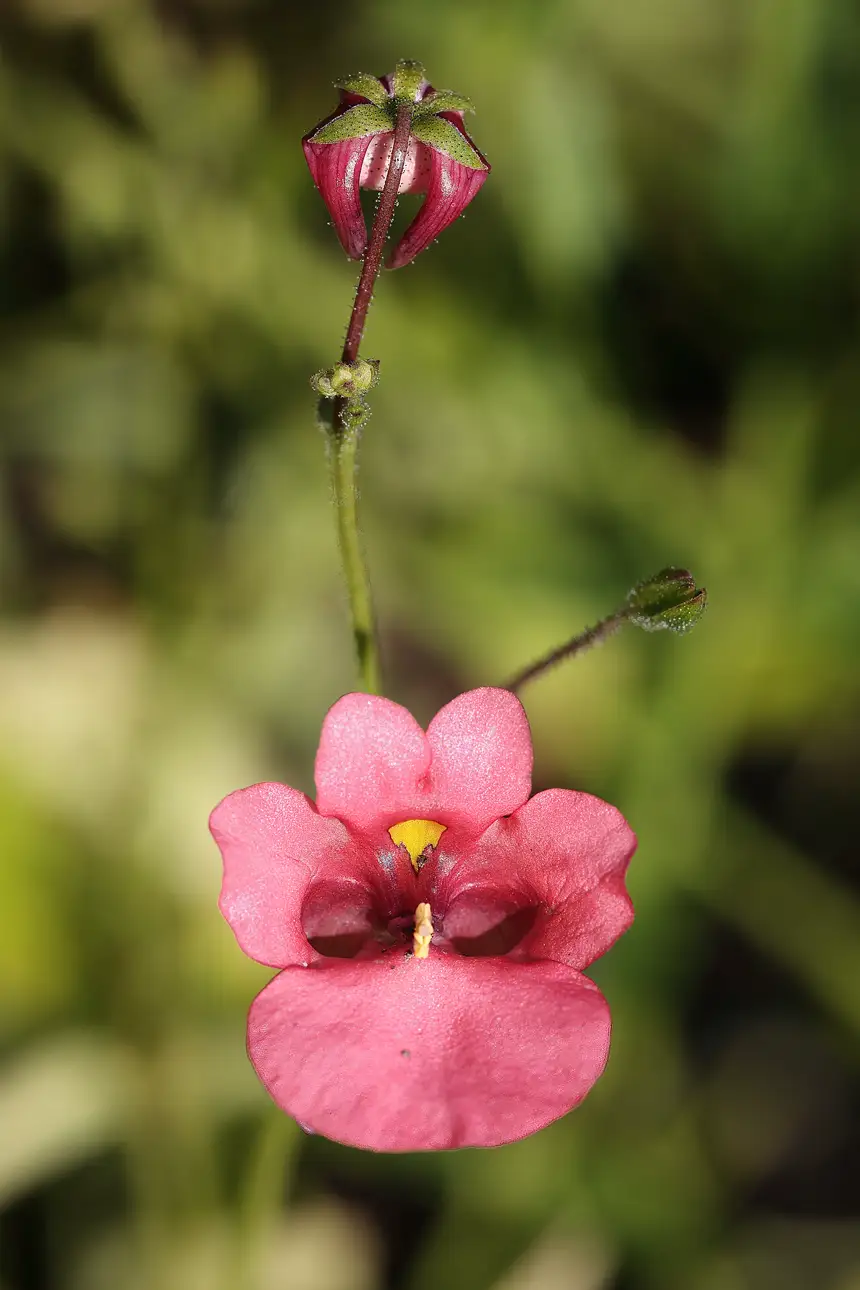
The name twinspur comes from the flower itself. Each bloom has two spurs on its back. They point downward and backward like a tiny pair of tails.
These spurs are not just decoration. They hold special oils that attract certain bees. In the wild, oil-collecting Rediviva bees visit the flowers.
This clever design is unique among garden annuals. It is a lovely detail to point out to visitors. The genus name Diascia even refers to these two sacs.
Diascia vs nemesia, bacopa & lobelia
Several cool-season basket plants look similar, so here is how diascia compares. Each brings something different.
Nemesia is twinspur’s closest cousin and is often paired with it. Its flowers are more upright and pouched, not twin-spurred. See our nemesia seeds guide to compare.
Bacopa (Sutera) is a trailing white basket filler. It mixes beautifully with diascia in a mixed container. Together they make a soft, full display.
Lobelia offers cool trailing blues and also prefers cooler weather. It contrasts well with diascia’s warm pinks and corals. So for hot summers, all three slow down together.
Best diascia varieties & series
Diascia is sold both as seed and as named hybrid plants. Here are popular choices for baskets and edging.
| Variety / series | Habit & colour | Good for |
|---|---|---|
| D. barberae (seed) | Mounding; pink, coral, apricot | Seed-raised baskets; Indian cool-season pots |
| ‘Apricot Queen’ | Soft apricot, free-flowering | Cottage borders; hill-station gardens |
| Flying Colors series | Trailing; many warm shades | Hanging baskets; cascading patio pots |
| Diamonte series | Compact, weather-tough | Edging and window boxes; cool city gardens |
| ‘Coral Belle’ | Bright coral, vigorous trailer | Large baskets; mixed containers |
For seed sowing, look for D. barberae strains and mixes. Named trailing hybrids are usually sold as young plants. Both give the same cool-season charm.
Best season & when to sow
Diascia is a cool-season annual, so timing matters. It needs cool, not cold, conditions to thrive. Plan your sowing around your last frost.
In cool climates, sow seed indoors 8–10 weeks before the last frost. The seedlings grow steadily in mild warmth. Plant them out after the frosts have passed.
In the US, that usually means sowing in late winter or early spring. Move plants outside in mid-spring. They then flower through spring and again in autumn.
In India, sow in the cool season for best results. Winter and early spring suit the plains. Hill stations can grow it through a longer cool window.
Growing diascia seeds: how to plant
Diascia seeds are tiny and need light to germinate. The golden rule is simple: do not cover them.
1. Fill trays or cells with moist, free-draining seed compost. Firm and level the surface gently. Water before sowing so the seed stays put.
2. Surface-sow the seeds and press them lightly onto the mix. Do not bury them, as they need light to sprout. A thin dusting of vermiculite is fine.
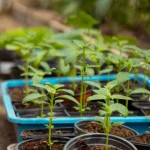
3. Keep cool and moist at about 15–18°C (60–65°F). Keep the surface evenly damp, never waterlogged. Seedlings appear in 14–21 days.
4. Pinch the tips when seedlings reach about 5 cm (2 in) tall. Pinch the side shoots again to build a bushy plant. This gives many more flowers.
5. Harden off and plant out after frost, in sun or part shade. Space plants about 15–20 cm apart. For another cool-season basket flower, see our brachyscome seeds guide.
Baskets, edging & containers
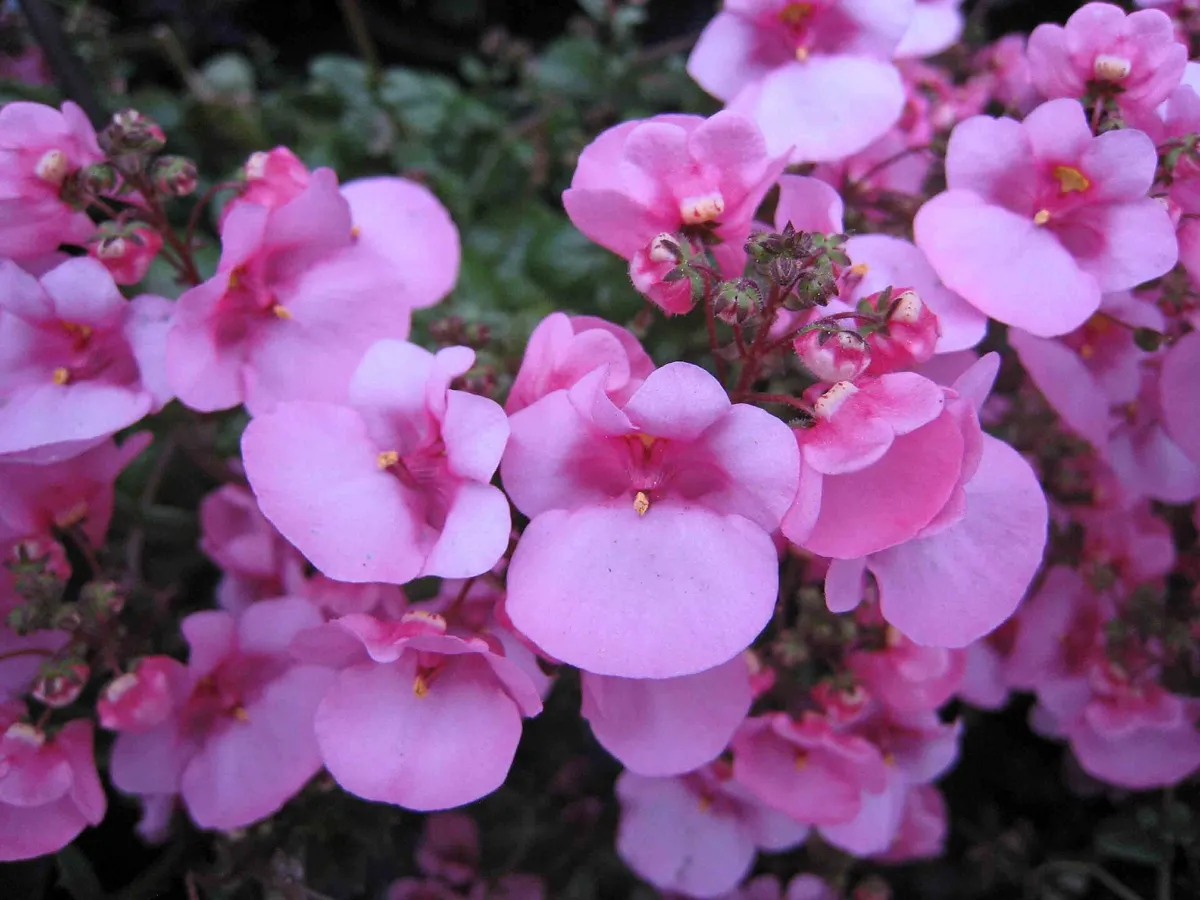
Twinspur is made for baskets and pots. Its soft trailing stems spill over the edge. A single basket can flower for weeks.
Use it along the front of a border as neat edging. It also suits window boxes and balcony rails. Group several pots for a fuller show.
Mix it with bacopa, nemesia, and trailing lobelia. These cool-season partners share the same care. Together they make a classic spring basket.
For more container ideas, explore our wishbone flower seeds and lobelia seeds guides.
Light, soil, watering & feeding
Give diascia full sun in cool climates for the most flowers. In hot areas, light afternoon shade helps. Avoid deep shade, which reduces blooming.
The soil should be moist, fertile, and well-drained. Add compost to beds before planting. In pots, use a good free-draining potting mix.
Keep the soil reliably moist but never soggy. Containers dry out fast and need regular watering. Established plants tolerate short dry spells.
Feed lightly through the growing season for more flowers. Shear the plants back after the first flush. This neatens them and encourages a fresh bloom.
Common pests & problems
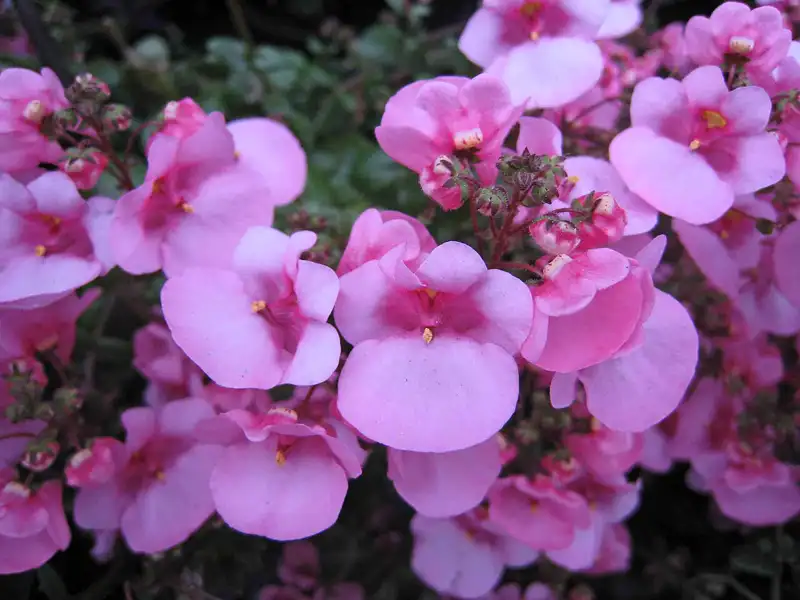
Diascia is mostly trouble-free, but a few issues can appear. Good drainage prevents most of them.
Slugs and snails are the main pests, especially on young plants. Check after rain and remove them by hand. Use barriers around precious pots.
Crown rot and root rot follow wet, waterlogged soil. Always use free-draining soil and pots with drainage holes. Let the surface dry slightly between waterings.
Poor flowering usually means too much heat or shade. Move pots to a cooler, brighter spot in summer. A trim often brings the flowers back in autumn.
Self-seeding & saving seed
Diascia may self-seed gently in mild, frost-free climates. A few volunteer seedlings can appear the next season. They are easy to lift and move where you want them.
To save seed, leave some flowers to fade and form small capsules. Let the capsules dry on the plant until brown. Then collect the fine seed carefully.
Store the seed cool, dark, and dry in a labelled envelope. The tiny seeds keep well for a couple of years. Sow them the following spring for fresh plants.
Growing diascia in India
Diascia suits the Indian cool season well. It is a winter and early-spring flower for the plains. Hill stations can grow it for a longer window.
Sow seed in the cool months when nights are mild. The plant struggles in the intense heat of the plains summer. So treat it as a seasonal cool-weather annual.
It is ideal for balcony baskets and terrace pots in winter. The trailing habit softens railings and pot edges. A shaded balcony keeps it cooler in warm spells.
Give plants good drainage and steady moisture. Protect pots from harsh midday sun as the season warms. Source seed from Amazon.in and Indian sellers below.
Where to buy diascia seeds
Diascia seeds are sold by many flower-seed companies. Look for D. barberae strains and warm-toned mixes. Buy fresh seed for the best germination.
For reliable results, choose a fresh-dated packet of a named strain. Apricot and coral mixes are popular for baskets. Compare options before you buy.
Building a cool-season basket display? Explore our guides to nicotiana seeds and balsam seeds, or read our wider diascia growing tips for more on this easy cool-weather annual.
Frequently asked questions
How long do diascia seeds take to germinate?
They usually sprout in 14–21 days. Keep them cool at 15–18°C (60–65°F) and surface-sow them. The seeds need light, so do not cover them.
Is diascia an annual or a perennial?
It is grown as a cool-season annual in most gardens. In mild, frost-free zones it can act as a short-lived perennial. Frost will kill plants in cold areas.
Why has my diascia stopped flowering?
Hot summer weather usually pauses the blooms. Shear the plant back and keep it cool and moist. It often reblooms when cooler autumn weather returns.
Can I grow diascia in India?
Yes, grow it as a cool-season annual. Sow in winter and early spring on the plains. Hill stations enjoy a longer growing window.
Should diascia seeds be covered with soil?
No. Press them gently onto the surface of moist compost and leave them uncovered, because they need light to germinate. A clear lid or plastic cover keeps the surface from drying out.
When should I sow diascia seeds?
Start them indoors roughly eight to ten weeks before your last frost date. That gives young plants time to bulk up before they go outside in spring.
What temperature suits diascia germination?
Keep the compost around 15 to 18 °C (60 to 65 °F). Seedlings usually appear in about two weeks at that range.
How much sun does diascia need?
Full sun gives the heaviest flowering in cool climates. Where summers are hot, a spot with morning sun and afternoon shade keeps the plants going much longer.
How should I water and feed diascia?
Keep the soil evenly moist but never waterlogged, and give a balanced liquid feed roughly every six weeks during the growing season. Containers dry out fast and need checking daily in warm weather.
Do I need to pinch diascia plants?
Pinching out the growing tips on young plants encourages branching and a bushier, better-covered plant. Do it once the seedlings have several sets of leaves.
How far apart should diascia be planted?
Space them about 20 to 30 cm (8 to 12 inches) apart in beds so the trailing stems knit together. In hanging baskets or window boxes you can plant a little closer.
Sources and further reading
Still stuck? Ask the Plant Doctor
Describe the problem — yellow leaves, holes, no flowers — and get a clear answer in seconds. FreeAI can make mistakes. Answers are guidance, not a guarantee — check anything important against the guide it links to, and always read the label on any product before you use it.