Moldavian Dragonhead Seeds
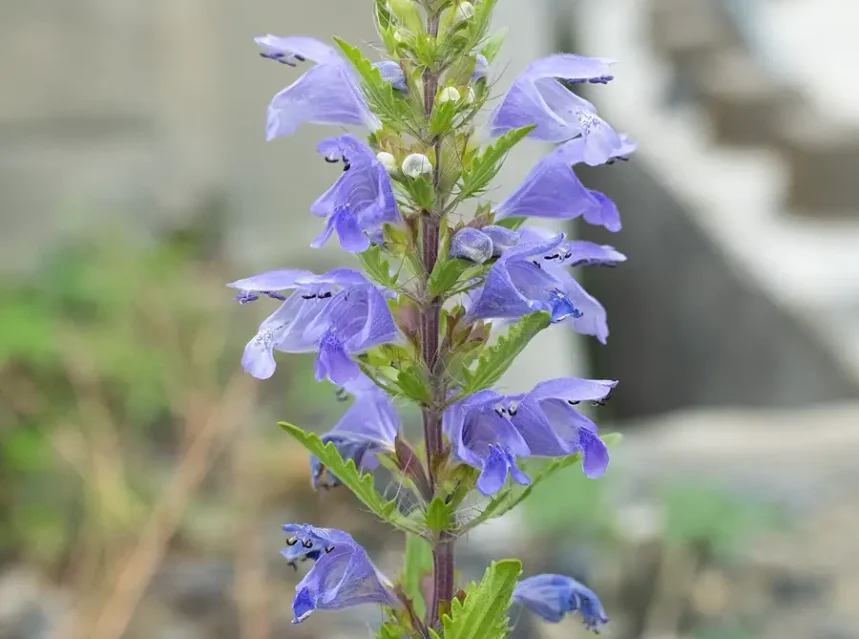
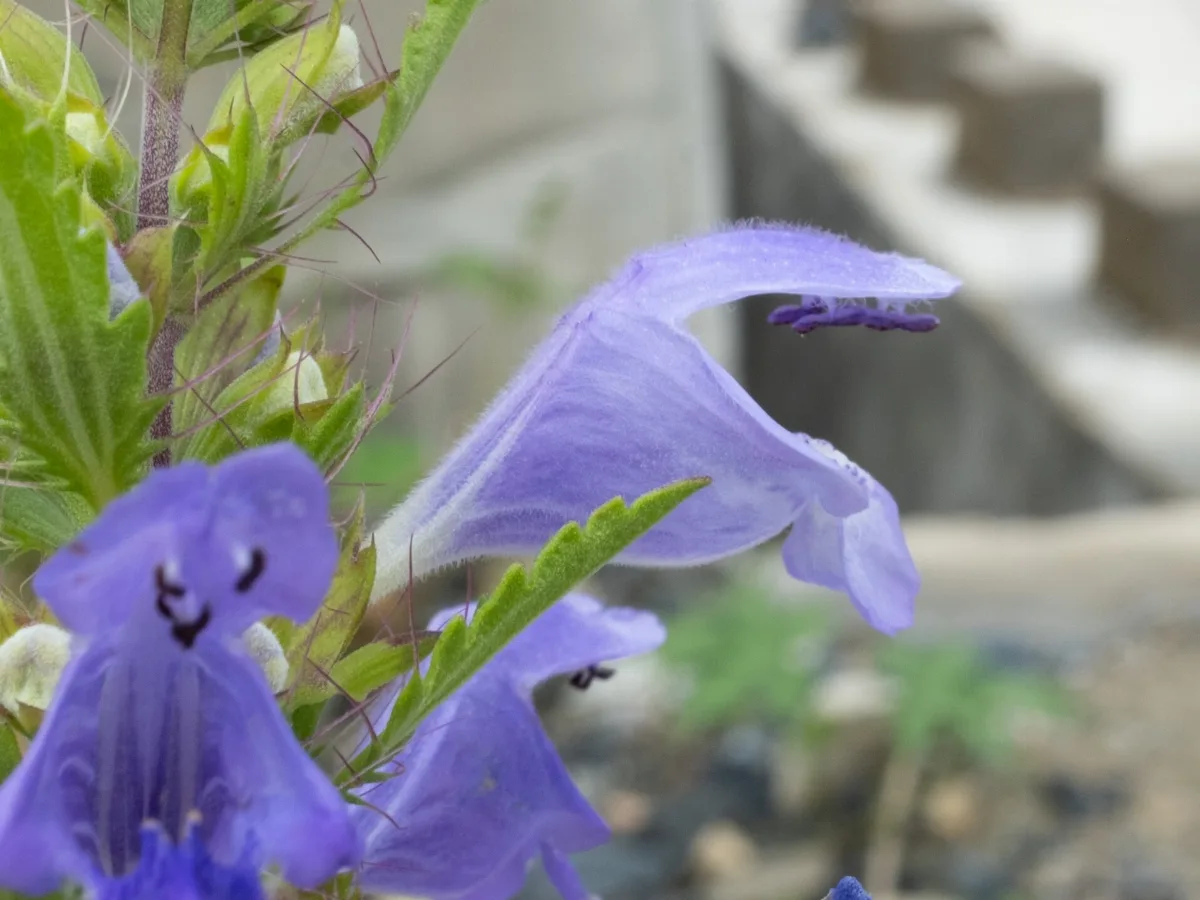
Moldavian dragonhead seeds grow into one of the easiest, most bee-friendly annuals you can sow. Plant Moldavian dragonhead seeds and you get Dracocephalum moldavica, a fast lemon-scented annual with whorls of blue-violet flowers all summer. Bees swarm it, the foliage smells of fresh citrus, and it flowers the same year from a simple direct sowing. This guide covers sowing, care and honest notes for gardens worldwide.
This article is for ornamental gardening only. It makes no medicinal, herbal, or edible claims of any kind. Any historical uses are noted as folklore, not advice.
🧰 In a hurry? Jump straight to our tested picks for this guide ↓
Quick start
- Plant type: fast, easy, fragrant hardy annual.
- Family: Lamiaceae (the mint family).
- Height: 20–60 cm (8–24 in).
- Bloom time: early summer to early autumn.
- Flower colour: blue-violet, sometimes white.
- Scent: lemon / citrus aromatic foliage.
- Light: full sun.
- Soil: fertile, free-draining, evenly moist.
- Seed tip: surface-sow; needs light; up in 1–2 weeks.
- Best for: bee borders, cottage gardens, cut flowers.
Authority sources: Wikipedia — Dracocephalum moldavica.
Moldavian dragonhead seeds at a glance
| Feature | Detail |
|---|---|
| Botanical name | Dracocephalum moldavica |
| Family | Lamiaceae (mint family) |
| Common names | Moldavian dragonhead, Moldavian balm, Turkish dragonhead |
| Native range | Central and temperate Asia, eastern Europe |
| Life cycle | Hardy annual |
| Mature size | 20–60 cm tall |
| Flower season | June to September |
| Flower colour | Blue-violet, occasionally white |
| Foliage | Strongly lemon-scented |
| Germination | Surface sow; 1–2 weeks at 15–20°C |
| Wildlife value | Outstanding bee and pollinator plant |
Why grow Moldavian dragonhead?
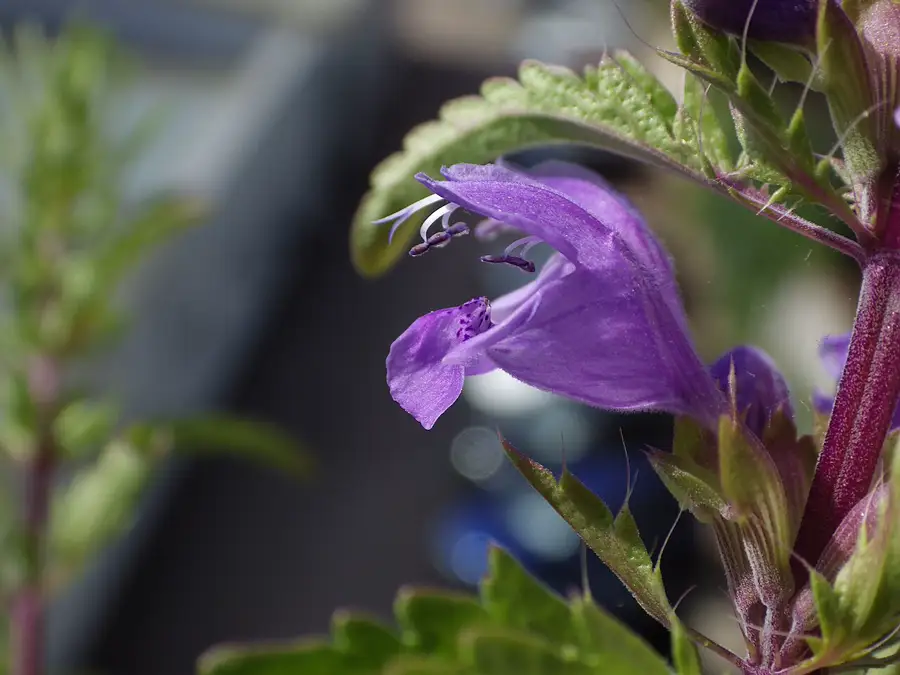
This is a plant that gives a lot for very little effort. It is fast, easy and forgiving from seed. Sow it in spring and it flowers the same summer.
The flowers are a magnet for bees. In fact, growers rate it even higher than phacelia as a nectar plant. If you want a humming, buzzing border, few annuals do it better.
Then there is the scent. Brush the leaves and they release a fresh lemon aroma. So you get colour, fragrance and wildlife from one cheap packet of seed.
A top bee and pollinator plant
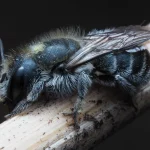
Moldavian dragonhead is famous among beekeepers. It is a melliferous plant, which means it produces plenty of nectar for honeybees.
Bumblebees and solitary bees work it just as hard. Butterflies and hoverflies visit too. The whorls of tubular blue flowers are perfectly shaped for them.
It blooms for months, from June into September. That long season makes it a reliable food source through summer. Pair it with our phacelia seeds and cerinthe seeds for a full bee buffet.
The lemon-scented foliage
The scent is the second reason gardeners love this plant. Crush a leaf and you get a clean, refreshing citrus smell.
It is so close to lemon balm that the two are often confused. The leaves and flowers both carry the aroma. On a warm day, a patch of it perfumes the air.
In its native Central Asia, the dried leaves have a long aromatic and tea heritage. We note that purely as history. This guide treats the plant as an ornamental only and makes no edible or health claims.
An easy, fast annual from seed
Few flowering annuals are simpler. There is no fiddly cold treatment and no long wait.
You sow, you wait a couple of weeks, and seedlings appear. By midsummer you have flowers. At the end of the year it sets seed and often sows itself for next season.
That speed makes it perfect for beginners, children and quick gap-filling. It is also a lovely cut flower, fresh or dried.
Best season and when to sow
Timing is simple. You have two easy options.
- Indoor start: sow in pots about 6–8 weeks before your last frost. This gives earlier flowers.
- Direct sowing: sow outdoors from mid-spring, once frost has passed and the soil has warmed.
In mild areas you can also sow into early summer for a later show. Because it is fast, even a June sowing still flowers the same year.
Germination: the seed-starting secret
The one key trick is light. These seeds are light germinators, so do not bury them.
Sprinkle the seeds on the surface and press them in gently. Cover with only the thinnest dusting of soil, or none at all. Keep the surface moist but not soggy.
At 15–20°C they sprout in about one to two weeks. Germination can be a little uneven, so be patient. Bright light and steady moisture give the best, most even results.
How to plant Moldavian dragonhead step by step
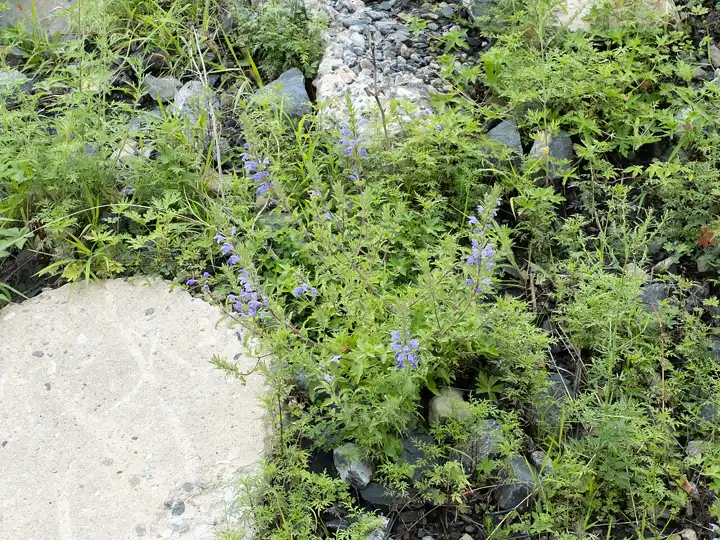
- Choose a sunny, open spot with fertile, free-draining soil.
- Rake the surface to a fine, crumbly texture.
- Surface-sow the seeds and press them in lightly — barely cover.
- Keep the soil consistently moist until seedlings appear.
- Thin or space young plants 30–40 cm (12–16 in) apart.
- Water through dry spells while the plants establish.
- Pinch young tips once to encourage bushy, branching growth.
- Deadhead spent flowers to extend the blooming season.
Sun, soil, watering and feeding
Give Moldavian dragonhead full sun. It rewards you with the most flowers and the strongest scent in bright light.
Soil should be fertile, humus-rich and free-draining. It likes even moisture but hates waterlogged ground. Water during dry weather, especially while plants are young.
Feeding needs are low. Rich soil or a light feed is plenty. Too much feed makes soft, floppy growth, so keep it modest. Deadheading does more for the display than any fertiliser.
Common pests and diseases
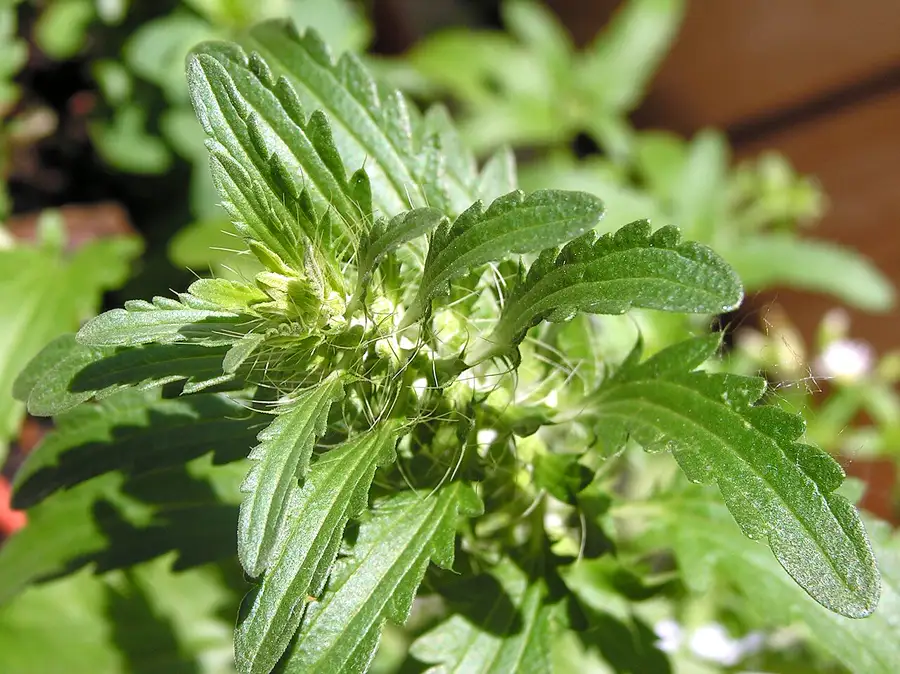
This is a tough, trouble-free annual. Most gardeners report very few problems with it.
Helpfully, it tends to resist slugs and snails, which leave many other seedlings ragged. Aphids may gather on soft tips, but a strong spray of water or a few ladybirds soon fix that.
In crowded, dry or stressed plantings, powdery mildew can appear. To fix and prevent it, give plants room, grow in sun and water at the base. Good airflow keeps the foliage clean.
Common problems and quick fixes
- Leggy, floppy plants: too little sun or too much feed. Grow in full sun and pinch young tips.
- Patchy germination: seeds buried too deep or dried out. Surface-sow and keep moist.
- Seedlings collapse (damping-off): overwatering. Sow thinly and ease back on water.
- Short flowering: spent heads left on. Deadhead regularly to keep blooms coming.
- Plants vanish after one year: normal — it is an annual. Let it self-seed or resow.
Moldavian dragonhead vs other blue mint-family flowers
Several blue, lipped, aromatic flowers look similar. Here is how to tell this annual from its relatives.
| Plant | Botanical name | How to tell it apart |
|---|---|---|
| Moldavian dragonhead | Dracocephalum moldavica | Lemon-scented annual, blue whorled lipped flowers |
| Northern dragonhead | Dracocephalum ruyschiana | A perennial cousin, narrower leaves |
| Obedient plant | Physostegia | Taller perennial, pink or white spikes |
| Anise hyssop | Agastache | Taller, anise-scented flower spikes |
| Catmint | Nepeta | Sprawling, grey-green, minty |
| Lemon balm | Melissa officinalis | Leafy perennial, tiny flowers, lemon scent |
A note on the name and history
The name dragonhead comes from the flower shape. The open, lipped bloom is said to look like a tiny dragon’s mouth. “Moldavian” points to its old range in eastern Europe.
In Central Asia it has a long aromatic and tea tradition. We mention this only as cultural background. Grow it for the bees, the blue flowers and the citrus scent, not for any claimed use.
Design ideas for Moldavian dragonhead seeds
This easy annual slots into many planting styles. A few proven uses:
- Bee and pollinator borders: a star nectar plant for wildlife gardens.
- Cottage gardens: informal blue spires among other annuals.
- Cut and dried flowers: long-lasting and fragrant in a vase.
- Aromatic edges: plant by a path so you brush the scent.
- Containers: a fragrant filler for sunny pots.
- Blue combos: pair with calendula, cosmos and cornflowers.
Buy Moldavian dragonhead seeds
Growing Moldavian dragonhead in India: an honest take
Let us be honest about India. Moldavian dragonhead is a Central Asian annual and stays niche here. Seed is mostly specialist or imported.
The good news is that it is easy from seed and fast. In cooler temperate and hill gardens it should grow well. On the plains, sow it in the cool season rather than the hot, wet monsoon.
Give it full sun and free-draining soil, and direct sow after the worst heat. On wildlife, expect plenty of bees and butterflies. There are no hummingbirds here — they live only in the Americas. For an easy Indian bee-plant alternative, try our cosmos seeds or calendula seeds.
Companion plants and related guides
Moldavian dragonhead pairs well with other fragrant, blue and pollinator-friendly annuals. Explore these guides to plan the perfect bee border:
- Phacelia seeds — the classic bee-forage annual
- Cerinthe seeds — blue honeywort for bees
- Agastache seeds — anise-scented nectar spikes
- Catmint seeds — long-blooming blue haze
- Bee balm seeds — aromatic pollinator favourite
- Salvia seeds — upright nectar-rich spires
- Obedient plant seeds — a tall mint-family cousin
- Echium seeds — superb blue bee plant
- Nigella seeds — easy cottage-garden blue
- Scabiosa seeds — pincushion nectar magnet
- Calendula seeds — cheerful easy annual
- Cosmos seeds — airy pollinator filler
Frequently asked questions
Is Moldavian dragonhead good for bees?
Yes, it is one of the best. It is a melliferous annual, valued by beekeepers as a rich nectar source. Some growers rate it even higher than phacelia. Honeybees, bumblebees, solitary bees, butterflies and hoverflies all visit its long-blooming blue flowers.
Why does Moldavian dragonhead smell of lemon?
Its foliage carries fragrant citrus oils, like its relative lemon balm. Crush or brush a leaf and you get a clean lemon scent. Both the leaves and flowers are aromatic, which is why a sunny patch perfumes the air on warm days.
Is Moldavian dragonhead easy to grow from seed?
Very. It is a fast hardy annual with no cold treatment needed. Surface-sow the seeds because they need light, keep them moist, and they sprout in one to two weeks at 15–20°C. It flowers the same summer and often self-seeds for next year.
Can I grow Moldavian dragonhead in India?
It is niche in India but easy from seed. As a cool-climate annual, it does best in temperate hill gardens, or sown in the cool season on the plains. Direct sow in full sun and free-draining soil. Expect bees and butterflies, but no hummingbirds — they live only in the Americas.
When should I sow Moldavian dragonhead seeds?
Sow direct once the soil has warmed and frost has passed, or start seed indoors 6 to 8 weeks earlier. It is a fast annual, so direct sowing works well in most gardens.
How deep do I sow the seed?
Very shallowly, about 0.5 cm (a quarter inch), or press it into the surface and firm it down. Keep the seedbed moist until the seedlings appear.
How long does it take to germinate?
Usually 10 to 14 days in warm, damp soil. Cold soil slows it down badly, which is the usual reason an early sowing looks like a failure.
How far apart should the plants be?
Thin or transplant to about 30 cm (12 inches) apart. Crowded plants stay thin and flop once they start flowering.
How tall does Moldavian dragonhead grow?
Most plants finish around 40 to 60 cm (16 to 24 inches) tall, with upright spikes of blue-violet flowers. It suits the middle of a border or a big container.
How do I harvest it for tea?
Cut the stems when the spikes are in full bloom, roughly three months after sowing, taking them 5 to 10 cm (2 to 4 inches) above the ground. Harvest in the morning once the dew has dried, then hang the bunches to dry in shade.
Will it come back next year?
Not from the same plant, since it is an annual that dies after seeding. It self-sows freely though, so leaving a few spikes to ripen often gives you volunteer seedlings the following season.
Sources and further reading
Still stuck? Ask the Plant Doctor
Describe the problem — yellow leaves, holes, no flowers — and get a clear answer in seconds. FreeAI can make mistakes. Answers are guidance, not a guarantee — check anything important against the guide it links to, and always read the label on any product before you use it.