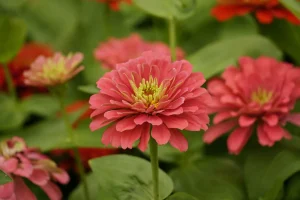
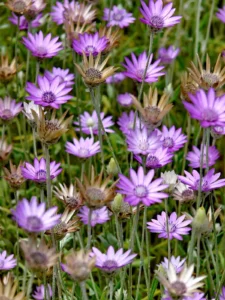
Salvia Seeds
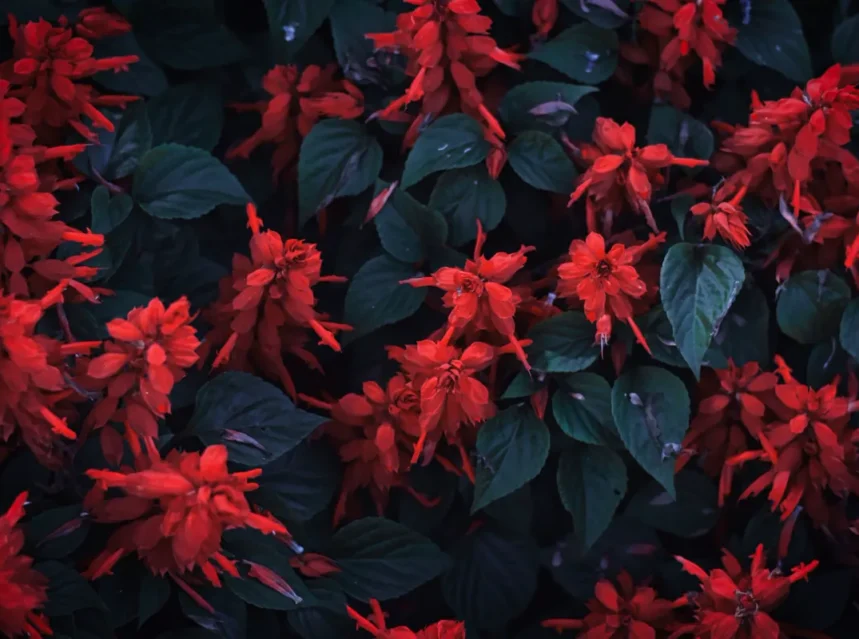
Salvia seeds grow into the ornamental sages — Salvia splendens (scarlet sage), S. farinacea (blue mealycup sage), and S. coccinea (tropical sage) — warm-season bedding plants topped with upright spikes of vivid red, blue, purple, or white. These flowering salvias are pollinator magnets and easy from seed, quite different from the culinary herb sage. Sowing seed lets you raise bold scarlet bedding, elegant blue cut flowers, and airy tropical types. This guide covers the best salvia seeds worldwide, exactly how to grow salvia from seed, when to sow, and where to buy quality seed.
Bold, pollinator-friendly, and easy. The scarlet sage botany page and the RHS guide to growing salvia cover sowing, timing, and care.
🧰 In a hurry? Jump straight to our tested picks for this guide ↓
Salvia seeds at a glance
| Feature | Detail |
|---|---|
| Botanical name | Salvia splendens / S. farinacea / S. coccinea (family Lamiaceae) |
| Sowing depth | Surface-sow; barely cover, needs light |
| Germination temperature | 21–24°C (70–75°F) |
| Days to germinate | 12–15 days |
| Season | Warm-season bedding annual; frost-tender |
| Days to bloom | 70–90 days, then into autumn |
| Best for | Bedding, borders, cut flowers, pollinators |
Why grow salvia from seed?
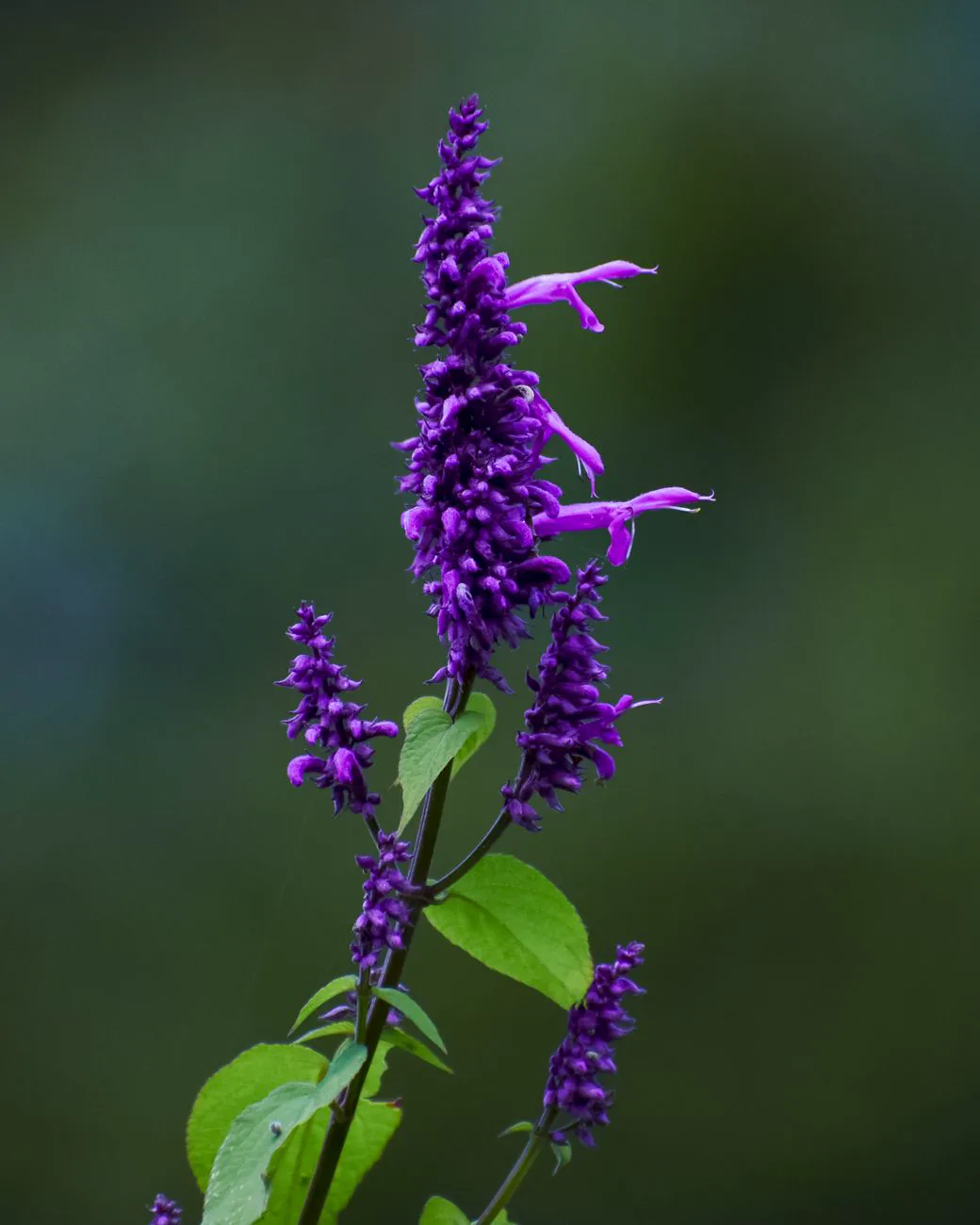
Ornamental salvias are bold, reliable, and beloved by pollinators. First, the upright flower spikes give strong vertical colour for months, from high summer into autumn. Second, seed is far cheaper than buying bedding plants, and one packet fills a border. Third, the blooms are a magnet for bees and butterflies, adding life to the garden.
Blue salvia also makes a lovely cut and dried flower. For the full growing routine, see our guide on how to grow salvia. These flowering salvias differ from the culinary herb sage. They pair in hot beds with celosia and zinnias, and many gardeners start them early, so see starting seeds indoors.
Ornamental salvia vs culinary sage
This is worth clarifying. The flowering salvias here are grown purely for their showy spikes of bloom, not for cooking. Scarlet sage (Salvia splendens), blue mealycup sage (S. farinacea), and tropical sage (S. coccinea) are ornamental bedding plants. The herb you cook with is common or garden sage (Salvia officinalis), grown for its grey-green flavourful leaves. All are in the same genus, Salvia, but choose ornamental types for colour and culinary sage for the kitchen.
This article is for general information only and is not medical advice. Talk to a qualified professional before using any plant medicinally.
History & origin of ornamental salvia
The showy bedding salvias come from the warm Americas. Scarlet sage is native to Brazil, growing in humid mountain country, while blue and tropical sages also hail from the Americas. Their vivid spikes made them favourites for public parks, malls, and gardens around the world, especially the brilliant red scarlet sage.
From the Americas they spread worldwide as easy bedding flowers. You can read more on the scarlet sage’s botany and history at Wikipedia. They thrive in warmth, and in India ornamental salvias are grown as bright bedding plants in the cool and mild seasons, drawing in sunbirds, bees, and butterflies.
Best salvia seed varieties to grow
Seed-grown ornamental salvias fall into three main species: scarlet bedding salvia, blue mealycup salvia, and airy tropical salvia. Choose by colour, height, and whether you want bedding, cut flowers, or a wildlife plant.
| Variety | Type | Best for | Region |
|---|---|---|---|
| Vista (S. splendens) | Scarlet bedding (dwarf) | Compact red/mixed bedding | global |
| Salsa (S. splendens) | Scarlet bedding | Bold colour range, uniform | global |
| St. John’s Fire | Scarlet (very dwarf) | Early, bright red, edging | global |
| Victoria Blue (S. farinacea) | Blue mealycup | Blue spikes, cut and dried | global |
| Strata (S. farinacea) | Blue/white mealycup | Bicolour, heat-tolerant | global |
| Lady in Red (S. coccinea) | Tropical (airy) | Wildlife, loose red spikes | global |
| Coral Nymph (S. coccinea) | Tropical (soft) | Coral-pink, cottage look | global |
For bold bedding colour, the dwarf scarlet types Vista, Salsa, and St. John’s Fire pack a punch. For elegant blue spikes that also cut and dry well, Victoria Blue is the classic choice. For a relaxed, wildlife-friendly look, the airy tropical salvias Lady in Red and Coral Nymph are lovely. Mix scarlet and blue for a striking contrast.
How to grow salvia from seed
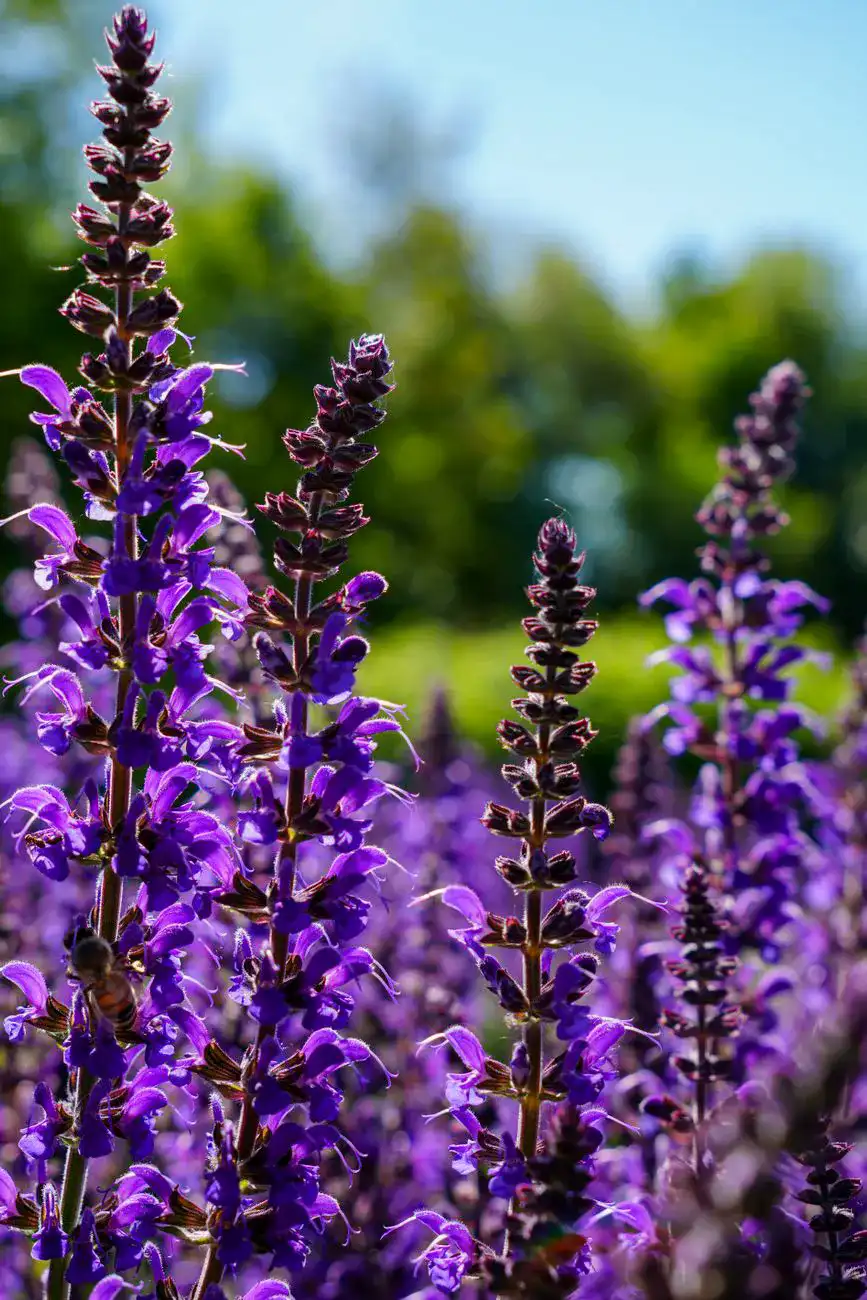
Ornamental salvia is easy from seed with a warm, early start.
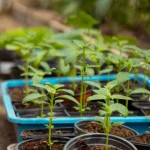
- Surface-sow for light. Press the seeds onto moist compost and barely cover them, as they need light to germinate.
- Start early and warm. Sow indoors 8–10 weeks before planting out at 21–24°C, as salvia is frost-tender.
- Plant after frost. Move plants to full sun and well-drained soil once all frost has passed, spacing them 20–30 cm apart.
- Pinch for bushiness. Pinch young plants to encourage more flowering spikes.
- Deadhead for more. Remove faded spikes to keep new blooms coming through summer and autumn.
Salvias love warmth and full sun, flowering for months once established. Blue mealycup salvia is especially heat- and drought-tolerant. In India, grow ornamental salvias in the cool and mild seasons for a long, bright bedding display.
Best season & when to sow
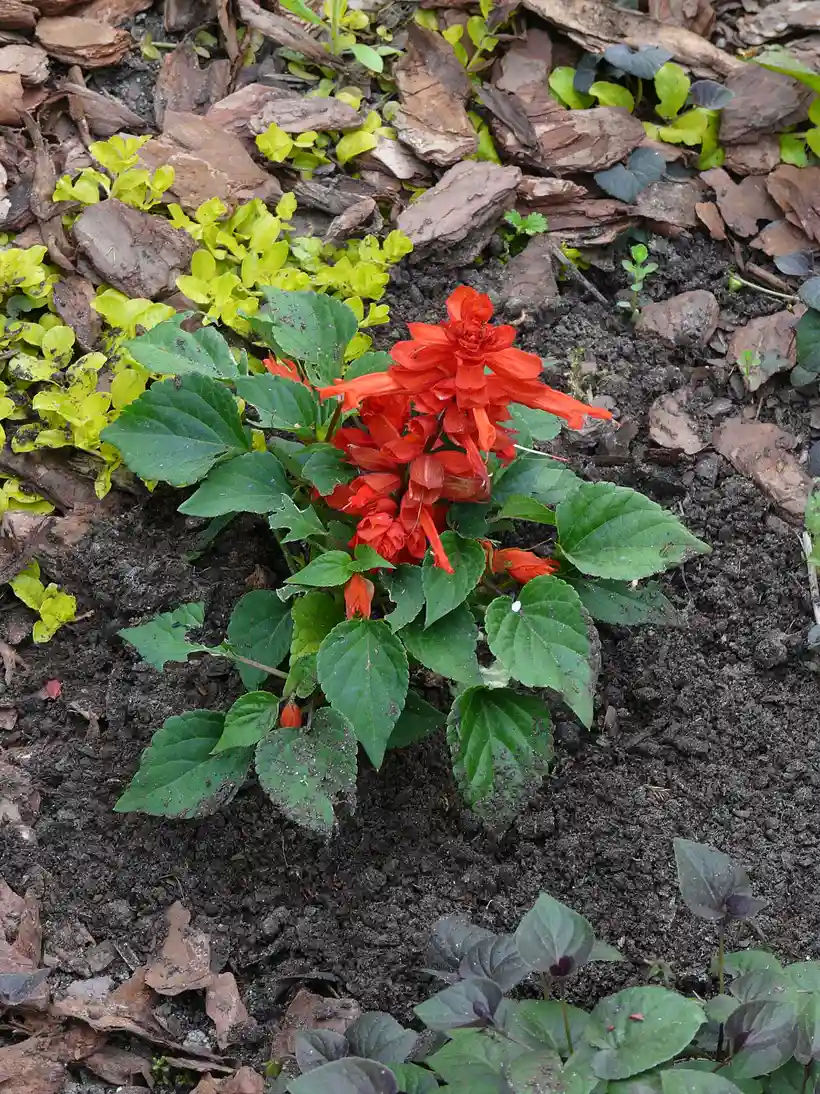
Ornamental salvias are warm-season plants, so sow them with warmth in mind. In cool and temperate areas, start seed indoors 8–10 weeks before the last frost, then plant out once the weather is reliably warm, for bloom from summer into autumn. In hot climates and across much of India, sow so the plants flower through the milder cool season, when the display lasts longest and the colours stay vivid. They are frost-tender, so never plant them out while cold lingers. Blue mealycup salvia in particular shrugs off heat, making it a dependable choice for warm regions.
Soil, watering & feeding
Salvias like full sun and fertile, well-drained soil. Good drainage is important, as soggy soil causes root problems. Water young plants while they establish, then water moderately, as the blue and tropical types tolerate some drought. A light feed supports steady flowering, but avoid overfeeding, which gives leaves over blooms.
Full sun gives the strongest stems, most compact plants, and best flowering. Deadheading keeps the show going. Salvias mix beautifully in hot, sunny beds with celosia and marigolds, the upright spikes contrasting with rounder blooms.
Common pests & diseases
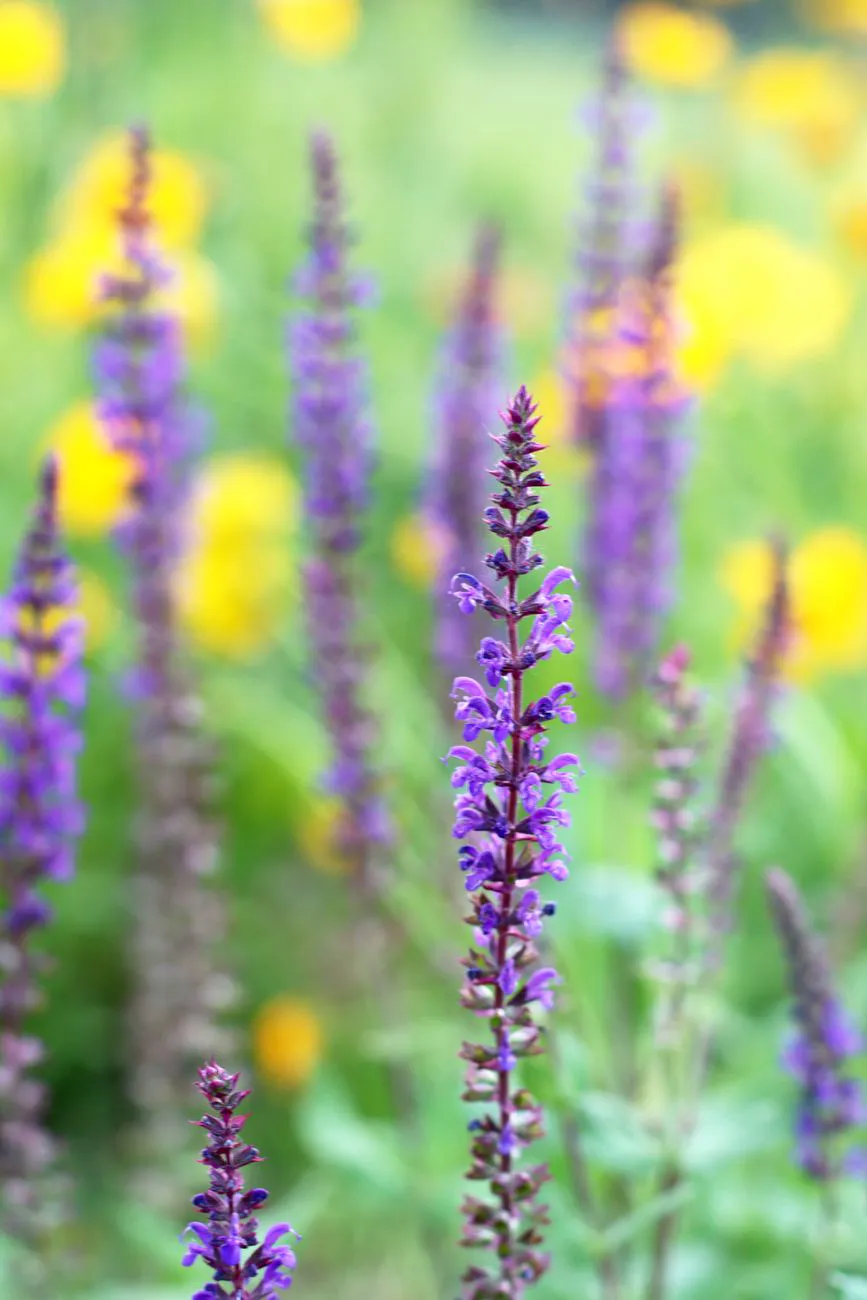
Salvias are fairly tough but a few pests appear. The main ones are aphids, whitefly, and spider mites, especially on stressed or indoor plants, so check and treat early. The main diseases are powdery mildew in crowded, humid conditions and root rot in wet, poorly drained soil, so space plants for airflow and ensure good drainage. Their aromatic foliage deters many browsing pests. Healthy plants in sun and free-draining soil rarely suffer.
Blooming & pollinators
Salvias bloom 70–90 days from sowing and flower for months, well into autumn, especially if deadheaded. The tubular flowers are superb for pollinators: bees and butterflies work them eagerly, and in the Americas hummingbirds love them, while in India sunbirds and bees take their place. Blue mealycup salvia is also an excellent cut and dried flower, holding its colour well. Keep removing faded spikes and feeding lightly for the longest, liveliest display.
Saving your own salvia seeds
Saving salvia seed is easy from open-pollinated types. Let some flower spikes fade and form the small seeds in the dried calyces, then shake or rub them out over a bowl. Dry the seeds and store in a labelled envelope somewhere cool and dark. Note that F1 hybrid bedding salvias may not come true from saved seed, while species types like tropical sage often self-seed and come fairly true. Our full guide to saving seeds covers the method.
Common problems from seed
The most common issue is poor germination from cold or buried seed, so surface-sow for light and keep the tray warm. Leggy seedlings need brighter light. Few flowers and lush leaves mean too much feeding or shade, so grow lean and sunny. Frost-damaged plants were set out too early, as salvia is tender. Powdery mildew follows crowding, so space plants. Use fresh seed and warmth for the best results.
Where to buy salvia seeds
Choose a dwarf scarlet type like Vista or Salsa for bold bedding, Victoria Blue for elegant blue cut flowers, or a tropical type like Lady in Red for a wildlife garden. Buy fresh seed for good germination. Seed houses everywhere carry scarlet, blue, and tropical salvias, and in India ornamental salvia seed is sold for cool-season bedding. Use the links below to compare trusted sources.
Frequently asked questions
How long do salvia seeds take to germinate?
Ornamental salvia seeds germinate in 12–15 days at 21–24°C. Surface-sow them and barely cover, as they need light, and start them early indoors in cool regions since they are frost-tender.
Is ornamental salvia the same as culinary sage?
No. Flowering salvias like scarlet sage and blue mealycup sage are grown for their colourful spikes, not cooking. Culinary sage (Salvia officinalis) is the grey-leaved herb used in the kitchen. Both are in the genus Salvia.
Do salvias attract pollinators?
Yes, strongly. The tubular flowers draw bees and butterflies, and in the Americas hummingbirds, while in India sunbirds and bees visit them. Salvia is one of the best bedding flowers for a lively, pollinator-friendly garden.
What is the difference between scarlet sage and tropical sage?
Scarlet sage (Salvia splendens) has dense, upright spikes of large tubular flowers in a solid colour range from red to purple and white. Tropical sage (S. coccinea) is looser and airier, with smaller, more open red or coral-pink flowers that suit a relaxed, wildlife-style planting rather than formal bedding.
Do ornamental salvias self-seed and come true from saved seed?
It depends on the type. F1 hybrid bedding salvias, common in Vista and Salsa strains, rarely come true from saved seed. Species types like tropical sage self-seed readily and usually come fairly true, so a patch often renews itself in the garden without resowing.
Are ornamental salvias deer resistant?
They are usually listed among the more deer-resistant bedding annuals, thanks to their aromatic, slightly bitter foliage. That said, no plant is completely deer-proof, and hungry deer in a hard season will still sample salvia if little else is available nearby.
Which salvia colour attracts the most hummingbirds?
Scarlet sage’s red, tubular flowers are the strongest hummingbird draw, since hummingbirds are especially responsive to red, trumpet-shaped blooms with plenty of nectar. Blue mealycup sage and tropical sage also bring in hummingbirds in the Americas, just usually in smaller numbers than the scarlet types.
Do salvia seeds need light to germinate, like painted sage?
Yes. Scarlet sage, blue mealycup sage, and tropical sage all germinate best when the seed is surface-sown and barely covered, since light helps trigger sprouting. Bury the seed too deep and germination becomes slow and patchy.
How tall do ornamental salvias grow?
Height varies a lot by type. Dwarf bedding strains like Vista stay compact at roughly 20-25 cm, while some scarlet sage cultivars such as ‘Van Houttei’ reach 1-1.3 m. Blue mealycup and tropical sages generally fall in between, around 45-90 cm.
Where does scarlet sage originate, and what does that mean for how it's grown?
Scarlet sage is native to Brazil, growing wild at 2,000-3,000 m elevation where it stays warm and humid year-round. That background explains why it thrives in summer heat and humidity in gardens worldwide, but cannot survive any real frost and must be grown as an annual outside the tropics.
Can you grow salvia in India?
Yes, as a cool-season bedding flower. Grow ornamental salvias in the cool and mild months in full sun and well-drained soil for bright, long-lasting spikes that draw in sunbirds, bees, and butterflies.
When should I sow salvia seed to get flowers the same summer?
Start indoors 8-10 weeks before your last frost. Salvias are not slow to germinate but they are slow to bulk up, and seed sown directly outside after the frosts usually flowers late and briefly. If you have missed that window, buy plugs rather than sowing — a late-sown seedling rarely catches up in one season.
Still stuck? Ask the Plant Doctor
Describe the problem — yellow leaves, holes, no flowers — and get a clear answer in seconds. FreeAI can make mistakes. Answers are guidance, not a guarantee — check anything important against the guide it links to, and always read the label on any product before you use it.