Hutchinsia Chamois Cress Seeds
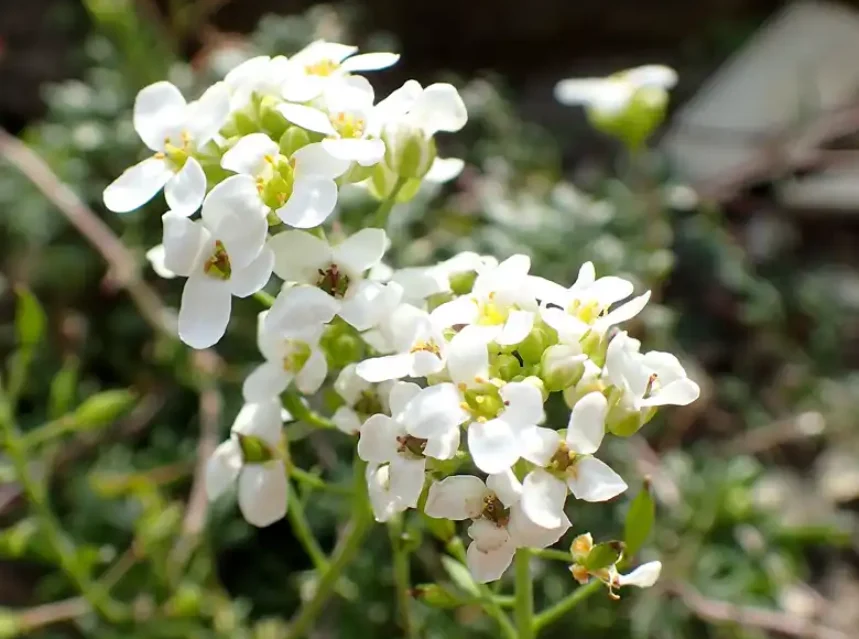
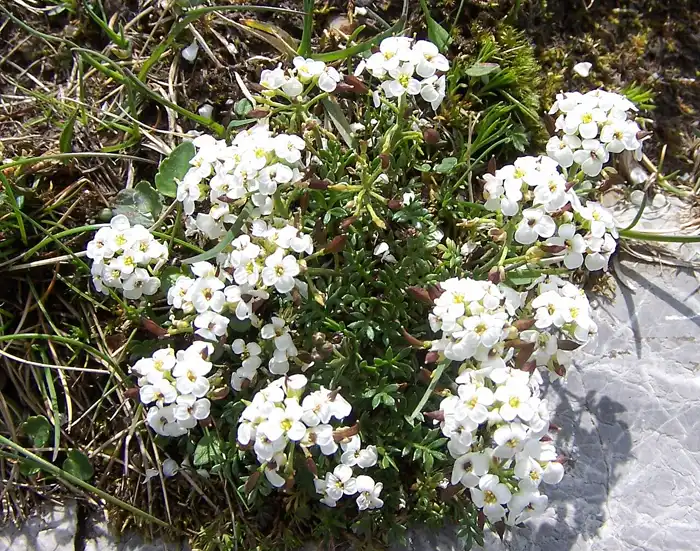
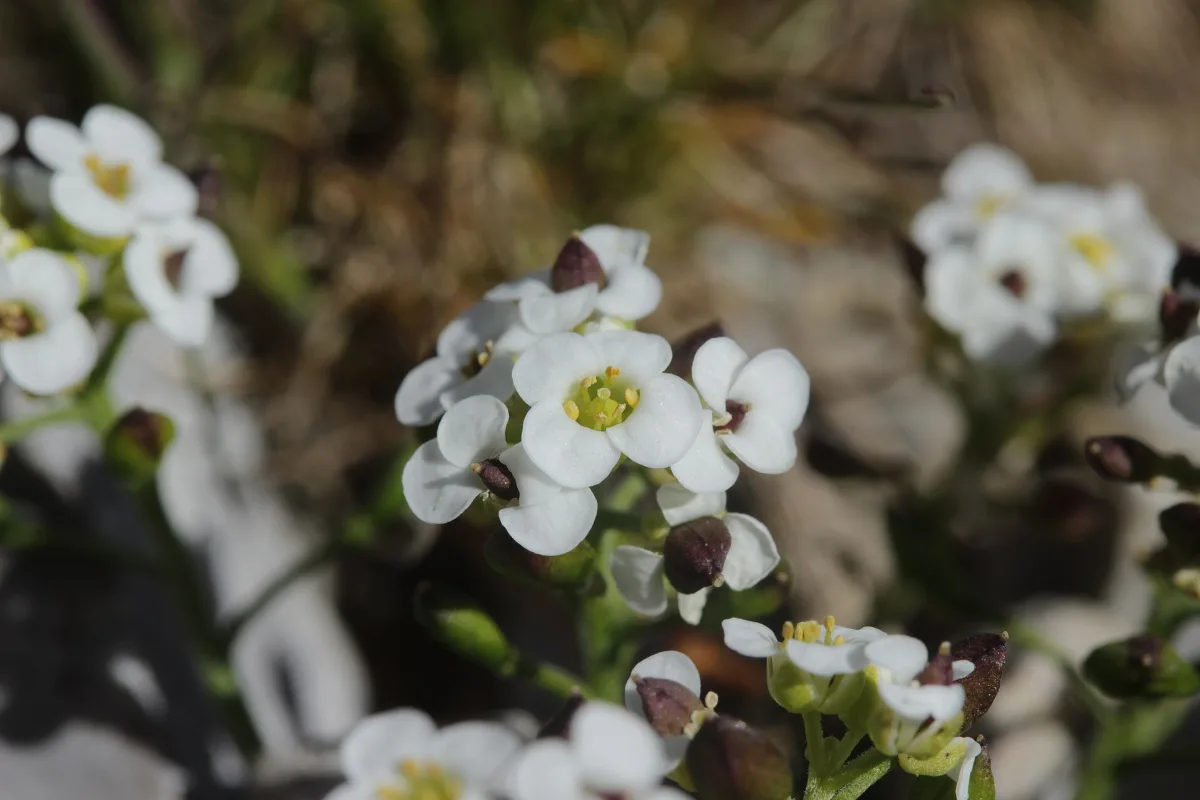
Hutchinsia chamois cress seeds grow into one of the easiest and prettiest white carpeting alpines. Hutchinsia chamois cress seeds make a neat cushion of ferny green leaves. In spring, sheets of tiny white flowers cover the mat. Each bloom is a small four-petalled cross, typical of the cress family.
Hutchinsia alpina is a tiny mountain plant from the European Alps. Botanists now also call it Pritzelago or Hornungia alpina. Gardeners love it for rock gardens, troughs and crevices. This guide covers sowing, care, design and honest India notes.
This is an ornamental growing guide only. It makes no medicinal, herbal, or edible claims of any kind. Old plant names are shared as history, not as advice.
🧰 In a hurry? Jump straight to our tested picks for this guide ↓
Quick start
- Plant type: tiny, mat or cushion-forming hardy evergreen alpine (Hutchinsia alpina, Brassicaceae).
- Height: very low, roughly 5-15 cm tall.
- Flowers: sheets of tiny pure-white four-petal flowers.
- Bloom time: spring into early summer.
- Foliage: neat, ferny, dark-green carpet.
- Sow: autumn or late winter, with a cold spell.
- Germination: can be quick or slow and erratic.
- Sun: full sun in cool areas, part shade where it is warm.
- Soil: gritty, sharp-draining but not bone dry.
- Key rule: good drainage with steady light moisture.
Authority sources: Wikipedia: Pritzelago (Hutchinsia) alpina · Gardeners HQ: Hutchinsia growing guide · Plant World Seeds: Hutchinsia alpina
Hutchinsia chamois cress at a glance
| Feature | Detail |
|---|---|
| Botanical name | Hutchinsia alpina (syn. Pritzelago / Hornungia alpina) |
| Common names | Chamois cress, alpine pennycress, alpine hutchinsia |
| Family | Brassicaceae (cabbage / cress family) |
| Native range | Mountains of southern and central Europe (Alps, Pyrenees) |
| Type | Tiny mat or cushion-forming evergreen alpine |
| Height | 5-15 cm |
| Flower colour | Pure white, four petals |
| Bloom time | Spring into early summer |
| Sunlight | Full sun (cool areas) to part shade (warm areas) |
| Soil | Gritty, sharp-draining, lightly moist |
| Best uses | Rock gardens, troughs, crevices, paving |
Why grow chamois cress?
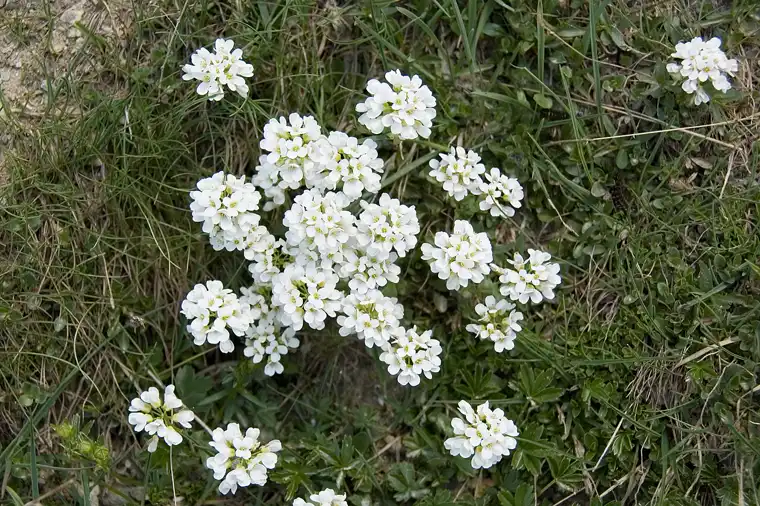
The first reason is the carpet of white. The plant covers itself in tiny flowers in spring. Few alpines look so clean and fresh.
The second reason is how easy it is. This is one of the simplest white alpines to grow. It suits beginners and seasoned rock gardeners alike.
It also has a useful trick. Unlike many alpines, it takes some shade. That makes it handy for cooler, part-shaded corners.
Finally, it is a great filler. The ferny mat quickly knits over bare gaps. It softens hard stone and paving beautifully.
The name and heritage of hutchinsia alpina
This little plant has worn several names. Gardeners still call it Hutchinsia alpina. Botanists have also placed it in Pritzelago and Hornungia.
The common names are descriptive. “Chamois cress” links it to high alpine slopes. “Alpine pennycress” reflects its cress-family roots.
Its family tells you a lot. It belongs to the Brassicaceae, the cabbage and cress clan. That is why the flowers have four petals in a cross.
A neat evergreen white carpet
This is the trait gardeners prize most. The plant forms a tidy ferny cushion. The foliage stays neat and green through the year.
In spring the show begins. Dense little heads of white flowers cover the mat. The effect is a clean white sheet over green.
It is also reliable. This is one of the easiest white carpeting alpines. It flowers freely without fuss.
An easy beginner alpine that takes part shade
Many alpines demand baking sun. Chamois cress is more relaxed. It tolerates cooler, part-shaded spots and damper scree.
That flexibility is a real bonus. You can use it where sun-lovers would sulk. North-facing crevices suit it well.
It is also forgiving for new growers. The plant settles quickly and spreads gently. This makes it a great first alpine.
A crucifer rock-garden gem
Chamois cress is a true member of the cress family. Its flowers show the classic four-petal cross. This sets it apart from daisy-style alpines.
That crucifer form has charm up close. The tiny white crosses cluster into neat heads. They reward a closer look in a trough.
It fits classic alpine settings perfectly. Troughs, crevices and north-facing scree all suit it. It pairs well with other choice alpines.
Best season and when to sow
You can sow chamois cress in autumn or late winter. A cold spell helps the seed wake up.
Autumn sowing is simple and natural. Sow into pots and leave them outside in a cold frame. Winter chill does the work for you.
Late-winter sowing also works well. Sow then chill the moist tray to break dormancy. Warmer spring weather brings the seedlings on.
How to plant hutchinsia chamois cress seeds step by step
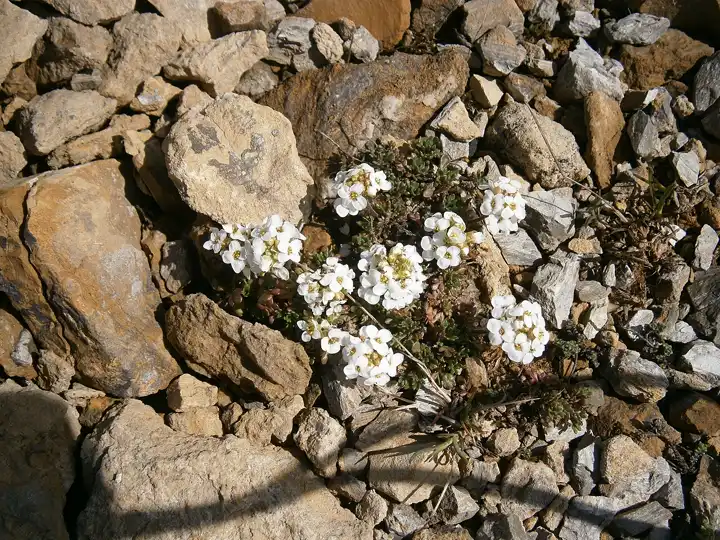
These seeds need grit, cool and patience. Follow these steps for a good strike.
- Use a gritty mix: fill pots with free-draining seed compost plus sharp grit.
- Surface-sow the seed: scatter thinly and cover only lightly, about the seed’s own depth, with fine grit.
- Give a cold spell: sow in autumn outdoors, or chill a moist tray in the fridge for about four weeks.
- Keep cool and just moist: set the tray in a cold frame or shady spot, never warm and dry.
- Be patient: some seeds sprout in two weeks, others take many months, so never bin the pot.
- Prick out gently: move seedlings to gritty pots when big enough to handle.
- Plant out: set them into scree or crevices, about 8-15 cm apart.
This alpine can be short-lived. Divide established mats in spring to keep your stock going.
Germination: cold, gritty and sometimes slow
Chamois cress seed germinates best after a chill. A cold-moist spell breaks its natural dormancy. Autumn-sown pots get this outdoors.
The timing varies a lot. Some seeds appear within two weeks. Others can take many weeks or months.
So patience pays off. Keep the tray cool, gritty and lightly moist. Never throw a pot away too soon.
Sun, soil, watering and feeding
Light needs depend on your climate. Give full sun in cool areas. In warm spots, offer light or part shade.
Soil must drain sharply. A gritty, sandy alpine mix is ideal. It even copes with poor, chalky ground.
Water is a balance. Unlike sun-baked alpines, it likes steady light moisture. Yet it still hates being waterlogged.
Feeding is barely needed. Lean soil keeps the plant compact and healthy. A thin gritty mulch helps keep the roots cool.
Common pests and diseases
Chamois cress has few real pests. Its main risk is wet soil. Good drainage prevents most trouble.
- Root and crown rot: the main danger, from waterlogged or boggy soil. Sharp drainage is the fix.
- Damping off: can hit crowded, wet seedlings. Sow thinly and keep them airy.
- Slugs and snails: may nibble the soft mat. Use barriers or traps around it.
- Aphids: a minor issue on new growth. A jet of water clears them.
Common problems and easy fixes
A few simple issues come up with this alpine. Most trace back to water or heat.
- Rotting patches: usually waterlogged soil. Add grit and improve drainage.
- Scorched, crispy mat: too much hot sun. Give light shade in warm climates.
- Plant fades after a few years: normal, as it is short-lived. Divide it or resow seed.
- Few flowers: often too much shade or rich soil. Brighten the spot and keep soil lean.
- Slow germination: expected for this plant. Give a cold spell and wait it out.
Chamois cress vs other rock cresses
Several alpine cresses look similar. This table sorts out the differences.
| Plant | How it differs |
|---|---|
| Chamois cress (Hutchinsia) | Tiny ferny evergreen mat; sheets of tiny white crosses; takes part shade. |
| Aubrieta (rock cress) | Trailing purple or mauve mat; bigger flowers; loves sun and walls. |
| Arabis (rock cress) | Larger spreading white or pink mat; coarser leaves. |
| Candytuft (Iberis) | Bigger white domed heads; woodier, taller plant. |
| Basket-of-gold (Aurinia) | Yellow crucifer mat; bright golden spring flowers. |
Design ideas with chamois cress
This neat carpeter fits many alpine spots. Here are the best ways to use it.
- Rock gardens and scree: its classic home, filling gaps with green.
- Troughs, sinks and pans: perfect for a tidy alpine container.
- Crevices and dry-stone walls: it knits into tight gaps.
- Between paving and stepping stones: a soft green carpet underfoot.
- North-facing or part-shade scree: where sun-lovers struggle.
- Alpine house and cold frame: ideal in wet climates.
Growing chamois cress in India: an honest view
Let me be honest about India. Chamois cress is a cold-hardy European mountain alpine. It is realistic only in cool hill gardens.
In Himachal, Uttarakhand, Kashmir and high Himalayan gardens, it can work. Grow it in scree beds, troughs or an alpine house. The cool mountain air suits it well.
On the plains, it is essentially impossible. Heat, humidity and monsoon wet will rot it. There is no easy fix for that.
Where you do try it, give sharp drainage and cool airflow. Offer part shade in warmer spots. For pollinators, expect bees and butterflies. There are no hummingbirds here, as they live only in the Americas.
Companion plants and related seeds to grow
Chamois cress shines in a mixed rockery. These related seed guides pair well with it.
- Aubrieta (rock cress) seeds — cascading purple mats for sunny walls.
- Candytuft (Iberis) seeds — bigger white domed heads for crevices.
- Aurinia basket-of-gold seeds — golden spring flowers for contrast.
- Sweet alyssum seeds — fragrant white carpets for the same edge.
- Aethionema stonecress seeds — pink alpine cushions for sharp grit.
- Armeria (sea thrift) seeds — pink pompoms for lean, sunny beds.
- Dianthus seeds — fragrant pinks for gritty soil.
- Cerastium snow-in-summer seeds — silver foliage and white stars.
- Erodium heron’s bill seeds — long-flowering cupped alpine flowers.
- Petrorhagia tunic flower seeds — an airy pink haze for the same bed.
- Lewisia (bitterroot) seeds — jewel-toned crevice alpines.
- Townsendia Easter daisy seeds — big stemless daisies on a cushion.
Frequently asked questions
What is hutchinsia or chamois cress?
It is a tiny alpine plant in the cress family. The botanical name is Hutchinsia alpina, also called Pritzelago alpina. It forms a low ferny mat of dark-green leaves. In spring it is covered in tiny white four-petal flowers. It comes from the mountains of southern and central Europe.
Are hutchinsia chamois cress seeds easy to grow?
Yes, this is one of the easier white alpines. Sow in a gritty mix and give the seed a cold spell. Germination may be quick or take many months, so be patient. It needs sharp drainage but steady light moisture. Full sun suits cool areas, with part shade in warm ones.
Does chamois cress prefer sun or shade?
It depends on your climate. In cool areas it enjoys full sun. In warmer spots it prefers light or part shade. It is more shade-tolerant than most alpines. That makes it useful for north-facing scree and crevices.
Can I grow chamois cress in India?
Only in cool hill gardens such as Himachal, Kashmir and the high Himalayas. Even there it is a specialist scree, trough or alpine-house plant. On the hot, humid plains it is essentially impossible. Give it sharp drainage, cool airflow and some shade. Expect bees and butterflies, but no hummingbirds, which live only in the Americas.
What USDA hardiness zone does chamois cress need?
Chamois cress is generally rated hardy in USDA zones 4 to 9, which covers most temperate and cool-summer gardens. Outside that range, in very hot or very mild-winter climates, it struggles more with heat and humidity than with cold.
How long does hutchinsia seed take to germinate at room temperature?
Sown warm, around 20°C, seed can take up to about three months to germinate, and cold-treated seed can be faster or much slower depending on conditions. This wide, unpredictable window is exactly why patience matters more than technique with this alpine.
Is chamois cress deer resistant?
It is not a plant deer specifically target, since its tiny, ferny leaves offer little to browse compared with lusher perennials nearby. That said, no alpine is completely deer-proof in a hungry season, so a barrier is still worth using in gardens with heavy deer pressure.
Does chamois cress have a fragrance?
The tiny white flowers carry a light, pleasant scent rather than a strong perfume, noticeable mainly if you get close to the mat in spring. It is subtle enough that most gardeners grow it for the visual carpet of white rather than the fragrance.
How do you take cuttings of chamois cress?
Take small, non-flowering shoots in spring or early summer and root them in a gritty, free-draining cutting mix kept just moist. This is a useful backup to division and seed, especially for keeping a named form true once an established mat starts to fade.
How do you collect hutchinsia seed?
Let a few flower heads finish and dry on the plant rather than deadheading everything, then watch for the small seed pods to turn papery and split. Collect them on a dry day, shake out the fine seed, and store it cool and dry until you sow in autumn or late winter.
Is chamois cress evergreen in winter?
Yes, the ferny foliage stays green through winter in most climates, which is part of why it makes such a neat year-round rock-garden filler. In the coldest, most exposed sites the mat can look a little battered by late winter, but it usually freshens up quickly once spring growth starts.
Sources and further reading
Still stuck? Ask the Plant Doctor
Describe the problem — yellow leaves, holes, no flowers — and get a clear answer in seconds. FreeAI can make mistakes. Answers are guidance, not a guarantee — check anything important against the guide it links to, and always read the label on any product before you use it.