Best Rau Ram Seeds
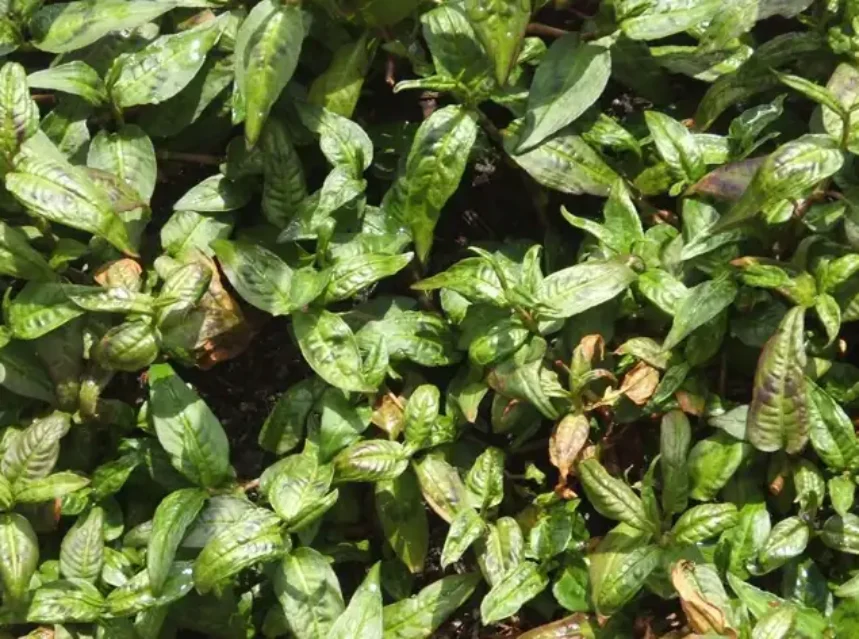
The best rau ram seeds and plants grow a fast, spicy Southeast Asian herb whose pointed leaves bring a hot, citrusy, coriander-like punch to salads and soups. It is the soul of Vietnamese fresh-herb plates.
Rau ram is a tender perennial herb, Persicaria odorata, grown for its narrow, peppery, aromatic leaves. It is also known as Vietnamese coriander, Vietnamese mint or laksa leaf.
🧰 In a hurry? Jump straight to our tested picks for this guide ↓
Quick start
- Type: Tender warm-climate perennial herb
- Start: Usually from cuttings; rarely from seed
- Soil: Rich, moist, even boggy
- Sun: Full sun to part shade
- Harvest: Sprigs within weeks of rooting
- Best for: Asian cooking, wet spots, warm gardens
Rau ram belongs to the knotweed family (Polygonaceae). For background, see Persicaria odorata on Wikipedia and the Polygonaceae entry at Britannica.
Rau ram seeds or cuttings?
This is the first thing to know about rau ram. It is almost always grown from cuttings, not seed.
In most gardens the plant flowers little and rarely sets viable seed. So growers root stem cuttings instead.
When sellers list “rau ram seeds”, check the listing carefully. You may actually be buying a small plant or cuttings.
This guide covers growing rau ram from cuttings. It is the reliable, traditional method.
Why grow rau ram?
Rau ram is essential to Southeast Asian cooking. Its bold flavour is hard to replace.
The taste is hot, citrusy and peppery. It blends notes of coriander, mint and chilli.
It is also fast and easy from cuttings. A single sprig roots and spreads quickly.
It loves the heat that defeats real coriander. So it gives that flavour all through a hot summer.
Rau ram at a glance
| Feature | Detail |
|---|---|
| Botanical name | Persicaria odorata |
| Family | Polygonaceae (knotweed family) |
| Common names | Rau ram, Vietnamese coriander, laksa leaf |
| Edible part | Young leaves and shoot tips |
| Flavour | Hot, citrusy, coriander-meets-mint |
| Habit | Low, spreading, trailing |
| Climate | Warm, humid; frost-tender |
| Type | Tender perennial herb |
History, origin and how it reached India
Rau ram comes from Southeast Asia. It has been a staple herb in Vietnam for centuries.
It spread across the warm tropics with cooks and traders. Malaysia and Singapore use it in famous laksa soups.
It now grows in warm gardens worldwide. Asian food lovers seek it out for authentic flavour.
In India it suits warm, humid regions well. It thrives in the same heat as many local herbs.
Rau ram types to look for
Rau ram is grown as the single species. Plants and cuttings vary little.
| Type | Notes |
|---|---|
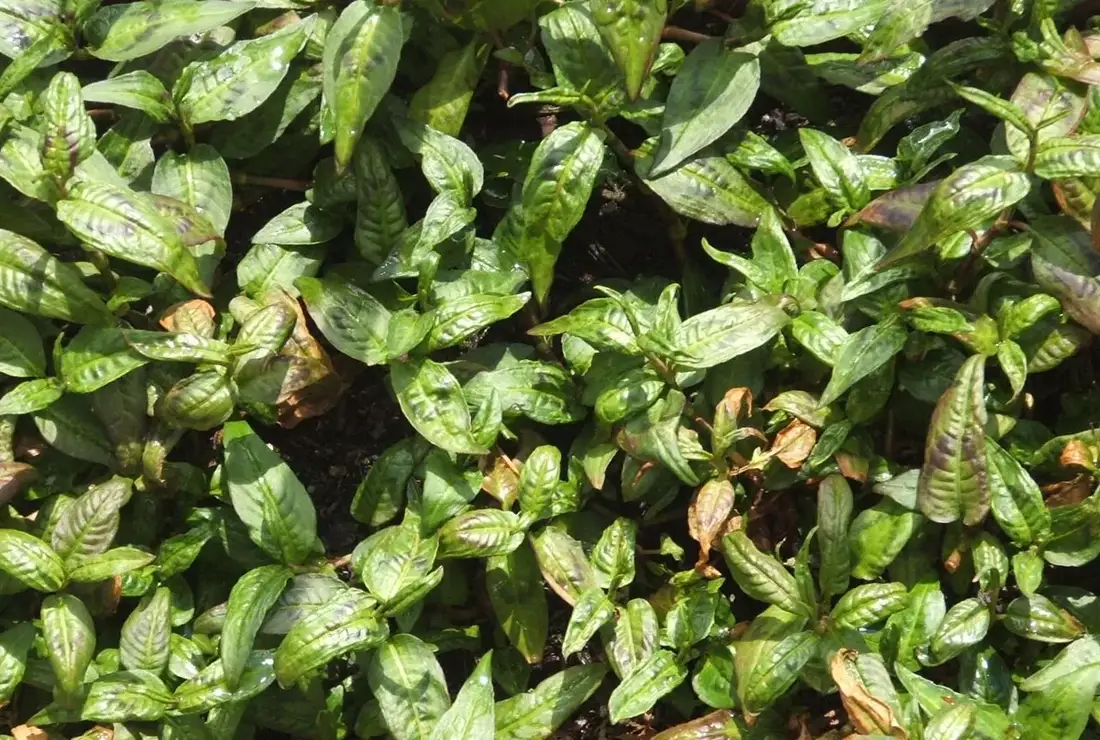
| Standard rau ram | The classic; pointed, dark-marked leaves |
| Rooted cuttings | The usual way to buy and start it |
| Potted plants | A quick, reliable head start |
Buy healthy cuttings or a young plant from a trusted source. Fresh, firm stems root the fastest.
Best season and when to plant
Rau ram is a true heat lover. So start it in the warm part of the year.
In cool climates, root cuttings indoors in spring. Move plants out only when nights are warm.
In India, grow it through the warm and monsoon season. It enjoys the heat and humidity.
Avoid frost, which kills it quickly. In cold areas, keep a plant indoors over winter.
How to grow rau ram from cuttings
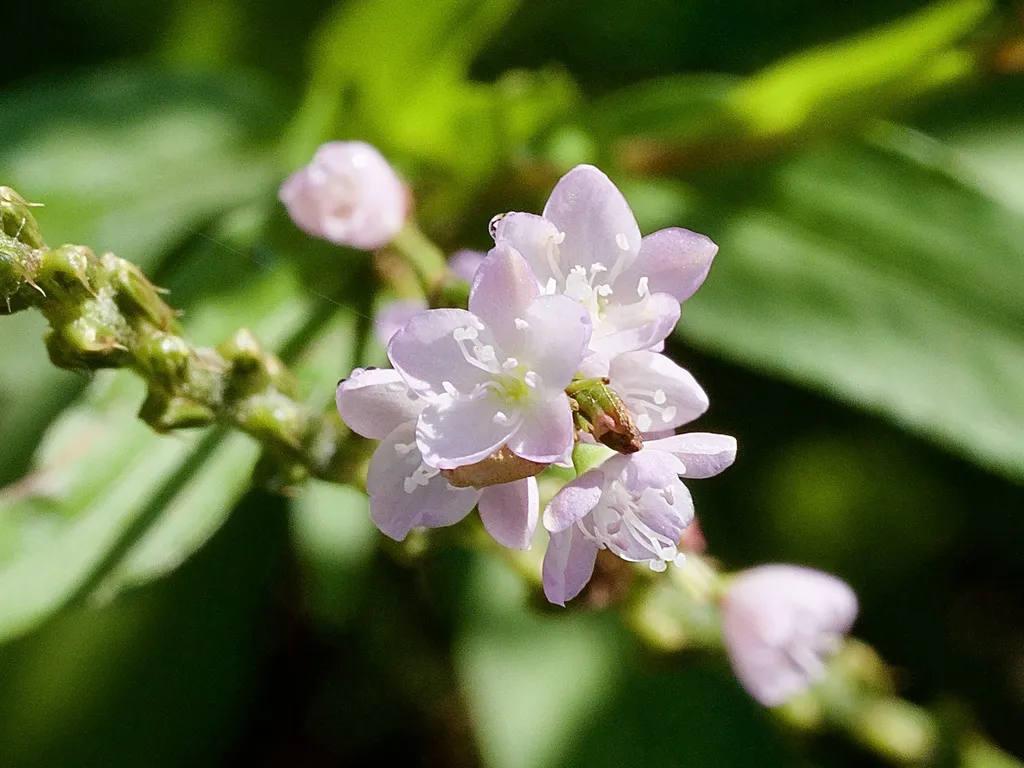
Rau ram roots from stem cuttings with ease. This is the simplest way to start it.
- Cut a healthy stem about 10-15 cm long.
- Strip the lower leaves from the stem.
- Stand it in a glass of water, or push it into moist compost.
- Keep it warm and bright until roots form.
- Pot it up once roots are a few centimetres long.
Cuttings often root within a week or two. It is even quicker and easier than sowing basil from seed.
Sun, soil, watering and feeding
Rau ram likes full sun or part shade. Light shade helps in very hot, dry spots.
Rich, constantly moist soil suits it best. It even grows in shallow water or boggy ground.
Water generously, as it loves wet roots. It will sulk and wilt if it dries out.
Feed lightly through the season. Plenty of moisture and a gentle feed keep leaves lush, like water spinach.
A vigorous, spreading herb
Rau ram spreads as it grows, rooting along its stems. This makes it generous but a little wandering.
In a pot it stays neatly contained. So many growers keep it in a container.
Regular cutting keeps it bushy and in bounds. The more you pick, the tidier and more productive it stays.
Common pests and diseases
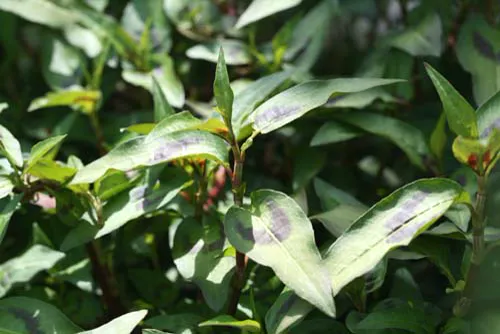
Rau ram is tough and mostly pest-free. Its peppery oils deter many insects.
- Aphids: Cluster on soft new shoots.
- Slugs: Graze the low, trailing stems.
- Leaf spot: In hot, crowded, humid conditions.
- Cold damage: Frost blackens and kills the plant.
Good airflow and warmth keep it healthy. Pick pests off early, as with mint.
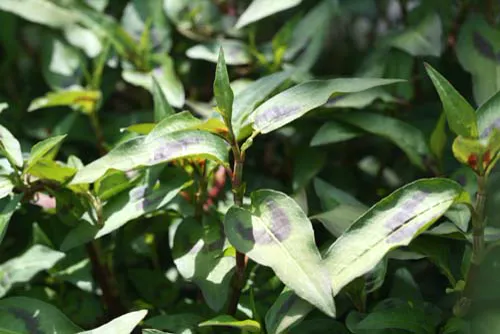
Harvesting rau ram
Pick the young shoot tips and leaves. Snip the top few centimetres of each stem.
This makes the plant branch and crop more. Regular cutting keeps fresh leaves coming for months.
Use young growth for the brightest flavour. Older leaves grow tougher and stronger.
Use the leaves fresh, as the aroma fades fast. Add them at the end of cooking.
Uses in the kitchen
Rau ram is a classic fresh herb of Vietnam. It piles onto noodle bowls and fresh spring rolls.
It flavours the famous laksa soups too. A handful brings a hot, citrusy lift.
It is used raw, added at the very end. Cooking quickly dulls its sharp, fresh punch.
It pairs beautifully with chilli and lime. Try it with lemongrass in a Southeast Asian salad.
This article is for gardening information only and is not health or medical advice. For dietary guidance, consult a qualified professional.
7 tips for the best rau ram plants
A few key habits keep rau ram thriving. Follow these for a steady supply of leaves.
- Start from cuttings, since seed is unreliable.
- Root stems in water or moist compost.
- Grow it warm, never letting it feel frost.
- Keep the soil constantly moist, even boggy.
- Give it full sun or a little light shade.
- Pick shoot tips often to keep it bushy.
- Use the leaves fresh, at the end of cooking.
These steps suit most warm, moisture-loving herbs. The same care also helps culantro in the heat.
Common problems
Most rau ram troubles come from cold or dryness. Use this guide to fix them.
- Wilting: Soil dried out; it must stay moist.
- Blackened leaves: Frost damage; keep it warm.
- Leggy, sparse growth: Too little picking; cut it back to bush out.
- Weak flavour: Old leaves or shade; pick young tips in good light.
Growing rau ram in containers
Pots are an ideal home for rau ram. They contain its wandering, spreading habit.
Choose a wide pot with rich, moisture-holding compost. Stand it in a saucer of water in summer.
Keep it warm and bright, and bring it in before frost. Pick the tips often for a steady supply.
Rau ram vs coriander: what is the difference?
Both give a fresh, herby, citrus note. But they are completely different plants.
Coriander is a cool-season annual that bolts in heat. Rau ram is a heat-loving, spreading perennial.
Rau ram is also hotter and more peppery. So it gives a bolder, spicier version of that fresh flavour.
Frequently asked questions
Can you grow rau ram from seed?
Rarely. It seldom sets viable seed in gardens, so it is almost always grown from cuttings or young plants.
What does rau ram taste like?
It is hot, citrusy and peppery, like a blend of coriander, mint and chilli. Use it raw and sparingly.
Can I grow rau ram in India?
Yes, very well, in warm and humid regions. It thrives in heat and moist soil.
Is rau ram frost-hardy?
No. It is frost-tender, so in cold areas keep a plant indoors over winter.
Why do rau ram seeds rarely appear for sale?
Rau ram (Persicaria odorata) seldom flowers reliably or sets viable seed outside its native tropical range, so commercial seed is scarce and unreliable. Almost every supplier sells rooted cuttings or starter plants instead, which is also the more dependable way to grow it.
How do I root rau ram cuttings at home?
Take 10-15 cm stem cuttings, strip the lower leaves, and stand them in a glass of water on a warm windowsill. Roots usually form within a week or two, and the cutting can then be potted into moist soil.
Can I grow rau ram from a store-bought bunch?
Yes, this is the easiest way to start it. Choose fresh, firm stems from an Asian grocery bunch, place a few in water, and pot them up once roots appear, exactly as you would with a grocery lemongrass stalk.
Does rau ram need standing water or bog-like soil?
It prefers constantly moist, almost boggy soil, reflecting its native habitat along Southeast Asian streams and ditches. Keep the soil damp at all times and consider a self-watering pot or saucer if your climate is dry.
Why does rau ram taste different from "Vietnamese mint" as a name suggests?
“Vietnamese mint” is a common but confusing alternate name, since rau ram is actually a Persicaria (knotweed relative), not a true mint. Its hot, citrusy, coriander-like bite comes from compounds unrelated to true mint’s cooling menthol flavour.
Can rau ram become invasive in warm, wet climates?
It can spread readily by rooting at the stem nodes wherever they touch moist soil, so in consistently warm, humid regions it is worth containing in a pot or bed. Trim wandering stems back regularly to keep it in bounds.
How do I keep rau ram alive over a cold winter?
Bring a potted plant indoors to a bright, warm windowsill well before the first frost, since it has no frost tolerance at all. Keep it above about 15°C and reduce watering slightly until it can go back outside in spring.
Does rau ram need standing water or a bog-like soil?
It prefers constantly moist, almost boggy soil, reflecting its native habitat along Southeast Asian streams and ditches. Keep the soil damp at all times and consider a self-watering pot or saucer if your climate is dry.
Why does rau ram taste different from Vietnamese mint sold elsewhere?
“Vietnamese mint” is a common but confusing alternate name, since rau ram is actually a Persicaria (knotweed relative), not a true mint. Its hot, citrusy, coriander-like bite comes from compounds unrelated to true mint’s cooling menthol flavour.
Can rau ram become invasive if grown in warm, wet climates?
It can spread readily by rooting at the stem nodes wherever they touch moist soil, so in consistently warm, humid regions it is worth containing in a pot or bed. Trim wandering stems back regularly to keep it in bounds.
Rau ram is a bold, spicy herb that brings true Southeast Asian flavour to a warm, moist garden. With healthy rau ram cuttings, wet soil and plenty of heat, you can pick fragrant leaves all season for soups and salads. For more information, see our wider Vietnamese coriander growing notes and our guide to culantro.
Still stuck? Ask the Plant Doctor
Describe the problem — yellow leaves, holes, no flowers — and get a clear answer in seconds. FreeAI can make mistakes. Answers are guidance, not a guarantee — check anything important against the guide it links to, and always read the label on any product before you use it.