Flowering Maple Seeds
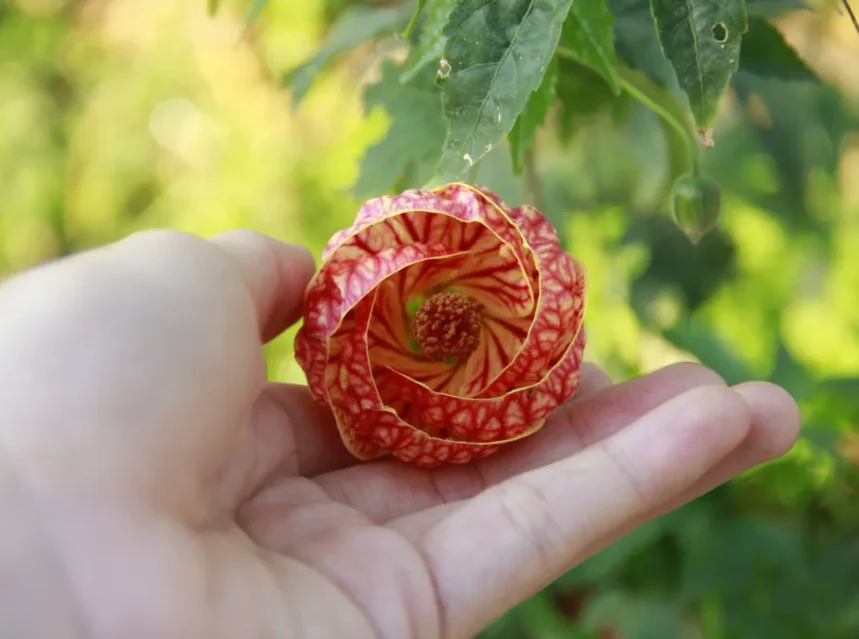
Flowering maple seeds grow Abutilon, a graceful shrubby plant hung with little lantern-shaped bell flowers. You may also see it sold as abutilon, Chinese lantern, parlour maple, or Indian mallow. Despite the name, it is NOT a true maple. It just has maple-shaped leaves. It belongs to the mallow family, alongside hibiscus and hollyhock. Grow it in a pot, indoors, or as a patio shrub for months of dangling colour.
This is an ornamental gardening guide only. It makes no medicinal or edible claims.
Quick start: flowering maple at a glance
- Botanical name: Abutilon × hybridum (mallow family, Malvaceae)
- Common names: flowering maple, Chinese lantern, parlour maple, Indian mallow
- Type: tender shrub; grown as houseplant, container or annual
- Height: 0.6–1.5 m as grown (taller in warm zones)
- Light: full sun to light shade
- Soil: rich, moist, well-drained
- Flowers: pendant bells in red, orange, yellow, apricot, pink, white
- Sow: indoors, warm, 8–10 weeks before last frost
- Germination: ~5–7 days at 18–24°C; needs warmth + light
- Hardy: perennial in frost-free zones; elsewhere overwinter indoors
Authority sources: Wikipedia — Abutilon, NC State Extension.
🧰 In a hurry? Jump straight to our tested picks for this guide ↓
Why grow flowering maple from seed?
Flowering maple is a rare treat. Few plants bloom this long, this gracefully. The flowers hang like tiny paper lanterns. They come in warm, glowing colours.
Growing from seed is cheap and rewarding. You get many plants from one packet. You can grow them as patio shrubs in summer. Then bring them indoors as winter houseplants. For more mallow-family beauty, see our hibiscus and hollyhock guides.
Flowering maple at a glance
| Feature | Detail |
|---|---|
| Botanical name | Abutilon × hybridum |
| Family | Malvaceae (mallow family) |
| Origin | Tropics & subtropics worldwide (~180 species) |
| Life cycle | Tender shrub; annual or houseplant in cold areas |
| Flower | Pendant bell/lantern, 2.5–7 cm, 5 petals |
| Bloom time | Summer to autumn; near year-round indoors |
| Height × spread | 0.6–1.5 m × 0.6–1.5 m |
| Light | Full sun to light shade |
| Hardiness | USDA 9–10 outdoors; overwinter indoors elsewhere |
| Best use | Containers, patio, conservatory, houseplant |
The lantern flowers & maple leaves
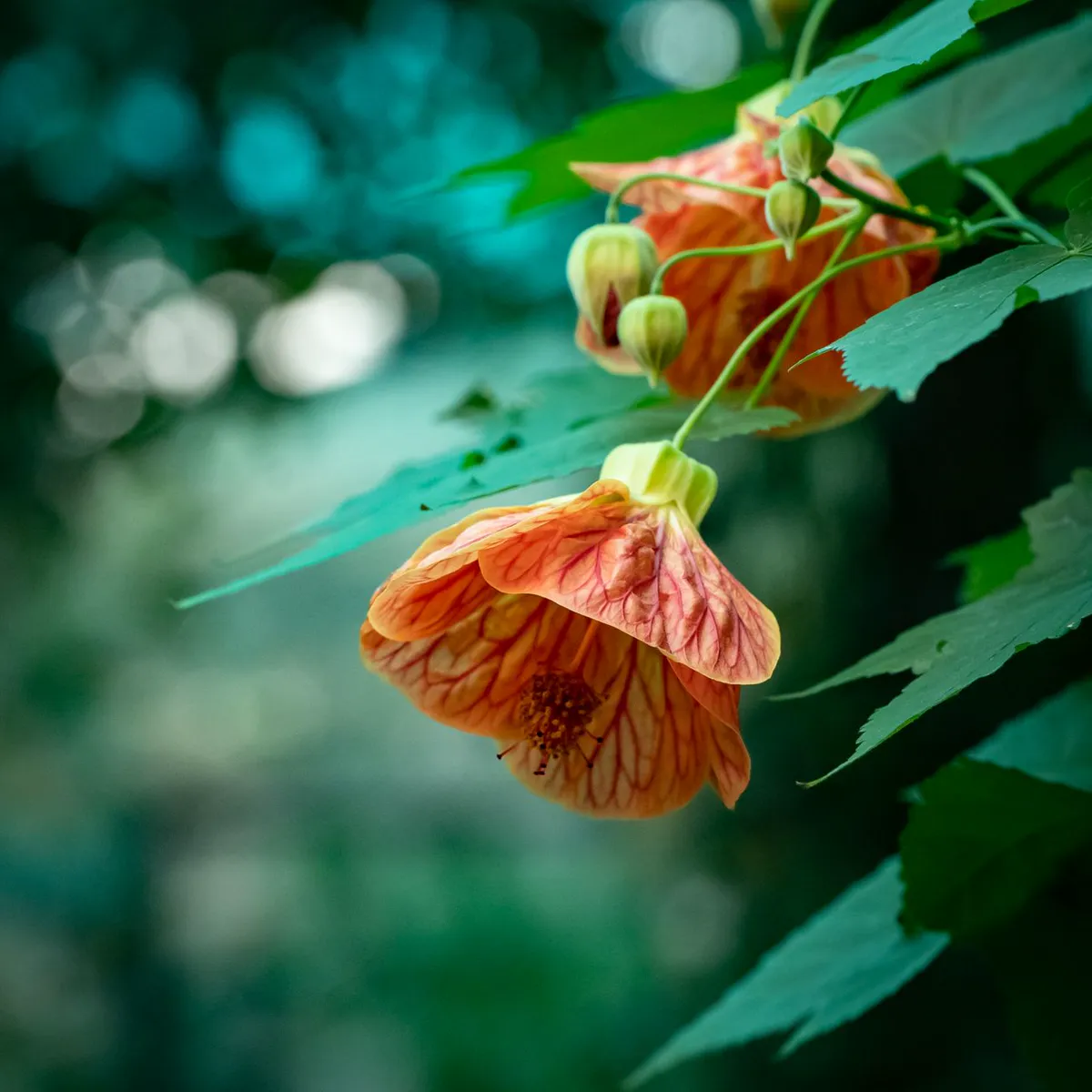
The flowers are the main event. They dangle on slender stalks like little bells. Many have darker veining, which adds depth. Colours run from red and orange to apricot, pink, and white.
The leaves look just like maple leaves. They are often softly hairy and sometimes variegated. Together, the lantern flowers and maple foliage make a plant that looks special all season.
The names: flowering maple, Chinese lantern & abutilon
This plant carries a confusing pile of names. Let’s sort them out. Botanically, it is Abutilon. The garden hybrids are often listed as Abutilon × hybridum.
Common names include flowering maple, parlour maple, room maple, Indian mallow, and Chinese lantern. Two warnings help buyers. First, it is NOT a true maple — true maples are Acer. Second, “Chinese lantern” is also used for an unrelated plant, Physalis, with papery orange husks. So buy by the name Abutilon to get the right seed.
Houseplant or patio plant: the dual use
This is what makes abutilon so useful. You can grow it two ways. Outdoors, it makes a lovely patio or container shrub in summer.
Indoors, it becomes a flowering houseplant. With good light, it can bloom for much of the year. Many gardeners do both. They stand pots outside in warm months, then move them in before frost.
A tender perennial: overwintering made simple
Abutilon is a tender perennial. It is only fully hardy in frost-free zones (USDA 9–10). In colder places, frost will kill it outdoors.
The fix is easy. Grow it in a pot. Before the first frost, bring the pot indoors. Keep it in a bright, cool spot and water sparingly. It rests over winter, then powers back in spring. Where you cannot overwinter it, simply grow it as an annual.
Best season & when to sow
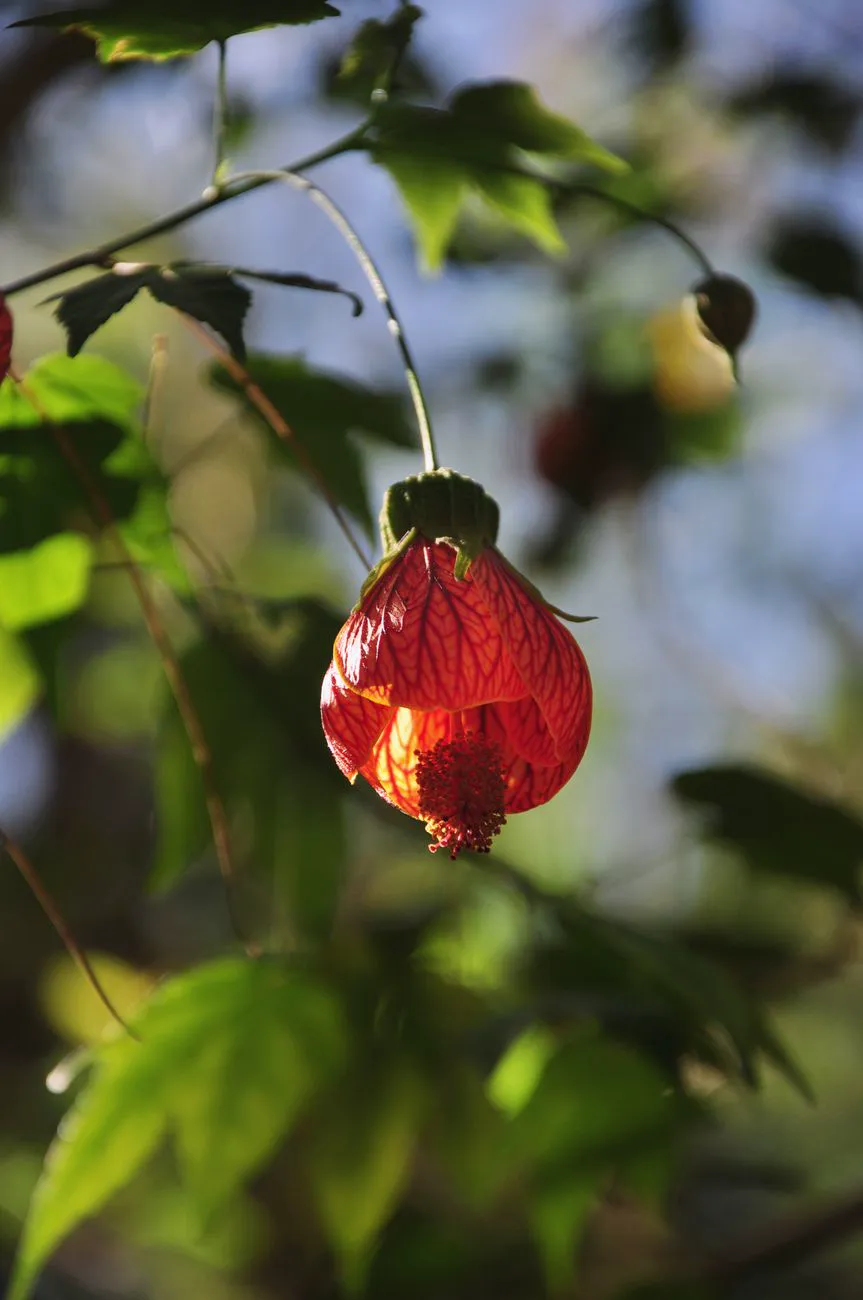
Flowering maple needs warmth to start. So sow it indoors, not outside in cold soil. Start seeds about 8 to 10 weeks before your last frost.
Move plants outdoors only after all frost has passed. In warm, frost-free climates, you can sow or plant across the mild season. Indoors, you can start seed almost any time with enough light and warmth.
Growing flowering maple seeds: how to plant step by step
Here is the simple method for how to plant flowering maple seeds.
- Soak first. Soak the seed for a few hours to soften the coat.
- Sow shallow. Press seed onto the surface and cover only lightly — it needs light.
- Keep warm. Aim for 18–24°C (65–75°F) for fast, even sprouting.
- Stay moist. Hold steady moisture and good warmth until seedlings appear.
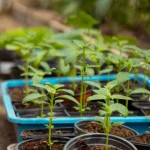
- Pot on. Move seedlings to pots once they have a few true leaves.
- Pinch tips. Pinch growing tips to make bushy, well-branched plants.
Germination: the seed-starting secret
The secret here is warmth plus light. Abutilon seed sprouts best in warm soil. A soak the night before really helps.
Sow on the surface and barely cover, so light can reach it. At 18–24°C, fresh seed often sprouts in about 5 to 7 days. Some seed is slower and uneven, so be patient. Warm, lightly covered, and moist — that is the trick.
Sun, soil, watering & feeding
Sun: give it full sun to light shade. Bright light means more flowers. Indoors, set it by your sunniest window.
Soil: use rich, well-drained soil with plenty of organic matter. Good potting mix works well in containers.
Watering: keep it evenly moist in the growing season. Do not let it dry out badly, or buds may drop. Water much less in winter rest.
Feeding: it is a hungry plant. Feed regularly through spring and summer for continuous bloom. Ease off in winter.
Flowering maple varieties (what’s sold as seed)
Many named abutilons are grown from cuttings. But several excellent seed strains exist. The ‘Bella’ series is the most popular from seed.
| Variety / type | Notes |
|---|---|
| ‘Bella’ F1 Mix | Compact (~40 cm), large bells in apricot, coral, red, pink, ivory, lemon |
| ‘Bellevue’ Mixed | Taller mix of warm lantern colours; good patio plant |
| ‘Large Flowered Mixed’ | Bigger blooms across the warm colour range |
| Species form | Classic yellow or orange bells |
Do not confuse flowering maple with these:
- True maple — Acer, a hardy tree; only the leaf shape is similar.
- Chinese lantern (Physalis) — unrelated plant with papery orange seed husks.
- Indian mallow (Abutilon theophrasti) — a weedy relative, not the showy garden plant.
Common pests & problems
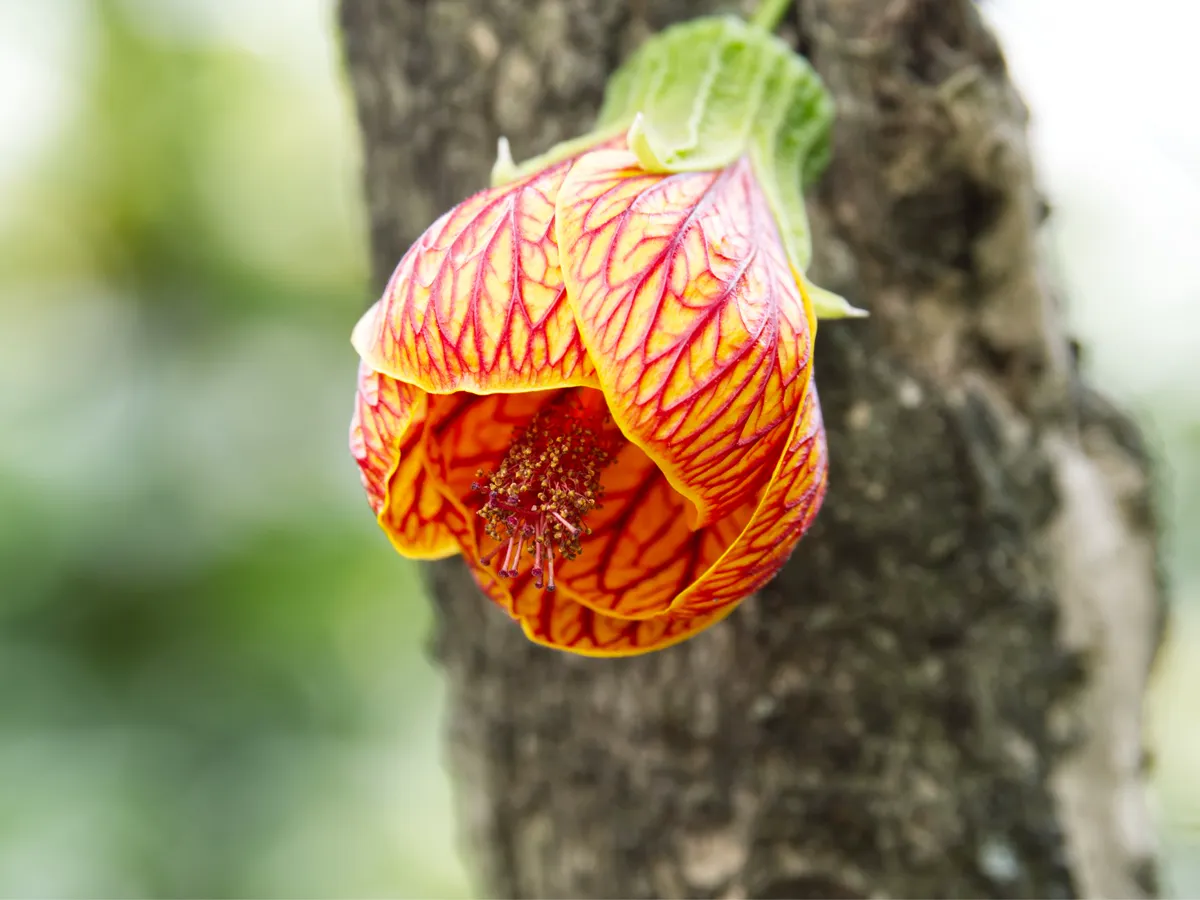
Most problems appear on indoor plants. Good airflow and steady care prevent most of them. Watch for these.
- Whitefly: the classic abutilon pest under glass. Use sticky traps and rinse leaves.
- Aphids & spider mites: common indoors in dry air. Raise humidity and use soap spray.
- Scale & mealybugs: wipe off with a damp cloth; treat repeat outbreaks.
- Bud drop: from dryness or sudden change. Keep moisture steady.
- Leggy growth: from low light. Move to brighter spot and pinch tips.
Growing flowering maple in India
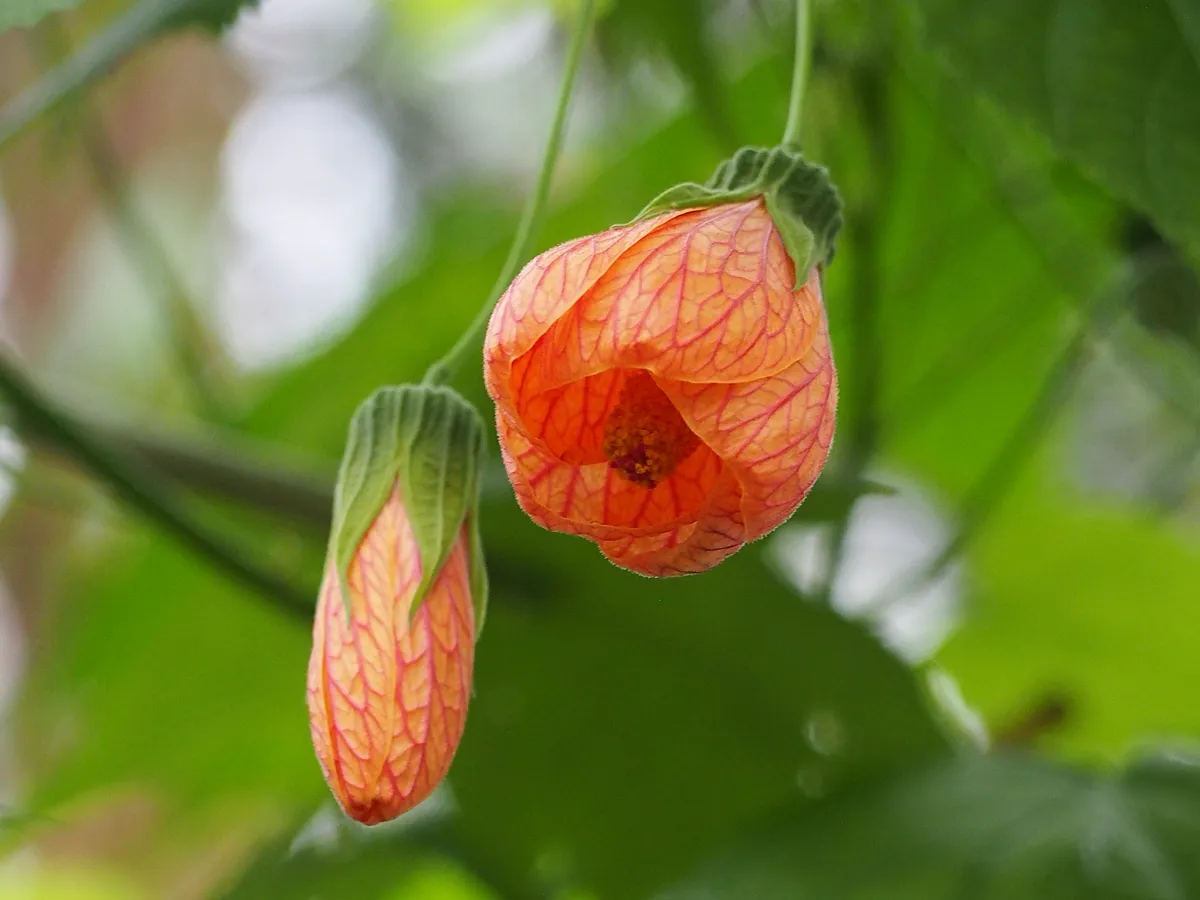
Flowering maple suits Indian gardens well. Let’s be honest about availability. It is more niche here than common annuals like marigold. You may need to source seed or plants online.
The good news is the climate. In frost-free and mild parts of India, it can grow as a year-round perennial. It makes an excellent balcony and container plant. Give it bright light with some afternoon shade in very hot regions. Keep the pot evenly moist and feed it well. Its bell flowers draw bees and butterflies. (Note: hummingbirds visit abutilon only in the Americas, not in India.)
Companion planting & container design
Flowering maple is a star in pots. Its arching, lantern-hung stems add height and grace. Pair it with lower, bushy plants at its feet.
Good container partners include salvia, nicotiana, and cosmos. For more mallow-family companions, see our annual mallow, malva, and poppy mallow guides.
Frequently asked questions
Can I grow flowering maple as a houseplant?
Yes, that is one of its best uses. Place it in your brightest window with steady moisture. With enough light, it can bloom for much of the year indoors. Many people grow it outdoors in summer, then bring the pot in to overwinter as a houseplant.
Is flowering maple a real maple?
No. It only has maple-shaped leaves. It is actually Abutilon, a member of the mallow family, related to hibiscus and hollyhock. True maples are Acer trees. The shared name comes purely from the leaf shape.
How long do flowering maple seeds take to germinate?
Often about 5 to 7 days in warm soil (18–24°C). Soaking the seed first helps. Sow on the surface with only a light covering, since the seed needs light. Some seed sprouts slowly and unevenly, so be patient.
Can I grow abutilon in India as a perennial?
Yes, in frost-free and mild regions it can grow year-round. It makes a fine balcony or container plant. Give it bright light, even moisture, and regular feeding. In very hot areas, offer some afternoon shade. It is more niche in Indian trade, so source seed or plants online.
How long does it take abutilon to flower from seed?
Most plants start blooming about 14 to 17 weeks after sowing. Sow in late winter and you can have flowers by early summer.
Will seed-grown abutilon look like the parent plant?
Not always. Seed saved from named hybrids and cultivars rarely comes true, so expect some variation in flower colour and leaf markings.
How much light does flowering maple need?
Give it bright light, ideally a sunny window indoors or a spot with morning sun and light afternoon shade outdoors. Weak light leads to leggy stems and few flowers.
What temperature suits flowering maple?
Ordinary room warmth of about 16-21 °C (65-70 °F) works well, with a drop of a few degrees at night. Avoid cold draughts and sudden temperature swings.
How do I stop my abutilon getting leggy?
Prune the long stems back, cutting just above a point where a leaf joins the stem. The plant branches from wherever you cut, so regular light pruning keeps it bushy.
Which pests attack flowering maple?
Whitefly is the most common problem indoors, along with scale, mealybugs and red spider mites. Insecticidal soap and yellow sticky traps handle small outbreaks.
How do I overwinter abutilon in a cold climate?
Grow it in a container and bring it inside before frost. Keep it in a bright spot with cool nights around 10-15 °C (50-60 °F) and water sparingly until growth restarts.
Still stuck? Ask the Plant Doctor
Describe the problem — yellow leaves, holes, no flowers — and get a clear answer in seconds. FreeAI can make mistakes. Answers are guidance, not a guarantee — check anything important against the guide it links to, and always read the label on any product before you use it.