Godetia Seeds
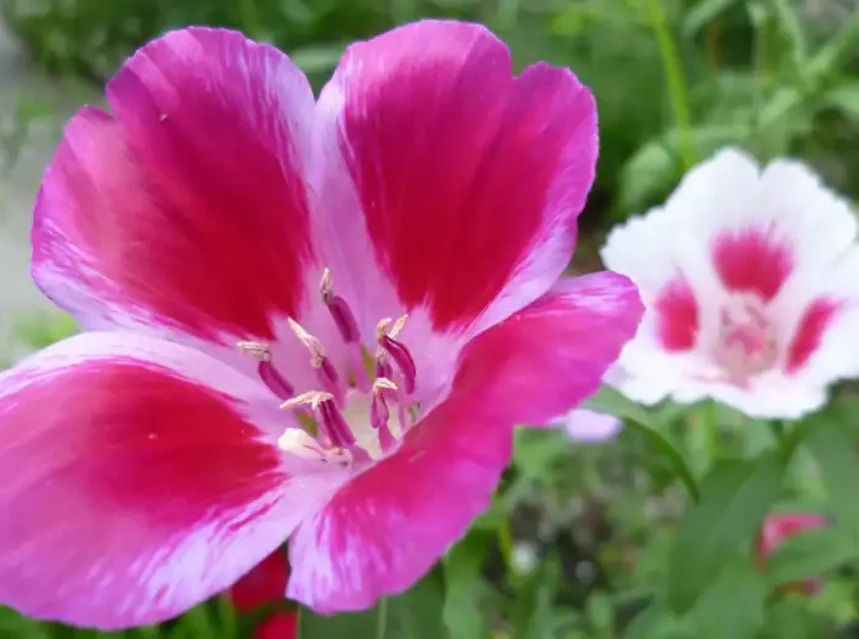
Godetia seeds grow into Clarkia amoena — godetia, also called farewell-to-spring or satin flower, a cool-season annual with showy, satiny cup-shaped blooms in pink, salmon, rose, red, and white, often with a contrasting blotch. A California wildflower, it is one of the loveliest, longest-lasting cut flowers from seed. Easy and quick, it thrives where rich-soil flowers sulk. This guide covers the best godetia seeds for US and India gardens, exactly how to grow godetia from seed, when to sow, and where to buy quality seed.
Satiny, cool-loving, and easy. The godetia botany page covers the botany; this guide covers sowing, types, and care.
🧰 In a hurry? Jump straight to our tested picks for this guide ↓
Godetia seeds at a glance
| Feature | Detail |
|---|---|
| Botanical name | Clarkia amoena (family Onagraceae) |
| Sowing depth | Surface; barely cover (needs light) |
| Germination temperature | 15–18°C (60–65°F) |
| Days to germinate | 7–14 days |
| Season | Cool-season hardy annual |
| Days to bloom | 90–110 days from sowing |
| Best for | Cut flowers, cool borders, pots, bees |
Why grow godetia from seed?
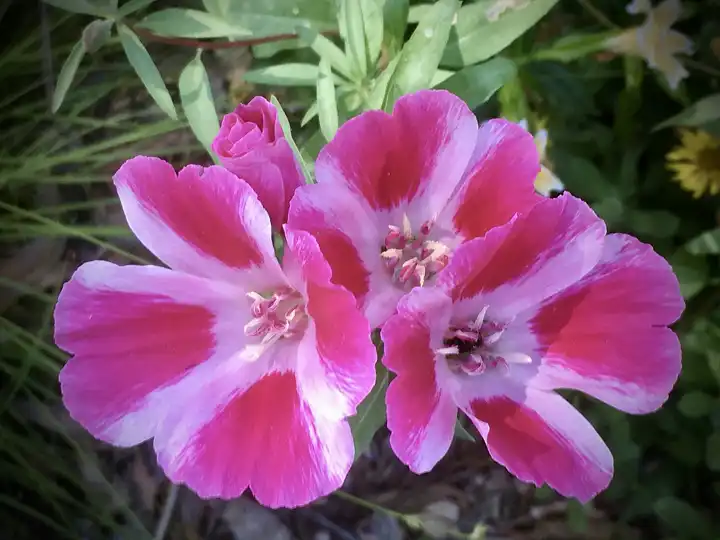
Godetia is a graceful flower that gives a lot for little effort. First, its satiny, cup-shaped blooms are unusually beautiful and long-lasting. Second, it is one of the finest cut flowers, with a long vase life.
Third, it is hardy, cheap, and thrives in poor soil from seed. It suits cool borders, pots, and cutting beds. It loves the same cool company as poppies, larkspur, and snapdragons. For the full growing routine, see our guide on how to grow godetia.
The satin flower look
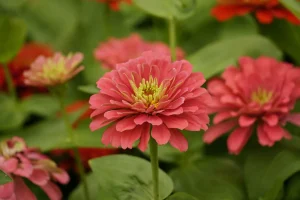
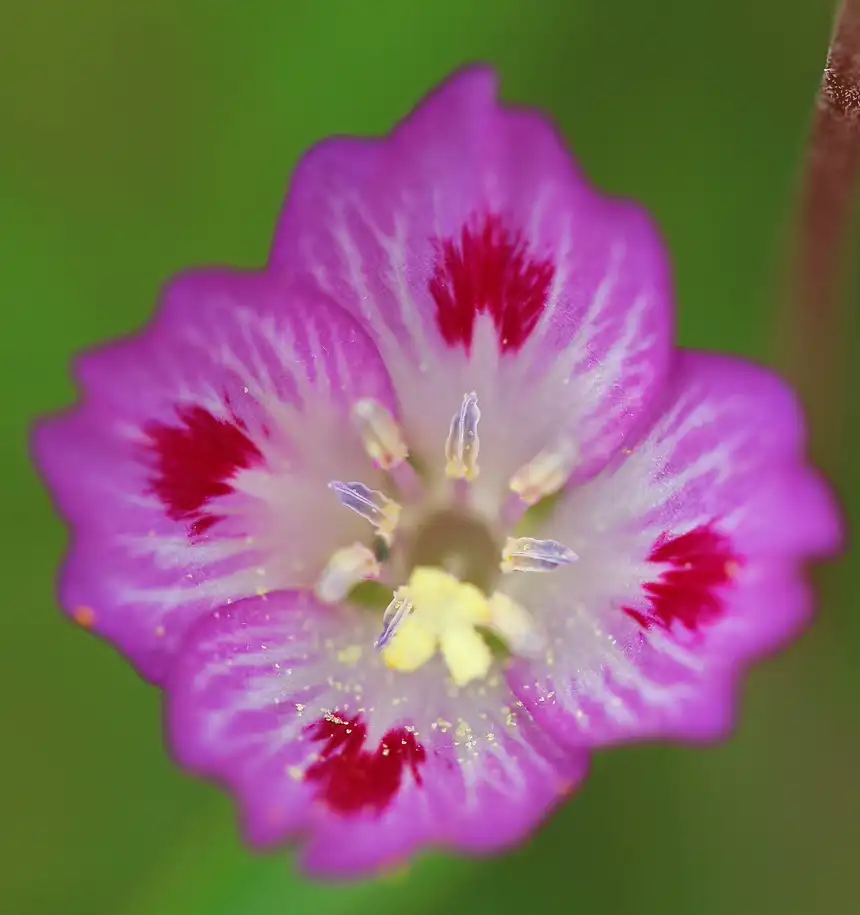
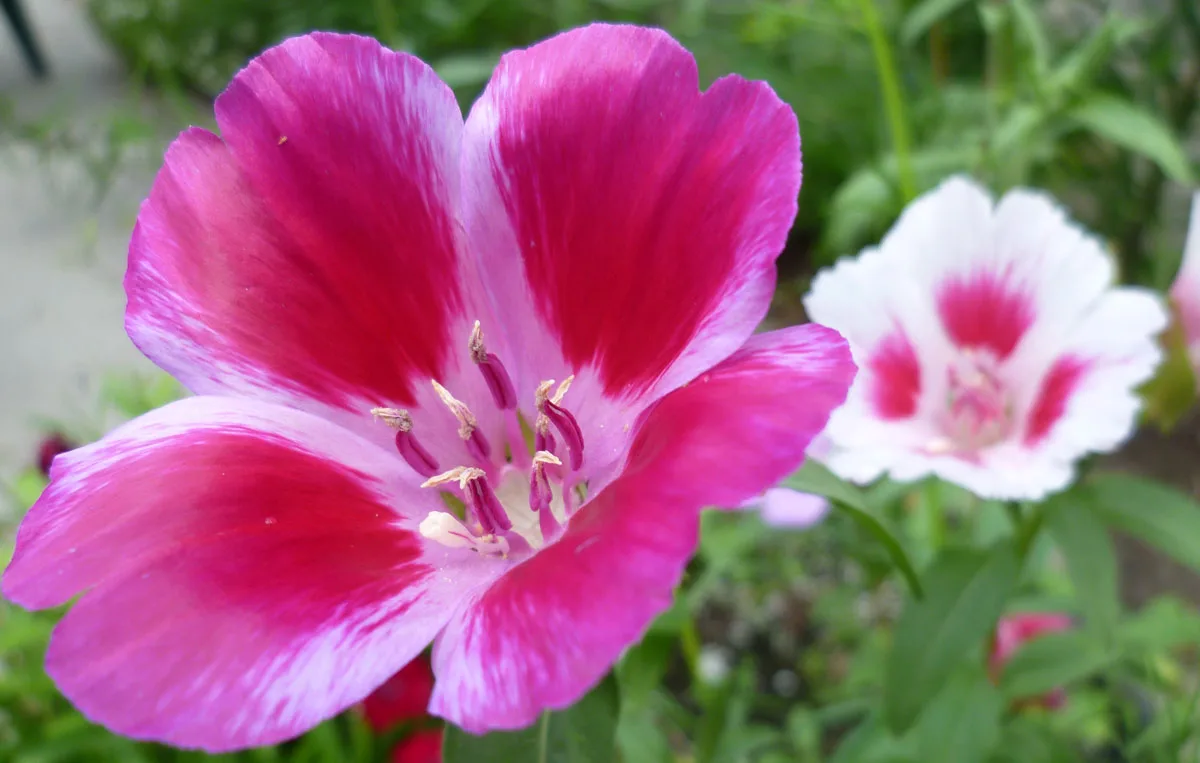
Godetia earns its name satin flower from its blooms. The cup-shaped, four-petalled flowers have a soft, satiny, almost shimmering texture. Many have a deeper blotch or contrasting throat that makes them glow.
The colours run from soft pink and salmon to rose, red, lavender, and white. Buds open in sequence up the stem, so a single plant flowers for weeks. Few cool-season annuals are as quietly elegant.
History & origin of godetia
Godetia is a wildflower of western North America, from British Columbia down to the San Francisco Bay area. It grows on coastal hills and slopes, flowering as spring turns to summer. That habit gives it the lovely name farewell-to-spring.
It belongs to the evening primrose family. You can read more on the flower’s botany and history at Wikipedia. Breeders later created tall cut-flower and compact pot types. Godetia spread worldwide as a cool-season flower, and in India it grows well in the cool winter plains and hill stations.
Best godetia seed varieties to grow
Godetia seed comes as tall cut-flower types, compact bedding types, and double azalea-flowered mixes. Choose by height and use.
| Variety | Type | Best for | Region |
|---|---|---|---|
| Grace Series | Tall, single colours | Cut flowers, long stems | global |
| Satin Series | Compact | Pots and bedding | global |
| Sybil Sherwood | Salmon-pink, cream edge | Award-winning soft colour | global |
| Dwarf Gem | Dwarf mix | Edging, small pots | global |
| Azalea-flowered Mix | Double, frilly | Showy ruffled blooms | global / India |
| Farewell-to-Spring | Tall species | Meadows, wildflower beds | global |
| Godetia Mix (India) | Cool-season annual | Indian winter borders and pots | India |
The Grace series gives tall single colours, the best choice for cutting. Compact Satin and Dwarf Gem suit pots and edging. Award-winning Sybil Sherwood offers soft salmon tones, while azalea-flowered mixes give frilly doubles. In India, azalea-flowered and simple godetia mixes are popular winter choices.
How to grow godetia from seed
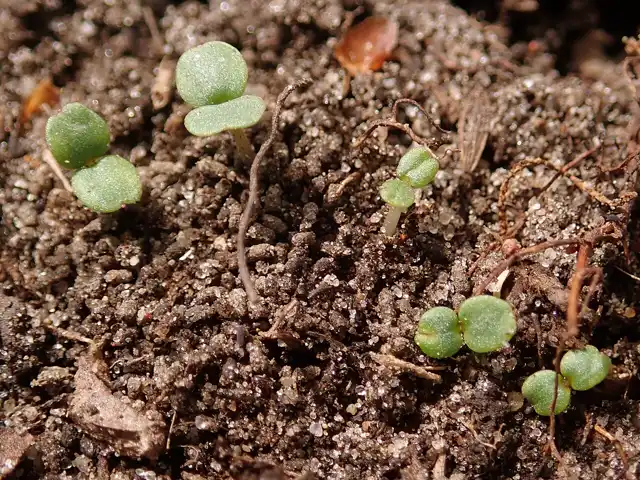
Godetia is easy from seed if you sow it in place and keep it cool.
- Surface-sow for light. Scatter the seeds on moist soil and barely cover them, as they need light.
- Direct-sow, do not transplant. Sow where the plants are to grow, as godetia dislikes root disturbance.
- Sow cool. Sow in early spring or autumn, as godetia is hardy and hates heat.
- Use lean soil. Choose poor, sandy, well-drained ground, and skip the fertiliser.
- Thin and deadhead. Thin to 20–30 cm apart, and deadhead for a longer display.
Godetia grows fast in cool weather and flowers for weeks. It finishes as summer heat arrives, true to its farewell-to-spring name. In India, sow in the plains from October to January, and in hill stations through the cool season.
Best season & when to sow
Godetia is a hardy, cool-season flower, so timing is key. In cool and temperate areas, sow directly in early spring, or in autumn for earlier flowers the next year. It tolerates light frost well.
In mild-winter and warm climates, and across much of India, sow in autumn and winter. October to January suits the Indian plains and hill stations. Godetia dislikes heat above the mid-20s Celsius, so give afternoon shade in warm regions. Always grow it in the cool, sunny part of the year for the best blooms.
The lean-soil secret
Here is the single most important tip for godetia. Unlike most flowers, it actually performs worse in rich, fertile soil. Heavy feeding gives lush, leafy, floppy plants with very few flowers.
Instead, grow godetia in lean, sandy, well-drained soil with little or no fertiliser. Poor ground triggers it to flower freely and stay compact. So resist the urge to enrich the bed, and you will be rewarded with far more blooms.
Soil, watering & feeding
Godetia grows best in light, sandy, well-drained soil and full sun to part shade. It prefers cool conditions and dislikes waterlogging. Water young plants to settle them, then water moderately, keeping the soil lightly moist.
Skip rich compost and high-nitrogen feeds, which reduce flowering. A poor, free-draining site gives the best, most generous bloom. It pairs beautifully in cool borders and cutting beds with larkspur and cosmos. Because it resents transplanting, see starting seeds indoors only if you use biodegradable pots.
Common pests & diseases
Godetia is fairly trouble-free in the right cool, lean spot. The main pests are aphids on soft growth and slugs on young seedlings, both easily managed. Healthy, airy plants resist most problems.
The chief risk is root and stem rot in wet, heavy, or rich soil, so grow it lean and well-drained. Powdery mildew can appear in humid, crowded conditions, eased by spacing. In a cool, sunny, free-draining site, godetia stays largely healthy.
Cut flowers, pollinators & uses
Godetia is a first-class cut flower, valued by florists and gardeners alike. The satiny blooms last about a week in the vase, and buds keep opening up the stem. Cut tall Grace-type stems when the first buds show colour.
The flowers are also rich in nectar, drawing bees and other pollinators to the garden. In its native range it even supports a specialist bee. Godetia is grown above all as an elegant cool-season cut flower and border plant.
Saving your own godetia seeds
Saving godetia seed is easy. After flowering, slim seed capsules form where the blooms were. Let them dry and turn pale brown on the plant.
Then snip the dry capsules and shake out the small seeds over a bowl. Store them somewhere cool, dry, and dark in a labelled envelope. Godetia self-sows gently, so volunteers often return in cool gardens. Our full guide to saving seeds covers the method.
Common problems from seed
The most common issue is few flowers from rich soil, so grow godetia lean and unfed. Buried seed fails, so surface-sow for light. Transplant failure is common, so direct-sow because of its sensitive roots.
Plants collapsing in summer were caught by heat, so grow them in the cool seasons. Rot points to wet, heavy soil, so improve drainage. Use fresh seed, cool weather, lean soil, and direct sowing for the best display.
Where to buy godetia seeds
Choose the tall Grace series for cutting, compact Satin or Dwarf Gem for pots, or an azalea-flowered mix for frilly doubles. Buy fresh seed for good germination. Seed houses everywhere carry godetia and farewell-to-spring, and in India godetia seed is sold for the cool-season garden and hill stations. Use the links below to compare trusted sources.
Frequently asked questions
How long do godetia seeds take to germinate?
Godetia seeds germinate in 7–14 days at a cool 15–18°C. The seeds need light, so surface-sow and barely cover them. Direct-sow where they are to grow, as godetia dislikes root disturbance.
Why does my godetia have leaves but few flowers?
Almost always because the soil is too rich. Godetia flowers best in lean, poor, well-drained ground with no extra feeding. Rich soil gives lush foliage at the expense of blooms, so grow it lean.
Is godetia the same as clarkia?
They are close cousins in the same genus. Godetia (Clarkia amoena) has satiny cup-shaped blooms, while other clarkias, like mountain garland, have frilly flowers up wand-like stems. Both are easy cool-season annuals.
Is godetia toxic to dogs and cats?
No. Godetia does not appear on the ASPCA’s list of plants toxic to dogs or cats, making it a reasonably safe flower for gardens shared with pets. As with any plant, discourage pets from chewing on foliage regularly, since eating large amounts of any greenery can cause mild stomach upset even when a species is not classified as toxic.
Why is godetia also called "farewell to spring"?
Because of when it naturally flowers in its native range. Godetia is a California and Pacific Northwest wildflower that typically blooms as the cool spring season gives way to summer, which earned Clarkia amoena the common name farewell to spring long before it became a popular garden annual. The name has nothing to do with the flower fading quickly once picked.
Does godetia transplant well, or should you sow it directly?
Direct-sow it where you want it to flower. Godetia dislikes root disturbance and often sulks or fails after transplanting, so seed suppliers generally recommend sowing straight into the bed rather than starting trays indoors. If you must start indoors, use biodegradable pots so roots are disturbed as little as possible when planting out.
Does godetia make a good cut flower?
Yes, its satiny, cup-shaped blooms are popular with cut-flower growers for their delicate, silky texture. Cut stems when the first flowers on a spike are open and buds further up are still colored but closed, and expect a moderate vase life rather than a particularly long-lasting bloom. Frequent cutting also encourages the plant to keep producing new flower spikes.
Where is godetia originally from?
Godetia (Clarkia amoena) is native to the west coast of North America, from California north into British Columbia, where it grows as a wildflower on coastal bluffs and grassland. Breeders later selected and improved wild forms into the taller, larger-flowered garden varieties sold as seed today.
How do you deadhead godetia to keep it blooming?
Snip off faded flower spikes regularly through the season. Deadheading encourages godetia to keep producing new blooms rather than putting its energy into ripening seed, and cutting plants back partway after a first flush can also prompt a second round of flowering in cooler climates.
Does godetia self-seed in the garden?
It can, particularly where it is grown in lean, well-drained soil similar to its native coastal habitat. Left to ripen, seed pods drop viable seed that may sprout the following season, though named cultivars do not always come true from self-sown seed. Deadhead spent flowers if you want to prevent volunteers and keep named varieties consistent.
Can godetia grow in India?
Yes, as a cool-season annual. Sow in the plains from October to January, and grow it in hill stations through the cool season. Give it full sun to part shade and lean, well-drained soil, and avoid summer heat above the mid-20s Celsius.
Still stuck? Ask the Plant Doctor
Describe the problem — yellow leaves, holes, no flowers — and get a clear answer in seconds. FreeAI can make mistakes. Answers are guidance, not a guarantee — check anything important against the guide it links to, and always read the label on any product before you use it.