Physoplexis Comosa Devil’s Claw Seeds
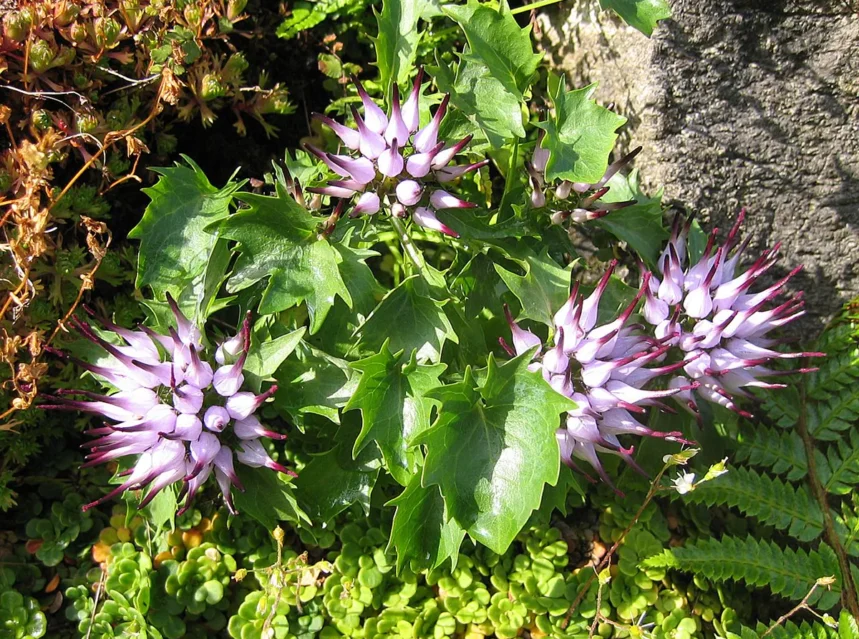
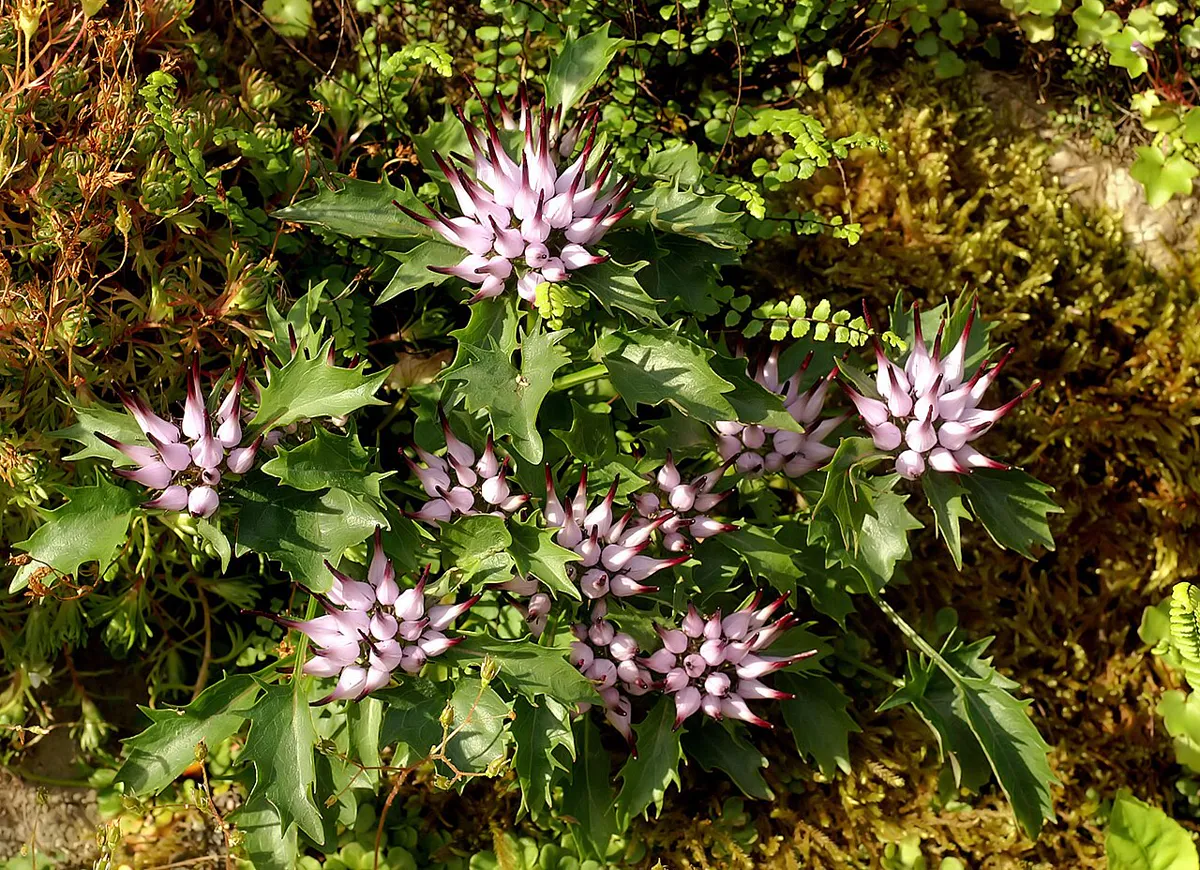
Devil’s claw seeds grow into Physoplexis comosa, one of the most coveted alpine flowers in the world. These devil’s claw seeds raise a tiny cliff-dwelling perennial famous for its strange amethyst flower heads, where each bloom swells like a flask and then narrows into a long, curved violet “claw”.
This guide is about the alpine Physoplexis comosa only. It is a treasured rock-garden and alpine-house plant from the Dolomites, grown purely for its beauty.
This article is for ornamental gardening only. Physoplexis comosa is grown as a decorative alpine flower. It makes no medicinal, herbal, or edible claims of any kind. Note that the name “devil’s claw” is shared by unrelated plants used in food or herbal products — those are different species and are not covered here.
Quick start: Physoplexis comosa at a glance
- Common names: Devil’s claw, tufted horned rampion, comb phyteuma.
- Family: Campanulaceae (the bellflower family).
- Type: Hardy alpine perennial, the only species in its genus.
- Height: Tiny — about 8 to 10 cm tall.
- Flowers: Dense heads of mauve-violet flask-shaped blooms with dark “claw” tips, in summer.
- Light: Full sun, or light shade in very hot climates.
- Soil: Gritty, sharply drained, lean, neutral-to-alkaline (limestone).
- Sowing: Surface-sow fine seed; needs a cold-moist period; germination is slow and erratic.
- Biggest enemy: Winter wet at the crown, which causes rot.
- Best for: Crevices, tufa blocks, troughs, and the alpine house.
Authority sources: Wikipedia — Physoplexis, Physoplexis comosa (Wikipedia).
| Feature | Detail |
|---|---|
| Botanical name | Physoplexis comosa (syn. Phyteuma comosum) |
| Family | Campanulaceae |
| Native range | Limestone cliffs of the SE Alps and Dolomites (N Italy, Slovenia) |
| Plant height | 8–10 cm |
| Flower colour | Pale mauve to amethyst, with deep violet claw-like tips |
| Bloom time | Summer |
| Light | Full sun (light shade where summers are hot) |
| Soil | Gritty, sharply drained, alkaline, lean |
| Hardiness | Fully hardy; dislikes winter wet, not extreme cold |
| Germination | Slow, erratic; needs cold stratification |
| Best use | Crevice garden, tufa, trough, alpine house |
🧰 In a hurry? Jump straight to our tested picks for this guide ↓
Why grow Physoplexis comosa devil’s claw?
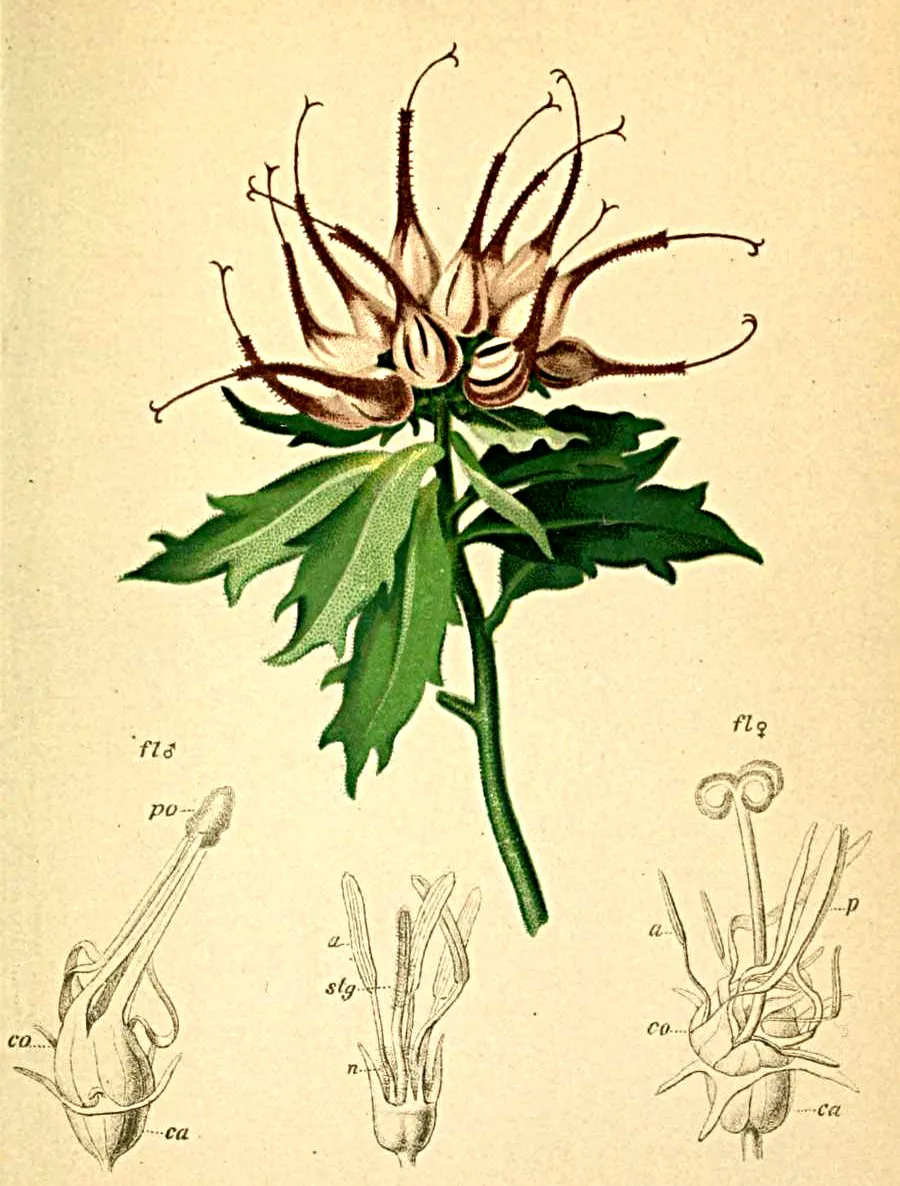
For alpine lovers, Physoplexis comosa is a trophy plant. Its flower heads look like nothing else in the garden. Each amethyst bloom is swollen at the base, then drawn out into a slender, curved point, so a whole cluster resembles a tuft of tiny violet claws.
It is also wonderfully compact. A mature plant sits just 8 to 10 cm high, forming a neat rosette of toothed leaves. That makes it perfect for small spaces like troughs, pans, and rock crevices.
This plant carries real prestige, too. It holds the Royal Horticultural Society’s Award of Garden Merit. Raising it from devil’s claw seeds is a genuine badge of skill among rock gardeners.
How to plant devil’s claw seeds step by step
Sowing is the heart of growing this alpine. The seed is tiny, so handle it gently and never bury it deeply. Light helps it sprout.
- Fill modules or a pan with a gritty, free-draining seed mix. A John Innes seed compost cut with extra grit works well.
- Surface-sow the fine seed. Press it onto the surface and do not cover it with soil. Light aids germination.
- Top with a thin grit layer. A light dusting of fine grit or vermiculite holds the seed and keeps the surface open.
- Give it a cold-moist spell. Sow in autumn outdoors in a cold frame, or chill the sown pot in a fridge for 4 to 6 weeks at roughly -4 to +4°C.
- Move to a cool spot to sprout. After chilling, keep it at about 5 to 12°C. Seedlings can appear within six weeks, but be patient.
- Prick out carefully. Once roots fill the module, move each seedling to a 9 cm pot of gritty compost. Disturb the roots as little as possible.
Most plants flower in their second or third year. That wait is normal for a choice alpine, so do not give up early.
Germination: what to expect
Germination is the trickiest part. Devil’s claw seeds carry a natural dormancy that a cold period helps to break. Without that chill, results are poor.
Even with the right treatment, sprouting is slow and uneven. Seeds may emerge over a few weeks, or trickle up over a couple of months. Keep the pot lightly moist, never soggy, while you wait.
Sow more seed than you think you need. A modest germination rate is common for this species, so a generous sowing gives you a few strong plants to grow on.
Best season and when to sow
Autumn is the classic sowing time. An autumn sowing in a cold frame lets winter provide the natural cold-moist period the seed needs. Seedlings then appear in spring.
You can also sow under cover at other times if you chill the pot yourself in a fridge first. This gives you more control over timing.
In cool-summer regions, spring-raised plants settle in before their first winter. The key is simple. Match the seed’s cold requirement, then give gentle warmth to trigger growth.
Sun, soil, watering and feeding
Site this alpine in full sun. In climates with hot summers, a little shade in the afternoon helps. The plant prefers cool, bright conditions over baking heat.
Drainage is everything. Use a gritty, sharply drained mix that is lean rather than rich. Neutral-to-alkaline limestone soil suits it best, which fits its native cliffs.
Water to keep the root zone just moist during growth, then ease off. The crown must stay dry in winter. Overhead cover, or a deep grit collar around the neck, keeps water off the resting plant.
Feeding is light work. A weak, occasional feed in the growing season is plenty. Rich soil and heavy feeding only soften the plant and invite rot.
Common pests and diseases
Happily, this alpine is fairly trouble-free for pests. The real danger is moisture, not insects.
- Crown and root rot: The number one killer. Wet, airless soil rots the crown fast. The fix is sharp drainage and a dry winter neck.
- Slugs and snails: They graze soft new growth in spring. Use grit barriers or wildlife-safe controls.
- Aphids: They can cluster on tender shoots. A jet of water or a gentle soap spray clears them.
- Vine weevil: Watch for grubs in pots. Check the rootball when repotting and act early.
Common problems and quick fixes
Most failures trace back to water and drainage. Here are the usual issues and how to fix them.
- Plant collapses in winter: Crown rot from wet. Fix it with overhead cover and a much grittier mix next time.
- No germination: The seed missed its cold spell. Re-sow and give a proper 4 to 6 week chill.
- Leggy, soft growth: Too much shade or rich soil. Move to brighter light and a leaner mix.
- Slow to flower: This is normal. Many plants bloom only in year two or three.
The “holy grail” of Dolomite crevice alpines
Among rock gardeners, Physoplexis comosa has near-legendary status. It grows wild in narrow cracks of limestone cliffs in the Dolomites, up to around 2,000 metres. Its roots creep deep into the rock, anchoring the plant against wind and weather.
That wild home explains its garden needs. It wants a vertical, fast-draining crevice, lime in the soil, and air around the crown. Recreate a slice of cliff and this connoisseur’s plant rewards you with its bizarre, beautiful heads.
Why a true crevice plant is hard to please
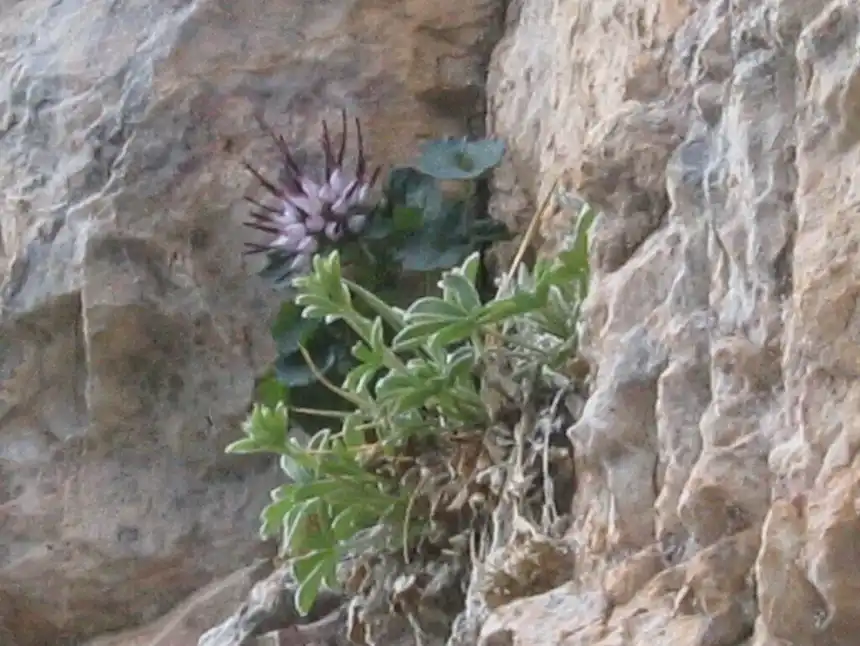
This species earns its reputation for being demanding. In the wild it sits in sheer rock, where rain drains away in seconds and the crown never sits in a puddle.
In a flat border, water lingers and the plant rots. So the trick is to copy the cliff. Grow it in a tufa block, a crevice bed, a deep gritty trough, or an alpine house with winter cover. Give it those conditions and it is far steadier than its scary reputation suggests.
Seed honesty: patience is the real skill
Let us be honest about raising this plant from seed. It is not a quick win. The seed is dust-fine, the dormancy is real, and germination is slow and uneven.
Experienced growers on rock-garden seed exchanges report best results from fresh seed, an autumn sowing, and simple patience. Reviewers who buy devil’s claw seeds online note that a cold-moist period makes the biggest difference. Treat slow germination as normal, not as failure, and you will succeed.
What the name means
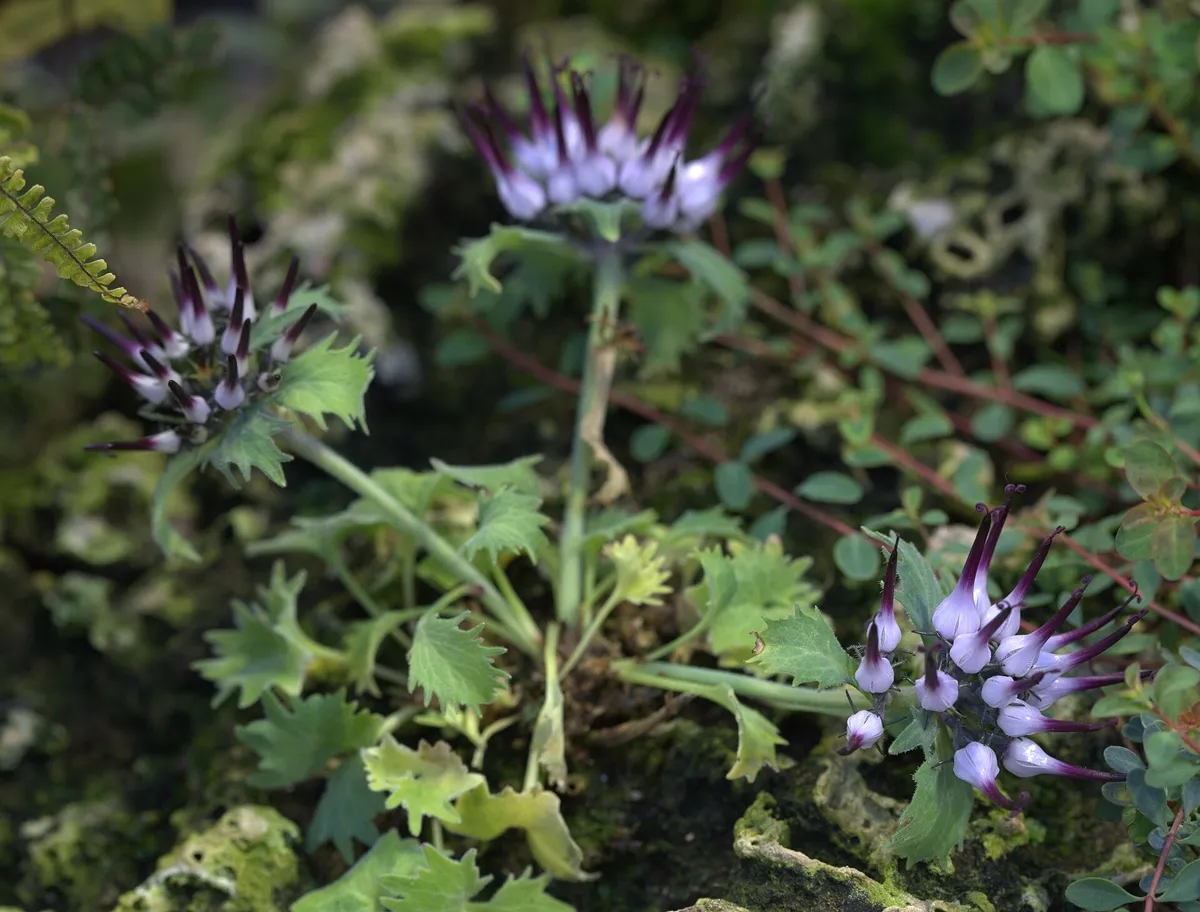
The botanical name fits the plant well. Physoplexis nods to the swollen, bladder-like base of each flower, while comosa means “tufted”, for the clustered heads. Together they describe that flask-and-tuft shape perfectly.
The common names follow the same idea. “Tufted horned rampion” points to the rampion relatives and the horn-like flower tips. “Devil’s claw” simply describes the curved, clawed points of the blooms. The plant was once placed in Phyteuma, and molecular studies still link it closely to that group.
Devil’s claw look-alikes and relatives (disambiguation)
The name “devil’s claw” is shared by several very different plants. It helps to know which is which before you buy seed.
| Plant | What it is | Key difference |
|---|---|---|
| Physoplexis comosa (this post) | Tiny alpine perennial, Campanulaceae | Amethyst flask-and-claw flower heads on a rock-dwelling tuft |
| Phyteuma (horned rampions) | Related alpines, Campanulaceae | Taller spikes or heads of horn-like florets; some are easier to grow |
| Campanula (true bellflowers) | Bellflower cousins | Open bell-shaped flowers, often spreading |
| Proboscidea / Martynia | Warm-climate “devil’s claw” | Grown for hooked seed pods; a totally different family |
| Harpagophytum | African “devil’s claw” | A different plant used in herbal products; not covered or claimed here |
For the bellflower cousins, see our guides to Campanula carpatica bellflower seeds and edraianthus grassy bells seeds. Both share the Campanulaceae family with our devil’s claw.
Design ideas: where Physoplexis shines
This is a plant for close-up viewing, so place it where you can admire the detail. A raised crevice bed at waist height is ideal.
It looks superb tucked into a tufa block, with its violet heads against pale rock. In a trough, pair it with other tidy alpines that share the same lean, gritty needs. Try it near saxifraga rockfoil seeds, sempervivum hens and chicks seeds, and lewisia bitterroot seeds.
For a longer season of colour around it, add aubrieta rock cress seeds and helianthemum rock rose seeds at the trough edges. Keep tall, hungry plants well away so they cannot crowd or shade the crown.
Growing Physoplexis comosa in India: an honest view
Let us be realistic for Indian gardeners. Physoplexis comosa is a cold cliff alpine, so the hot, humid plains are simply not its world. Monsoon humidity at the crown will rot it quickly.
It is a project for cool hill stations or dedicated alpine-house growers. Think Himalayan hill towns, a bright cool veranda, or a sheltered alpine bench. Even there, full sun, lime, and very sharp drainage are non-negotiable.
The practical route is container culture. Grow it in a gritty tufa or crevice pan, keep it in the coolest months, and shield the crown from monsoon rain. It remains strictly ornamental, and its visitors are bees and small alpine pollinators, not hummingbirds, which do not occur in India.
If you want easier alpine colour in India first, start with tougher choices like dianthus seeds, sedum stonecrop seeds, or armeria sea thrift seeds. They build your confidence before you tackle a connoisseur’s plant.
More choice alpines to pair and grow next
If you love a challenge like this, build a wider alpine collection. These guides cover plants that enjoy the same gritty, sunny, sharply drained conditions.
- Gentiana acaulis trumpet gentian seeds — intense blue trumpets for lime-free pockets.
- Pulsatilla pasque flower seeds — silky spring cups and feathery seed heads.
- Globularia globe daisy seeds — neat blue powder-puff blooms.
- Townsendia easter daisy seeds — stemless daisies for troughs.
- Leontopodium edelweiss seeds — the classic woolly alpine star.
- Aquilegia columbine seeds — graceful spurred flowers for cooler spots.
- Alyssum seeds — easy golden or white carpets for rock edges.
Frequently asked questions
Are Physoplexis comosa devil's claw seeds hard to grow?
They are challenging but rewarding. The seed needs a cold-moist period to germinate, and the mature plant demands very sharp drainage and a dry winter crown. Match those needs and success is very achievable.
Is this devil's claw edible or medicinal?
No. Physoplexis comosa is grown purely as an ornamental alpine flower. The edible and herbal plants also called “devil’s claw” are completely different species and are not covered here.
How long do devil's claw seeds take to germinate?
Expect slow, uneven germination. After a 4 to 6 week cold spell and gentle warmth, seedlings may appear within six weeks, though some trickle up over a couple of months.
Can I grow Physoplexis comosa in a pot?
Yes, and a pot is often the best choice. A gritty alpine pan or tufa block lets you control drainage and move the plant under cover in winter to keep the crown dry.
What plant family is Physoplexis comosa in?
It belongs to Campanulaceae, the bellflower family, and is closely related to the rampions (Phyteuma). Physoplexis is actually a monotypic genus, meaning comosa is the only species in it, which is part of why collectors prize it.
Why is Physoplexis comosa also called tufted horned rampion?
The claw-like, pale purple flower clusters look like small horned tufts poking out of the leaf rosette, and its closest relatives are the true rampions. Both common names, devil’s claw and tufted horned rampion, describe the same odd, clustered bloom.
Do slugs damage Physoplexis comosa?
Yes, slugs and snails are one of the biggest threats to young rosettes, especially in damp weather. Growers commonly protect plants with grit collars, wool pellets, or by growing them in raised tufa and crevice plantings that slugs struggle to reach.
What elevation and habitat does Physoplexis comosa grow in naturally?
In the wild it grows wedged into limestone and dolomitic rock crevices from around 1,000 to 6,500 feet in the Alps and Dolomites. That vertical, well-drained habitat is exactly what you need to recreate with a crevice garden or tufa block at home.
What USDA hardiness zone suits Physoplexis comosa?
Seed suppliers typically rate it hardy from USDA zone 5 to zone 8. Cold itself is rarely the problem; a wet crown sitting in winter moisture is what kills far more plants than frost does.
How big does Physoplexis comosa actually get?
It stays remarkably small, forming a tufted rosette only around 3 to 4 inches (roughly 8cm) tall, with the claw-shaped lilac-pink flower heads held just above the leaves. Its tiny scale is part of why it suits alpine troughs and crevice gardens rather than open borders.
What pollinates Physoplexis comosa?
The narrow, fused, claw-like flowers are adapted for long-tongued bumblebees, which are among the few insects able to reach the nectar hidden inside the fused petal tips. This specialised pollination is one reason the plant’s odd flower shape evolved in the first place.
Can I grow Physoplexis comosa in an ordinary garden bed?
It struggles in standard borders because normal soil holds too much winter moisture around the crown. A raised alpine trough, tufa block, or vertical crevice with sharp grit drainage gives it the dry-necked conditions it needs to persist for years.
Sources and further reading
Still stuck? Ask the Plant Doctor
Describe the problem — yellow leaves, holes, no flowers — and get a clear answer in seconds. FreeAI can make mistakes. Answers are guidance, not a guarantee — check anything important against the guide it links to, and always read the label on any product before you use it.