Grassy Bells Seeds
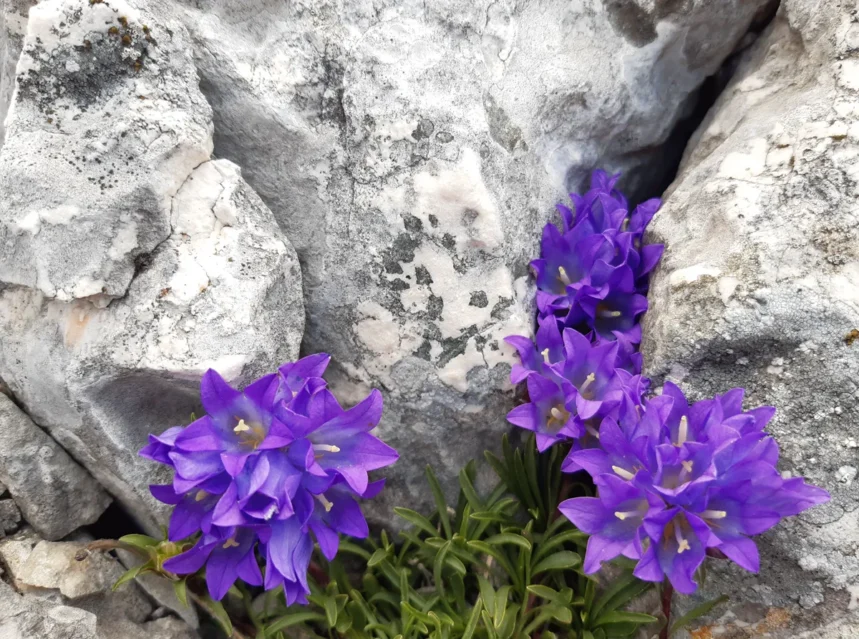
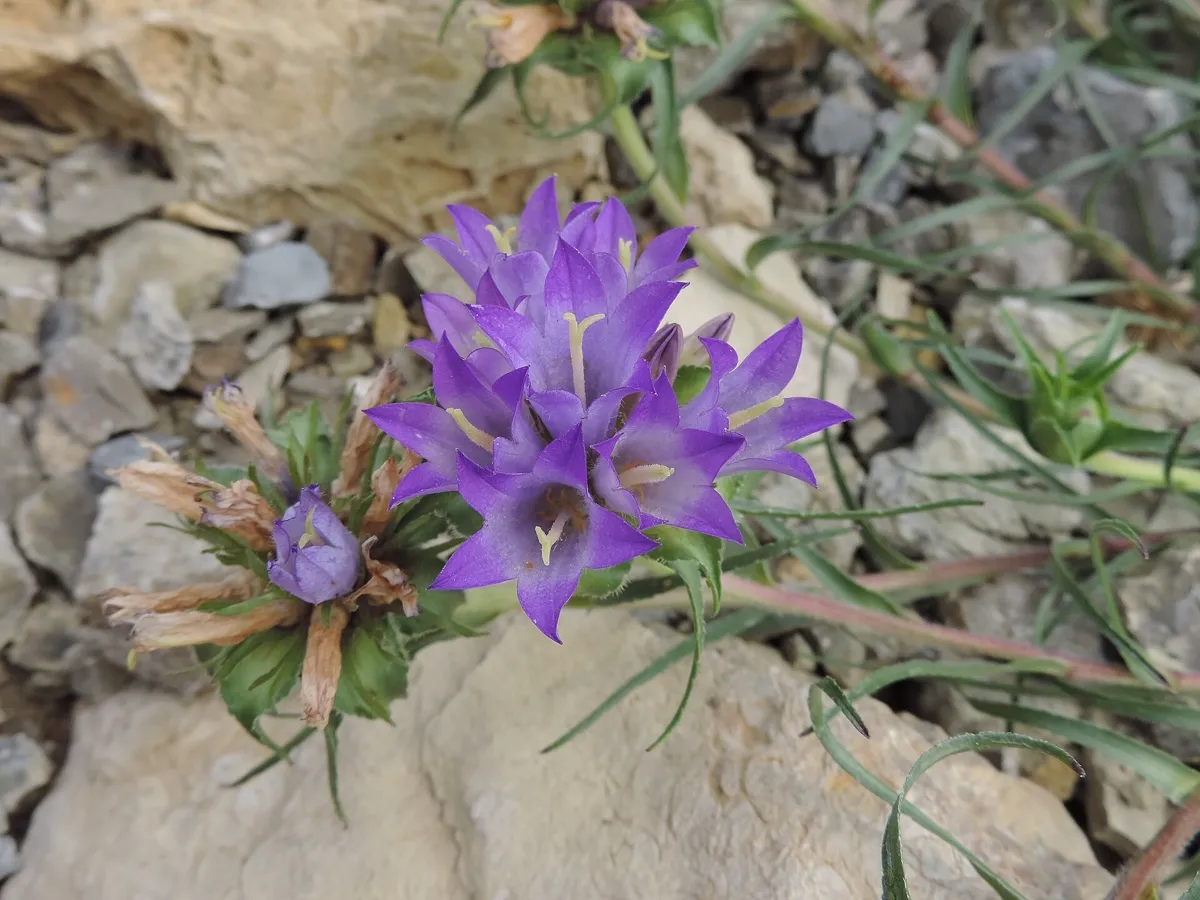
Grassy bells seeds grow into Edraianthus, a neat alpine perennial that forms a tuft of grass-like leaves topped with a ring of violet-blue bells. Sowing grassy bells seeds gives rock-garden and trough growers a true connoisseur’s plant: compact, sun-loving, and dazzling in early summer.
This guide is for ornamental gardening only. Grassy bells (Edraianthus) is grown purely for its beauty in rock gardens, troughs, and walls. It makes no medicinal, herbal, or edible claims of any kind.
🧰 In a hurry? Jump straight to our tested picks for this guide ↓
Quick start
- Plant type: hardy alpine perennial, 5–15 cm (2–6 in) tall
- Best for: rock gardens, scree, troughs, crevices, wall tops, alpine pans
- Bloom time: late spring to early summer
- Flowers: clustered upturned bells, usually violet-blue
- Sun: full sun (6+ hours)
- Soil: very sharply drained, gritty, neutral to alkaline (limestone); lean, not rich
- Sow seed: surface-sow fine seed; light and a cool spell help
- Germination: roughly 2–8 weeks, sometimes longer
- First flowers: usually year 2 from seed
- Watch for: crown/root rot in wet soil; slugs on new growth
Authority sources: Wikipedia: Edraianthus, Royal Horticultural Society (RHS), and RHS — Edraianthus graminifolius.
Grassy bells at a glance
| Feature | Detail |
|---|---|
| Botanical name | Edraianthus (e.g. E. graminifolius, E. pumilio) |
| Family | Campanulaceae (bellflower family) |
| Common names | Grassy bells, grassbells |
| Height & spread | 5–15 cm tall, 15–20 cm wide |
| Flower | Upturned bells in a tight terminal cluster |
| Colours | Violet-blue (classic), some purple, pale or white forms |
| Bloom season | Late spring to early summer |
| Native range | Limestone mountains of the Balkans, Italy and Greece |
| Sun | Full sun |
| Soil | Very sharply drained, gritty, alkaline; lean |
| Hardiness | Cold-hardy (roughly USDA zones 5–7) |
Why grow grassy bells?
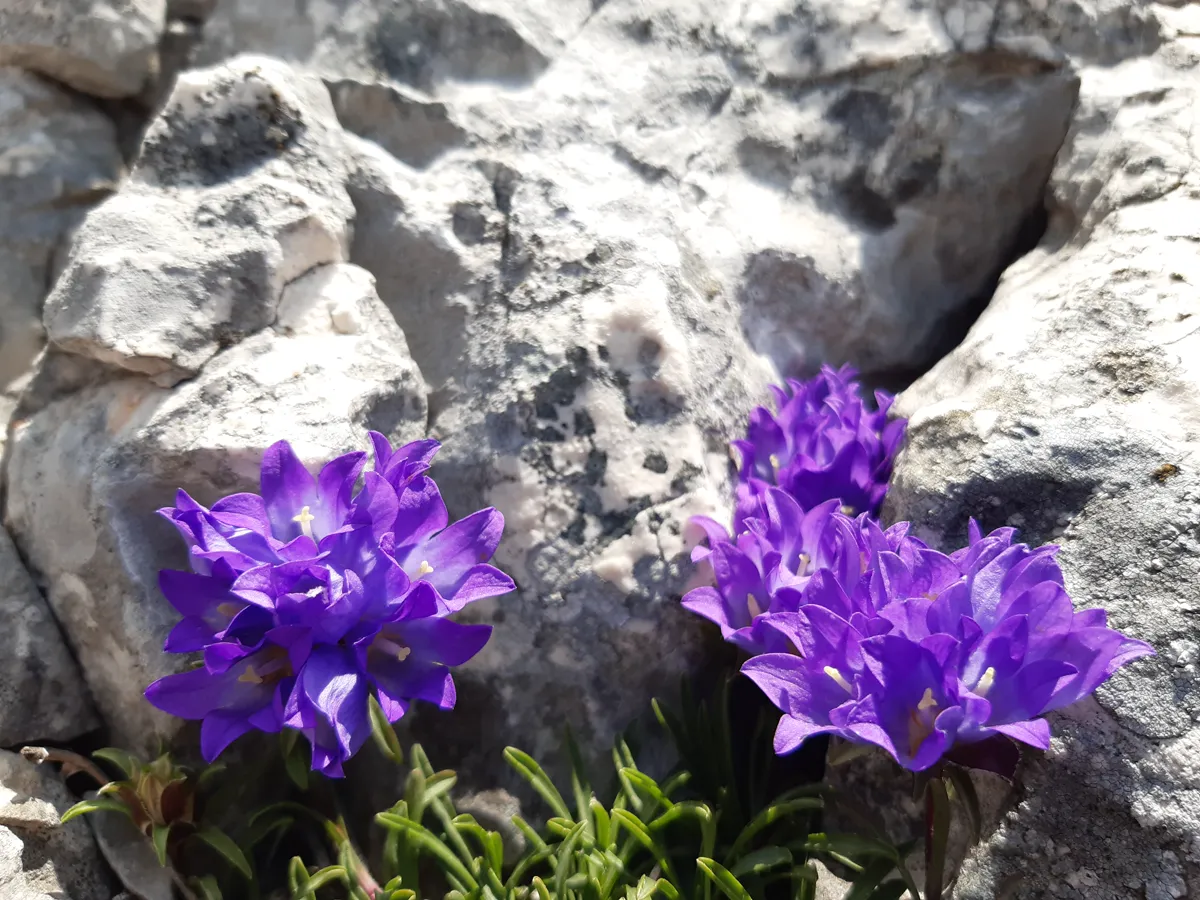
Grassy bells earns its place as a small plant with a big personality. The tidy grassy cushion looks neat all year, then explodes into a ring of violet-blue bells in early summer.
It is the bellflower look in miniature. You get the charm of a campanula without the spread, because grassy bells stays put as a clump. That makes it perfect where space is tight.
It is also tough once settled. Full sun, sharp drainage, and lean soil are all it asks. For rock gardeners and trough growers, few plants pack this much impact into so little room.
A connoisseur’s plant for scree and troughs
Grassy bells is a classic alpine-house and rock-garden treasure. Specialist growers prize it for crevices, scree beds, wall tops, and shallow alpine pans where its tight form shines.
The signature look is striking: a mound of fine, grass-like foliage topped by an outsized cluster of bells. As one description puts it, it resembles “a mound of grass surrounded by a ring of flowers.”
Plant it where you can admire it up close, such as a raised trough or the edge of a wall. At eye level, the contrast of slim leaves and bold bells is unbeatable.
The bellflower charm without the spread
Many bellflowers are wonderful but wander. Some campanulas seed about or run, which is great for filling space but tricky in a small alpine planting.
Grassy bells solves that. It is a neat clump-former, not a runner, so it holds its shape and stays where you put it. You get the family’s lovely bells without policing its spread.
This restraint makes it ideal for troughs and crevice gardens, where every centimetre counts. Pair it with other tidy alpines and the planting stays balanced for years.
How to plant grassy bells seeds step by step
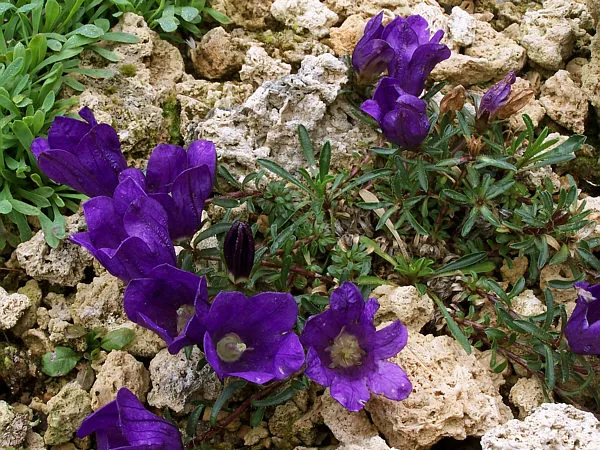
Sowing grassy bells is straightforward if you respect its need for grit and light. Use a free-draining alpine mix and follow these steps.
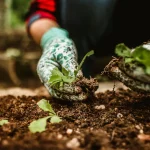
- Fill pots or pans with a gritty, free-draining seed mix. Add extra grit or perlite.
- Surface-sow the fine seed. Scatter it thinly on top; light helps germination.
- Cover very lightly with a thin dusting of fine grit or sharp sand, about the depth of the seed.
- Water gently from below and keep just moist, never soggy.
- Give it a cool spell. Sowing in winter or early spring lets natural cold break dormancy.
- Be patient. Expect seedlings in about two to eight weeks, sometimes longer.
- If nothing shows in six to twelve weeks, chill the damp tray in the fridge for four weeks, then bring it back to warmth.
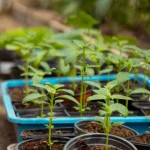
- Prick out small into deep pots and grow on in full sun before planting out.
Germination: what to expect
Grassy bells germinates fairly readily for an alpine, but timing varies. Set your expectations for a few weeks to a couple of months, not days.
Keep the surface bright and lightly moist at around 15–18°C (59–64°F). A cool period before warmth usually improves results, so do not rush it into heat.
Some seeds sprout quickly while others lag for months, so keep a quiet tray going. Do not bin it early; stragglers are common and often worth the wait.
Best season and when to sow
The classic timing is winter or early spring. This lets the seed sit through a natural cold spell in damp compost, which helps break dormancy.
You can sow at other times, but you may then need to provide an artificial cold period in the fridge. Outdoors, a cold frame does this job for free.
Seed-grown plants usually flower in their second year. It is a short wait for an alpine, and each plant then returns and bulks up slowly for many seasons.
Sun, soil, watering and feeding
Give grassy bells full sun. It needs at least six hours of direct light to stay compact and to flower freely rather than stretch.
Soil must be very sharply drained, gritty, and ideally alkaline (limestone). Lean is best; rich beds make soft growth that rots. Heavy clay and winter wet are its main enemies.
Water young plants while they settle, then ease off. Established plants are drought-tolerant. Do not feed heavily; a poor, gritty mix keeps the cushion tight and long-lived.
Common pests and diseases
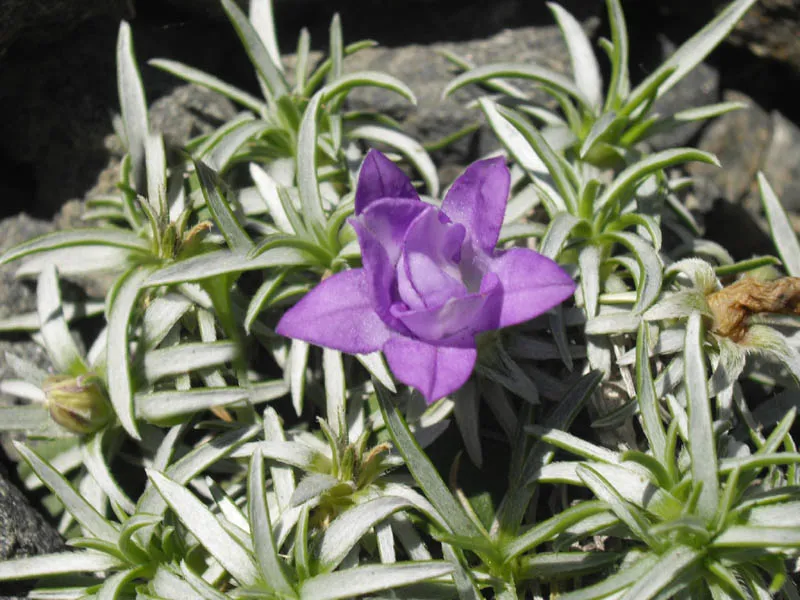
Grassy bells is generally trouble-free, which is part of its appeal. The biggest danger is not a pest but soggy soil.
Crown and root rot strike in wet conditions or poor drainage. The fix is cultural: plant in gritty soil, troughs, or raised scree, and add a grit collar to keep the crown dry.
Slugs and snails may nibble soft new growth in spring. Hand-pick them or use barriers. Aphids appear occasionally and rinse off easily. Beyond that, you will rarely intervene.
Common problems
If a plant rots or collapses, drainage is almost always the cause. Move it to a gritty, raised spot and let the surface dry between waterings to fix it.
No flowers usually means too little sun or soil that is too rich. Shift it into full sun and stop feeding. Young seedlings also simply need a year before they bloom.
Loose, floppy foliage points to shade or over-feeding. Give it the brightest, leanest position you have, and the cushion will tighten up nicely.
What the name means
The botanical name Edraianthus comes from Greek words meaning “sitting” and “flower,” a nod to the way the bell cluster sits tight against the leafy cushion. It is description, not use.
The common name “grassy bells” simply combines its two best features: grass-like leaves and bell-shaped flowers. Some growers spell it “grassbells.”
The genus belongs to the bellflower family and was once tangled with related names. You may see some species listed under Wahlenbergia, which is a close cousin.
Grassy bells vs look-alikes
Several bellflower relatives look similar, so it helps to know what you are buying. The table below sorts out the main confusions.
| Plant | How to tell it apart |
|---|---|
| Edraianthus graminifolius (this post) | Grass-like cushion topped with a tight cluster of upturned violet-blue bells |
| Edraianthus pumilio | The tightest, most silvery dwarf form, with large bells over tiny leaves |
| Campanula (true bellflowers) | Broader leaves, often spreading or running; single bells along stems |
| Wahlenbergia | Close cousin; often solitary nodding bells rather than a tight cluster |
Design ideas with grassy bells
Grassy bells is made for close viewing, so plant it where you pass it daily. The edge of a raised trough, the top of a wall, or a sunny crevice all work beautifully.
It shines in scree gardens and alpine pans, nestled among stones that keep its neck dry. Combine it with low cushion alpines for a tidy, jewel-box planting.
Group a few plants for impact rather than dotting singles. The slim grassy leaves also add fine texture beside broader-leaved alpines, so it earns its place even out of flower.
Growing grassy bells in India
Let us be honest about India. Grassy bells is a cool-temperate Balkan mountain alpine, so it is not a plant for the hot, humid plains. Monsoon wet and summer heat are its biggest enemies.
Your best chance is in cooler hill stations, or as a cool-season plant in gritty alpine troughs and pans. Keep it in full sun, raise the containers to shed monsoon rain, and protect the crown from sitting wet.
Treat it strictly as an ornamental. In the garden its violet-blue bells draw bees and other small pollinators in early summer. Use very sharp drainage, keep the crown dry, and a few troughs can succeed in the right cool spot.
Good companion plants to grow from seed
Grassy bells looks best with other sun-loving, sharp-drainage alpines that enjoy the same lean, gritty conditions. Try pairing it with these, all of which you can raise from seed:
- Aubrieta (rock cress) for cascading spring purple
- Saxifraga (rockfoil) for neat cushions between stones
- Armeria (sea thrift) for tidy pink drumstick blooms
- Dianthus for fragrant, sun-loving mats
- Helianthemum (rock rose) for summer sun colour
- Sempervivum (hens and chicks) for drought-proof rosettes
- Sedum (stonecrop) for easy succulent texture
- Lewisia (bitterroot) for jewel-toned trough flowers
- Campanula carpatica (bellflower) for more blue summer bells
- Gentiana acaulis (trumpet gentian) for electric-blue spring trumpets
- Aquilegia (columbine) for airy nodding blooms
Frequently asked questions
Are grassy bells seeds hard to grow?
Not really. They germinate fairly readily for an alpine, usually in two to eight weeks. Surface-sow on a gritty mix, give light and a cool spell, and be patient with any stragglers.
Where should I plant grassy bells?
Choose a spot in full sun with very sharp, gritty drainage and lean, alkaline soil. Rock gardens, scree beds, wall tops, and alpine troughs are ideal. Avoid rich soil and winter wet.
How big does grassy bells get?
It stays small, usually 5–15 cm tall and 15–20 cm wide. It forms a neat grassy cushion rather than spreading, which makes it perfect for troughs and crevices.
Does grassy bells come back every year?
Yes. It is a hardy perennial that returns and slowly bulks up for many years once established, provided it has full sun and sharp drainage.
Do grassy bells seeds need cold treatment?
Often yes. Sow in late winter and if nothing appears at room temperature within two to three weeks, move the tray to about 4 °C (40 °F) for four weeks, then bring it back into warmth.
How deep should I sow Edraianthus seeds?
Barely at all. The seed is very fine, so press it onto the surface of moist gritty compost and cover with no more than a dusting of sand or fine grit.
What soil do grassy bells need?
Sharp, gritty, free-draining soil, ideally with some limestone chippings. Heavy clay holds water around the crown in winter and rots the plant.
When do grassy bells flower?
Clusters of violet-blue bells open in late spring and early summer, usually over four to six weeks. Removing spent heads keeps the cushion tidy.
How cold hardy is Edraianthus?
Most garden species are hardy to around USDA zone 4, roughly -30 °C (-25 °F). Wet winter soil is far more damaging than low temperatures.
Can I grow grassy bells in a pot or trough?
Yes, and it is one of the best ways to grow them. Use a gritty alpine mix in a container with generous drainage holes and top-dress with gravel to keep the crown dry.
How do I propagate grassy bells besides seed?
Take small basal cuttings in late spring or carefully divide an older cushion in early spring. Both root in gritty compost, though plants dislike heavy root disturbance.
Still stuck? Ask the Plant Doctor
Describe the problem — yellow leaves, holes, no flowers — and get a clear answer in seconds. FreeAI can make mistakes. Answers are guidance, not a guarantee — check anything important against the guide it links to, and always read the label on any product before you use it.