Tolpis Barbata Seeds
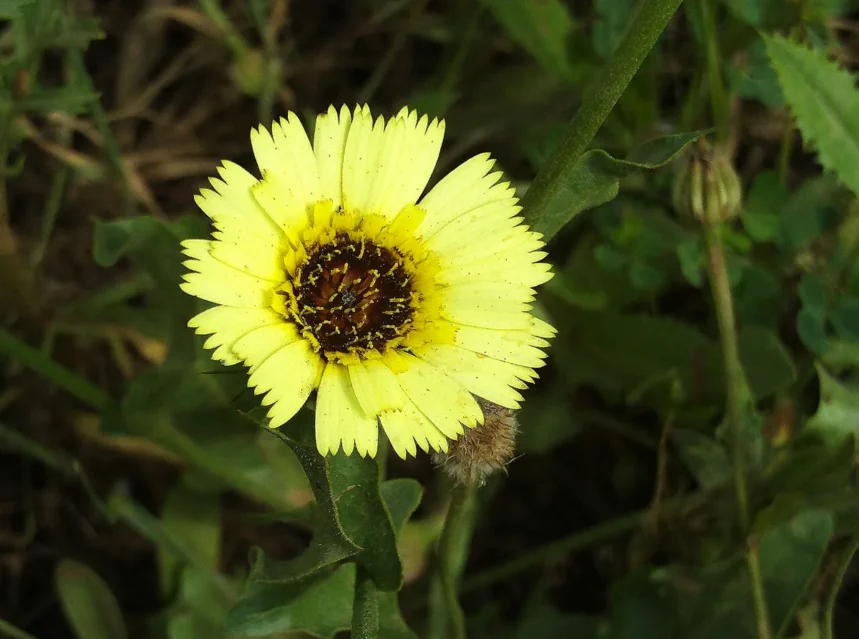
Tolpis barbata seeds grow into the brown-eyed daisy, an easy Mediterranean annual. It carries pale yellow daisy flowers, each marked with a striking dark maroon eye.
This guide shows you how to buy and sow tolpis barbata seeds well. We cover timing, soil, care and best uses. We also give honest worldwide advice.
Botanical name: Tolpis barbata (syn. Crepis barbata)
Also called: brown-eyed daisy, European umbrella milkwort, yellow hawkweed
Type: easy, branching hardy annual
Sow: direct in spring, where it is to flower
Sowing depth: barely cover — surface sow, light helps
Soil: light, well-drained; tolerates poor, dry & sandy
Site: full sun
Bloom: pale yellow with a dark maroon eye, summer
Best for: sunny borders, gravel gardens & cutting
Authority sources: Wikipedia — Tolpis barbata, First Nature, and RHS plant profile.
🧰 In a hurry? Jump straight to our tested picks for this guide ↓
What are tolpis barbata seeds?
Tolpis barbata seeds are the seeds of an unusual daisy. They grow into a slender, branching annual. It belongs to the daisy family, Asteraceae.
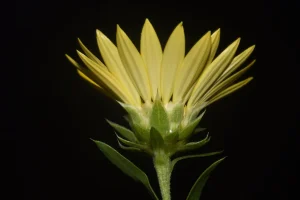
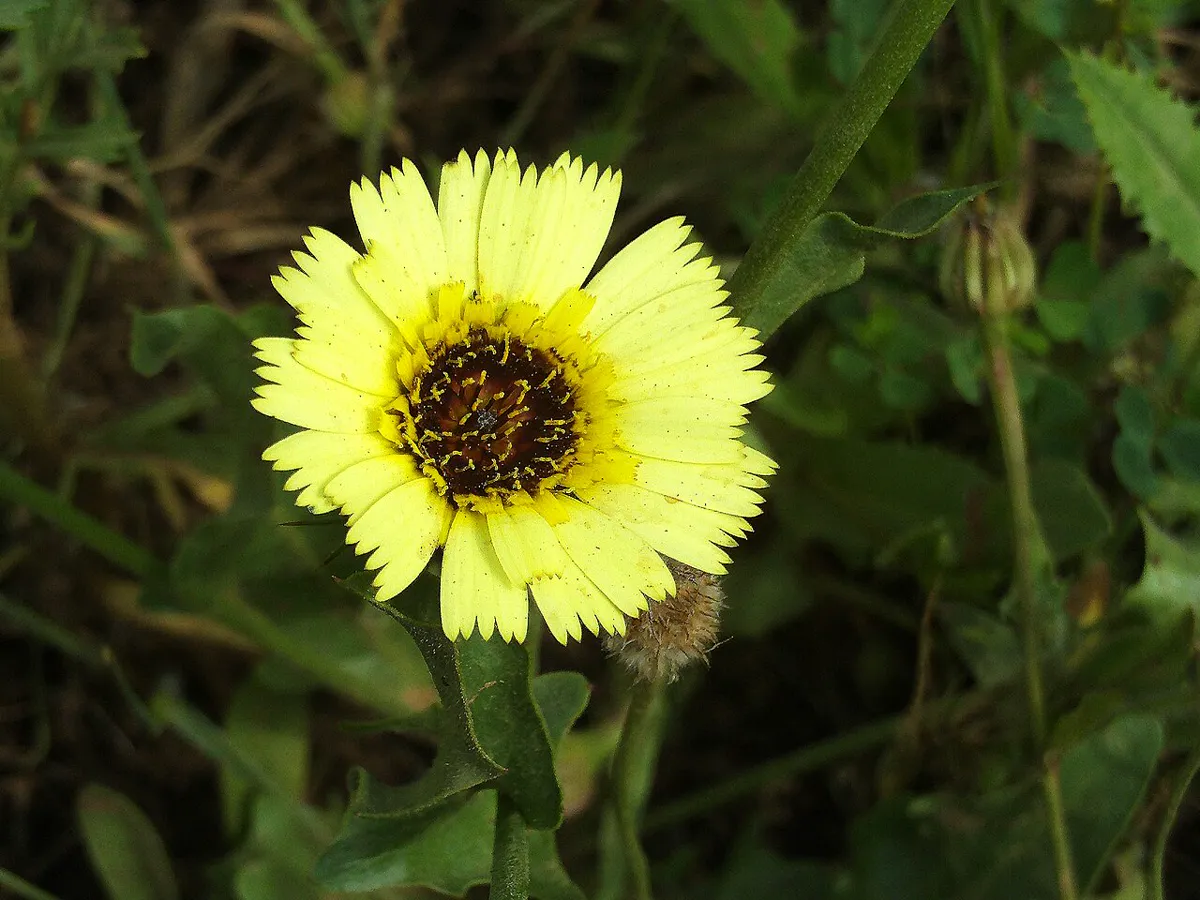
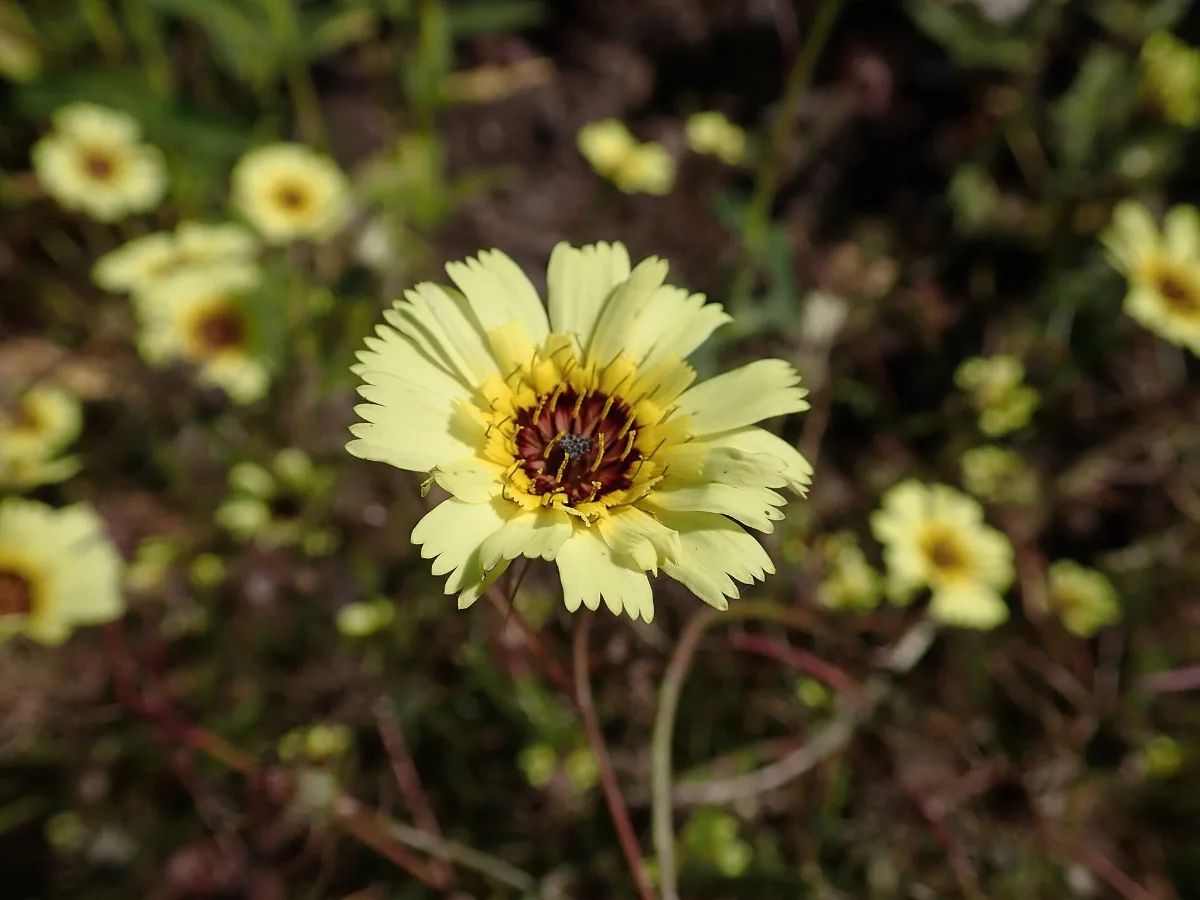
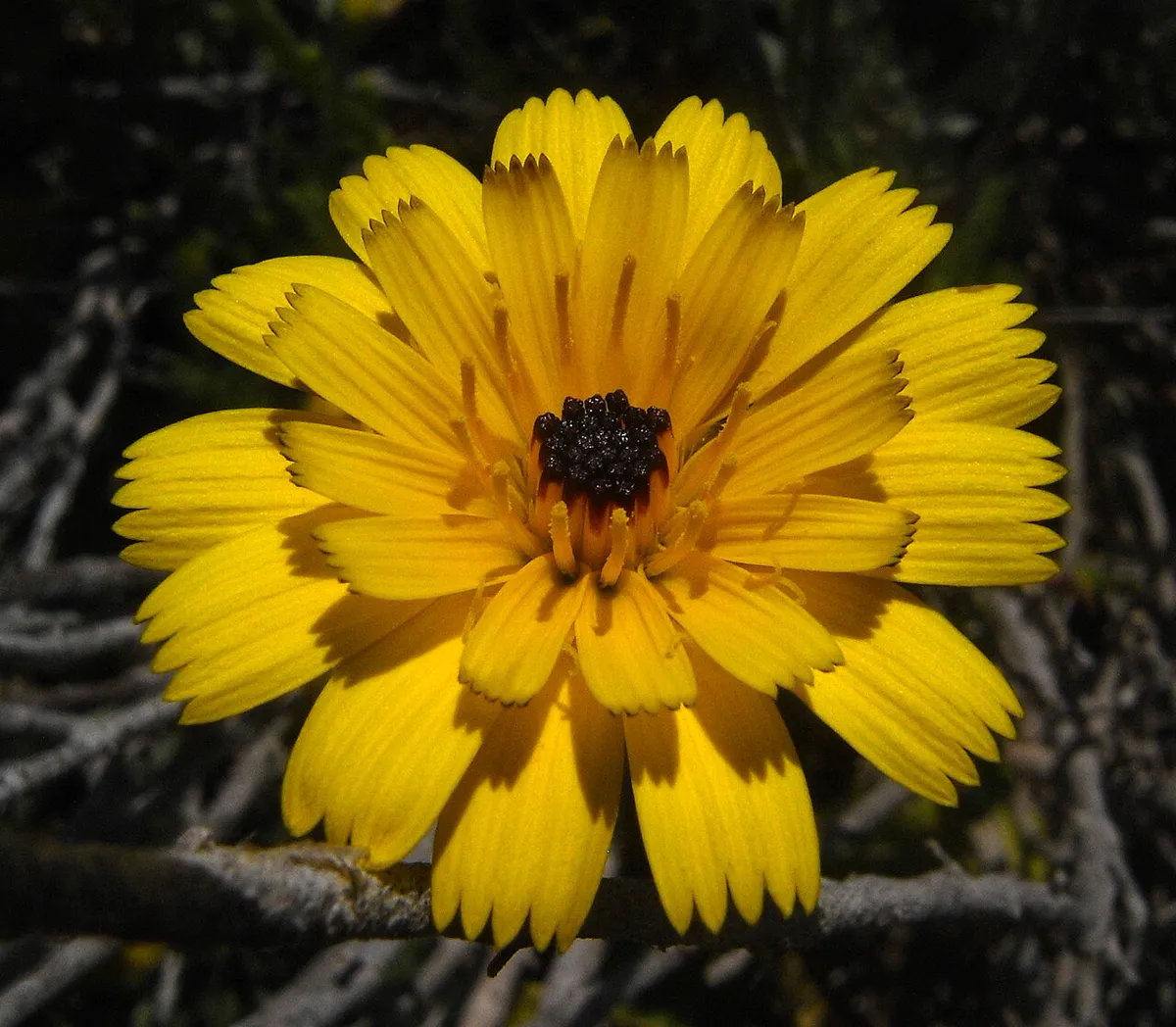
Each plant carries many small, lemon-yellow flower heads. Every bloom has a dark maroon-red centre. This bold eye is the plant’s signature feature.
The petals are finely toothed at their tips. The foliage is bright green and narrow. Wiry, airy stems hold the flowers aloft.
| Common names | Brown-eyed daisy, European umbrella milkwort, yellow hawkweed |
|---|---|
| Botanical name | Tolpis barbata (syn. Crepis barbata) |
| Family | Asteraceae (daisy family) |
| Native range | Mediterranean — Spain, Portugal, Italy, Greece & North Africa |
| Height | 30–60 cm (12–24 in) |
| Flower | Pale yellow daisies ~3–4 cm with a dark maroon eye |
| Bloom | Summer; roughly 10–12 weeks from sowing |
| Life cycle | Easy hardy annual; self-seeds freely |
Why grow tolpis barbata seeds
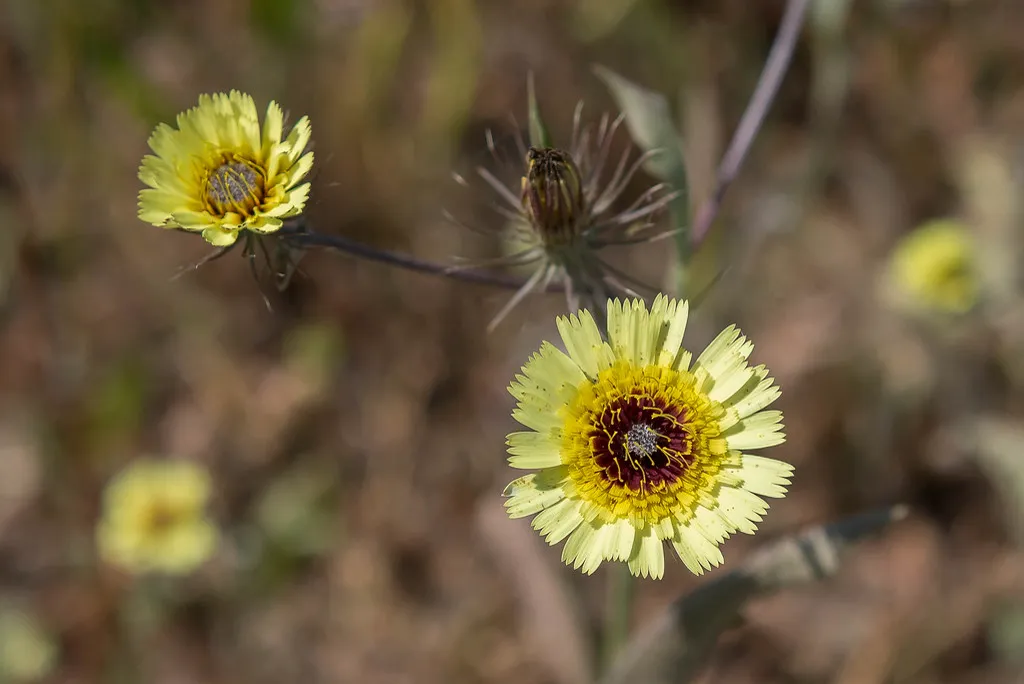
The first reason is that unusual flower. The dark eye on a pale daisy is eye-catching. Few yellow annuals look quite like it.
The second reason is how easy it is. This is a tough, undemanding Mediterranean plant. It thrives on poor, dry soil.
It is also wonderfully airy in a border. The wiry stems weave between bolder plants. The effect is loose and naturalistic.
Finally, it works well for cutting. The slender stems suit informal posies. Bees and hoverflies enjoy the open flowers too.
Tolpis at a glance
Tolpis is a slender, free-flowering cottage annual. It is loved for gravel gardens, sunny borders and cutting. Seed comes from specialist flower-seed suppliers.
It is a true hardy annual, not a perennial. One season takes it from seed to flower to seed. It then self-sows for the following year.
Its claim to fame is the maroon-eyed yellow daisy. That dark centre lifts it above plainer composites. It is the plant’s main selling point.
Where to buy tolpis barbata seeds
Buy tolpis barbata seeds from cottage-flower and wildflower seed specialists. Many list it as brown-eyed daisy or umbrella milkwort. The options below are placeholders.
Best season & when to sow
Sow tolpis barbata seeds direct in spring. Wait until the worst frosts have passed. Sow straight where the plants are to flower.
In mild areas, you can also sow in autumn. Young plants then overwinter and flower early. This suits gardens with gentle winters.
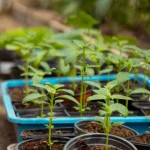
Seeds usually sprout in about one to two weeks. Keep the soil around 15 to 18°C. Surface sow and barely cover the seed.
Plants flower roughly 10 to 12 weeks after sowing. The dark-eyed daisies open through summer. Sow in succession for a longer show.
The dark-eyed daisy: a Mediterranean star
This is what makes Tolpis special. Most yellow daisies have a plain yellow or brown centre. Tolpis instead has a rich maroon-red eye.
That dark heart gives every flower real depth. It echoes the eye of a rudbeckia or gaillardia. Yet the look is finer and more delicate.
The plant comes from sunny Mediterranean hillsides. It naturally loves heat, light and sharp drainage. This makes it perfect for gravel and dry borders.
For more of that warm daisy feel, try coreopsis and ursinia. They share the same easy, sun-loving nature. Together they build a bright, breezy patch.
Growing tolpis barbata seeds: how to plant
Here is how to plant tolpis barbata seeds step by step. The method is simple and suits beginners.
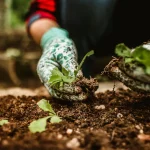
First, rake a sunny, well-drained patch to a fine tilth. Remove weeds and large stones. Aim for a crumbly, level surface.
Next, scatter the seeds thinly over the soil. Barely cover them with a fine sprinkling. Water gently with a fine spray.
Then keep the surface lightly moist until seedlings show. Thin them to about 20 to 30 cm apart. This gives each plant room to branch.
Finally, let the plants grow on with little fuss. Water only in long dry spells. Then simply enjoy the summer flowers.
Sun, soil & watering
Give Tolpis a spot in full sun. It flowers poorly in shade. Plenty of light brings the most blooms.
The soil should be light and well-drained. It is happy on poor, dry, sandy ground. Rich or soggy soil is the main thing to avoid.
Water young seedlings until they settle in. After that, the plant is drought-tolerant. Let the soil dry between waterings.
Skip heavy feeding altogether. Lean soil keeps the plant compact and flowery. Deadhead spent blooms to extend the display.
Tolpis vs dandelion, hawkbit & hawkweed
Several yellow daisies look alike at a glance. Tolpis is easy to tell apart on two points. These are the dark eye and the branching habit.
The common dandelion (Taraxacum) has a single flower on a hollow, leafless stem. Its leaves sit in a flat basal rosette. Tolpis instead branches and carries many flowers.
Hawkbits and hawkweeds (Leontodon, Hieracium) are plain yellow throughout. They lack the bold maroon centre. Tolpis always shows that dark, watchful eye.
So the dark heart is your quick clue. No common lawn weed shares it. That detail makes Tolpis a true garden flower, not a weed-alike.
Companions & where each suits
Tolpis blends beautifully with other sunny, easy annuals. Here is how it pairs with a few favourites.
| Flower | Look | Good for (worldwide) |
|---|---|---|
| Tolpis (brown-eyed daisy) | Pale yellow daisies, maroon eye | US gravel gardens; cool-season Indian beds |
| Rudbeckia | Golden daisies, dark cones | Hot US summers; North-Indian winters |
| Coreopsis | Bright yellow & gold daisies | US borders; cool Indian plots |
| Cape marigold | Sun-loving daisy in warm tones | Dry US beds; cool Indian gardens |
For more easy daisy colour, try calendula and cosmos. They bring warm, long-lasting bloom. Together they build a bright, pollinator-friendly patch.
Common pests & problems
Tolpis is a fairly trouble-free annual. Most issues trace back to growing conditions. Pests rarely cause serious harm.
Aphids may gather on soft young tips. Rinse them off or use a gentle soap spray. Encouraging ladybirds keeps numbers down.
Yellowing or rot usually means soil too wet. Improve drainage and water far less. This plant truly hates wet feet.
Floppy, leafy growth points to soil too rich. Move to leaner ground and skip feeding. For another easy daisy, see sanvitalia.
Self-seeding & saving seed
Tolpis self-seeds freely in open, sunny gardens. Spent flowers form fluffy dandelion-like seed heads. These ripen and scatter on the breeze.
To save seed, watch the heads as they fluff up. Snip them just before they blow away. Drop them into a paper bag to finish drying.
Then rub the heads to release the seed. Store it somewhere cool and dry. A labelled paper envelope works well.
Sow your saved seed again next spring. Self-sown seedlings can also be left in place. This keeps your dark-eyed daisies going for free.
Growing tolpis in India
Tolpis suits cool-season Indian gardens. It is a niche but rewarding winter annual. Treat it like other cool-weather daisies.
Sow seed in the cooler months from October onward. Grow it in sunny beds or large pots. It dislikes heavy heat and monsoon damp.
Use light, free-draining soil and water sparingly. Cool, bright winter days bring the best flowers. Aim to bloom before the summer heat builds.
Indian sellers stock similar easy daisy seed for winter colour. For more cool-season daisies, see our calendula and cape marigold guides.
Safety note: Tolpis is grown as an ornamental flower only. It self-seeds freely and has naturalised as a minor weed in parts of California and Australia, so deadhead if you want to limit spread. It is not a food crop, so keep seeds away from pets and small children.
For another easy sun-loving daisy, see our gaillardia seeds guide too.
Frequently asked questions
When should I sow tolpis barbata seeds?
Sow direct in spring once frosts have passed. In mild areas you can also sow in autumn. Plants flower in summer, about 10 to 12 weeks later.
Why does the daisy have a dark centre?
That maroon-red eye is the natural colour of Tolpis barbata. It is the plant’s signature feature. It sets it apart from plain yellow daisies.
Is tolpis the same as a dandelion?
No, though both are yellow daisies. Tolpis branches and carries many dark-eyed flowers. A dandelion has one plain flower on a hollow stem.
How long do tolpis barbata seeds stay viable in storage?
Stored somewhere cool and dry, tolpis barbata seed typically stays viable for around two to three years, though germination rates gradually decline as it ages. Because it self-seeds so freely once established, most gardeners never need to rely on old stored seed for long, since a healthy patch keeps producing plenty of fresh seed each summer.
Do tolpis barbata seeds need light to germinate, or should I cover them?
They germinate best with light, so sow them on the surface of the soil and only just barely cover them with a fine dusting rather than burying them properly. Firm contact with moist soil and a spot around 15-18°C get seedlings up in about one to two weeks; deeply buried seed sprouts far more slowly and unevenly.
Is tolpis barbata considered invasive anywhere?
It has naturalised as a minor roadside and grassland weed in parts of California and Australia after escaping cultivation, though it is not classed as seriously invasive in most regions. Because it self-seeds readily, it is still worth deadheading spent flowers in mild climates if you want to keep the plant confined to where you sowed it.
What eats young tolpis barbata seedlings?
Slugs and snails are the main threat to seedlings, especially in damp spring weather before the young plants toughen up. Once established, tolpis is largely left alone by pests, since aphids on soft new growth are the only other issue worth watching for, and even those rarely cause serious damage to a healthy, sun-grown plant.
Does tolpis barbata need deadheading to keep flowering?
Deadheading is not essential for continued bloom, but it does extend the display and helps if you want to limit self-seeding in a tidy border. Left alone, spent flowers form fluffy, dandelion-like seed heads that scatter on the wind, which is exactly how the plant naturalises so readily in gravel gardens and open, sunny ground.
Can I grow tolpis barbata in pots rather than direct-sowing in a border?
Yes, tolpis does well in containers as long as the pot has very free drainage and a lean, gritty compost mix, since it dislikes rich or waterlogged soil far more than most cottage annuals. Full sun is essential in a pot too; place containers where they get direct light for most of the day.
Why did my tolpis seed heads disappear before I could collect them?
Tolpis seed heads fluff up like a miniature dandelion clock and scatter on the breeze within a day or two of ripening, so timing is tight. Watch the maroon-eyed flowers closely once they fade, and snip the heads into a paper bag as soon as they turn fluffy rather than waiting for them to fully dry on the plant.
Is tolpis barbata an annual or a perennial?
It is an easy hardy annual. One season takes it from seed to flower to seed. It then self-seeds for the following year.
Still stuck? Ask the Plant Doctor
Describe the problem — yellow leaves, holes, no flowers — and get a clear answer in seconds. FreeAI can make mistakes. Answers are guidance, not a guarantee — check anything important against the guide it links to, and always read the label on any product before you use it.