Goldfish Plant Care (Nematanthus): Get Those Fish-Shaped Blooms
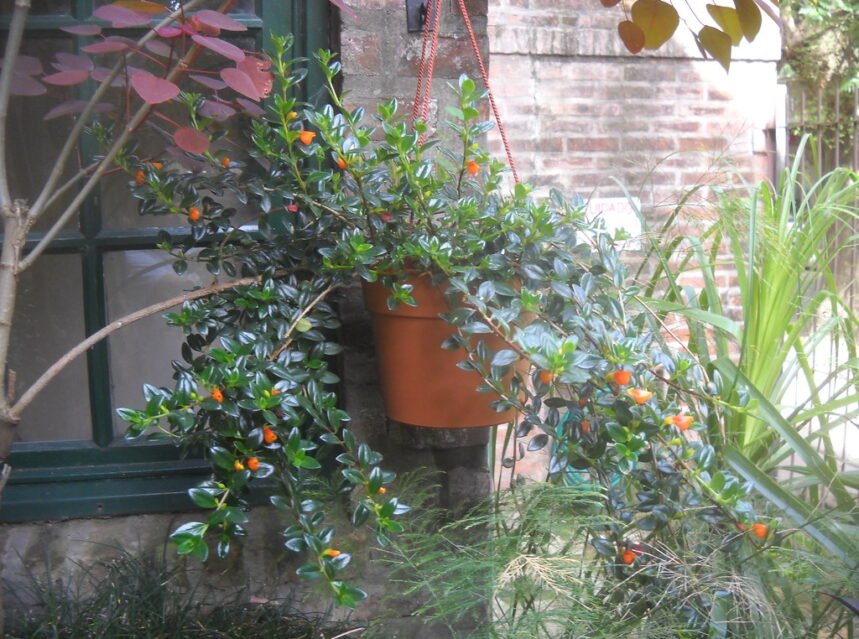
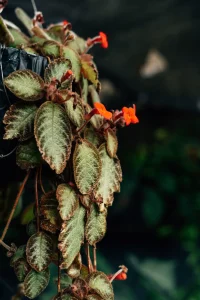
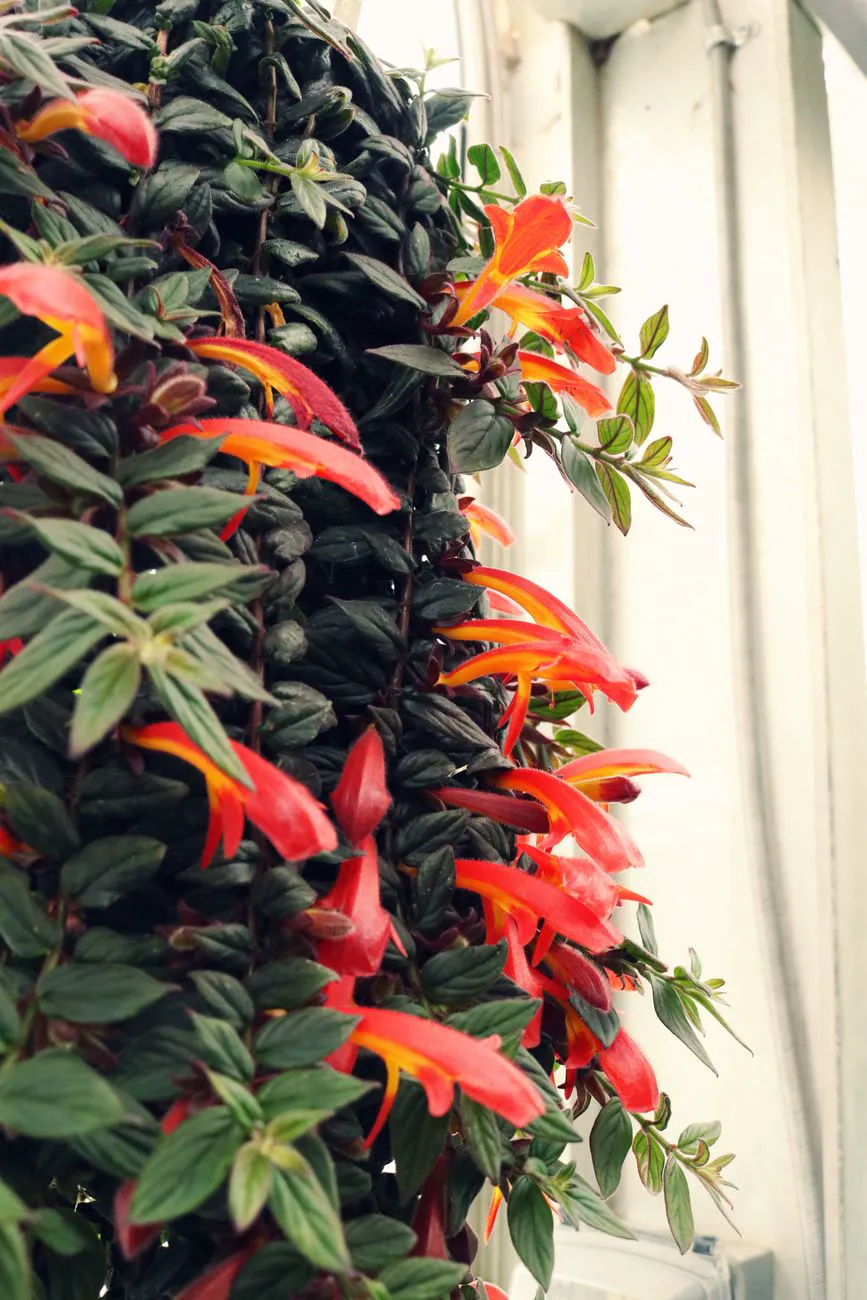
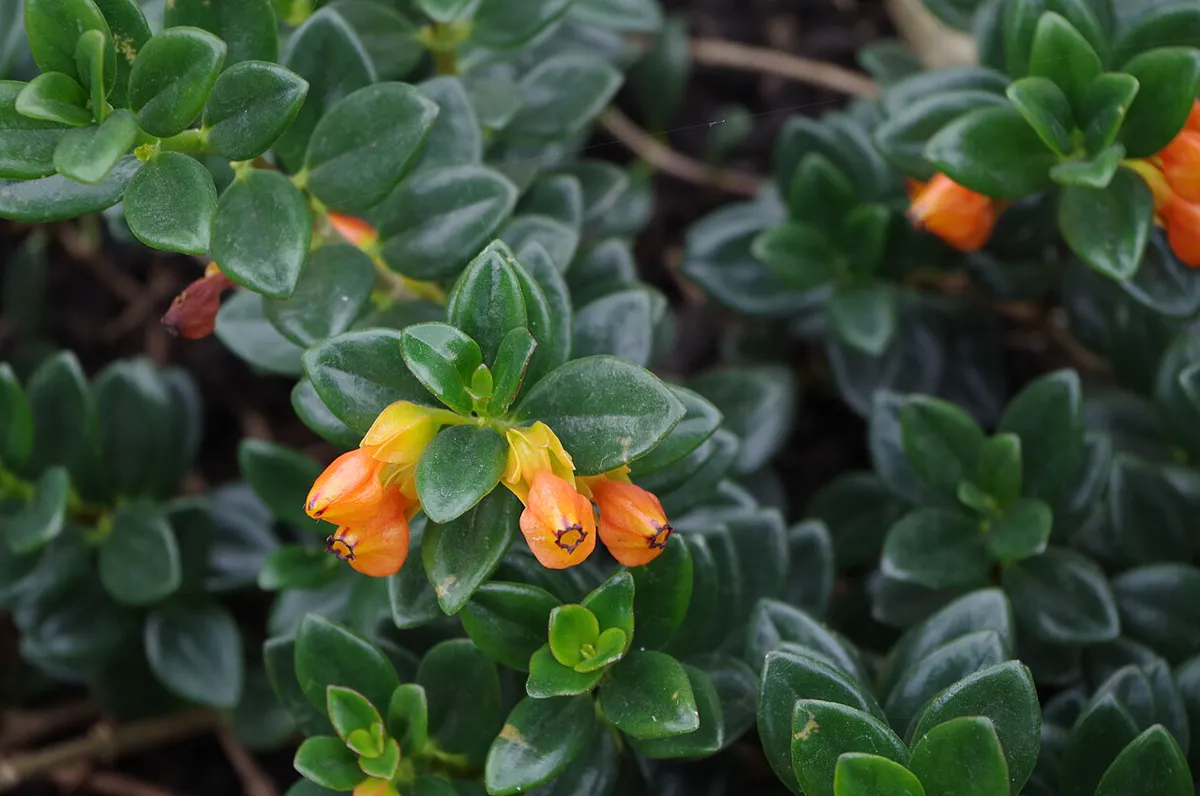
The goldfish plant (Nematanthus gregarius) is a cheerful trailing houseplant named for its flowers: glossy, pouched orange-red blooms that really do look like little leaping goldfish, set against thick, shiny, dark green leaves. A relative of the African violet and lipstick plant, it spills beautifully from a hanging basket and, given enough light, produces its quirky flowers for much of the year. Here is the complete guide to goldfish plant care.
Quick start: Give a goldfish plant bright, indirect light, keep the soil consistently moist (not soggy), and provide warmth (15–24°C) and moderate-to-high humidity. Use a light, well-draining, peat-based mix, feed in the growing season, and give it good light to bloom. A fun, flowering trailer that’s lovely in hanging baskets.
Like its lipstick-plant cousin, the goldfish plant flowers in response to one thing above all: bright, filtered light. Growers report that too dim a spot gives glossy leaves but no “fish”. Keep it evenly moist, warm and humid, prune after flowering, and the quirky orange blooms appear in flushes for much of the year. A slightly snug pot also seems to encourage flowering, so most advise against repotting it too often.
🧰 In a hurry? Jump straight to our tested picks for this guide ↓
Goldfish plant at a glance
| Feature | Detail |
|---|---|
| Botanical name | Nematanthus gregarius |
| Plant type | Trailing tropical epiphyte (gesneriad) |
| Light | Bright, indirect; needed to flower |
| Soil | Light, well-draining, peat-based |
| Water | Consistently moist, not soggy |
| Humidity | Moderate to high |
| Temperature | 15–24°C; warm, draught-free |
| Toxicity | Non-toxic to cats and dogs |
History, origin & why it behaves as it does
The goldfish plant is native to the tropical rainforests of Brazil, where it grows as an epiphyte, perched on tree branches rather than rooted in soil. There it enjoys filtered canopy light, warm air and constant humidity (see Plants of the World Online, Kew).
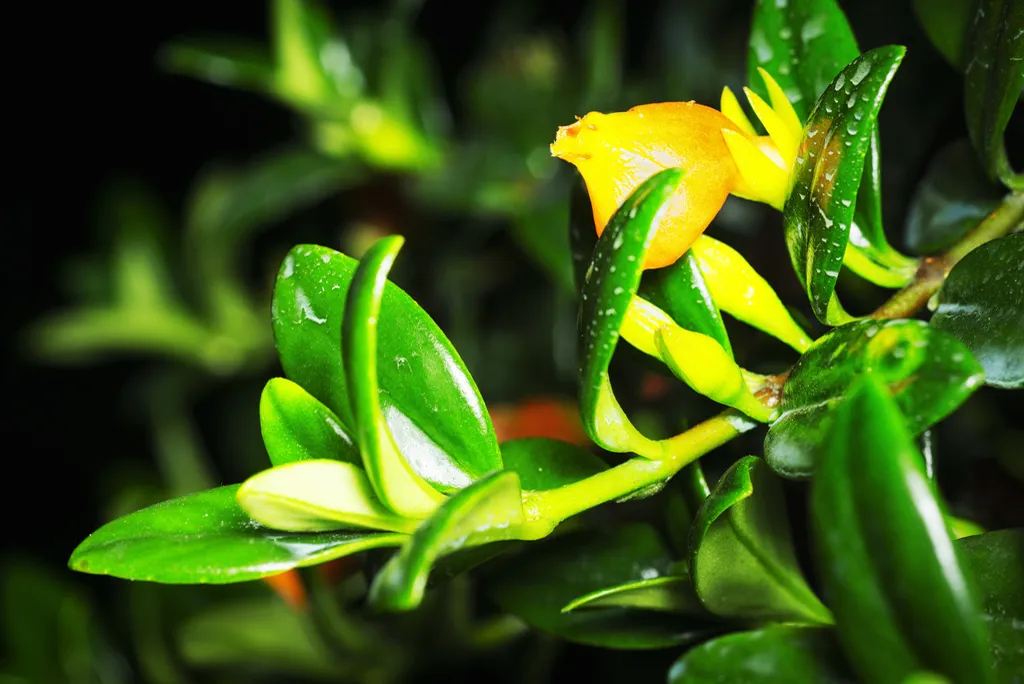
It belongs to the gesneriad family, which makes it a close cousin of the African violet and the lipstick plant (see Encyclopaedia Britannica). The odd, pouched flowers evolved to suit tropical pollinators, and they really do look like tiny leaping goldfish, which is how the plant earned its name (see the Royal Horticultural Society).
That epiphyte origin sets out its care. It wants bright but filtered light, steady warmth, good humidity and an airy, fast-draining root run, never heavy, wet soil. In India, the humid monsoon months are its happiest time, while dry winter and air-conditioned rooms call for extra humidity. Picture a branch in a warm, misty Brazilian forest, and you have the conditions it craves.
Why grow a goldfish plant?
Goldfish plants are fun, flowering trailers — few houseplants offer such novelty, with dozens of bright, fish-shaped blooms above glossy foliage. They’re compact, fast-growing, and easy to propagate, make a superb hanging-basket plant, and bloom for a long season in good conditions. With their cheerful colour and trailing habit, they bring real personality to a bright shelf or window. For something playful and rewarding, the goldfish plant delivers.
Light
Goldfish plants want bright, indirect light to flower well — a spot near a window with filtered sunlight is ideal. Avoid harsh, direct afternoon sun, which scorches the leaves, but too little light means no blooms and leggy growth. Like its lipstick-plant cousin, this is the key to those goldfish flowers: plenty of bright light equals plenty of blooms. An east-facing window, or just back from a brighter one, works beautifully. See our best bedroom plants for more bright-room ideas.
Watering
Keep the soil consistently moist but never waterlogged — water when the top inch feels dry, then let the excess drain and empty the saucer, as the plant is prone to root rot (see how often to water plants). Its semi-succulent leaves store some water, so it forgives brief dryness better than constant sogginess. Reduce watering in winter as growth slows. Even, moderate moisture keeps it healthy and blooming.
Humidity, temperature & soil
Goldfish plants enjoy moderate-to-high humidity — mist occasionally, use a pebble tray, or run a humidifier, especially in dry rooms (see humidity for houseplants). They like warm, stable temperatures (about 15–24°C) and dislike cold draughts. Use a light, well-draining, peat-based mix with perlite or vermiculite for good aeration and drainage — an African violet mix works well (see best potting mix).
Feeding & pruning
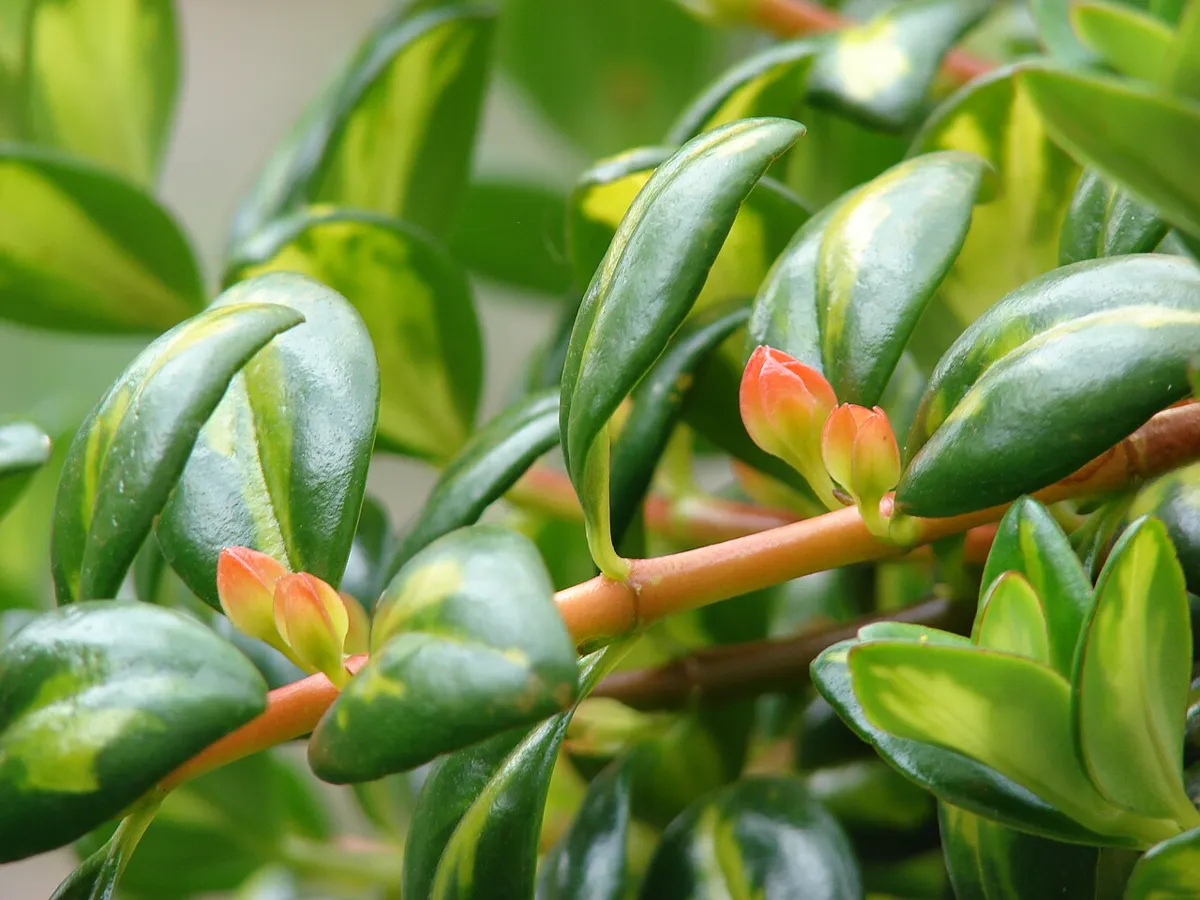
Feed with a balanced liquid fertilizer (or a bloom-boosting formula) every two to four weeks in spring and summer, easing off in winter (see how to fertilize houseplants). Prune after flowering and pinch the stems to keep the plant bushy and full rather than long and bare — this also encourages the fresh growth that carries the next flowers. The trimmings root easily, so save them to make more plants.
Propagation
Goldfish plants are easy to propagate from stem cuttings. Take a healthy tip a few inches long, remove the lower leaves, and root it in water or moist, well-draining mix. Keep it warm and humid, and roots form within a few weeks; pot several cuttings together for a fuller basket. Spring and summer give the best results, and pruning time is the perfect opportunity to multiply your plant (see propagating houseplants).
Best season & seasonal care
The goldfish plant grows and flowers mainly through the warm months of spring and summer. This is when to feed it, prune it and take cuttings.
Repot only every couple of years, in spring, and keep it a little snug, since a tight pot actually encourages flowering. Through the warm season keep the soil evenly moist and the air humid. In winter growth slows, so water less and stop feeding, but keep it warm and never let it dry out fully. A short, slightly cooler winter rest can even help set more buds for the next flush.
How to get a goldfish plant to flower
If your plant makes glossy leaves but no “fish”, light is almost always the reason. A few simple steps bring the flowers on.
- Give it bright, indirect light. This is the biggest single factor in flowering.
- Keep it warm and steady. Temperatures of 15–24°C and no cold draughts encourage buds.
- Feed for blooms. A balanced or bloom-boosting feed in spring and summer fuels flowering.
- Prune and pinch. Flowers form on newer growth, so regular trimming keeps fresh flowering stems coming.
A slightly snug pot also helps it bloom, so resist repotting too often. Get the light right, and the quirky goldfish flowers appear in flushes for much of the year.
Where to place it & companion plants
The goldfish plant is made for a hanging basket or high shelf, where its trailing stems and fishy flowers can be seen from below. Bright, filtered light is the deciding factor in where it goes.
Hang it near a bright window out of harsh sun, or in a humid, well-lit room. Keep it from cold draughts and dry heat, which trigger leaf drop. Pair it with its gesneriad cousin the lipstick plant for a double dose of flowering trailers, or an easy pothos for foliage contrast. Grouped together, they enjoy the same warm, humid, bright conditions and make a lively cascade.
Common problems, pests & diseases
No flowers
Usually too little light. Move to brighter, indirect light and keep it warm.
Leaf drop
Cold draughts, dryness, or sudden change. Keep it warm, humid, and evenly watered.
Leggy, bare stems
Low light or no pruning. Brighten the spot and prune after flowering to stay bushy.
Pests
Watch for aphids, mealybugs, and spider mites; inspect and treat early (see pest control).
Is the goldfish plant pet-safe?
Yes. The ASPCA lists Nematanthus spp. as non-toxic to dogs and cats, which makes it a safe flowering choice for a hanging basket in a pet household. Its page does not cover horses, so we make no claim there. For more options, see our best pet-safe houseplants guide.
Related plant guides
- How to grow Lipstick Plant
- How to grow Swedish Ivy
- Aluminum Plant care
- Begonia Maculata care
- Anthurium care
- Majesty Palm care
Frequently asked questions
Why won't my goldfish plant bloom?
Almost always not enough bright light. Move it to brighter, indirect light and keep it warm to trigger those fish-shaped flowers.
Why is it called a goldfish plant?
Its pouched orange-red flowers look just like tiny leaping goldfish among the glossy leaves.
How do I keep my goldfish plant bushy?
Pinch the stems and prune after flowering — this prevents legginess and encourages fresh, flower-bearing growth.
What happens if my dog or cat eats a goldfish plant leaf?
The ASPCA lists the goldfish plant (Nematanthus gregarius) as non-toxic to both cats and dogs, so a nibble isn’t expected to cause poisoning. Gulping a large amount of any houseplant foliage can still trigger mild, brief vomiting or an upset stomach in some pets. This is general information, not veterinary advice — call ASPCA Animal Poison Control on 888-426-4435 or your vet if symptoms continue.
Why is my goldfish plant dropping leaves?
Uneven watering is the most common cause — both letting the soil go bone dry and keeping it constantly soggy can trigger leaf drop. Cold draughts, a sudden move, or simply brushing against the trailing stems can also make leaves fall, since the plant is somewhat sensitive to being touched or disturbed. Settle it in a stable spot with even moisture and it usually recovers.
Why are the leaf tips on my goldfish plant turning brown?
Brown tips usually mean the plant is losing water faster than its roots can replace it — most often from underwatering, low humidity, or occasionally a build-up of fertiliser salts in the compost. Check the soil moisture first, raise humidity with a pebble tray if the air is dry, and flush the pot with plain water occasionally to clear excess feed.
Can I grow a goldfish plant outdoors?
Only in frost-free, warm, humid climates where night temperatures stay reliably above about 15°C, since it’s a tropical rainforest epiphyte at heart. Many growers move pots onto a shaded patio or porch for summer and bring them back indoors before autumn cools. In most of India it’s better kept as a year-round indoor plant, except in the warmest, most humid coastal regions.
How big does a goldfish plant get?
Trailing stems typically reach 30–90 cm long in a hanging basket, with new growth cascading over the pot’s edge as the plant matures. Regular pinching after flowering keeps it fuller and shorter rather than long and sparse. Given a few years and good light, a well-fed plant can fill a substantial basket with cascading, flower-studded stems.
Does a goldfish plant have to be in a hanging basket?
No — a hanging basket simply shows off its trailing habit and pouched flowers best, but goldfish plants grow just as happily in a regular pot on a high shelf or windowsill where the stems can spill over the edge. What matters far more than the container is bright, indirect light, since that’s what actually triggers flowering.
Is the goldfish plant the same as the lipstick plant?
No, though the two are often confused because both are trailing gesneriad houseplants with tubular flowers and similar care needs. The goldfish plant (Nematanthus) has puffy, pouch-shaped orange-red blooms that resemble little fish, while the lipstick plant (Aeschynanthus) has narrower tubular flowers that emerge from a dark, lipstick-like calyx. They’re closely related cousins, not the same plant.
Is the goldfish plant safe for pets?
Yes — it’s generally non-toxic to cats and dogs, a good pet-safe flowering trailer.
Still stuck? Ask the Plant Doctor
Describe the problem — yellow leaves, holes, no flowers — and get a clear answer in seconds. FreeAI can make mistakes. Answers are guidance, not a guarantee — check anything important against the guide it links to, and always read the label on any product before you use it.