How to Grow Babys Breath
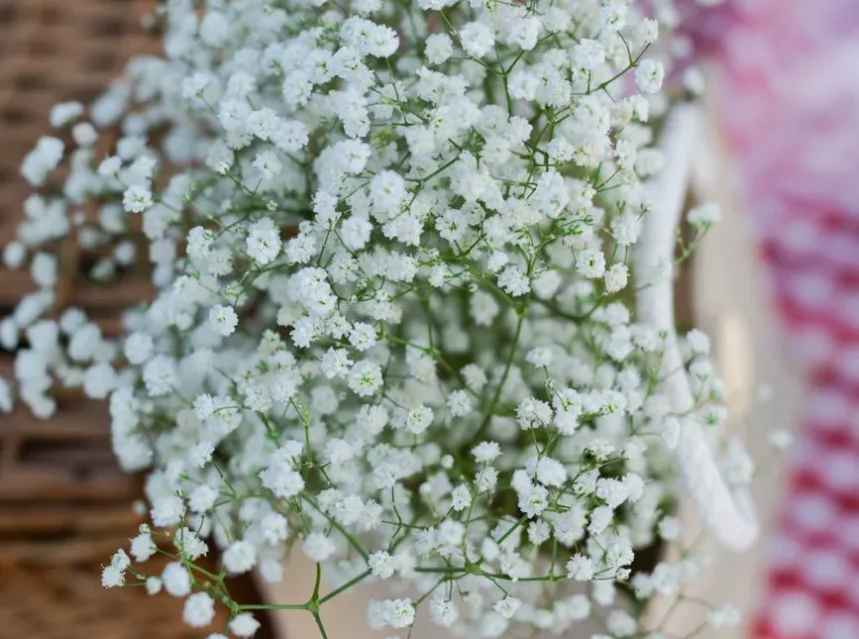
Baby’s breath (Gypsophila) is a much-loved garden and cut flower grown for its airy clouds of tiny white or pink blooms on fine, branching stems — and it is one of the prettiest ways to add a soft, misty texture to borders and bouquets. The delicate flowers froth over the foliage like a gentle haze, filling gaps and softening bolder plants. It is easy, sun-loving and famous as a florist’s filler. Here is the complete guide on how to grow babys breath.
Quick start: Give baby’s breath full sun and free-draining, slightly alkaline soil. Water young plants while they settle, then keep it on the dry side. Avoid heavy, wet soil, which is its biggest enemy. Choose annual types for quick colour or perennial types for a lasting clump.
Experienced growers and the Royal Horticultural Society find baby’s breath wonderfully easy, with one clear rule: it hates wet feet. Gardeners repeatedly report that the most common failure is heavy, soggy soil, which rots the roots. The name Gypsophila means “gypsum-loving”, a clue that it enjoys lime and sharp drainage. Many also note it makes one of the best long-lasting cut and dried flowers. In short, give it sun and dry, limey soil and it almost looks after itself.
🧰 In a hurry? Jump straight to our tested picks for this guide ↓
How to grow babys breath: at a glance
| Feature | Detail |
|---|---|
| Botanical name | Gypsophila (family Caryophyllaceae) |
| Plant type | Annual or perennial flower |
| Sun | Full sun |
| Soil | Free-draining, neutral to alkaline (limey) |
| Flowers | Summer; tiny white or pink |
| Dislikes | Heavy, wet, acidic soil |
| Best for | Borders, cutting, drying, gravel |
Why grow baby’s breath?
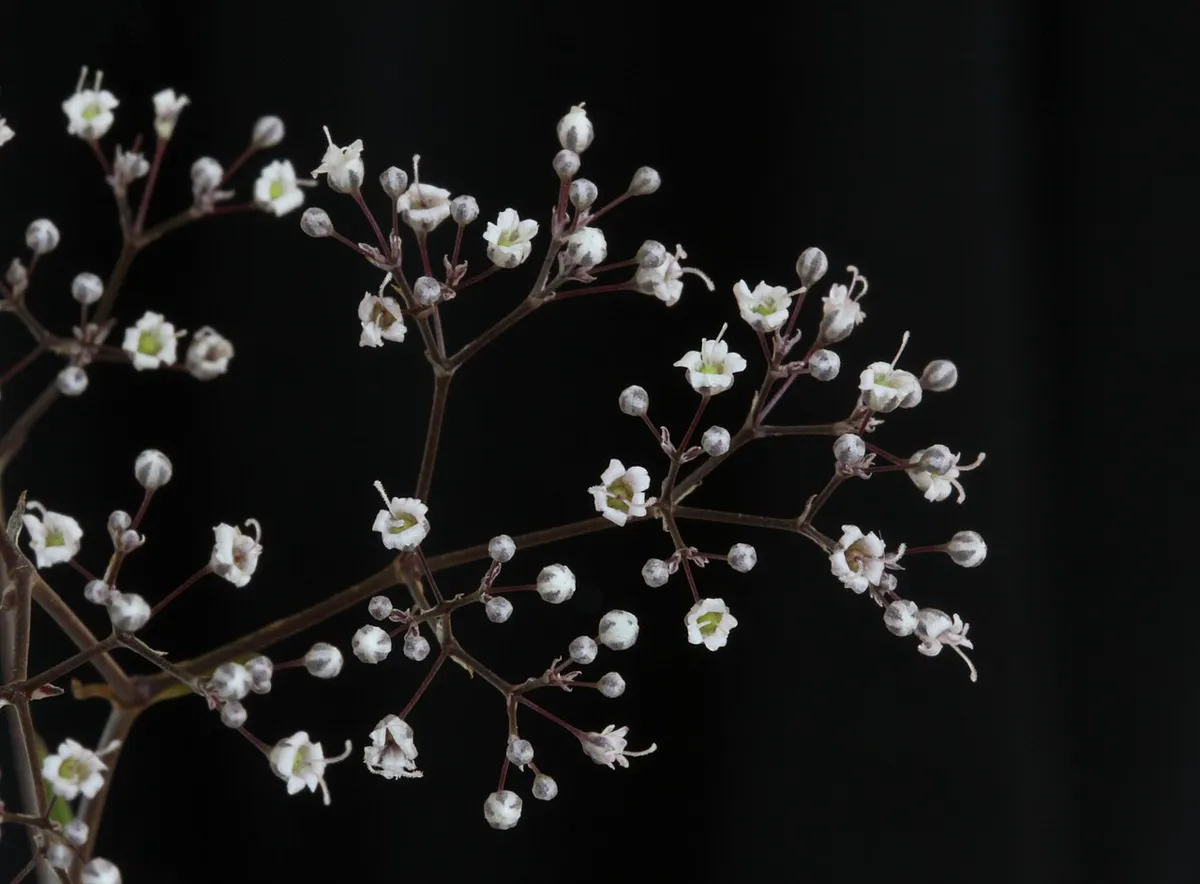
That airy, cloud-like texture is the main draw. Baby’s breath softens and unifies a border, weaving between bolder flowers and filling awkward gaps with a gentle haze of bloom. It brings a light, romantic feel that few plants match.
It is also a cutting-garden favourite. The flowers are the classic filler in bouquets, lasting well both fresh and dried. Add easy care and a love of poor, dry soil, and it suits low-effort and gravel gardens beautifully.
History, origin & where it grows
Baby’s breath is native to Europe, Asia and North Africa, often growing wild on dry, stony, lime-rich ground. That heritage explains its love of sun, sharp drainage and alkaline soil. Its botanical name, Gypsophila, literally means “gypsum-loving”, referring to the chalky soils it favours.
It belongs to the Caryophyllaceae, the same family as carnations and pinks (see the Missouri Botanical Garden records). The perennial Gypsophila paniculata and the annual Gypsophila elegans are the most widely grown.
Today baby’s breath is grown for gardens and the cut-flower trade worldwide. In India it is popular as a cool-season flower and a florist staple, grown in the milder months and in hill regions, as it dislikes intense heat and heavy monsoon-soaked soil. Give it the driest, sunniest, best-drained spot you have.
Best season & when to plant
Plant or sow baby’s breath in spring, after the last frost, into warm, free-draining soil. Annual types can be sown in succession for a long run of flowers. In mild areas, perennials can also be planted in autumn.
The flowers appear in summer, often for many weeks. In India, grow it through the cool season for the best results, avoiding the hottest, wettest months.
How to plant baby’s breath
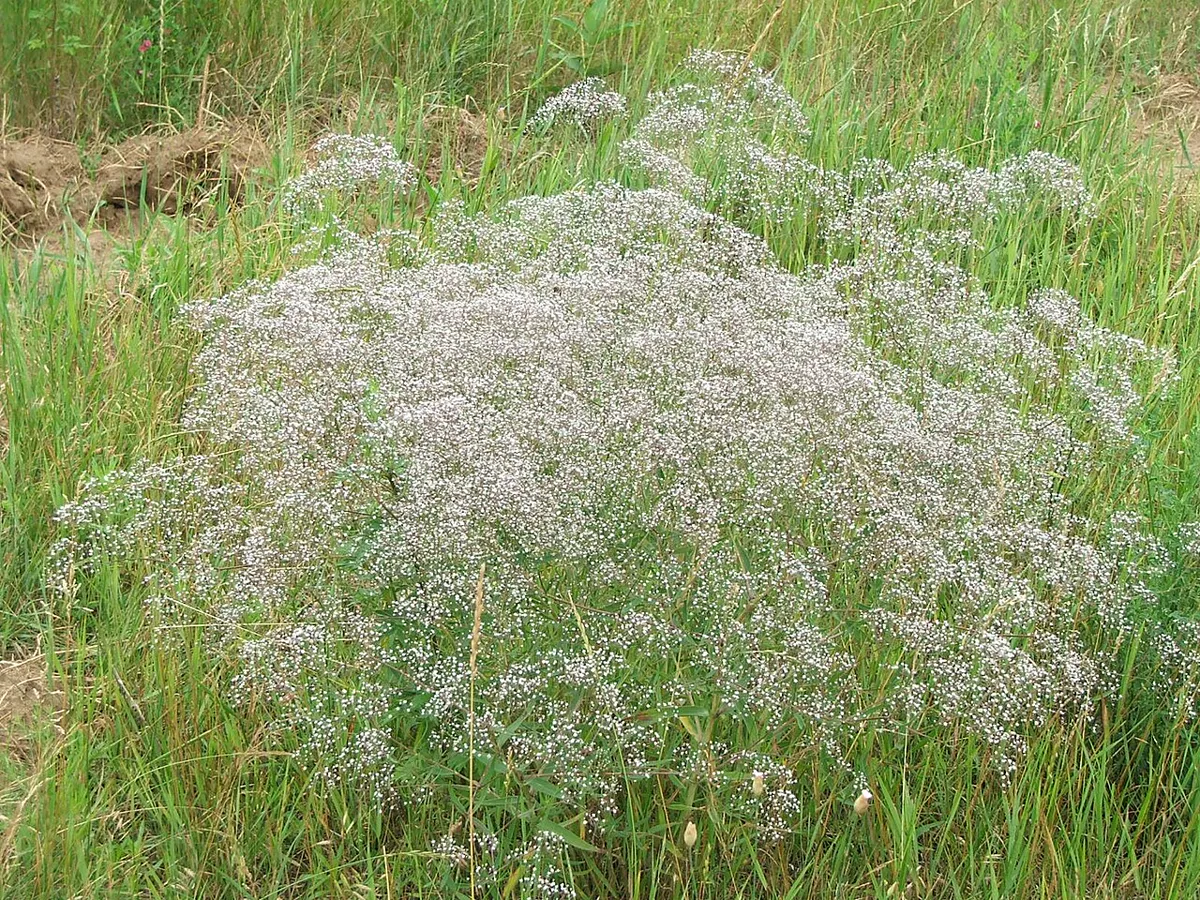
Sun and drainage matter more than anything else. To plant well:
- Choose a spot in full sun, which is essential for sturdy, free-flowering plants.
- Use free-draining, neutral to alkaline soil; add grit on heavy ground and a little lime if your soil is acidic (see improving garden soil).
- Set plants at the same depth they were growing, and avoid disturbing the roots of perennial types, which resent being moved.
Water in gently and then keep things on the lean, dry side, as baby’s breath thrives on a little neglect.
Sun, soil, watering & feeding
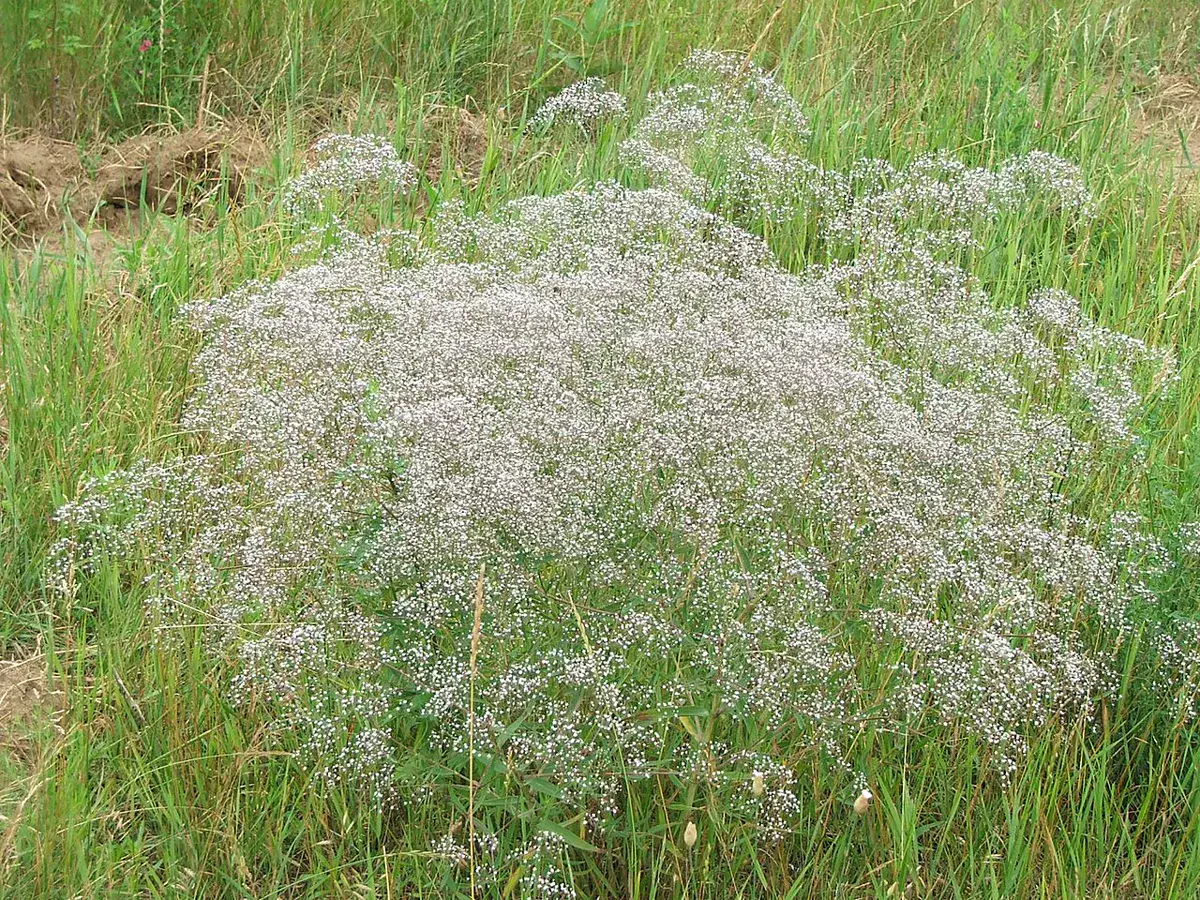
Baby’s breath demands full sun and sharp drainage above all else. Its number one enemy is heavy, wet or acidic soil, which quickly rots the roots. On clay, grow it in raised beds, gravel or pots improved with grit.
Water only while establishing and in severe drought (see how often to water); mature plants are very drought-tolerant. Feed sparingly, since rich soil and heavy feeding produce soft, floppy growth at the expense of those delicate flower clouds.
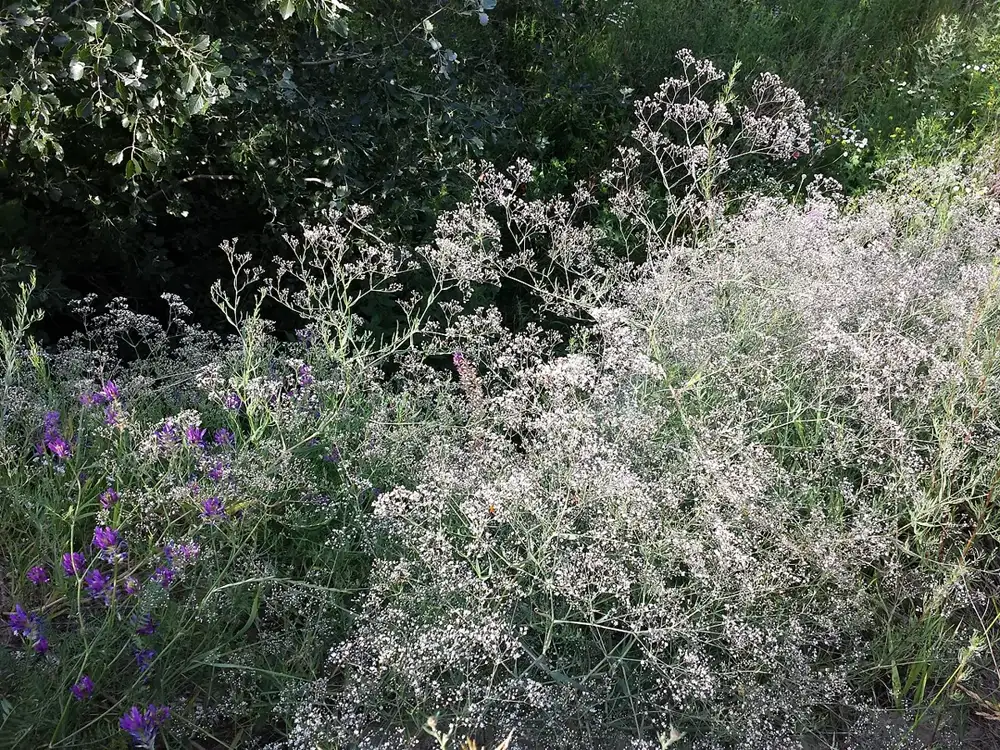
Annual vs perennial types
Choosing between the two decides how long your plants last and how you use them. Both give the same airy flowers, but they behave differently.
The annual baby’s breath (Gypsophila elegans) grows fast from seed, flowers quickly, and is perfect for sowing in succession for continuous cutting. The perennial baby’s breath (Gypsophila paniculata) forms a large, long-lived clump that returns each year and gives bigger billowing displays. Many cut-flower growers use both, sowing annuals for volume and keeping perennials for structure.
Cutting, drying & support
Baby’s breath is one of the best flowers for arrangements, so a little timing helps. Cut the stems when most of the tiny flowers are open, ideally in the morning, for the longest vase life. To dry them, hang small bunches upside down in a warm, airy place.
Taller perennial types can flop under their own frothy weight, so give them discreet support with twiggy sticks or a grow-through ring early in the season. This keeps the cloud of bloom held nicely aloft.
Common pests & diseases
Baby’s breath is refreshingly trouble-free in the right conditions. The most common problem is root rot from wet, heavy soil, not a pest at all. Good drainage prevents it. Damp, crowded conditions can also bring fungal leaf or stem rots.
Improve airflow and drainage, and avoid overhead watering, to keep the plant healthy. Occasionally aphids visit soft new growth. For these, our organic pest control guide offers gentle fixes. Healthy, sun-grown plants rarely struggle.
Best companion plants
Baby’s breath is the ultimate team player, designed by nature to set off bolder flowers. Its airy haze softens strong shapes and fills the gaps between them beautifully.
It pairs perfectly with roses, the ruffled blooms of carnations, and the tall spires of delphiniums. In the cutting garden, grow it next to sweet peas and cosmos for ready-made bouquets of contrasting texture. It also makes a lovely soft skirt around the base of taller, leggier plants, hiding bare stems with its froth of bloom.
Uses & benefits
Baby’s breath is grown as an ornamental and cut flower, prized for softening borders, filling gaps, and adding that classic airy texture to bouquets both fresh and dried. It is a cornerstone of the cutting garden and a favourite for weddings.
It is a decorative plant, not culinary or medicinal; in fact the sap can irritate skin, so wear gloves if you are sensitive. Enjoy it for its beauty in the garden and the vase.
This article is for general information only and is not medical advice. Talk to a qualified professional before using any plant medicinally.
Common baby’s breath problems
Plant rotting or collapsing
Almost always heavy, wet soil. Improve drainage with grit, grow in raised beds or pots, and keep it on the dry side in full sun.
Lots of leaves, few flowers
Too much shade or rich, overfed soil. Move it to full sun and feed sparingly for those airy flower clouds.
Floppy, sprawling stems
Tall types flopping under their own weight. Add twiggy support or a grow-through ring early in the season.
Related plant guides
- How to grow Nigella
- How to grow Clary Sage
- How to grow Fountain Grass
- How to grow Astilbe
- How to grow Honeywort
- How to grow Sweet William
Frequently asked questions
Is baby's breath easy to grow?
Yes — in full sun and free-draining, slightly limey soil it almost looks after itself. Its main dislike is heavy, wet, acidic soil that rots the roots.
Is baby's breath an annual or perennial?
Both exist. Gypsophila elegans is a fast annual, while Gypsophila paniculata is a long-lived perennial that returns each year in a big billowing clump.
Why won't my baby's breath flower?
Usually too much shade or rich, overfed soil. Give it full sun and feed sparingly to encourage those signature clouds of tiny flowers.
Can you grow baby's breath in pots?
Yes — it grows well in a sunny pot of free-draining, gritty compost, which is ideal if your garden soil is heavy or acidic.
How do you grow baby's breath from seed?
Sow indoors about six to eight weeks before your last frost, or sow direct outside once the frosts have passed. Barely cover the seed, because it needs light and warmth to germinate, and keep the surface just moist rather than wet. Seedlings normally appear within ten days to three weeks. Annual types flower the same summer, often within about ten to twelve weeks of sowing, while perennial gypsophila usually spends its first season building roots and puts on its real display from the second year.
When should I sow baby's breath for a long cutting season?
If you want stems for the vase rather than a single flush, sow in succession. Start under cover in early spring, then sow a fresh short row outdoors every three to four weeks from mid spring until midsummer. Each batch comes into flower a few weeks after the one before, which spreads the harvest across months instead of giving one glut. Annual Gypsophila elegans is the better choice for this approach because it matures quickly and is happy to be pulled out once it finishes.
How far apart should baby's breath be planted?
Thin or space annual seedlings to about 15 to 20 cm apart, which is close enough for the stems to support one another while still allowing air to move through. Perennial Gypsophila paniculata needs far more room, since a mature clump can spread close to a metre wide, so give each plant 60 to 90 cm of space. Crowding is the usual reason a planting collapses into a mildewed heap in a wet season. Perennial types also resent being moved once settled, so choose the position carefully first time.
Is baby's breath invasive?
In some places, yes. Perennial Gypsophila paniculata has escaped gardens and naturalised across pastures, grasslands and sand dunes in parts of North America, and it is listed as a noxious weed in several US states, including Washington and California, as well as being a problem around the Great Lakes. It spreads because a single plant can throw out huge numbers of light seeds that tumble with the broken stems. Check your local invasive plant list before planting it, deadhead before seed sets, and consider growing the annual species instead where the perennial is restricted.
When should I cut baby's breath, and how do you dry it?
For fresh arrangements, cut when roughly two thirds to three quarters of the tiny flowers on a spray have opened, early in the morning, and put the stems straight into water. For drying, wait until the spray is in full bloom, then hang small bundles upside down in a warm, dark, airy place for two to three weeks. Dried properly, the flowers keep their shape and pale colour for years. Do not bundle the stems too tightly, because trapped damp air causes browning and mould.
Does baby's breath need staking?
Perennial types often do, because a mature plant carries a huge cloud of flowers on wiry stems that flop after heavy rain. The neatest solution is to put a grow-through support or a ring of twiggy pea sticks in place in spring and let the plant grow up through it, so the support disappears as the foliage fills out. Annuals grown fairly close together usually hold each other up without help. Growing in full sun and lean soil also keeps growth stiffer and less prone to flopping than a rich, overfed bed.
Is baby's breath toxic to pets?
Baby’s breath is listed as toxic to dogs and cats. The plant contains saponins, and chewing the stems or flowers commonly causes vomiting, diarrhoea and general stomach upset, though it is rarely serious. Because it turns up in so many bouquets, the usual risk is a pet nibbling a flower arrangement rather than the garden plant. Keep vases out of reach and contact a vet if an animal eats a significant amount. This is general information only and is not veterinary advice.
Sources and further reading
Still stuck? Ask the Plant Doctor
Describe the problem — yellow leaves, holes, no flowers — and get a clear answer in seconds. FreeAI can make mistakes. Answers are guidance, not a guarantee — check anything important against the guide it links to, and always read the label on any product before you use it.