How to Grow Bamboo
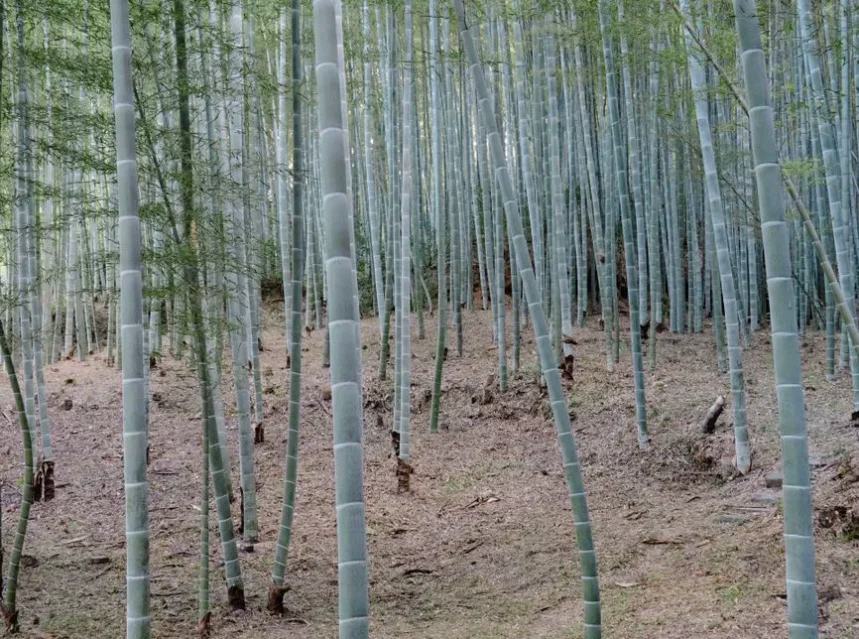
Bamboo is a fast-growing, evergreen member of the grass family, grown for its tall, hollow canes and lush foliage that make an instant green screen or dramatic focal point — and it is one of the quickest ways to add height, privacy and movement to a garden. Some types form tidy clumps, while others spread fast and need control. Grown wisely, bamboo is graceful, useful and surprisingly easy. Here is the complete guide on how to grow bamboo.
Quick start: Choose clumping bamboo for most gardens, as it stays put. Give it sun or light shade, rich moist soil, and shelter from harsh wind. Water well while establishing and feed in spring. If you plant a running type, install a root barrier to stop it spreading.
Experienced growers and the Royal Horticultural Society give one piece of advice above all others: know whether your bamboo clumps or runs before planting. Gardeners frequently report that vigorous running types like Phyllostachys can travel metres and invade neighbours’ plots, becoming a real headache. Many wish they had chosen a clumping type or used a proper root barrier from the start. In short, the plant itself is easy — it is choosing the right kind and containing it that matters most.
🧰 In a hurry? Jump straight to our tested picks for this guide ↓
Bamboo at a glance
| Feature | Detail |
|---|---|
| Plant family | Poaceae (the grass family) |
| Plant type | Evergreen, fast-growing |
| Two groups | Clumping (well-behaved) · Running (spreads) |
| Sun | Full sun to light shade |
| Soil | Rich, moist, free-draining |
| Uses | Screens, hedges, pots, focal points |
| Key tip | Use a root barrier for running types |
Why grow bamboo?
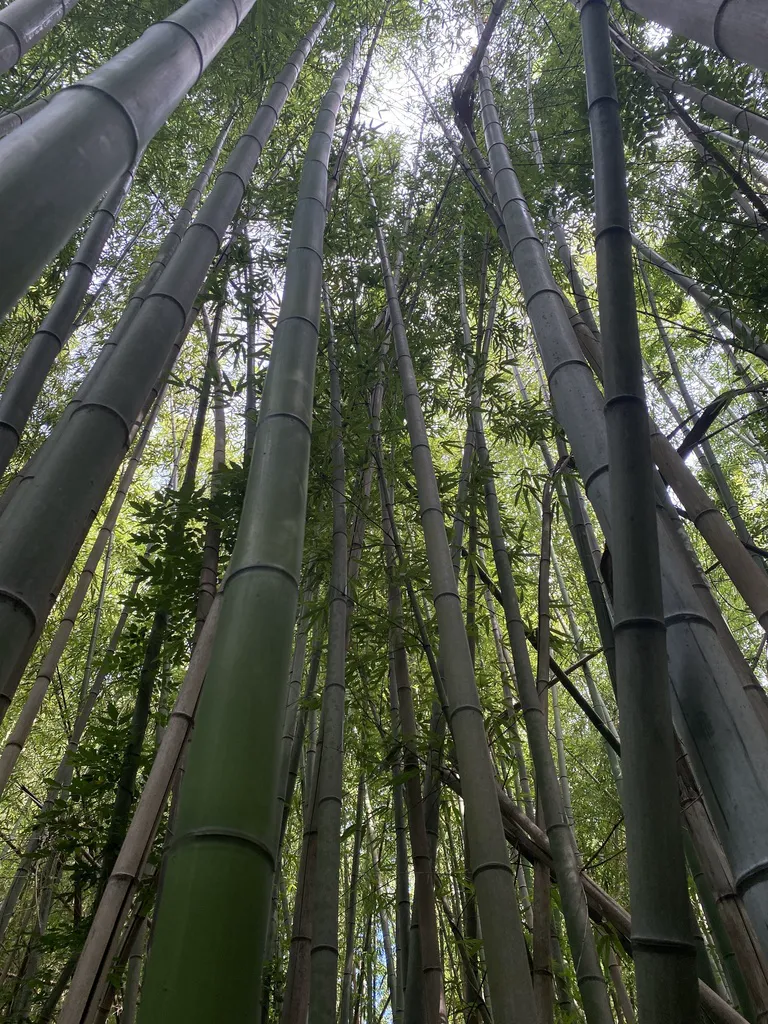
Speed and screening are the biggest reasons. Few plants give height and privacy as fast as bamboo, turning a bare fence line into a tall, rustling green wall in a season or two. The canes and leaves also bring graceful movement and a calming, tropical feel.
It is versatile too. You can grow it as a screen, a specimen, or a striking potted plant, and many types have beautiful coloured canes in green, gold or black. The canes themselves are useful in the garden as natural plant supports.
History, origin & where it grows
Bamboo is native to many warm and temperate regions, but especially Asia, where it has deep cultural and practical roots. In countries like China, Japan and India it has been used for thousands of years for building, food, paper and crafts. It is the fastest-growing plant on earth, with some species shooting up remarkably quickly in the growing season.
It is a true grass, despite its woody canes (see the Missouri Botanical Garden records). The hardy Fargesia are clumping types good for cool gardens, while Phyllostachys are vigorous runners.
Today bamboo is grown worldwide for screens and ornament. In India it is both a traditional crop and a garden plant, thriving in the warm, humid climate across much of the country. Indian gardeners often grow clumping types for privacy, while in cooler regions everywhere hardy Fargesia is the safest choice.
Clumping vs running bamboo
This is the single most important decision, so it comes first. Getting it right saves years of trouble, because the two groups behave completely differently underground.
Clumping bamboo spreads only slowly, widening gently from a central clump. It is well-behaved and ideal for most gardens and pots. Running bamboo, by contrast, sends out underground stems (rhizomes) that can travel a long way and pop up metres from the parent, even under fences. It makes a fast screen but must be contained with a solid root barrier or a regular root-pruning routine. When in doubt, choose a clumping type.
Best season & when to plant
Plant bamboo in spring or early autumn, when the soil is warm and moist. This timing helps it root in before extreme heat or cold. Spring planting gives the longest establishment season in cool climates.
New canes shoot up mainly in spring and summer, often growing fast. In India, the warm monsoon season drives strong growth, so plant ahead of it and ensure the soil drains well.
How to plant bamboo

Good soil and, for runners, containment are the keys to success. To plant well:
- Choose a spot in sun or light shade, sheltered from cold, drying winds that can scorch the leaves.
- Dig in plenty of compost to create rich, moisture-retentive but free-draining soil (see improving garden soil).
- For running types, install a root barrier at least 60 cm deep around the planting area before you plant.
Water in very well and add a thick mulch to lock in moisture, as bamboo dislikes drying out while it settles.
Sun, soil, watering & feeding
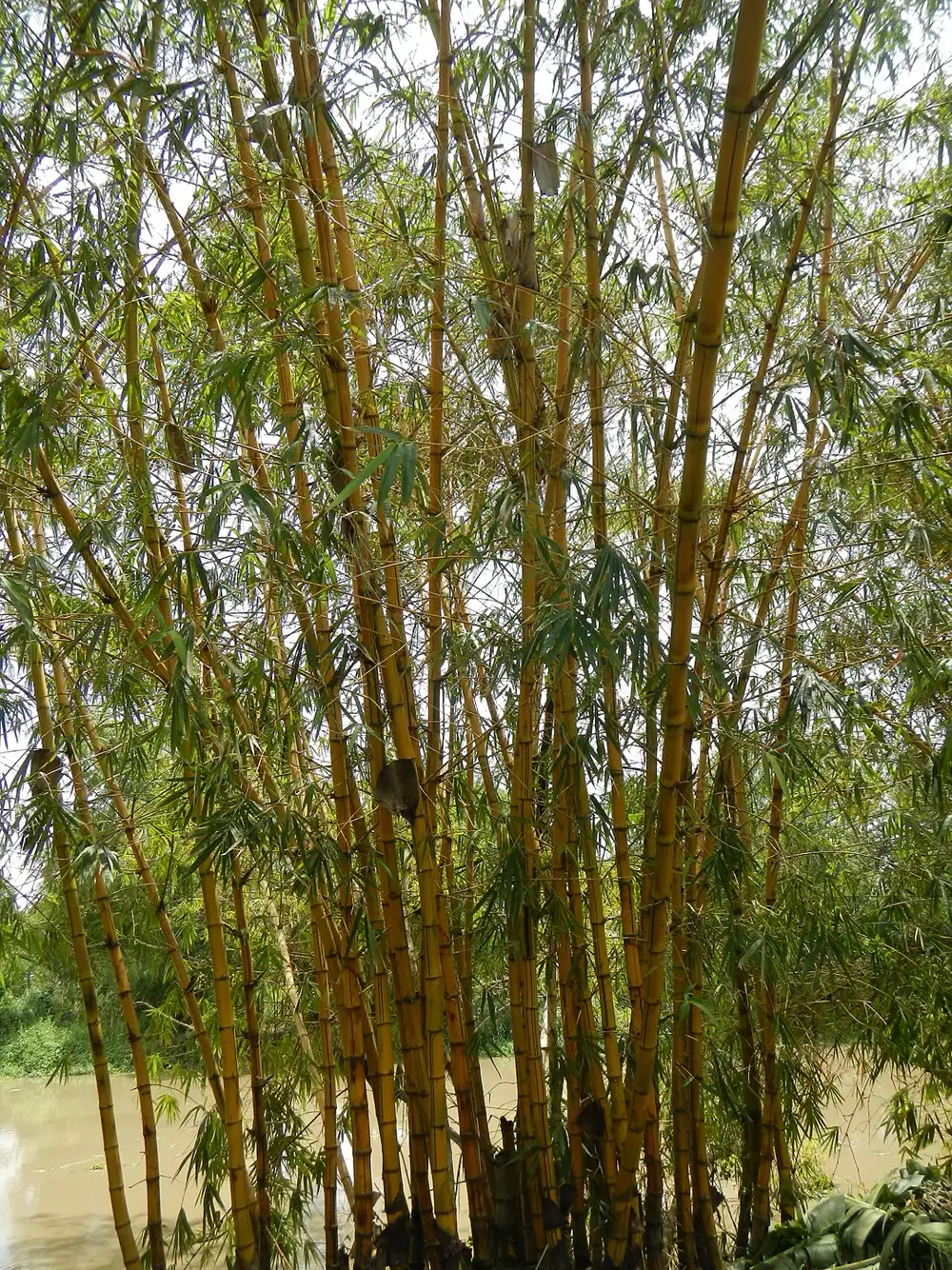
Most bamboo grows best in full sun to light shade, with shelter from harsh wind to protect the foliage. It likes rich, moist soil that never bakes dry but also never waterlogs. Good soil pays back in lush, vigorous growth.
Water generously through the first couple of years and in dry spells (see how often to water), as bamboo is thirsty while establishing. Feed in spring and early summer with a high-nitrogen or general fertiliser, since bamboo, being a grass, responds well to nitrogen with greener, stronger canes.
How to control bamboo
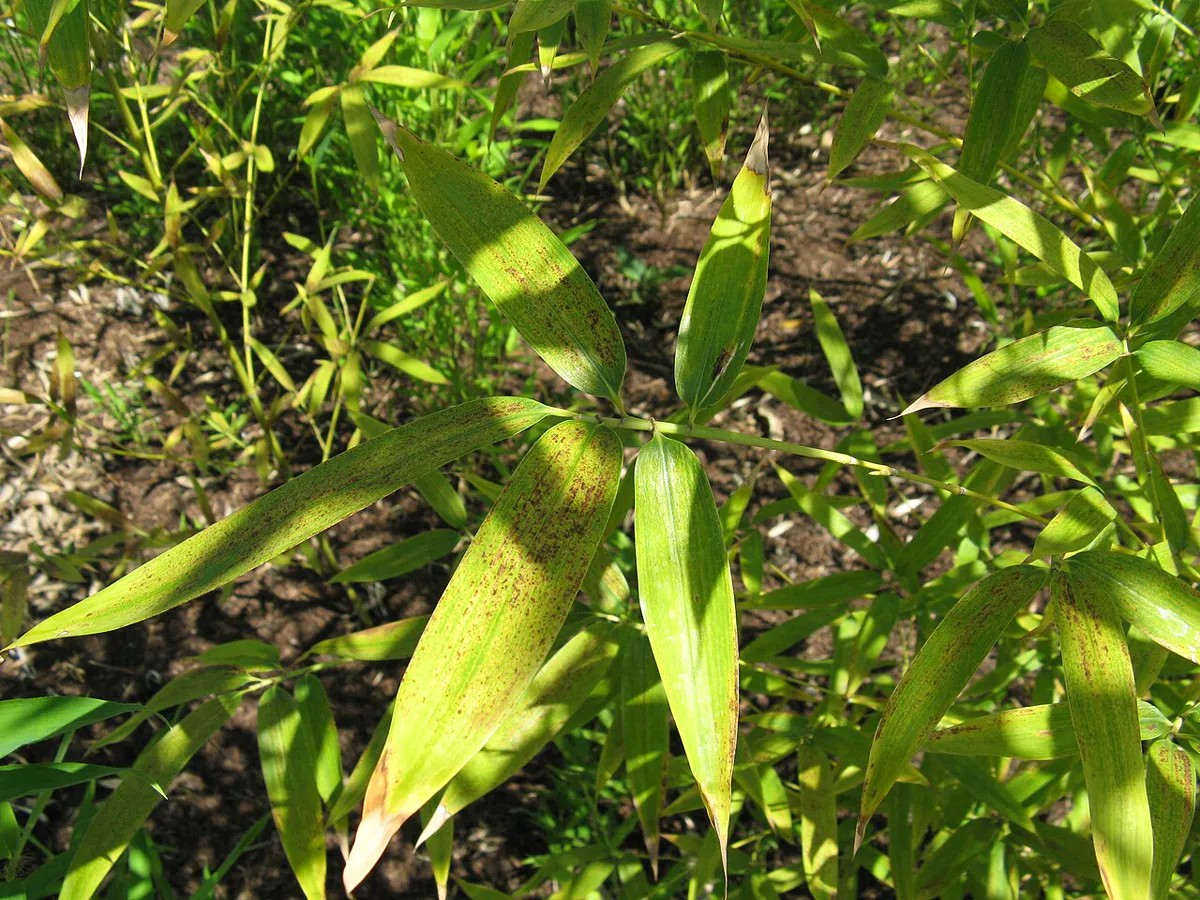
Containing a spreading bamboo is the task that worries gardeners most, but it is manageable with the right approach. The goal is to stop the rhizomes escaping where you do not want them.
The best method is prevention: install a root barrier when planting a running type. For an existing spreader, sever escaping rhizomes each year with a sharp spade around the edge of the clump, and remove any stray shoots promptly. Growing running bamboo in a large, sturdy pot is another reliable way to enjoy it without risk. If a clump grows too big, you can also dig out and divide it.
Growing bamboo in pots
Containers are a brilliant way to grow bamboo safely, especially the running types. A pot keeps the rhizomes in check while still giving you that tall, leafy screen. A row of potted bamboo makes a movable green wall for a patio or balcony.
Use a large, strong pot with good drainage, and a rich, moisture-retentive compost. Bamboo in pots dries out fast, so water often and never let it parch. Feed through the growing season, and divide or repot every couple of years as the roots fill the container.
Common pests & diseases
Bamboo is tough and largely trouble-free. The most common issues are environmental: yellowing leaves from drought, waterlogging or lack of feed, and scorched foliage from cold, drying winds. Some leaf drop in spring is normal as old leaves are replaced.
Occasionally bamboo mites or aphids may appear, especially on stressed plants. Keep the plant well watered and fed to shrug these off, and rinse or treat bad infestations using our organic pest control guide. Healthy bamboo rarely has serious problems.
Uses & benefits
Bamboo is grown mainly as an ornamental screen and structural plant, prized for fast privacy, height, coloured canes and graceful movement. The harvested canes are endlessly useful as plant stakes, supports and craft material, and bamboo is valued worldwide as a renewable resource.
Some bamboo shoots are edible when properly prepared, but home ornamentals are grown for looks, not food. Treat your garden bamboo as a decorative and practical plant rather than a crop.
This article is for general information only and is not medical advice. Talk to a qualified professional before using any plant medicinally.
Common bamboo problems
Bamboo spreading too far
A running type without containment. Install or repair a root barrier, sever escaping rhizomes yearly, and remove stray shoots — or grow it in a pot.
Yellowing leaves
Often drought, waterlogging or hunger. Check watering and drainage, and feed in spring; some old-leaf drop in spring is normal.
Scorched, curled foliage
Cold, drying winds. Shelter the plant, water well, and choose hardy types like Fargesia for exposed, cold sites.
Related plant guides
- How to grow Hakone Grass
- How to grow Osmanthus
- How to grow Liriope
- How to grow Heliconia
- How to grow Japanese Maple
- How to grow Fountain Grass
How to propagate bamboo
Bamboo is propagated by division, not by seed. Dividing a clump is the practical route for gardeners, and it doubles as the job you do anyway when a plant outgrows its spot or fills its pot.
By division
Divide in spring, as new growth starts, and pick wet weather if you can. Dig out a section with a sharp spade so each piece carries roots and rhizome plus a few healthy culms, then replant it immediately at the same depth in rich, moisture-retentive soil and water it generously. Divisions dry out fast while they re-root, so keep them watered through the first season and shelter them from drying wind.
Small divisions establish better than large clumps. A piece lifted straight from open ground is the one most likely to sulk, so pot it up and nurse it under cover until at least late spring rather than planting it out at once.
Bamboo in a container should be divided or repotted every couple of years as the roots fill the pot, which gives you a new plant each time. If you are dividing a running type, this is the moment to install a root barrier, or to pot the division, rather than planting it loose in a border.
Cane cuttings, and why seed is not the answer
Basal cane cuttings taken in spring are the other vegetative option, useful when a clump is too precious to dig up. Seed is a different matter: most bamboos flower only once every few decades — sometimes after 60 to 120 years — so it is simply not available to gardeners in any normal year.
Frequently asked questions
What is the difference between clumping and running bamboo?
Clumping bamboo widens slowly from a central clump and stays put, while running bamboo sends out underground rhizomes that can spread far and need a root barrier.
How do I stop bamboo from spreading?
Install a deep root barrier when planting a running type, sever escaping rhizomes each year with a spade, remove stray shoots, or grow it in a large pot.
Does bamboo grow in pots?
Yes — pots are an excellent, safe way to grow bamboo, especially running types. Use a large, strong container, water often, and feed through the season.
Is lucky bamboo a real bamboo?
No — lucky bamboo is actually a Dracaena, an unrelated indoor plant. True garden bamboo is a fast-growing member of the grass family.
How deep does a bamboo root barrier need to be?
For running bamboo, plan on a barrier roughly 60-75 cm (24-30 inches) deep, because the rhizomes travel in the top layer of soil rather than diving down. Just as important, leave 5 cm of barrier standing proud of the soil surface — rhizomes that reach the edge will happily climb over a barrier buried flush. Use a purpose-made HDPE rhizome barrier rather than thin plastic sheet, and overlap and clamp the seams so nothing slips through the join. Clumping bamboo does not need a barrier at all, which is why species choice matters more than hardware.
How fast does bamboo actually spread?
It depends entirely on the type. A vigorous running bamboo in warm, moist, well-fed soil can push rhizomes a metre or more in a single season, and reports of several metres in one exceptional year are not unheard of. Left alone for three to five years, that can mean shoots appearing five or six metres from where you planted. Clumping bamboo behaves completely differently, widening its clump by only a few centimetres a year, which is why it is the safer choice for a small garden.
Can bamboo damage foundations, paving or pipes?
Bamboo rhizomes are opportunists rather than drills. They do not bore through sound concrete, but they exploit existing cracks, expansion joints and gaps between paving slabs, and can lift and widen them as culms emerge. Shoots pushing up through a patio or along a drive are a common complaint with unbarriered running bamboo. Keep running types well away from walls, drains and hard landscaping, or grow them inside a barrier or a container.
How do I get rid of unwanted bamboo permanently?
There is no one-season fix, so plan for persistence. Cut every culm to ground level, then dig out the rhizome mat as completely as you can — a fragment left behind will resprout. After that, keep mowing or snapping off every new shoot as it appears; starved of leaves, the rhizomes exhaust their stored energy and give up, typically over two to three seasons. Where digging is impractical, repeated cutting followed by treatment of the regrowth is the usual approach, and any herbicide must be used strictly according to its label.
What if my neighbour's bamboo is spreading into my garden?
Talk to them first, because the practical solution nearly always sits on their side of the fence. The standard remedy is a rhizome barrier or a deep trench along the boundary that you inspect and clear each year, severing any rhizome that crosses. Never spray anything near a shared boundary without agreement, since herbicide travels through connected rhizomes and can kill plants you did not intend to touch. In some regions running bamboo is regulated or treated as a nuisance plant, so it is worth checking local rules before matters escalate.
Why are my bamboo leaves turning yellow?
A modest amount of yellowing is normal, as bamboo sheds older leaves in spring while pushing new growth. Widespread yellowing usually means water stress at one extreme or the other — either a dry, wind-exposed position or roots sitting in waterlogged soil. Potted bamboo yellows quickly because containers dry out fast and lose nutrients with every watering, so it needs regular feeding through the growing season. Sudden yellowing across a whole grove, with flowers appearing, is a different matter and points to the flowering cycle.
Does bamboo die after it flowers?
Often, yes. Many bamboos flower only once every few decades, sometimes after 60 to 120 years, and whole populations of the same species can flower together across the world because they share a common origin. The plant pours everything into seed, and the parent culms then usually decline and die. Recovery is possible from seed or from surviving rhizomes, but it is slow. If your bamboo flowers, collect seed, keep the plant watered, and be prepared to replant.
Sources and further reading
Still stuck? Ask the Plant Doctor
Describe the problem — yellow leaves, holes, no flowers — and get a clear answer in seconds. FreeAI can make mistakes. Answers are guidance, not a guarantee — check anything important against the guide it links to, and always read the label on any product before you use it.