How to Grow Liriope
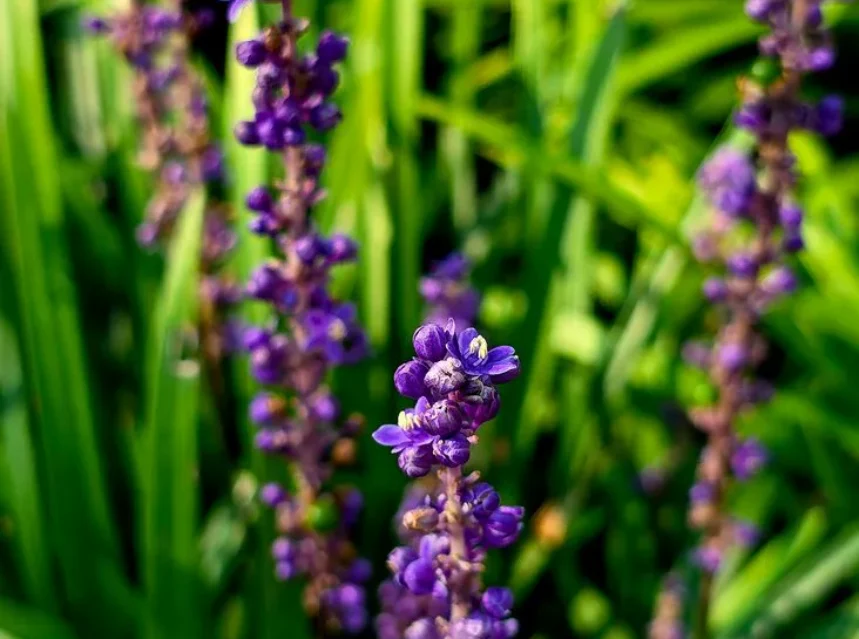
Liriope is a tough, grass-like evergreen perennial grown as ground cover and edging, sending up spikes of small purple or white flowers in late summer — often called lilyturf or monkey grass, it is one of the most reliable plants for shade, slopes, and difficult spots. It spreads into neat clumps and asks for almost nothing. Here is the complete guide on how to grow liriope.
Quick start: Grow liriope in sun or shade in almost any free-draining soil. Plant in spring or autumn and water until established. It is drought-tolerant once settled and stays evergreen in mild areas. Cut old foliage back in late winter before new growth, and divide clumps every few years to make more plants for free.
Experienced growers and the Royal Horticultural Society rate liriope as a near-bulletproof edging plant, with a couple of useful pointers. The first is to know your species. Clump-forming Liriope muscari stays put and behaves. Creeping Liriope spicata, though, runs by underground stems and can spread further than wanted. The second is the once-a-year tidy. Gardeners shear the old, tatty leaves to the ground in late winter, so fresh growth comes up clean. Many also praise how it copes with dry shade under trees, where little else will grow. And one clump divides easily into many.
🧰 In a hurry? Jump straight to our tested picks for this guide ↓
Liriope at a glance
| Feature | Detail |
|---|---|
| Botanical name | Liriope (family Asparagaceae) |
| Plant type | Evergreen grass-like perennial |
| Height | About 25–45 cm |
| Sun | Full sun to full shade |
| Soil | Almost any, free-draining |
| Flowers | Purple or white spikes, late summer |
| Best for | Edging, ground cover, dry shade, slopes |
| Bonus | Evergreen, drought-tolerant, low-care |
Why grow liriope?
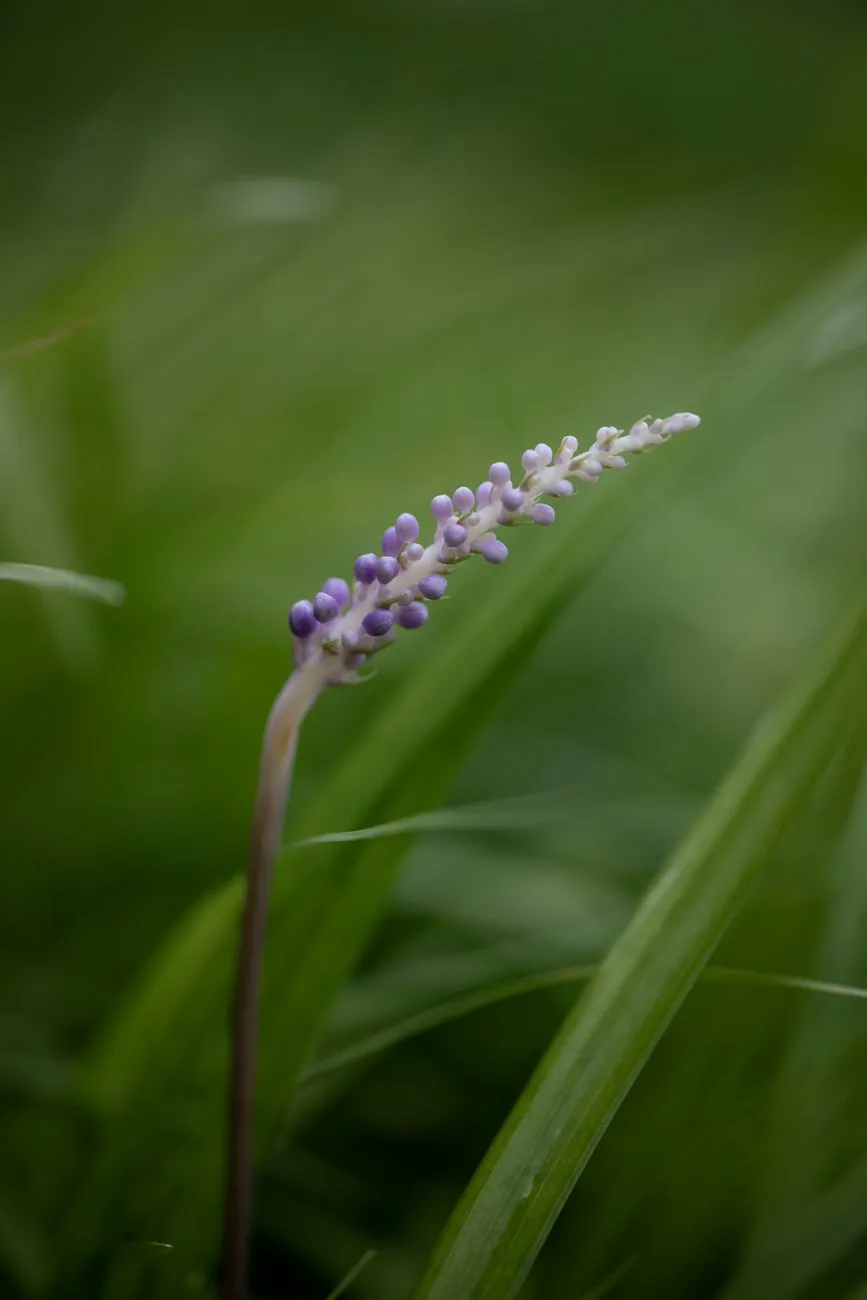
Liriope is a problem-solver. It thrives where many plants fail, including dry shade under trees, hot slopes, and the edges of paths, and it forms a tidy, weed-suppressing carpet with almost no effort.
It also stays evergreen, so it keeps borders looking furnished through winter, and then surprises you with cheerful flower spikes in late summer. The neat, grassy clumps also look smart all year with barely any attention. Because it copes with foot traffic at the edges and shrugs off neglect, it is a favourite for busy gardeners. Tough, drought-tolerant, and easy to multiply, liriope is a hard-working plant for low-care gardens.
History, origin & where it grows
Liriope comes from East Asia, growing wild in the woodlands and grassy slopes of China, Japan, and Korea. Its natural home in dappled forest shade explains why it copes so well under trees in gardens.
It has long been grown in Asian gardens for ornament and ground cover, and was later introduced to Western gardens as a dependable edging plant (see the background on liriope). The common name lilyturf reflects its grassy, turf-like look and its old links to the lily family.
Today liriope is popular across the warmer parts of the US, especially the south, plus southern Europe and Asia. In India, it grows well in cooler hills and as a shade edging in many gardens, valued for staying green and needing little water once established.
Best season & when to plant
Plant liriope in spring or autumn, when the soil is warm and moist, giving roots time to settle before extreme heat or cold. Both seasons work well in most climates.
The flower spikes appear in late summer into autumn, followed by dark berries on some types. In India’s hills, plant at the start of the mild season. In warm plains, plant in the cooler months and grow it in shade.
How to plant liriope
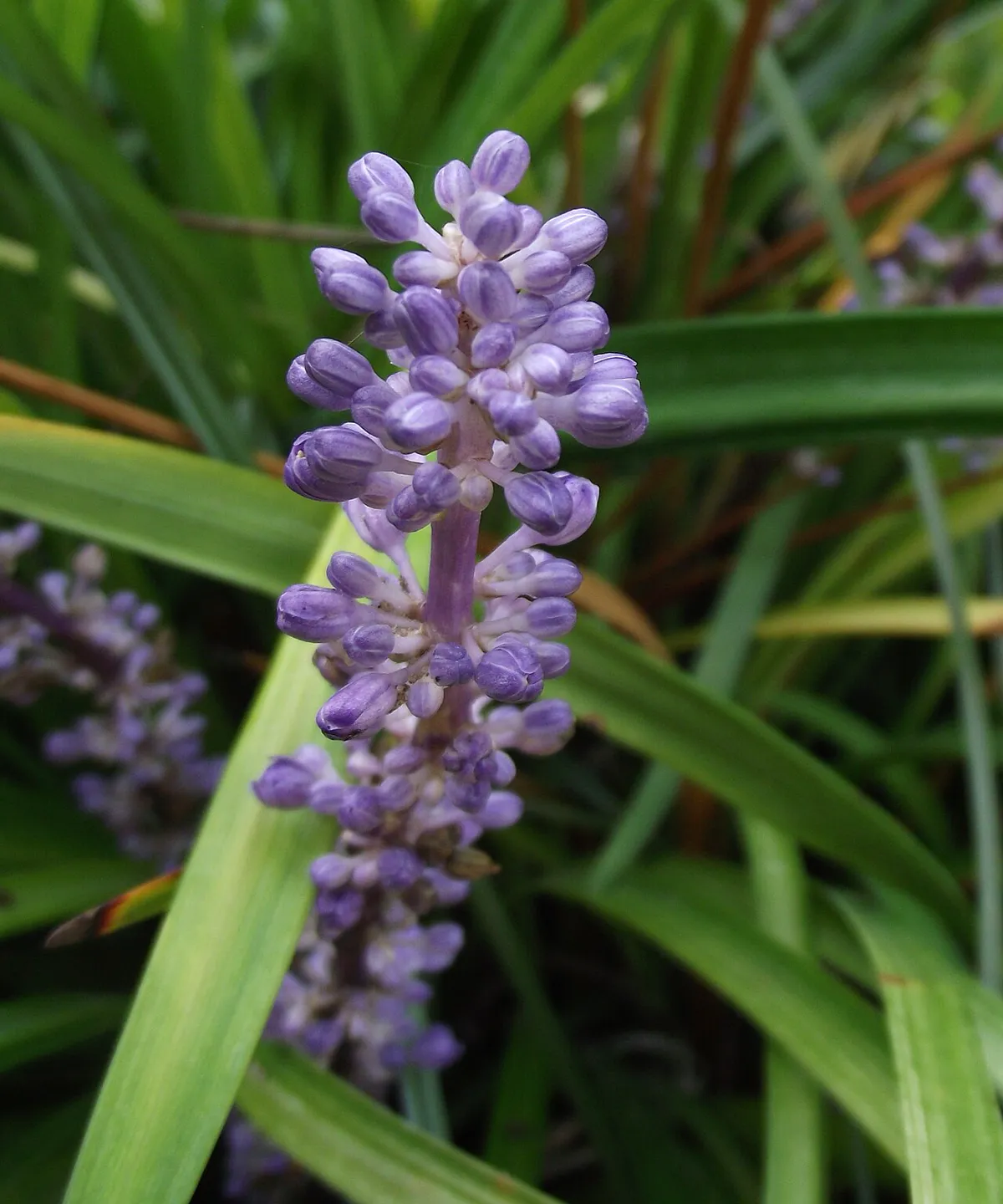
Liriope is sold as small potted clumps and establishes easily. For neat, even cover:
- Choose a spot in sun or shade; liriope is happy in both, though variegated types keep their colour best in some light.
- Loosen the soil and add a little compost, as liriope tolerates poor ground but grows faster in decent soil (see improving garden soil).
- Space plants about 20–30 cm apart for edging, closer for fast ground cover.
Plant at the same depth as the pot, firm in, and water well. A light mulch helps hold moisture while the clumps knit together over the first season.
Sun, soil, watering & feeding
Liriope is wonderfully adaptable, growing in full sun to deep shade. In hot climates it appreciates some shade, while in cool ones it flowers more in sun. It accepts almost any soil as long as it is free-draining, since wet, heavy ground can rot the roots.
Water new plants through their first dry spells, then only occasionally, as established liriope is drought-tolerant (see how often to water plants). Feeding is barely needed; a light spring feed or compost top-dressing is plenty for lush growth.
Types of liriope to know
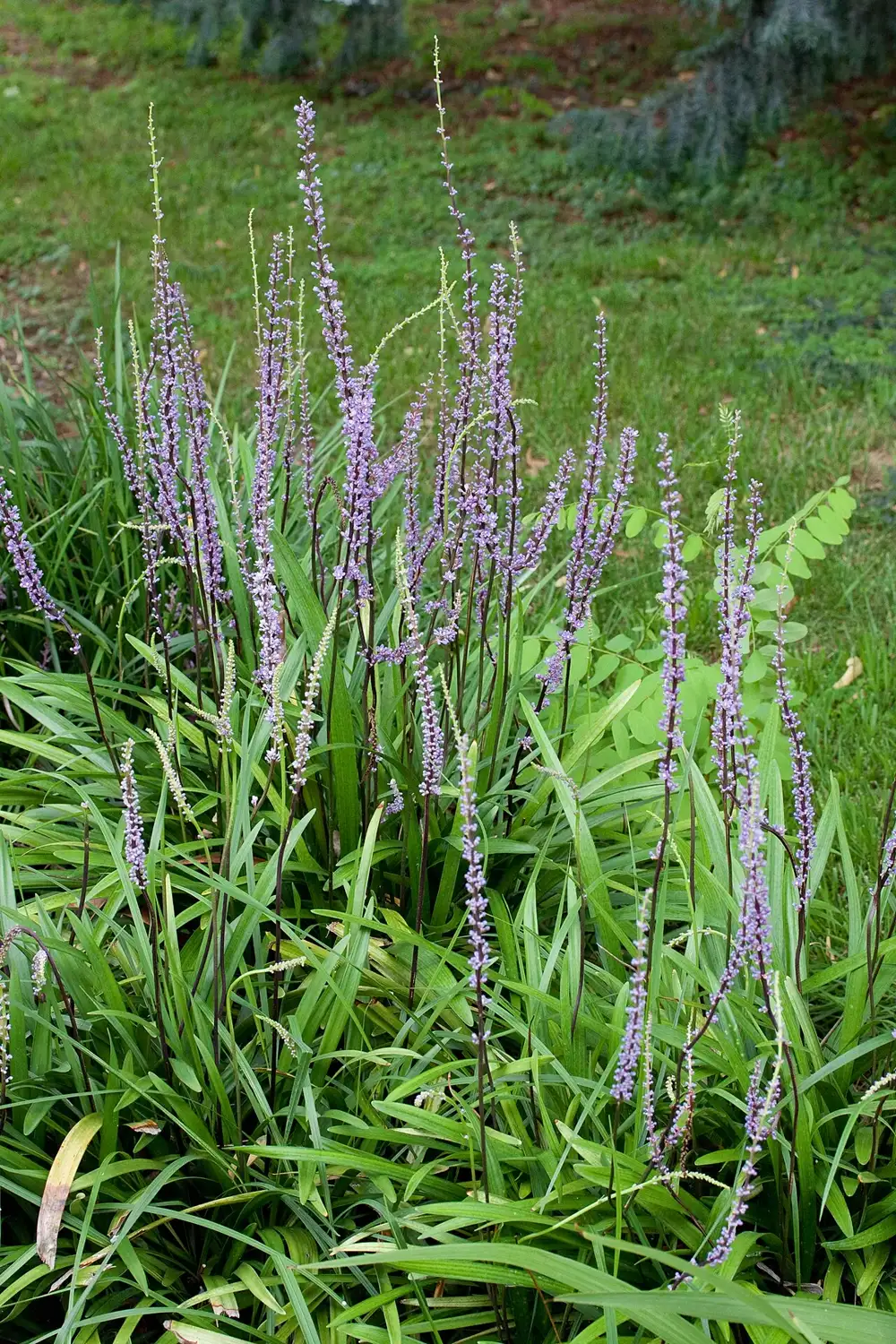
Choosing the right species is the single most important decision with liriope, because their habits differ so much.
Liriope muscari is the well-behaved, clump-forming kind, ideal for edging and tidy ground cover, with green or variegated leaves and showy purple spikes. Liriope spicata spreads by runners and covers ground fast, which is great on banks but can be invasive in a border. There are also white-flowered and gold-striped forms for extra interest.
Dividing and propagating liriope

Liriope is one of the easiest plants to multiply, so a few clumps soon become a whole edging. The best method is division in spring.
Simply lift an established clump, pull or cut it into smaller pieces, each with roots and leaves, and replant them straight away. Water them in well. This not only gives free plants but also keeps old, congested clumps growing strongly.
Growing liriope in pots
Liriope makes a neat container plant, useful on a shady patio or balcony. A pot also keeps the spreading types safely contained.
Choose a pot with good drainage and fill it with a free-draining potting mix. Stand it in light shade in hot climates, or in sun where summers are cool. Water when the top of the compost dries, and feed lightly in spring. Lift and divide the clump every few years when it fills the pot.
Common pests & diseases
Liriope is remarkably trouble-free, which is a big part of its appeal. Most problems trace back to wet soil rather than pests or disease.
In soggy ground it can suffer crown or root rot, and a leaf and crown rot disease may cause yellowing in humid conditions. Slugs and snails occasionally nibble new shoots. Improve drainage, avoid overwatering, and use our slug and snail guide if needed.
Uses & benefits
Liriope is grown as an ornamental ground-cover and edging plant, valued for evergreen foliage, late flowers, and its ability to thrive in tricky spots. It lines paths and beds, carpets shade under trees, and binds soil on slopes to reduce erosion.
Its late-season flowers offer some nectar for pollinators, and it pairs beautifully with ferns, hostas, and other shade plants. Liriope is grown for looks and usefulness in the garden rather than for eating, so enjoy it as a reliable, low-care problem-solver.
Common liriope problems
Yellowing or browning leaves
Often wet soil and root rot, or sun scorch on shade-grown plants. Improve drainage and water less, or give hot-climate plants some shade.
Spreading where it is not wanted
Usually the creeping Liriope spicata. Use the clumping muscari in borders, or contain runners with an edging barrier.
Tatty, tired-looking foliage
Old leaves left over winter. Shear the whole clump to near ground level in late winter before fresh growth begins.
Related plant guides
- How to grow Epimedium
- How to grow Hardy Geranium
- How to grow Lily of the Valley
- How to grow Ribbon Grass
- How to grow Sarcococca
- How to grow Abelia
Frequently asked questions
Is liriope easy to grow?
Yes, it is one of the easiest perennials. It grows in sun or shade, in almost any free-draining soil, and is drought-tolerant once established, needing only a yearly trim.
What is the difference between the two main types of liriope?
Clump-forming Liriope muscari stays put and suits edging, while creeping Liriope spicata spreads by runners and covers ground fast, but can become invasive.
When should I cut back liriope?
Shear the old foliage to near ground level in late winter, just before new growth starts, so the fresh leaves come up clean and tidy.
Does liriope grow in shade?
Yes. Liriope is one of the best plants for shade, including dry shade under trees, though variegated types keep their colour best with a little light.
Is liriope invasive?
It depends entirely on which one you plant. Creeping liriope (Liriope spicata) runs hard by rhizomes and is treated as an invasive or emerging invasive in parts of the south-eastern United States, where it escapes into woodland edges — the Tennessee Invasive Plant Council lists it, and several counties in Virginia and Maryland flag it too. Clumping Liriope muscari stays where you put it and is far better behaved, though some native-plant groups now also watch it because birds spread its berries. If you garden near woodland, choose the clumping type, or use a native sedge instead.
Why is my liriope turning yellow?
Wet feet are the usual culprit. Liriope tolerates drought far better than sodden soil, and roots sitting in heavy clay or under a leaking downpipe will yellow from the base up. Other common causes are old leaves that were never sheared off in late winter, crown rot after a soggy spell, and nitrogen shortage in poor sandy ground. Improve the drainage first, then trim the tired foliage and give a light spring feed.
Why is my liriope not flowering?
Deep shade is the most frequent reason — liriope survives in it, but it needs at least a few hours of light or dappled sun to push up its purple spikes. Shearing at the wrong time also removes the flower buds, so cut back in late winter only, never in late spring or summer. Overcrowded, undivided clumps put their energy into leaves rather than blooms. Too much nitrogen fertiliser has the same leafy effect.
How far apart should liriope be planted?
For an edging that closes up in one or two seasons, space clumping liriope about 25 to 30 cm apart. Creeping types can go 30 to 45 cm apart because they fill in fast on their own. Wider spacing looks sparse for longer and lets weeds in, while much tighter spacing simply means dividing sooner. Plant with the crown level with the soil, not buried, and water in well.
How do you divide liriope?
Lift the whole clump in early spring, just as new growth begins, and shake or wash off enough soil to see the crowns. Pull or cut the mass into sections with several shoots and a decent share of roots each — a spade or an old bread knife handles tough clumps. Replant at the same depth immediately, trim the foliage back by half to reduce stress, and water thoroughly. Dividing every three or four years keeps clumps vigorous and free-flowering.
How do you get rid of unwanted liriope?
Persistence rather than one big effort is what works. Dig out every scrap of rhizome you can find, because even short fragments resprout, then keep removing regrowth as it appears through the following season. Smothering the area with thick cardboard and mulch for a full growing season starves out what the fork missed. Repeatedly cutting new shoots to the ground eventually exhausts the roots, though on a large creeping colony expect the job to take a year or more.
Is liriope poisonous to pets or children?
NC State Extension rates Liriope muscari as low in poison severity, with no recorded poisoning cases, so it is regarded as a low-risk garden plant. The dark berries are the part most likely to be sampled, and eating a quantity could cause mild stomach upset rather than serious harm. It is not on the ASPCA list of plants toxic to cats and dogs. As with any ornamental, discourage nibbling and contact your vet or doctor if a lot is swallowed.
Still stuck? Ask the Plant Doctor
Describe the problem — yellow leaves, holes, no flowers — and get a clear answer in seconds. FreeAI can make mistakes. Answers are guidance, not a guarantee — check anything important against the guide it links to, and always read the label on any product before you use it.